Top 12 Gorges in Grands Causses
Canyons in Grands Causses are characterized by dramatic landscapes, carved by rivers into impressive limestone plateaus. This region in Southern France features natural wonders that offer diverse geological formations and outdoor activities. The area is known for its deep gorges and unique erosional landforms, shaped by the Tarn, Jonte, and Dourbie rivers. These features create a varied natural landscape for exploration.
Best canyons in Grands Causses
- The most popular canyons is Belvedere Montpellier le vieux, a gorge that features…
Last updated: May 3, 2026
Sainte-Marguerite's Rocks
Highlight • Gorge
Translated by Google •
Tip by

Belvedere Montpellier le vieux
Highlight • Gorge
Translated by Google •
Tip by

Sign up now to discover places like this
Get recommendations on the best single tracks, peaks, & plenty of other exciting outdoor places.
Sign up for free
Southern starting point of the Gorges du Tarn
Highlight • Gorge
Be careful it climbs 🚴♀️
Translated by Google •
Tip by

The Tarn
Highlight • River
Translated by Google •
Tip by

South Ledges of the Jonte
Highlight (Segment) • Gorge
It goes from panorama to panorama (more than a dozen panoramas are on this trail), …
Translated by Google •
Tip by

Sign up for free to discover even more gorges in Grands Causses.
Sign up for free
Already have an account?
Start today with a free account
Your next adventure awaits.
Login or Signup
Popular around Grands Causses
The Grande traversée du Massif Central by gravel bike
Hexatrek – The Cévennes to the Pyrenees between gorges and limestone plateau
Tour of Aveyron — The mountains and valleys of Roquefort and Aligot
From the Alps to the Atlantic — GR 6
The most beautiful walks in Lozère
From L'Espérou to Lodève - Explore the Cevennes on the GR 71
Meyrueis to La Roque-Sainte-Marguerite – GR 62A in France
Trails de Légende in France – Festival des Templiers races
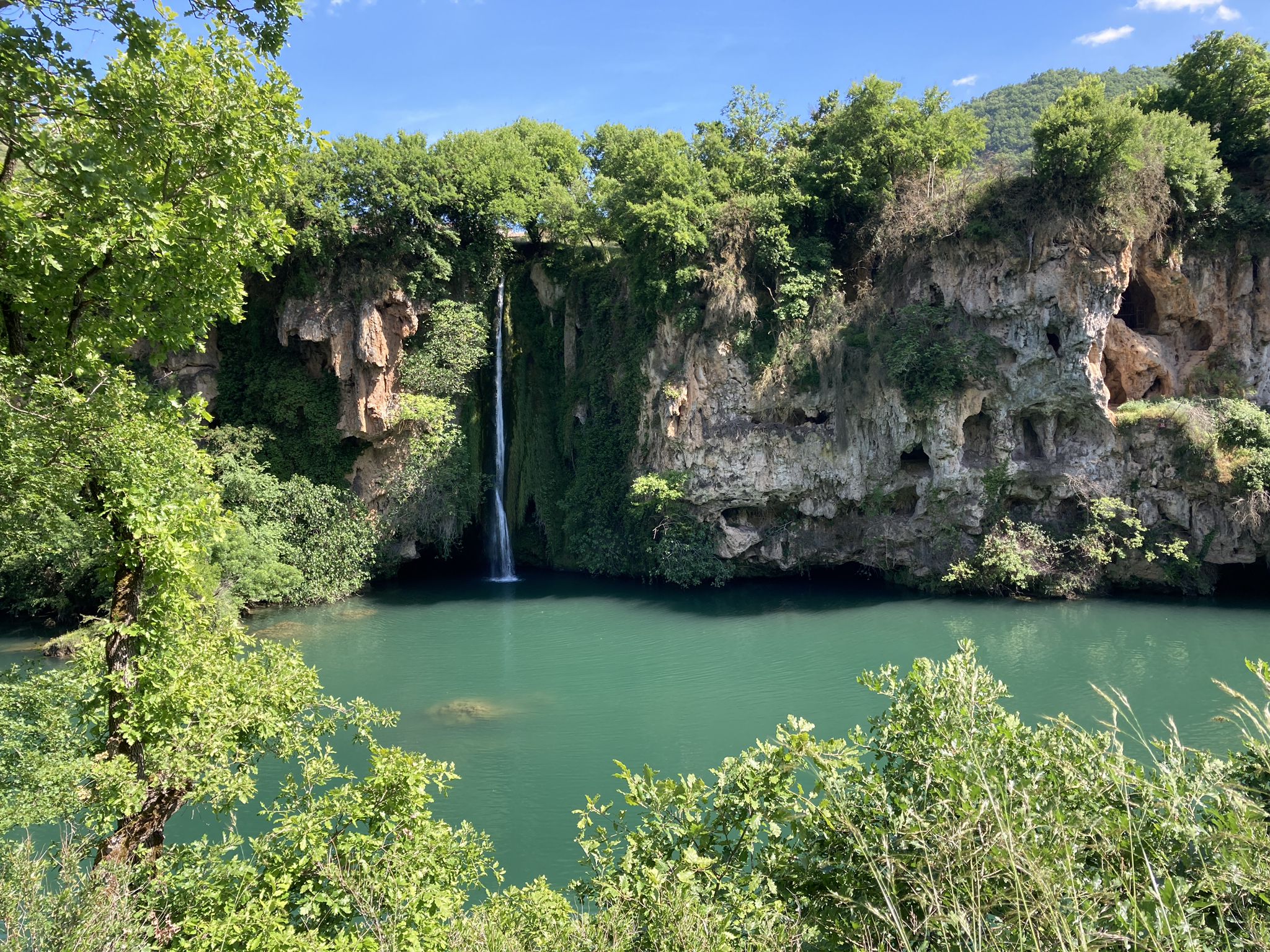
The sound of water – gravel and waterfalls in Aveyron
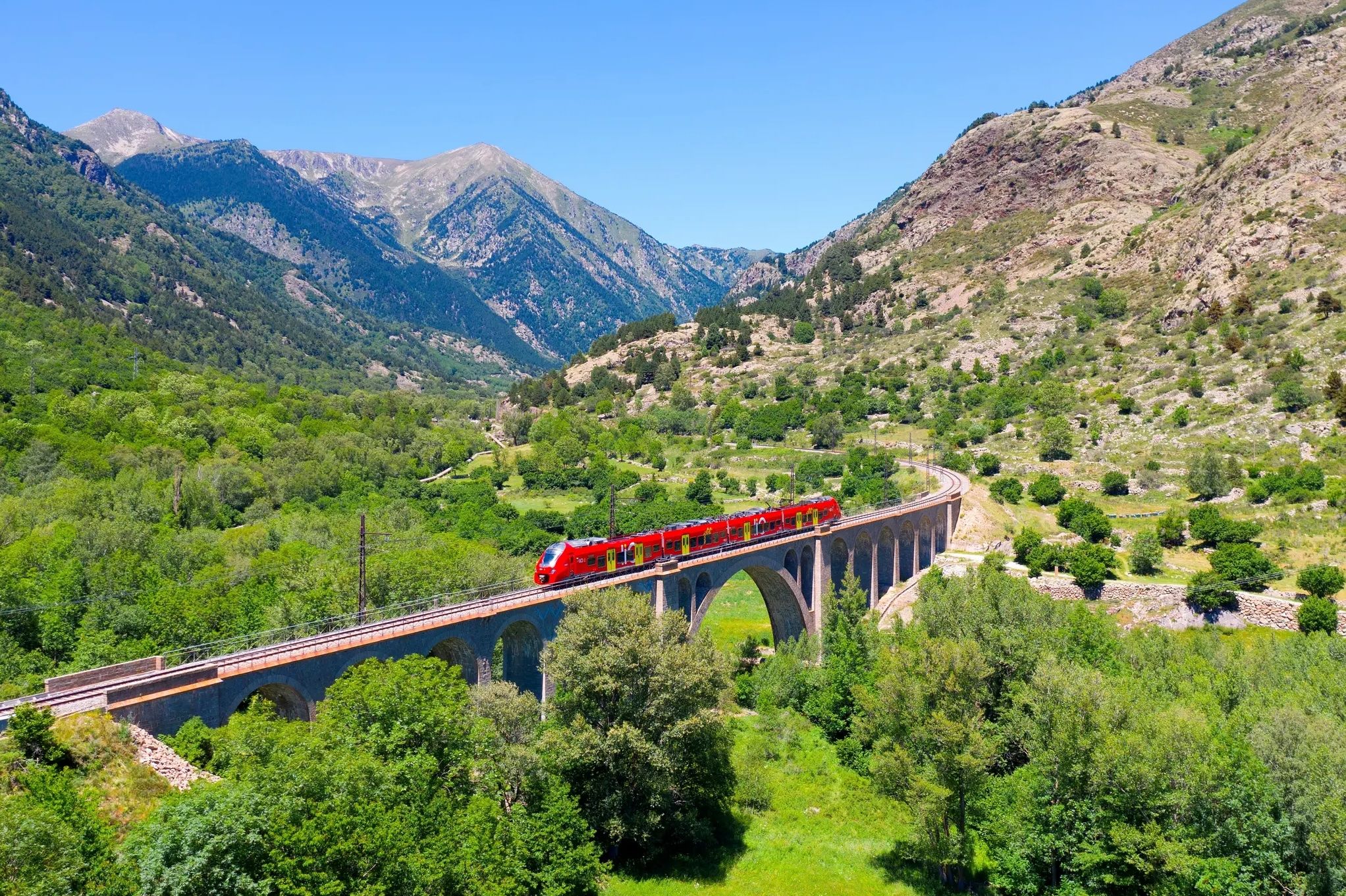
Occitanie Rail Tour – by train and on foot through Occitania
Other adventures in Grands Causses


Tips from the Community

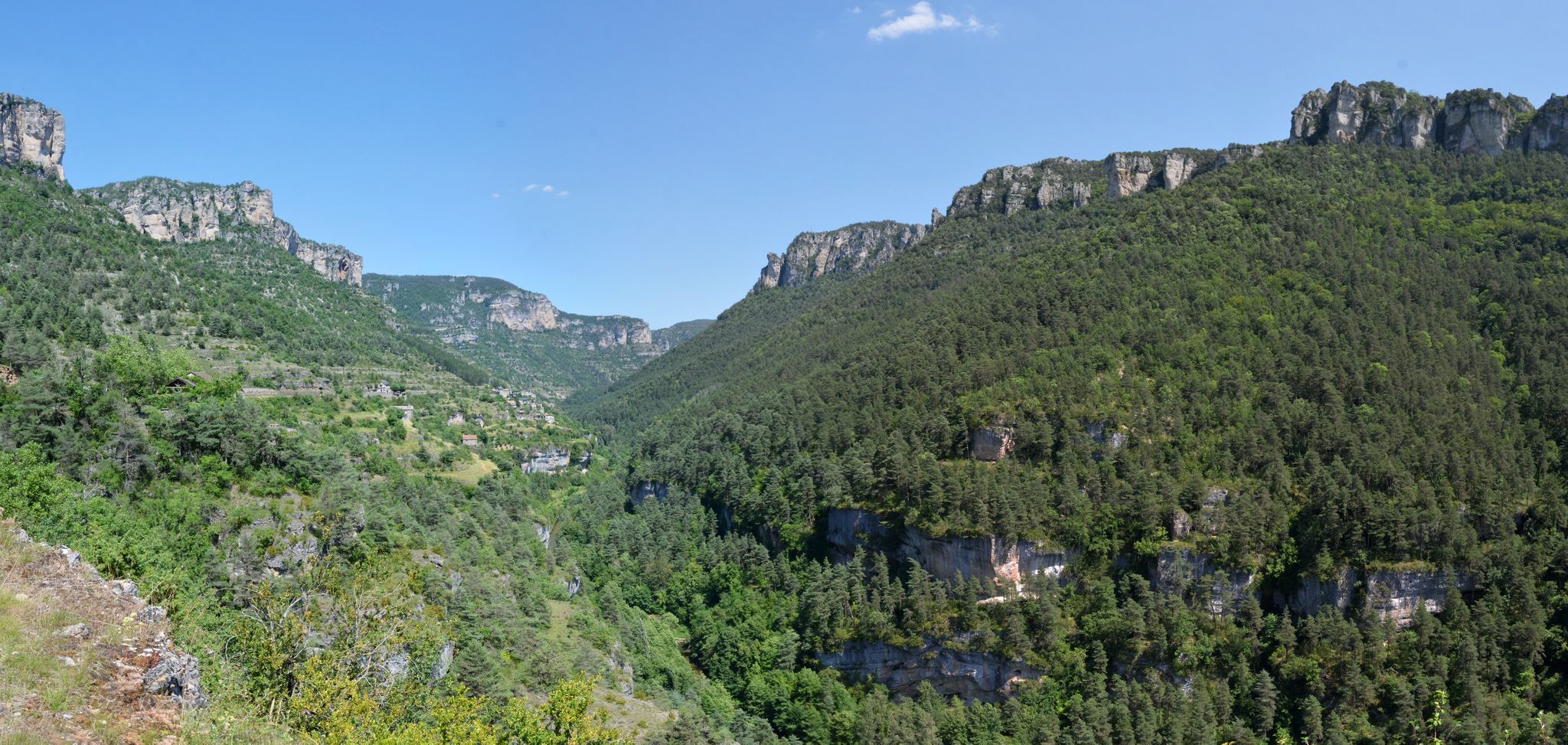
A trail that follows the heights of the cliffs that make up the Jonte Gorges. It goes from panorama to panorama (more than a dozen panoramas are on this trail), and every time you think you've seen it all, it will offer you new perspectives, or a view of cliffs and rocks you hadn't seen before! Be careful, the trail is close to the edge at times, be aware (especially if you are prone to vertigo). Be careful, there are a few short steep sections, and quite often roots that are slippery when wet. Finally, be careful, the trail is largely within a protected biological reserve. Please be respectful and quiet.
0
0


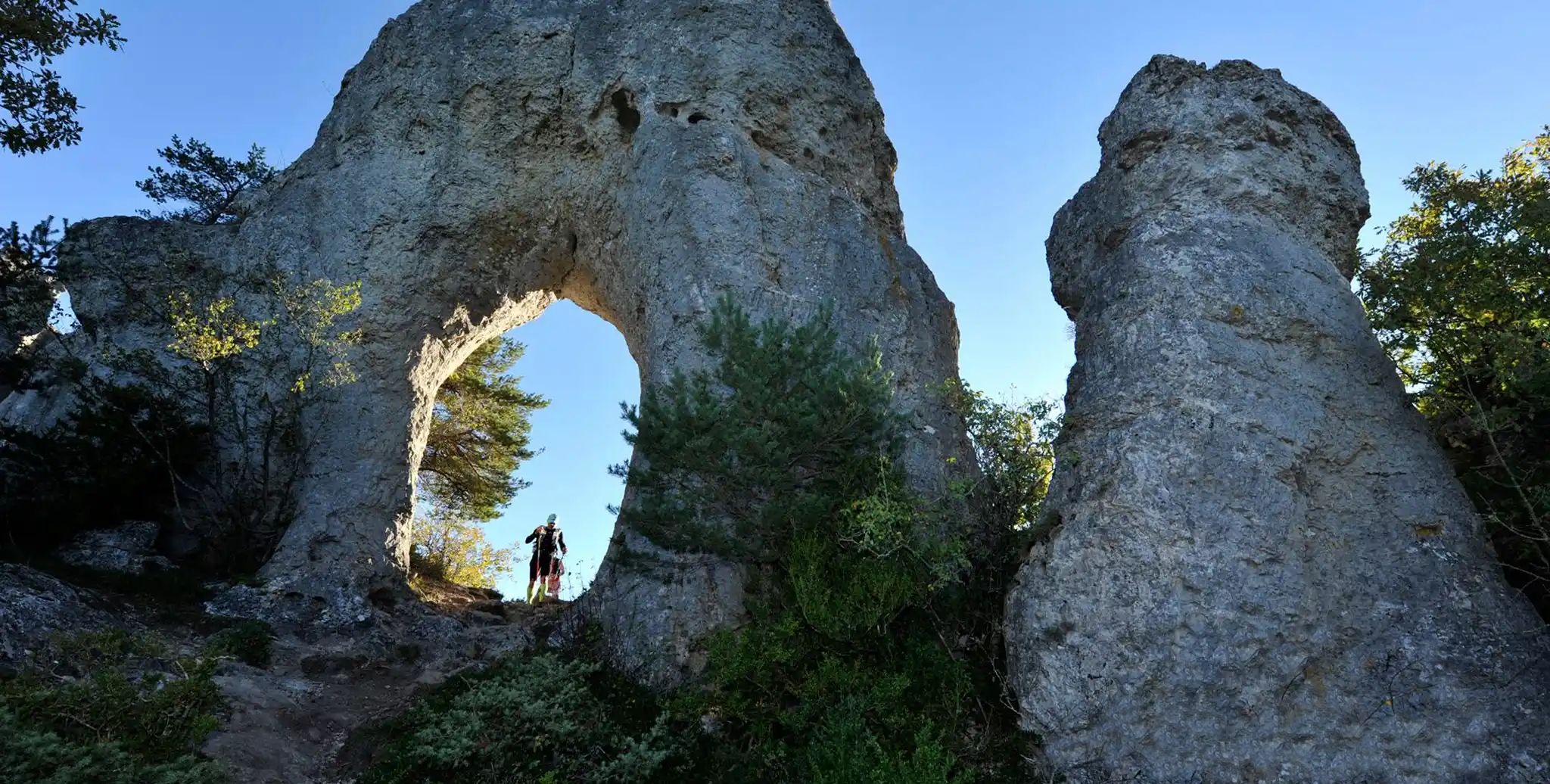
The rock formation covers approximately 120 hectares. It was formed by corrosion of the dolomite rock of the Causse Noir. It was originally assumed that the rocks were a ruined city, and it was not until 1870 that a trench was cut through the rocks. The speleologist Edouard-Alfred Martel was the first to map the rocks in 1883-1884.
7
0
The rock formation is located in the western part of the department on the high plateau of the Causse Noir. To the north lie the rivers Tarn and Jonte, to the south lie the Dourbie gorges, and to the west lies the town of Millau.
7
0

Located in the department of Aveyron, Roque-Sainte-Marguerite presents a typical setting of Occitania. The village has a notable architectural ensemble, including traditional houses and historical remains. Its position near the Dourbie gorges and within the Grands Causses offers visitors a variety of opportunities to explore the surrounding nature and indulge in outdoor activities.
0
0

Magnificent spot with its beautiful mountains ⛰ Be careful it climbs 🚴♀️
1
0

La Roque-Sainte-Marguerite is a pretty village in the heart of the Dourbie gorges between Causse Noir and Causse du Larzac.
0
1

La Roque-Sainte-Marguerite is located next to the Dourbie gorges, on the Causse Noir. At the edge of the river there is a pleasant place to take a break and cool off during the summer heat waves.
2
0
Frequently Asked Questions
What makes the canyons in Grands Causses unique?
The canyons in Grands Causses are renowned for their dramatic landscapes, carved by rivers into impressive limestone plateaus. This region in Southern France features deep gorges and unique erosional landforms, shaped primarily by the Tarn, Jonte, and Dourbie rivers. You'll find towering limestone cliffs, winding rivers, and distinctive geological formations like the incised meander of the Cirque de Navacelles.
What kind of natural features can I expect to see in the Grands Causses canyons?
You can expect to see a variety of natural features, including towering limestone cliffs, winding rivers, and unique rock formations. For instance, the Belvedere Montpellier le vieux features a striking rock formation in the Causse Noir, shaped by the corrosion of dolomite rock. The Gorges de la Jonte are known for formations like the "Vase de Chine" and "Vase de Sèvre," while the Cirque de Navacelles showcases a spectacular dried-up river meander with a waterfall.
Are there any notable viewpoints in the Grands Causses canyons?
Yes, the region offers numerous breathtaking viewpoints. In the Gorges du Tarn, you can find panoramic vistas from Point Sublime, Cirque des Baumes, and Roc des Hourtous. The Cliffs of the Cirque du Boundoulaou offer magnificent views of the Tarn valley and the Millau viaduct. For the Cirque de Navacelles, viewpoints like La Baume Auriol and Blandas provide incredible perspectives of this unique landform.
What outdoor activities can I do near the Grands Causses canyons?
The Grands Causses region is ideal for various outdoor activities. You can enjoy hiking, kayaking, rafting, and caving in the Gorges du Tarn. The Gorges de la Jonte are popular for camping, climbing, and birdwatching. For white-water sports, aquatic walks, canyoning, and rafting are excellent in the Gorges de la Dourbie. Additionally, the Cirque de Navacelles is perfect for hiking, mountain biking, or even exploring with a donkey. For more specific routes, check out the guides for Gravel biking in Grands Causses, Cycling in Grands Causses, and Mountain Hikes in Grands Causses.
What is the best time to visit the Grands Causses canyons?
The climate in the Grands Causses region is Mediterranean, with mild winters and very warm summers. Summer is ideal for cooling off in rivers like The Tarn and enjoying water-based activities. Spring and autumn offer pleasant temperatures for hiking and exploring the landscapes without the peak summer heat.
Are there family-friendly activities or trails in the Grands Causses canyons?
Yes, many areas are suitable for families. The Gorges du Tarn offer picturesque villages like Sainte-Enimie and opportunities for gentle kayaking. The Cirque de Navacelles has numerous marked trails suitable for hiking and exploring with children, and you can even explore with a donkey. Many villages throughout the canyons offer accessible spots for picnics and enjoying the scenery.
Can I observe wildlife in the Grands Causses canyons?
Yes, the canyons are rich in biodiversity. The Gorges de la Jonte are particularly known for birdwatching, especially for observing vultures. The Maison des Vautours at Saint-Pierre-des-Tripiers offers a rare chance to see wild vultures. The Gorges du Trévezel are also part of a reintroduction project for bearded vultures, making it another good spot for wildlife enthusiasts.
What are some picturesque villages to visit within the canyons?
The canyons are dotted with charming villages. In the Gorges du Tarn, you can visit Sainte-Enimie (listed as one of France's most beautiful villages), Castelbouc, La Malène, and Saint-Chély-du-Tarn. The Gorges de la Dourbie feature picturesque villages like Cantobre and Saint-Véran, while the Cirque de Navacelles has the photogenic village of Navacelles at its center.
Are there opportunities for caving or spelunking in the Grands Causses canyons?
Yes, the limestone plateaus of Grands Causses are rich in caves and sinkholes. The Gorges du Tarn area boasts impressive caves like Aven Armand and Dargilan Cave. Spelunkers will also appreciate the caves and sinkholes found in the Gorges du Trévezel area.
What are the Gorges de la Jonte known for?
The Gorges de la Jonte are known for their stunning and rugged natural beauty, showcasing scenic cliffs and steep forested slopes. They are part of the Regional Natural Park des Grands Causses and feature unique rock formations like the "Vase de Chine" and "Vase de Sèvre." It's a popular destination for campers, climbers, and birdwatchers, especially for observing vultures.
Where can I find information about hiking trails in the Grands Causses canyons?
Numerous hiking opportunities exist throughout the Grands Causses canyons. The Gorges du Tarn offer trails like the Sentier des Douaniers. The South Ledges of the Jonte provide a trail with multiple panoramas along the cliff heights. The Gorges du Trévezel also offer excellent hiking, particularly around the village of Cantobre. For more detailed routes, explore the Mountain Hikes in Grands Causses guide.
What is special about the Cirque de Navacelles?
The Cirque de Navacelles is a unique and spectacular erosional landform, designated as a "Grand Site de France." It's an incised meander, a 300-meter-deep cliff encircling an oxbow lake where the Vis river once flowed, creating an eight-meter-high waterfall. At its center lies the "Rocher de la Vierge," surrounded by fertile land, creating a striking contrast of green fields, woodland, and dry, stony banks.
Most popular routes in Grands Causses
Most popular attractions in Grands Causses

Get inspired with the komoot mobile app


Explore more
Already discovered everything in this region? See additional gorges in Grands Causses for your next adventure:
