Top 3 Castles around the Maround theho
Best castles around the Maround theho are found in the Minho region of northern Portugal, a historical area known for its significant role in the nation's formation. This region features a landscape rich with rivers, valleys, and granite outcrops, providing strategic locations for ancient strongholds. These sites offer insights into Portugal's past, from early Romanesque military designs to extensive 17th-century fortifications. Visitors can explore well-preserved fortresses and medieval towns that stand as enduring symbols of heritage.
Best castles around the…
Last updated: May 18, 2026
Fortress of Valença
Highlight • Historical Site
Translated by Google •
Tip by

Portico of the Church of Santa María de la Asunción, Baiona
Highlight • Religious Site
It began to be built in 1120, although it would not be consecrated until 1225, already in the …
Translated by Google •
Tip by

Sign up now to discover places like this
Get recommendations on the best single tracks, peaks, & plenty of other exciting outdoor places.
Sign up for free
Lapela Tower
Highlight • Historical Site
Tip by

Salvaterra de Miño Fortress
Highlight • Castle
Tip by
Castle of Melgaço
Highlight • Castle
The castle is the most …
Tip by
View of Valença Fortress from the Dock
Highlight • Viewpoint
Translated by Google •
Tip by

Start today with a free account
Your next adventure awaits.
Login or Signup
Popular around Minho
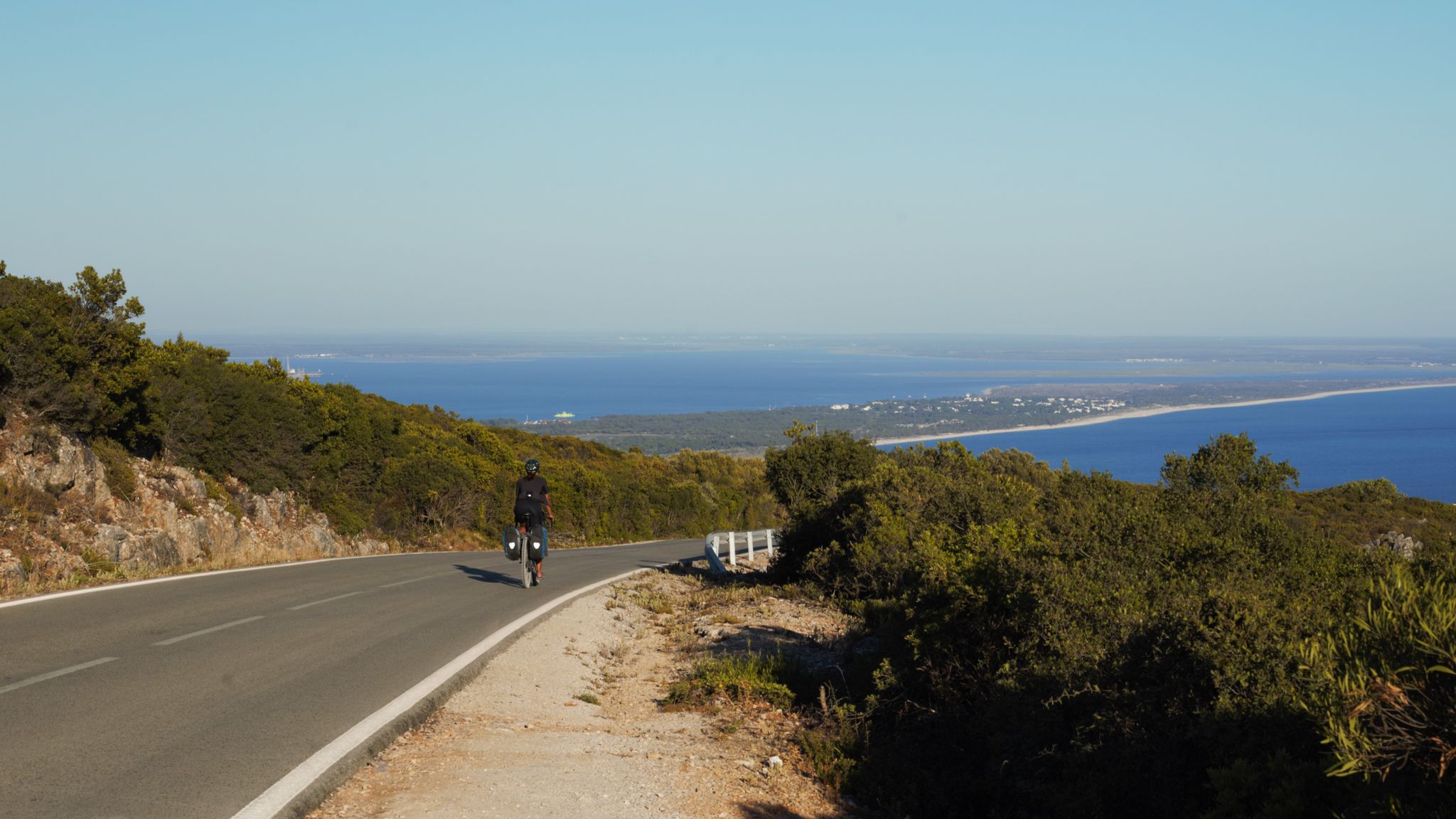
The breaking waves – cycle along the Atlantic coast of Portugal
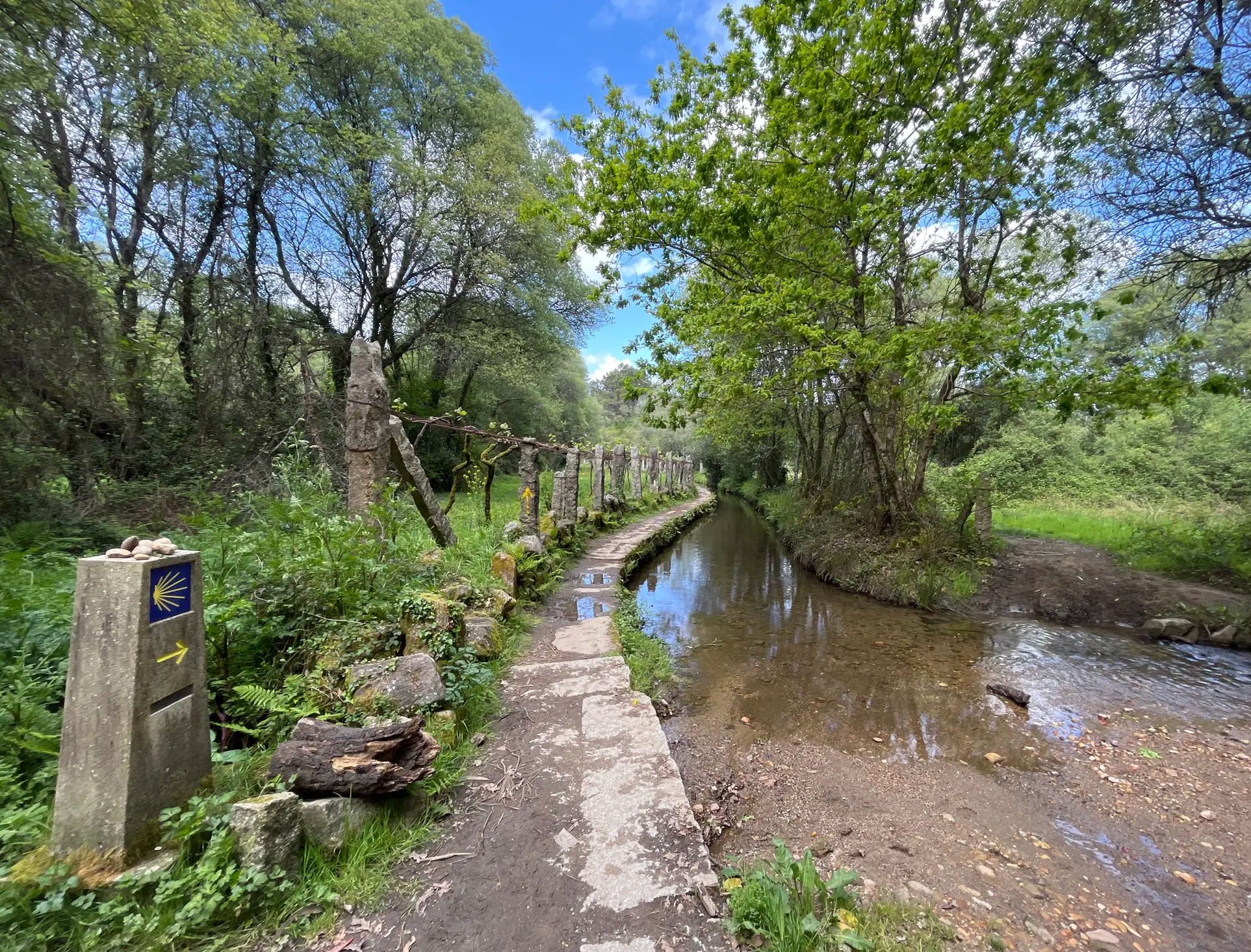
Na Rota dos Peregrinos – o Caminho Central Português
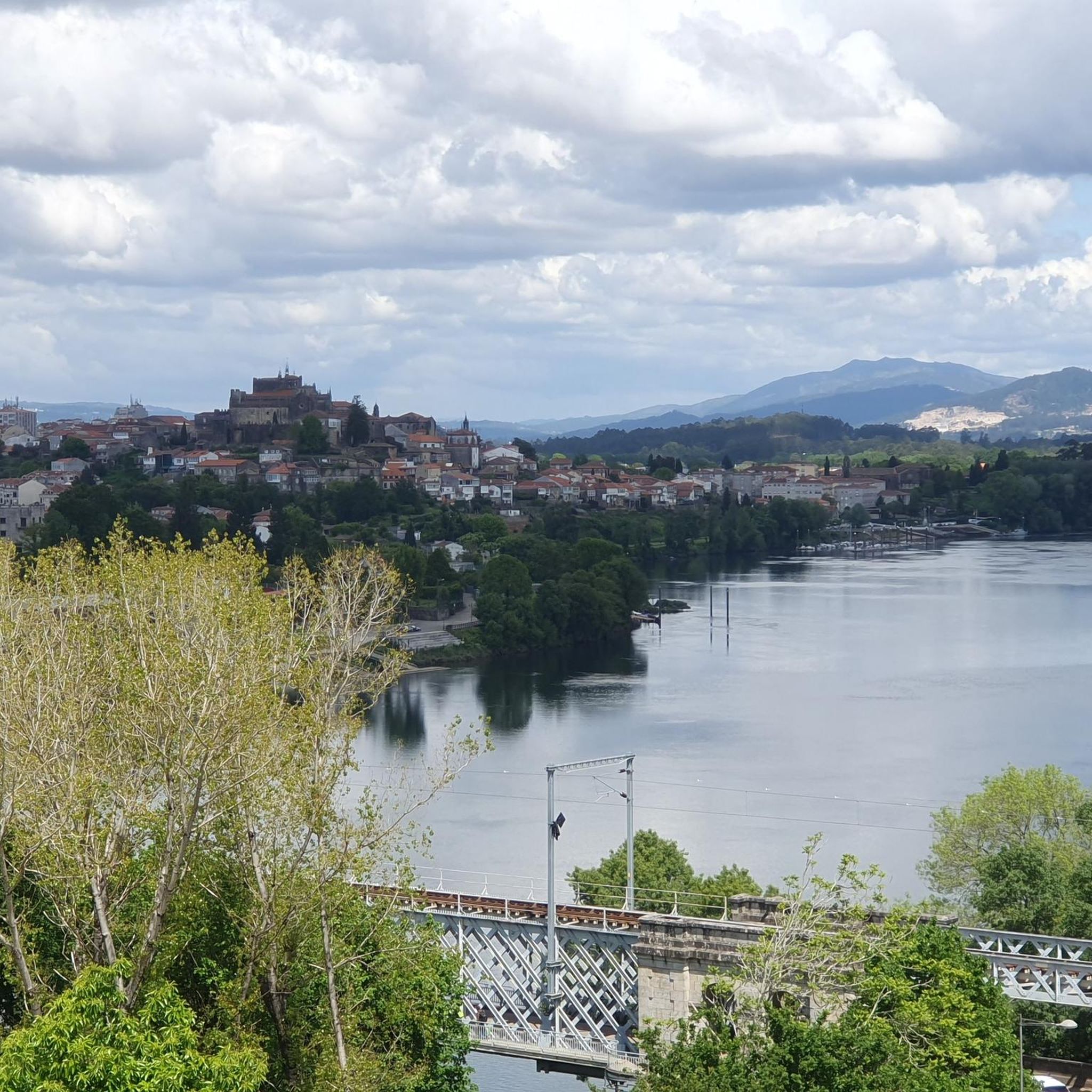
Cycling around the Maround theho
MTB Trails around the Maround theho
Road Cycling Routes around the Maround theho
Hiking around the Maround theho
Running Trails around the Maround theho

Gravel biking around the Maround theho


Tips from the Community

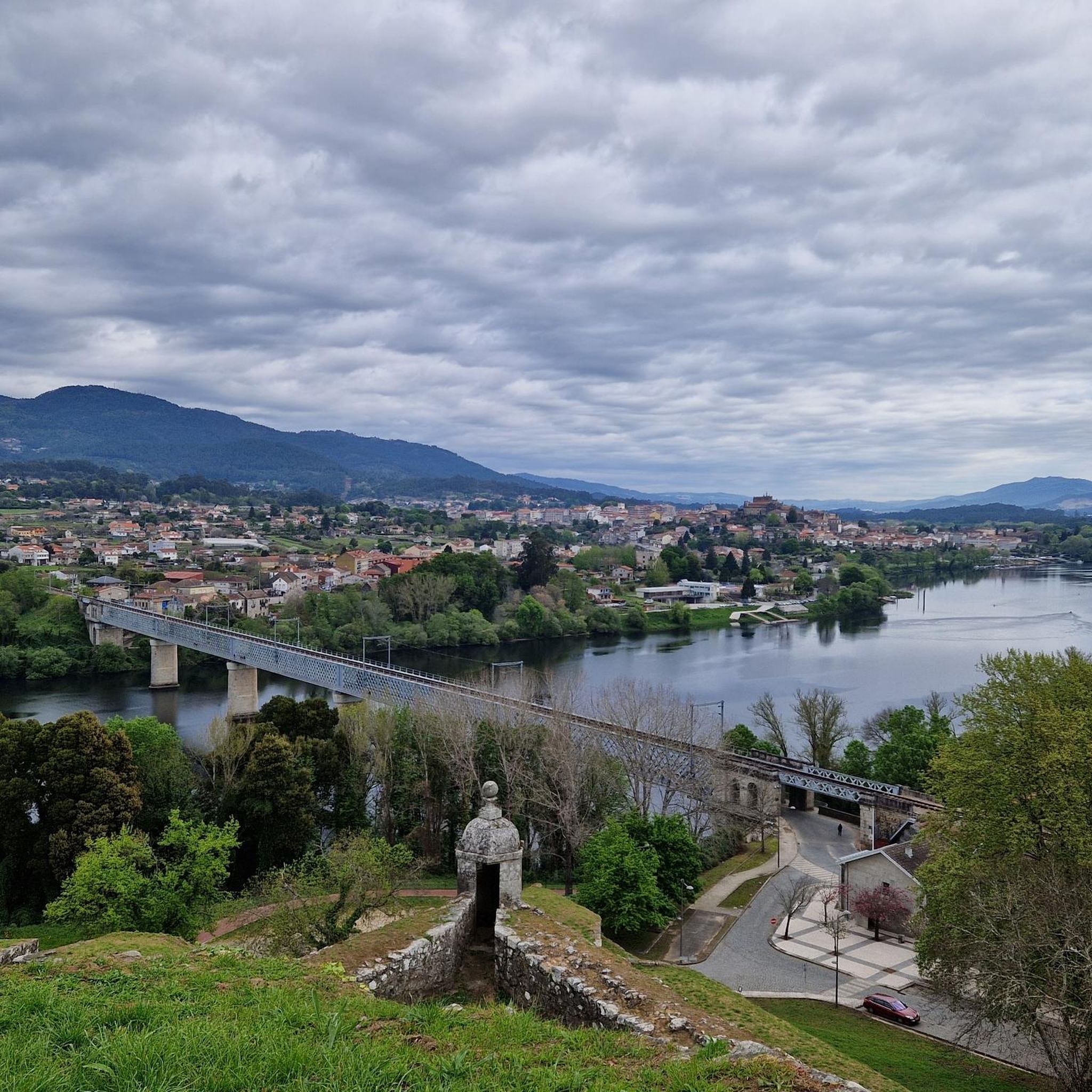
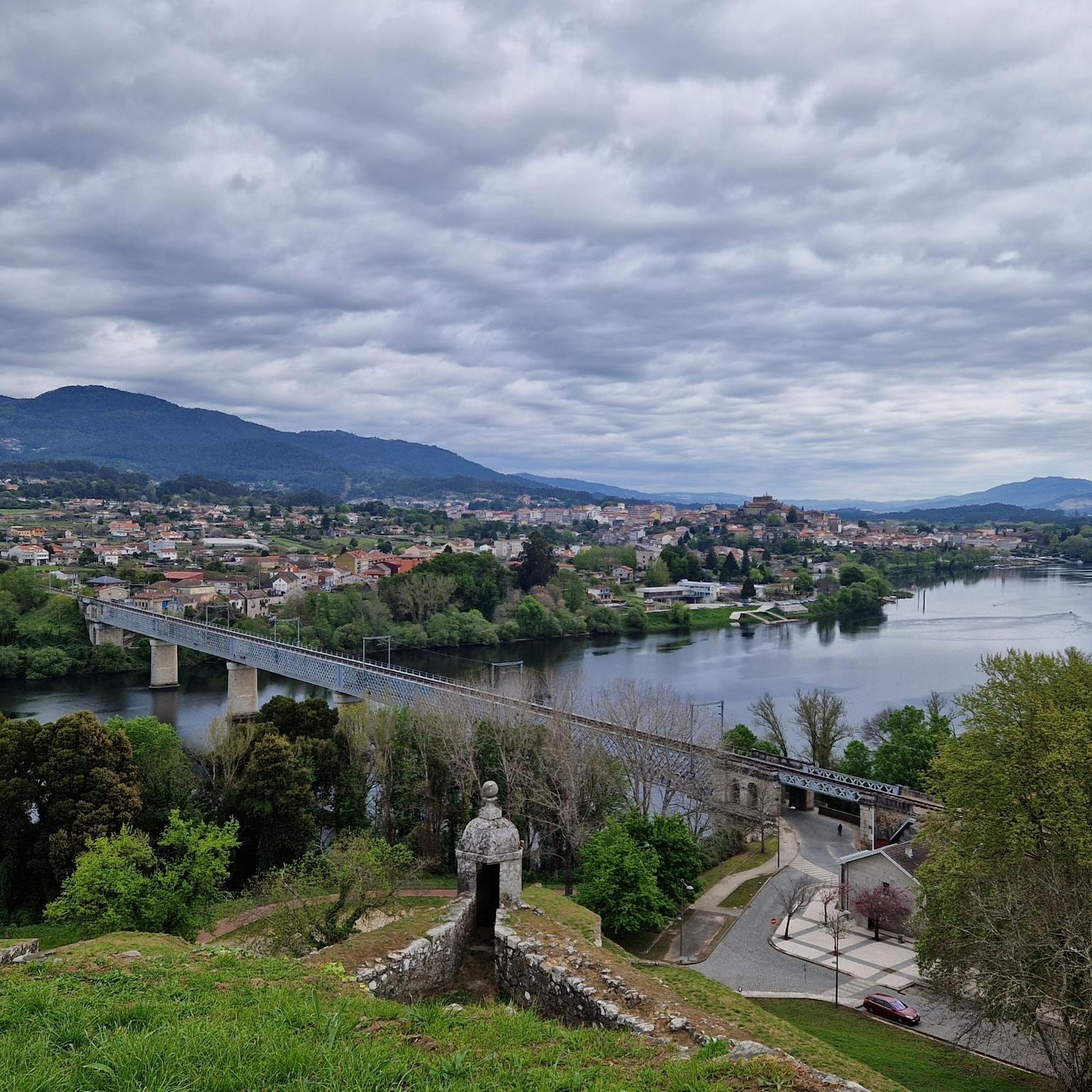
Not only is the view beautiful, a quiet visit to the Fortress should be a must-do.
0
0

Valença Fortress, also known as Praça-forte de Valença do Minho, is an imposing jewel of Portuguese military architecture with over eight centuries of history. Its origins date back to the 13th century, when King Sancho I and later Afonso III fortified it to protect the border with Galicia. During the Restoration War (17th–18th centuries), it was transformed into a Vauban-style fortress under the engineer Miguel de l’École and the architect Manuel Pinto de Vilalobos, being completed in 1713. The fortress withstood attacks during the Restoration, was captured and recaptured several times, and was also defended during the Napoleonic Wars and the Liberal Wars.
4
0

The imposing Valença Fortress rises atop a hill, dominating the landscape and leaving an unforgettable impression on those who arrive. More than a symbol, it is the soul of the city, preserving centuries of history within its walls. Built in the 17th century on the ruins of an ancient 13th-century castle, the fortress is a masterful example of military architecture of the period, with its star-shaped walls stretching for an impressive 5.5 kilometers. Upon entering, one immediately senses the strength and grandeur of Valença, one of the oldest towns in Portugal.
2
0

Superbly preserved and well-maintained star-shaped fortress
5
1

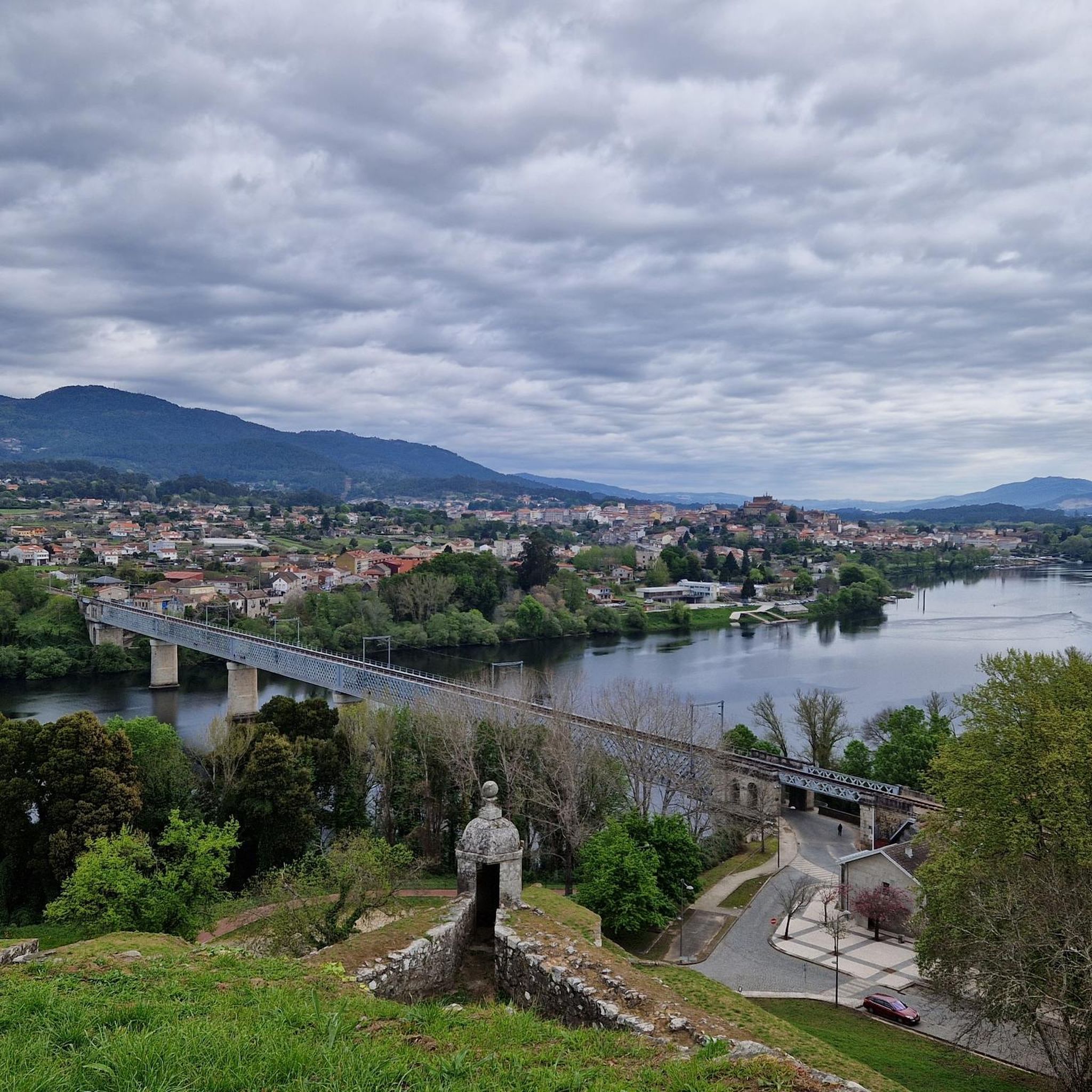
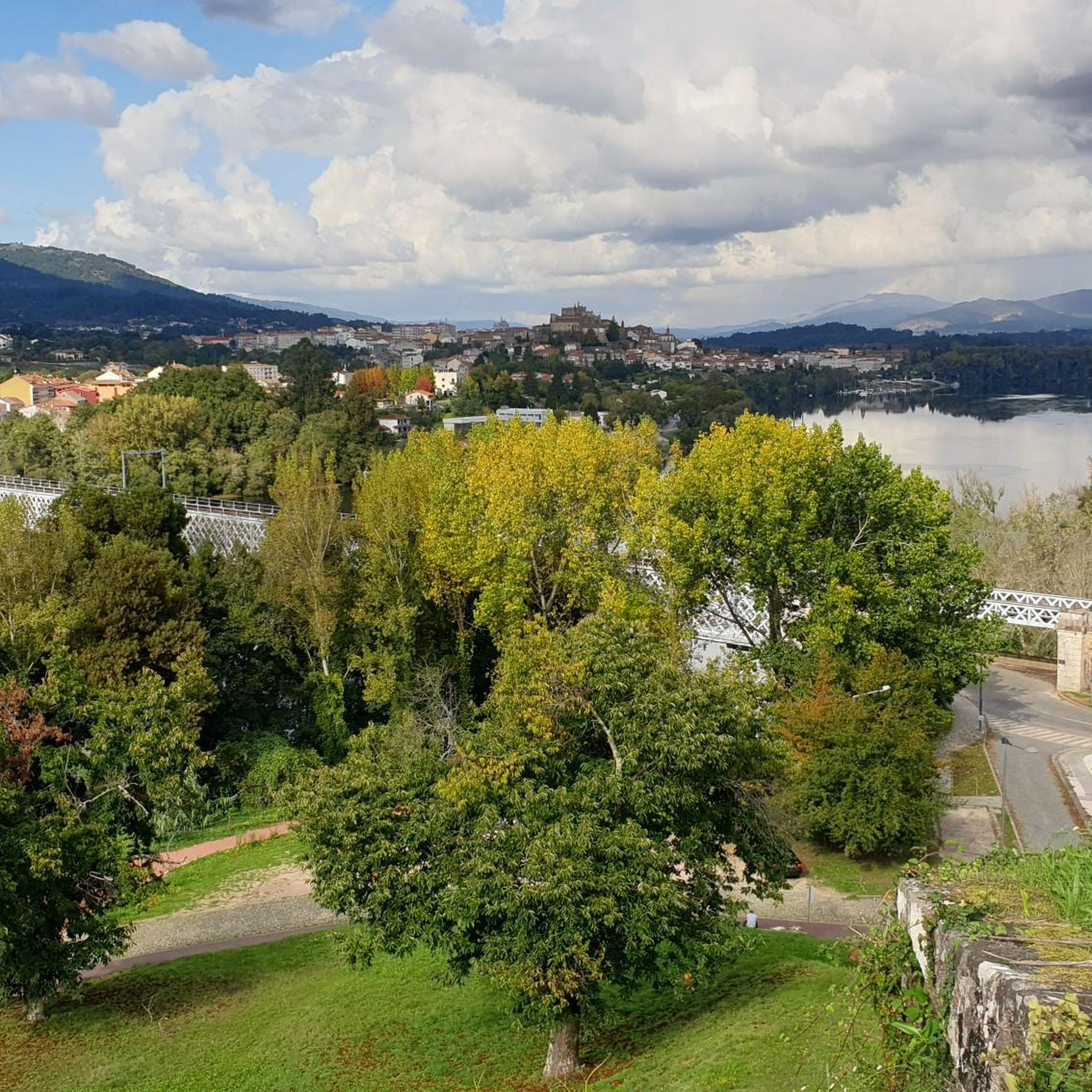
The well-preserved star fortress of Valença dominates the Minho valley from an elevated position and offers wide views in all directions.
4
1

The Romanesque Cathedral of Santa María with Gothic influences is a fortress-like cathedral that was begun in 1120 but not consecrated until 1225. Its cloister (13th century) is worth mentioning, the only complete medieval cloister that has been preserved in a cathedral in Galicia, and the Santiago Chapel inside the church. The interior can be visited for €3, and you can get your pilgrim stamp at the ticket office.
4
1
In the 12th century it was the main border defense of Alto Minho, forming the northernmost guard post in Portugal on the section where the Minho River begins its border function and monitoring the crossing into Galicia (WIKIPEDIA). Today just a ruin. There is a small museum in the preserved keep.
0
0
Frequently Asked Questions
Which castles in the Minho region are particularly family-friendly?
Several castles in the Minho region are great for families. The Fortress of Valença offers wide-open spaces within its walls, perfect for exploring. The Castle of Melgaço, with its small museum inside the keep, provides an engaging historical experience. Additionally, the Lapela Tower and Salvaterra de Miño Fortress are also noted as family-friendly.
What is the best time of year to visit the castles in Minho?
The Minho region is beautiful year-round. Spring (April-May) and early autumn (September-October) offer pleasant temperatures for exploring, with fewer crowds than peak summer. Summer can be warm, but the castles often provide shade and breezes. Winter visits are also possible, though some indoor exhibitions might have reduced hours.
Are there any castles in the Minho region that are considered 'hidden gems'?
While Fortress of Valença and Guimarães Castle are well-known, Melgaço Castle offers a unique circular layout and a small museum, often providing a quieter experience. Lanhoso Castle, perched on a massive granite monolith, is also a less-frequented but historically rich site with stunning views.
What kind of historical significance do the castles in Minho hold?
The castles in Minho are deeply intertwined with Portugal's formation. Guimarães Castle is famously known as the 'Cradle of the Nation' due to its pivotal role in the country's independence. Fortresses like Valença and Melgaço were crucial border defenses against Spain, showcasing centuries of military architecture and strategic importance.
What outdoor activities can I do near the castles in the Minho region?
The Minho region offers various outdoor activities. Near the castles, you can find numerous cycling and hiking routes. For cycling, consider the Minho River Ecopista or routes like 'Recreational dock – Minho River loop from Valença'. For hiking, there are easy trails such as 'Fortress of Valença – Chapel of Saint Sebastian loop from Valença' or more challenging options like 'Tui - Rio Louro trail'. You can find more details in the hiking guide and cycling guide for the area.
Are there any castles in Minho with notable architectural features?
Yes, the Minho region boasts diverse castle architecture. Guimarães Castle is an excellent example of early Romanesque military design with its shield-like shape and seven towers. The Fortress of Valença is a masterful 17th-century star-shaped fortification. Melgaço Castle is notable for its rare circular layout, while Lanhoso Castle is uniquely situated atop Portugal's largest granite monolith.
What kind of views can I expect from the castles in Minho?
Many castles in Minho offer spectacular panoramic views. From Guimarães Castle, you can see sweeping vistas of the city and the lush Minho region. The Fortress of Valença provides breathtaking views of the Minho River and the Spanish city of Tui. Lanhoso Castle offers expansive views over the surrounding mountains and the Ave and Cávado river valleys.
Can I find cafes or restaurants near the castles in Minho?
Yes, many castles are located near or within historic towns that offer dining options. For example, inside the walls of the Fortress of Valença, you'll find a lively medieval town with local shops and cafes. Similarly, Melgaço Castle is at the center of an old town with restaurants.
Are there any castles in the Minho region that are being converted or repurposed?
Yes, Curutelo Castle in Ponte de Lima is currently undergoing conversion into a hotel and wine tourism project, the Vila Galé Collection Paço do Curutelo. It is expected to open in 2025, allowing visitors to experience its history in a luxurious setting with a winery and vineyard.
What should I wear when visiting castles in the Minho region?
Comfortable walking shoes are highly recommended, as you'll likely be exploring cobbled streets, uneven terrain, and climbing stairs within the castles. Layers are also advisable, as temperatures can vary, especially when moving between indoor and outdoor areas or if visiting during shoulder seasons. A hat and sunscreen are good for sunny days, and a light jacket for cooler evenings or windy viewpoints.
Are there any castles in Minho that are particularly well-preserved?
The Fortress of Valença is considered one of the largest and best-preserved fortifications in the world, with its massive walls and bastions. Guimarães Castle is also very well-preserved, allowing visitors to explore its Romanesque and Gothic influences. Curutelo Castle, though undergoing conversion, is also noted for its good state of preservation.
Most popular routes around the Maround theho
Most popular attractions around the Maround theho

Get inspired with the komoot mobile app


Explore more
Looking for the best castles somewhere else? Discover other guides around the Maround theho:
