Top 3 Caves around Orsières
Caves around Orsières, Switzerland, offer a blend of natural underground formations and historical sites within the Valais region. Orsières is situated in an alpine landscape, known for its connection to the Grand St. Bernard Pass. The area features various underground attractions, from undeveloped natural caves to military fortifications and old mining tunnels. These sites provide insights into the region's geology and past.
Best caves around Orsières
- The most popular caves include Plan Puitz Fortification (Cadorna Line), a historical site…
Last updated: October 3, 2026
Cave
Highlight • Cave
At first you will feel inclined to enter but …
Tip by

Farinet Cave
Highlight • Cave
Translated by Google •
Tip by

Sign up now to discover places like this
Get recommendations on the best single tracks, peaks, & plenty of other exciting outdoor places.
Plan Puitz Fortification (Cadorna Line)
Highlight • Historical Site
Showing Translation
Tip by

Old Mines of Mont Chemin
Highlight • Historical Site
Translated by Google •
Tip by

Start today with a free account
Your next adventure awaits.
Popular around Orsières
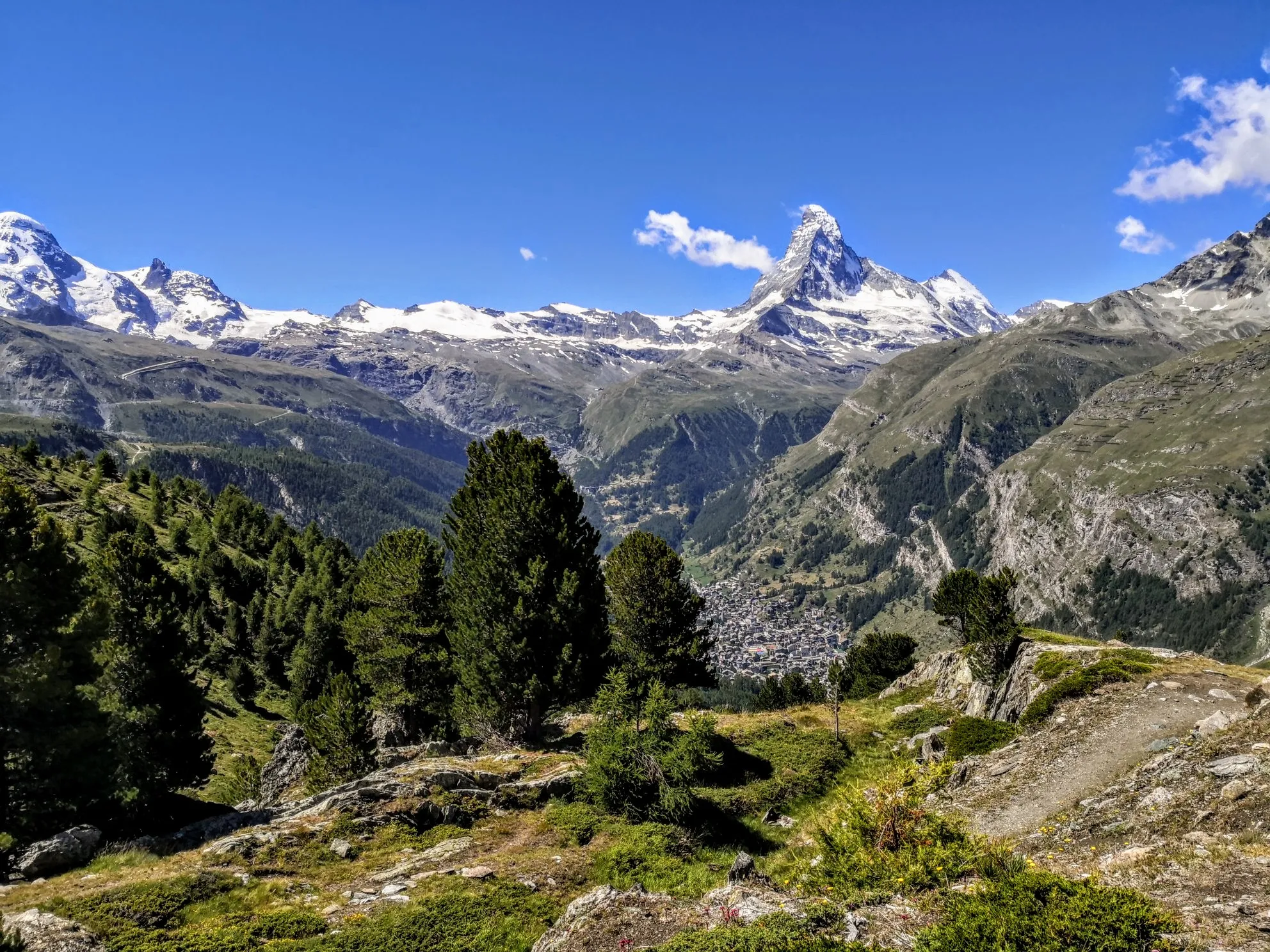
Walker's Haute Route – The ultimate alpine adventure
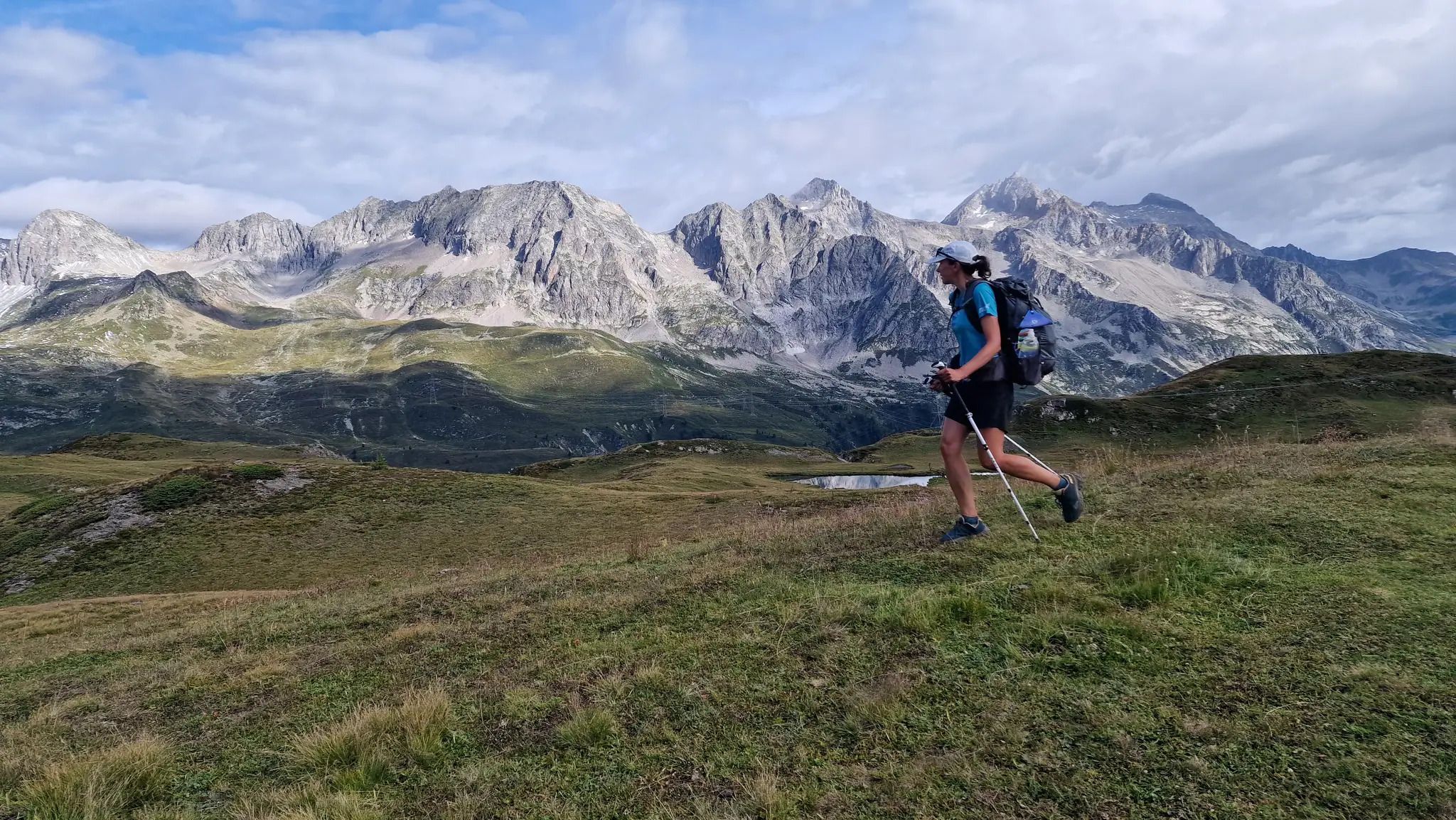
Alpine Passes Trail – hiking 700km across Switzerland
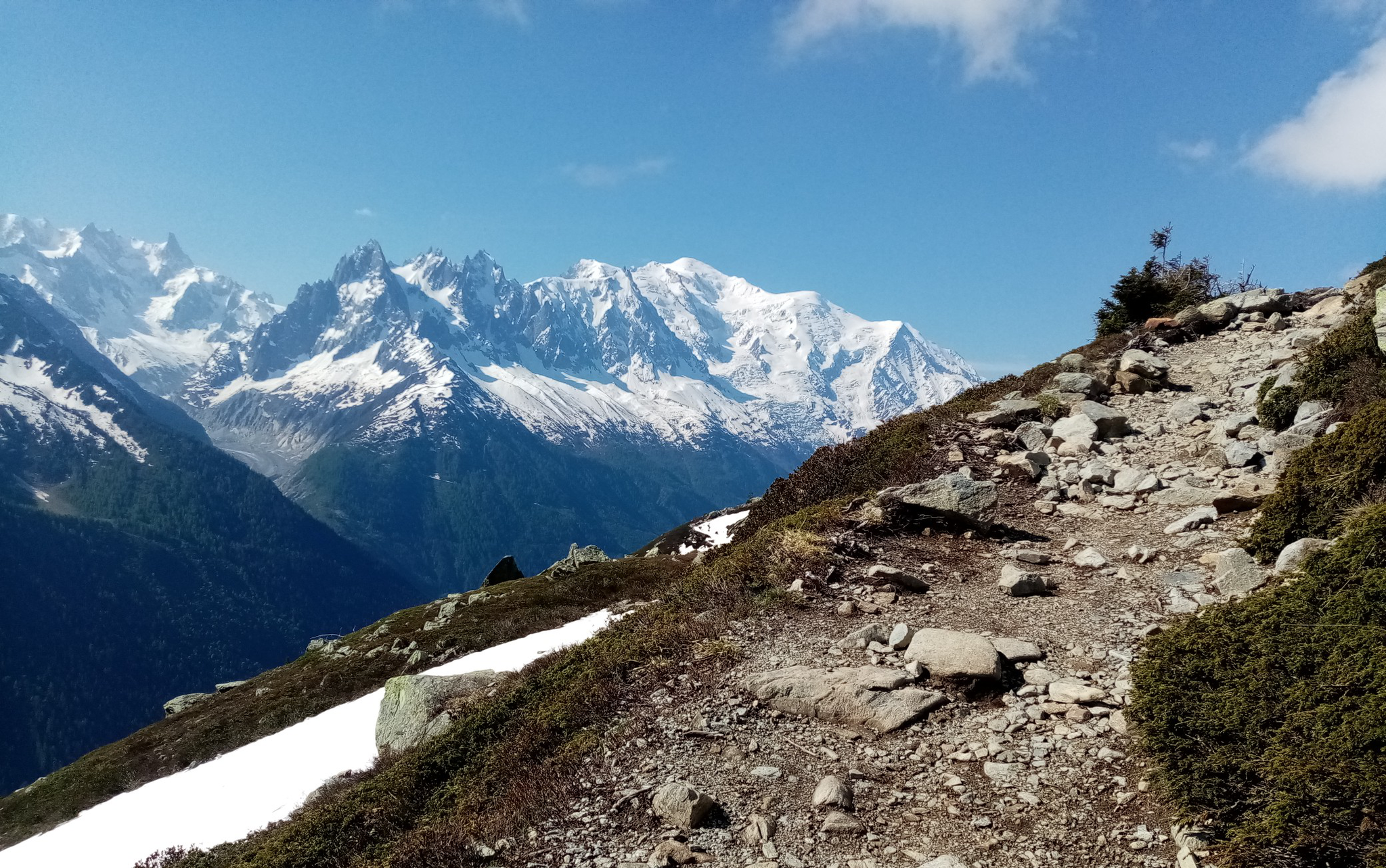
Ultra-Trail du Mont-Blanc – following the footsteps of legends
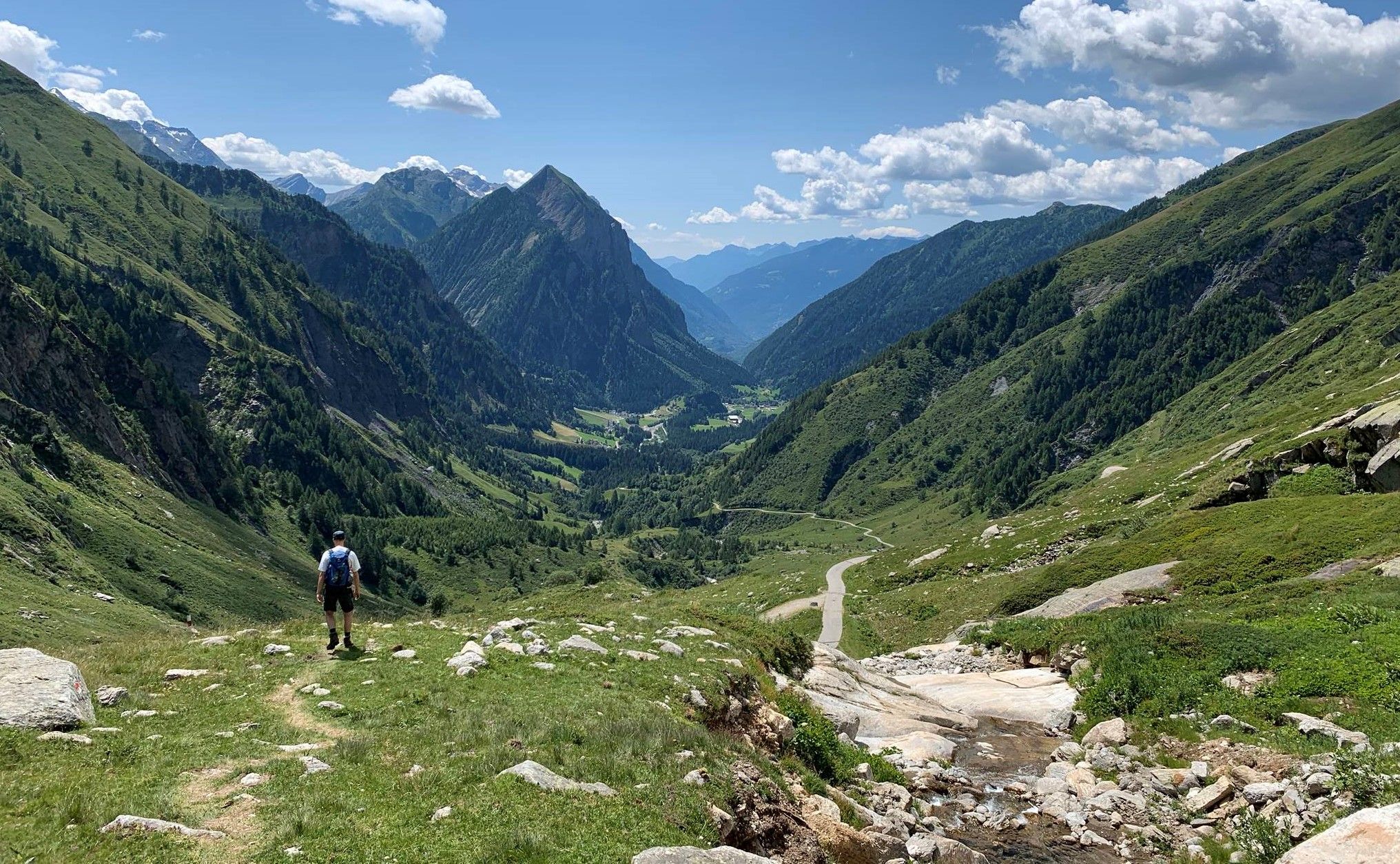
Alpine Passes Trail in Switzerland – 34 stages of pure mountain fun
Between the glaciers of the King of the Alps – Mont Blanc MTB Tour
Running with passion – Haute Route from Chamonix to Zermatt
Three days, three countries – running the iconic CCC
Hiking around Orsières
MTB Trails around Orsières
Running Trails around Orsières
Other adventures around Orsières


Tips from the Community

The Plan Puitz fortification is a cavern battery of the Cadorna Line, built between 1916 and 1917 to control the nearby border during World War I. Its firing positions and the tunnels dug into the mountain are still clearly recognisable today and transform the headland into a particularly evocative meeting point between alpine landscape and military history.
1
0


You can access the Farinet cave by passing behind the waterfall refreshment bar; the route is clear and protected. Then, let yourself be guided by the explanations of the place to discover its history.
0
0

The descent to this small illuminated grotto is very interesting.
1
0

A historic place in the valley
1
0

A visit to the cave can be combined with the Cascade de Berard
2
0

If you are feeling adventurous and have a flashlight or headlamp handy, you may feel the urge to enter this cave. At first you will feel inclined to enter but shortly after entering you will feel frightened--an inexplicable feeling of dread may assail you: Nothing more irrational, there is absolutely nothing to fear in this large hole in the rock, only the drops of water from the seepage of the vault falling on your head. You will find that someone else has gone in before you and perhaps thought better of going to the toilet in a moment of desperate need. Others have decided for some reason to light a fire in the past, or leave behind garbage. All in all happy to have explored but happier to have gotten out!
1
0

Walk to discover old iron, silver, fluorite and asbestos mines. Perfect for a family outing to explore geology. Allow 3 hours of walking with children.
2
0
Frequently Asked Questions
What types of underground attractions can I explore near Orsières?
Near Orsières, you'll find a mix of undeveloped natural caves, historical fortifications, and old mines. These offer unique experiences ranging from adventurous exploration to insights into military history and geology. For example, there's an adventurous undeveloped cave, the historical Plan Puitz Fortification, and the Old Mines of Mont Chemin.
Are there any family-friendly underground experiences around Orsières?
Yes, the Old Mines of Mont Chemin are particularly suitable for families. This outing allows you to explore former iron, silver, fluorite, and asbestos mines, offering an engaging way to learn about geology. It typically involves about three hours of walking.
What should I bring if I plan to explore the undeveloped 'Cave' near Orsières?
For the adventurous undeveloped cave near Orsières, it is highly recommended to bring a flashlight or headlamp. The cave is not developed for tourism, so proper lighting is essential for navigating the interior.
Can I visit historical military caverns in the Orsières region?
Absolutely. The Plan Puitz Fortification is a notable example. This cavern battery, part of the Cadorna Line, was built during World War I. Its firing positions and tunnels, dug into the mountain, are still clearly recognizable, offering a fascinating blend of alpine scenery and military history.
Is there a cave associated with local legends or history?
Yes, the Farinet Grotto, located near Saillon (a short distance from Orsières), is a historical site linked to the famous 'Robin Hood of the Alps,' Farinet. You can access this grotto by passing behind an impressive waterfall, and the route is clear and protected.
What is the geology like in the caves and mines around Orsières?
The geology varies depending on the site. The Old Mines of Mont Chemin, for instance, showcase deposits of iron, silver, fluorite, and asbestos. The undeveloped natural caves are typically formed within the alpine rock formations, often featuring dripping water from seepage.
Are there any major show caves in the broader Valais region?
While Orsières itself features more informal underground sites, the broader Valais region is home to significant show caves. The Grotte aux Fées (Fairy's Cave) in Saint-Maurice is Switzerland's first show cave, known for its underground waterfall. Please note, this cave is closed for renovations until spring 2027. Also, the Underground Lake of St-Léonard is Europe's largest natural underground lake, offering boat tours.
What outdoor activities can I combine with a visit to these caves?
The Orsières region is excellent for various outdoor activities. You can find numerous cycling routes, including traffic-free options for race bikes, touring bikes, and easy mountain biking. These guides offer routes like the 'Loop of Mayentzet' or the 'Tour du Catogne from Champex-Lac'.
Are there any specific tips for visiting the Farinet Grotto?
When visiting the Farinet Grotto, you can combine your trip with a visit to the Cascade de Berard. The descent to this small, illuminated grotto is considered very interesting, offering a glimpse into its historical significance.
What is the best time of year to visit the underground sites near Orsières?
Most underground sites, especially the historical fortifications and mines, can be visited throughout the warmer months. For undeveloped caves, conditions can vary, but generally, spring to autumn offers more pleasant access. For the Grotte aux Fées, note its closure for renovations until spring 2027.
Most popular routes around Orsières
Most popular attractions around Orsières

Get inspired with the komoot mobile app


