Top 6 Gorges in the Japanese Alps
Best canyons in the Japanese Alps are characterized by deep river valleys and dramatic mountain terrain. This region, often compared to its European counterpart, offers a diverse natural landscape for exploration. The area features numerous gorges and river-carved formations, providing varied experiences for outdoor enthusiasts. Visitors can discover a range of natural monuments and scenic viewpoints throughout these alpine environments.
Best canyons in the Japanese Alps
- The most popular canyons is Sanpuku-gake Cliff, a natural monument located at the…
Last updated: May 2, 2026
Tip by

Sanpuku-gake Cliff (Sanpuku-gake)
Highlight • Natural Monument
Tip by
Sign up now to discover places like this
Get recommendations on the best single tracks, peaks, & plenty of other exciting outdoor places.
Sign up for free
Iwagakeishi and Suginosu Waterfalls
Highlight (Segment) • Waterfall
Tip by

Tsutsuji Bridge (Tsutsuji-bashi)
Highlight • Bridge
Tip by
Dogashima Yuhodo Hiking Trail
Highlight (Segment) • Trail
Translated by Google •
Tip by

View of Tenryū Gorge from Ryūkakuhō (Ryūkakuhō Peak)
Highlight • Viewpoint
Tip by
Start today with a free account
Your next adventure awaits.
Login or Signup
Popular around Japanese Alps


Tips from the Community

A lovely little hiking trail with great viewpoints. One section requires a bit of climbing.
0
0

This cliff sits at the border between Nagano and Shizuoka prefecture, right above the Sanpuku-toge Wildflower Meadow. Do not get too close, when enjoying this breathtaking scenery. There is always a danger of landslides and rockfall.
0
0
Here the new Seinaiji Kaido route leads through a cutting with extemely high and steep rockfaces on both sides of the road. The place is beautiful but also dangerous. There is quite an amount of rock fall so proceed with caution. The cutting was made when to road was built in 1909. There a soba and venison restaurant close by and a beautiful waterfall with a natural pool on the other side of the road. Great place to cool down in summer.
0
0

Not too challenging but wear good footwear. Place gets very crowded so arrive early to avoid the jam.
0
0
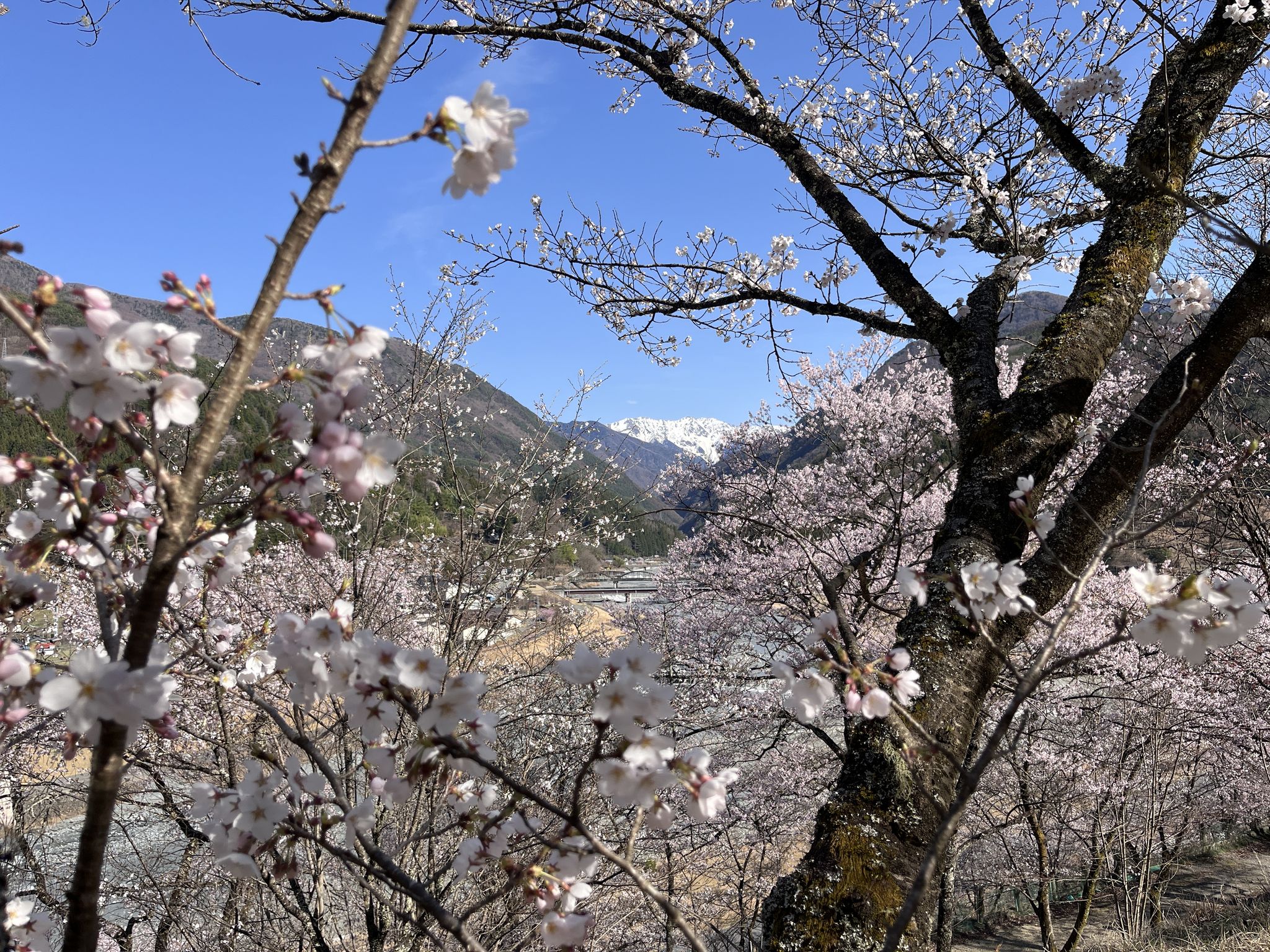
This is the best place to view the Tenryukyo Gorge in all its glory. There is an Onsen Hotspring and a restaurant close by.
0
0
From Ryūkakuhō (龍角峯), literally meaning Dragon-Horn-Peak, you have a complete view over Tenryū Gorge, with Ryūkyōtei Hotspring (龍峡亭) to the north and the Big Tenryūkyō Bridge to the south.
1
0
Frequently Asked Questions
What natural features can I expect to see in the canyons of the Japanese Alps?
The canyons in the Japanese Alps are known for their dramatic landscapes, including deep river valleys, steep V-shaped valleys, and impressive cliff formations. You can find pristine waters, lush forests, and numerous waterfalls, such as the Iwagakeishi and Suginosu Waterfalls. Areas like Kurobe Gorge are characterized by their rugged beauty, while Kamikochi offers picturesque river valleys with crystal-clear rivers and towering mountain peaks.
Are there any historical sites or unique structures within the canyons?
Yes, the region offers a blend of natural beauty and historical elements. For instance, the Oshiba Cutting on the Seinaiji Kaido is a historical site where the road was carved through extremely high and steep rockfaces in 1909. You can also find scenic bridges like Tsutsuji Bridge, offering excellent views over gorges like Tenryū Gorge.
What kind of outdoor activities can I do near the canyons in the Japanese Alps?
Beyond exploring the canyons themselves, the Japanese Alps offer a wide range of outdoor activities. You can find excellent waterfall hikes, challenging mountain hikes, and various running trails. Minakami is a premier destination for canyoning, rafting, and even glamping, while Kamikochi is renowned for its extensive hiking opportunities.
Are there family-friendly activities available in the Japanese Alps canyons?
Yes, there are options for families. In Minakami, canyoning tours are available and accessible for beginners and families with children over 10 years old. The Kurobe Gorge Railway offers a scenic and less strenuous way to experience the rugged beauty of Kurobe Gorge, suitable for various ages. Kamikochi also provides easy day walks around iconic spots like Kappa Bridge.
What are some popular viewpoints to experience the canyons?
Several viewpoints offer breathtaking perspectives of the canyons. The Sanpuku-gake Cliff provides stunning views above the Sanpuku-toge Wildflower Meadow. For a complete panorama of Tenryū Gorge, visit View of Tenryū Gorge from Ryūkakuhō. Additionally, Tsutsuji Bridge is considered one of the best places to view Tenryukyo Gorge.
What is the best time of year to visit the canyons in the Japanese Alps?
The best time to visit largely depends on the specific canyon and activity. For lush forests and vibrant autumn colors, especially in Kurobe Gorge and Kamikochi, late spring to autumn (May to November) is ideal. For intensive outdoor activities like canyoning in Minakami, the warmer months from spring through early autumn are most suitable. Winter can offer unique snowy landscapes but may limit access to certain areas and activities.
How accessible are the canyons by public transport?
Accessibility varies by location. Kurobe Gorge is famously accessed via the scenic Kurobe Gorge Railway, making it very public transport-friendly. Kamikochi is meticulously preserved, with private cars restricted, meaning visitors rely on public transport (buses) to enter the valley. Minakami is also well-served by public transport, connecting to major cities and offering shuttle services to activity centers.
Are there any specific safety considerations when visiting the canyons?
Yes, safety is important. Some areas, like the Sanpuku-gake Cliff and Oshiba Cutting, have warnings about potential rockfall or landslides, so it's crucial to proceed with caution and not get too close to cliff edges. When hiking, especially to places like Iwagakeishi and Suginosu Waterfalls, good footwear is recommended. For activities like canyoning, it's advisable to go with professional guides.
Can I find accommodation and dining options near the canyons?
Yes, many canyon areas offer accommodation and dining. Along the Kurobe Gorge Railway, you can find various hot springs (onsen) and lodging options. Near Tsutsuji Bridge, there is an Onsen Hotspring and a restaurant. The Minakami area is known for its hot spring towns and glamping options, while Kamikochi has lodges and facilities catering to hikers. Near the Oshiba Cutting, you can find local restaurants serving soba and venison.
What makes Kamikochi a unique canyon-like destination in the Japanese Alps?
Kamikochi, often called the 'Crown Jewel of the Japanese Alps,' is a picturesque river valley formed by the Azusa River. While technically a valley, its dramatic mountain peaks, crystal-clear rivers, and deep, pristine environment give it a canyon-like grandeur. It's renowned for its untouched natural beauty, extensive hiking trails, and strict preservation efforts, including restrictions on private cars, ensuring a peaceful and immersive nature experience.
Where can I experience canyoning in the Japanese Alps?
Minakami in Gunma Prefecture is widely recognized as a premier destination for canyoning in Japan. The Tone River flows through Minakami, creating scenic canyons with natural slides and cool waters, perfect for this adventurous activity. Professional guides and equipment are readily available, making it accessible for both beginners and experienced enthusiasts.
Are there any hidden gems or less crowded canyon spots?
While the guide highlights popular spots, the remote and undeveloped nature of much of the Kurobe Gorge offers a true wilderness experience away from the most crowded tourist hubs. Exploring some of the less-traveled trails or visiting during off-peak seasons can also lead to a more secluded experience in many of the Japanese Alps' deep river valleys and gorges.
Most popular routes in the Japanese Alps
Most popular attractions in the Japanese Alps

Get inspired with the komoot mobile app


