Top 3 Caves on Vancouver Island
Best caves on Vancouver Island are found within a landscape renowned for its unique karst features, boasting over 1,000 recorded caves. This concentration makes it a significant caving destination in North America. The island's soluble rock formations have created an extensive underground world for exploration. These geological features offer diverse caving experiences for various skill levels.
Best caves on Vancouver Island
- The most popular caves is Owen Point Sea Caves, a cave carved out of sandstone cliffs by ocean…
Last updated: June 2, 2026
Owen Point Sea Caves
Highlight • Cave
Tip by

Little Huson Caves
Highlight • Cave
The river flows through this cave. A remote place, the road / paths there are pretty badly signposted, but it's worth the effort. The cave is rarely visited (spring 2019) and you have nature to yourself.
Translated by Google •
Tip by

Sign up now to discover places like this
Get recommendations on the best single tracks, peaks, & plenty of other exciting outdoor places.
Sign up for free
Horne Lake Caves
Highlight • Cave
Translated by Google •
Tip by

Tsusiat Point: Hole in the Wall
Highlight • Natural Monument
Tip by
Thistle Mine
Highlight • Structure
Tip by

Start today with a free account
Your next adventure awaits.
Login or Signup
Popular around Vancouver Island
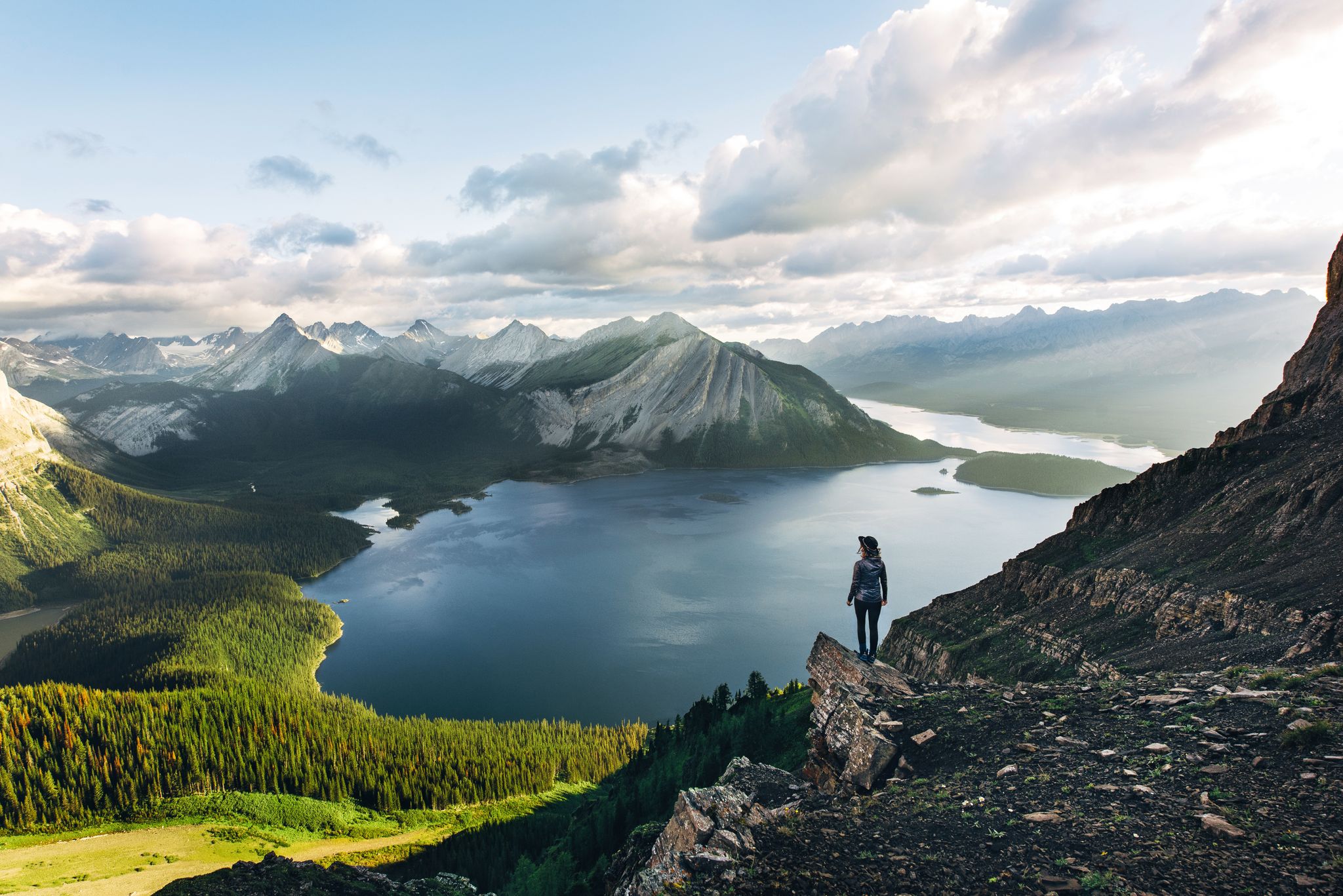
Long-distance hiking in Canada – between mountains and coast
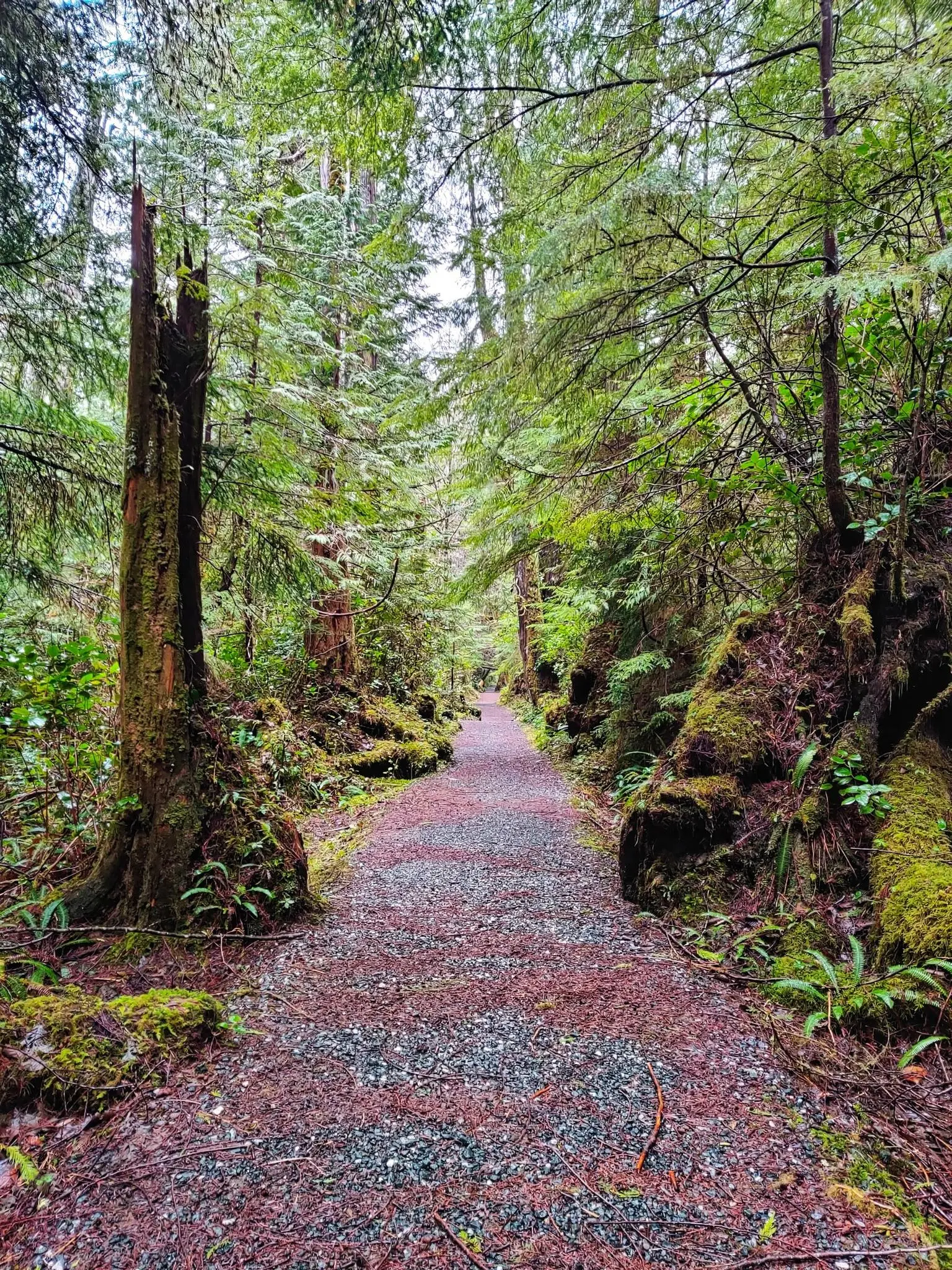
North Coast Trail — Vancouver Island's Wildest Adventure
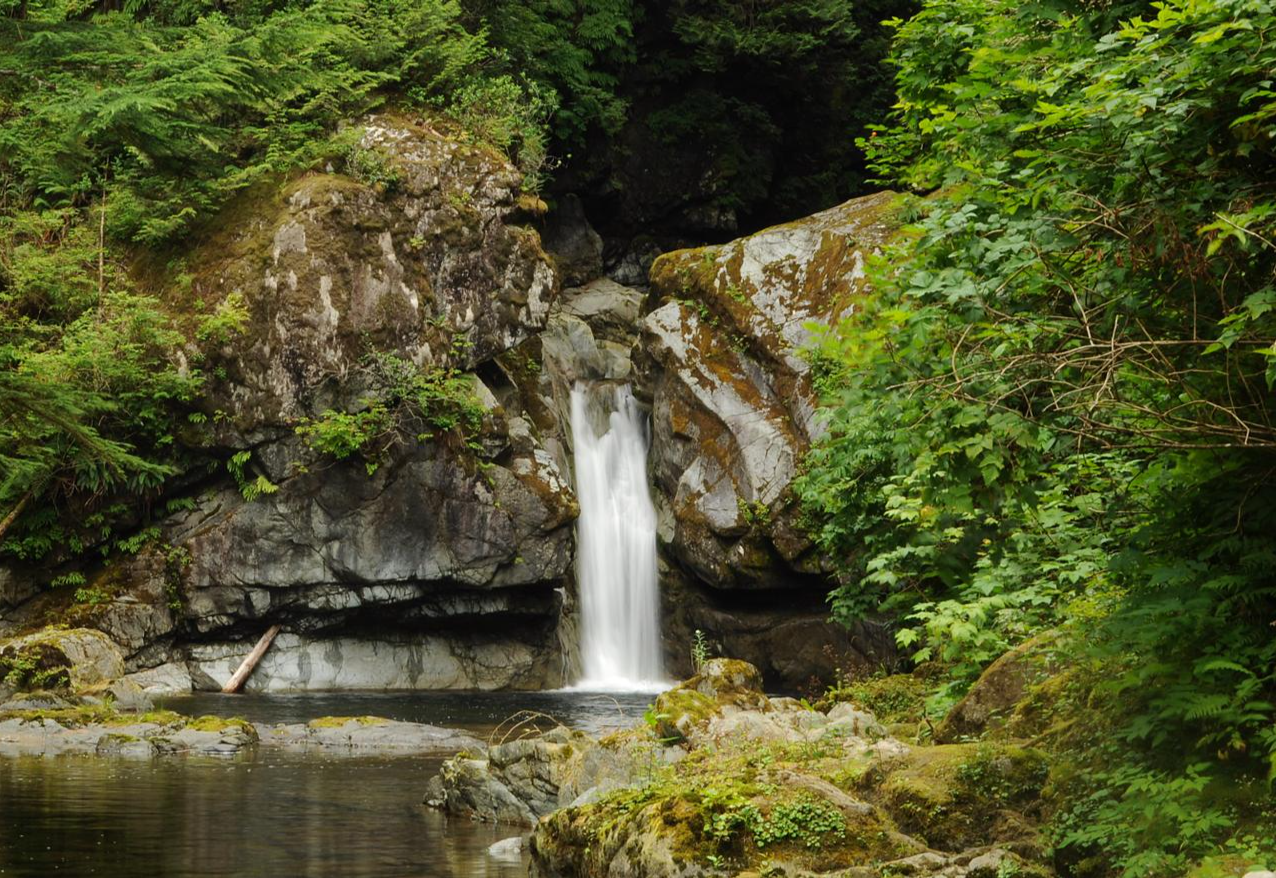
West Coast Trail — Seven days on the Graveyard of the Pacific
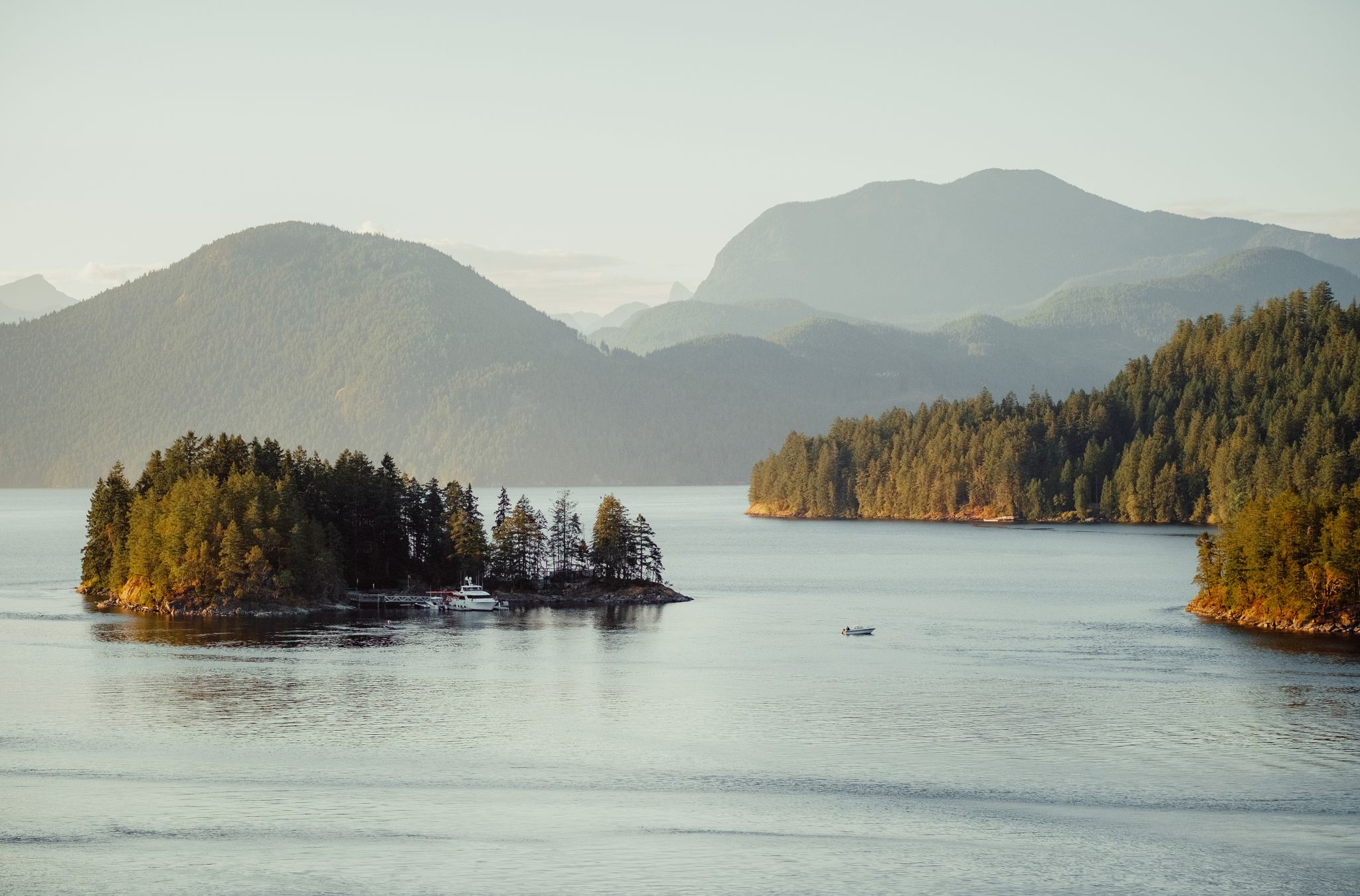
Pacific charm and peak happiness in British Columbia
Hiking on Vancouver Island
Cycling on Vancouver Island
Running Trails on Vancouver Island
MTB Trails on Vancouver Island
Road Cycling Routes on Vancouver Island
Gravel biking on Vancouver Island
Other adventures on Vancouver Island


Tips from the Community

The sea caves at Owen Point have been carved out of the sandstone cliffs by centuries of crashing waves, creating huge circular openings in the rock face that you can walk through when the tide is below 1.8 metres. Inside, the smooth, rounded walls glow with vivid shades of green, yellow, and red from the algae and mineral deposits left by the sea, and through the opening, you can look out to a beautiful view of the Pacific Ocean. Check your tide tables carefully before planning your approach, as the caves are inaccessible at high tide and the boulder field leading to them is a slow, slippery trek under any conditions.
0
0
Hole in the Wall is a natural sandstone arch at Tsusiat Point, carved over time by relentless waves, with a giant opening you can walk through as long as the tide is below 2.1 metres. If the tide is too high, you can take the short bypass trail. You can also walk across the expansive point to its tip, where the ocean surrounds you on three sides, making it one of the most memorable spots on the entire trail and worth taking the time to capture a few unforgettable photos while you're here.
0
0

The Thistle Mine (copper, mined by 6 men. What hard hard work!) is steep grade to site. We biked along one of the MANY old logging roads, then hiked up.
0
0

You can explore some caves on your own. Adventure tours can also be booked. It's best to ask for helmets and lights. The caves are pretty narrow.
0
0

DREAMLIKE !!! The river flows through this cave. A remote place, the road / paths there are pretty badly signposted, but it's worth the effort. The cave is rarely visited (spring 2019) and you have nature to yourself.
1
0
Frequently Asked Questions
What are some popular caves to visit on Vancouver Island?
Vancouver Island offers a variety of popular caving experiences. Horne Lake Caves Provincial Park is highly regarded for its diverse guided tours and self-guided options. For a more rugged, self-guided adventure, Little Huson Caves Park is known for its natural arches and canyons, while Upana Caves offers an extensive network for exploration.
Are there family-friendly caving options on Vancouver Island?
Yes, several caves on Vancouver Island are suitable for families. Horne Lake Caves Provincial Park offers guided tours like the Riverbend Cave Explorer, which is suitable for ages five and up, and self-guided areas. Little Huson Caves Park also features accessible trails and impressive formations that are great for families new to caving.
What unique natural features can I expect to see in Vancouver Island caves?
Vancouver Island's caves are rich in geological wonders. You can find impressive calcite formations, underground waterfalls, and pools in places like Horne Lake Caves. Other sites, such as Little Huson Caves Park, showcase spectacular natural arches and canyons carved by water. The region also features unique karst phenomena like disappearing streams and Canada's only cenote, the Devil's Bath.
Do I need permits or special equipment for caving on Vancouver Island?
For self-guided exploration in designated areas like Main Cave and Lower Main Caves at Horne Lake Caves, proper equipment such as a helmet and headlamp is essential. For more adventurous or remote caves like Artlish Caves Provincial Park, specialized gear and experience are recommended. Guided tours typically provide necessary safety equipment.
When is the best time to visit caves on Vancouver Island?
Many caves on Vancouver Island, especially those with guided tours like Horne Lake Caves, are accessible year-round. However, conditions for self-guided exploration in more rugged areas can vary with weather. Always check specific park conditions and tide tables for sea caves like Owen Point Sea Caves, which are only accessible at low tide.
Are there guided caving tours available on Vancouver Island?
Yes, Horne Lake Caves Provincial Park is well-known for offering a range of guided tours. These tours vary in duration and difficulty, from easier explorations suitable for beginners to more challenging adventures involving rappelling down underground waterfalls. You can find more information on their official website: visitparksvillequalicumbeach.com.
What are the differences between Horne Lake Caves and Upana Caves?
Horne Lake Caves Provincial Park offers a more structured experience with various guided tours and some self-guided options, catering to all skill levels. Upana Caves, located near Gold River, provides a more rugged, self-guided caving adventure with an extensive network of over 100 caves, ideal for those seeking a deeper, independent exploration.
Can I explore sea caves on Vancouver Island?
Yes, Vancouver Island features impressive sea caves. The Owen Point Sea Caves are a notable example, carved out of sandstone cliffs. These caves are only accessible when the tide is below 1.8 meters, and it's crucial to check tide tables carefully before planning your visit. Another remarkable formation is Tsusiat Point: Hole in the Wall, a natural sandstone arch also tide-dependent.
Are there any historical sites or unique man-made structures related to caves on Vancouver Island?
While most caves are natural formations, you can find some unique historical sites nearby. For instance, the Thistle Mine, an old copper mine, offers a glimpse into the region's mining history and the challenging work involved. It's a steep grade to the site, often accessed via old logging roads.
What outdoor activities can I do near the caves on Vancouver Island?
Vancouver Island offers a wide range of outdoor activities. Near the caves, you can find excellent opportunities for hiking, cycling, and mountain biking. For example, there are numerous hiking trails, including the Kinsol Trestle Trail, and various traffic-free bike rides across the island.
Are there any lesser-known or more rugged caving experiences on Vancouver Island?
For those seeking a more remote and rugged experience, Artlish Caves Provincial Park, located northwest of Zeballos, offers a wilderness setting with significant karst formations and an underground river. Upana Caves also provides a more extensive and less developed network for self-guided exploration, appealing to adventurous cavers.
What are the difficulty levels for caving on Vancouver Island?
Caving on Vancouver Island ranges from easy to challenging. Horne Lake Caves offers tours for all skill levels, including an 'Extreme Cave & Rappel Tour' for experienced cavers. Self-guided exploration at places like Upana Caves can be moderate to challenging depending on the specific cave, while sea caves like Owen Point Sea Caves require careful navigation of boulder fields and tide awareness.
Most popular routes on Vancouver Island
Most popular attractions on Vancouver Island

Get inspired with the komoot mobile app


