Top 16 Caves in Dordogne
Best caves in Dordogne are found in a region renowned for its impressive array of subterranean wonders. This area offers a journey into prehistoric art and significant geological formations. The Dordogne is characterized by its river valleys and limestone cliffs, which have naturally formed numerous caves and rock shelters. These sites provide insights into ancient human history and millions of years of geological processes.
Best caves in Dordogne
- The most popular caves is La Roque-Gageac, a settlement that is…
Last updated: May 18, 2026
La Roque-Gageac
Highlight • Settlement
Translated by Google •
Tip by

La Roque Saint-Christophe
Highlight • Historical Site
Translated by Google •
Tip by
Sign up now to discover places like this
Get recommendations on the best single tracks, peaks, & plenty of other exciting outdoor places.
Sign up for free
Les Eyzies-de-Tayac
Highlight • Historical Site
Translated by Google •
Tip by
La Roque Saint-Christophe
Highlight • Historical Site
Translated by Google •
Tip by

Lascaux International Centre for Cave Art
Highlight • Historical Site
Translated by Google •
Tip by

Abri de La Madeleine
Highlight • Cave
Translated by Google •
Tip by

Maison Forte de Reignac
Highlight • Castle
Source Wikipedia en.m.wikipedia.org/wiki/Tursac
Translated by Google •
Tip by

La Madeleine Prehistoric Site
Highlight • Historical Site
Translated by Google •
Tip by

Commarque Castle
Highlight • Cave
Translated by Google •
Tip by

The Rock Shelters of the Vézère Valley
Highlight • Cave
Translated by Google •
Tip by

Sign up for free to discover even more caves in Dordogne.
Sign up for free
Already have an account?
Start today with a free account
Your next adventure awaits.
Login or Signup
Popular around Dordogne
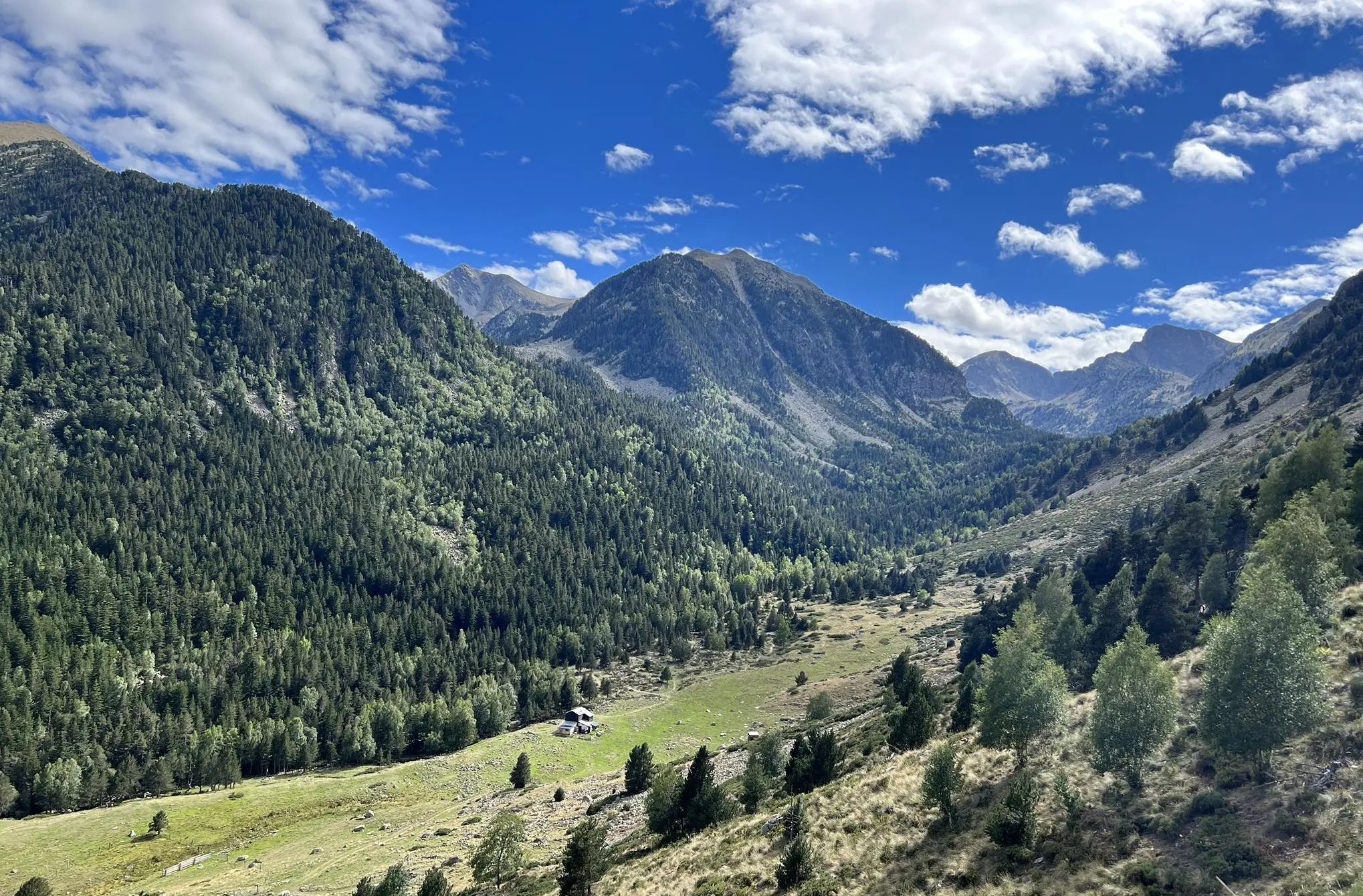
GR 36 long-distance footpath – Cross France from the Channel to the Pyrenees
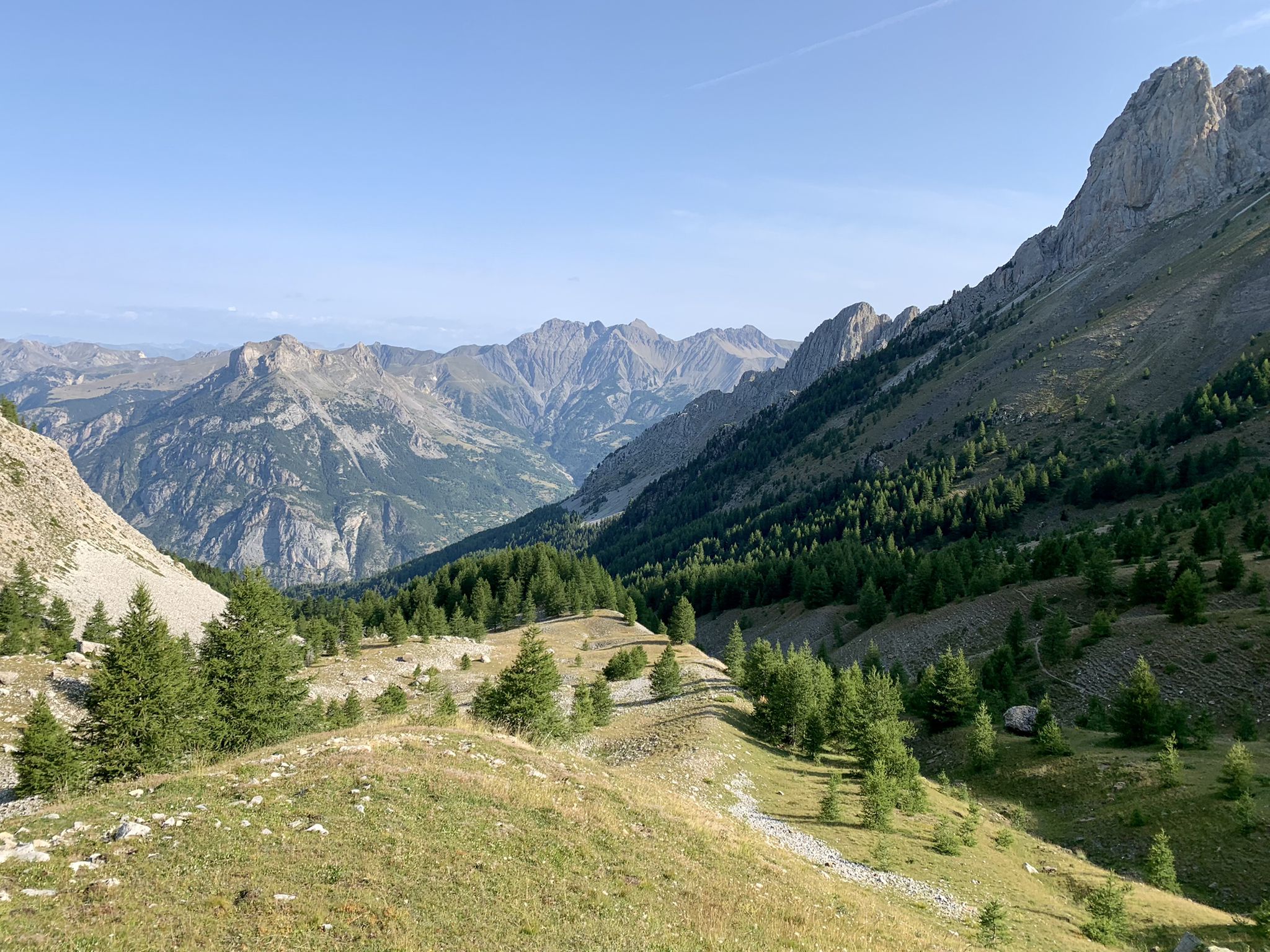
From the Alps to the Atlantic — GR 6
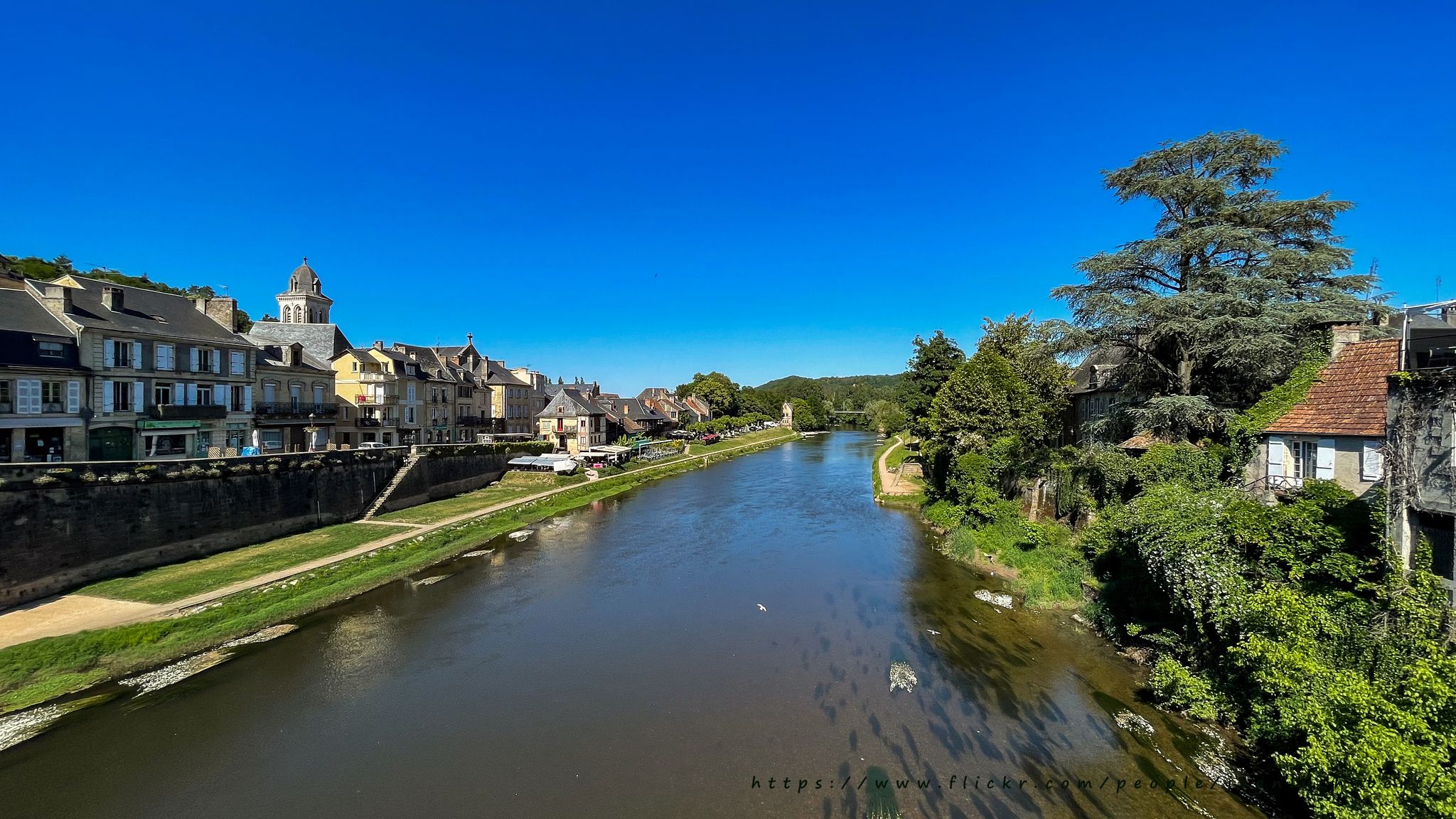
From prehistory to history – hiking the GR 461
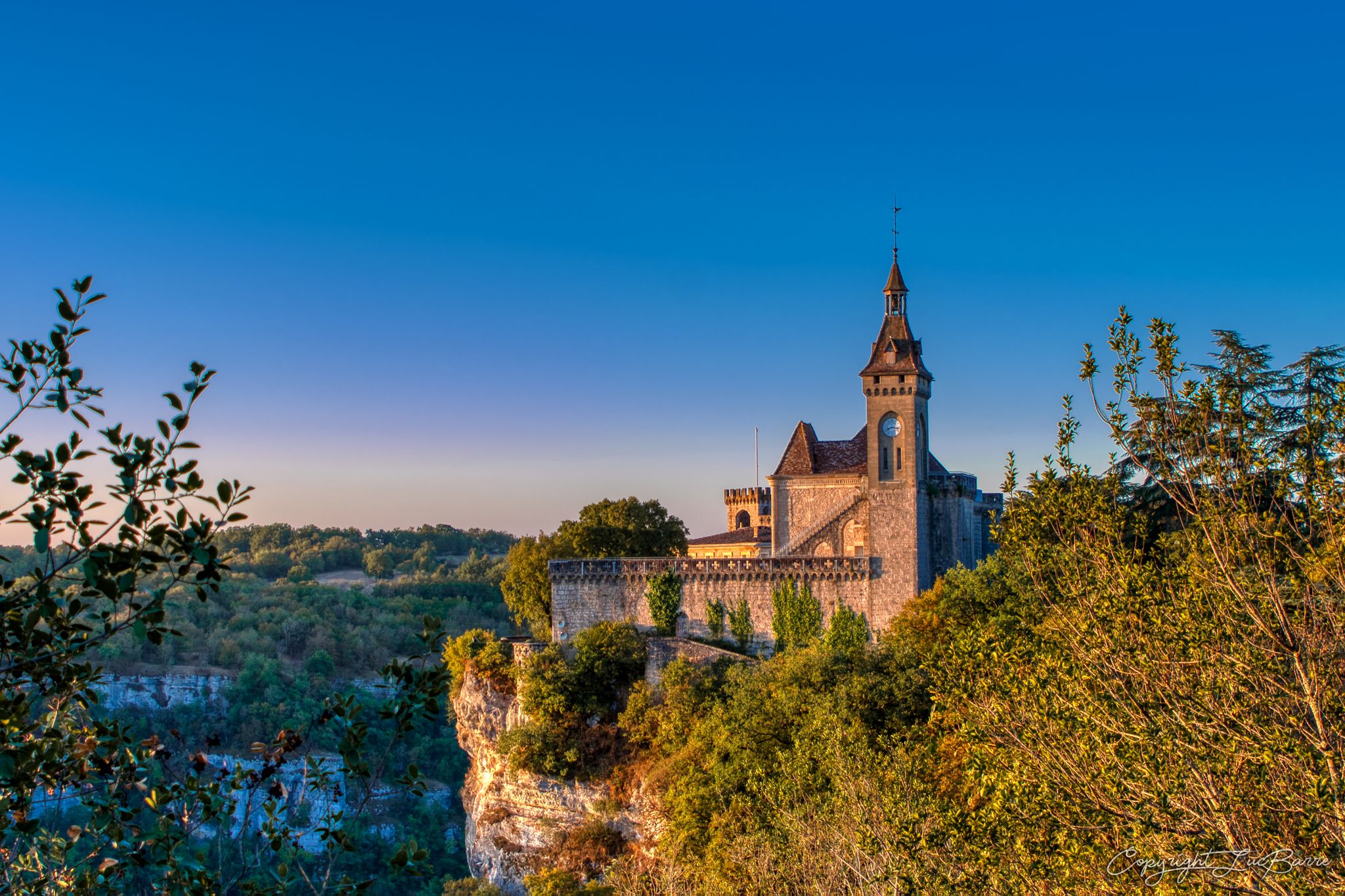
From caves to castles – France’s GR 64
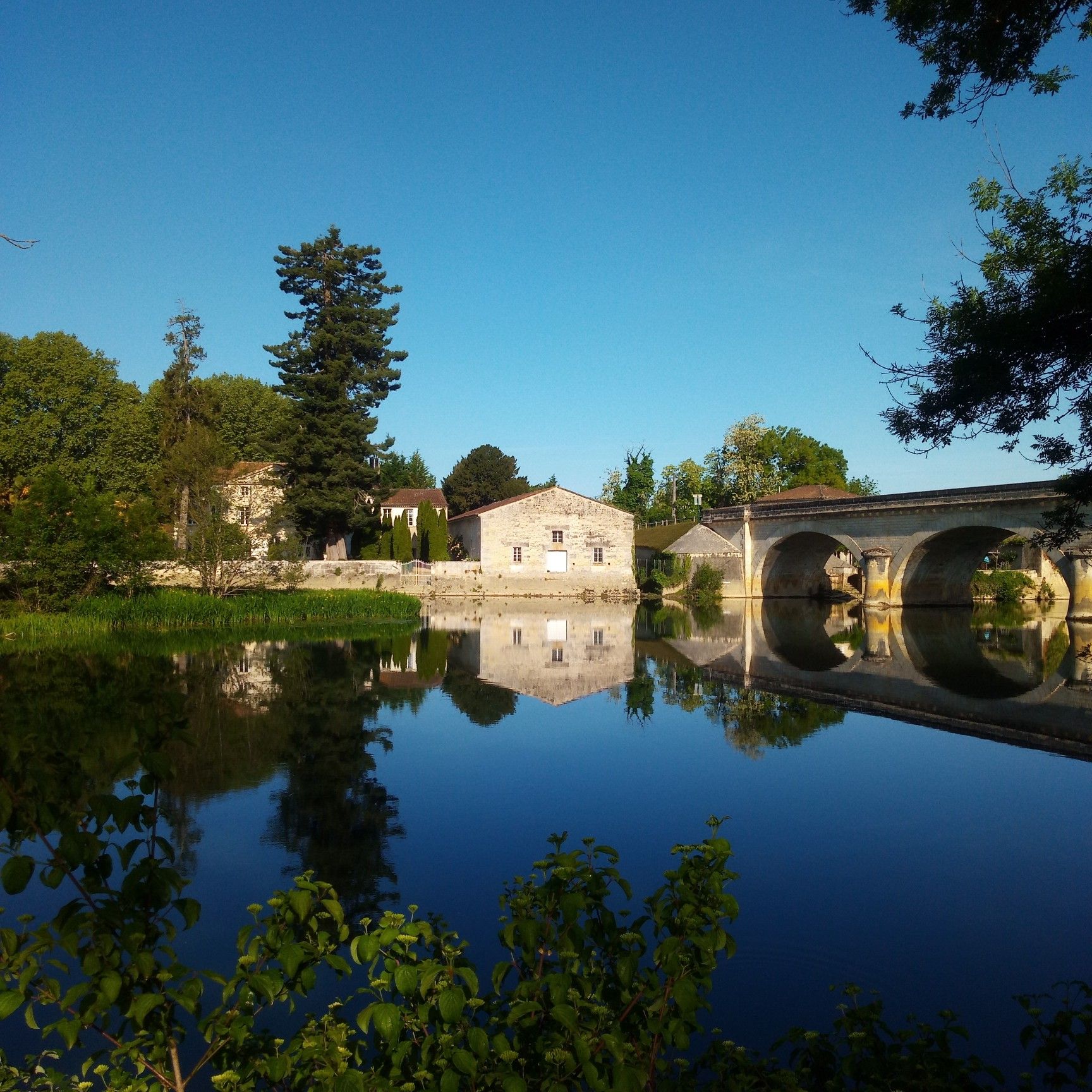
The Flow Vélo – a route that transports you
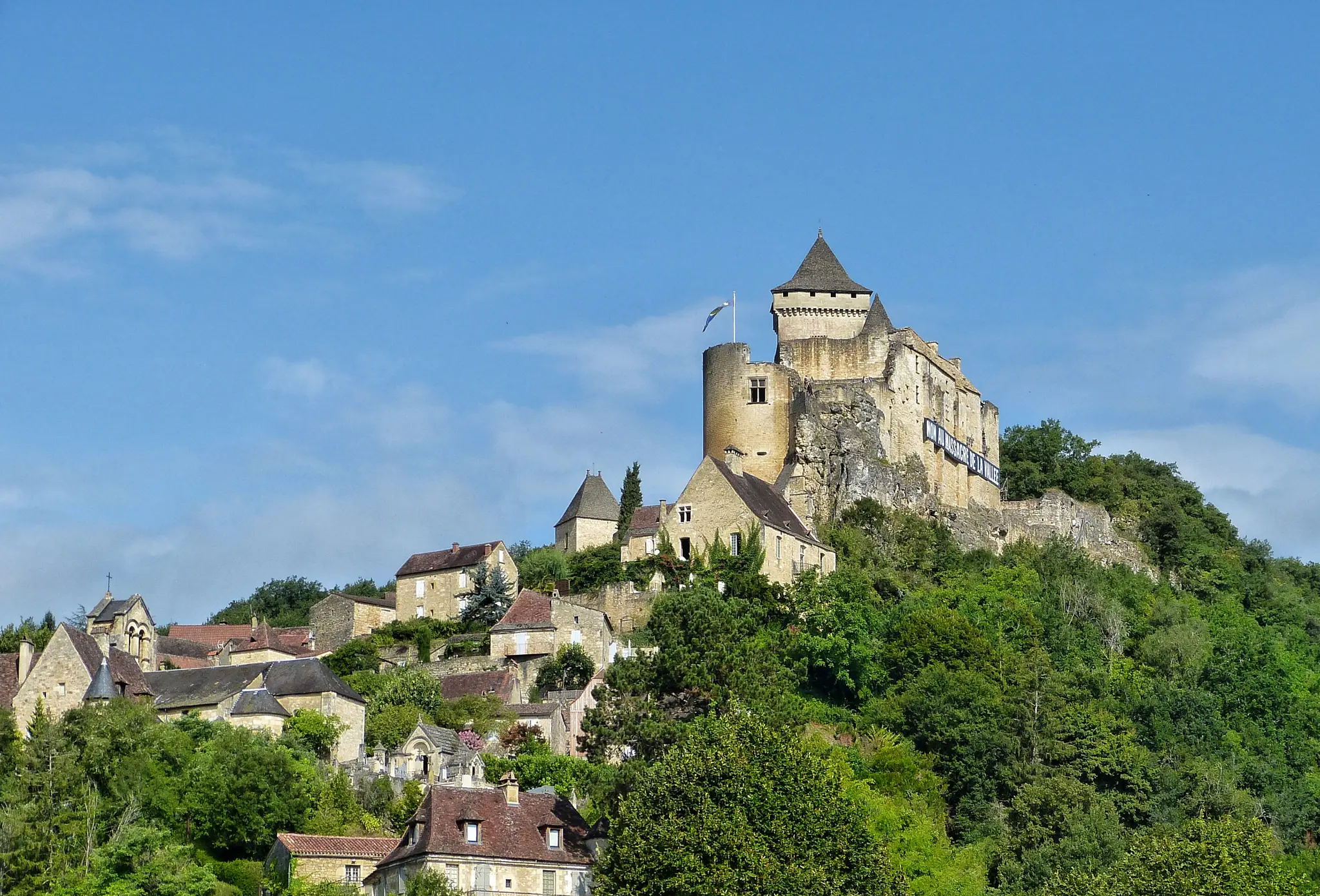
Le sud Sarladais — the Grand Tour of the Périgord noir
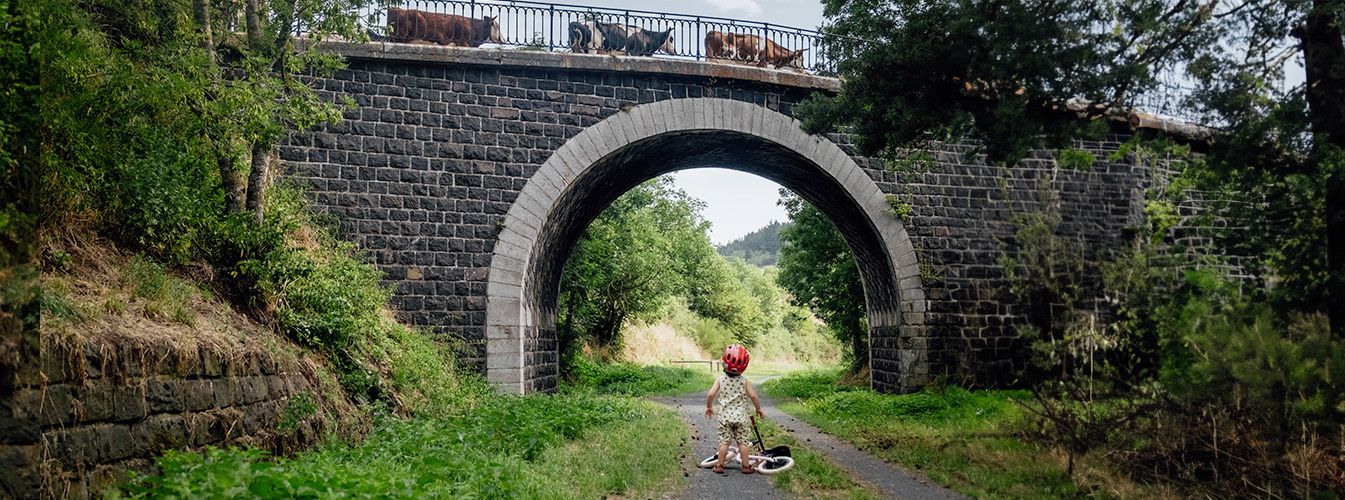
‘La Joyeuse Vadrouille’ – two months cycling with the family
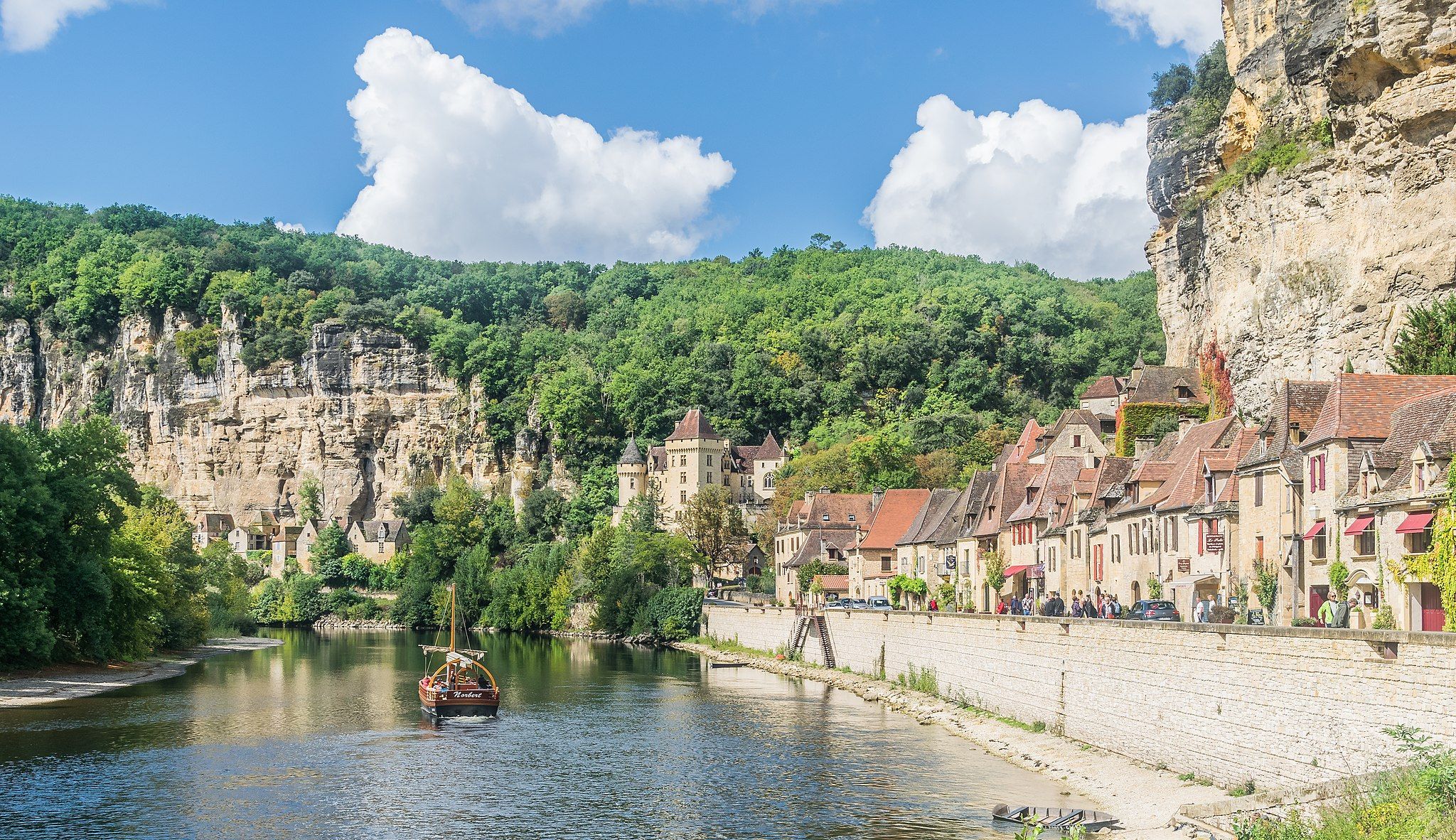
Périgourdine Escape — from Lalinde to Gramat in France
In the steps of the Cro-Magnon – a prehistoric journey in France
Hiking in Dordogne
Other adventures in Dordogne


Tips from the Community


A worthwhile visit, even if it's not the original cave. But the replica is very well done, and the self-guided tour with the audio guide, also in German, explains everything in a very interesting way.
1
0

This museum is certainly interesting, unfortunately we didn't have enough time
0
0
Impressive are the dwellings in the rocks and the houses from the rocks
0
0

Here we have the situation – previously completely unknown to me and therefore surprising – that MADELEINE, a Christian saint (the name is derived from the biblical "Mary Magdalene"), has become the namesake of an era from the proverbial "dim prehistory" (one to one and a half dozen millennia before the beginning of our era). To paraphrase it from Wikipedia, which can explain it better than I can: "The Magdalenian is an archaeological cultural stage in the younger part of the Upper Paleolithic in Central and Western Europe at the end of the last Ice Age. The Magdalenian was named in 1869 by Gabriel de Mortillet after the semi-cave La Madeleine in the Dordogne department. It spanned an approximate period from approximately 18,000 to 12,000 BC."
2
0

This real limestone wall, one kilometer long and eighty meters high, constantly undermined by the river and the frost, has been hollowed out with a hundred rock shelters and long aerial terraces; these natural cavities were occupied by prehistoric man and then modified to become a fort and a city from the Middle Ages until the beginning of the Renaissance.
2
0

The forgotten fortress: a millefeuille of stones where dungeons and fortified castles, troglodytes and prehistoric caves overlap in a preserved landscape
0
0
Here we have the situation – previously completely unknown to me and therefore surprising – that MADELEINE, a Christian saint (the name is derived from the biblical "Mary Magdalene"), has become the namesake of an era from the proverbial "dim prehistory" (one to one and a half dozen millennia before the beginning of our era). To paraphrase it from Wikipedia, which can explain it better than I can: "The Magdalenian is an archaeological cultural stage in the younger part of the Upper Paleolithic in Central and Western Europe at the end of the last Ice Age. The Magdalenian was named in 1869 by Gabriel de Mortillet after the semi-cave La Madeleine in the Dordogne department. It spanned an approximate period from approximately 18,000 to 12,000 BC."
2
0
Frequently Asked Questions
What types of caves can I explore in Dordogne?
Dordogne offers two main types of caves: those renowned for their prehistoric art, such as Lascaux IV and Font de Gaume, and those celebrated for their stunning natural geological formations, like Gouffre de Padirac and Gouffre de Proumeyssac. Some, like Grotte de Villars, even combine both.
Which caves in Dordogne are known for prehistoric art?
For prehistoric art, you can visit Lascaux International Centre for Cave Art, which is a replica of the original Lascaux cave. Other significant sites include Font de Gaume, Grotte de Rouffignac (Cave of a Hundred Mammoths), and Grotte des Combarelles. Les Eyzies-de-Tayac is also known as the capital of prehistory, with many sites nearby.
Are there caves in Dordogne with impressive natural formations?
Yes, several caves in Dordogne are famous for their geological formations. Gouffre de Padirac features a descent almost 100 meters underground and a boat tour on an underground river. Gouffre de Proumeyssac, known as the 'Crystal Cathedral,' boasts massive stalactites. Grotte de Maxange is famous for its unique 'eccentric' and crystalline formations, while Grotte du Grand Roc displays distinctive aragonite concretions.
Are there family-friendly caves in Dordogne?
Many caves in Dordogne are suitable for families. La Roque-Gageac is a family-friendly settlement with boat tours on the Dordogne river. Lascaux IV is designed to be accessible and engaging for all ages. Gouffre de Padirac's boat tour and Gouffre de Proumeyssac's suspended basket entry offer unique experiences that children often enjoy.
What is the best time of year to visit the caves in Dordogne?
The caves maintain a consistent cool temperature year-round, making them a good option in any season. However, visiting during the shoulder seasons (spring or autumn) can offer pleasant weather for exploring the surrounding region and fewer crowds. Summer is popular but can be busy.
Do I need to book cave tours in Dordogne in advance?
For popular caves like Lascaux IV, Font de Gaume, and Gouffre de Padirac, it is highly recommended to book your tickets in advance, especially during peak season, to secure your entry and avoid long queues. Font de Gaume, in particular, has restricted daily visitor numbers.
What outdoor activities can I do near the caves in Dordogne?
The Dordogne region offers numerous outdoor activities. You can find many hiking routes, including those near the Vézère Valley. For specific trails, explore guides like Waterfall hikes in Dordogne or Hiking in Dordogne. Cycling is also popular, with routes like those found in Cycling in Dordogne.
Are there any historical sites near the caves in Dordogne?
Yes, the region is rich in history. La Roque Saint-Christophe features natural cavities inhabited since prehistoric times and later converted into a medieval fortress. Maison Forte de Reignac is a fortified house built under a cliff. Commarque Castle also offers a journey into the past with its medieval remains.
What should I wear when visiting caves in Dordogne?
Caves generally maintain a cool, constant temperature, often around 13-14°C (55-57°F), even in summer. It's advisable to wear comfortable walking shoes and bring a light jacket or sweater, regardless of the outside weather.
Are there any accessible caves for visitors with disabilities in Dordogne?
Lascaux International Centre for Cave Art is noted as wheelchair accessible, offering a modern and inclusive experience of prehistoric art.
What is unique about Grotte de Villars?
Grotte de Villars is unique in Périgord for offering a rare combination of both original prehistoric paintings and impressive geological concretions. It features spectacular lighting and water effects that enhance its natural beauty.
Can I see original prehistoric art in Dordogne?
Yes, Font de Gaume is one of the last caves in France where original polychromatic prehistoric paintings can still be viewed by the public. Visits are restricted to small groups to preserve the delicate artworks.
What is the 'Cave of a Hundred Mammoths'?
The 'Cave of a Hundred Mammoths' refers to Grotte de Rouffignac, an extensive cave system known for its numerous prehistoric drawings and engravings, particularly of mammoths. Visitors explore this cave via a guided electric train.
Most popular routes in Dordogne
Most popular attractions in Dordogne

Get inspired with the komoot mobile app


Explore more
Extend your search for the best caves by checking out these guides of the top ones in Dordogne:
