Top 5 Caves in Tunisia
Best caves in Tunisia include a range of natural formations, historical underground quarries, and unique troglodyte dwellings. These sites offer insights into the country's geological features, ancient history, and distinctive architectural heritage. The diverse cave systems provide varied exploration opportunities, from extensive natural networks to man-made subterranean structures. Tunisia's caves are found across different regions, showcasing both natural wonders and human ingenuity.
Best caves in Tunisia
- The most popular caves is Matmata Tunisia, a settlement characterized by unique troglodyte architecture where houses are dug into the ground. This subterranean design provides natural insulation and was a filming location for *Star Wars, Episode IV - A New Hope*.
- Another must-see spot is Ancient Underground Quarries of Carthage, a historical site with 90 caverns where stones were quarried for ancient Carthage. These quarries offer a glimpse into the origins of materials used in iconic ancient constructions like the Medina of Tunis.
- Visitors also love Cliffs and Sea Cave of Ain Mestir, a natural monument featuring a sea cave. This location is noted for swimming, diving, or jumping when wind conditions are calm.
- Tunisia is known for natural cave systems, historical quarries, and troglodyte cave villages. The country offers a variety of caves to see and explore, from geological formations to ancient man-made structures.
- The caves in Tunisia are appreciated by the komoot community, with 1 upvote and 10 photos shared by users.
Last updated: May 16, 2026
Matmata Tunisia
Highlight • Settlement
Translated by Google •
Tip by

Ancient Underground Quarries of Carthage
Highlight • Cave
The stones were later reused in the Medina of Tunis.
They are also installed in the amphitheater of El Jem. A few caverns near the restaurant were once a museum,
e.g. Everything is freely accessible at the moment, things get particularly interesting further up. Take a garbage bag with you, the wind always blows things in!
Translated by Google •
Tip by

Sign up now to discover places like this
Get recommendations on the best single tracks, peaks, & plenty of other exciting outdoor places.
Sign up for free
Cliffs and Sea Cave of Ain Mestir
Highlight • Cave
Translated by Google •
Tip by

Punic Cave Tombs
Highlight • Historical Site
Translated by Google •
Tip by
Althiburos Cave Art Studio
Highlight • Cave
In the grotto there are pictures, art and history of Tunisia.
Translated by Google •
Tip by

Start today with a free account
Your next adventure awaits.
Login or Signup
Tips from the Community

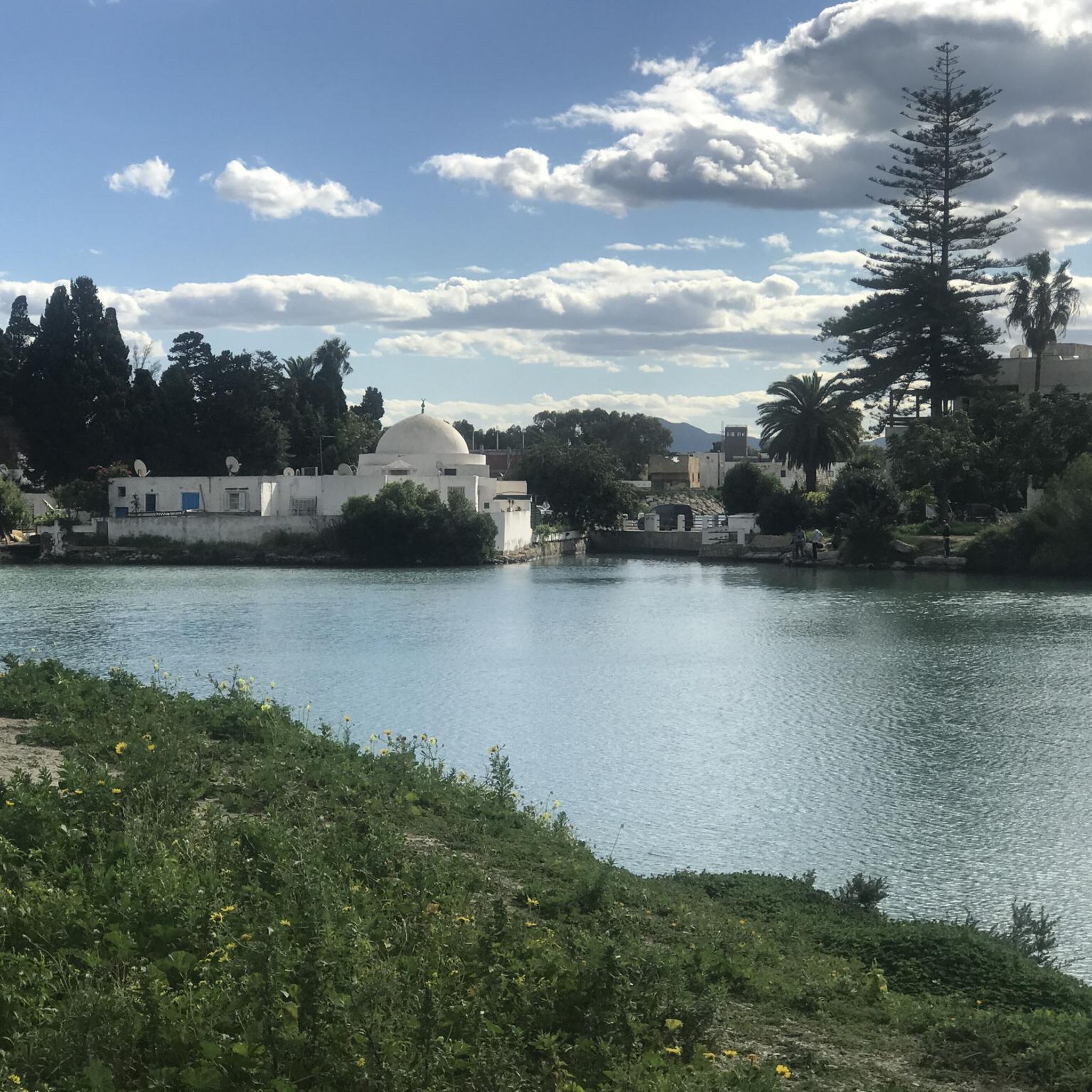
When the wind is calm, it is wonderful for swimming, diving or jumping, especially in the early morning hours. Caution is advised!
1
0

You can visit the grotto with the artist and painter. In the grotto there are pictures, art and history of Tunisia.
1
0

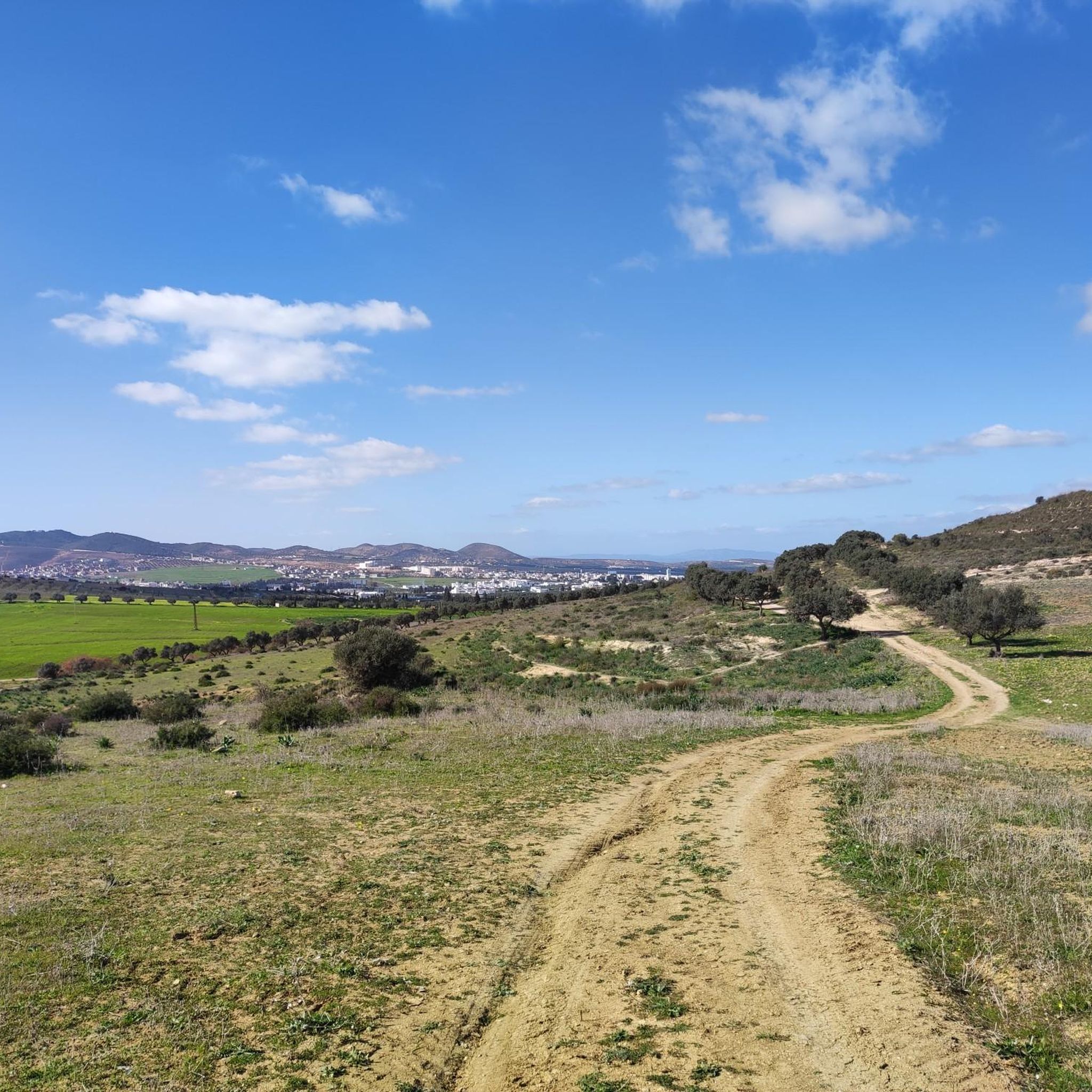
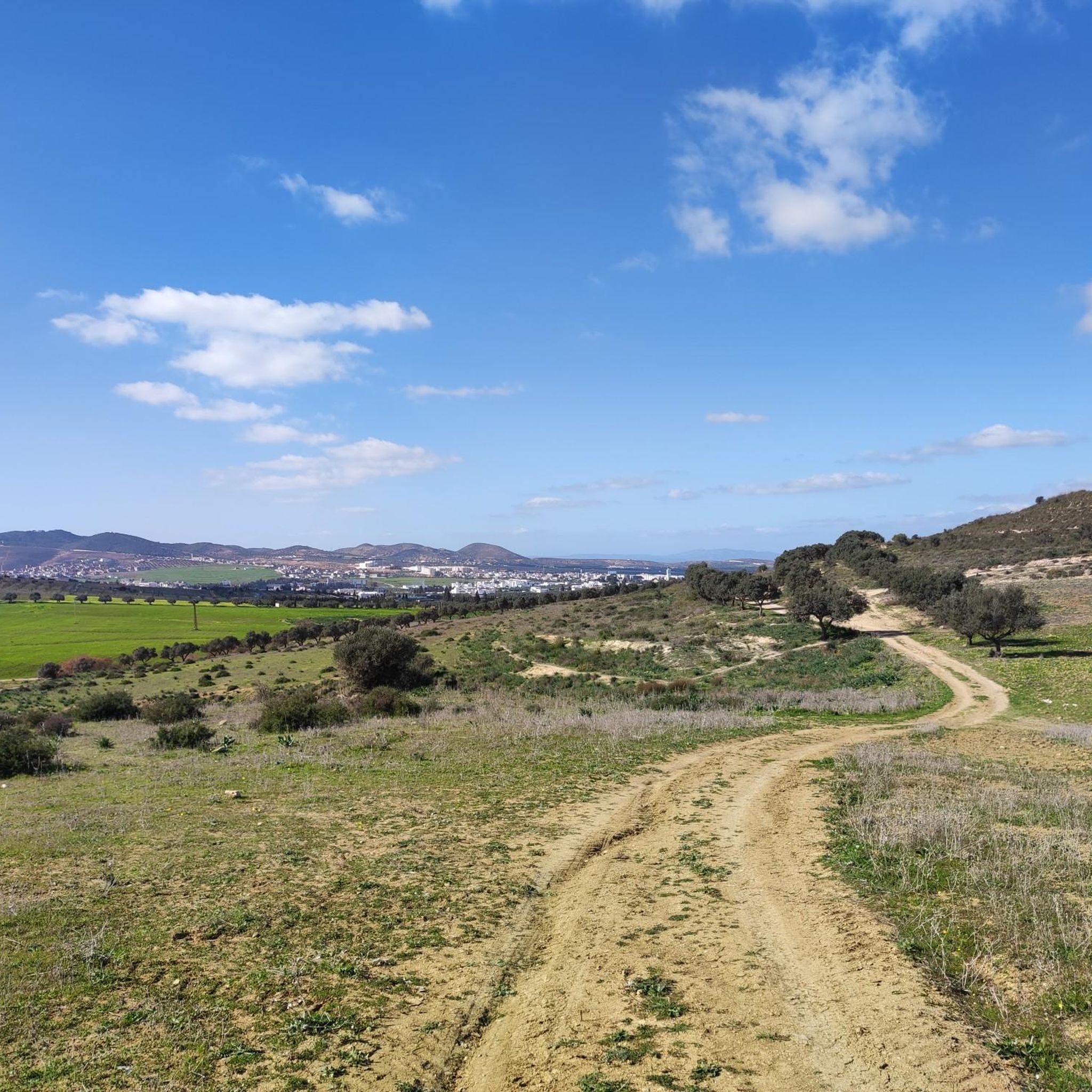
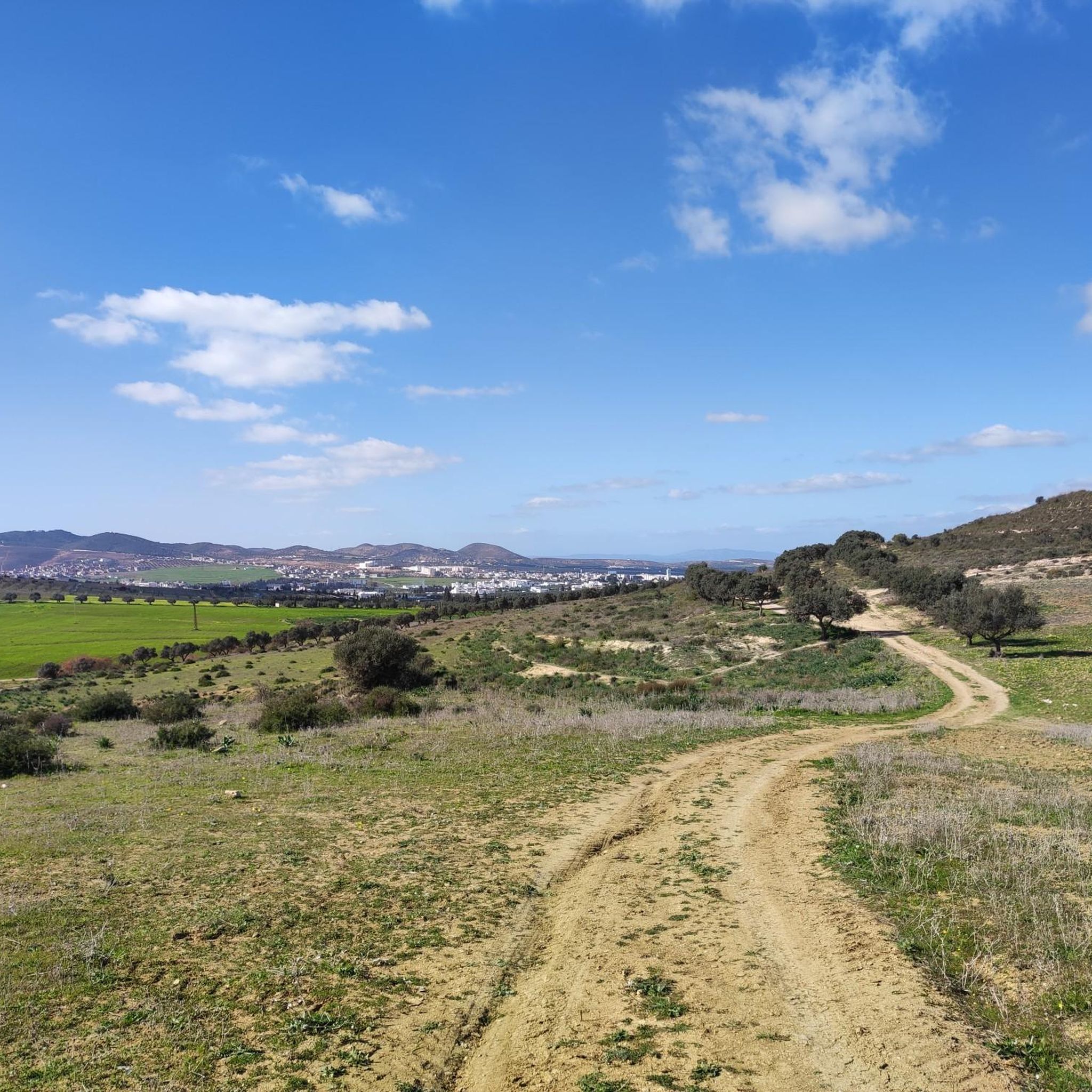
on several floors on a slope in a great landscape. The inevitable garbage collects below. It's nice at the top
2
0
Les grottes are 90 caverns with a pull shaft to the surface. There the stones for Carthage were quarried (I don't know whether for the Punic or the Roman). The stones were later reused in the Medina of Tunis. They are also installed in the amphitheater of El Jem. A few caverns near the restaurant were once a museum, e.g. Everything is freely accessible at the moment, things get particularly interesting further up. Take a garbage bag with you, the wind always blows things in!
2
0

Matmata is a village of Berber origin. Located at the gateway to the Sahara Desert it is characterized by a unique troglodyte architecture, which has become a destination for many tourists after being set for the movie Star Wars, Episode IV - A New Hope (1977). The houses that characterize this town are dug into the ground, inside the hills and formed by an open-air courtyard, similar to a crater about 7 meters deep, which is accessed through a gallery from the hillside. From the open-air courtyard, which also has the function of collecting the rare rainwater, the various rooms of the houses are dislocated, dug like narrow tunnels on the sides of the "crater".
2
0
Frequently Asked Questions
What types of caves can I explore in Tunisia?
Tunisia offers a diverse range of underground experiences, from natural geological formations with extensive networks and speleothems, to historical underground quarries, and unique troglodyte dwellings. You can find natural sea caves, ancient Punic and Roman quarries, and traditional Berber villages carved into the earth or mountainsides.
Are there any caves with unique natural features in Tunisia?
Yes, Tunisia boasts several caves with remarkable natural features. The Ain Dhahab Cave in Siliana is known for its active underground river, extensive passages, and impressive 'soda straw' speleothems, some reaching up to 6 meters. It also features underground lakes and cascades. The Mine Cave in Jebel Serj, believed to be the longest in Tunisia, contains large rooms with concretions and a bat colony. For a coastal experience, the Cliffs and Sea Cave of Ain Mestir offers a natural sea cave perfect for swimming or diving when conditions are calm.
Which caves offer a glimpse into Tunisia's ancient history?
Tunisia's caves are rich in history. The Ancient Underground Quarries of Carthage, with their 90 caverns, reveal where stones were extracted for iconic ancient constructions like the Medina of Tunis. The Roman Caves ('Les Grottes') in Haouaria are artificial caves dug by prisoners and slaves, providing stone for Carthage. Additionally, you can visit the Punic Cave Tombs, which are historical sites carved into slopes.
Can I visit troglodyte dwellings or villages in Tunisia?
Absolutely. Tunisia is famous for its troglodyte architecture. Matmata is a prime example, with houses dug into the ground around open-air courtyards, providing natural insulation. This village was even a filming location for *Star Wars*. Other notable troglodyte sites include Guermassa, a charming Amazigh village carved into a mountaintop, and Chenini in the Tataouine Governorate, an abandoned ksar with dwellings carved into the rock, some now unique accommodations.
Are there family-friendly caves to visit in Tunisia?
Many of Tunisia's cave sites are suitable for families, especially those with historical or cultural significance. Matmata, with its unique troglodyte houses and Star Wars connection, is a fascinating and accessible option for all ages. The Ancient Underground Quarries of Carthage also offer an engaging historical experience that can be explored by families.
What is the best time to visit caves in Tunisia?
The best time to visit caves in Tunisia generally aligns with the cooler, drier months. Spring (March to May) and autumn (September to November) offer pleasant temperatures, making exploration more comfortable. During these seasons, the weather is ideal for both underground excursions and enjoying the surrounding landscapes.
What outdoor activities can I do near the caves in Tunisia?
Beyond cave exploration, Tunisia offers various outdoor activities. You can find numerous routes for running, mountain biking, and hiking across the country. For example, explore the running trails in Tunisia, tackle the MTB trails, or enjoy hiking in Tunisia, with options ranging from easy coastal walks to more challenging mountain paths.
Are there options for advanced caving or exploration in Tunisia?
Yes, for experienced cavers, Tunisia offers challenging exploration opportunities. The Ain Dhahab Cave, with its extensive network and underground river, provides a unique caving experience. The Mine Cave in Jebel Serj, believed to be the longest in Tunisia, is accessed via wells and galleries, offering complex exploration for enthusiasts.
Do I need a permit to visit caves in Tunisia?
For most publicly accessible historical or cultural cave sites like Matmata or the Ancient Underground Quarries, a permit is typically not required, though an entrance fee might apply. For more extensive or challenging natural cave systems, especially those requiring specialized equipment or guided tours, it's advisable to check with local authorities or tour operators regarding any necessary permits or access restrictions.
What should I wear when visiting caves in Tunisia?
For most tourist-friendly cave sites, comfortable walking shoes are recommended. If you plan to explore natural caves with uneven terrain or water, wear sturdy, closed-toe shoes with good grip. Layers of clothing are also advisable, as cave temperatures can be cooler and more consistent than outside, even in warm weather. For advanced caving, specialized gear will be necessary.
Are there any art-related cave sites in Tunisia?
Yes, you can visit the Althiburos Cave Art Studio. This unique grotto allows you to experience art and history within a cave setting, often with the artist and painter present.
What do visitors enjoy most about the caves in Tunisia?
Visitors particularly appreciate the blend of natural beauty and rich history. The unique troglodyte architecture of places like Matmata offers a profound cultural immersion, while historical quarries provide a tangible link to ancient civilizations. The natural caves, with their stunning geological formations, appeal to adventure seekers and nature lovers. The opportunity to explore sites used in famous films also adds to the appeal.
Most popular attractions in Tunisia

Get inspired with the komoot mobile app


Explore more
Extend your search for the best caves by checking out these guides of the top ones in Tunisia:
