Top 5 Caves around Haltern am See
Caves around Haltern am See are primarily historical or man-made features, contrasting with the region's natural landscape of lakes, reservoirs, and extensive forests. Haltern am See is situated within the Hohe Mark Nature Park, characterized by diverse terrain suitable for outdoor activities. The area's geological features are more commonly associated with its water bodies and terrestrial ecosystems, rather than significant natural subterranean formations. Visitors can explore a mix of historical mining tunnels and grottoes that reflect the area's past.
Best…
Last updated: August 7, 2026
Brotmann Cave
Highlight • Cave
Translated by Google •
Tip by

Mariengrotte (Lourdes Grotto) on Annaberg
Highlight • Religious Site
Translated by Google •
Tip by

Sign up now to discover places like this
Get recommendations on the best single tracks, peaks, & plenty of other exciting outdoor places.
Sign up for free
Barbarastollen Zeche Wald II
Highlight • Structure
An old mine tunnel and in the gallery the patron saint of miners
Translated by Google •
Tip by

Historic Mining Tunnel and Shrine in Naturpark Hohe Mark
Highlight • Monument
Translated by Google •
Tip by

Start today with a free account
Your next adventure awaits.
Login or Signup
Popular around Haltern am See
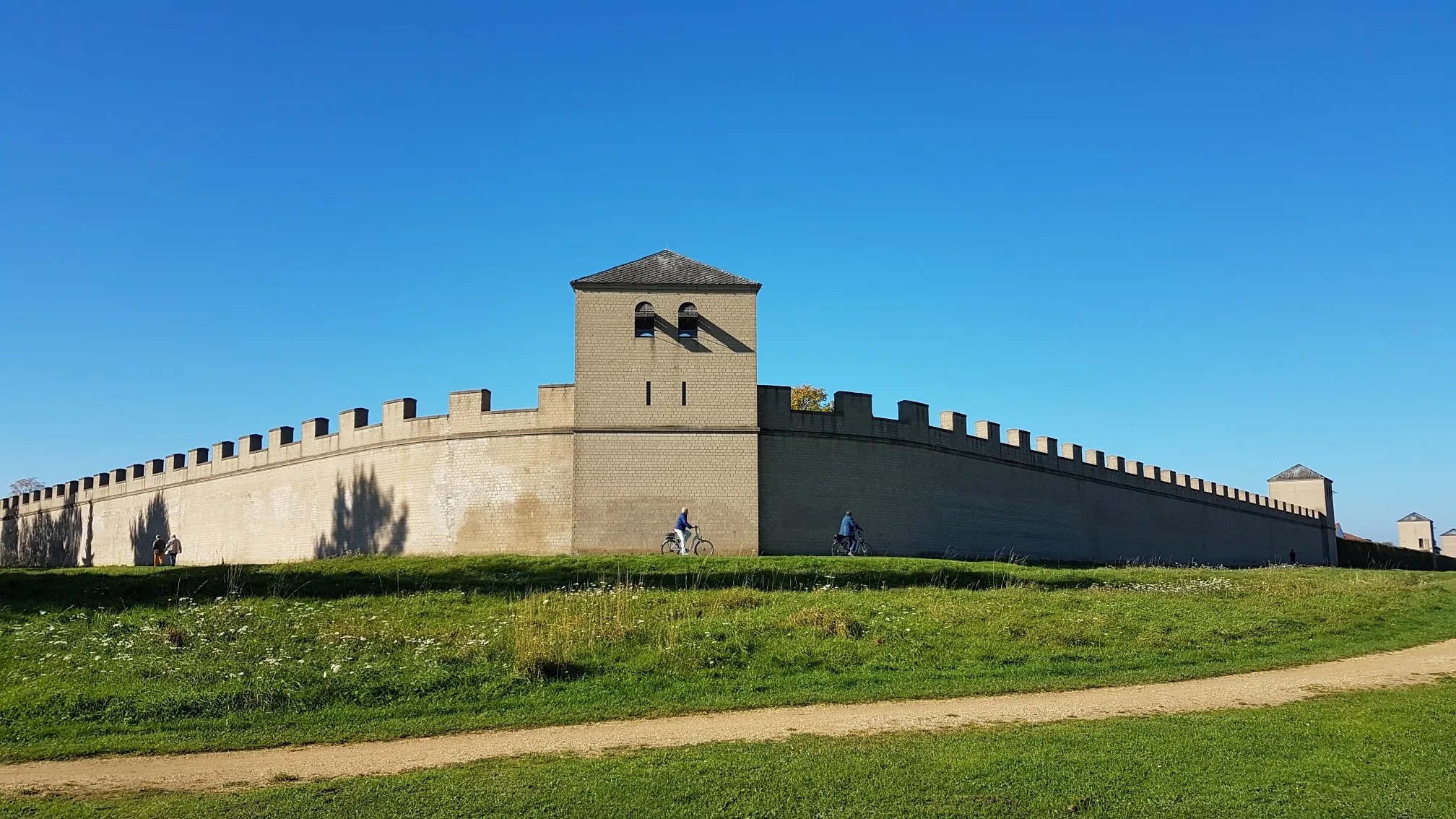
Römer‑Lippe Route – Water and history – 6 days
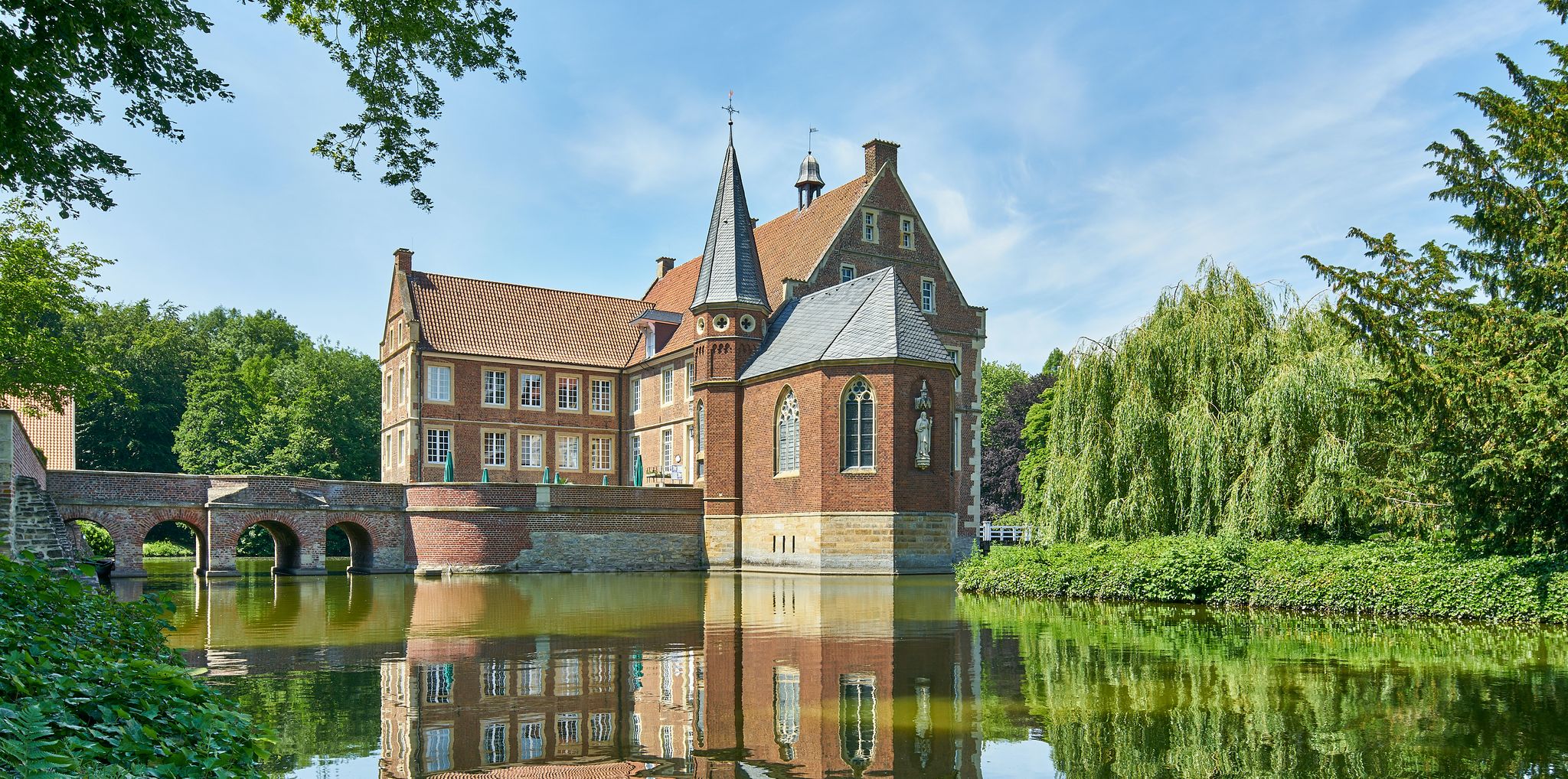
100 Castles Route – Discover the historical treasures of Münsterland by bike
Römer‑Lippe Route – Water & history, 6 days

Discover NRW on a gravel bike
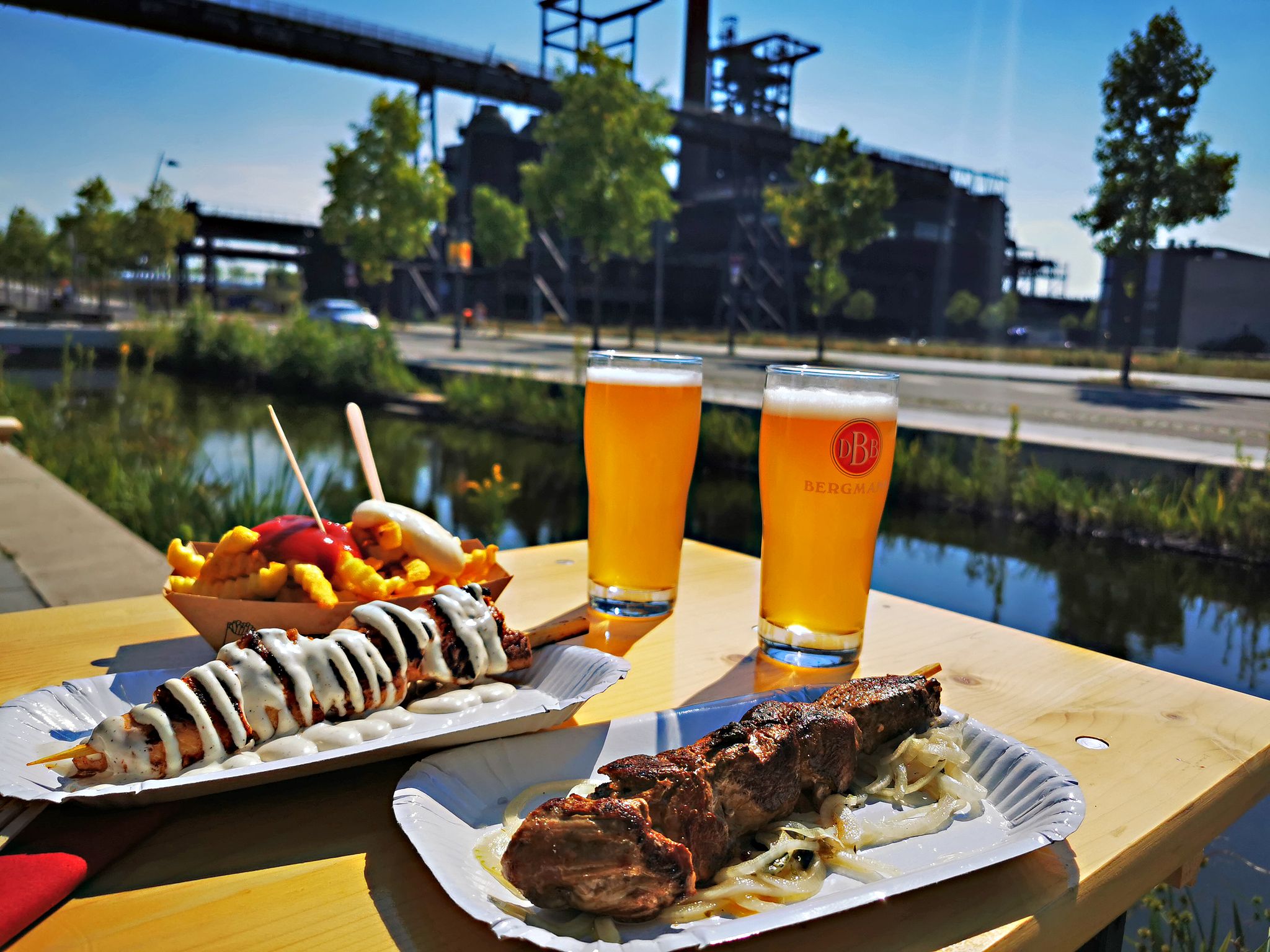
Long live the break – bike tours with beer gardens & culinary delights
Hiking and discoveries – family walks in the Hohe Mark Nature Park
Forests, water & wildlife – cycling Tours in the Hohe Mark Nature Park
LandStreifer – circular hiking trails to Germany’s Hohe Mark Steig
Your bond with nature — Germany’s Hohe Mark Steig
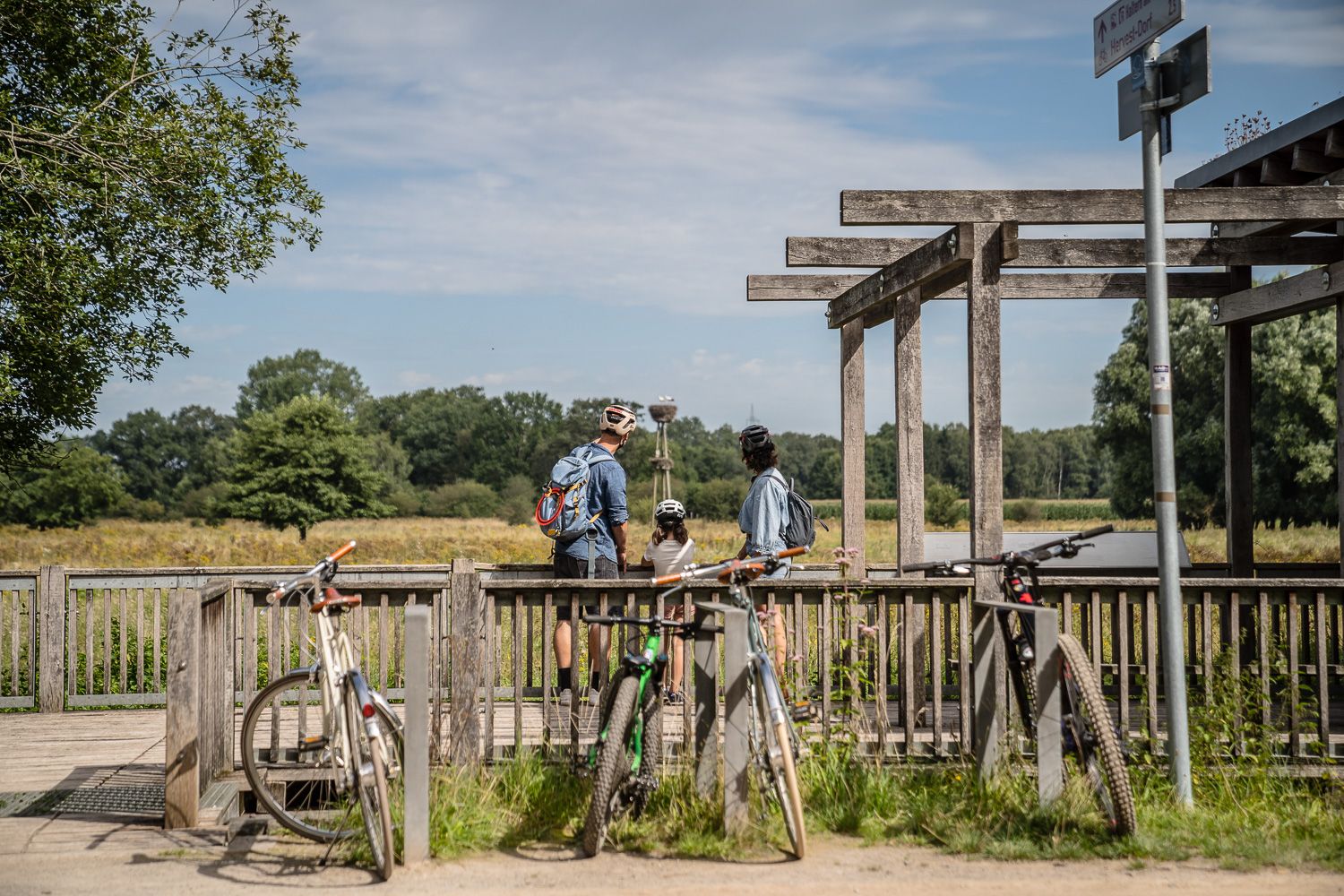
Day Tours on the Hohe Mark cycle route
Other adventures around Haltern am See


Tips from the Community

Former tunnel of the Waldzeche 2 mine
0
0


You can't get right up close, but you can still get a good view of the deserter's old home from the path 🙂
0
0

The cave is located in a generally beautiful area. Tours are worthwhile
0
0


A sign pointing to the Barbarastollen has now been installed on the main path. This makes it much easier to find!
3
0

The pit, popularly known as "Brotmann's Cave", was initially created by the mining of sandstone, which formed here on 80 million year old sea sand and was planed free by the glaciers of the Ice Age. The pit was deepened by Werner Kempken, who hid here from 1865 to 1875 while fleeing military service. His father helped him. Since he regularly did unskilled bread work for the farmers in the area, he was called the bread man. With the help of good people, he was finally able to escape to the United States. What cold and troubles did he suffer here for 10 years and how much nicer than the battlefield was the chirping forest? Let's be happy that we can live so comfortably and peacefully today.
1
0
The Mariengrotte is a stone grotto that was probably created artificially and was probably modeled on the Lourd Grotto in the forest on the Annaberg and near the chapel and on the Way of the Cross. There are many crosses laid there and other devotional objects that testify to the piety of the people who have visited this place. Pretty impressive.
0
0
Frequently Asked Questions
What kind of caves can I expect to find around Haltern am See?
The Haltern am See region is primarily known for its lakes, reservoirs, and forests, rather than natural caves. The 'caves' you'll find here are mostly historical or man-made features, such as old mining tunnels, sandstone pits, and artificial grottoes. They offer insights into the area's past and unique cultural heritage.
Are there any natural caves in the Haltern am See region?
No, the Haltern am See region is not geologically characterized by significant natural cave systems. Its landscape is dominated by water bodies like the Haltern Reservoir and Hullern Reservoir, as well as extensive heathlands and forests. The subterranean features you can explore are predominantly man-made or historical.
Which historical cave-related sites can I visit in Haltern am See?
You can visit several historical sites. The Brotmann Cave is a sandstone pit with a unique story of a deserter. Another notable site is Barbarastollen Zeche Wald II, an old mine tunnel dedicated to the patron saint of miners. Additionally, the Historic Mining Tunnel and Shrine in Naturpark Hohe Mark offers another glimpse into the region's mining past.
Are there family-friendly cave-related attractions in Haltern am See?
Yes, some sites are suitable for families. The Mariengrotte (Lourdes Grotto) on Annaberg is an artificial stone grotto with religious significance, often visited by families. The Barbarastollen Zeche Wald II, an old mine tunnel, is also considered family-friendly and offers a historical experience.
What is the story behind Brotmann Cave?
The Brotmann Cave, originally a sandstone mining pit, gained its name from Werner Kempken. He hid there for 10 years (1865-1875) to evade military service, doing odd jobs for local farmers who called him the 'bread man'. His story is a poignant reminder of a different era.
What other natural attractions can I explore in Haltern am See?
Beyond the historical sites, Haltern am See offers a wealth of natural beauty. You can visit the Haltern Reservoir and Hullern Reservoir for water-based recreation, or explore the vibrant Westrup Heathland, known for its purple heather in late summer. The Holtwick Juniper Heath and Silver Lake III also provide serene natural experiences within the Hohe Mark Nature Park.
Are there hiking opportunities near these cave sites?
Yes, the region is excellent for hiking. Many of these historical sites are located within or near the Hohe Mark Nature Park, which features an extensive network of trails. For example, you can find routes like the 'LandStreifer Haltern "Deep mountains, high valleys"' or various loops around the Halterner Reservoir. You can explore more options on the Hiking around Haltern am See guide.
What is the best time to visit Haltern am See for outdoor activities?
The best time to visit Haltern am See for outdoor activities, including exploring historical sites and hiking, is generally from spring to early autumn (April to October). During these months, the weather is pleasant, and the natural landscapes, such as the Westrup Heathland, are particularly beautiful, especially when the heather blooms between July and September.
Can I bring my dog to these cave-related sites?
While specific rules for each site may vary, many outdoor areas and trails in the Haltern am See region are dog-friendly. It's always advisable to keep dogs on a leash, especially near historical sites or in nature reserves like the Westrup Heathland, to protect local flora and fauna. Check local signage for specific restrictions at each location.
What kind of cycling routes are available near Haltern am See?
Haltern am See offers diverse cycling opportunities, particularly gravel biking, through its scenic landscapes. Routes like the 'Hervester Bruch Nature Reserve loop' or the 'Üfter Mark Forest Trail' provide extensive rides. You can find more detailed information and routes on the Gravel biking around Haltern am See guide.
Where can I find more information about nature and outdoor activities in Haltern am See?
For more comprehensive information on nature and outdoor activities in Haltern am See, you can visit the local tourism website. They offer details for nature lovers and information on how to experience nature in the area.
Are there any religious sites among the cave-like attractions?
Yes, the Mariengrotte (Lourdes Grotto) on Annaberg is a significant religious site. It is an artificial stone grotto modeled after the Lourdes Grotto, featuring devotional objects and serving as a place of piety. The Barbarastollen Zeche Wald II also includes a shrine to Saint Barbara, the patron saint of miners.
Most popular routes around Haltern am See
Most popular attractions around Haltern am See

Get inspired with the komoot mobile app


