Top 5 Caves around Wolfenbüttel
Best caves around Wolfenbüttel include a selection of grottoes and historical sites with cave-like features. The region offers geological formations and natural monuments, providing opportunities for exploration. These sites are primarily grottoes, some with historical significance or unique rock formations. The area around Wolfenbüttel features several such underground attractions.
Best caves around Wolfenbüttel
- The most popular caves is Jägerhaus, St. Hubert’s Chapel and St. Hubert’s Grotto, a historical site that features a grotto with decorations and small figures carved…
Last updated: May 15, 2026
Jägerhaus, St. Hubert’s Chapel and St. Hubert’s Grotto
Highlight • Historical Site
jaegerhaus-sehlde.de
Translated by Google •
Tip by

Grotto on Pflaumenberg
Highlight • Cave
Stone steps lead past the Duckstein grotto up to the viewing platform on which once stood a table. This was destroyed in the 1970s. Only the table is left.
Translated by Google •
Tip by

Sign up now to discover places like this
Get recommendations on the best single tracks, peaks, & plenty of other exciting outdoor places.
Sign up for free
Hubertus Chapel and Mausoleum of the von Götz Family
Highlight • Religious Site
Translated by Google •
Tip by

Start today with a free account
Your next adventure awaits.
Login or Signup
Popular around Wolfenbüttel
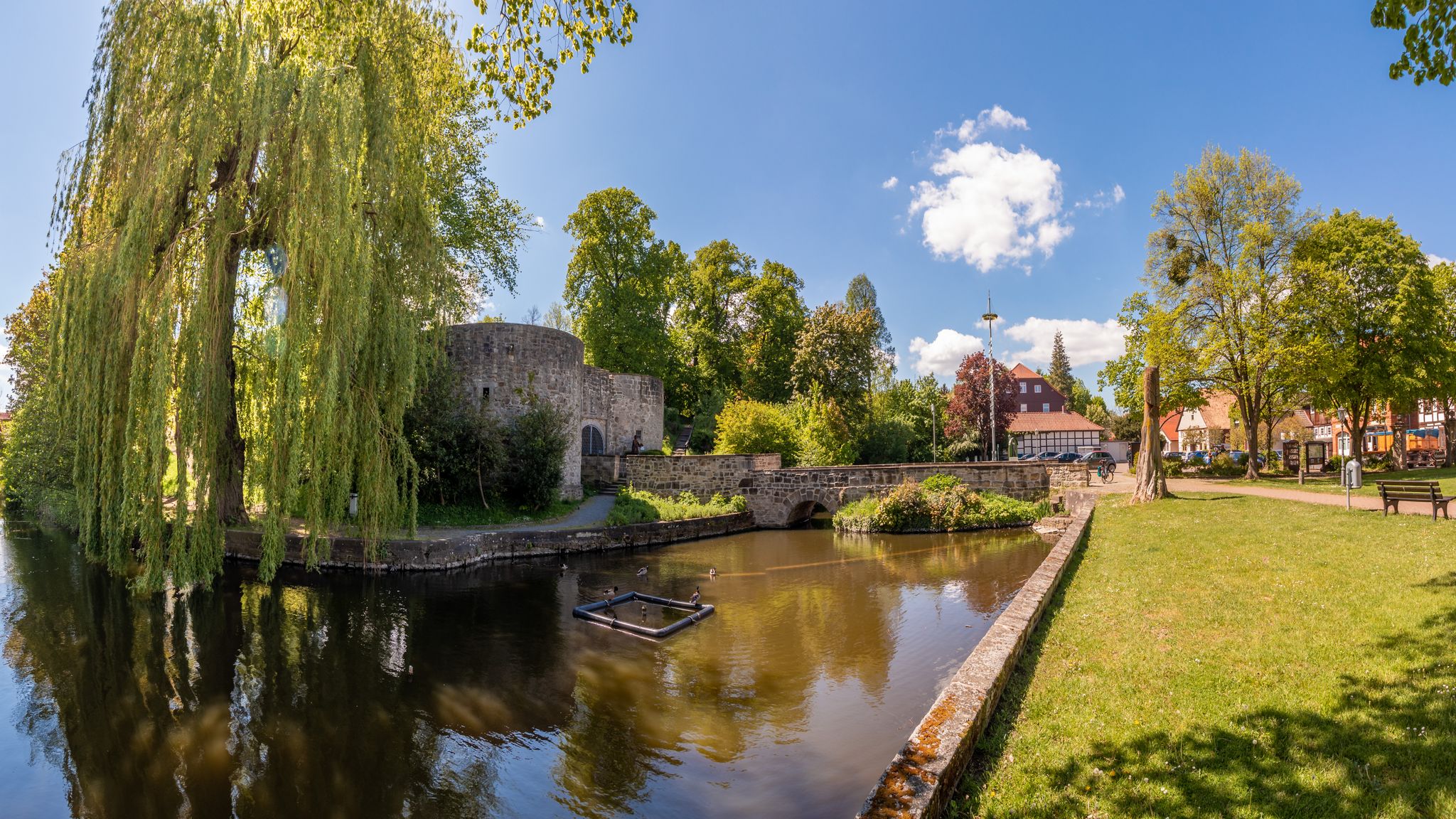
Berlin-Hameln Cycle Route – From West to East
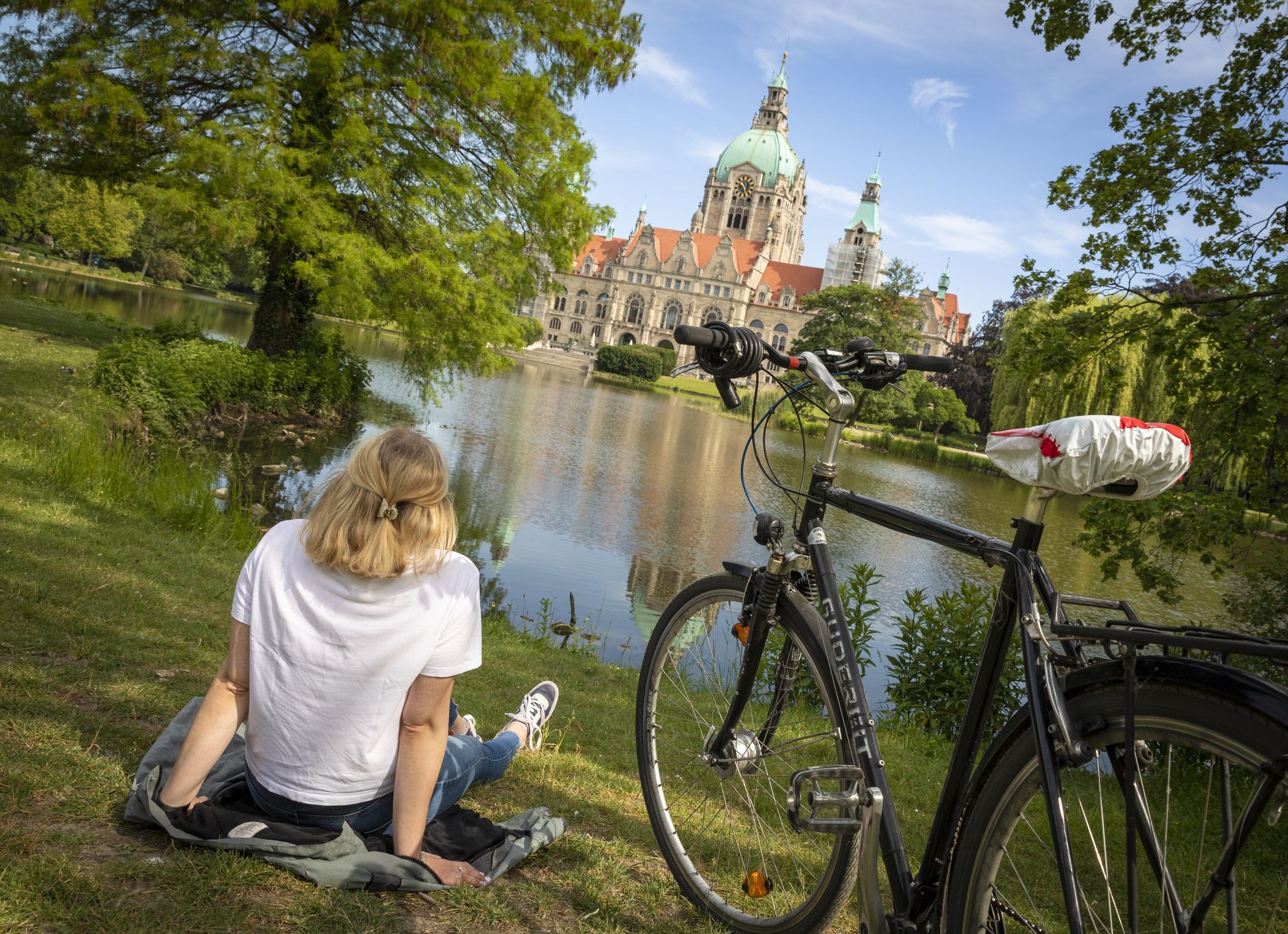
On two wheels - 9 cities + 2 in Lower Saxony
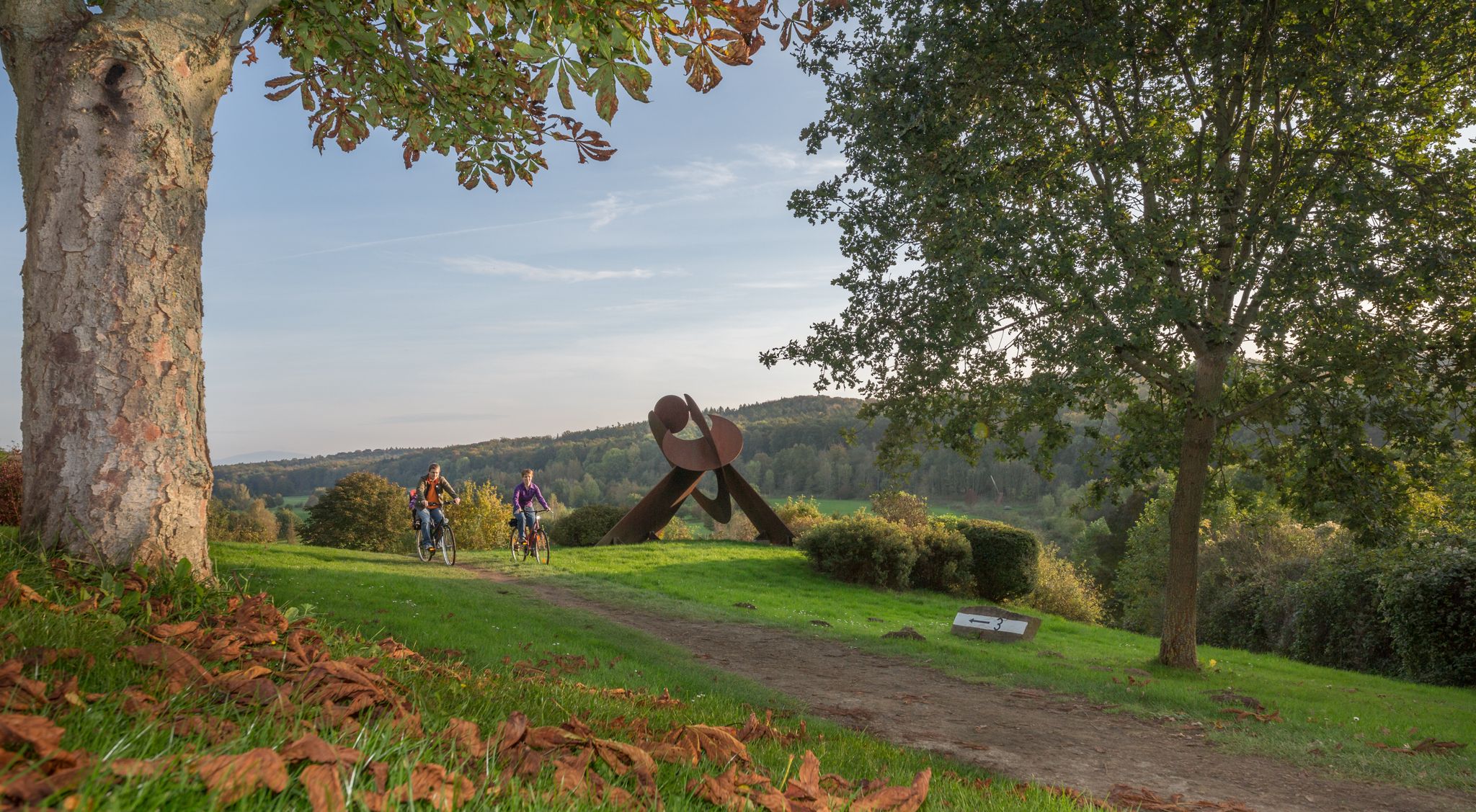
Between knights, industry and rivers – cycling in Salzgitter in Lower Saxony
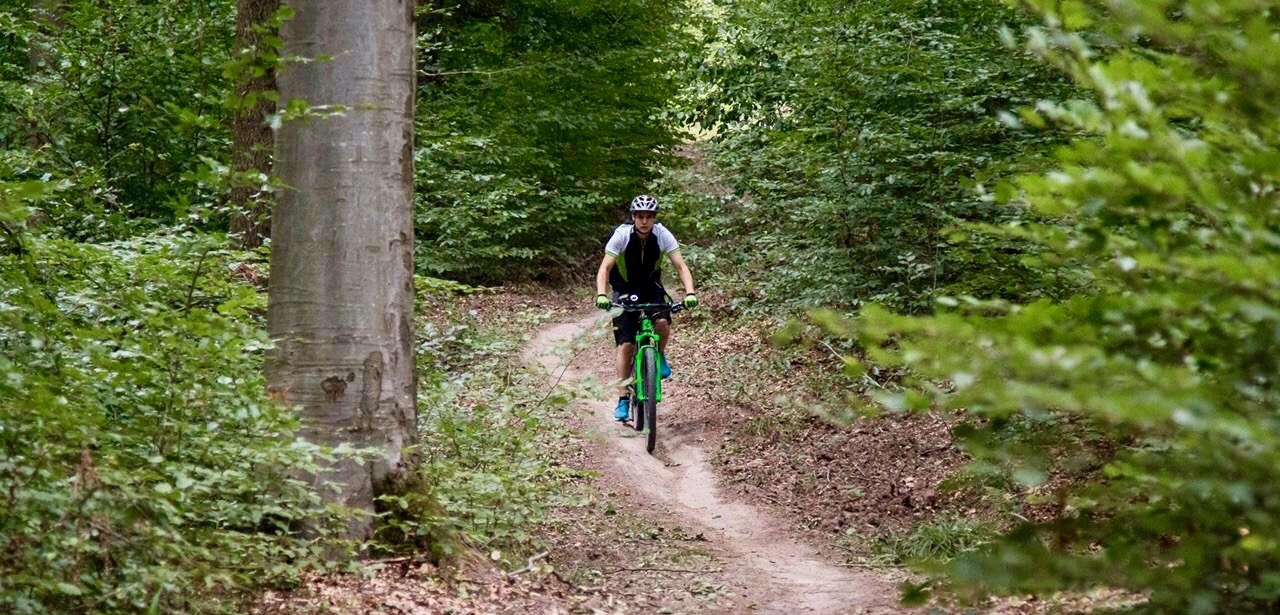
33 MTB trails through German forests
Hiking around Wolfenbüttel
Cycling around Wolfenbüttel
Running Trails around Wolfenbüttel
Road Cycling Routes around Wolfenbüttel
MTB Trails around Wolfenbüttel
Gravel biking around Wolfenbüttel
Other adventures around Wolfenbüttel


Tips from the Community

Access to the grotto was improved and a roof was placed over the stone figures.
1
0

There is a staircase leading up to the grotto, from where you have a beautiful view.
1
0

Hard to believe, but from up here you can see as far as Braunschweig.
0
1
Still in incredibly good condition... fantastic.
0
1
Very interesting place, a must see.
2
0

I find this place very idyllic😍
1
0

Very interesting place with a historical background.
1
0

The hunter's house is currently only available for rent.
12
1
Frequently Asked Questions
What kind of cave-like attractions can I find directly around Wolfenbüttel?
Around Wolfenbüttel, you'll primarily discover grottoes and historical sites with cave-like features. These include places like Jägerhaus, St. Hubert’s Chapel and St. Hubert’s Grotto, a historical site with carved decorations, and the Grotto on Pflaumenberg, made from local Duckstein rock. You can also visit the Hubertus Chapel and Mausoleum of the von Götz Family, which offers an interesting historical background.
Are there any natural show caves with impressive formations near Wolfenbüttel?
Yes, for natural show caves with impressive geological formations, you'll need to venture a short drive to the nearby Harz mountain region. Here, you can explore caves like Baumann's Cave and Hermann's Cave in Rübeland, known for their magnificent stalactites and sinter formations. The Unicorn Cave is another significant natural cave in the Western Harz.
What makes the Harz mountain caves near Wolfenbüttel historically significant?
The Harz mountain caves offer rich historical significance. Baumann's Cave is one of the world's oldest show caves, with tours dating back to 1646. The Unicorn Cave is famous for its paleontological discoveries, including fossilized remains of cave bears and evidence of Neanderthal presence from around 100,000 years ago. Hermann's Cave was also a pioneer, being the first in Germany to use electric lighting in 1890.
Can I see unique wildlife in any of the caves near Wolfenbüttel?
Yes, Hermann's Cave in Rübeland, located in the Harz region, is unique because it's the only place in Germany where visitors can see cave olms. These fascinating amphibians were introduced to the cave in the 1930s.
Are the caves around Wolfenbüttel and in the Harz region suitable for families?
Many of the caves in the Harz region, such as Baumann's Cave and Hermann's Cave, are well-suited for families, offering guided tours that combine adventure, education, and natural beauty. The grottoes directly around Wolfenbüttel are also generally accessible and can be interesting historical stops for families.
What should I wear when visiting caves in the region?
When visiting caves, especially the natural show caves in the Harz, it's advisable to wear comfortable walking shoes with good grip, as surfaces can be uneven and damp. Even in summer, cave temperatures are consistently cool, so bringing a light jacket or sweater is recommended.
How long do tours typically last at the show caves in the Harz region?
Tours at the major show caves in the Harz region, such as Baumann's Cave, typically last around 50 minutes. This allows ample time to explore the formations and learn about the cave's history and geology.
What is the best time of year to visit the caves near Wolfenbüttel?
Caves maintain a consistent temperature year-round, making them a good destination in any season. They are particularly popular during summer for a cool escape or in winter as an alternative outdoor activity when other options might be limited by weather.
Are there hiking opportunities near the caves around Wolfenbüttel?
Yes, the region offers various hiking opportunities. For instance, you can find numerous trails in the Harz Mountains, which are home to the larger show caves. Closer to Wolfenbüttel, you can explore routes like the 'Eilumer Horn Summit Cross – View of the Reitling Valley loop' or the 'German Unity Memorial Rottland – View of the Harz and Brocken loop'. You can find more hiking routes in the area on the Hiking around Wolfenbüttel guide.
Can I combine a cave visit with cycling or gravel biking near Wolfenbüttel?
Absolutely. The area around Wolfenbüttel and extending towards the Harz offers excellent cycling and gravel biking routes. You could explore the 'Oker Cycle Path' or the 'Riddagshausen Nature Reserve' routes. For gravel biking, options include the 'Path Along the Oker' or routes through the 'Herzogsberge Nature Reserve'. Discover more routes on the Cycling around Wolfenbüttel and Gravel biking around Wolfenbüttel guides.
Are there any dog-friendly caves or grottoes in the Wolfenbüttel area?
While specific dog policies for each grotto or cave vary, natural outdoor grottoes like the Grotto on Pflaumenberg are generally more accessible for dogs on a leash. For the major show caves in the Harz, it's best to check their individual websites for current regulations regarding pets, as many indoor attractions do not permit dogs.
What geological features are prominent in the grottoes around Wolfenbüttel?
The grottoes directly around Wolfenbüttel often feature local rock types. For example, the Grotto on Pflaumenberg is made of Duckstein, a sedimentary rock typical of the Elm region. Another example is the Tuffstone Grotto, named after its tuff stone composition, though some sources also refer to it as a Duckstein grotto.
Most popular routes around Wolfenbüttel
Most popular attractions around Wolfenbüttel

Get inspired with the komoot mobile app


Didn’t find what you were looking for?
Discover more caves around Wolfenbüttel region by region:
Explore more
Extend your search for the best caves by checking out these guides of the top ones around Wolfenbüttel:
