Top 7 Castles around Secastilla
Best castles around Secastilla offers a glimpse into the region's rich history, with remnants of ancient fortifications and religious-military complexes. The area is characterized by its strategic hill locations, providing commanding views of the surrounding landscape. These historical sites, including those with Muslim origins, are often found amidst natural features like ravines and hillsides. Visitors can explore various architectural styles, from Romanesque structures to the remains of medieval castles.
Best castles around Secastilla
- The most popular castles is Samitier Castle…
Last updated: October 1, 2026
Samitier Castle
Highlight • Castle
Translated by Google •
Tip by

Hermitage of Saints Emeterius and Celedonius
Highlight • Religious Site
Translated by Google •
Tip by

Sign up now to discover places like this
Get recommendations on the best single tracks, peaks, & plenty of other exciting outdoor places.
Troncedo Castle and Village
Highlight • Castle
Tip by

Castle of Perrarúa and Hermitage of San Climent
Highlight • Castle
Translated by Google •
Tip by
Abandoned Village of Castarlenas
Highlight • Historical Site
Translated by Google •
Tip by

Sign up for free to discover even more castles around Secastilla.
Already have an account?
Start today with a free account
Your next adventure awaits.

Tips from the Community

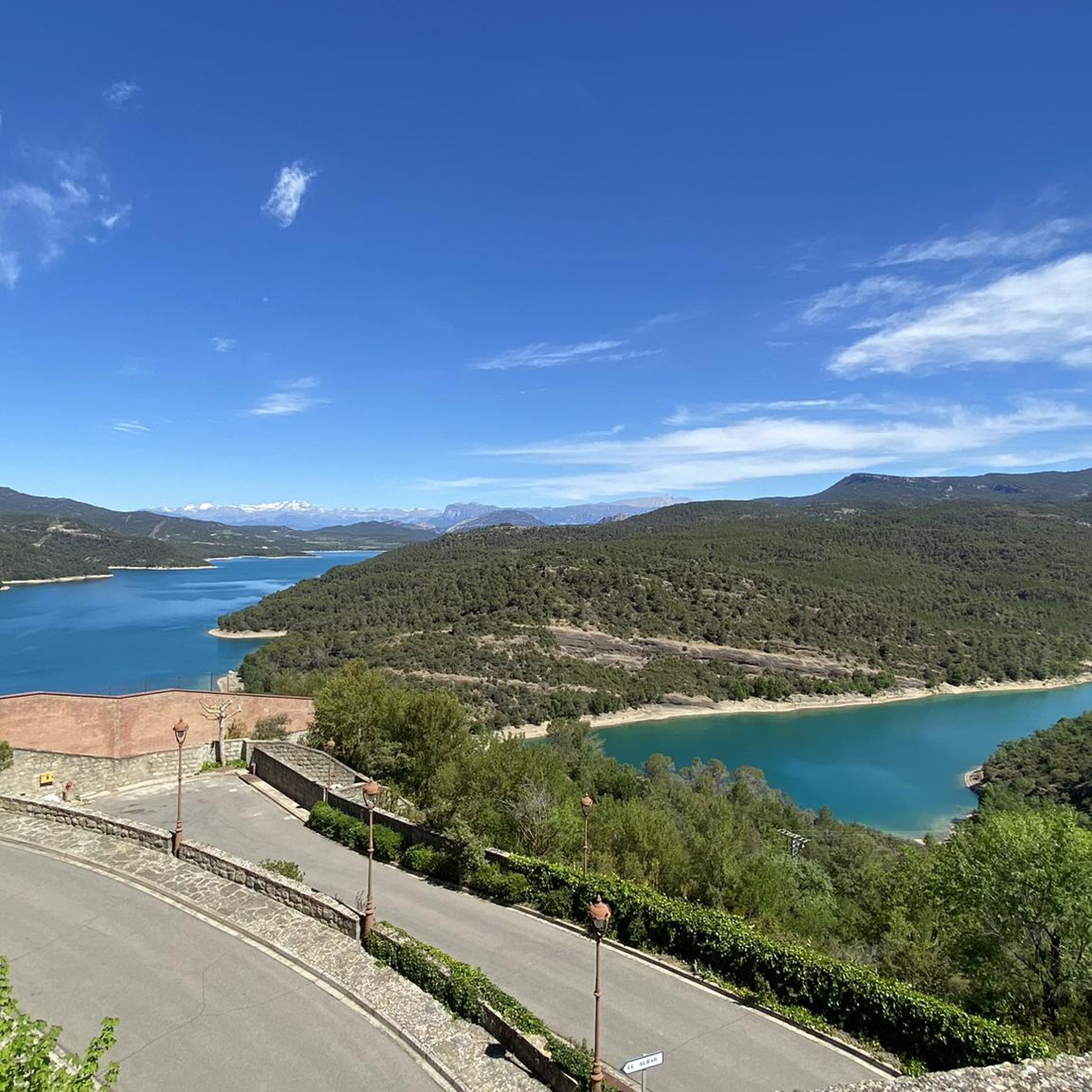
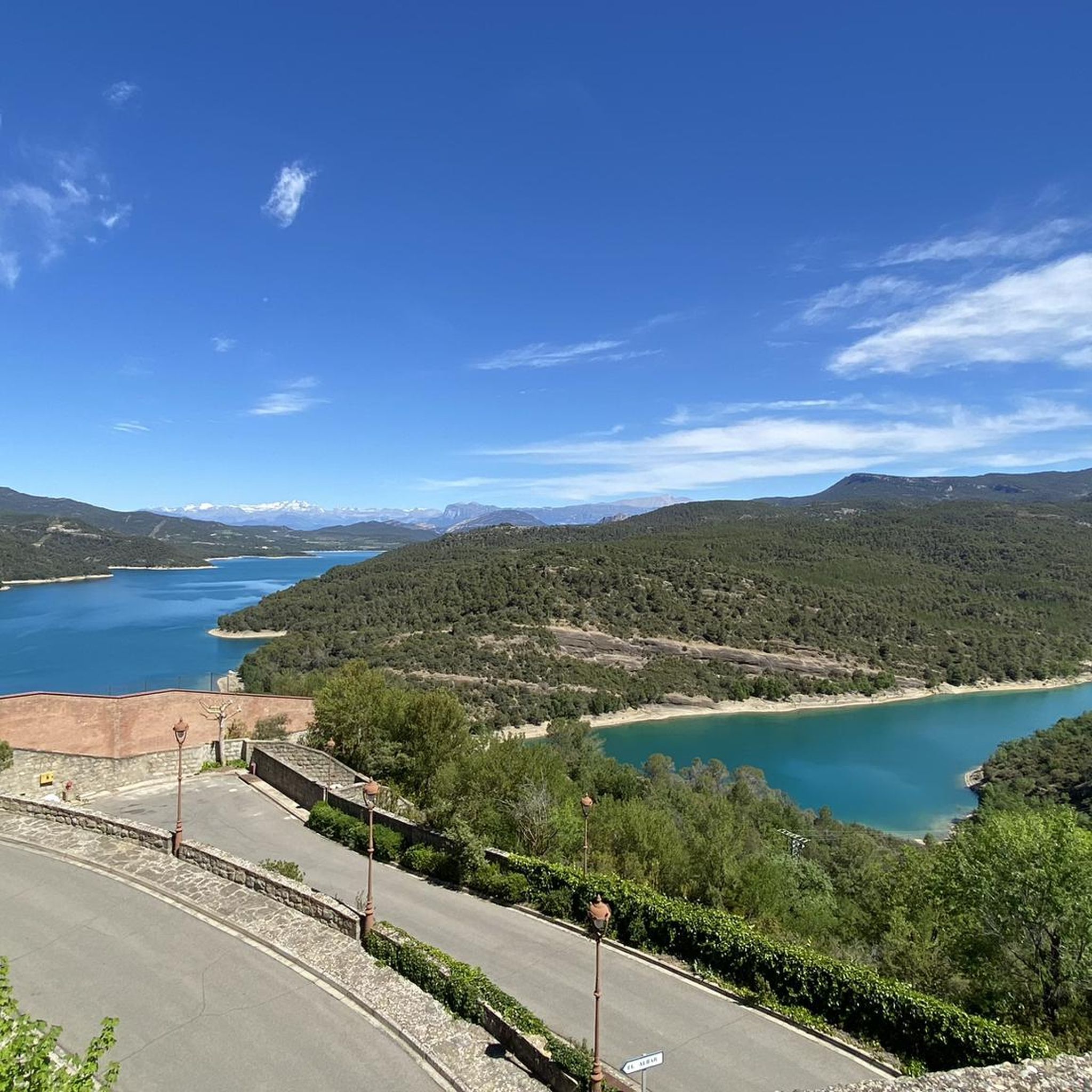
Great panoramic view from the Castillo!
0
0

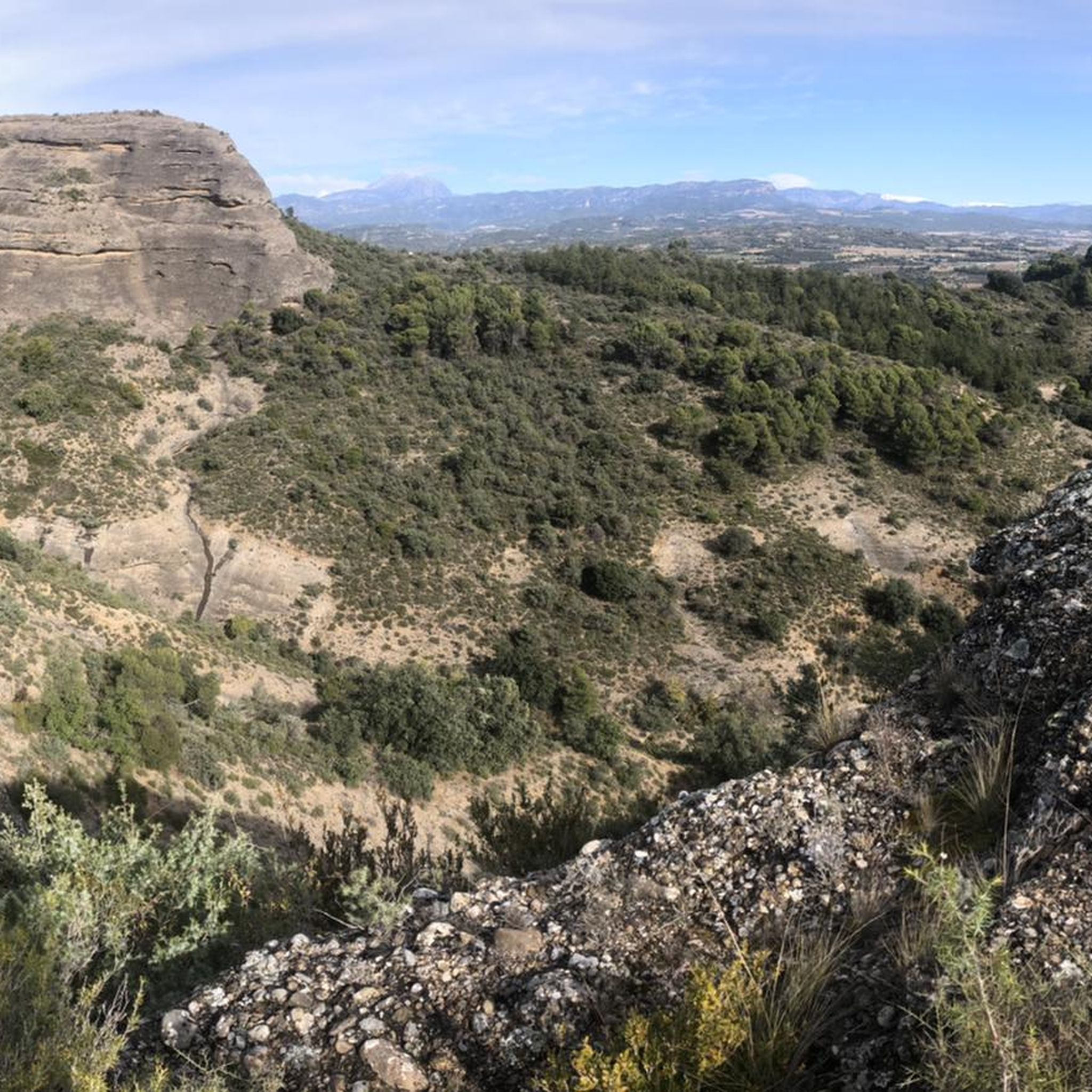
Allow at least 20 minutes to appreciate the entire Ordesa and Monteperdido mountain range
0
0

Castarlenas is a town that, unfortunately, was depopulated about fifty years ago. Even so, you can easily reach it by walking from the town of Torres del Obispo, although you will have to be careful if you try to enter its streets, since a large part of its buildings are in ruins, so it is not highly advisable. In addition to an information panel where you can learn much more about this place, you will have excellent views of the Barasona reservoir and the Carrodilla mountain range.
1
0


Also called Mondoto Castle, it is a religious-military complex that stands out for the remains of the hexagonal tower of the castle and the hermitage, good examples of Romanesque architecture. The hermitage is dedicated to San Emeterio and San Celedonio and curiously enough, it was actually designed as the first defense mechanism of the castle, since possible attackers had to first cross the place where the monks slept.
1
0
Also called Mondoto Castle, it is a religious-military complex that stands out for the remains of the castle's hexagonal tower and the church, good examples of Romanesque architecture.
0
0
The uninhabited area of El Mon de Perrarúa draws attention for its semi-ruined castle that can be clearly seen from the road between Graus and Benasque.
1
0

Troncedo is a small town and mountain pass that is located at 1,009 meters above sea level in the southeastern end of La Fueva, on top of a hill on the slope of the Sierra del Turón from Graus to the Fuevan hollow, but which is currently along the HU-V-6441 road. The most defining characteristic of Troncedo is its castle, of which only the homage tower remains, which is larger than those of other main castles in Sobrarbe (the castle of Aínsa or the castle of Boltaña), which makes one think in the proportions that it could have in its time of use. Due to the importance of the castle of Troncedo, the antiquity of the place is known, since documents have been found since the reign of Sancho el Mayor (first half of the 11th century) that already testify to the importance of defending the county of Troncedo, Sobrarbe as well as the nearby town of Graus, which was still Moorish. In 1797 Troncedo had 150 inhabitants; currently has about thirty inhabitants. The road from Graus is in very good condition for road cycling, little traffic, good asphalt and steep climbs. On the other hand, on the Trillo side the road can be defined as a paved forest track and has steeper slopes and very tight curves.
0
0
Frequently Asked Questions
What are the main historical sites or castles to explore around Secastilla?
The region offers a variety of historical fortifications. Notable sites include Samitier Castle, a religious-military complex with a hexagonal tower and Romanesque architecture. You can also visit the semi-ruined Castle of Perrarúa and Hermitage of San Climent, visible from the road between Graus and Benasque. Another significant site is Troncedo Castle and Village, where only the impressive homage tower remains, hinting at its past importance.
What is the historical significance of the castles in the Secastilla region?
The castles around Secastilla hold deep historical roots, with some sites like El Castiello (identifiable with the Arab castle of Muñones) dating back to Muslim construction between the mid-10th and early 11th centuries. These fortifications were strategically placed on hills, offering commanding views and playing a crucial role in defending the region. Many also feature Romanesque elements, showcasing a blend of architectural styles and historical periods.
Are there any ancient or lesser-known castle ruins to discover near Secastilla?
Yes, beyond the more prominent sites, you can explore the remnants of El Castiello, also known as Castillo de Muñones. This ancient fortified site, believed to be of Muslim origin, features wall sections made of conglomerate ashlar stones. It's strategically located on a hill with impressive panoramic views. Adjacent to these ruins, you'll find the Romanesque San Valero hermitage and a unique rock formation called "Moisés' hand."
When is the best time to visit the castles and historical sites around Secastilla?
The best time to visit the castles and explore the surrounding area is generally during spring (April to June) and autumn (September to October). During these seasons, the weather is typically mild and pleasant, ideal for walking and exploring the outdoor ruins and viewpoints without the intense heat of summer or the colder, potentially wetter conditions of winter.
What kind of outdoor activities can I do near the castles in Secastilla?
The area around Secastilla offers various outdoor activities. You can find numerous hiking trails, including easy and moderate routes like the "Basílica de Nuestra Señora de la Peña y Ermita de San Pedro - circular desde Graus." For those interested in more vigorous activities, there are also running trails and MTB trails available in the wider region.
Are there family-friendly options or activities near the castles?
While specific family-friendly activities at each castle are not detailed, exploring the historical sites themselves can be an engaging experience for families. The Abandoned Village of Castarlenas, for instance, offers a unique glimpse into the past with excellent views, which can be an interesting walk for older children. Many of the hiking trails around Secastilla also include easy options suitable for families.
What are the best viewpoints to experience the landscape around Secastilla's castles?
Many of the castle sites themselves offer excellent viewpoints due to their strategic hilltop locations. For example, El Castiello provides commanding panoramic views of Secastilla, Ubiergo, and Bolturina. The Samitier Castle area also offers views of the Ordesa and Monteperdido mountain range. Additionally, the Abandoned Village of Castarlenas provides superb views of the Barasona reservoir and the Carrodilla mountain range.
Are there specific hiking routes that incorporate castle visits?
Yes, you can combine castle visits with hiking. For example, the area around Samitier Castle and its associated hermitage is accessible via walking paths. While specific routes directly to every castle aren't detailed, many of the historical sites are situated along or near existing hiking trails, allowing you to integrate historical exploration with outdoor activity.
What do visitors enjoy most about the castles and historical sites in Secastilla?
Visitors particularly appreciate the rich history and the stunning natural surroundings. The strategic locations of these sites offer impressive panoramic views. The blend of Romanesque architecture, ancient Muslim fortifications, and the stories associated with them, such as the legend of El Castiello's secret tunnel, provide a unique and engaging experience. The komoot community has shared over 60 photos and given more than 30 upvotes, highlighting the visual appeal and historical interest of the area.
Is there parking available near the castles and historical sites?
While specific parking details for every site are not provided, many historical sites in rural areas typically have limited, informal parking nearby or require a short walk from the nearest accessible road. For sites like the Castle of Perrarúa, it's clearly visible from the main road, suggesting roadside access or nearby parking options. It's advisable to check local signage upon arrival.
Can I visit the Abandoned Village of Castarlenas?
Yes, the Abandoned Village of Castarlenas is a historical site that can be visited. It was depopulated about fifty years ago, and while many buildings are in ruins, it offers a unique atmosphere and excellent views of the Barasona reservoir and the Carrodilla mountain range. It's accessible by walking from the town of Torres del Obispo, but caution is advised if attempting to enter the ruined buildings.
Most popular routes around Secastilla
Most popular attractions around Secastilla

Get inspired with the komoot mobile app


Explore more
Looking for the best castles somewhere else? Discover other guides around Secastilla:
