Top 6 Lakes in México
Best lakes in México present a diverse array of natural landscapes, from vast freshwater bodies to high-altitude crater lakes. The country's varied geography includes volcanic regions and forested mountains, providing unique settings for these aquatic features. These lakes serve as significant natural landmarks and support diverse ecosystems.
Best lakes in México
- The most popular lakes is Nexcolango Lagoon and View of the Sleeping Woman, a lake that offers a beautiful spot with a viewpoint overlooking the Sleeping Woman. This…
Last updated: July 19, 2026
Iturbide Dam
Highlight • Lake
Translated by Google •
Tip by

Descent from Pico del Fraile to Lake of the Sun (Nevado de Toluca)
Highlight (Segment) • Trail
Tip by

Sign up now to discover places like this
Get recommendations on the best single tracks, peaks, & plenty of other exciting outdoor places.
Sign up for free
Nexcolango Lagoon and View of the Sleeping Woman
Highlight • Lake
Translated by Google •
Tip by

Laguna del Sol
Highlight • Lake
Tip by
Laguna Quila
Highlight (Segment) • Lake
Translated by Google •
Tip by
Nahualac Lagoon Shrine
Highlight • Historical Site
Translated by Google •
Tip by

Lago Corral de Piedra
Highlight • Lake
Translated by Google •
Tip by

Start today with a free account
Your next adventure awaits.
Login or Signup


Other adventures in México

Tips from the Community

There was an ancient pre-Hispanic shrine at the bottom of an artificial lagoon at the foot of Iztaccíhuatl.
0
0
A beautiful spot with a viewpoint overlooking the Sleeping Woman, perfect for a break or a quick snack before heading to Teyotl.
1
0

demanding but recommendable
1
0

There is a visitor center here with a general store, cabins and space for tents.
0
0

The Quila Lagoon, located at 3010 m.a.s.l. (19°4.5', N 99°18.9' W), has an area of 5.2 ha, is situated in a steep valley, surrounded by a forest of Pinus montezumae, however, on the western slope the trees were cut down and currently this area is converted into pasture. The lagoon is fed naturally by two streams on the northern slope, it also has a sinkhole that controls the water table, which was formed when the infrastructure for water extraction was built. Both for the above reason, and due to the changes between the dry and rainy seasons, the water level in the lagoon varies considerably. In recent years, a progressive drying up has been observed due to water extraction, which directly affects the vegetation. The study area has a semi-cold subhumid climate, presents a summer rainfall regime (from April to October), the annual average temperature is in the order of 5° to 12° C. The substrate of Laguna Quila is made up of clay with a high percentage of organic matter. > Acta Botánica Mexicana ISSN: 0187-7151
3
0

Among the highest peaks in the region, this long-extinct volcano Nevado de Toluca (also known as Xinantécatl) is Mexico’s fourth-tallest peak. Nevado has two summits on the crater rim, each worth hiking for magnificent views across two snow-fringed crater lakes – Sol and Luna. The views from here to del sol is super good!
5
0
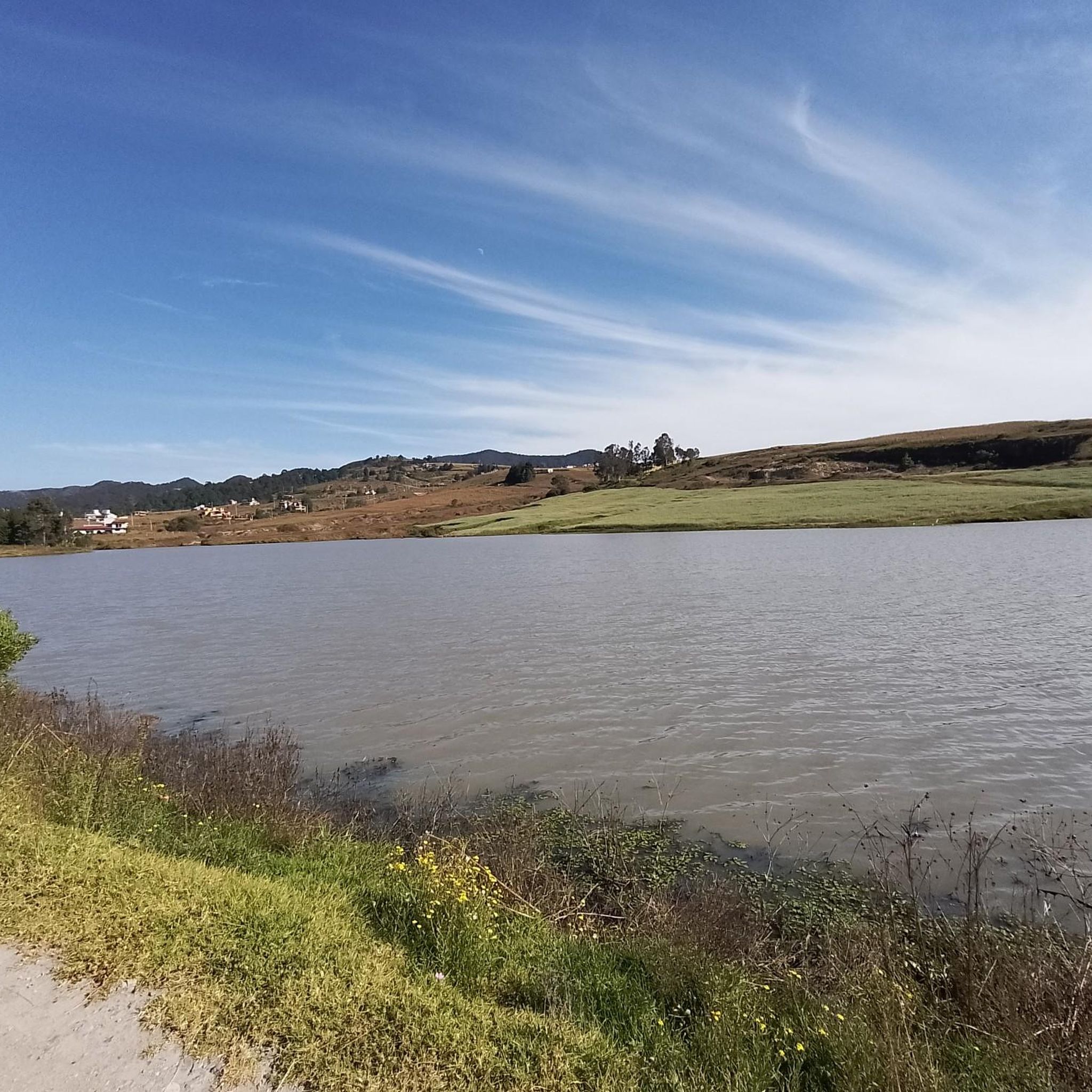
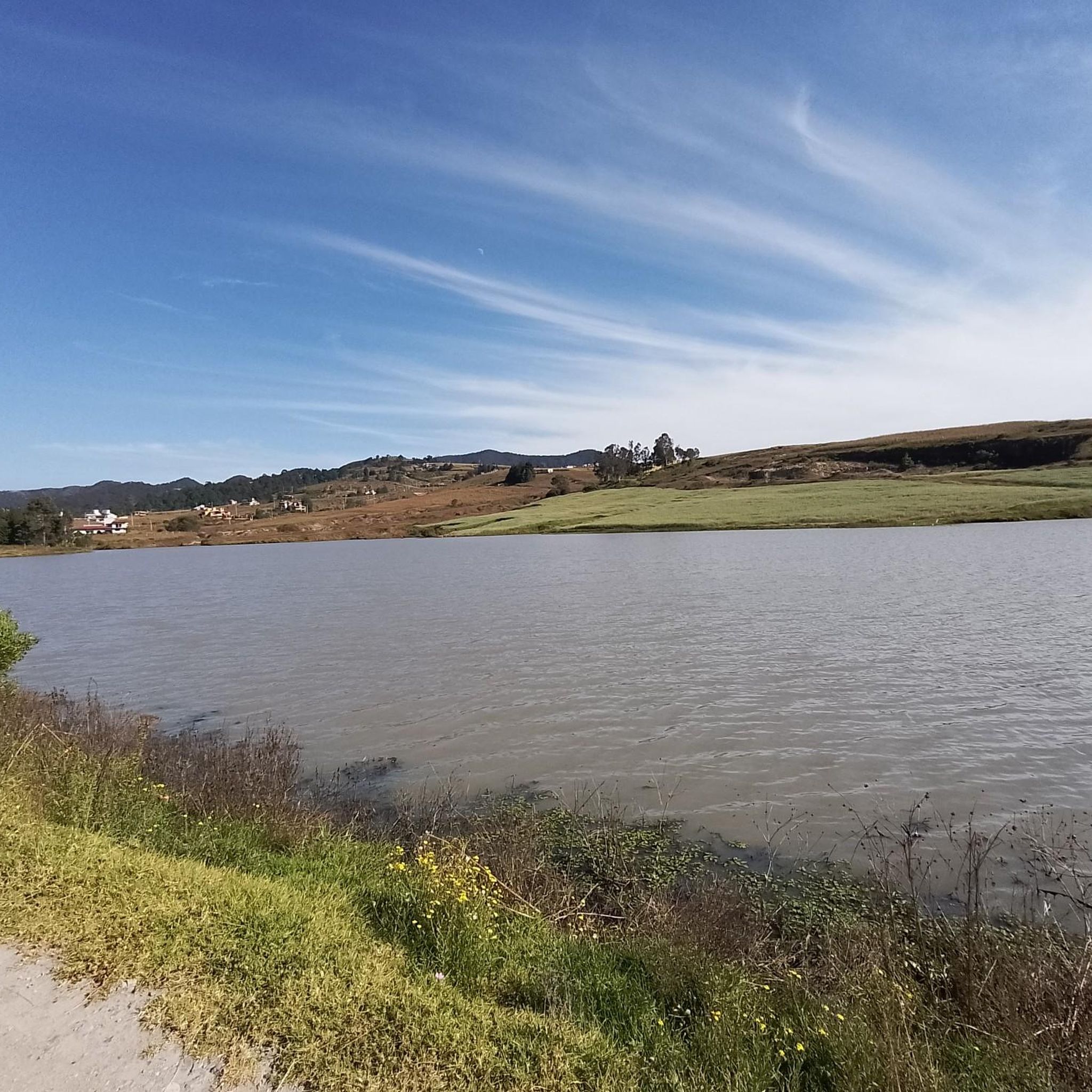
Going up towards the CCO or Jiquipilco you will find this accumulation of water of dark blue color and greenish tones that can be seen among the trees of the wooded road full of green mountains, cold wind and the sounds of nature, of course cars pass by on the road but it is the least of it if you look at how beautiful the place is. Enjoy the trip!
2
0

We went down from the summit by this path, it’s rubble and dirt everywhere but it you trust your ankles it can be quite fun and you have nice view of the lake. It took us 15-20 min to go downhill.
2
0
Frequently Asked Questions
Which lakes in México are best for family outings?
For a family-friendly experience, consider Iturbide Dam, nestled in a forest, offering recreational activities and camping opportunities. Another great option is Lago Corral de Piedra, which provides facilities and is situated within a settlement, making it convenient for families.
Are there lakes in México known for unique natural features or viewpoints?
Absolutely. Nexcolango Lagoon offers a beautiful viewpoint overlooking the 'Sleeping Woman' volcano. For breathtaking high-altitude scenery, Laguna del Sol is a crater lake within an extinct volcano, providing magnificent views across snow-fringed lakes. Regionally, Laguna Bacalar, known as the 'Lagoon of Seven Colors,' is famous for its clear waters displaying numerous shades of blue and green, while the Montebello Lagoons National Park features 59 multi-colored lakes.
What kind of outdoor activities can I do near lakes in México?
The areas around Mexico's lakes offer a variety of outdoor activities. You can find excellent cycling routes, such as the 'Barranca Dolores Viewpoint – Monte Líbano Bridge loop' or the 'Route of the Volcanoes – Paso de Cortés loop.' For hikers, there are mountain trails like the 'Popocatépetl Volcano loop' and easier options such as the 'Las Plumas Mountain Hut – Nevado de Toluca loop.' You can explore more routes in the Cycling in México, Mountain Hikes in México, and Easy hikes in México guides.
Which lakes are best for water sports and adventure activities?
Lake Avandaro (Valle de Bravo) is a hub for water sports like jet skiing, water-skiing, sailing, and fishing. Lake Tequesquitengo is considered the extreme sports capital of Central Mexico, offering activities such as wakeboarding, flyboarding, skydiving, and hot air balloon rides. For recreational boating, fishing, and swimming, Lake Amistad on the USA-Mexico border is a popular choice.
Are there any historical or cultural sites associated with lakes in México?
Yes, several lakes have significant historical and cultural connections. The Nahualac Lagoon Shrine is notable for an ancient pre-Hispanic shrine found at the bottom of an artificial lagoon. Lake Pátzcuaro is surrounded by colonial towns and maintains ancestral Purépecha traditions, especially known for its Day of the Dead celebrations. Lake Xochimilco, a UNESCO World Heritage site, features ancient canals and 'chinampas' (artificial islands) and offers unique cultural experiences on traditional 'trajineras'.
Which lakes are ideal for nature lovers and birdwatching?
Lake Chapala is an excellent spot for nature lovers, particularly for birdwatching, as it's a popular destination for migratory birds. The Montebello Lagoons National Park is a UNESCO World Heritage site rich in diverse flora and fauna, including deer, foxes, pumas, and jaguars, making it perfect for immersive nature experiences. Laguna Bacalar is also a favorite among nature enthusiasts seeking a tranquil escape.
Can I find lakes in México suitable for swimming or diving?
Laguna Bacalar is perfect for swimming due to its clear, tranquil waters. For a unique diving experience, Laguna de Alchichica, a crater lake with clear, salty waters, is considered one of Mexico's best diving lakes. While swimming is not always recommended in all areas of Lake Chapala due to fluctuating water quality, it's generally suitable for laid-back boating.
Are there any lakes known for unique aquatic life or phenomena?
Lake Xochimilco is the only place in the world where axolotls can still be found in the wild. Laguna de Alchichica is home to the critically endangered Alchichica silverside fish. For a truly magical experience, Laguna de Manialtepec is famous for its bioluminescent plankton, offering a sparkling, glowing water spectacle at night.
What is the best time to visit lakes in México?
While specific recommendations vary by lake, many regions around the lakes experience a summer rainfall regime from April to October. Generally, the dry season (roughly November to March) offers more stable weather conditions, which can be ideal for outdoor activities and enjoying the lakes. However, some lakes, like Laguna Quila, experience considerable water level variations between dry and rainy seasons.
Are there any lakes in México known for fishing?
Yes, Baccarac Lake (officially Lic. Adolfo Lopez Mateos Dam) is globally renowned as a premier fishing destination, particularly for Florida Strain Bass, attracting anglers year-round. Lake Pátzcuaro is also known for its fishing, with islanders primarily making a living from species like sea bass, trout, and white fish found there. Lake Avandaro also offers fishing opportunities.
What do visitors enjoy most about the lakes in México?
Visitors frequently appreciate the stunning natural beauty, from the multi-hued waters of Laguna Bacalar to the snow-fringed views at Laguna del Sol. The opportunity for diverse activities, whether it's water sports at Lake Avandaro, cultural experiences on Lake Xochimilco, or peaceful relaxation at Lake Chapala, is also highly valued. Many also enjoy the refreshing environment and the chance to get away from the city, as noted by visitors to Iturbide Dam.
Most popular routes in México
Most popular attractions in México

Get inspired with the komoot mobile app


Explore more
Still not found your perfect lake in México? Check out the guides of these regions to see even more beautiful places.
