Top 6 Caves around São Martinho
Caves around São Martinho offer a range of underground passages and unique natural formations. São Martinho, a region in Portugal, is known for its diverse landscape, including coastal areas and inland features. The area provides opportunities to explore various cave-like structures and tunnels. These sites are often integrated with hiking trails, offering both geological interest and scenic views.
Best caves around São Martinho
- The most popular caves is Poças do Gomes Tunnel, an other_man_made passage connecting a restaurant to…
Last updated: May 6, 2026
Cavacas Dock Tunnel
Highlight • Structure
Tip by

Cave Tunnel to the Beach
Highlight • Cave
Translated by Google •
Tip by

Sign up now to discover places like this
Get recommendations on the best single tracks, peaks, & plenty of other exciting outdoor places.
Sign up for free
Levada do Norte Tunnel under Cruz da Caldeira
Highlight • Structure
Translated by Google •
Tip by

Vereda das Furnas Tunnel
Highlight • Structure
Translated by Google •
Tip by

Coastal Cave of Madeira
Highlight • Cave
Tip by

Sign up for free to discover even more caves around São Martinho.
Sign up for free
Already have an account?
Start today with a free account
Your next adventure awaits.
Login or Signup

Tips from the Community

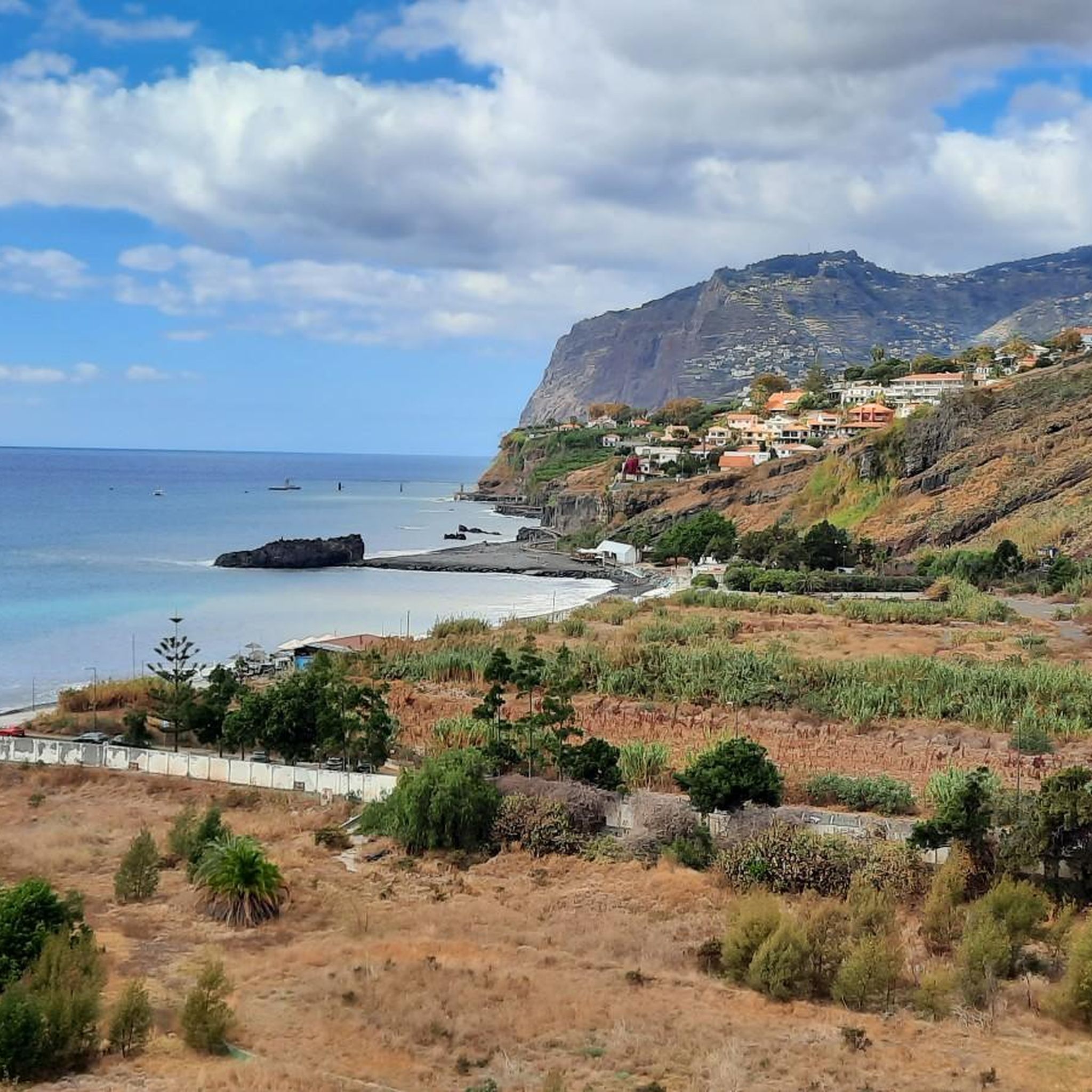
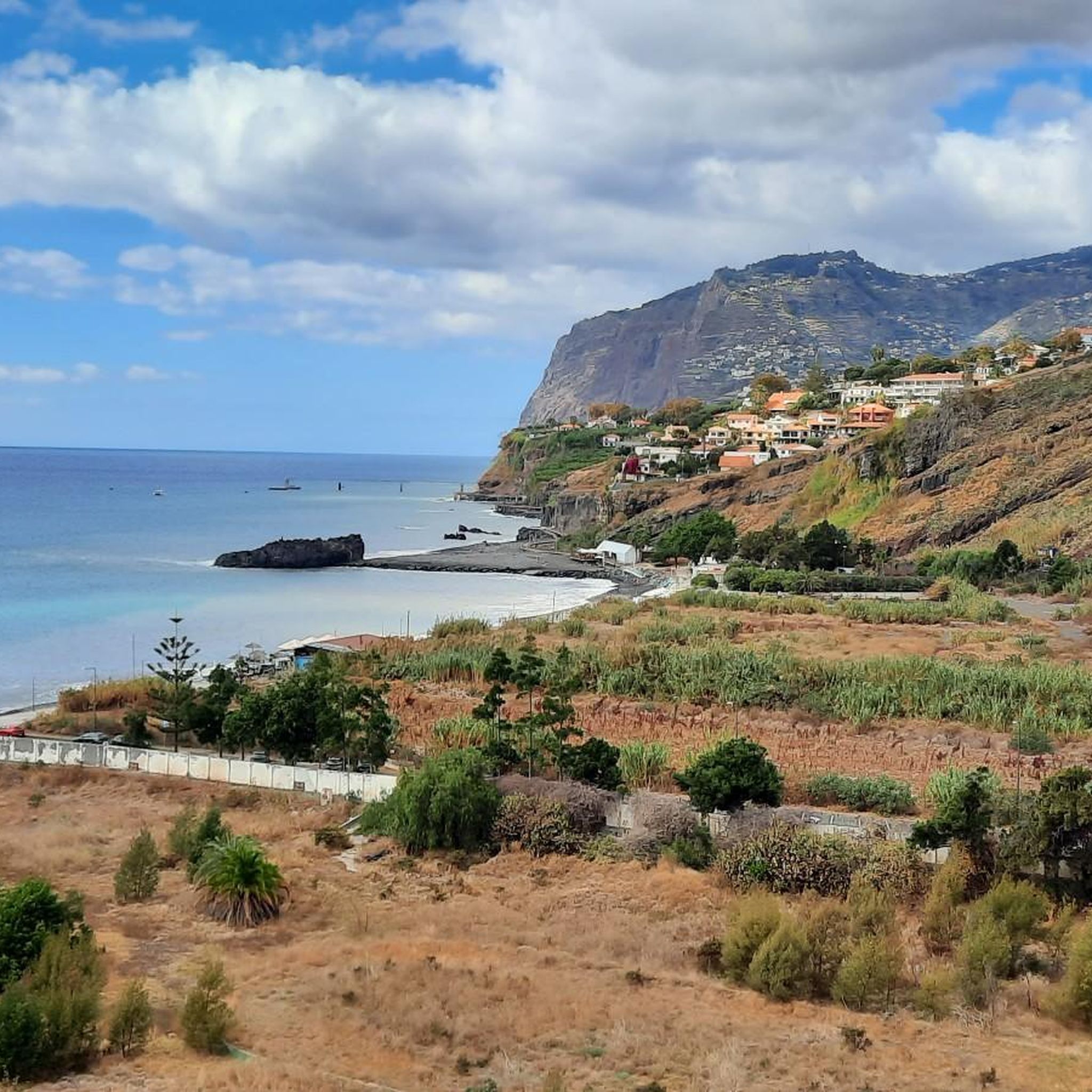
The Túnel das Poças do Gomes is a short pedestrian tunnel directly on the Funchal promenade in Madeira, connecting the Doca do Cavacas (Poças do Gomes) natural pools with the beach and swimming pool area of Praia Formosa. It was originally completed (or reopened) in 1999 and serves as a safe, walkable connection between the city and the coastal path to the west.
0
0

A lamp is necessary, taller people should be careful, it is not too high.
0
0

Through the tunnel you come to a beach of black pebbles
1
0


Be sure to go through the tunnel. It's best to do it when the sea is rough. Here you can see the raw power of the sea.
1
0

the passage is about 150 meters long
1
0
tunnel section that requires a flashlight
0
0

Definitely worth seeing and a quick way to cool down on hot days.
1
0
Frequently Asked Questions
What types of caves and tunnels can I explore around São Martinho?
The São Martinho area features a mix of natural cave-like passages and man-made tunnels. You can find unique highlights such as the Poças do Gomes Tunnel, which connects a restaurant to a stone beach, and various levada tunnels like the Levada do Norte Tunnel under Cruz da Caldeira, part of the region's water transport system.
Are there any family-friendly cave experiences near São Martinho?
Yes, several cave experiences are suitable for families. The Poças do Gomes Tunnel and the Cave Tunnel to the Beach offer refreshing, accessible passages. For a grander experience, the Grutas Mira de Aire, though a short drive away, features an aquatic park next to its exit, making it a popular family destination.
What are the largest natural cave systems in the wider region of São Martinho?
The largest natural cave system in Portugal, Grutas Mira de Aire, is located in the wider central Portugal region. It boasts 11 kilometers of galleries, with about 600 meters accessible to the public, featuring impressive rock formations and an underground river.
What should I wear when visiting caves and tunnels in the São Martinho area?
Inside the tunnels and caves, temperatures are consistently cool, often around 18°C, and humidity can be high. It's advisable to wear comfortable shoes with good grip, as floors can be wet. A light jacket is recommended, and for longer, darker tunnels like the Levada Tunnel Under Nogueira, a headlamp is essential.
Are there any historical or spiritual cave sites near São Martinho?
Yes, in the Sintra region, you can visit the Virgin Grotto at Quinta da Regaleira, which is part of an elaborate system of tunnels and wells with rich symbolism. Also, the Cova de Frei Honório, within the Capuchos Convent, offers a glimpse into a solitary spiritual past.
How long do cave tours typically last in the region?
The duration varies. For the man-made tunnels around São Martinho, such as the Poças do Gomes Tunnel (100m) or the Cave Tunnel to the Beach (150m), exploration is relatively quick. For larger natural cave systems like Grutas Mira de Aire or Grutas da Moeda, guided tours typically last around 1 to 1.5 hours.
What are some unique geological features found in the caves near São Martinho?
Beyond the immediate São Martinho area, the natural caves in central Portugal offer diverse geological wonders. Grutas de Santo António features monumental halls with numerous stalactites and stalagmites and natural lakes, while Grutas Alvados is known for its labyrinthine corridors and deep 'Algares' (sinkholes).
What outdoor activities can I combine with a visit to the caves around São Martinho?
The São Martinho area is excellent for combining cave exploration with other outdoor activities. You can find various running trails, road cycling routes, and general cycling routes that offer scenic views and connect to natural landmarks.
Is public transport available to reach the major cave systems from São Martinho?
While São Martinho itself has local transport, reaching the major natural cave systems like Grutas Mira de Aire or Grutas da Moeda typically requires a car, as they are located a short drive from coastal towns. Some levada tunnels, like the Levada do Norte Tunnel under Cruz da Caldeira, are accessible via trails that may have bus stops nearby.
Are there any dramatic coastal formations similar to caves near São Martinho?
Yes, while not an underground cave, Boca do Inferno (Hell's Mouth) near Cascais is a dramatic rock arch formation on the Atlantic coast. It's a popular spot to witness the powerful spectacle of ocean water crashing against the rocks, offering a different kind of natural wonder.
What are some tips for exploring the levada tunnels in the region?
When exploring levada tunnels like the Levada do Norte Tunnel under Cruz da Caldeira or the Levada Tunnel Under Nogueira, a headlamp is highly recommended as cell phone flashlights may not be sufficient. Be mindful of your head, as some tunnels can be low and narrow, and the ground is often wet.
What do visitors particularly enjoy about the caves and tunnels around São Martinho?
Visitors appreciate the refreshing coolness inside the tunnels on hot days, the unique experience of walking through man-made passages to beaches, and the geological wonders of the larger natural caves. The Poças do Gomes Tunnel is noted for its cool environment and connection to a stone beach, while the Cave Tunnel to the Beach is valued as a quick way to cool down.
Most popular routes around São Martinho
Most popular attractions around São Martinho

Get inspired with the komoot mobile app


Explore more
Extend your search for the best caves by checking out these guides of the top ones around São Martinho:
