Top 5 Lakes around São João De Brito
Best lakes around São João De Brito, an area integrated into Lisbon's Alvalade district, are primarily found within the city's green spaces and parks. While São João De Brito itself is an urban parish, the broader Lisbon district provides access to various natural and artificial water bodies. These locations offer opportunities for recreation, nature observation, and relaxation within an urban setting. The natural landscape around São João De Brito is characterized by its integration into the city's park system, providing…
Last updated: May 6, 2026
Gulbenkian Garden
Highlight • Forest
Translated by Google •
Tip by

Amália Rodrigues Garden Lake
Highlight • Lake
Tip by

Sign up now to discover places like this
Get recommendations on the best single tracks, peaks, & plenty of other exciting outdoor places.
Sign up for free
Pond and statue outside Estufa Fria
Highlight • Structure
Translated by Google •
Tip by

Montes Claros Garden
Highlight • Natural
Translated by Google •
Tip by

Quinta das Conchas and Lilases Park
Highlight • Forest
Tip by

Sign up for free to discover even more lakes around São João De Brito.
Sign up for free
Already have an account?
Start today with a free account
Your next adventure awaits.
Login or Signup


Tips from the Community

The pond with the statue in front of the Estufa Fria is a tranquil, green spot in the heart of Parque Eduardo VII. Surrounded by water, plants, and the figure in the pool, you can take a breather and forget the city for a moment. It's ideal for a short break or a photo before continuing your exploration of the park or heading down into the city center.
2
0

The Gulbenkian Garden, located in the center of Lisbon next to the Calouste Gulbenkian Foundation, is one of the most emblematic green spaces of modern Portuguese urbanism. It was designed in the 1960s by landscape architects Gonçalo Ribeiro Telles and António Viana Barreto and inaugurated in 1969.
5
0

The Gulbenkian Garden is an oasis of nature and peacefulness in the city of Lisbon, the perfect place to escape from the hustle and bustle of the city. The garden's history goes back several centuries: it began as a recreational farm (in the 18th century), became Santa Gertrudes Park (in the 19th century) and, years later, became Lisbon's first Zoo. In the 20th century, the Zoo became a local fair, and later the venue was acquired by the Gulbenkian Foundation. Thus, was born the Gulbenkian Garden, a project by landscape architects António Viana Barreto and Gonçalo Ribeiro Telles.
1
1
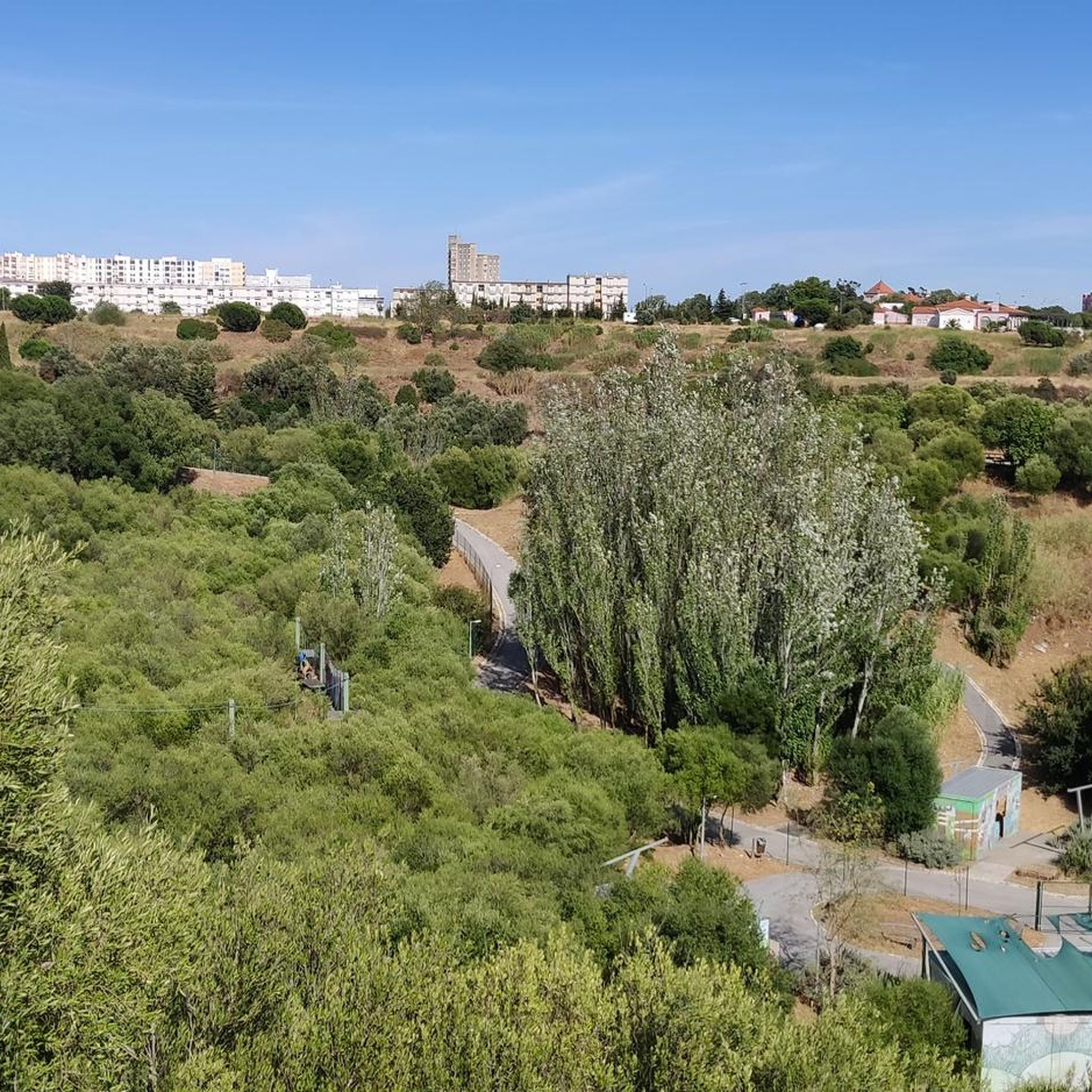
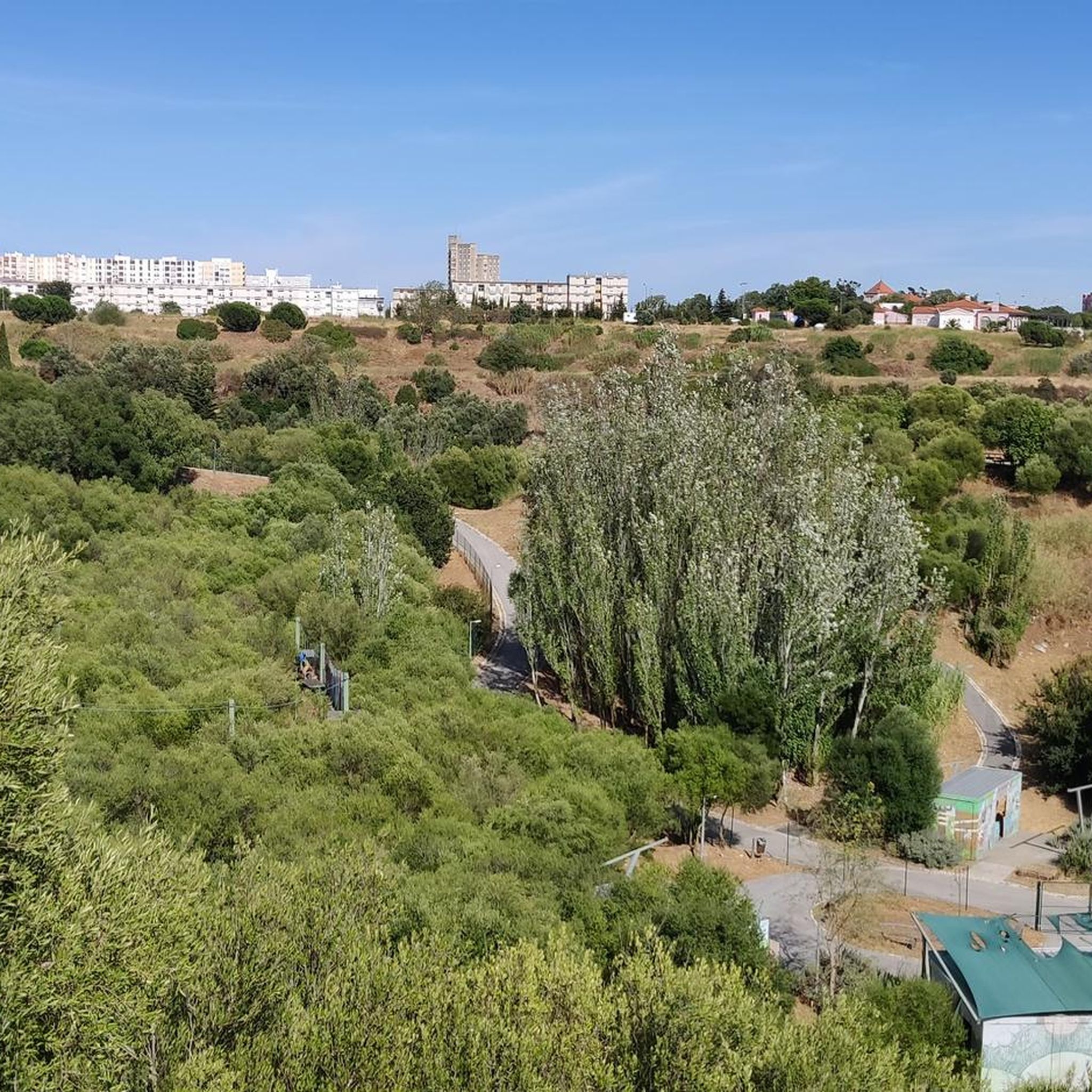
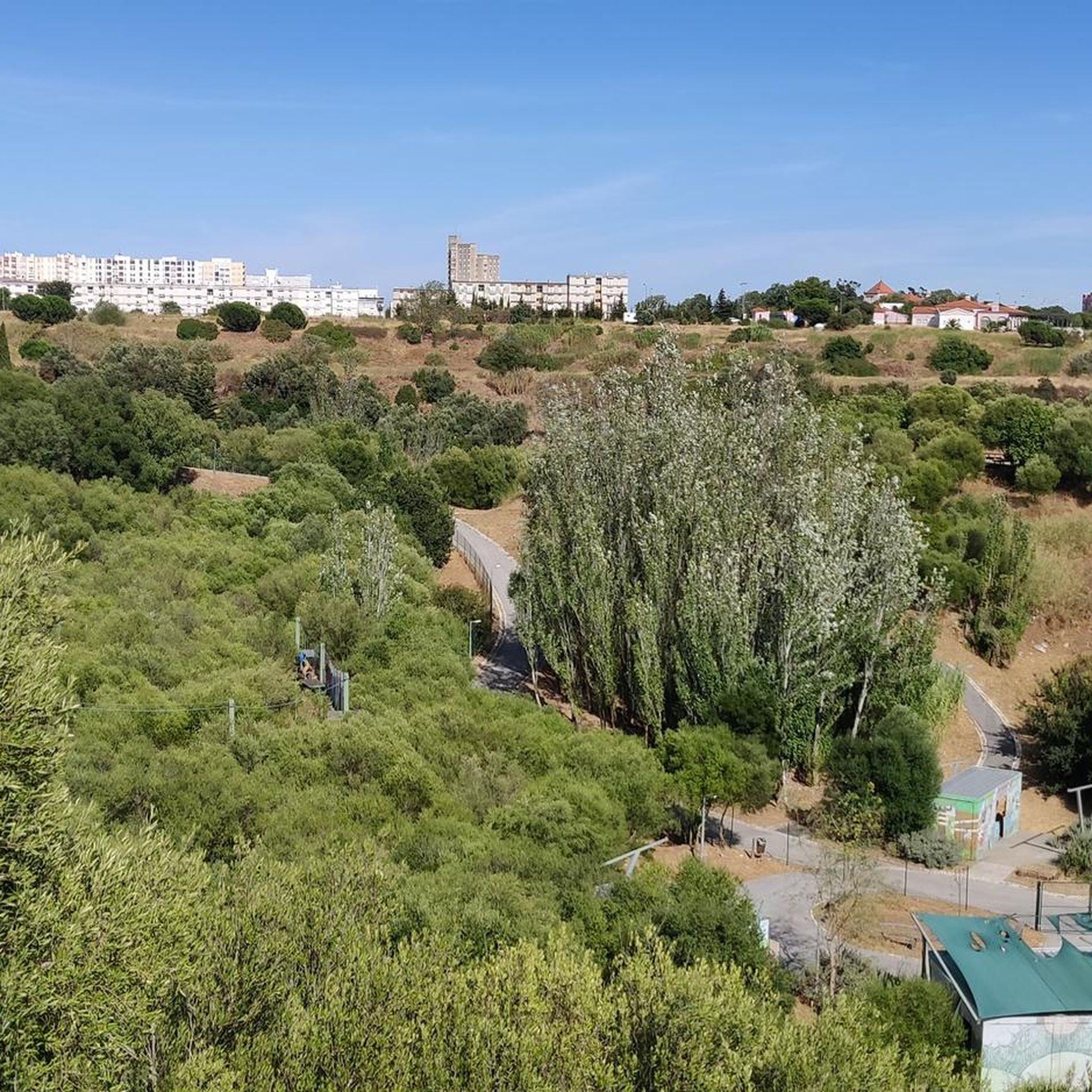
The park has three distinct areas: the Central Nave of Quinta das Conchas, the Woods and the Lilacs. The Central Nave, the largest area, is made up of large lawns dotted with trees and offers open views, which invite you to play ball and have picnics on the grass. It is bordered at the highest point by a group of olive and olive trees and, at the bottom, next to the large lake, there is a mass of large eucalyptus trees, classified as a grove of trees of public interest, where there are picnic tables, in an excellent area for relaxing. The Woods, a denser forest area with more intact nature, is made up of a varied set of tree species, with a stand of trees of the ZelKova Serrata species, also classified as a public interest, standing out, as well as Himalayan cedars and Buçaco cedars. In some places, there is a dense cover of shrubs, such as adernos, sanguinhos, elders and hawthorns, which are very important for several species of birds as shelter, feeding and nesting sites. Separated from Quinta das Conchas by a wall, we have Quinta dos Lilases, a more secluded environment, with its famous artificial lake, of romantic inspiration, representing the islands of São Tomé and Príncipe. The vegetation is marked by the alignment of olive trees next to the wall of Quinta das Conchas and by the presence of eucalyptus, poplars, ash trees, gleditsias and species of the Quercus genus. The shrub layer is reduced, with pomegranate trees and notable groups of old and large box trees standing out. The clearing areas are covered in dry grassland. This farm has a community orchard area, recently built as part of a Participatory Project. The existence of diverse habitats gives this Park great value in terms of biodiversity, with a higher number of species than usual for urban green spaces.
2
1
The name of the park indicates that in the past there were two large quintas here. Quinta is a tough word to translate, it is similar to the French château or country house. Those quintas were called Conchas and Lilases. The quintas were built in the 16th century and were always inhabited by prosperous Portuguese families who traded in coffee. Since 1966 the quintas have been managed by the city of Lisbon. For a long time nothing was done with the quintas and the surrounding lands. In 2005, the quintas were opened to the public and the park was laid out.
2
1

This is a wonderful place to linger and unwind
2
0

The Jardim Amália Rodrigues is a pleasant park located just north of Parque Eduardo VII and the Estufa Fria. It opened in 1996. The garden, which consists of a grassy hillock and a lake, was named in 2000 after the famous fado singer, Amália Rodrigues (1920-1999). The area is one of the highest points in the city and has excellent views
3
0

Beautiful little garden with shady benches, green meadows and ducks in the centrally landscaped body of water!
3
1
Frequently Asked Questions
What kind of lakes can I expect to find around São João De Brito?
Within São João De Brito and the immediate urban area of Lisbon, you'll primarily find beautiful garden lakes and park ponds, integrated into green spaces. For larger natural lagoons and artificial lakes, you'll need to venture a short drive outside the city, towards areas like Sesimbra or Sintra.
Are there any well-known lakes or gardens with water features directly in São João De Brito or nearby Lisbon districts?
Yes, several popular spots include Montes Claros Garden, known for its shady benches and ducks. Another favorite is Amália Rodrigues Garden Lake, offering excellent views. The Gulbenkian Garden also features small ponds where you can observe turtles, fish, and ducks.
What are some popular lakes outside of São João De Brito but still accessible from Lisbon?
A short drive from Lisbon, you can find several notable lakes. The Lagoa de Albufeira near Sesimbra is excellent for water sports and families. Óbidos Lagoon is renowned as a 'water sports paradise' and for birdwatching. In Sintra, you can visit the tranquil Lagoa Azul and the scenic Mula River Dam.
What activities can I do at the lakes and gardens around São João De Brito?
The urban garden lakes are perfect for relaxation, picnics, and gentle strolls. For more active pursuits, the broader Lisbon region offers opportunities for water sports like sailing, windsurfing, and kitesurfing at places like Lagoa de Albufeira and Óbidos Lagoon. Hiking and mountain biking are popular around the lakes in Sintra, such as Lagoa Azul and Mula River Dam.
Are there opportunities for hiking or walking near these lakes?
Yes, many of the lakes and gardens offer pleasant walking paths. For instance, the Gulbenkian Garden has tiny paths around its ponds. For more extensive hiking, the areas around Lagoa Azul and Mula River Dam in Sintra provide picturesque trails. You can find various hiking routes in the region, including those around São João De Brito, by exploring the Hiking around São João De Brito guide.
Can I observe wildlife at these lakes?
Absolutely. The urban garden lakes, such as Montes Claros Garden and Gulbenkian Garden, are home to ducks, fish, and turtles. Further afield, Óbidos Lagoon is a significant habitat for aquatic and migratory birds, making it an excellent spot for birdwatching, and Lagoa Azul in Sintra also hosts ducks, turtles, and carp.
Are the lakes around São João De Brito suitable for families?
Many of the urban parks and gardens with lakes are very family-friendly, offering green spaces for play and relaxation. Amália Rodrigues Garden Lake and Montes Claros Garden are popular choices. The Ilha Mágica do Lido Park is specifically themed around water and extreme sports, with a shallow lake and play areas designed for children and parents. Lagoa de Albufeira is also a favored location for families due to its safe swimming conditions.
What is the best time of year to visit the lakes in the Lisbon area?
The spring (April to June) and early autumn (September to October) offer pleasant temperatures, making them ideal for exploring the lakes and gardens. Summers can be hot, but are perfect for water sports at coastal lagoons like Lagoa de Albufeira. Winters are generally mild, allowing for walks, though some park hours may be shorter.
Are there any hidden gems or less-known lakes worth exploring near Lisbon?
Yes, for those seeking a more serene and untouched experience, Mosqueiros Lagoon in Serra da Sintra is a less-known but stunning natural spot. Its more challenging access via hiking or cycling trails contributes to its peaceful atmosphere, ideal for immersing yourself in nature away from the crowds.
What do visitors particularly enjoy about the lakes and gardens in São João De Brito?
Visitors appreciate the urban garden lakes as tranquil oases within the city. They enjoy the peaceful atmosphere, the opportunity to relax on shady benches, observe wildlife like ducks and turtles, and the beautiful views offered by spots like Amália Rodrigues Garden Lake. These spaces provide a refreshing escape from the urban bustle.
Can I go cycling near the lakes in the Lisbon region?
Yes, cycling is a popular activity. The Mula River Dam in Serra de Sintra is a favored spot for mountain bikers. You can find various cycling routes, including road cycling and MTB trails, in the region. Explore options like the Road Cycling Routes around São João De Brito guide or the MTB Trails around São João De Brito guide for detailed routes.
Are there specific parks with lakes that are good for picnics?
Many of the urban parks are ideal for picnics. Quinta das Conchas and Lilases Park, for example, features large lawns and picnic tables, especially in the eucalyptus grove near its large lake. Lagoa Azul in Sintra also offers picturesque settings along its shores, well-suited for picnics.
Most popular routes around São João De Brito
Most popular attractions around São João De Brito

Get inspired with the komoot mobile app


Explore more
Still not found your perfect lake around São João De Brito? Check out the guides of these regions to see even more beautiful places.
