Top 4 Castles around Lagos (São Sebastião)
Best castles around Lagos (São Sebastião) are primarily historical fortifications that reflect the city's rich maritime history and strategic coastal location in Portugal. Lagos served as a crucial port, leading to the construction of various defensive structures over centuries. These include ancient city walls, coastal forts, and a governor's castle, all designed to protect against naval attacks and pirates. The area offers a tangible connection to its past as a fortified settlement.
Best castles around Lagos (São Sebastião)
- The most popular castles is Fort Meia Praia, a historical site that defended the Bay of Lagos in the 17th and 18th centuries. It is located at the eastern end of an approximately 5.5 km long sandy beach.
- Another must-see spot is Almádena Fort, a historical site and ruin dating from the 16th century. It was built to protect fishermen from pirates and offers views of the coast.
- Visitors also love Ponta da Bandeira Fort, a historical site with a chapel dedicated to St. Barbara. This 17th-century coastal fort is considered one of the best-preserved fortifications in the Algarve region.
- Lagos (São Sebastião) is known for its historical sites, including coastal forts and a governor's castle. These structures showcase different periods of construction, reflecting Roman, Moorish, and later Portuguese influences.
- The castles around Lagos (São Sebastião) are appreciated by the komoot community, with more than 170 upvotes and over 160 photos shared by visitors.
Last updated: May 6, 2026
Ponta da Bandeira Fort
Highlight • Historical Site
Tuesday to Sunday
10:00 am - 12:30 pm
14:00 - 17:30
Closed on Mondays
Translated by Google •
Tip by

Almádena Fort
Highlight • Historical Site
Translated by Google •
Tip by

Sign up now to discover places like this
Get recommendations on the best single tracks, peaks, & plenty of other exciting outdoor places.
Sign up for free
Ponta da Bandeira Fort
Highlight • Historical Site
Translated by Google •
Tip by

Fort Meia Praia
Highlight • Historical Site
Translated by Google •
Tip by

Governors' Castle of Lagos
Highlight • Castle
On the façade, above both doors, is the coat of arms of the Kingdom of the Algarve and between them the family coat of arms of the Count of Avintes. The large baroque pediment crowns the oratory, enclosed by two large wooden gates.
Translated by Google •
Tip by

Start today with a free account
Your next adventure awaits.
Login or Signup
Popular around Lagos (São Sebastião)
Lisbon to Santo António – The Atlantic Coast of Portugal (south)
Road Cycling Routes around Lagos (São Sebastião)
Hiking around Lagos (São Sebastião)
Running Trails around Lagos (São Sebastião)
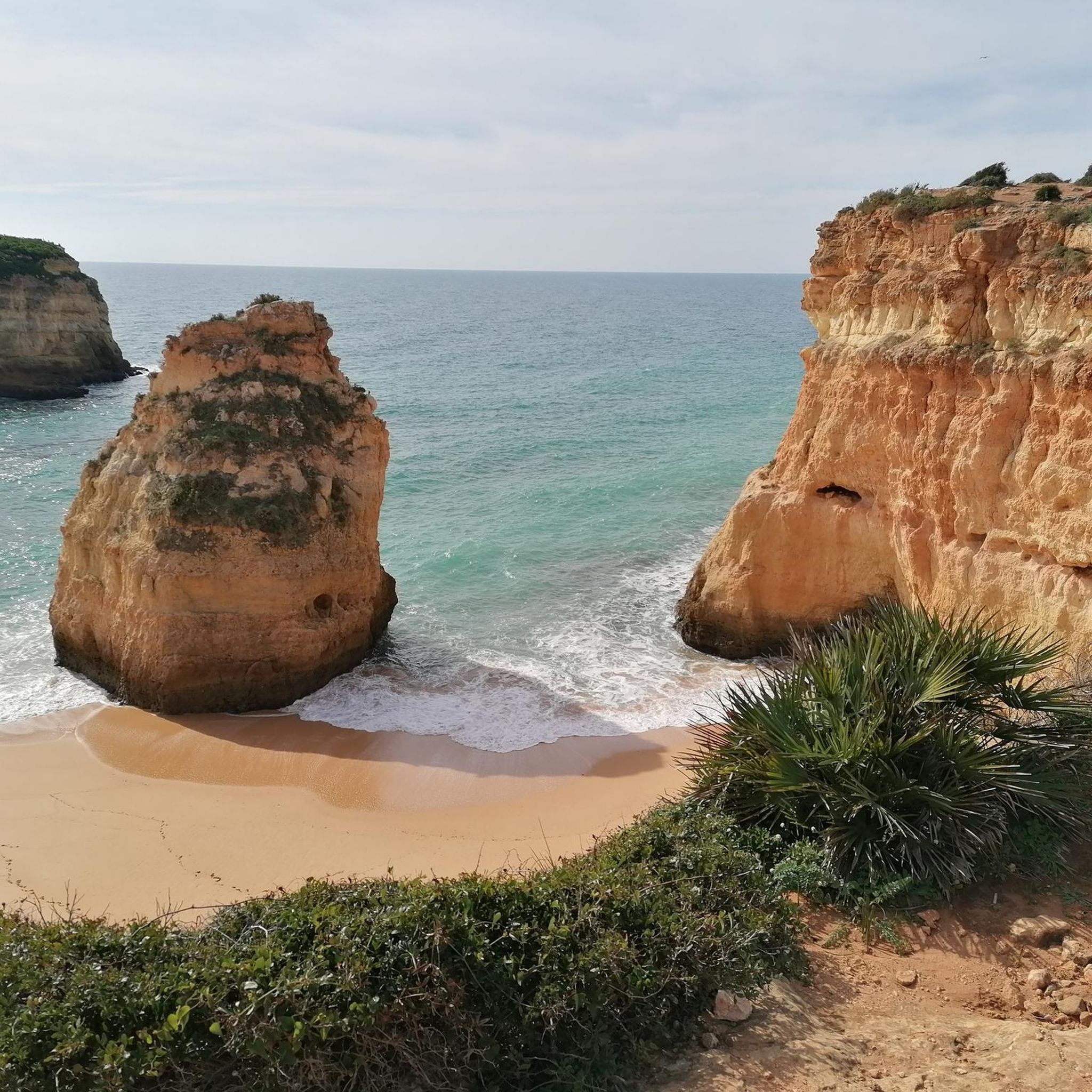
Cycling around Lagos (São Sebastião)
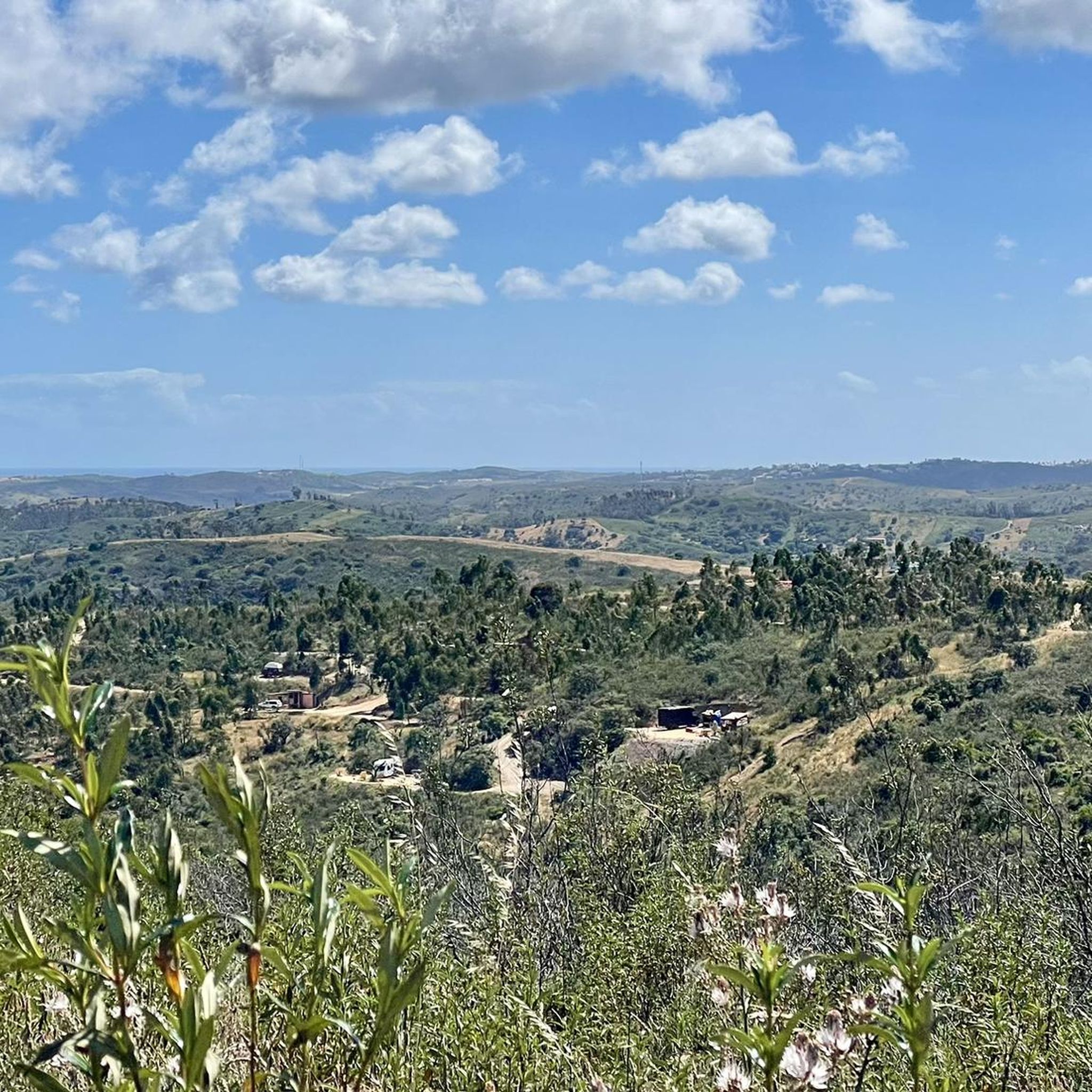
MTB Trails around Lagos (São Sebastião)

Gravel biking around Lagos (São Sebastião)
Other adventures around Lagos (São Sebastião)

Tips from the Community

The Forte da Ponta da Bandeira is a 17th-century coastal fort in Lagos, Portugal, originally built between 1680 and 1690 to defend the city from maritime threats. The fort is designed with a square plan, thick walls facing the sea, and a surrounding moat, accessible via a drawbridge. It contains a small chapel dedicated to Santa Bárbara, the patron saint of artillery, completely clad in 17th-century azulejos.
2
0
The Forte da Ponta da Bandeira is a 17th-century coastal fort in Lagos, Portugal, originally built between 1680 and 1690 to defend the city from maritime threats. The fort is designed with a square plan, thick walls facing the sea, and a surrounding moat, accessible via a drawbridge. It contains a small chapel dedicated to Santa Bárbara, the patron saint of artillery, completely clad in 17th-century azulejos.
2
0

The Governors' Castle (Castelo dos Governadores) dates from the 17th century and houses the last collection of the Seven Oratories of the Holy Place (Sete Passos da Vila Sacra) that were scattered throughout the city in the 18th century. On the façade, above both doors, is the coat of arms of the Kingdom of the Algarve and between them the family coat of arms of the Count of Avintes. The large baroque pediment crowns the oratory, enclosed by two large wooden gates.
0
0

The fortress withstood the earthquake of 1755, but was abandoned when piracy ceased to threaten the coast.
0
0

Inside the fort, there is a small 17th-century chapel lined with tiles. It is one of the best preserved 17th century examples in the whole of the Algarve.
0
0
The current cylindrical sentry boxes were added at the end of the 1950s; the original ones, damaged by the 1755 earthquake, were removed at the end of the 18th century.
0
0
At the time, the fort was probably one of the most technically advanced fortresses in the Algarve. Its quadrangular plan, relatively low volumes and very thick walls in the sections facing the sea were designed for artillery warfare. The moat surrounding the fort is crossed by a drawbridge.
0
0

Definitely worth a photo stop. If you want to see the castle from the inside, you have to pay an entrance fee
0
0
Frequently Asked Questions
What types of historical fortifications can I explore in Lagos (São Sebastião)?
Lagos (São Sebastião) is rich in maritime history, featuring several significant fortifications rather than traditional castles. You can explore the remnants of the Castelo dos Governadores, the well-preserved Forte da Ponta da Bandeira, and extensive sections of the ancient Lagos City Walls. These structures reflect Roman, Moorish, and later Portuguese influences, showcasing the city's strategic importance.
Which historical sites are considered well-preserved in the Lagos area?
The Forte da Ponta da Bandeira is considered one of the best and most well-preserved 17th-century fortifications in the Algarve region. It features a drawbridge, a moat, and a small chapel adorned with traditional Portuguese azulejos.
Can I walk along the ancient city walls of Lagos?
Yes, you can explore sections of the ancient Lagos City Walls. While some parts are incomplete, visitors can walk along much of their extent, appreciating the protective ring they once formed around the old town. The walls showcase different periods of construction, including Roman, Moorish, and 16th-century Portuguese influences.
Are there any family-friendly fortifications to visit in Lagos (São Sebastião)?
Yes, the Ponta da Bandeira Fort is considered family-friendly. Its drawbridge, moat, and small museum focused on maritime history can be engaging for visitors of all ages. The fort also offers excellent views out to sea.
What are the typical opening hours for the fortifications in Lagos (São Sebastião)?
For the Ponta da Bandeira Fort, typical opening hours are Tuesday to Sunday, from 10:00 am to 12:30 pm and 2:00 pm to 5:30 pm, with Mondays closed. However, it's always advisable to check the latest information as opening times can vary. The Governors' Castle and City Walls are generally accessible for exterior viewing, but internal access to specific sections may have varying hours.
Are there any fortifications with good viewpoints in the area?
Absolutely. The Forte da Ponta da Bandeira offers excellent views out to sea from its battlements. Similarly, the Almádena Fort, though a ruin, provides lovely coastal views from its strategic cliff-top location.
What outdoor activities can I do near these historical sites?
You can combine your visit with various outdoor activities. For instance, there are several running trails, including the Meia Praia Beach – Fort Meia Praia loop. Hiking is also popular, with routes like the City Walls of Lagos – Historic Center of Lagos loop. If you enjoy cycling, consider the Lagos Marina – Odiáxere Windmill loop.
What is the historical significance of the Castelo dos Governadores?
The Castelo dos Governadores, dating back to the Middle Ages with significant construction in 1504, served as a crucial defense for Lagos. It's known for its historic architecture, including a Manueline window from which King Dom Sebastião is said to have addressed the townspeople before his fateful expedition in 1578. Its walls and ramparts have been recognized as national monuments since 1924.
Are there any cafes or restaurants near the fortifications in Lagos?
The fortifications, particularly the Forte da Ponta da Bandeira and the Lagos City Walls, are located within or very close to the historic center of Lagos. This area is bustling with numerous cafes, restaurants, and shops, offering plenty of options for refreshments and meals within easy walking distance.
What makes Fort Meia Praia unique among the fortifications?
Fort Meia Praia is notable for its location at the eastern end of the approximately 5.5 km long sandy Meia Praia beach. It defended the Bay of Lagos in the 17th and 18th centuries. While it's a historical site, its proximity to such an extensive beach makes it unique for combining history with a relaxing beach experience.
What should I wear when visiting the fortifications in Lagos?
Comfortable walking shoes are highly recommended, as you'll likely be exploring uneven surfaces, cobbled streets, and potentially climbing stairs or ramparts. Light, breathable clothing is suitable for warmer months, while a light jacket might be useful during cooler evenings or in shaded areas. Sun protection, such as a hat and sunscreen, is also advisable, especially when exploring open-air sites like the city walls or coastal forts.
Is there a specific fort built to protect fishermen from pirates?
Yes, the Almádena Fort, a ruin dating from the 16th century, was specifically built to protect local fishermen from pirates that plagued the area. Located between Salema and Burgau, it offers a glimpse into the historical threats faced by coastal communities.
Most popular routes around Lagos (São Sebastião)
Most popular attractions around Lagos (São Sebastião)

Get inspired with the komoot mobile app


Explore more
Looking for the best castles somewhere else? Discover other guides around Lagos (São Sebastião):
