Top 4 Castles around Lagos (Santa Maria)
Best castles around Lagos (Santa Maria) are historical fortifications that reflect the region's rich past. This historic city in the Algarve region of Portugal features several significant structures, many strategically located along the coast or overlooking the harbor. These sites offer insights into military architecture and the area's cultural significance. The landscape around these castles often includes coastal views and natural features.
Best castles around Lagos (Santa Maria)
- The most popular castles is Fort Meia Praia, a historical site that defended the Bay of Lagos in the 17th and 18th centuries. It is located at the eastern end of an approximately 5.5 km long sandy beach.
- Another must-see spot is Almádena Fort, a historical site. This ruin dates from the 16th century and was built to protect fishermen from pirates. Today, the fort offers a view of the coast and was damaged by the 1755 earthquake.
- Visitors also love Ponta da Bandeira Fort, a 17th-century coastal fort strategically defending Lagos's harbor. It features a distinctive star-shaped design and a chapel dedicated to St. Barbara.
- Lagos (Santa Maria) is known for historical sites, forts, and castles. These structures showcase a variety of defensive architecture and historical periods.
- The castles around Lagos (Santa Maria) are appreciated by the komoot community, with more than 170 upvotes and over 160 photos shared.
Last updated: October 6, 2026
Ponta da Bandeira Fort
Highlight • Historical Site
Tuesday to Sunday
10:00 am - 12:30 pm
14:00 - 17:30
Closed on Mondays
Translated by Google •
Tip by

Almádena Fort
Highlight • Historical Site
Translated by Google •
Tip by

Sign up now to discover places like this
Get recommendations on the best single tracks, peaks, & plenty of other exciting outdoor places.
Fort Meia Praia
Highlight • Historical Site
Translated by Google •
Tip by

Governors' Castle of Lagos
Highlight • Castle
On the façade, above both doors, is the coat of arms of the Kingdom of the Algarve and between them the family coat of arms of the Count of Avintes. The large baroque pediment crowns the oratory, enclosed by two large wooden gates.
Translated by Google •
Tip by

Start today with a free account
Your next adventure awaits.
Popular around Lagos (Santa Maria)
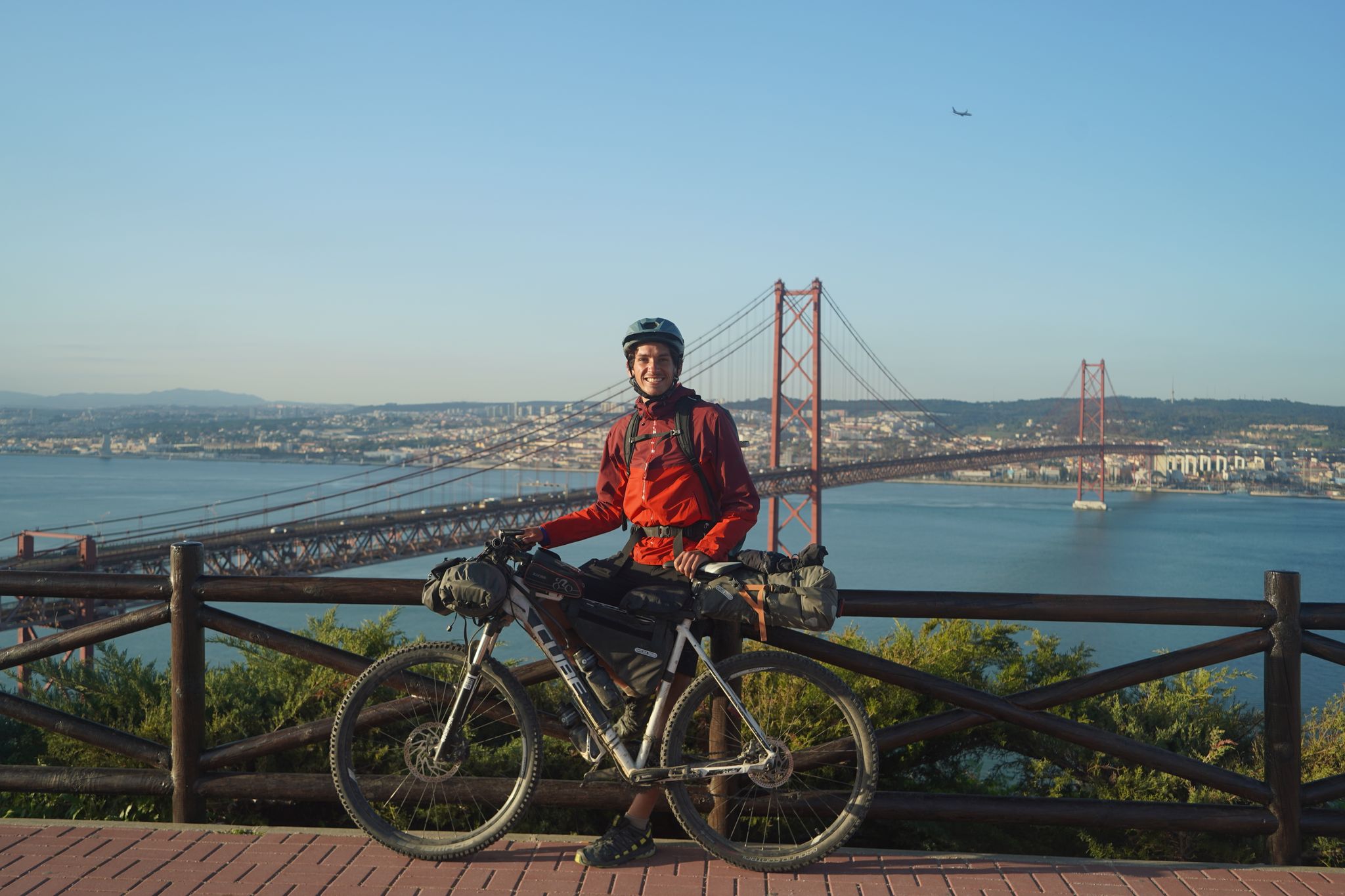
Road to Lisbon – bikepacking the Alps, Pyrenees and Picos de Europa
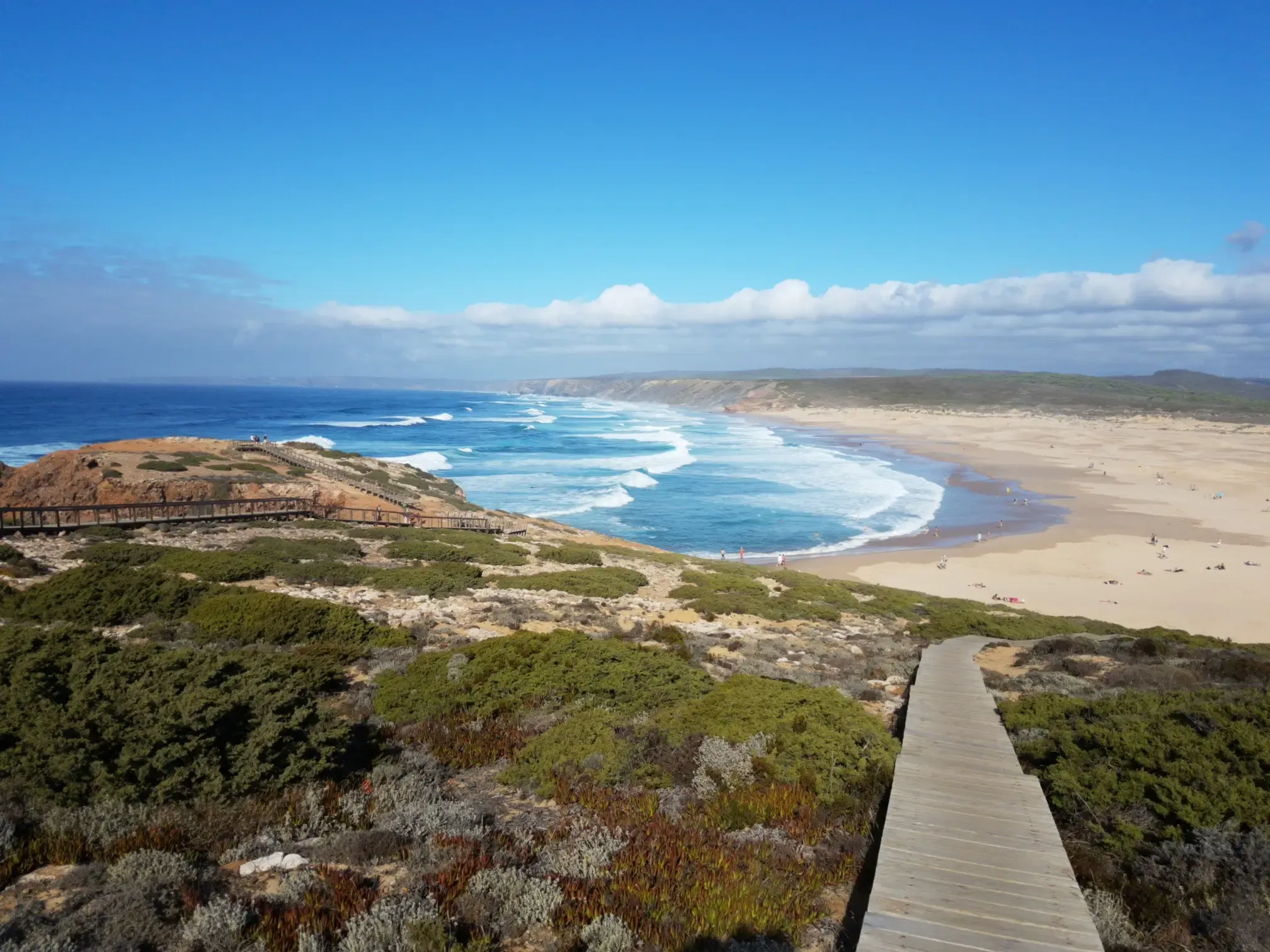
Lisbon to Santo António – The Atlantic Coast of Portugal (south)
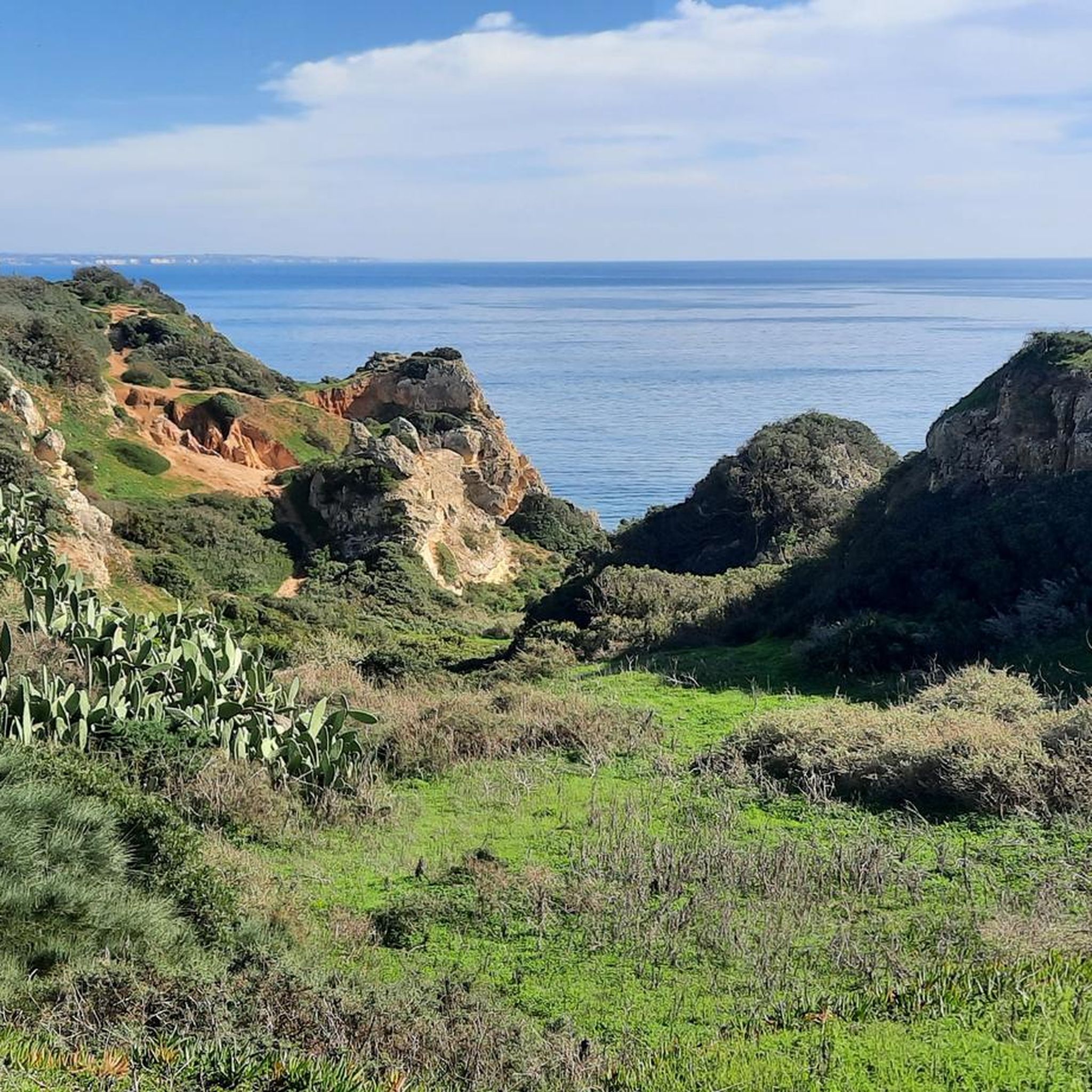
Hiking around Lagos (Santa Maria)
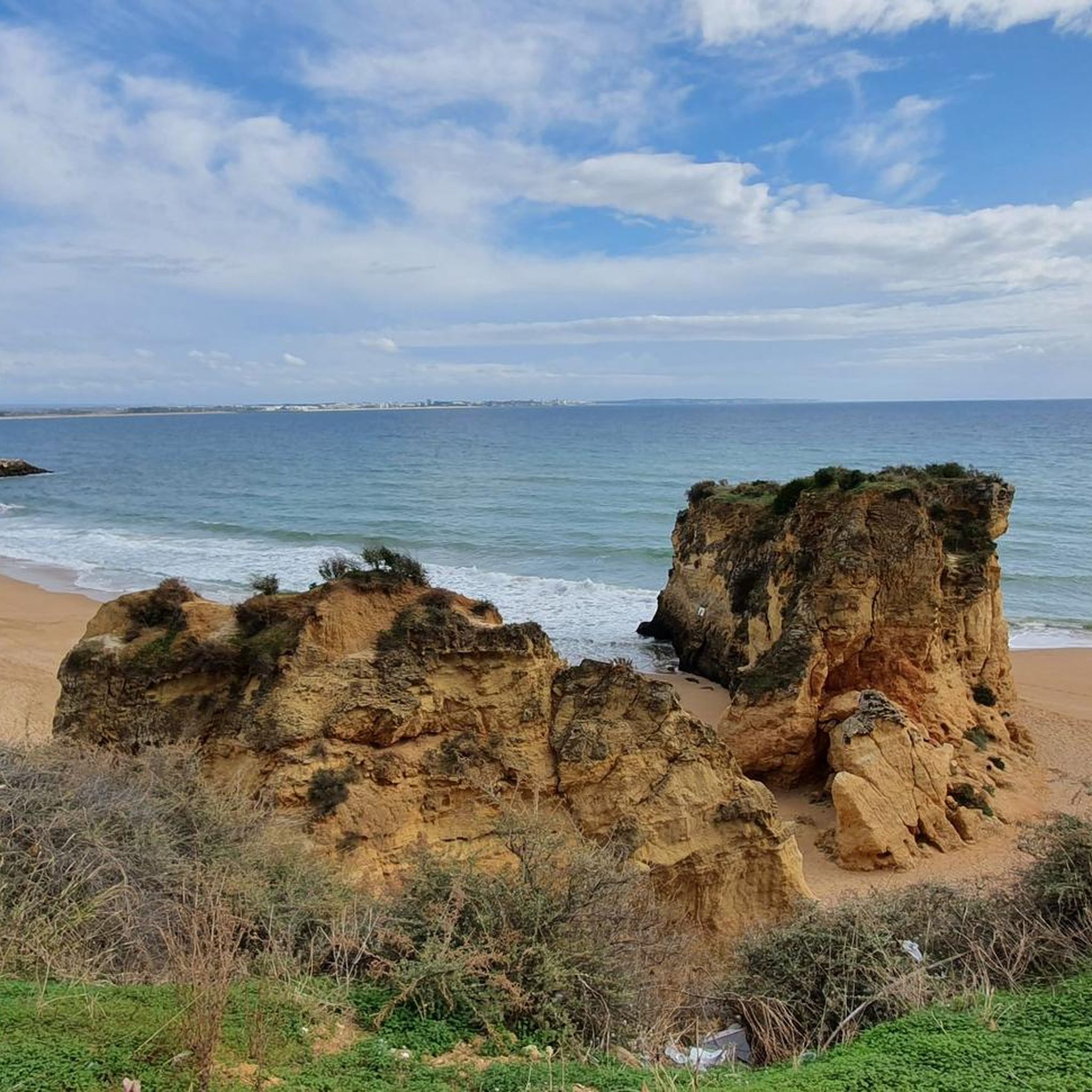
Road Cycling Routes around Lagos (Santa Maria)
Running Trails around Lagos (Santa Maria)
Cycling around Lagos (Santa Maria)
MTB Trails around Lagos (Santa Maria)

Gravel biking around Lagos (Santa Maria)


Tips from the Community

Although only the outer walls remain, it is definitely worth a look.
0
0

The Forte da Ponta da Bandeira is a 17th-century coastal fort in Lagos, Portugal, originally built between 1680 and 1690 to defend the city from maritime threats. The fort is designed with a square plan, thick walls facing the sea, and a surrounding moat, accessible via a drawbridge. It contains a small chapel dedicated to Santa Bárbara, the patron saint of artillery, completely clad in 17th-century azulejos.
2
0

The Governors' Castle (Castelo dos Governadores) dates from the 17th century and houses the last collection of the Seven Oratories of the Holy Place (Sete Passos da Vila Sacra) that were scattered throughout the city in the 18th century. On the façade, above both doors, is the coat of arms of the Kingdom of the Algarve and between them the family coat of arms of the Count of Avintes. The large baroque pediment crowns the oratory, enclosed by two large wooden gates.
0
0

The fortress withstood the earthquake of 1755, but was abandoned when piracy ceased to threaten the coast.
0
0

The fort has a chapel dedicated to St. Barbara and an azulejo group from the end of the 18th century. The building, which was restored in the 1960s, is the bookplate among the sea fortresses of the Lagos fortifications. See: https://www.visitportugal.com/de/NR/exeres/C411AAEA-06C3-48DE-AF94-F497E49D39D5
5
0
Outside the old walled city stands the Fortaleza de Nossa Senhora da Penha de França, commonly known as Forte da Ponta da Bandeira. The fortress was built at the end of the 17th century to defend Lagos. Access is via a drawbridge that spans a moat. As it was one of the last defensive points built in Lagos, it is now one of the most beautiful and best preserved. See: https://www.visitportugal.com/de/NR/exeres/C411AAEA-06C3-48DE-AF94-F497E49D39D5
3
0

Small medieval fortification not far from the harbor entrance.
2
0

Almádena fort is a ruin dating from the 16th century. It was built to protect the fishermen from the pirates that plagued the area. Today, the fort is open to the public and offers a lovely view of the coast.
1
1
Frequently Asked Questions
What are the most historically significant castles to visit in Lagos (Santa Maria)?
For deep historical insights, consider visiting the Castelo dos Governadores and the Forte da Ponta da Bandeira. The Castelo dos Governadores, with its ancient origins dating back to Roman times and significant 15th-16th century structures, played a crucial role in Portugal's maritime expansion. The Forte da Ponta da Bandeira, a well-preserved 17th-century coastal fort, offers a clear impression of naval fortifications and houses a museum dedicated to the Portuguese Discoveries. You can find more information about the Forte da Ponta da Bandeira at Ponta da Bandeira Fort.
Are there any family-friendly castles or historical sites in the area?
Yes, the Ponta da Bandeira Fort is considered family-friendly. Its distinctive star-shaped design, drawbridge, and moat can be engaging for children. Inside, there's a chapel and a museum dedicated to the Portuguese Discoveries, offering an educational experience. The panoramic views from its ramparts are also a highlight for all ages. You can learn more about it here: Ponta da Bandeira Fort.
What kind of views can I expect from the castles around Lagos (Santa Maria)?
Many of the castles and forts in Lagos (Santa Maria) offer stunning coastal and city views. For example, the Forte da Ponta da Bandeira provides magnificent panoramic views over the city and the sea from its ramparts. Similarly, the ruins of Almádena Fort offer a lovely view of the coast, situated on a cliff overlooking the ocean.
What outdoor activities can I do near these castles?
The region around Lagos (Santa Maria) offers various outdoor activities. You can find numerous hiking and cycling routes nearby. For instance, there are hiking trails like the 'Ponta da Piedade Steps – Ponta da Piedade Cliffs loop' or the 'Lagos Old Town – Historic Center of Lagos loop'. If you prefer cycling, options include the 'Salema Beach – Luz Beach loop' or the 'Lagos Marina – Odiáxere Windmill loop'. You can explore more routes and activities in the Hiking around Lagos (Santa Maria) and Cycling around Lagos (Santa Maria) guides.
What is the best time to visit the castles in Lagos (Santa Maria)?
Lagos enjoys a Mediterranean climate, making spring (April-May) and autumn (September-October) ideal for visiting, with pleasant temperatures and fewer crowds. Summer (June-August) is popular but can be very hot, while winter (November-March) is milder but may have more rain. Always check specific opening hours, as some sites like the Ponta da Bandeira Fort have varying schedules or temporary closures. For current information on the Ponta da Bandeira Fort, you can check Visit Portugal.
Are there any cafes or amenities near the castles?
The castles in Lagos (Santa Maria) are often located within or very close to the city center or coastal areas, meaning you'll find various cafes, restaurants, and other amenities within walking distance. For example, the Forte da Ponta da Bandeira is at the mouth of the Bensafrim River, close to the marina and old town, where numerous options are available.
Can I explore the area around the castles on foot?
Yes, the area around the castles is well-suited for walking. Many historical sites, including the Governors' Castle of Lagos and the Forte da Ponta da Bandeira, are located within the historic city of Lagos, making it easy to explore them as part of a walking tour. There are also specific walking routes, such as the 'Lagos Old Town – Historic Center of Lagos loop', which can take you past these landmarks.
What historical periods do the castles in Lagos represent?
The castles in Lagos (Santa Maria) span several significant historical periods. The Castelo dos Governadores has origins dating back to Roman fortifications, with later improvements during Arab and Christian occupations, and its visible structure largely from the late 15th and 16th centuries. The Forte da Ponta da Bandeira is a prominent 17th-century coastal fort, while Almádena Fort is a 16th-century ruin. These structures collectively showcase the region's defensive architecture from various eras.
Is there parking available near the castles?
Parking availability varies by specific castle. For sites within the historic center of Lagos, such as the Governors' Castle of Lagos or the Forte da Ponta da Bandeira, public parking lots are generally available nearby, though they can fill up quickly during peak season. For more remote sites like Almádena Fort, roadside parking might be an option. It's advisable to check local signage for restrictions.
What natural features can I see around the castles?
The castles around Lagos (Santa Maria) are often set against beautiful natural backdrops. The Forte da Ponta da Bandeira, for instance, offers views of the Bensafrim River mouth and the Atlantic Ocean. The ruins of Almádena Fort are situated on a cliff, providing expansive coastal views. Additionally, Fort Meia Praia is located at the eastern end of a 5.5 km long sandy beach, offering a combination of historical architecture and natural beach scenery.
Are there any lesser-known or 'hidden gem' historical sites in the Lagos area?
While not entirely 'hidden,' the ruins of Almádena Fort offer a glimpse into the region's past away from the main tourist hubs. Built in the 16th century to protect fishermen from pirates, it was damaged by the 1755 earthquake and abandoned. Today, it provides a tranquil spot with lovely coastal views, offering a different perspective on the area's fortifications. You can find more details here: Almádena Fort.
What do visitors enjoy most about the castles in Lagos (Santa Maria)?
Visitors frequently appreciate the rich history and strategic locations of the castles. The panoramic views, especially from coastal forts like Ponta da Bandeira Fort, are a major draw. The well-preserved architecture, such as the distinctive star-shaped design of Ponta da Bandeira, and the historical context, including connections to Portugal's Age of Discoveries, are also highly valued. Many enjoy the opportunity to combine historical exploration with scenic walks along the coast.
Most popular routes around Lagos (Santa Maria)
Most popular attractions around Lagos (Santa Maria)

Get inspired with the komoot mobile app


Explore more
Looking for the best castles somewhere else? Discover other guides around Lagos (Santa Maria):
