Top 3 Castles around Estremoz (Santo André)
Best castles around Estremoz (Santo André) are situated in Portugal's Alentejo region, known for its distinctive white marble architecture. The area features historical fortifications built from this local stone, offering panoramic views of the surrounding plains. These landmarks provide insight into medieval Portuguese history and strategic importance near the Spanish border. The region's landscape is characterized by rolling plains, with the castles often perched on hills, providing natural defensive positions.
Best castles around Estremoz (Santo André)
- The most popular castles…
Last updated: November 16, 2026
Estremoz Castle
Highlight • Castle
Translated by Google •
Tip by

Statue of Queen Saint Isabel
Highlight • Monument
Translated by Google •
Tip by
Sign up now to discover places like this
Get recommendations on the best single tracks, peaks, & plenty of other exciting outdoor places.
Torre de Menagem de Estremoz
Highlight • Castle
Translated by Google •
Tip by
View of Estremoz Castle
Highlight • Viewpoint
Translated by Google •
Tip by

Start today with a free account
Your next adventure awaits.

Tips from the Community

One of the arts that you shouldn't miss when visiting Estremoz is the Production of Clay Figures from Estremoz, which has been part of the National Inventory of Intangible Cultural Heritage since 2014 and has been a UNESCO Intangible Cultural Heritage of Humanity since 07-12-2017. This city is also home to the Cavalry Regiment No. 3, which, with its soldiers, has brought a lot of activity to a small city in the Alentejo countryside over the years.
1
0

partial view of Estremoz castle
3
0

The 27-meter-high keep, the Torre das Três Coroas (Tower of the Three Crowns), is so named because it was apparently built by three kings: Sancho II, Afonso III, and Dinis. It dominates the historic city center and offers breathtaking views. You can climb the tower, even though it belongs to the pousada—just ask nicely.
4
0
The pousada is a castle built by King Dionysius for Queen Elizabeth of Portugal in the 13th century. It is located in the heart of the old town and is considered one of the most beautiful pousadas in Portugal.
3
0
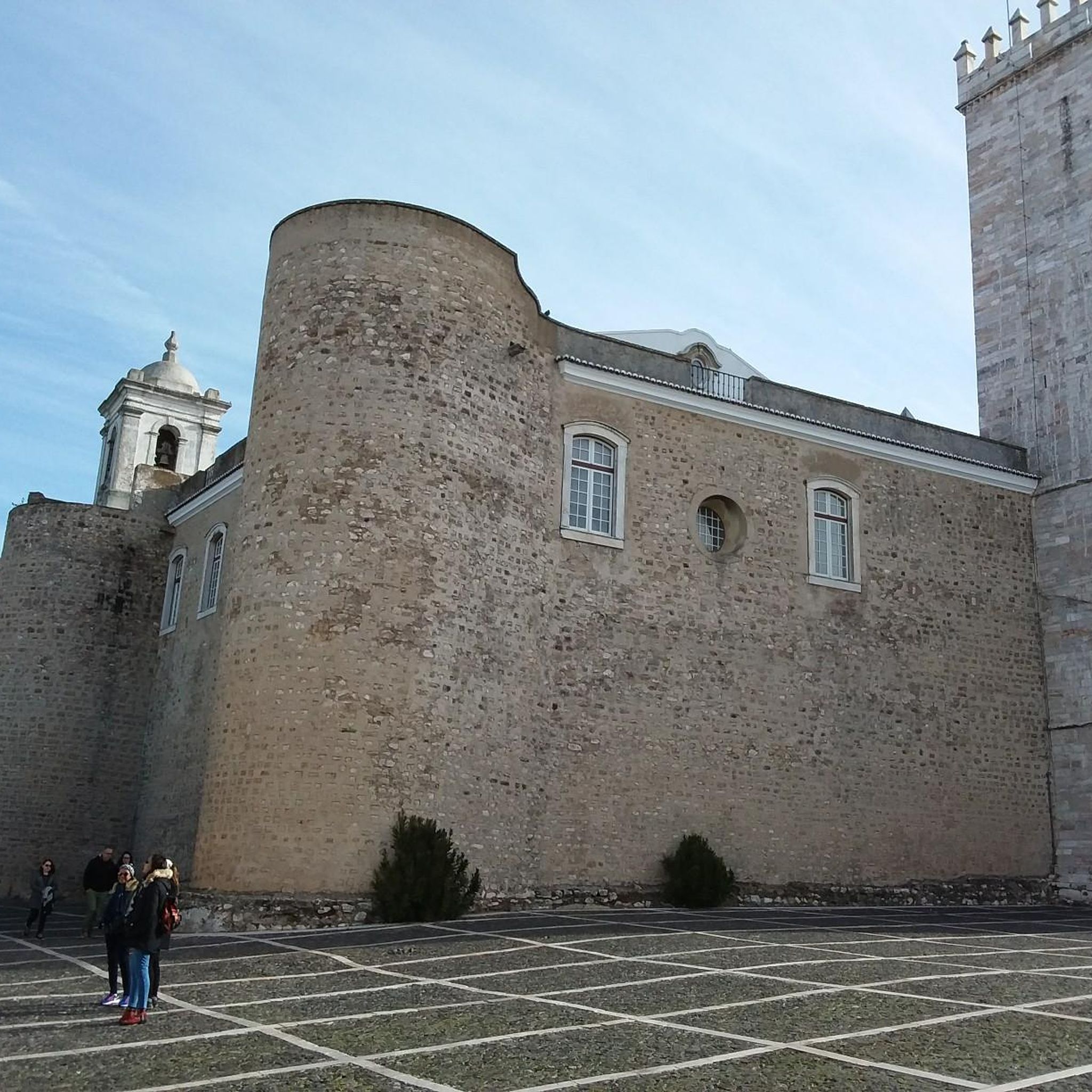
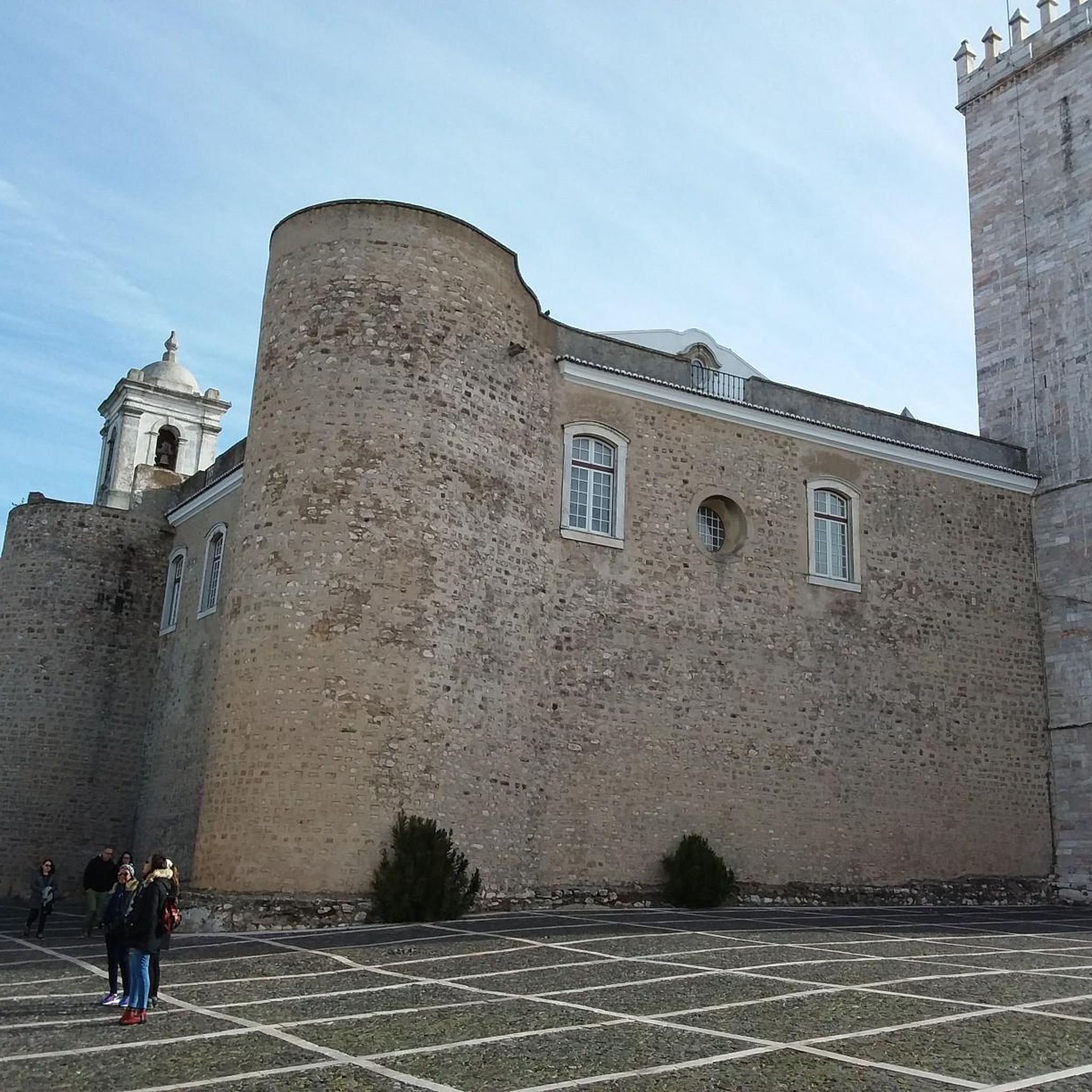
The view of the castle from the west is particularly impressive. There you can clearly see the fortress character with its protruding walls.
5
0
Unfortunately, access to the viewing platform and the statue will be closed in May 2025.
5
1

Queen Saint Isabel of Aragon (1270-1336), wife of King D. Diniz (1261-1325), died in the Castle of Estremoz, at the age of 66, on July 4, 1336, from a sudden illness that occurred while she was heading to the border on a mission to bring peace between her son, D. Afonso IV (1291-1357), and her grandson, Alfonso XI of Castile (1311-1350). Against everyone's advice, D. Afonso wanted to fulfill his mother's purpose of being buried in the Monastery of Santa Clara. The long journey took place under the blazing July sun and, to everyone's amazement, despite the intense heat, the coffin gave off such a pleasant perfume that "no one had ever seen such a noble odour", as can be read in her first anonymous biography, known as “Legend or Relation”, written immediately after her death by someone who had been close to her, probably her confessor, Friar Salvado Martins, Bishop of Lamego, or one of the owners of Santa Clara who looked after her during her widowhood. The virtues of the Queen, later considered a Saint, were the reason for her beatification by Leo X (1475-1521) in 1516, with authorisation for her worship to be restricted to the Diocese of Coimbra. In 1556, Pope Paul IV (1476-1559) extended the Elizabethan devotion to the entire Kingdom of Portugal. It would be Pope Urban VIII (1568-1664), given the incorruption of the body and the report of miracles, who would proclaim in 1625, the canonization of Isabella of Aragon as a Holy Queen.
4
1
The Estremoz Castle was built in a dominant position on a hill to the north of the Serra de Ossa, in the city of Estremoz, in the district of Évora, in Alentejo, Portugal. It is a pentagonal castle with a walled enclosure, reinforced by buttresses that rise around the Torre de Menagem, a spectacular tower built in white marble, 27 metres high. It is believed that the construction of this monumental tower lasted through three reigns: D. Afonso IV, D. Pedro and D. Fernando, and, for this reason, it is known as the Torre das Três Coroas. Beyond the medieval wall, the town of Estremoz has a vast expanse of fortifications from the epic Restoration War, where the towers with battlements and two arched gates stand out, next to which there is a rectangular tower in the Roman-Gothic style, with several windows.
5
1
Frequently Asked Questions
What makes the castles around Estremoz unique?
The castles in Estremoz, particularly the main Estremoz Castle, are renowned for their construction almost entirely from local white marble. This gives them a distinctive luminosity and architectural beauty not commonly found elsewhere. The region's rich history, including its strategic importance near the Spanish border, also contributes to their unique character.
What are the main historical highlights of Estremoz Castle?
The most striking feature is the Torre das Três Coroas (Tower of the Three Crowns), a 28-meter-tall donjon built from white marble, named for the three kings who contributed to its construction. The castle also includes a royal palace built by King Dinis for Queen Isabel of Aragon, who lived and died there. You can visit the Torre de Menagem de Estremoz for a closer look at this impressive tower.
Can I stay overnight in Estremoz Castle?
Yes, a unique aspect of Estremoz Castle is that its former royal palace has been converted into a luxurious *pousada* (historic hotel). This allows visitors to stay within the historic castle walls, experiencing a piece of royal heritage firsthand. Even if you're not staying, you can often enter and explore parts of the castle grounds.
Are there good viewpoints around Estremoz Castle?
Absolutely. The Estremoz Castle itself offers panoramic views of the Alentejo plains and the whitewashed town below, especially from the top of the Torre das Três Coroas. There's also a dedicated View of Estremoz Castle highlight, offering excellent photo opportunities of its imposing structure.
What outdoor activities can I do near the castles in Estremoz?
The area around Estremoz offers various outdoor activities. You can find numerous cycling routes, including road cycling and touring bicycle options, that take you through the scenic Alentejo landscape. There are also several running trails. For more details, explore the Road Cycling Routes around Estremoz, Cycling around Estremoz, and Running Trails around Estremoz guides.
Are there family-friendly options when visiting Estremoz Castle?
Visiting the castle grounds and exploring the historic town of Estremoz can be a family-friendly experience. The View of Estremoz Castle is specifically marked as family-friendly, offering a great spot for photos. The town's labyrinthine streets and traditional pottery workshops also provide engaging activities for all ages.
What is the best time of year to visit the castles in Estremoz?
The Alentejo region can get very hot in summer. Spring (April-May) and Autumn (September-October) generally offer the most pleasant weather for exploring the castles and the surrounding area, with milder temperatures ideal for walking and outdoor activities. Winter can also be a good time, though it might be cooler and require appropriate clothing.
How long should I plan for a visit to Estremoz Castle?
To fully appreciate the Estremoz Castle, including climbing the Torre das Três Coroas and exploring the castle grounds and the immediate old town, you should plan for at least 2-3 hours. If you wish to visit the pousada or delve deeper into the town's other attractions, a half-day or full-day visit is recommended.
What other cultural attractions are there in Estremoz besides the castle?
Beyond the castle, Estremoz is known for its traditional terracotta pottery, which is recognized as a UNESCO Intangible Cultural Heritage. You can explore workshops and markets showcasing these unique clay figures. The town's 'old city' itself, with its winding streets and marble architecture, offers a rich cultural experience.
Can I bring my dog to the castle grounds or nearby trails?
While specific rules for dogs within the castle interior may vary (it's best to check locally), many outdoor areas and trails around Estremoz are generally dog-friendly. Always ensure your dog is on a leash and that you clean up after them. The nearby cycling and running routes offer great opportunities for walks with your canine companion.
Where can I find cafes or restaurants near Estremoz Castle?
The town of Estremoz, particularly around the castle and the old city, has several cafes and restaurants where you can enjoy local Alentejo cuisine and refreshments. Many are within easy walking distance from the castle, offering convenient options for a break during your visit.
Is Estremoz Castle accessible for visitors with mobility concerns?
While the historic nature of the castle, with its medieval walls and towers, may present challenges for full accessibility, some areas of the castle grounds and the lower parts of the town may be navigable. Access to the top of the Torre das Três Coroas involves climbing stairs. It's advisable to contact the Pousada or local tourism office for specific accessibility information.
What is the significance of Queen Saint Isabel to Estremoz Castle?
Queen Isabel of Aragon, wife of King D. Diniz, held a deep connection to Estremoz Castle. She lived in the royal palace within the castle and eventually died there in 1336. Her statue, the Statue of Queen Saint Isabel, commemorates her legacy and her efforts to bring peace, leading to her eventual canonization as a saint.
Most popular routes around Estremoz (Santo André)
Most popular attractions around Estremoz (Santo André)

Get inspired with the komoot mobile app


Explore more
Looking for the best castles somewhere else? Discover other guides around Estremoz (Santo André):
