Top 4 Castles around Degracias e Degracias e Degracias e Pombalinho
Best castles around Degracias e Degracias e Degracias e Pombalinho, located in the municipality of Soure, Portugal, offer a journey through central Portugal's rich history. This region is characterized by its strategic geographical position, featuring rocky outcrops and river valleys that were historically significant for defense. The area provides access to several historical castles, reflecting periods from Roman and Arab occupation to the Knights Templar and the Reconquista. These sites provide insights into medieval military architecture and offer panoramic views of the surrounding landscape.
Best castles around Degracias e Degracias e Degracias e Pombalinho
- The most popular castles is Pombal Castle, a castle that stands atop a rocky outcrop beside the Arunca River. Built by Gualdim Pais, Grand Master of the Knights Templar, it formed part of the Templar defensive line.
- Another must-see spot is Penela Castle, a castle dominating the town with imposing walls and towers. Visitors can explore its ancient walls and towers, which reflect different historical periods and defensive strategies.
- Visitors also love Santiago da Guarda, a historical site featuring a medieval tower, a late Roman villa with mosaics, and a 16th-century stately home. This complex offers a layered view of history, from Roman times to the Manueline period.
- Degracias e Degracias e Degracias e Pombalinho is known for Templar castles, medieval fortresses, and historical complexes with defensive structures. The region offers a variety of castles to see and explore, each with its own unique history and architectural features.
- The castles around Degracias e Degracias e Degracias e Pombalinho are appreciated by the komoot community, with more than 40 photos and 9 upvotes shared across these historical sites.
Last updated: May 22, 2026
Pombal Castle
Highlight • Castle
It stands atop a rocky outcrop beside the Arunca River, overlooking the city of Pombal.
Built between 1156 and 1171 by Gualdim Pais, Grand Master of the Knights Templar, on the site of an ancient Roman fort and Arab fortress.
It formed part of the Templar defensive line to protect Coimbra and launch offensives against the Muslims.
Translated by Google •
Tip by

Penela Castle
Highlight • Castle
From the original fortress arose the castle that later served as a keep. On the walls, facing the Serra da Lousã mountain range, stand out arrow slits and loopholes, marks of its long military life, from arrows to firearms.
Penela preserves three historical entrances: the Porta da Vila (Town Gate), the evocative Porta da Traição (Gate of Treason), with its double opening and Moorish inspiration, and the Porta do Relógio (Clock Gate), a reminder of the old breach where two towers collapsed in the 1755 earthquake.
In short, a castle small in form, but enormous in history.
Translated by Google •
Tip by

Sign up now to discover places like this
Get recommendations on the best single tracks, peaks, & plenty of other exciting outdoor places.
Sign up for free
Santiago da Guarda
Highlight • Historical Site
Translated by Google •
Tip by

Swing with View of Castelo de Germanelo
Highlight • Viewpoint
Translated by Google •
Tip by

Start today with a free account
Your next adventure awaits.
Login or Signup
Popular around Degracias e Degracias e Degracias e Pombalinho
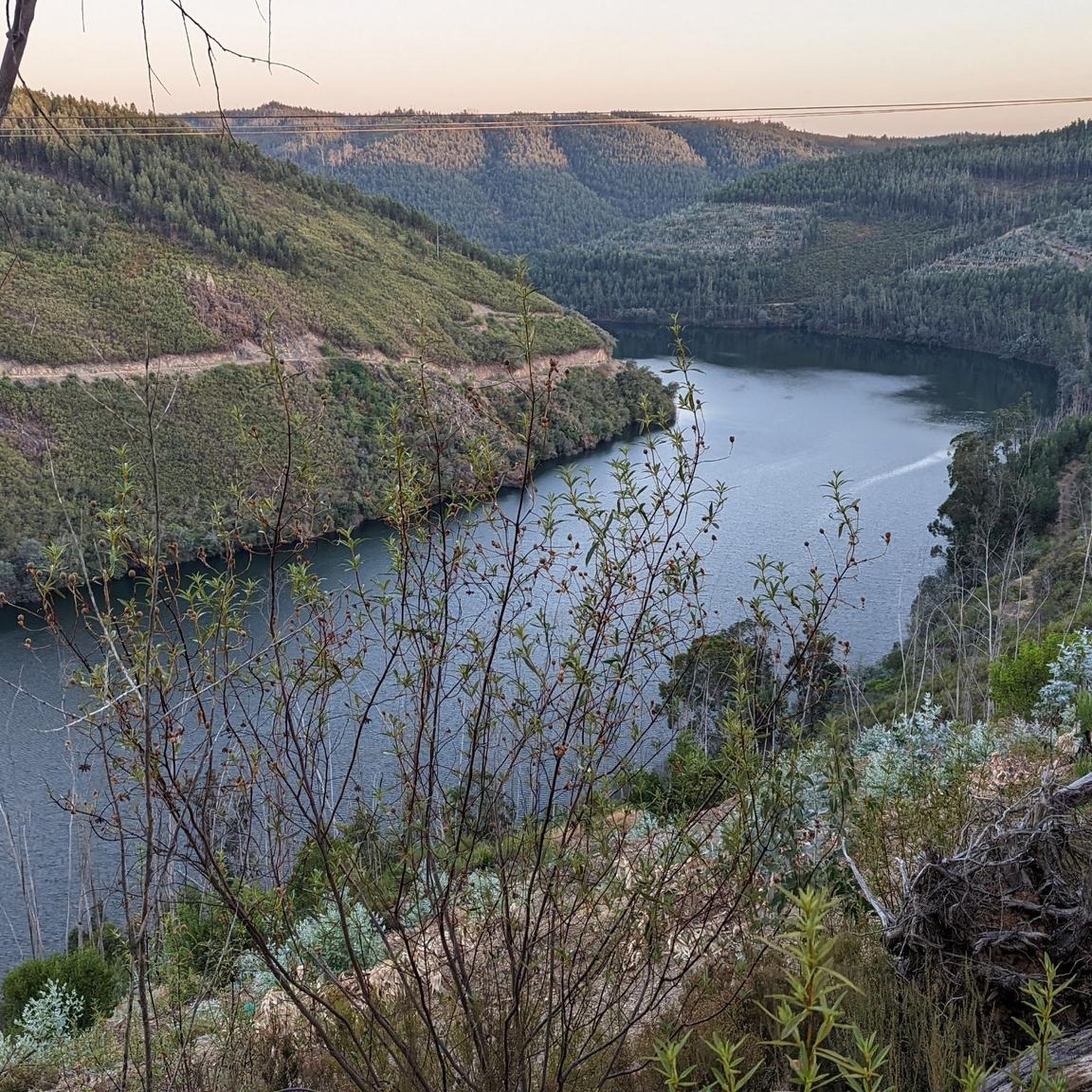
Hiking around Degracias e Degracias e Degracias e Pombalinho
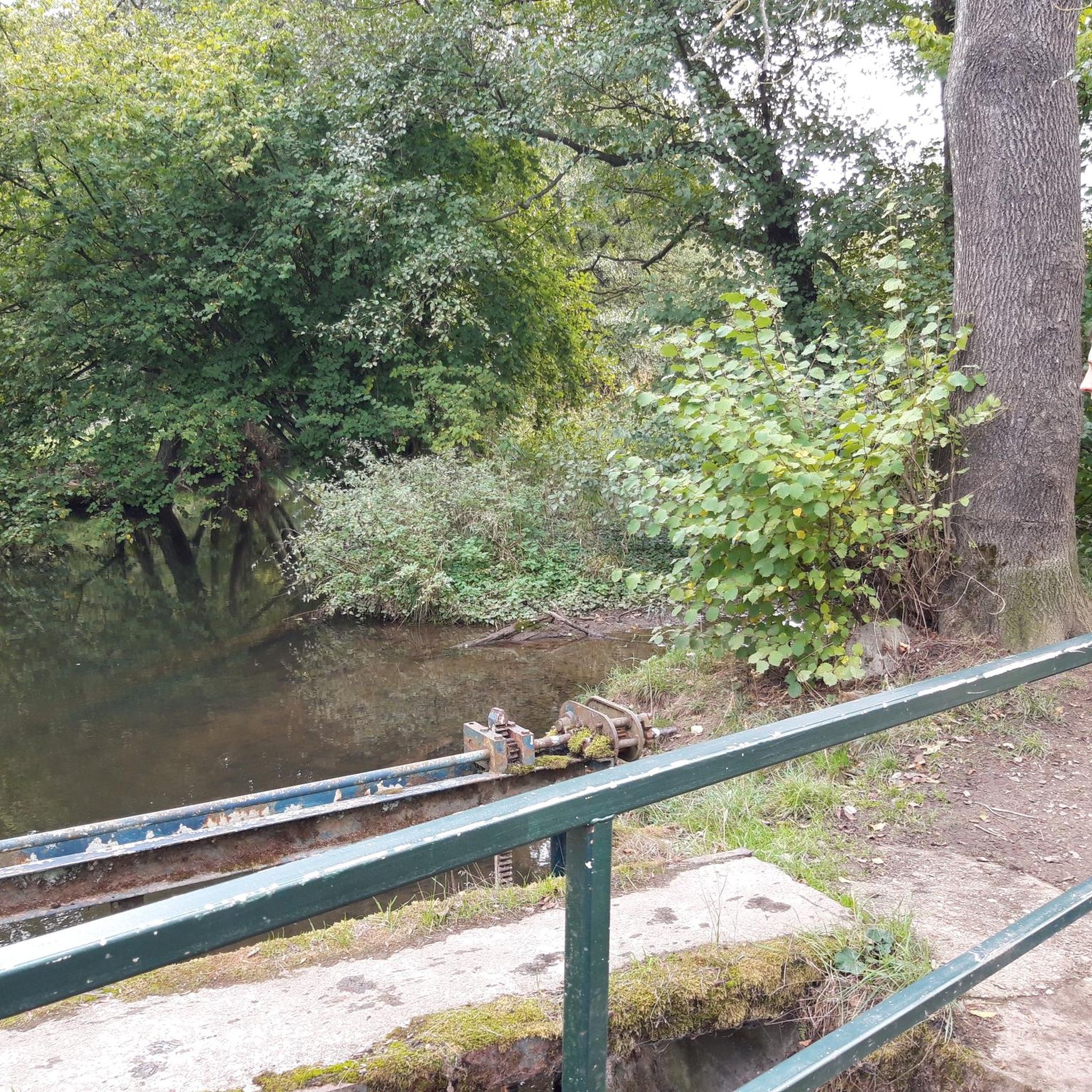
Running Trails around Degracias e Degracias e Degracias e Pombalinho
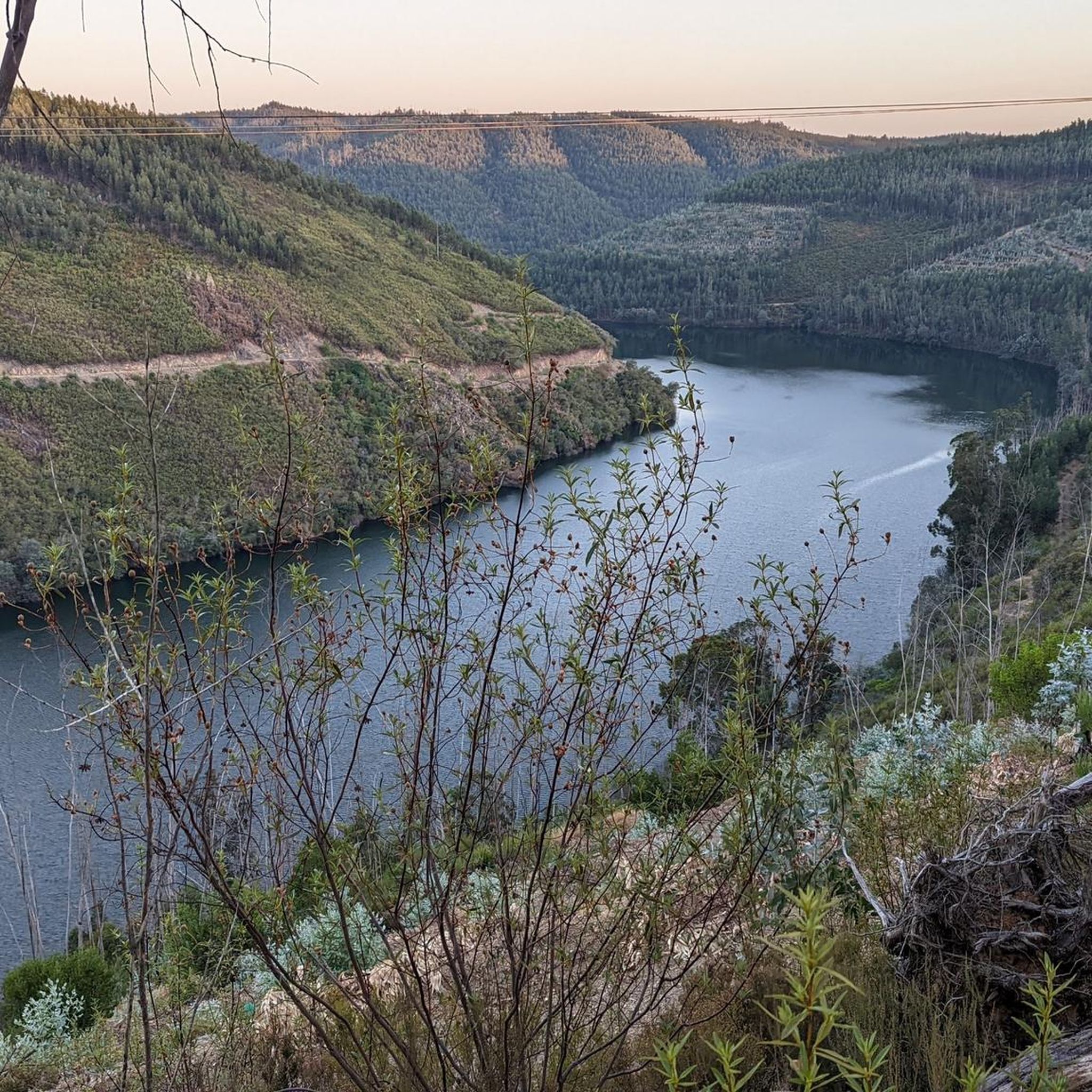
Road Cycling Routes around Degracias e Degracias e Degracias e Pombalinho

Cycling around Degracias e Degracias e Degracias e Pombalinho
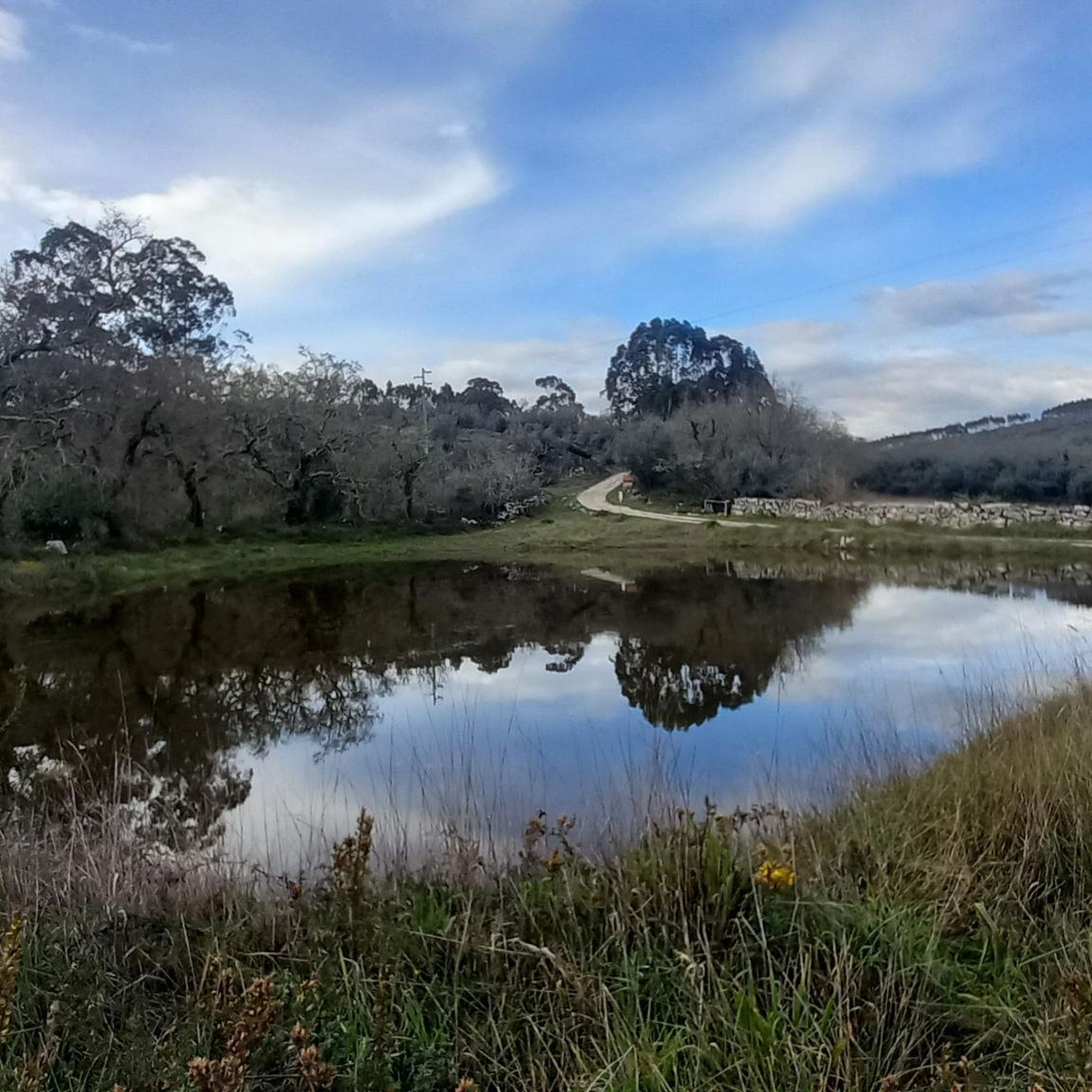
MTB Trails around Degracias e Degracias e Degracias e Pombalinho

Gravel biking around Degracias e Degracias e Degracias e Pombalinho
Tips from the Community

The Santiago da Guarda Monumental Complex is an unmissable stop, where history unfolds in layers. Classified as a National Monument, it stands out for its Manueline elegance, its 14th-century manor tower, and the impressive Roman mosaics that reveal an ancient villa from the 4th and 5th centuries. The old road between Tomar and Coimbra passed through here, later used by pilgrims on their way to Santiago. Surrounded by the limestone landscape and oak groves of the Serra de Sicó, the place invites you to slow down and take a deep breath. Take the opportunity to chat with the hospitable people.
1
0
Penela Castle stands atop the rocky outcrop that gave it its name (peñela, "small stone hill"), dominating the town with imposing walls and towers dating from the 15th and 16th centuries. Founded in the 11th century by D. Sesnando Davides, it formed part of the Mondego defensive line, and its walls still reach 19 meters in height today. From the original fortress arose the castle that later served as a keep. On the walls, facing the Serra da Lousã mountain range, stand out arrow slits and loopholes, marks of its long military life, from arrows to firearms. Penela preserves three historical entrances: the Porta da Vila (Town Gate), the evocative Porta da Traição (Gate of Treason), with its double opening and Moorish inspiration, and the Porta do Relógio (Clock Gate), a reminder of the old breach where two towers collapsed in the 1755 earthquake. In short, a castle small in form, but enormous in history.
1
0
Pombal Castle dominates the landscape and the very history of the city. Built between 1156 and 1171 by the Knights Templar, it formed part of the old Mondego defensive ring, a series of fortresses that protected access to Coimbra after the Reconquista. Over the centuries it suffered attacks, including those from Napoleonic troops, and fell into ruin. Today, the castle has once again become a vibrant and accessible space, a privileged viewpoint and an essential landmark of Pombal's identity.
2
1

Pombal Castle, one of the most important Templar monuments in central Portugal: It stands atop a rocky outcrop beside the Arunca River, overlooking the city of Pombal. Built between 1156 and 1171 by Gualdim Pais, Grand Master of the Knights Templar, on the site of an ancient Roman fort and Arab fortress. It formed part of the Templar defensive line to protect Coimbra and launch offensives against the Muslims.
4
1

Penela Castle is a medieval fortress with an irregular plan and winding outline, stretching from north to south taking advantage of the natural cliff, so that the walls vary in height between 7 and 19 metres. It was part of the Mondego defensive line during the Christian Reconquista.
1
0

Santiago da Guarda offers an interesting monumental complex that includes a medieval tower from the 15th century (which has an older matrix); a late Roman villa (dating from the 4th-5th century), discovered in 2002, with a magnificent collection of Roman mosaics; and finally the Paço dos Vasconcelos, or Palace of the Counts of Castelo Melhor, a 16th-century stately home built around the tower.
0
0
Santiago da Guarda offers an interesting monumental complex that includes a medieval tower from the 15th century (which has an older matrix); a late Roman villa (dating from the 4th-5th century), discovered in 2002, with a magnificent collection of Roman mosaics; and finally the Paço dos Vasconcelos, or Palace of the Counts of Castelo Melhor, a 16th-century stately home built around the tower.
1
0

beautiful castle, the foundation of which is carved into the rocks
4
1
Frequently Asked Questions
What are the most historically significant castles near Degracias e Pombalinho?
The region is rich in history, with two prominent castles standing out. Pombal Castle is a crucial Templar monument, built by Gualdim Pais between 1156 and 1171 on the site of ancient Roman and Arab fortifications. It was vital for the Templar defensive line during the Reconquista. Penela Castle, founded in the 11th century by D. Sesnando Davides, was also an integral part of the Mondego defensive line, showcasing centuries of military architecture.
Are there family-friendly castles to visit in the area?
Yes, Penela Castle is considered family-friendly. Its imposing walls and towers offer an engaging experience for all ages, allowing visitors to explore and imagine medieval life. Additionally, the nearby Santiago da Guarda complex, with its Roman mosaics and medieval tower, is also categorized as family-friendly.
What are the opening hours for Pombal Castle?
Pombal Castle is generally open from 10:00 am to 1:00 pm and 2:00 pm to 7:00 pm between April and September. From October to March, hours are 10:00 am to 1:00 pm and 2:00 pm to 5:00 pm. It is closed on Mondays and public holidays such as January 1st, Easter Sunday, May 1st, and December 25th.
Is Penela Castle accessible for visitors with mobility issues?
While Penela Castle offers impressive views and historical depth, its location atop a rocky elevation and its ancient, winding structure with varying wall heights (between 7 and 19 meters) may present challenges for visitors with mobility issues. Access within the castle grounds might be limited in certain areas.
Can I bring my dog to the castles?
Specific dog policies for Pombal Castle and Penela Castle are not explicitly stated in the provided information. It is advisable to check directly with the castle management or local tourism office before your visit to confirm their current pet policies.
What kind of outdoor activities can I do near these castles?
The region around Degracias e Pombalinho offers various outdoor activities. You can find numerous routes for hiking, running, and cycling. These routes often pass through scenic landscapes, including the limestone and oak groves of the Serra de Sicó, providing opportunities to explore the natural features surrounding the historical sites.
Are there specific hiking trails around the castles?
While specific trails directly around the castle walls are not detailed, the broader area offers several hiking opportunities. For example, you can find routes like the 'Nossa Senhora da Estrela – Poios Canyon loop' or the 'Lapiás do Casmilo – Buracas do Casmilo loop.' You can explore more options on the hiking guide for Degracias e Pombalinho.
What is the best time of year to visit the castles around Degracias e Pombalinho?
The period from April to September generally offers longer opening hours for sites like Pombal Castle, suggesting warmer weather and more daylight for exploration. Spring and early autumn are often ideal for comfortable outdoor activities and sightseeing, avoiding the peak heat of summer or the cooler, shorter days of winter.
What makes Pombal Castle historically important?
Pombal Castle is one of central Portugal's most significant Templar monuments. Built by Gualdim Pais, Grand Master of the Knights Templar, it was a strategic part of the Templar defensive line, protecting Coimbra and serving as a base for offensives during the Reconquista. Its architecture reflects Templar characteristics, and its history spans Roman, Arab, and Templar periods, making it a rich site for understanding Portugal's past.
What are the unique features of Penela Castle?
Penela Castle is notable for its commanding position atop a rocky elevation, with walls reaching up to 19 meters high. It preserves three historical entrances: the Porta da Vila (Town Gate), the evocative Porta da Traição (Gate of Treason) with its Moorish inspiration, and the Porta do Relógio (Clock Gate). Its design reflects adaptations over time, from its original fortress to a keep, with arrow slits and loopholes marking its long military life.
Is there anything else to see besides castles in the area, like Santiago da Guarda?
Absolutely. The Santiago da Guarda monumental complex is an unmissable stop. It features a 15th-century medieval tower, a late Roman villa (4th-5th century) with magnificent Roman mosaics, and the 16th-century Paço dos Vasconcelos (Palace of the Counts of Castelo Melhor). This site offers a layered view of history, from Roman times to the Manueline period, and is classified as a National Monument.
Where can I find places to eat or stay near the castles?
While specific recommendations for cafes, pubs, restaurants, or accommodation in Degracias e Pombalinho are not provided in the guide data, the towns of Pombal and Penela, where the main castles are located, will offer various options for dining and lodging. Exploring these towns will provide amenities to complement your castle visits.
How long does a typical visit to these castles take?
The duration of a visit can vary based on your interest level. For Pombal Castle and Penela Castle, a thorough exploration of the walls, towers, and historical information might take 1 to 2 hours each. If you combine it with the Santiago da Guarda complex, plan for additional time to appreciate the mosaics and other historical elements.
Are there any viewpoints or scenic spots near the castles?
Both Pombal Castle and Penela Castle are strategically located on rocky outcrops, offering impressive panoramic views of the surrounding landscape and towns. These castles themselves serve as excellent viewpoints. Additionally, the area features other viewpoints like Swing with View of Castelo de Germanelo, which provides a scenic perspective of the ruins of Germanelo Castle.
Most popular routes around Degracias e Degracias e Degracias e Pombalinho
Most popular attractions around Degracias e Degracias e Degracias e Pombalinho

Get inspired with the komoot mobile app


Explore more
Looking for the best castles somewhere else? Discover other guides around Degracias e Degracias e Degracias e Pombalinho:
