Top 5 Caves around Zawiercie
Best caves around Zawiercie are situated in the Silesian Voivodeship of Poland, within the picturesque limestone rock formations of the Polish Jura. This region is characterized by its unique geological landscape, featuring numerous rock shelters and cave systems. The area offers a combination of natural beauty, geological interest, and significant historical and archaeological sites. It serves as a key natural landmark for those exploring the Jura Krakowsko-Częstochowska caves Zawiercie.
Best caves around Zawiercie
- The most popular caves is Okiennik Wielki…
Last updated: May 21, 2026
Okiennik Wielki
Highlight • Natural Monument
Translated by Google •
Tip by

Zborów Mountain
Highlight • Summit
Translated by Google •
Tip by

Sign up now to discover places like this
Get recommendations on the best single tracks, peaks, & plenty of other exciting outdoor places.
Sign up for free
Biśnik Cave
Highlight • Cave
Tip by

Głęboka Cave
Highlight • Cave
Translated by Google •
Tip by

Rzędkowice Studnisko Chimney
Highlight • Cave
Showing Translation
Tip by

Sign up for free to discover even more caves around Zawiercie.
Sign up for free
Already have an account?
Start today with a free account
Your next adventure awaits.
Login or Signup
Popular around Zawiercie
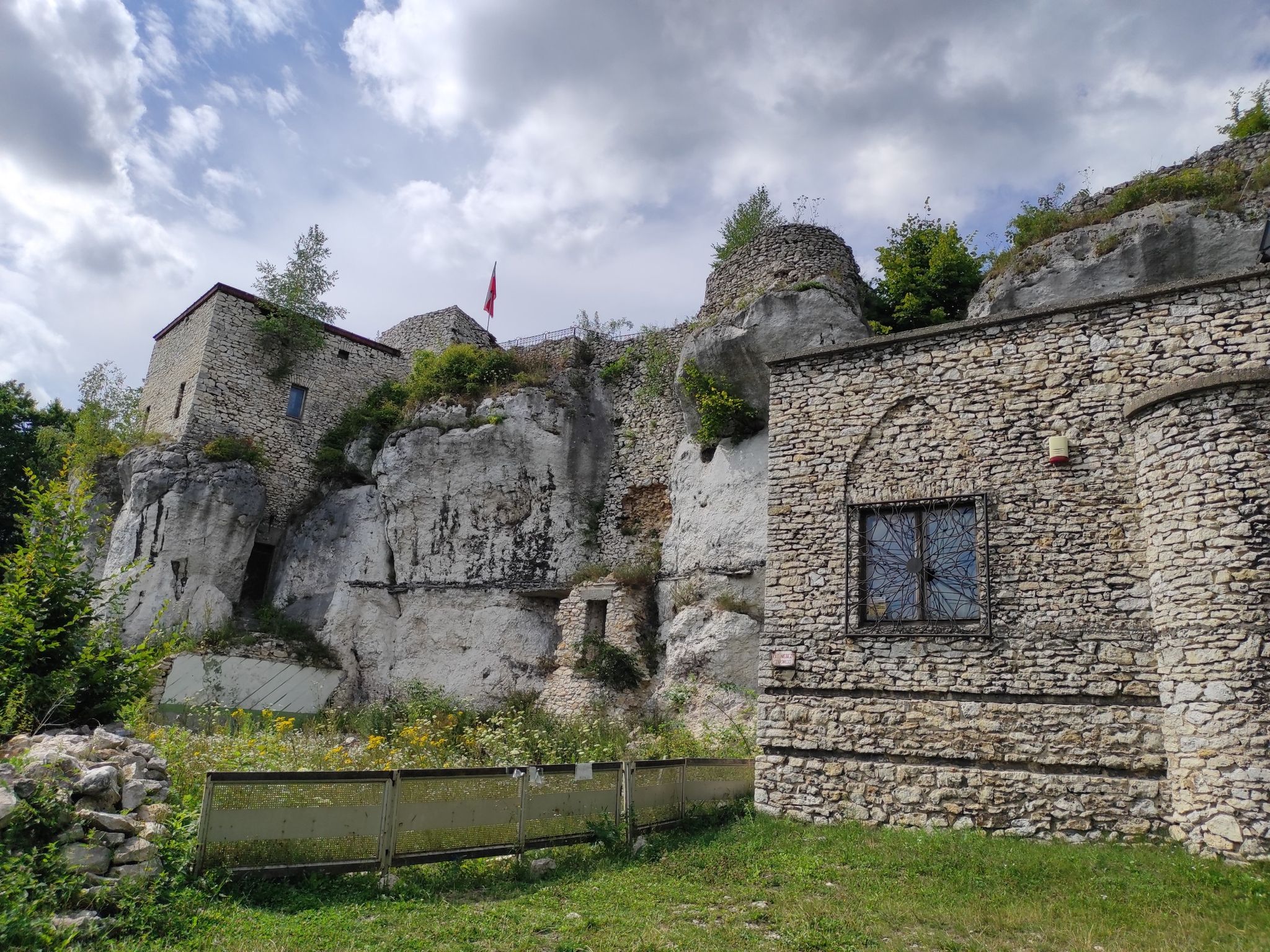
Trail of the Eagle's Nests — Magnificent Castles of Kazimierz Wielki and beautiful Grottos and Rocks
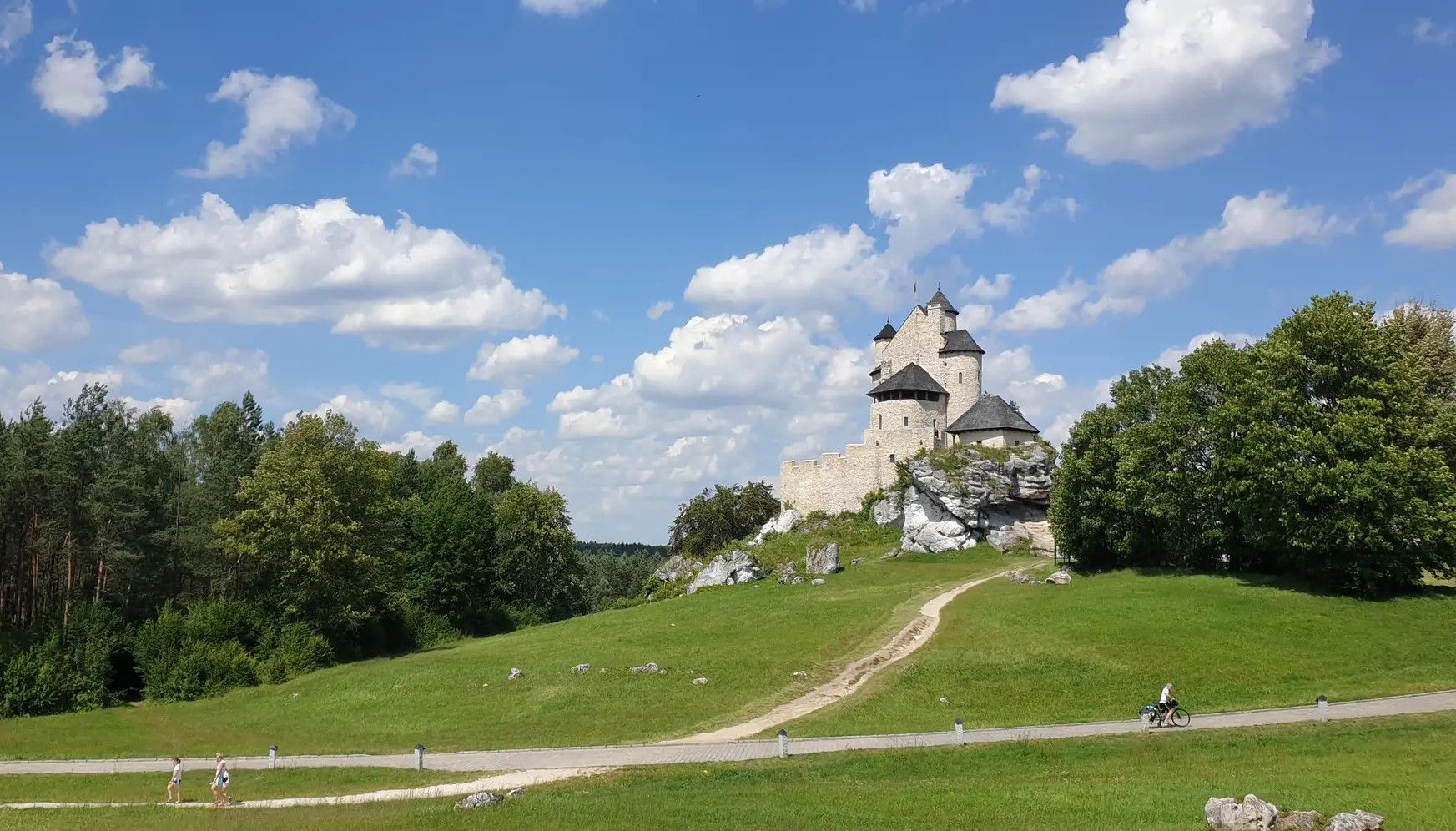
The Eagle's Nests Trail – Gravel Treasure of the Polish Jurassic Highlands
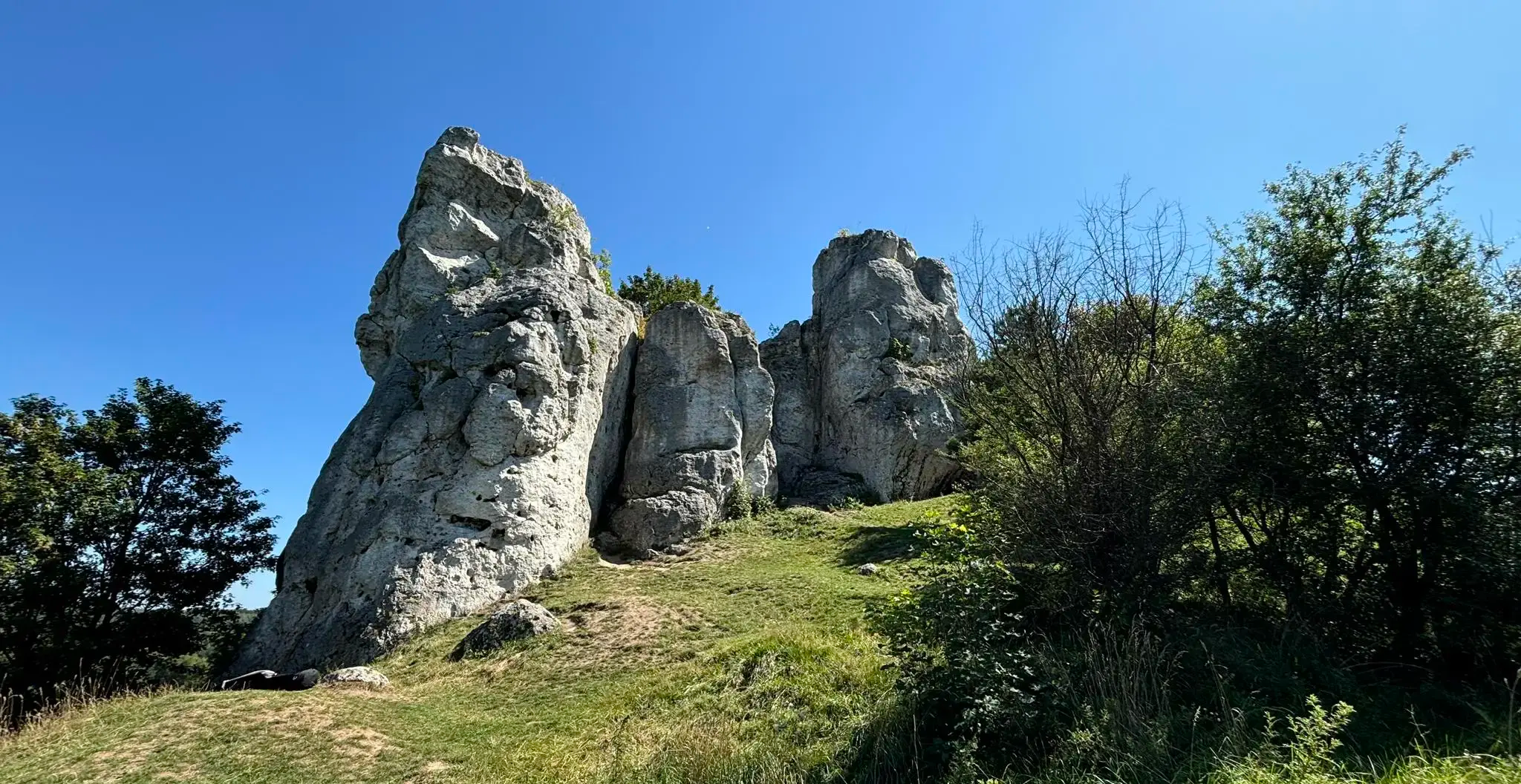
Picturesque Jura with a hint of adrenaline - Jurassic Fortresses Trail
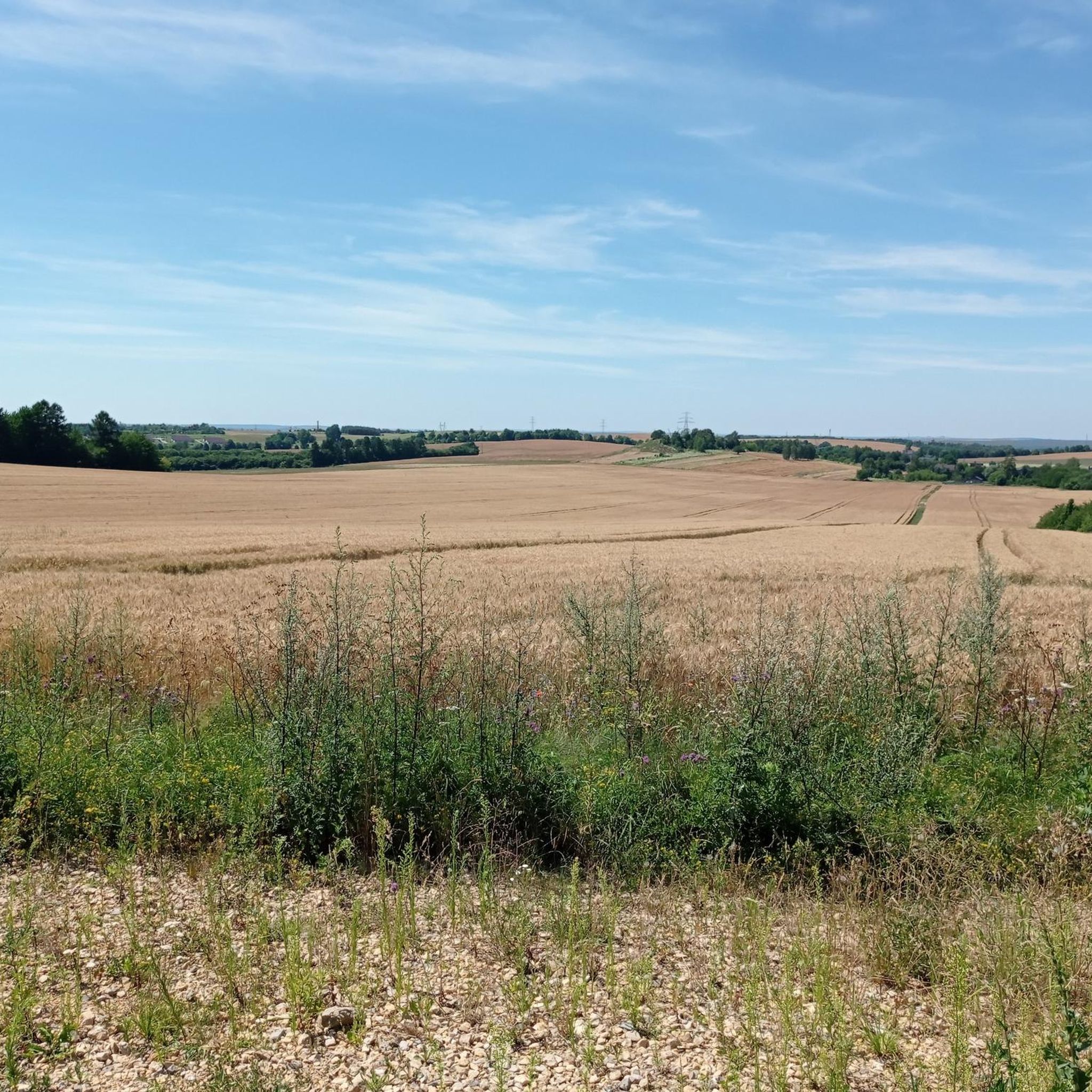
Cycling around Zawiercie
Road Cycling Routes around Zawiercie
MTB Trails around Zawiercie
Hiking around Zawiercie
Running Trails around Zawiercie

Gravel biking around Zawiercie
Other adventures around Zawiercie


Tips from the Community

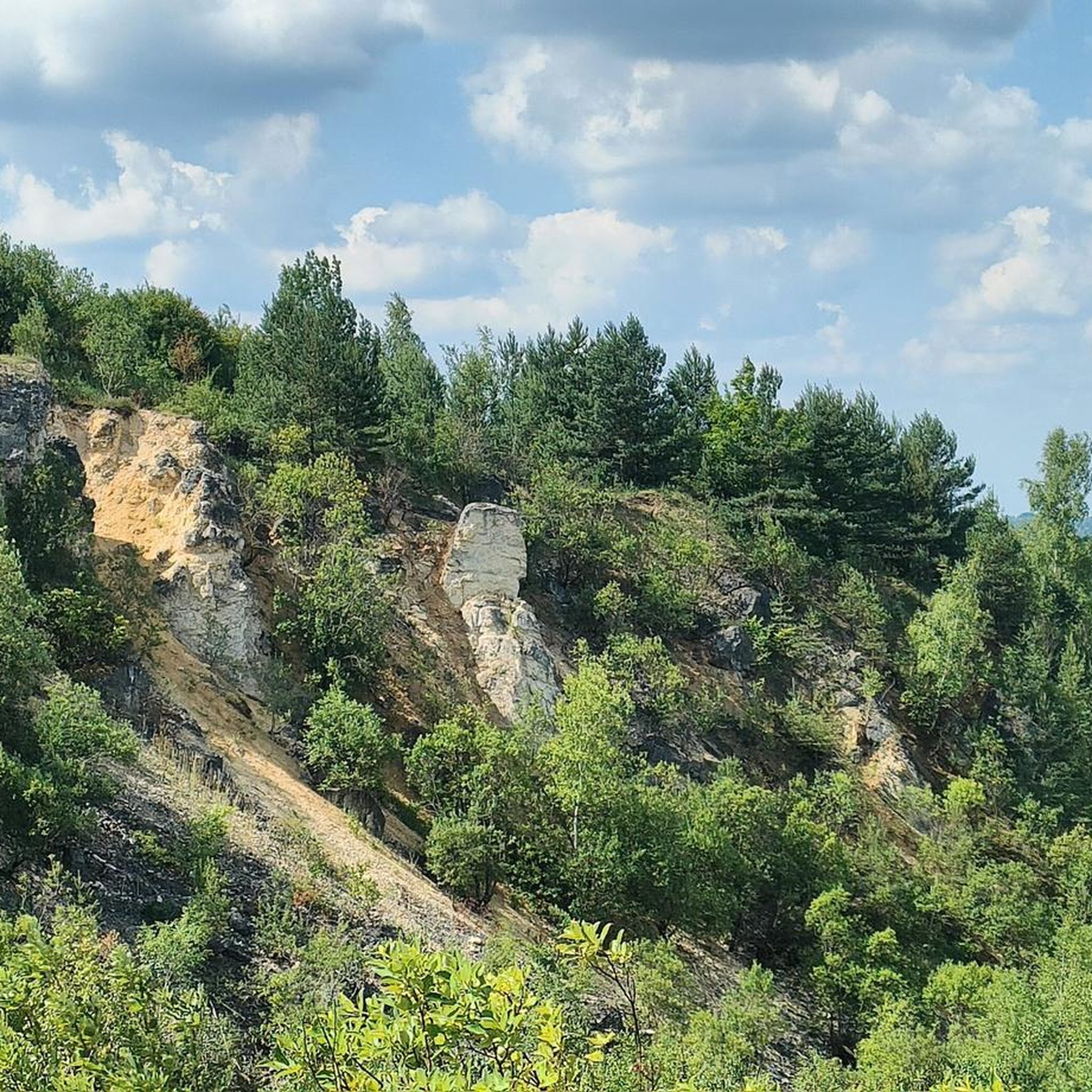
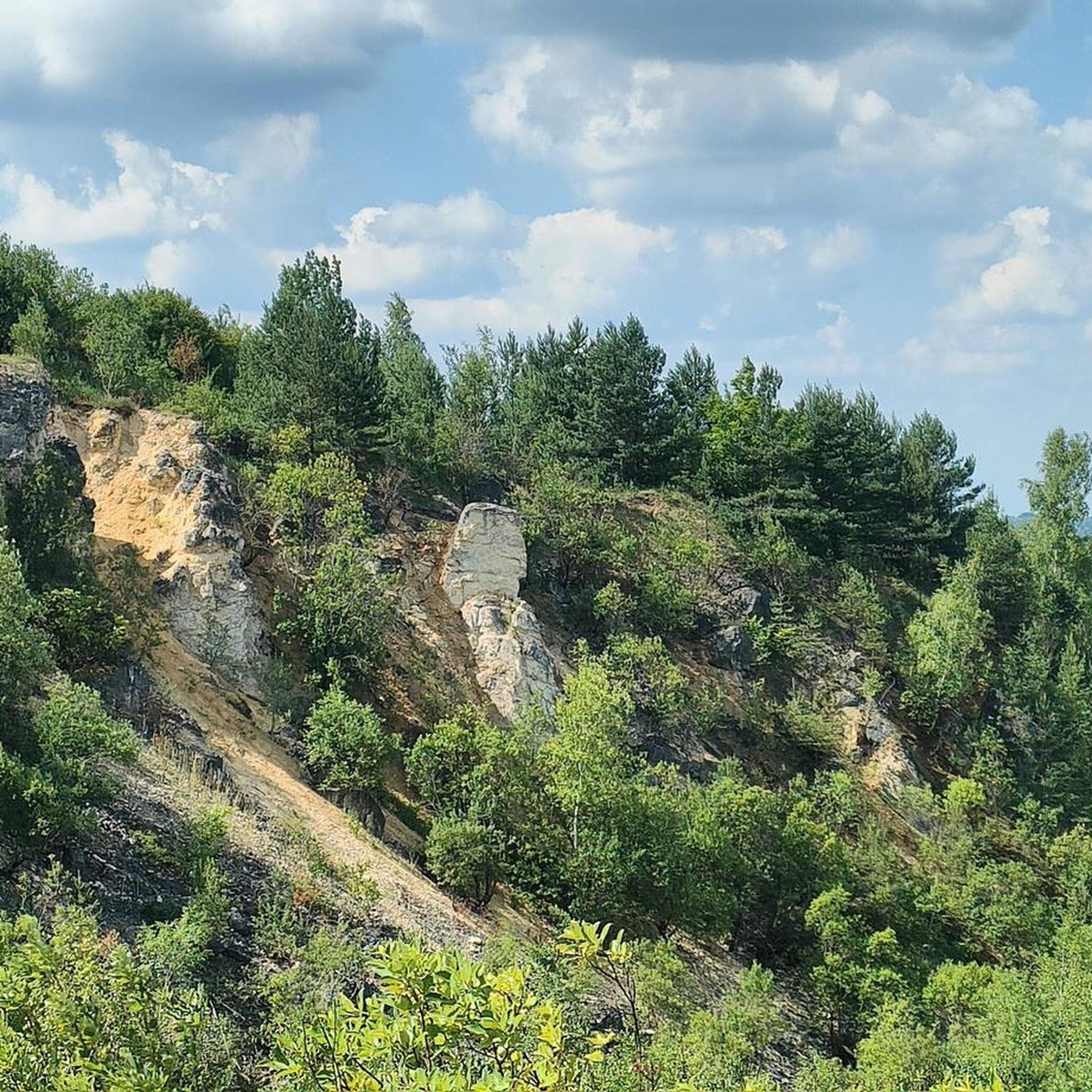
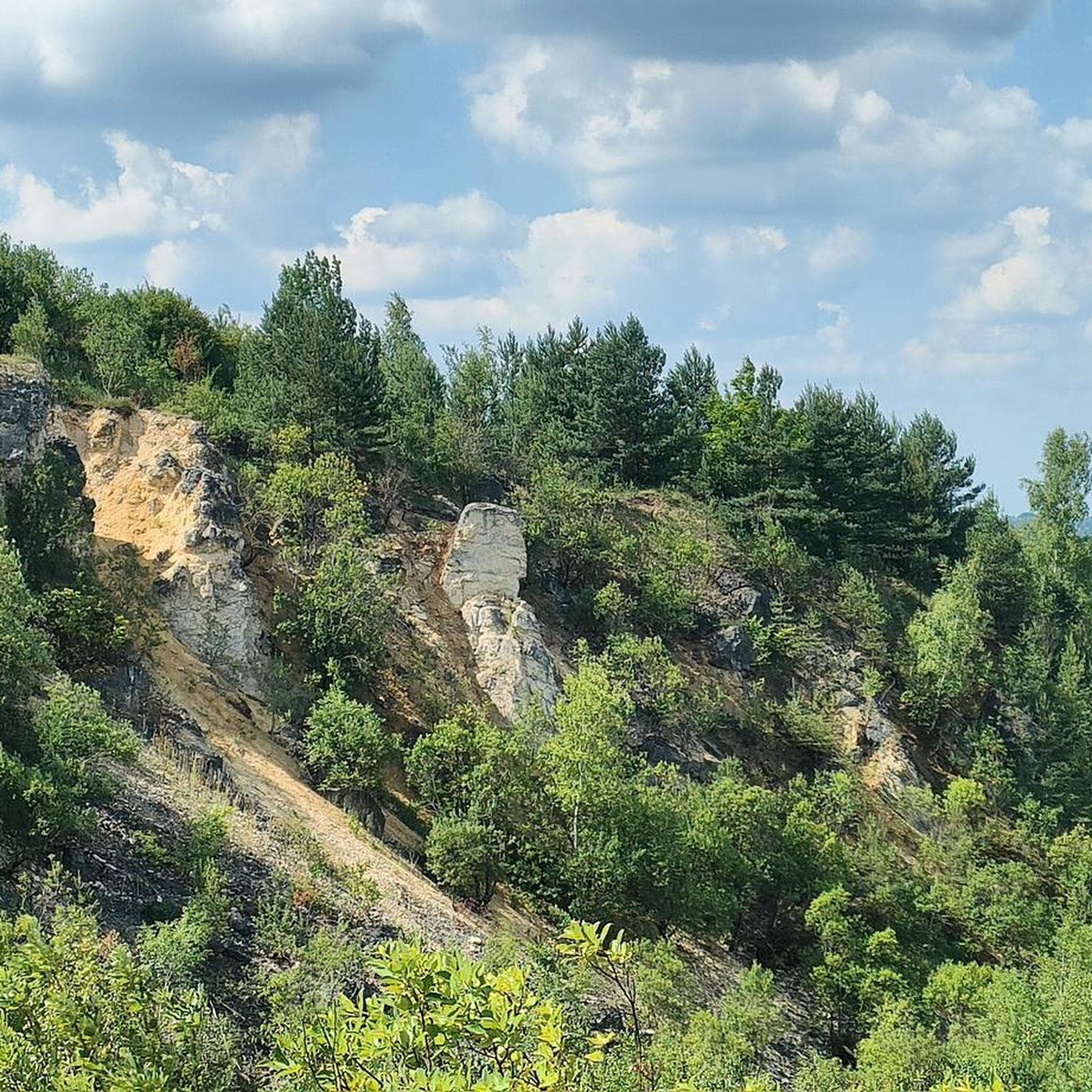
Safety and navigation tips: ⚠️ Be careful: The well is not protected by any railings. When approaching the edge, make sure the ground is not slippery (especially after rain). 🐾 Children and dogs: Due to the vertical nature of the hole, keep an eye on your four-legged friends and younger explorers – a moment of inattention can be dangerous. 🔦 Exploration: Do not try to descend into it from above without professional caving equipment and appropriate skills. This place is best admired from above, but safer, especially with children, from below. 📍 The upper opening of the well is located under the top of the rock and is not visible from below. It is easily accessible via a path on the west and north side of the rock. The well is vertical, about 10 m high, about 2.5 m in diameter, and descends to ground level. It has smooth, washed walls, and a distinct crack in its northern part. At the western base of the rock, there is a semicircular opening through which one can enter the bottom of the well.
0
0
If you thought the Rzędkowice Rocks were just a climber's paradise, this karst sinkhole will quickly prove you wrong! It's a fascinating geological stop and the quintessence of the Jurassic climate. This place is a classic example of karst phenomena on the Kraków-Częstochowa Upland. The sinkhole was formed as a result of chemical weathering processes of limestones – rainwater, saturated with carbon dioxide, has dissolved the rock over millennia along vertical cracks, creating this characteristic, deep opening. The vertical entrance is impressive – even on a hot day, you can feel the coolness emanating directly from the earth's interior. It's a great place to see firsthand how "water carves rock" and to touch the living geological history of our region. A must-see for anyone who, instead of just looking at their feet, likes to delve deeper into the mysteries of nature! You can safely observe it with children from below; at the foot of the rock, you'll find a low opening. https://pl.wikipedia.org/wiki/Komin_w_Studnisku_Rz%C4%99dkowickim
0
0

The largest cave in this region of Poland
0
0

Głęboka Cave is one of the largest accessible caves in the Kraków-Częstochowa Upland, located in the Góra Zborów Reserve in Podlesice. The tour is guided, and the route leads through spectacular corridors and chambers with interesting dripstone formations. The temperature in the cave is around 8°C all year round, so it is worth taking warm clothes. After the tour, it is worth climbing the nearby Góra Zborów, from where there is a beautiful view of the surrounding limestone outcrops. The parking lot is right next to the Centre of Natural and Cultural Heritage of the Upland, where you can buy tickets.
2
0
Góra Zborów is one of the most picturesque places in the Kraków-Częstochowa Upland. It is a limestone hill 462 m above sea level, known for its unusual rock formations that attract climbers and hiking enthusiasts. At the top there is a viewpoint from which there is a panorama of the surrounding forests and castles of the Trail of the Eagles' Nests. Nearby you can visit the Głęboka Cave, accessible with a guide. It is worth wearing comfortable shoes, because the terrain is rocky and steep in places.
1
0
Biśnik Cave, located in the Wodąca Valley in the Kraków-Częstochowa Upland, is one of the oldest human habitations in Poland. Archaeological research has shown that Neanderthals lived here over 100,000 years ago. The cave is part of the Cavemen Trail and can be admired from the outside during a walk through the picturesque area. There are other attractions nearby, such as Grodzisko Pańskie and Jaskinia Jasna, which are worth including on your route.
2
0


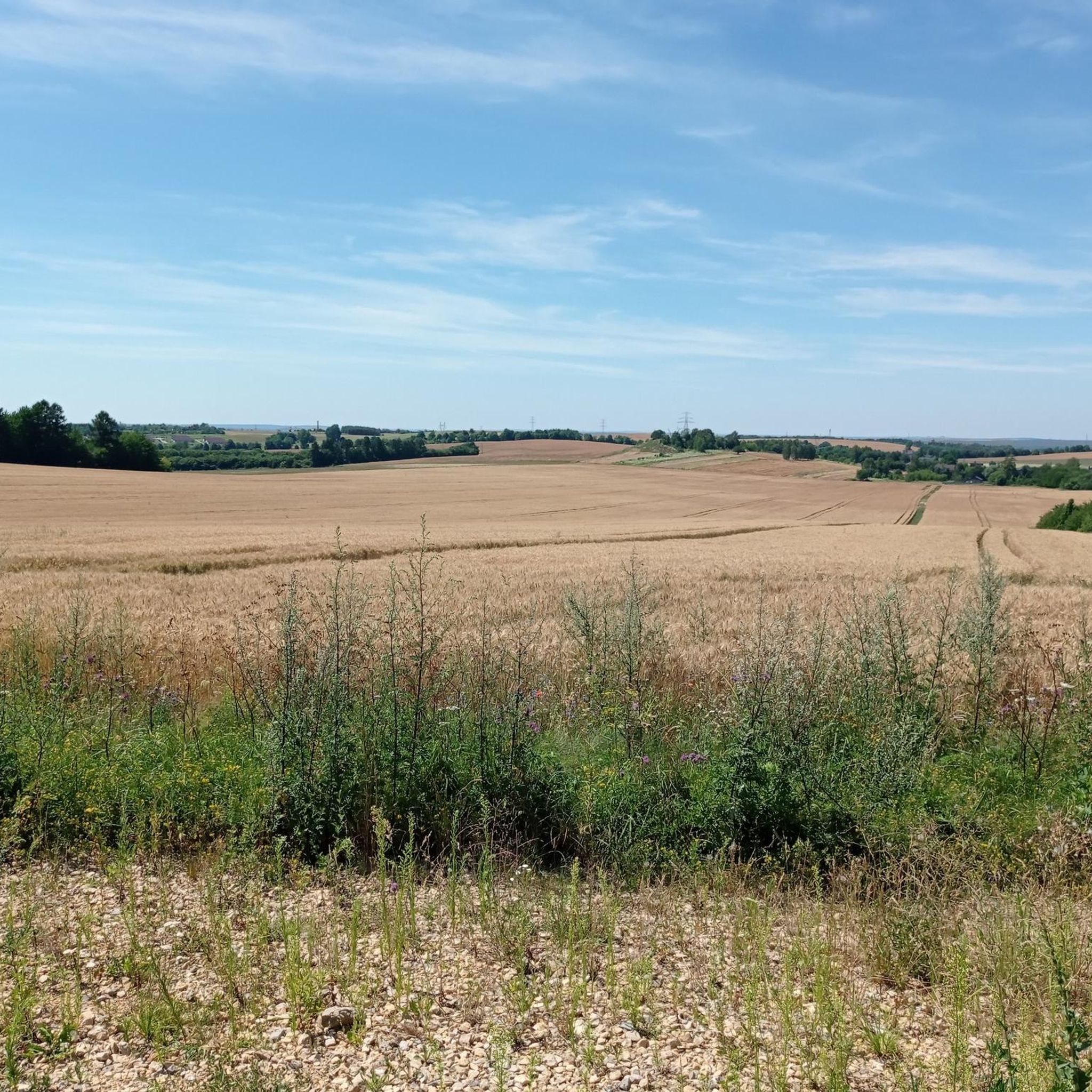
Rocks, rocks and more rocks. Road ok.
0
0
Frequently Asked Questions
What unique natural features can I expect to see in the caves region around Zawiercie?
The Zawiercie region, part of the Polish Jura, is known for its impressive limestone rock formations. You'll find distinctive features like the large rock opening at Okiennik Wielki, which measures approximately 7 by 5 meters. Zborów Mountain also offers numerous caves and striking rock formations, including the nearby Głęboka Cave with its interesting dripstone formations.
Are there any caves with historical or archaeological significance near Zawiercie?
Yes, the region is rich in history. Okiennik Wielki has archaeological discoveries of flint tools dating back about 60,000 years, indicating prehistoric human habitation. Even older, Biśnik Cave is recognized as one of the oldest human habitations in Poland, with evidence of Neanderthals living there over 100,000 years ago. It's part of the Cavemen Trail.
What kind of outdoor activities can I do near the caves around Zawiercie?
The area around Zawiercie offers various outdoor activities. You can find easy hikes, such as those around Mount Zborów Nature Reserve, or explore more challenging running trails. For mountain biking enthusiasts, there are moderate MTB trails that pass by highlights like Okiennik Wielki and Zborów Mountain. You can find more details on these activities in the easy hikes, MTB trails, and running trails guides for Zawiercie.
Is <a href="https://www.komoot.com/highlight/4988665" target="_blank" rel="noopener">Głęboka Cave</a> accessible to visitors, and what should I know before visiting?
Głęboka Cave is one of the largest accessible caves in the Kraków-Częstochowa Upland and is open for guided tours. The route takes you through spectacular corridors and chambers with interesting dripstone formations. The temperature inside the cave is consistently around 8°C (46°F) year-round, so it's advisable to bring warm clothing. Tickets can be purchased at the Centre of Natural and Cultural Heritage of the Upland, located near the parking lot.
Are there any family-friendly cave experiences in the Zawiercie area?
While specific 'family-friendly' designations for all caves are not available, the general area around Zawiercie, with its accessible trails and natural beauty, can be enjoyed by families. Biśnik Cave, for example, is part of the Cavemen Trail and can be admired from the outside during a walk, making it suitable for families interested in history and nature without requiring deep cave exploration. Always check specific access requirements for each site.
What is the best time of year to visit the caves and rock formations around Zawiercie?
The Polish Jura region, including Zawiercie, is beautiful throughout the warmer months, typically from spring to autumn, when hiking and exploring the outdoor rock formations are most pleasant. While some caves like Głęboka Cave maintain a constant temperature, access to others or surrounding trails might be affected by snow or ice in winter. For activities like biking, Popielowa Hill and Caves are noted as magnificent to visit even in winter for riding.
What are the parking options near the main cave attractions?
For Głęboka Cave, there is a parking lot conveniently located right next to the Centre of Natural and Cultural Heritage of the Upland, where you can also purchase tickets for guided tours. For other sites like Okiennik Wielki and Zborów Mountain, parking is generally available in nearby villages or designated areas for hikers, though it's always good to check local signage.
Are there viewpoints around the Zawiercie caves region?
Yes, the region offers several scenic viewpoints. From the top of Zborów Mountain, you can enjoy a panorama of the surrounding forests and the castles of the Trail of the Eagles' Nests. Okiennik Wielki itself is a natural monument and offers impressive views of the rock formations.
What is the general difficulty level for exploring the caves and trails in the Zawiercie area?
The difficulty levels vary. Many trails leading to the rock formations and cave entrances are considered intermediate, requiring comfortable shoes due to rocky and steep terrain in places, especially around Zborów Mountain. Some areas, like Okiennik Wielki, are also popular for climbing. Guided tours into caves like Głęboka Cave are generally accessible but involve walking through uneven cave terrain.
Can I find food or accommodation near the caves?
While specific cafes or restaurants directly at every cave entrance are not guaranteed, the Zawiercie region, being a popular tourist area, has amenities in nearby towns and villages. For instance, near Głęboka Cave and Zborów Mountain, you'll find facilities in Podlesice. Zawiercie itself and other towns in the Polish Jura offer various accommodation and dining options.
Are there any less crowded caves or natural sites to visit near Zawiercie?
While Okiennik Wielki and Zborów Mountain are popular, the broader Polish Jura region has numerous smaller rock shelters and less-known formations. Exploring the trails away from the main highlights can lead to quieter discoveries. For a unique experience, consider visiting Popielowa Hill and Caves, which is particularly noted for its appeal to bikers and might offer a different atmosphere.
Most popular routes around Zawiercie
Most popular attractions around Zawiercie

Get inspired with the komoot mobile app


Explore more
Extend your search for the best caves by checking out these guides of the top ones around Zawiercie:
