Top 5 Caves around gmina Pilica
Best caves around gmina Pilica are situated in Poland's Jura Krakowsko-Częstochowska Upland, a region characterized by limestone rock formations and significant archaeological sites. The area features various caves and rock shelters, some offering accessible exploration and others holding historical importance. These geological formations provide insights into natural processes and prehistoric human activity.
Best caves around gmina Pilica
- The most popular caves is Okiennik Wielki, a natural monument featuring a large rock opening measuring approximately 7 × 5 meters. Archaeologists…
Last updated: May 21, 2026
Okiennik Wielki
Highlight • Natural Monument
Translated by Google •
Tip by

Zborów Mountain
Highlight • Summit
Translated by Google •
Tip by

Sign up now to discover places like this
Get recommendations on the best single tracks, peaks, & plenty of other exciting outdoor places.
Sign up for free
Biśnik Cave
Highlight • Cave
Tip by

Głęboka Cave
Highlight • Cave
Translated by Google •
Tip by

Popielowa Hill and Caves
Highlight • Cave
Tip by
Start today with a free account
Your next adventure awaits.
Login or Signup
Popular around gmina Pilica

Other adventures around gmina Pilica

Tips from the Community

The largest cave in this region of Poland
0
0

Głęboka Cave is one of the largest accessible caves in the Kraków-Częstochowa Upland, located in the Góra Zborów Reserve in Podlesice. The tour is guided, and the route leads through spectacular corridors and chambers with interesting dripstone formations. The temperature in the cave is around 8°C all year round, so it is worth taking warm clothes. After the tour, it is worth climbing the nearby Góra Zborów, from where there is a beautiful view of the surrounding limestone outcrops. The parking lot is right next to the Centre of Natural and Cultural Heritage of the Upland, where you can buy tickets.
2
0
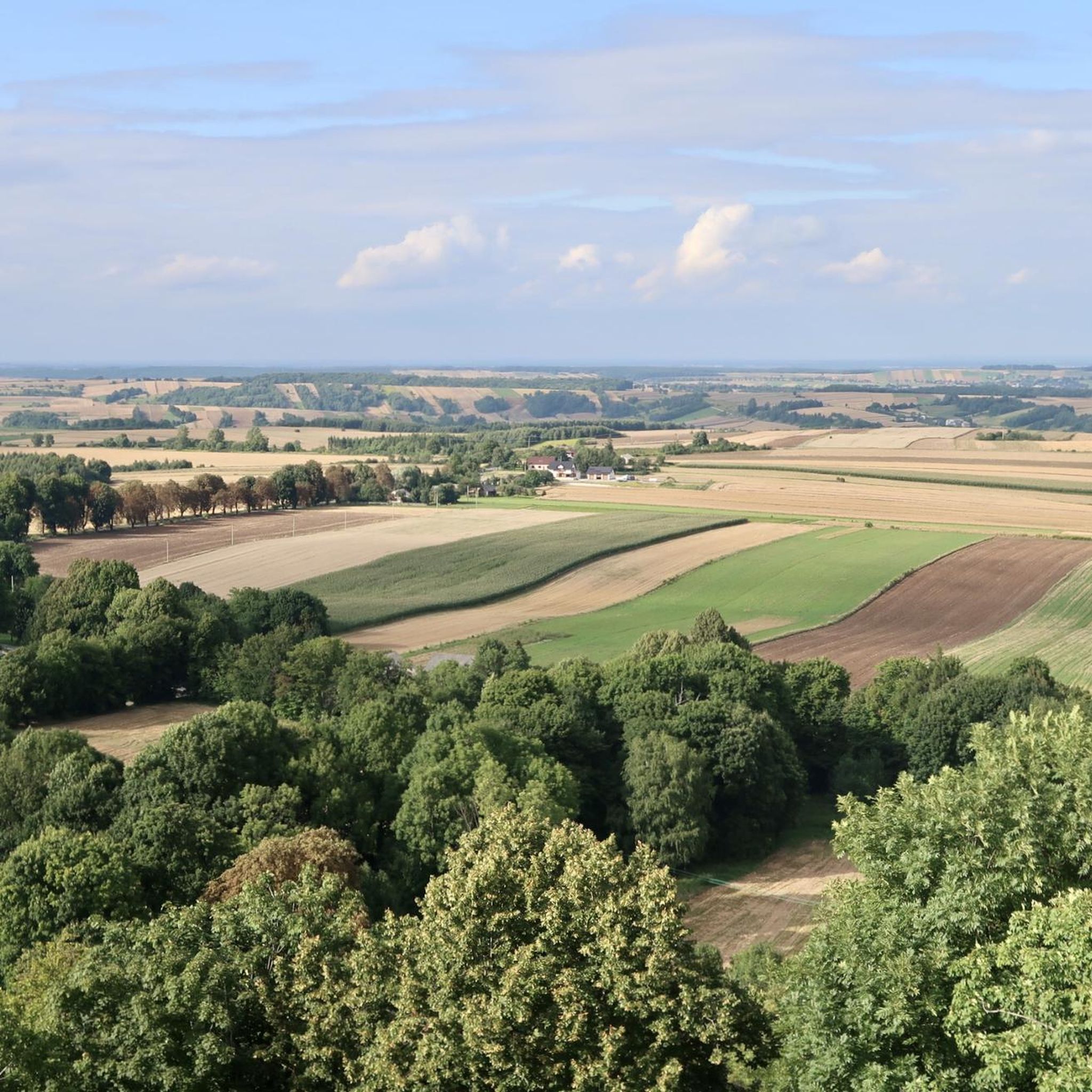
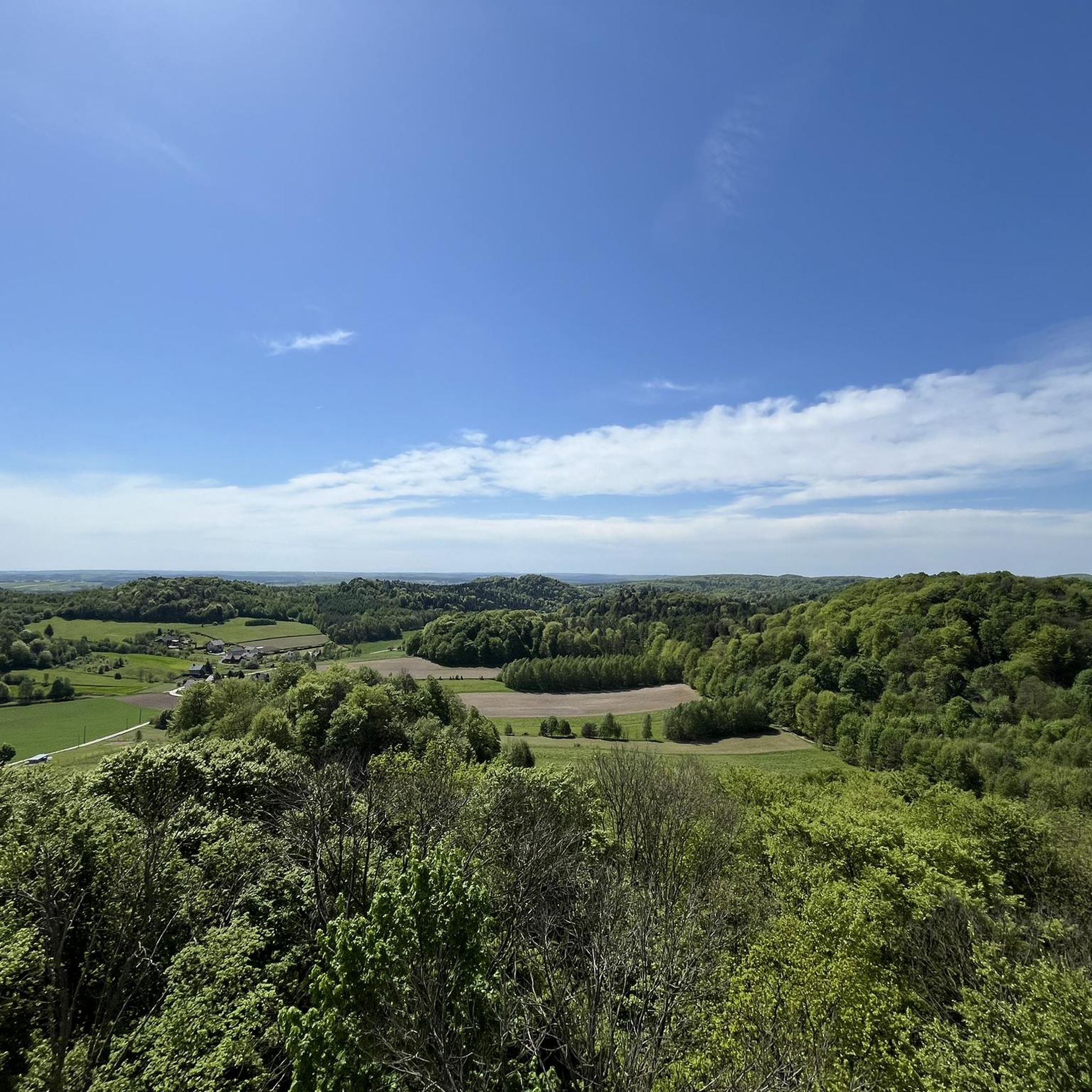
Góra Zborów is one of the most picturesque places in the Kraków-Częstochowa Upland. It is a limestone hill 462 m above sea level, known for its unusual rock formations that attract climbers and hiking enthusiasts. At the top there is a viewpoint from which there is a panorama of the surrounding forests and castles of the Trail of the Eagles' Nests. Nearby you can visit the Głęboka Cave, accessible with a guide. It is worth wearing comfortable shoes, because the terrain is rocky and steep in places.
1
0
Biśnik Cave, located in the Wodąca Valley in the Kraków-Częstochowa Upland, is one of the oldest human habitations in Poland. Archaeological research has shown that Neanderthals lived here over 100,000 years ago. The cave is part of the Cavemen Trail and can be admired from the outside during a walk through the picturesque area. There are other attractions nearby, such as Grodzisko Pańskie and Jaskinia Jasna, which are worth including on your route.
2
0


Rocks, rocks and more rocks. Road ok.
0
0


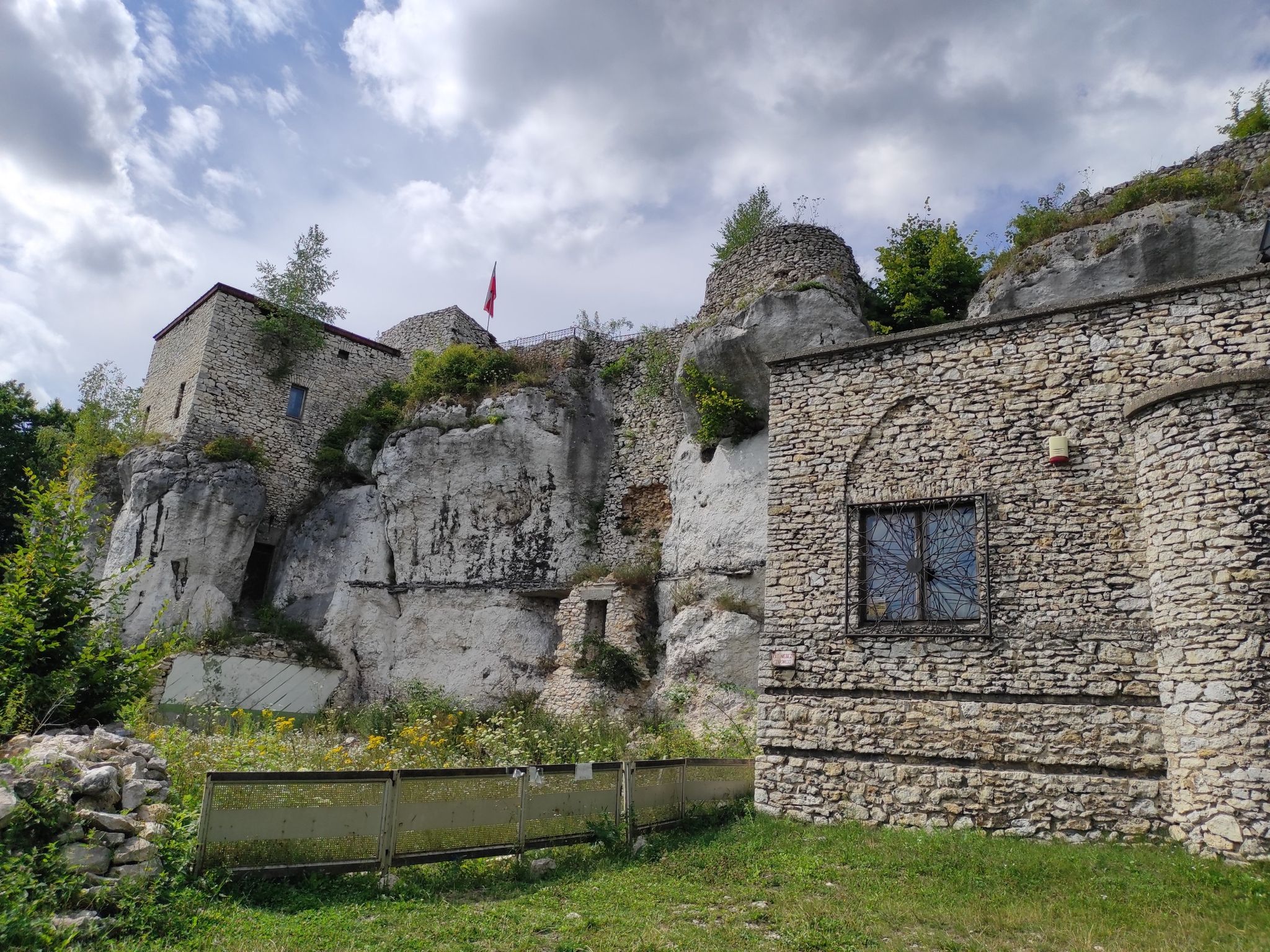
The Great Window, also known as the Large Window, - a group of limestone rocks, located in Piaseczno in the Kroczyce commune, in the Zawiercie district, in the Silesian voivodship. The most recognizable element of the group is a rock with a "window" - a rock opening measuring approx. 7 × 5 meters. According to historians, around the 12th – 13th centuries, at the foot of the rocks, there was a fortified town with a wooden structure; traces of the walls were still visible in the 19th century. The rock with the rock window was a keep, the walls were reinforced with a rampart. The entrance led through a natural chimney in the rock. There is a carved hole in the rock window, which was probably used to fasten the structure made of wooden logs that covers the rock window. In a natural cave below the window, archaeologists have found flint tools dating back about 60,000 years, i.e. the Middle Palaeolithic. They testify that the cave was then inhabited by prehistoric people. Archaeologists included them in the Mikocko-Prądnik culture. https://pl.wikipedia.org/wiki/Okiennik_Wielki
4
1
Frequently Asked Questions
Which caves in Gmina Pilica are most popular for visitors?
Among the popular choices, Okiennik Wielki stands out with its distinctive rock opening. Zborów Mountain is also highly regarded for its limestone formations and the nearby accessible Głęboka Cave.
Are there any caves in Gmina Pilica known for their archaeological importance?
Yes, several caves in the region hold significant archaeological value. Biśnik Cave is an exceptionally important site with evidence of human habitation dating back hundreds of thousands of years, including *Homo erectus*. Jaskinia Jasna koło Smolenia and Jaskinia Zegar have also yielded prehistoric tools and historical artifacts.
Can I visit the archaeological sites like Biśnik Cave?
Biśnik Cave is an active archaeological research site and is currently inaccessible to visitors. However, you can observe it from the outside as part of the Cavemen Trail, offering a glimpse into its ancient history.
What kind of natural formations can I expect to see in the caves around Gmina Pilica?
The caves in Gmina Pilica feature various natural formations. For instance, Jaskinia Psia is known for its attractive calcite formations, including decorative pools. Schronisko w Dziurawej Skała I also displays calcite cascades, ribs, and small stalactites. Głęboka Cave, accessible with a guide, showcases interesting dripstone formations.
Are there any caves suitable for casual or family visits?
Yes, Jaskinia Jasna koło Smolenia is naturally bright and spacious, making it ideal for casual visits as a torch is not always required. Jaskinia Psia is also considered suitable for amateur explorers due to its relatively easy accessibility, though it can be damp in places.
What are the best outdoor activities to combine with a visit to the caves?
The region around Gmina Pilica offers excellent opportunities for outdoor activities. You can find numerous hiking trails, including routes that pass by Biśnik Cave. There are also options for cycling and gravel biking, with routes like the 'Bąkowiec Castle – View of Okiennik Rock loop' or 'Biśnik Cave – Pilica Market Square loop'.
Are there guided tours available for any of the caves?
Yes, Głęboka Cave, located near Zborów Mountain, is accessible with a guide. This allows visitors to safely explore its spectacular corridors and chambers.
What should I know about visiting Jaskinia Psia (Dog's Cave)?
Jaskinia Psia features meandering passages and attractive calcite formations. It can be damp with puddles, and occasionally hosts hibernating bats. It's suitable for amateur explorers, but be aware of some narrow sections.
What is the best time to visit the caves in Gmina Pilica?
While specific seasonal recommendations vary by cave, generally, spring and autumn offer pleasant temperatures for exploring the surrounding areas and accessible caves. For caves like Głęboka Cave, which maintains a constant temperature of around 8°C year-round, warm clothing is advisable regardless of the season.
What do visitors enjoy most about the caves in Gmina Pilica?
Visitors appreciate the diverse experiences offered, from the historical significance of sites like Biśnik Cave to the unique geological features of Okiennik Wielki. The opportunity to combine cave exploration with scenic hikes and bike rides in the picturesque Jura Krakowsko-Częstochowska Upland is also a major draw.
Are there any caves that are part of a specific trail or route?
Yes, Biśnik Cave is part of the 'Cavemen Trail' (SZLAK JASKINIOWCÓW), which also includes Schronisko w Dziurawa Skała I. This trail highlights the region's rich prehistoric heritage.
What are the geological characteristics of the caves in Gmina Pilica?
The caves in Gmina Pilica are primarily formed within the limestone rock formations of the Jura Krakowsko-Częstochowska Upland. Geologically, they feature broad corridors formed by tectonic cracks, meandering passages, and various calcite formations like stalactites, ribs, and cascades. Some, like Okiennik Wielki, are notable for large rock windows.
Most popular routes around gmina Pilica
Most popular attractions around gmina Pilica

Get inspired with the komoot mobile app


Explore more
Extend your search for the best caves by checking out these guides of the top ones around gmina Pilica:
