Top 8 Castles around gmina Złotoryja
Best castles around gmina Złotoryja are situated within a historical landscape characterized by the Kaczawskie Foothills and ancient volcanic formations. This region features a blend of medieval strongholds and later ducal residences, reflecting centuries of architectural evolution. The area's castles offer insights into the Piast dynasty and the strategic importance of Silesia. Exploring these sites provides a direct connection to the region's rich past.
Best castles around gmina Złotoryja
- The most popular castles is Grodziec Castle, a castle that…
Last updated: May 21, 2026
Grodziec Castle
Highlight • Castle
Translated by Google •
Tip by

Piast Castle (Zamek Piastowski), Legnica
Highlight • Castle
Translated by Google •
Tip by

Sign up now to discover places like this
Get recommendations on the best single tracks, peaks, & plenty of other exciting outdoor places.
Sign up for free
Sokołowiec Palace
Highlight • Castle
Translated by Google •
Tip by

Chojnów Castle
Highlight • Castle
Translated by Google •
Tip by

Gröditzberg Palace
Highlight • Castle
Translated by Google •
Tip by
Sign up for free to discover even more castles around gmina Złotoryja.
Sign up for free
Already have an account?
Start today with a free account
Your next adventure awaits.
Login or Signup

Tips from the Community

Ascent to the St. Peter's Tower, Piast Castle in Legnica
0
0

The Piast Castle in Legnica is one of the oldest and most important buildings in Poland, built in the 12th and 13th centuries by Bolesław I the Tall and Henry the Bearded.
0
0

The Piast Castle in Legnica (Zamek Piastowski w Legnicy) is one of the oldest surviving princely castles in Poland and a significant witness to the history of the Silesian Piast dynasty. Here's a comprehensive overview: 🏰 Historical Origin Built: Originally in the 12th century as a fortified castle under Bolesław I the High. Reconstruction into a castle: Transformed into a representative residence of the Piast dynasty in the 13th century under Henry the Bearded and his wife Hedwig of Silesia. Significance: Served for centuries as the seat of the Dukes of Legnica – a center of political power and cultural development. 🛕 Architecture & Features Style: A blend of Romanesque, Gothic, and Renaissance styles, with Baroque additions. Towers: St. Peter's Tower and St. Paul's Tower – named after the patron saints of the neighboring cathedral. Courtyard: With arcades and Renaissance galleries reminiscent of Italian palazzi. Chapel: The palace chapel was founded by Hedwig of Silesia and is a place of religious worship. 📜 Historical Events Battle of Legnica (1241): After the death of Henry II in battle against the Mongols, the palace became a symbol of resistance. Reformation: In the 16th century, the palace became a center of Protestant education and administration. Prussian Period: After the Piast dynasty died out in 1675, the palace became Prussian property and served as an administrative building. 🏛️ Current Use Home to various cultural institutions, including the State Archives, the Copper Museum, and event spaces. Venue for exhibitions, concerts, and historical tours. Parts of the palace are open to the public, others are used for administrative purposes. 📍 Location & Surroundings Centrally located in Legnica's Old Town, close to the Cathedral of St. Peter and Paul, the Neptune Fountain, and the Market Square. Surrounded by historic town houses, the Modrzejewska Theater, and the Old Town Hall.
0
0

One of the most beautiful castles in Lower Silesia. There's an admission fee, but if you're bringing a bike, you can explain to the lady that you can only enter the courtyard without paying.
1
0

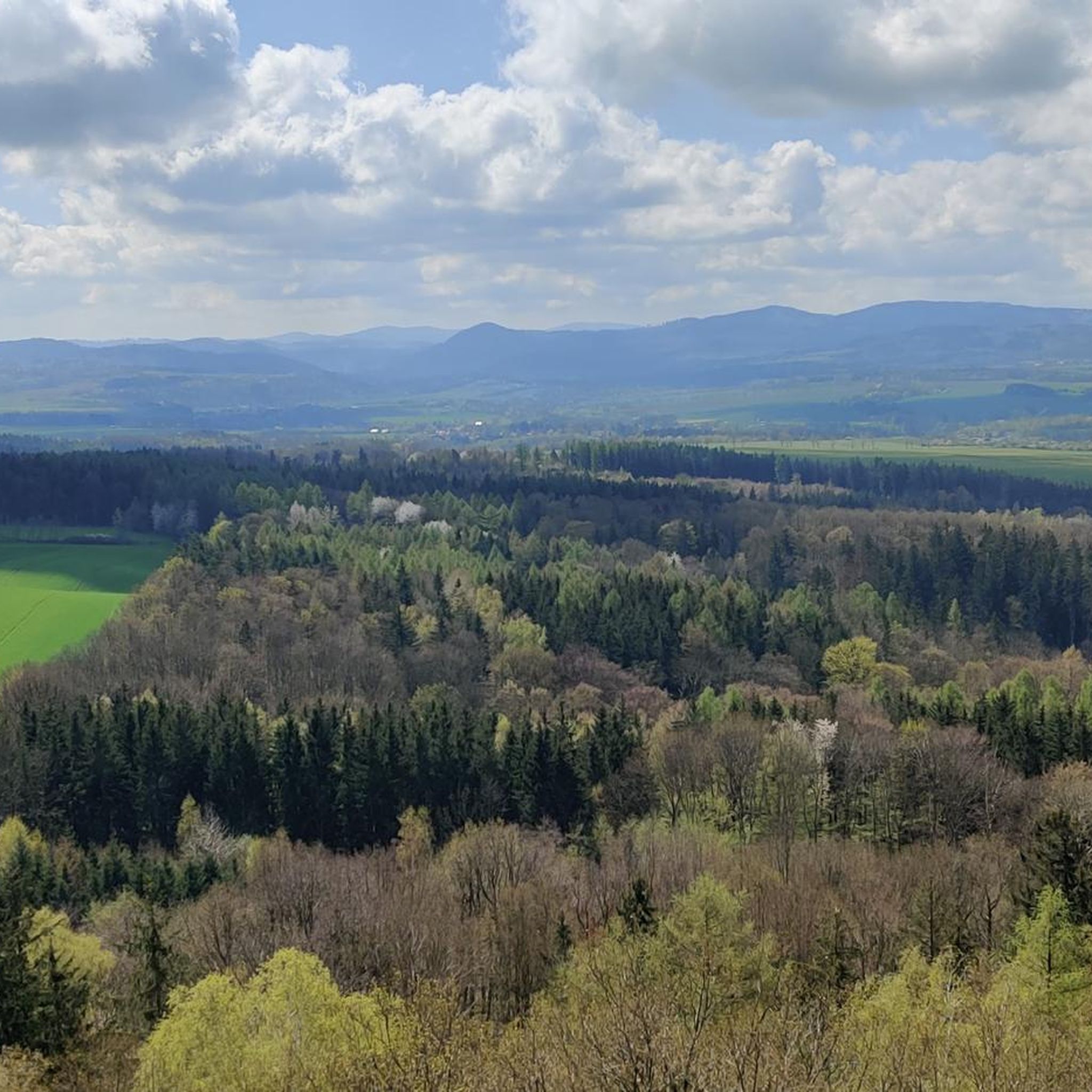
The most striking and dominant elements of the castle are its two towers: the Hedwig's Tower to the west and the Peter's Tower to the east (at the Glogau Gate Tower). The Peter's Tower can also be climbed for a beautiful view of the city.
0
0
In the castle's inner courtyard, there's a massive linden tree that makes optimal use of the space. Furthermore, the remains of the very old St. Lawrence Chapel were discovered here during excavations. These can be viewed in a museum pavilion. Those who want to save the entrance fee can take a look through the glass panes.
0
0
Above the small arch on the left side of the entrance is a relief of Duke Frederick II, and to the right above the large archway is a relief of his wife, Sophie of Brandenburg-Ansbach. Between them is the Silesian eagle.
0
0

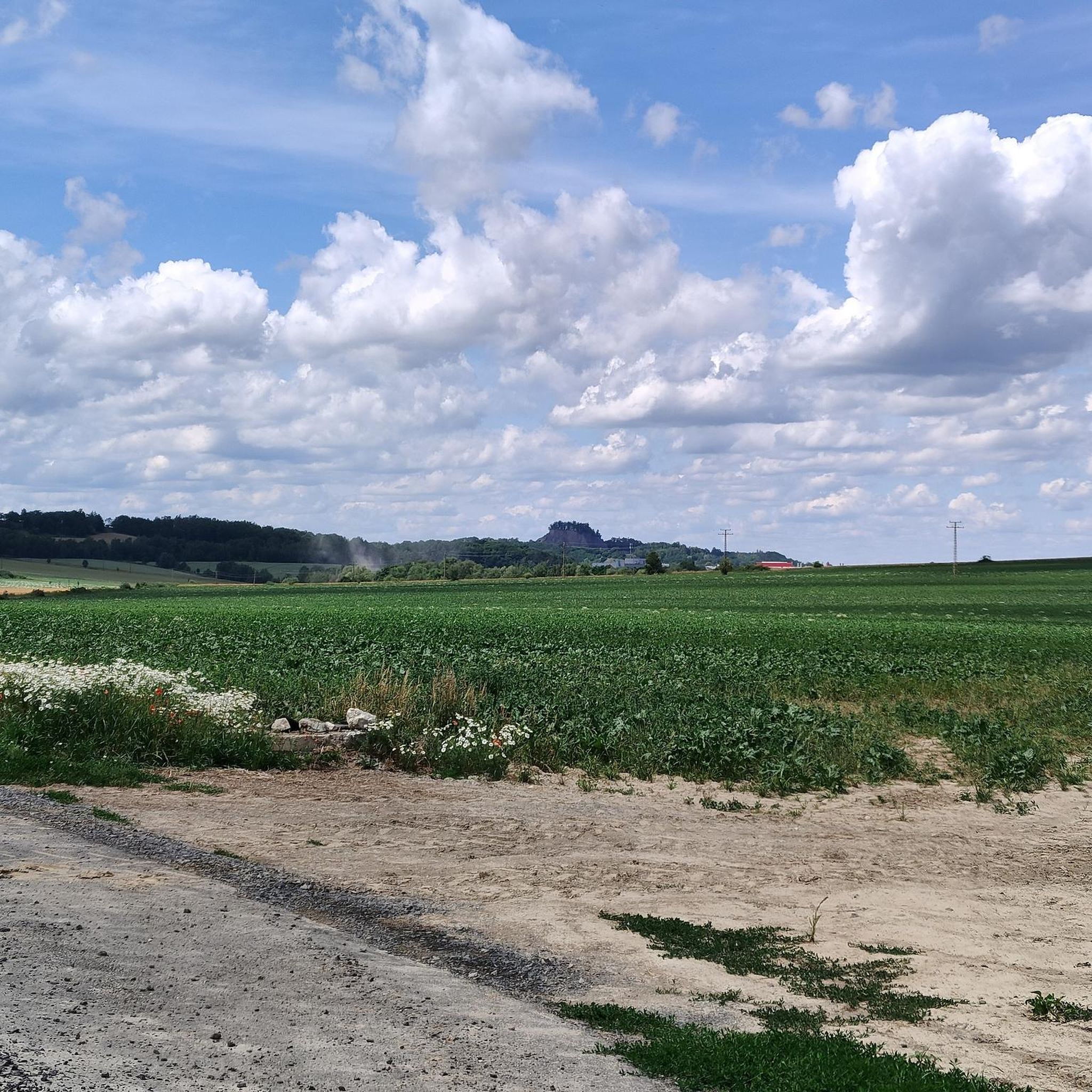
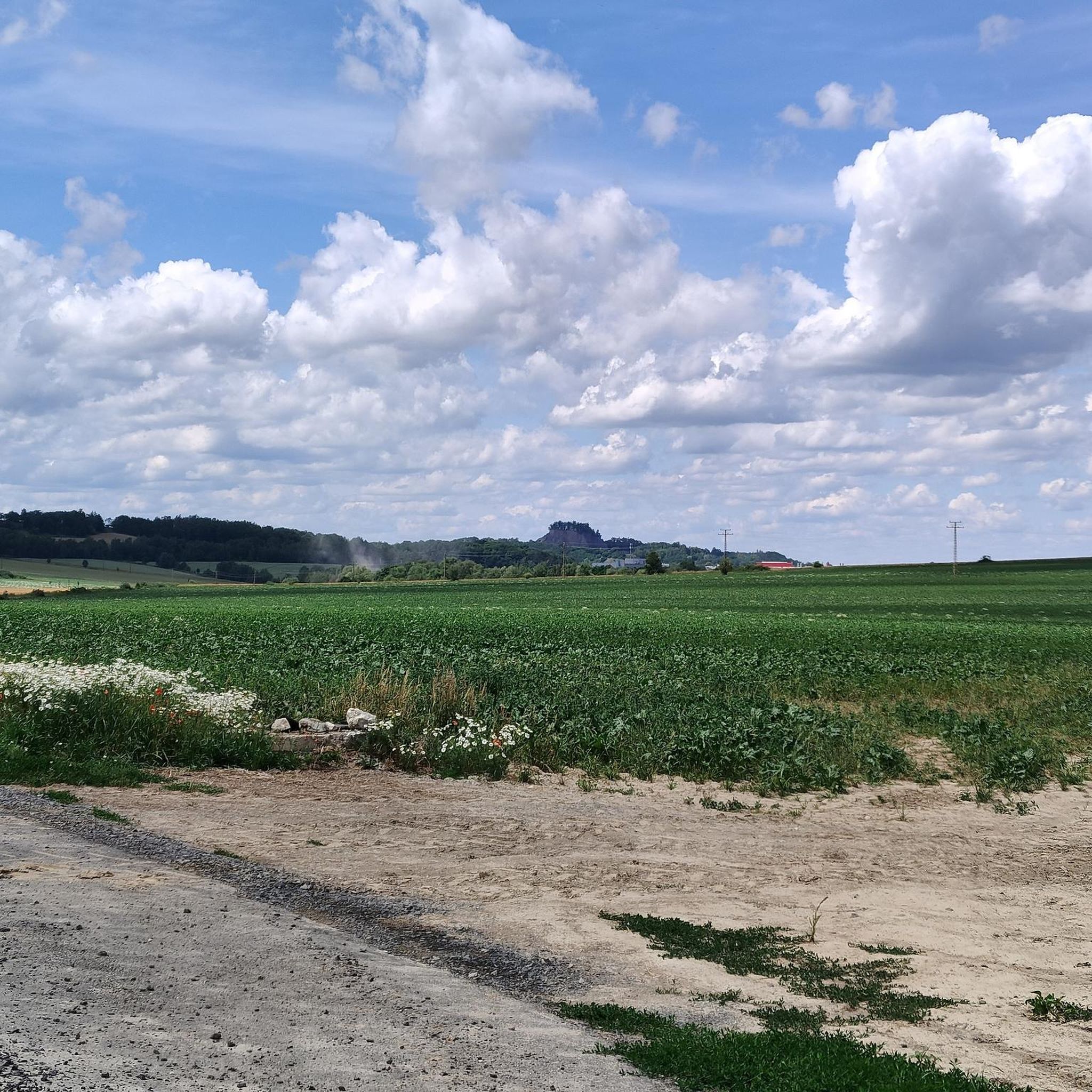
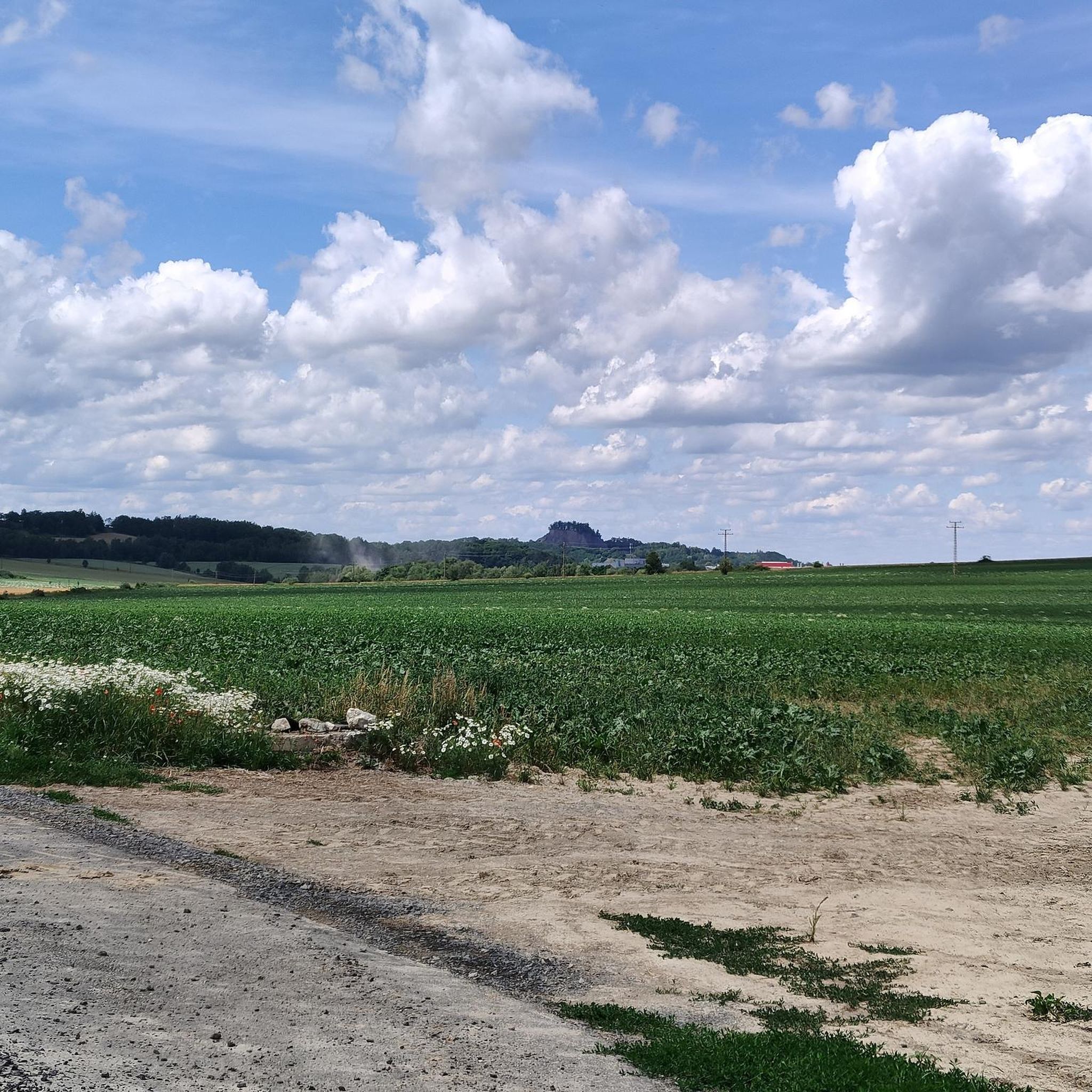
A castle with a phenomenal history, dating back to 1155, when it is mentioned in a papal bull of Pope Hadrian IV. A turbulent history, as usual! It was first built as a wooden castle, but Henry the Bearded rebuilt it into a brick one. Later it was transformed into one of the most beautiful Gothic-Renaissance castles in Silesia. The location of the castle, on a basalt hill, is truly beautiful. This is also the northern end (or beginning) of the Piast Castle Trail. It is hard to imagine a better end or beginning of this beautiful, historical trail for hikers.
5
0
Frequently Asked Questions
Which castles are most significant or popular in the Gmina Złotoryja region?
The most prominent castle is Grodziec Castle, a late-Gothic residence from the 13th century, known for its blend of Gothic and Renaissance styles and its unique location on a basalt hill. Another historically significant site is the ducal castle ruins in Rokitnica, considered one of Poland's oldest brick castles, where Złotoryja was granted town rights. Nearby, Piast Castle (Zamek Piastowski), Legnica is also a major historical site, recognized as one of Poland's first brick castle complexes.
Are there hiking opportunities around the castles in Gmina Złotoryja?
Yes, the region offers various hiking opportunities. Grodziec Castle is situated on a basalt hill within the Kaczawskie Foothills, providing scenic trails. The castle is also part of the Piast Castle Trail and the Extinct Volcanoes Trail. For more general hiking, you can explore routes like the 'Dolphin Fountain – Church of the Nativity of Mary loop from Złotoryja' or the 'Kowalska Tower in Złotoryja – Church of the Nativity of Mary loop from Złotoryja'. You can find more details on these and other trails in the Hiking around gmina Złotoryja guide.
What natural features can I expect to see near the castles?
The castles in Gmina Złotoryja are set within a landscape shaped by ancient volcanic activity. Grodziec Castle, for instance, is perched on an extinct basalt volcano, offering panoramic views of the Kaczawskie Foothills and the western Sudetes. The region is characterized by its unique geological formations and rolling hills, making it ideal for nature enthusiasts.
Are there good viewpoints from the castles?
Absolutely. Grodziec Castle features an observation terrace on its tower, providing extensive panoramic views of the Kaczawskie Foothills. Similarly, the Piast Castle (Zamek Piastowski), Legnica offers an observation deck on its St. Peter's tower, allowing visitors to take in the surrounding landscape.
What is the best time of year to visit the castles in Gmina Złotoryja?
The castles are generally accessible year-round. However, for the most pleasant experience, especially if you plan to combine your visit with hiking in the Kaczawskie Foothills, spring (April-May) and autumn (September-October) offer mild weather and beautiful scenery. Summer (June-August) is also popular, though it can be warmer. Winter visits are possible, but some outdoor activities might be limited by snow or colder temperatures.
Are the castles in Gmina Złotoryja suitable for families with children?
Yes, several castles are family-friendly. Grodziec Castle is a vibrant center for cultural events, including knight tournaments and festivals, which can be very engaging for children. It also offers guided tours. The ducal castle ruins in Rokitnica feature an educational trail with information boards, making history accessible for younger visitors, and even has a place for a bonfire. Piast Castle (Zamek Piastowski), Legnica is also listed as family-friendly.
Can I bring my dog to the castles?
While specific rules for each castle may vary, outdoor areas and trails around castles like Grodziec Castle and the Rokitnica ruins are generally dog-friendly, especially if kept on a leash. It's always advisable to check directly with the castle administration for any indoor access restrictions or specific regulations before your visit.
What historical periods do the castles in Gmina Złotoryja represent?
The castles in this region span a rich historical timeline. Grodziec Castle dates back to 1155, evolving from a wooden stronghold to a Gothic-Renaissance masterpiece. The ducal castle ruins in Rokitnica are considered one of Poland's oldest brick castles from the early 13th century, linked to the Piast dynasty. Piast Castle (Zamek Piastowski), Legnica also represents early brick castle construction in Poland, with origins in the 11th century. These sites offer a journey through medieval and early modern Silesian history.
Are there any other notable historical sites besides castles in the area?
While the castles are the main draw, the region itself is steeped in history. The ducal castle ruins in Rokitnica, for example, also include traces of two old hillforts and remains of an 8th-9th century hillfort founded by the Trzebowian tribe. The historical context of the Kaczawskie Foothills and the Piast dynasty is evident throughout the area, offering a broader historical experience beyond just the castle structures.
How long should I plan for a visit to the castles?
For a comprehensive visit to a major site like Grodziec Castle, including exploring the grounds, tower, and perhaps a guided tour, allow at least 2-3 hours. The ducal castle ruins in Rokitnica, being more of a historical site with an educational trail, might take 1-2 hours. If you plan to visit multiple castles or combine your trip with hiking, you should allocate a full day or even a weekend to fully experience the region.
What kind of events are hosted at Grodziec Castle?
Grodziec Castle is a vibrant cultural center that hosts various regional and international events. These often include knight tournaments, historical festivals, and other cultural gatherings. It's also a popular venue for special events like fairytale weddings, contributing to its magical atmosphere.
Is there accommodation available near the castles?
Yes, Grodziec Castle itself offers accommodation facilities, allowing visitors to stay directly within the historic grounds. Additionally, the nearby town of Złotoryja and surrounding areas provide various options for accommodation, from guesthouses to hotels, catering to different preferences and budgets.
Are there mountain biking trails near the castles?
Yes, the Gmina Złotoryja region, including areas around the castles, offers mountain biking opportunities. You can find trails like the 'Kowalska Tower in Złotoryja loop from Rezerwat Wilcza Góra' or the 'Zawodna Observation Tower – Dwa Wąwozy Singletrack loop from Złotoryja'. For detailed routes and difficulty levels, refer to the MTB Trails around gmina Złotoryja guide.
Most popular routes around gmina Złotoryja
Most popular attractions around gmina Złotoryja

Get inspired with the komoot mobile app


Explore more
Looking for the best castles somewhere else? Discover other guides around gmina Złotoryja:
