Top 9 Castles around gmina Ząbkowice Śląskie
Best castles around gmina Ząbkowice Śląskie are concentrated in a region known for its historical significance and architectural heritage. The area features structures ranging from medieval origins to Renaissance and neo-Gothic designs. These sites offer insights into Silesian history and defensive architecture. The landscape provides a backdrop for exploring these historical landmarks.
Best castles around gmina Ząbkowice Śląskie
- The most popular castles is Silver Mountain Fortress, a historical site that is the largest mountain fortress in Europe. Built in the late 17th century, it was never conquered and housed thousands of soldiers.
- Another must-see spot is Marianna Orańska Palace in Kamieniec Ząbkowicki, a castle known for its monumental neo-Gothic architecture from the 19th century. Visitors can explore its unique design and ongoing restoration efforts.
- Visitors also love Gladishof Palace, a historical site with a neo-Gothic facade from the 19th century. This castle, built at the turn of the 17th and 18th centuries, is visible from its surroundings.
- gmina Ząbkowice Śląskie is known for its diverse range of castles, including mountain fortresses, Renaissance ruins, and neo-Gothic palaces. Visitors can explore various architectural styles and historical periods across these sites.
- The castles around gmina Ząbkowice Śląskie are appreciated by the komoot community, with more than 130 photos shared and over 40 upvotes across the highlights.
Last updated: August 12, 2026
Silver Mountain Fortress
Highlight • Historical Site
Translated by Google •
Tip by

Stoszowice Castle
Highlight • Castle
After the First Silesian War, Peterwitz fell to Prussia in 1742. Following the reorganization of Prussia, it belonged to the Province of Silesia from 1815 onward and, from 1818 onward, was incorporated into the Frankenstein District in Silesia, with which it remained until 1945.
In 1820, Peterwitz passed to the Counts Strachwitz, who had been based in Upper Silesia since the Middle Ages, and who owned it until its expropriation in 1945. Source: Wikipedia
Translated by Google •
Tip by

Sign up now to discover places like this
Get recommendations on the best single tracks, peaks, & plenty of other exciting outdoor places.
Sign up for free
Marianna Orańska Palace in Kamieniec Ząbkowicki
Highlight • Castle
palacmarianny.com.pl
Translated by Google •
Tip by

Gladishof Palace
Highlight • Castle
Translated by Google •
Tip by
Dobrocin Palace
Highlight • Castle
Since its privatization, it has been falling into disrepair. It can be explored by going around it. Here too, “teren prywatne” (private property) announces that visitors are not welcome. Nevertheless, nice views of the gem are possible.
Translated by Google •
Tip by
Sign up for free to discover even more castles around gmina Ząbkowice Śląskie.
Sign up for free
Already have an account?
Start today with a free account
Your next adventure awaits.
Login or Signup
Tips from the Community

As of June 2026: Arrival by car is easily possible. On the lower road for 20 Zloty (€5/day). The path leads uphill on asphalt for approx. 1km. There are benches along the way. Thanks to the German audio guide, we were able to move around independently. The audio guide is fantastic. You spend a good 3 hours on site. Fantastic view up to the Schneekoppe. For dog owners: Dogs are allowed on a leash. Our miniature poodle came in for free. Pay attention to loud noises - firecrackers are demonstrated. At the bottom, there is a small, nice bistro where the dog immediately gets a water bowl (without asking).
0
0

A beautiful mountain fortress from Napoleonic times, never conquered. Fort Donjon and Fort Ostróg are both worth visiting.
2
0

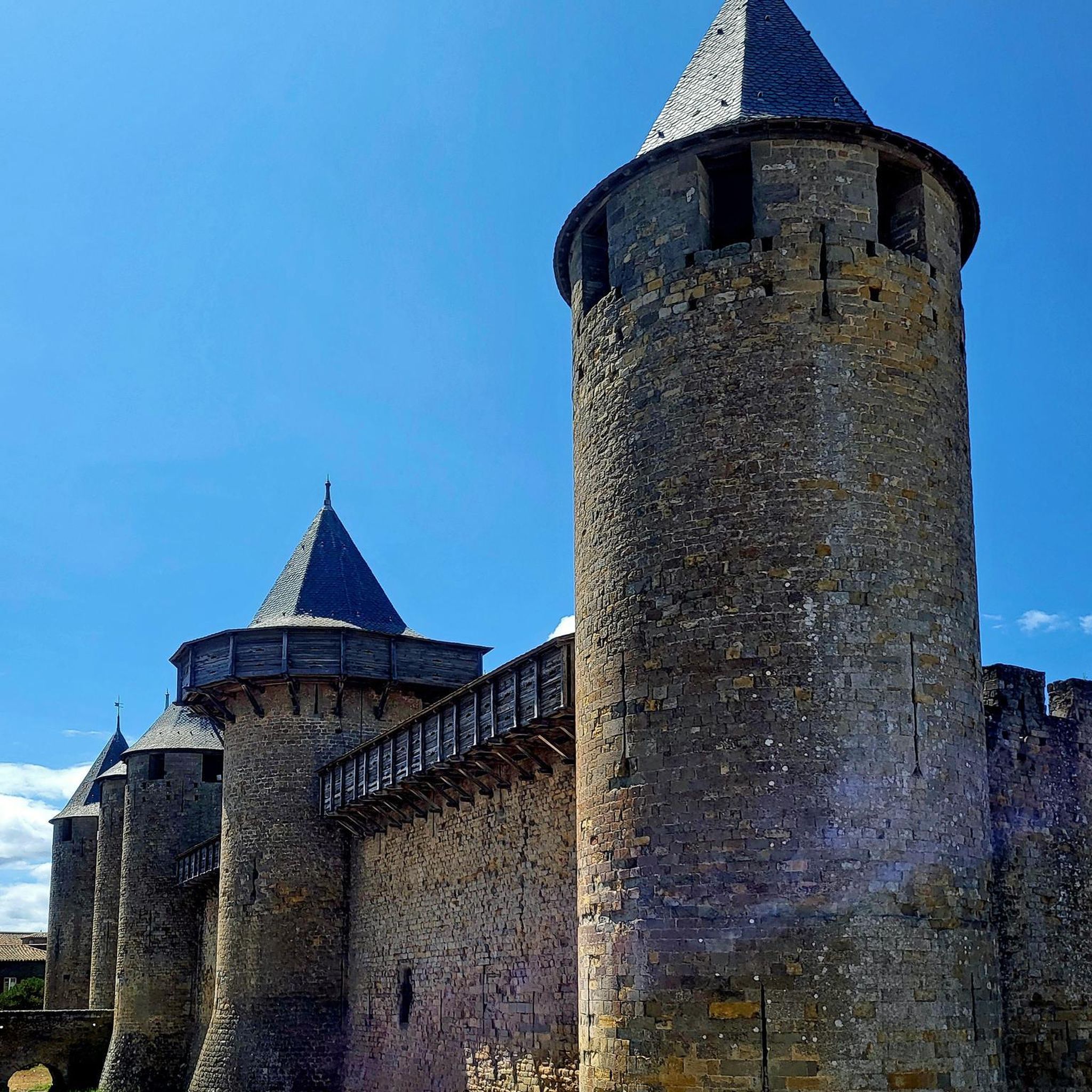
The castle was built in the 15th century. In 1600, expanded and rebuilt in the Renaissance style. Rebuilt and enlarged in the 18th and 19th centuries.
2
0

The beginnings of the castle are unknown. Different dates are given, sometimes the 13th century, sometimes the 15th. It is known that around 1600 the castle was rebuilt in the Renaissance style. At that time it was surrounded by a wall and a moat. In the 17th century it was enlarged, and later, in the 18th and 19th centuries it was rebuilt twice. Today's appearance is the result of all this work. After World War II, the castle became the property of the State Centre for Embryo Breeding. The castle was used for offices, and later it housed a library, a café and a village community centre. Today the castle is still in state hands. It belongs to the National Centre for Supporting Agriculture.
2
0
The largest mountain fortress in Europe. It was built in the late 17th century. It housed 2.5 to 3.5 thousand soldiers. It was never conquered. It was no longer needed in the 19th century. For some time, it housed a prison, and then a restaurant. After World War II, it was abandoned and fell into ruin. Now it is slowly being restored. Once again, there is a restaurant inside, and an additional hostel. It can be visited, but there is little to see, guided tours only, and entry is expensive. You can't even get to the restaurant for free. However, this does not discourage tourists, because on days off there is a huge crowd of people there.
2
0

It was built in 1765-1777 on the hill of Forteczna (Fortified) Góra (686 m above sea level).
0
0
A beautiful place that is still being improved, a huge investment. Wonder
1
0

Frequently Asked Questions
What are the most historically significant castles in gmina Ząbkowice Śląskie?
The most historically significant castle is the Ducal Castle in Ząbkowice Śląskie, now known as Ząbkowice Śląskie Castle Ruins. It's a notable example of Renaissance defensive architecture, originally Gothic, and rebuilt between 1522 and 1532. It's recognized as the first building in Silesia to incorporate Renaissance features and has a unique connection to the 'Frankenstein' legend. Another significant site is Silver Mountain Fortress, the largest mountain fortress in Europe, built in the late 17th century and never conquered.
Are there any family-friendly castles to visit in the area?
Yes, the Ząbkowice Śląskie Castle Ruins are considered family-friendly. While largely a ruin, it's open to visitors, and ongoing conservation work makes it an interesting site to explore. Its historical context and the 'Frankenstein' connection can be engaging for families.
What kind of architecture can I expect to see among the castles?
You'll find a diverse range of architectural styles. The Ząbkowice Śląskie Castle Ruins showcase early Renaissance features. Marianna Orańska Palace in Kamieniec Ząbkowicki and Gladishof Palace are notable for their monumental neo-Gothic designs from the 19th century. Stoszowice Castle, while not fully accessible, has a history of rebuilding in Renaissance, 17th, 18th, and 19th-century styles.
Can I explore the castles on my own, or are guided tours required?
For the Silver Mountain Fortress, visits are typically by guided tour only. However, the Ząbkowice Śląskie Castle Ruins are generally open for visitors to explore independently, though conservation work might affect access to certain areas.
Are there any castles that are currently undergoing restoration?
Yes, the Marianna Orańska Palace in Kamieniec Ząbkowicki is currently under renovation, with significant progress already made. Similarly, the Ząbkowice Śląskie Castle Ruins are also undergoing ongoing conservation work to secure its walls and bastions.
What outdoor activities can I do near these castles?
The region offers various outdoor activities. You can find easy hikes around gmina Ząbkowice Śląskie, including routes around the Marianna Orańska Palace. For cyclists, there are road cycling routes that offer views of the Silver Mountain Fortress, and general cycling routes that pass by Stoszowice Castle.
Is there a 'Frankenstein' connection to any of the castles?
Yes, the town of Ząbkowice Śląskie was historically known as Frankenstein. Events from the early 17th century in the town are speculated to have inspired Mary Shelley's novel. This connection adds an intriguing layer to the history of the Ząbkowice Śląskie Castle Ruins, which are located within the town.
Are there any castles that are not fully accessible but still worth seeing?
Yes, Stoszowice Castle and Gladishof Palace are not fully accessible to enter, but their exteriors and historical significance make them worth admiring from the gate or fence. Gladishof Palace, in particular, is visible from its surroundings.
What do visitors enjoy most about the castles in gmina Ząbkowice Śląskie?
Visitors appreciate the unique architecture, especially the monumental neo-Gothic style of Marianna Orańska Palace. The historical significance and the sheer scale of sites like the Silver Mountain Fortress are also highly valued. Many find the ongoing restoration efforts at various sites promising, making them beautiful and interesting places to visit.
Can I combine a castle visit with other local attractions?
Absolutely. The Ząbkowice Śląskie Castle Ruins are located near the town center. Tickets for the castle can sometimes be purchased at the famous Leaning Tower of Ząbkowice Śląskie, which offers panoramic views of the town and castle ruins from its viewing terrace, making for a great combined visit.
Most popular routes around gmina Ząbkowice Śląskie
Most popular attractions around gmina Ząbkowice Śląskie

Get inspired with the komoot mobile app


Explore more
Looking for the best castles somewhere else? Discover other guides around gmina Ząbkowice Śląskie:
