Top 11 Castles around powiat zielonogórski
Best castles around powiat zielonogórski offer a historical journey through Poland's Lubusz Voivodeship. The region features a collection of historical residences, including well-preserved palaces and the evocative ruins of former strongholds. These sites provide insights into medieval and Renaissance architecture, showcasing centuries of regional history. Visitors can explore a variety of structures, from fortified castles to grand palatial estates.
Best castles around powiat zielonogórski
- The most popular castles is Trzebiechów Palace, an eclectic 19th-century palace. It draws inspiration from…
Last updated: May 21, 2026
Castle in Zabor
Highlight • Castle
Translated by Google •
Tip by

Przytok Palace
Highlight • Castle
Translated by Google •
Tip by
Sign up now to discover places like this
Get recommendations on the best single tracks, peaks, & plenty of other exciting outdoor places.
Sign up for free
Trzebiechów Palace
Highlight • Castle

Świdnica Palace Archaeological Museum
Highlight • Historical Site
Translated by Google •
Tip by

Bojadła Palace
Highlight • Castle
Translated by Google •
Tip by

Zabór Palace
Highlight • Castle
Translated by Google •
Tip by

Sulechów Castle
Highlight • Castle
Translated by Google •
Tip by

White Castle-Like Villa near Nowa Sól
Highlight • Castle
Translated by Google •
Tip by
Old Kisielin Palace
Highlight • Castle
Translated by Google •
Tip by
Kargowa Palace
Highlight • Castle
Translated by Google •
Tip by

Sign up for free to discover even more castles around powiat zielonogórski.
Sign up for free
Already have an account?
Start today with a free account
Your next adventure awaits.
Login or Signup

Tips from the Community

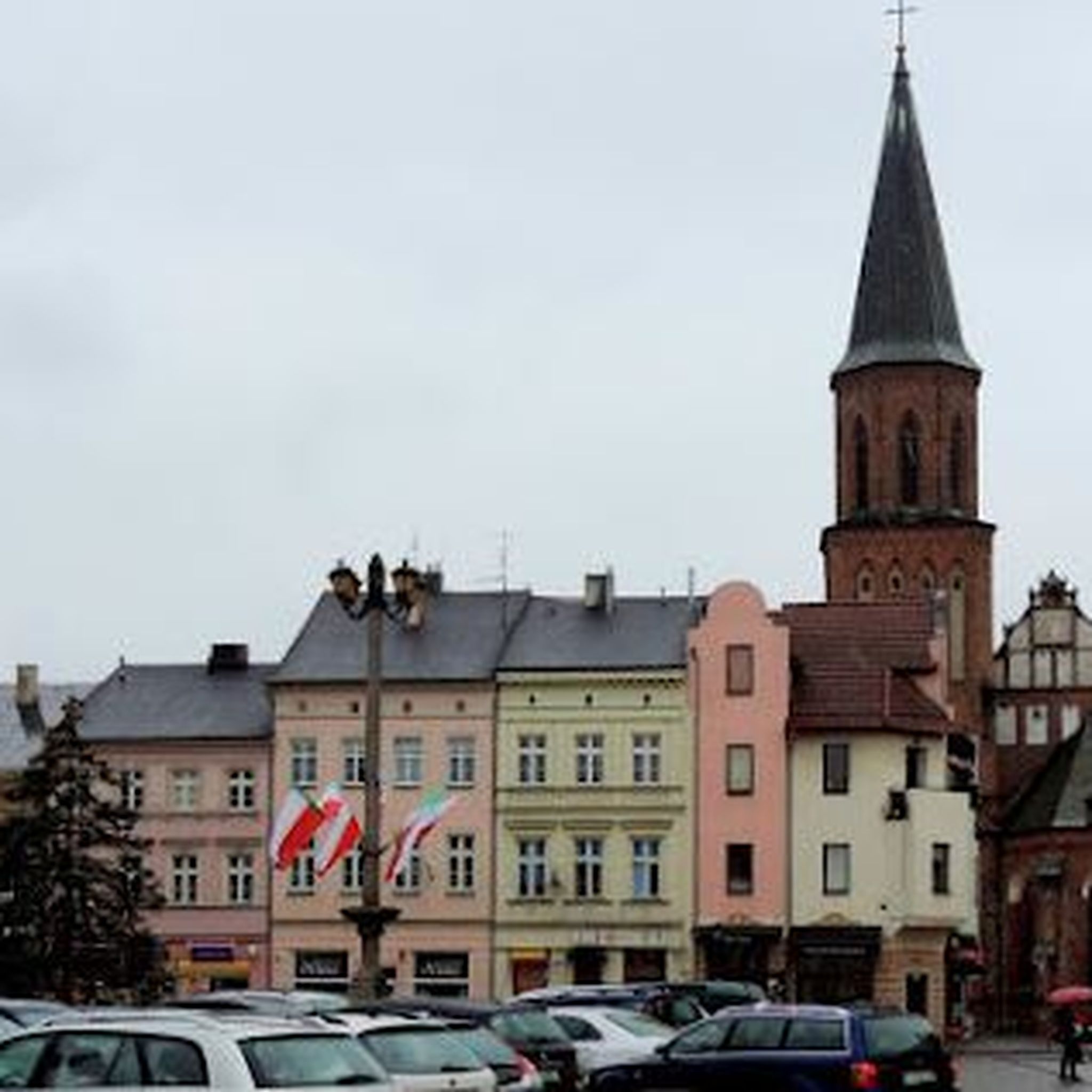
The oldest building in Sulechów, built at the beginning of the 14th century by Duke Konrad III of Głogów.
1
0
A historic villa from the turn of the 19th and 20th centuries, but in Sulechów
0
0

Originally, an older building existed on the site of today's castle in Zabór (German: Saabor), but the current shape of the palace is the work of Joannes Schönaich, who commissioned the construction of a new, late Baroque residence in the years 1677-1683. The palace was built on a square-like plan, with four corner projections and a central courtyard, which was characteristic of palace complexes of the time. In 1711, the castle was acquired by Frederick Augustus von Cosel, the illegitimate son of King Augustus II the Strong and Countess Cosel. He commissioned further expansion and modernization works, transforming the palace into an impressive Baroque residence. During this period, the interiors gained rich decoration, and a large park in the French and later English style was created around the castle, which is an integral part of it to this day. Zabór became one of the most representative estates in Silesia at that time. Over the following centuries, the castle changed owners. In the 19th century it belonged to the von Schmettau family, and then to Prince Frederick Augustus of Anhalt-Dessau. A key change in the history of the castle came in 1945. After the end of World War II and the annexation of the Partition to Poland, the castle became state property. The castle in the Partition survived the war in relatively good condition. In the post-war years, the castle was adapted to the Provincial Children's Sanatorium, and then to the Center for the Treatment of Children and Youth. This medical function was maintained for many decades, which contributed to the preservation of the historic substance of the building. The interiors of the palace were adapted to the needs of a medical facility, losing some of their original decor.
2
0


The Baroque castle (palace) was rebuilt in 1745 and 1957. From the 18th century, it was the property of the Counts of Cosel, then the Princes of Siedlisko: Johann Carl, Prince of Schönaich-Carolath, married to Johanna Wilhelmina, Princess of Anhalt-Köthen, and their younger son Ferdinand (born 1763)[3]. The last owner of the palace before World War II was the second wife of the last German Emperor, Wilhelm II Hohenzollern, Hermina, who lived in the palace until 1922 and after the emperor's death until April 1945. From 1956, the palace housed a tuberculosis preventorium for children, from 1976 - a Children's Sanatorium, and from 1998 - a Centre for the Treatment of Children and Youth. The castle together with the farmstead, which includes: three outbuildings, an outbuilding (currently a school), a stable (currently a hotel), a morgue, a greenhouse, two utility buildings and a park constitute the castle complex. Above the main entrance in the cartouche are the coats of arms: the Schönaich-Carolath family (on the left) and a complication of coats of arms (on the right, including: in the central field of the shield and in the upper right field the coat of arms of Saxony, Count von Schlabrendorf).
1
0
The Baroque castle (palace) was rebuilt in 1745 and 1957. From the 18th century, it was the property of the Counts of Cosel, then the Princes of Siedlisko: Johann Carl, Prince of Schönaich-Carolath, married to Johanna Wilhelmina, Princess of Anhalt-Köthen, and their younger son Ferdinand (born 1763)[3]. The last owner of the palace before World War II was the second wife of the last German Emperor, Wilhelm II Hohenzollern, Hermina, who lived in the palace until 1922 and after the emperor's death until April 1945. From 1956, the palace housed a tuberculosis preventorium for children, from 1976 - a Children's Sanatorium, and from 1998 - a Centre for the Treatment of Children and Youth. The castle together with the farmstead, which includes: three outbuildings, an outbuilding (currently a school), a stable (currently a hotel), a morgue, a greenhouse, two utility buildings and a park constitute the castle complex. Above the main entrance in the cartouche are the coats of arms: the Schönaich-Carolath family (on the left) and a complication of coats of arms (on the right, including: in the central field of the shield and in the upper right field the coat of arms of Saxony, Count von Schlabrendorf).
0
0

The Baroque palace in Zabór was rebuilt twice in the past, in 1745 and 1957. Since the 18th century, it was the property of the Counts of Cosel, and later of the Princes of Siedlisko, the Schönaich-Carolath family. The last owner of the palace before World War II was the second wife of the last German Emperor, Wilhelm II Hohenzollern, who lived there until April 1945. In 1956, a tuberculosis preventorium for children was established in the palace. In 1976, a Children's Sanatorium was established, and in 1998, the Children and Youth Treatment Centre, which provides assistance to the youngest to this day. The entire area of the facility is the palace with a farm, which includes: three buildings, an outbuilding (currently a school), a stable (currently a hotel), a morgue, a greenhouse, two farm buildings and a park.
1
0
At the end of the 17th century, Krzysztof Unrug built a two-storey palace on a rectangular plan. In the first half of the 18th century, Kargowa was taken over by King August II the Strong, who wanted to build barracks and expand the Unrug Palace. The construction of the baroque palace on the plan of the letter "U" was carried out in the years 1731-1733 and was interrupted by the king's death. During the war operations in 1735, the palace was burned down, later rebuilt, but in a simplified architectural form, the decoration of the facade and interiors was abandoned. Currently private property, fenced, abandoned.
1
0
Frequently Asked Questions
What types of historical sites can I expect to find in Powiat Zielonogórski?
Powiat Zielonogórski offers a diverse range of historical sites, from well-preserved palaces to evocative castle ruins. You'll find structures like the baroque Bojadła Palace with its rococo decorations, the eclectic 19th-century Trzebiechów Palace, and the remnants of medieval strongholds such as the Sulechów Castle, which retains its medieval tower.
Are there any castles or palaces that offer accommodation or dining facilities?
Yes, some historical sites in the region have been revitalized to offer modern amenities. For example, the Bogaczów Palace, which started as a Renaissance manor, now functions as a hotel and restaurant, making it fully accessible for visitors seeking an overnight stay or a meal in a historical setting.
Which castles or palaces are particularly family-friendly?
Many of the palaces and their surrounding parks are suitable for families. The Trzebiechów Palace, for instance, is set within a large, picturesque English-style landscape park, perfect for walks. The revitalized Zatonie Palace Park is also a popular destination for tranquil walks and offers informational plaques within its ruins, engaging for all ages.
Can I bring my dog to the castles and palaces in the region?
While specific dog policies can vary for interiors, many of the palace parks and outdoor areas are generally dog-friendly. The Zatonie Ducal Park, for example, is a popular spot for walks and often welcomes dogs on leash. It's always a good idea to check specific site regulations before your visit, especially for indoor access.
What are the best times of year to visit the castles in Powiat Zielonogórski?
The best time to visit the castles and palaces in Powiat Zielonogórski is generally during the spring (April-June) and autumn (September-October) months. During these periods, the weather is pleasant for exploring the grounds and parks, and the natural scenery is particularly beautiful. Summer (July-August) is also popular, though it can be warmer.
Are there opportunities for outdoor activities like hiking or cycling near these historical sites?
Absolutely! The region offers various outdoor activities. You can find numerous cycling routes, such as those around Sulechów, including the 'Sulechów Market Square – Sulechów Castle loop'. For running, there are trails like the 'Dolina Gęśnika loop' near Łężyca. You can explore more options on the Cycling around powiat zielonogórski or Running Trails around powiat zielonogórski guide pages.
How accessible are the castles and palaces by public transport?
Accessibility by public transport varies significantly between sites. While some palaces located within towns, like Sulechów Castle, might be reachable by local buses, others in more rural settings may require a car or a combination of public transport and a short walk. It's advisable to research specific routes to your chosen destination beforehand.
Where can I find parking facilities when visiting the castles?
Most major historical sites, especially those that are open to the public or have been revitalized, typically offer designated parking areas. For example, the Zatonie Palace Park has parking facilities. For smaller or more remote ruins, parking might be less formal, often roadside or in nearby village centers. Always look for official parking signs.
Are there any castles that are currently undergoing restoration or have cultural activities?
Yes, the Bojadła Palace is currently undergoing extensive conservation and restoration work. It houses a permanent exhibition detailing its history and architecture, offering insights into its past splendor and the ongoing efforts to preserve it. Sulechów Castle also serves as a cultural center today.
Which castles offer significant historical insights or house museums?
The Świdnica Palace Archaeological Museum is a key site, housing the Archaeological Museum of the Middle Oder River, which documents the region's settlement history. Additionally, the Drzonów Palace is notable for housing the Lubusz Military Museum, offering extensive exhibitions for those interested in military history.
Are there any castle ruins worth exploring for a different historical perspective?
For those interested in evocative ruins, the Borów Polski Castle Ruins offer a tangible connection to the region's medieval and Renaissance past. Despite being in a 'poor state,' the surviving walls and remnants provide a compelling backdrop for history enthusiasts. The Zatonie Palace Ruins also allow visitors to discern its former layout and some interior elements amidst a beautiful park.
What kind of natural surroundings can I expect around the castles and palaces?
Many of the castles and palaces are set within beautiful natural landscapes. The Trzebiechów Palace is surrounded by a large, picturesque English-style park with historic trees. The Zabor Palace boasts a 20-hectare park that has undergone significant revitalization, offering well-maintained walking paths, wooden footbridges, and viewing platforms amidst a rich ecosystem.
How long should I plan for a visit to a typical castle or palace?
The duration of a visit can vary. For a site like the Bojadła Palace with its exhibition, or a museum like the Świdnica Palace, you might spend 1-2 hours. Exploring larger palace parks, such as those at Trzebiechów or Zabor, could easily take 2-3 hours or more, especially if you enjoy leisurely walks. For ruins, a shorter visit of 30-60 minutes might suffice.
Most popular routes around powiat zielonogórski
Most popular attractions around powiat zielonogórski

Get inspired with the komoot mobile app


Didn’t find what you were looking for?
Explore powiat zielonogórski’s best castles region by region:
Explore more
Looking for the best castles somewhere else? Discover other guides around powiat zielonogórski:
