Top 7 Caves around powiat tatrzański
Caves in Powiat Tatrzański are located within the Tatra Mountains of Poland, a region characterized by its dramatic peaks and extensive karst formations. This area is known for its diverse subterranean landscapes, ranging from accessible tourist caves to more challenging, unlit systems. The geological makeup of the Tatras contributes to a rich network of caves, many of which are found within the picturesque Kościeliska Valley. These natural features provide opportunities for exploration and offer insights into the region's unique geology.
…Last updated: August 12, 2026
Mylna Cave
Highlight • Cave
Total length of the aisles is 1600 meters. A marked hiking trail runs through the cave and connects the …
Translated by Google •
Tip by

Valley of the Little Meadow
Highlight (Segment) • Gorge
It lies at …
Translated by Google •
Tip by

Sign up now to discover places like this
Get recommendations on the best single tracks, peaks, & plenty of other exciting outdoor places.
Sign up for free
Mroźna Cave
Highlight • Cave
Translated by Google •
Tip by

Kmietowicz Rock
Highlight • Natural Monument
Translated by Google •
Tip by

Dragon's Cave
Highlight • Cave
Translated by Google •
Tip by

Dziura Cave
Highlight • Cave
Translated by Google •
Tip by
Kraków Gorge
Highlight • Gorge
Translated by Google •
Tip by

Start today with a free account
Your next adventure awaits.
Login or Signup
Popular around powiat tatrzański
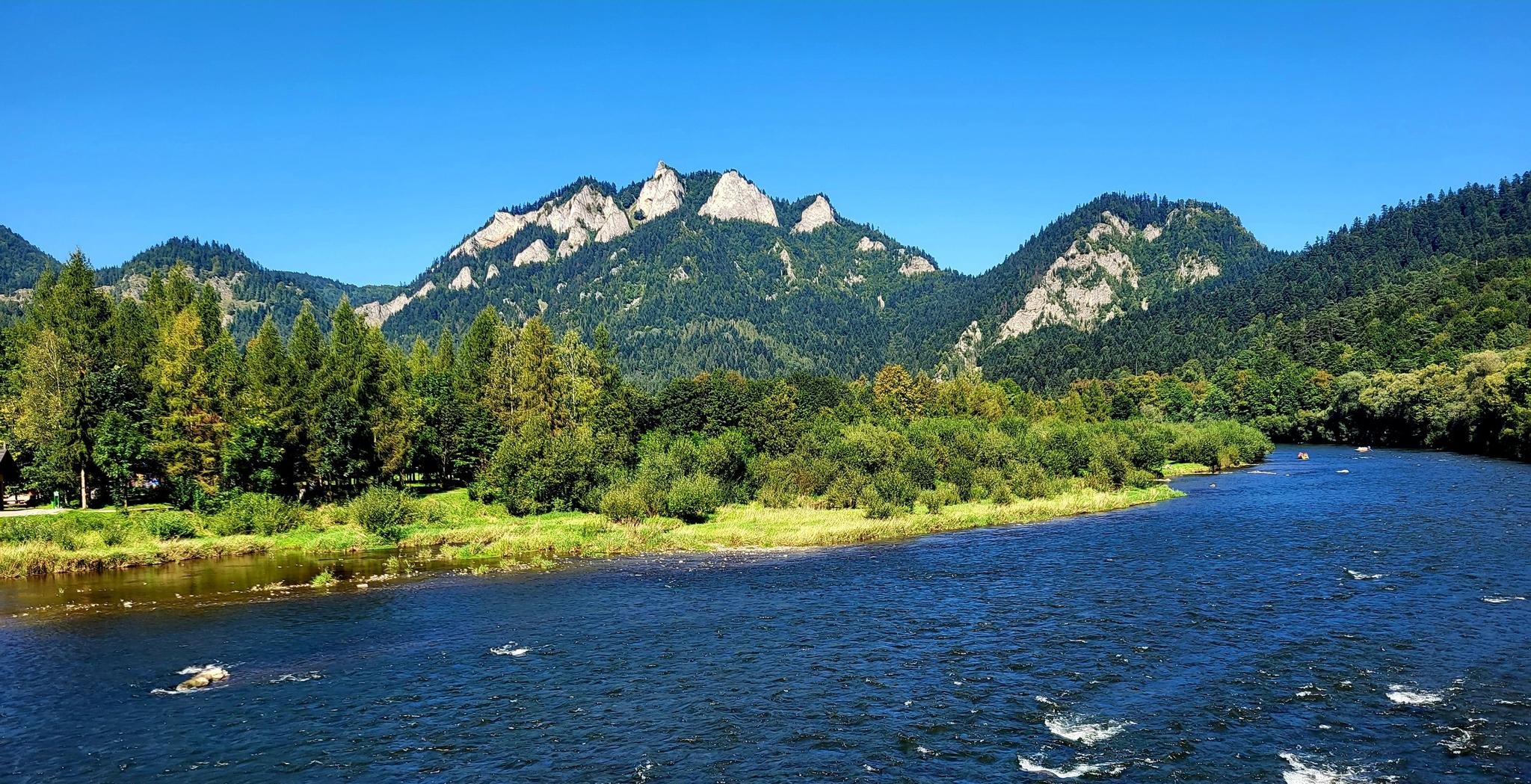
From Zakopane to Nowy Sącz along the river - Velo Dunajec
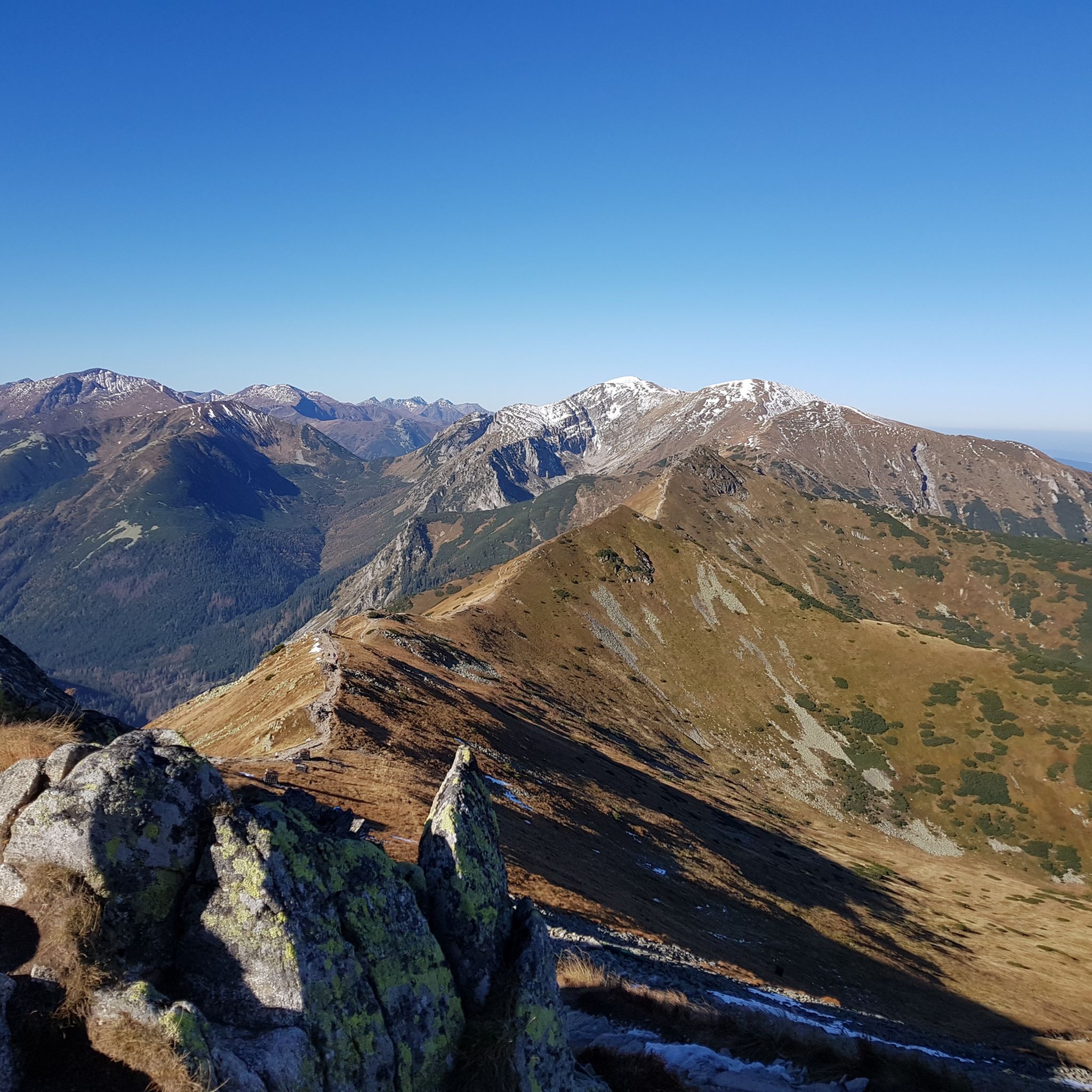
Hiking around powiat tatrzański
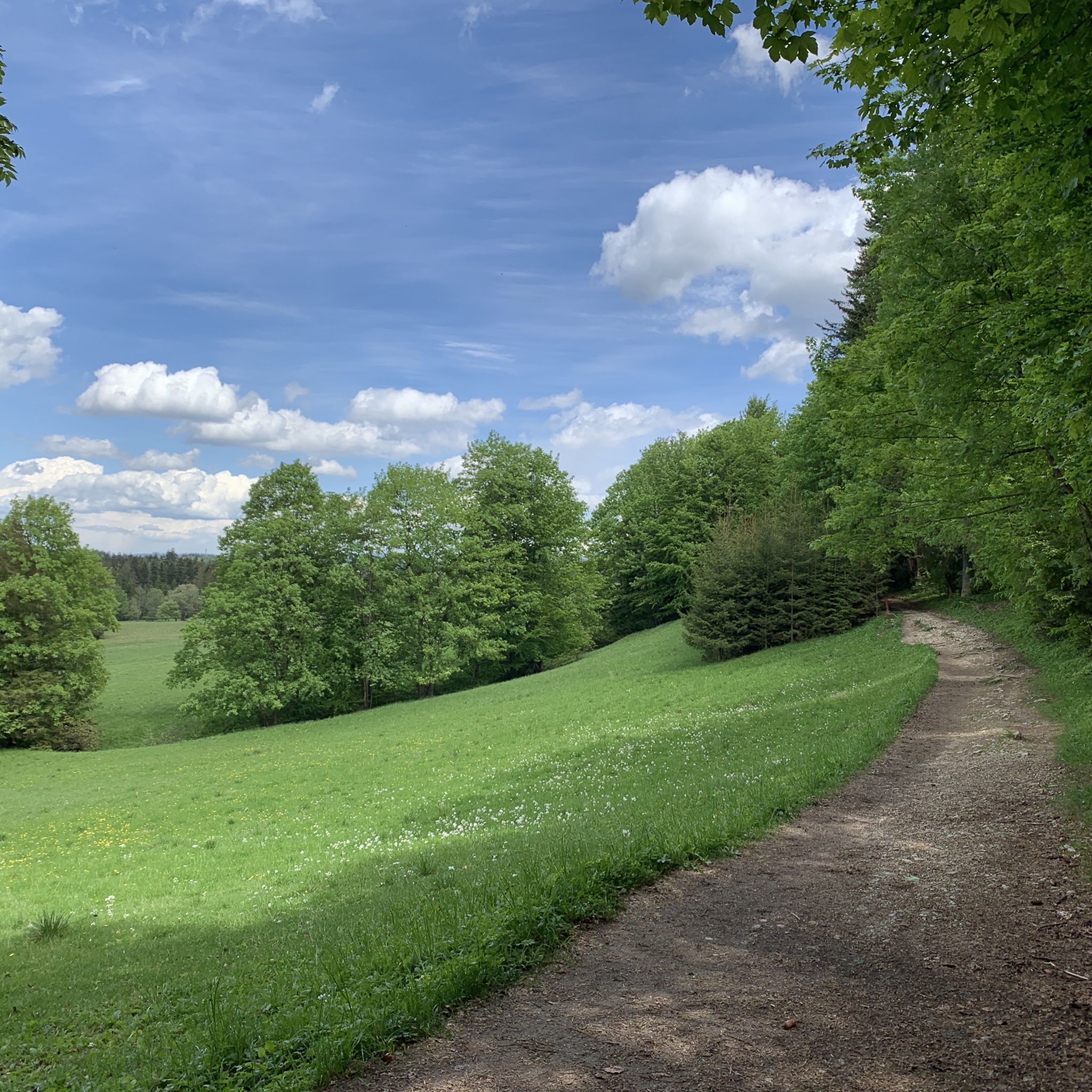
MTB Trails around powiat tatrzański
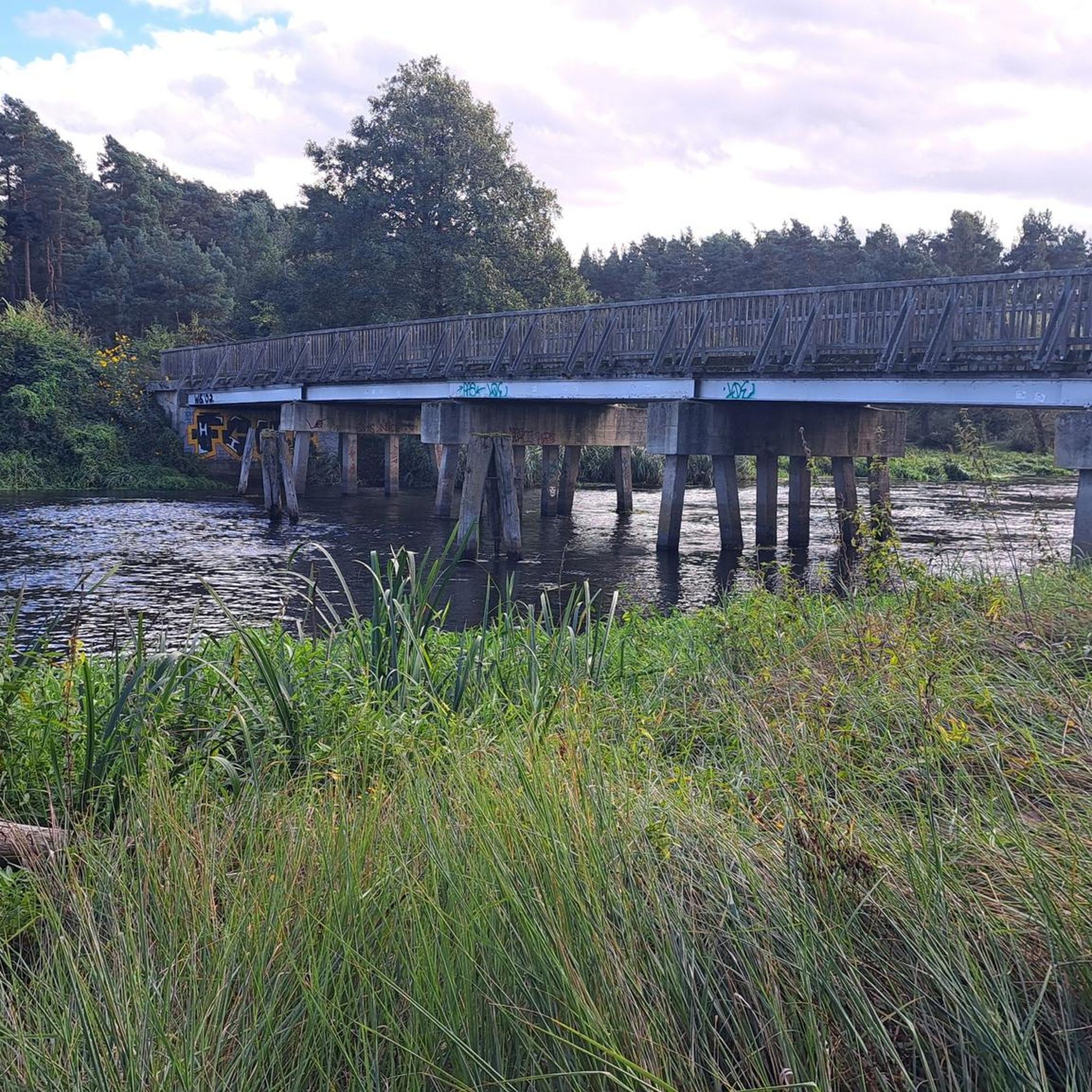
Mountain Hikes around powiat tatrzański
Road Cycling Routes around powiat tatrzański
Running Trails around powiat tatrzański
Cycling around powiat tatrzański
Gravel biking around powiat tatrzański
Other adventures around powiat tatrzański

Tips from the Community

You have to pay 11 zl to access the cave, either at the park entrance or at the cave entrance, but they only accept cash there
0
0
Very nice cave, though expect some crawling as the ceiling is very very low in some spots
0
0

It's worth going there, but remember that the Cave itself is unlit, wet in places, and very cramped... and it was used as a location for shots for the new Mr. Kleks.
0
0

A beautiful rock, it makes an amazing impression on the way back from the clearing
0
0

Wielka Polana Małołącka is a mountain clearing in the Mała Łąka Valley. It lies at an altitude of 1,170–1,200 m. It was formed on the site of a former glacial lake, which eventually filled with erosion sediments carried down from the mountains by flowing waters. It is known for its panoramic views and the view of Giewont.
2
0

This rock at an altitude of 987m above sea level is made of dolomite. There are two small caves in the rock, called "shelters". The rock was named after Father Józef Leopold Kmietowicz, the leader of the Chochołów Uprising of 1846. You will also find a commemorative plaque here commemorating all the participants of that uprising. There are a few rocks here worth seeing. It is worth leaving your bike somewhere and taking a closer look.
0
0
This rock at an altitude of 987m above sea level is made of dolomite. There are two small caves in the rock, called "shelters". The rock was named after Father Józef Leopold Kmietowicz, the leader of the Chochołów Uprising of 1846. You will also find a commemorative plaque here commemorating all the participants of this uprising.
0
0

The Mylna Cave (Mad Cave) is a 1630 meter long cave labyrinth with two entrances. A red marked hiking trail runs through the cave, which you should always walk in one direction. From the southern entrance to the northern exit.
1
0
Frequently Asked Questions
Which caves in Powiat Tatrzański are most popular for visitors?
Visitors often enjoy a range of caves, from managed tourist routes to more adventurous explorations. Mroźna Cave is popular for its unique 'frosty' appearance and well-maintained path. For a more challenging experience, Mylna Cave offers a labyrinthine system, while Dragon's Cave is known for its challenging ascent and great views. Dziura Cave is also a notable spot, known as Loch Cave, requiring good lighting for exploration.
What is the difficulty level of caving in Powiat Tatrzański?
The difficulty varies significantly. Some caves, like Mroźna Cave, have a tourist path that requires stooping in places but is generally manageable. Others, such as Mylna Cave and Raptawicka Cave, are more adventurous, involving crawling, climbing with chains, and navigating narrow passages. Dragon's Cave also presents a challenging ascent with ladders and chains. Good physical fitness and surefootedness are often required.
Do I need special equipment to explore caves in Powiat Tatrzański?
Yes, essential equipment includes sturdy, comfortable shoes, warm clothing (as cave temperatures are consistently low, around 6°C), and a reliable light source. For unlit caves like Mroźna Cave (since 2023), Mylna Cave, and Raptawicka Cave, a headlamp is highly recommended, and for Mylna, at least two strong light sources per person are advised. Old clothes that can get dirty are also a good idea for more adventurous caves.
Are there family-friendly caves in Powiat Tatrzański?
While many caves in the region require a degree of physical fitness and can be challenging, some might be suitable for families with older children who are comfortable with stooping and navigating uneven terrain. Mroźna Cave, with its one-way tourist path, could be an option, provided everyone has their own light source and is prepared for cool temperatures and some low passages. However, caves like Mylna Cave and Raptawicka Cave are generally considered more adventurous and less suitable for young children.
What are the opening hours and entry fees for caves in Powiat Tatrzański?
Most caves are located within the Tatra National Park, so an entrance fee to the park is required. For specific caves, like Mroźna Cave, it is typically open from May to October, from 9:00 a.m. to 5:00 p.m., with tickets available at the entrance. Other caves like Mylna Cave and Raptawicka Cave generally have free entrance and no restrictions on visiting times, but always check local conditions and park regulations before your visit. You can find more information about Mroźna Cave at visitmalopolska.pl.
What is the best time of year to visit the caves in Powiat Tatrzański?
The best time to visit is generally from May to October, as many caves, including Mroźna Cave, are open during this period. During these months, the weather outside is milder, making the approach to the caves more pleasant, though the caves themselves maintain a constant cool temperature. Winter caving options are limited due to snow and ice making access difficult or impossible for most tourist caves.
What natural features can I expect to see inside the caves?
The caves in Powiat Tatrzański offer diverse natural features. Mroźna Cave is known for its impressive calcite formations and its 'frosty' appearance. Mylna Cave features an extensive labyrinthine system of galleries and unique 'windows' offering glimpses of the surrounding landscape. Raptawicka Cave boasts capacious chambers, with its main chamber often illuminated by natural light. The region's geological makeup contributes to a rich network of karst formations.
Are there hiking trails near the caves in Powiat Tatrzański?
Yes, many caves are nestled within the picturesque Kościeliska Valley, which is a popular area for hiking. For example, Dragon's Cave is part of a trail that involves crossing a torrent bed. Kraków Gorge, which contains Smocza Jama (Dragon's Den), is also integrated into scenic hikes. You can find various hiking options in the area, including moderate to difficult trails, by exploring the Hiking around powiat tatrzański guide.
What other outdoor activities can I do near these caves?
Beyond caving and hiking, the Tatra Mountains offer a wide range of outdoor activities. You can explore numerous running trails, from moderate to difficult, as detailed in the Running Trails around powiat tatrzański guide. For more challenging adventures, there are also mountain hikes available, which you can discover in the Mountain Hikes around powiat tatrzański guide.
Which caves are located in the Kościeliska Valley?
Many of the most notable and accessible caves in Powiat Tatrzański are found within the Kościeliska Valley. These include Mroźna Cave, Mylna Cave, Raptawicka Cave, and Smocza Jama (Dragon's Den) within the Kraków Gorge. These caves offer a diverse range of experiences within a relatively concentrated area.
Are there any historical sites associated with the caves?
While the caves themselves are primarily natural features, the region does have historical points of interest. For example, Kmietowicz Rock, which contains two small 'shelter' caves, is a significant historical site. It is named after Father Józef Leopold Kmietowicz, a leader of the Chochołów Uprising of 1846, and features a commemorative plaque.
How long does it take to explore the caves?
The exploration time varies by cave. For Mroźna Cave, the tourist path is approximately 511 to 570 meters long and typically takes about 30-40 minutes to traverse. Shorter caves like Smocza Jama (Dragon's Den) are around 40 meters long and can be explored in about 10 minutes. More extensive and adventurous caves like Mylna Cave, with its 1600+ meters of passages, will require significantly more time, depending on your pace and exploration depth.
Most popular routes around powiat tatrzański
Most popular attractions around powiat tatrzański

Get inspired with the komoot mobile app


Didn’t find what you were looking for?
Discover more caves around powiat tatrzański region by region:
Explore more
Extend your search for the best caves by checking out these guides of the top ones around powiat tatrzański:
