Top 7 Castles around Toruń
Castles around Toruń provide insights into the region's medieval history and strategic significance. The city, located on the Vistula River, features remnants of both Teutonic and Polish strongholds. These historical sites are situated within a landscape that reflects centuries of territorial shifts and military importance. The area offers a variety of historical structures for exploration.
Best castles around Toruń
- The most popular castles is Teutonic Castle in Bierzgłowski Castle, a castle built between 1232 and 1270 by the Teutonic…
Last updated: August 12, 2026
Teutonic Castle in Bierzgłowski Castle
Highlight • Castle
Translated by Google •
Tip by

Fort IV Stanisława Żółkiewskiego (Toruń Fortress)
Highlight • Historical Site
Translated by Google •
Tip by

Sign up now to discover places like this
Get recommendations on the best single tracks, peaks, & plenty of other exciting outdoor places.
Sign up for free
Teutonic Bus Shelter at Bierzgłowski Castle
Highlight • Structure
Translated by Google •
Tip by

Bishop's Castle Ruins
Highlight • Castle
Translated by Google •
Tip by

Picnic Area at Bierzgłowski Castle
Highlight • Rest Area
Translated by Google •
Tip by
Fort II Stefana Czarnieckiego, Toruń Fortress
Highlight • Historical Site
Translated by Google •
Tip by
Fort VII Tadeusz Kościuszko – Nazi Prison Memorial, Toruń
Highlight • Historical Site
Translated by Google •
Tip by
Fort VIII Kazimierza Wielkiego, Toruń Fortress
Highlight • Historical Site
Translated by Google •
Tip by
Start today with a free account
Your next adventure awaits.
Login or Signup

Tips from the Community

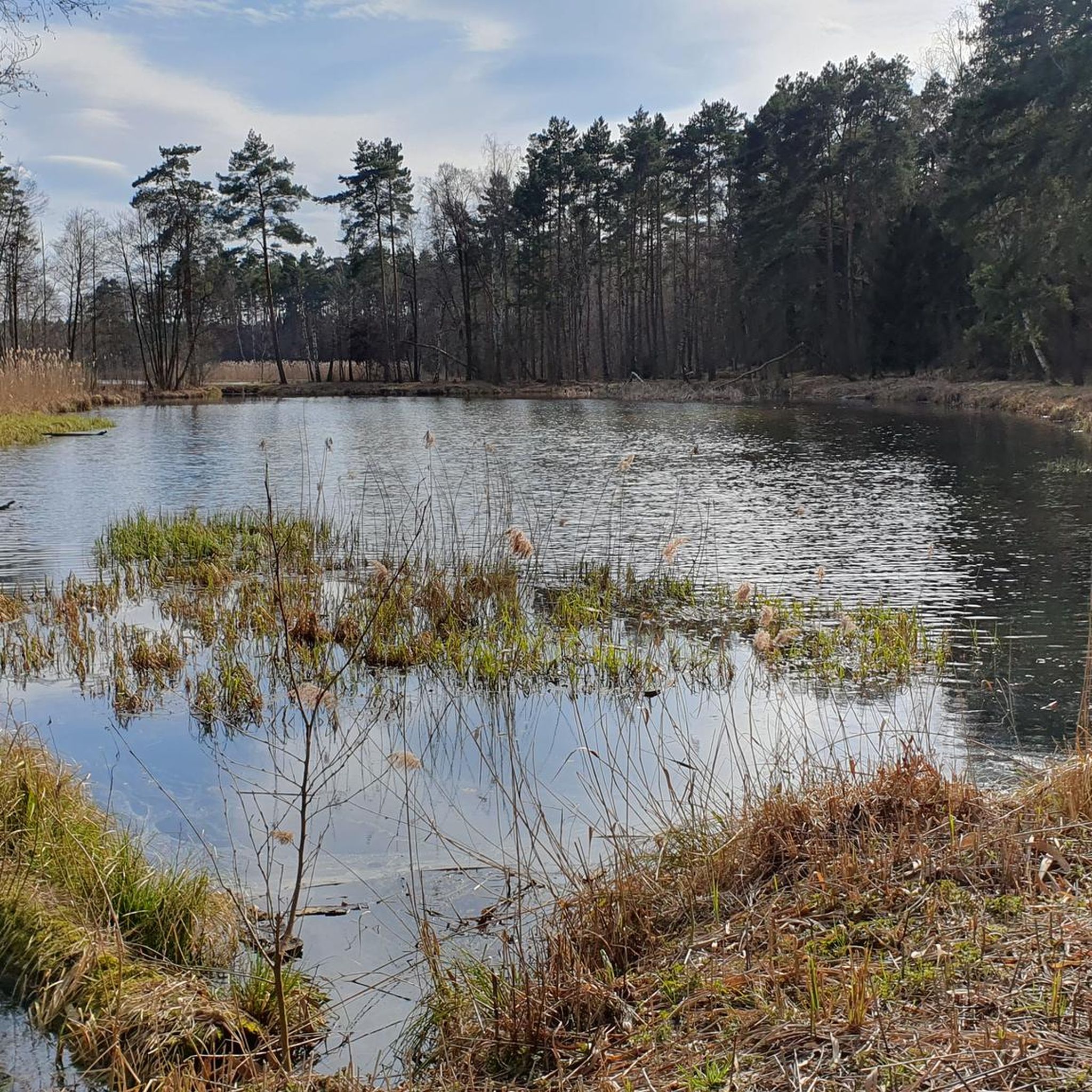
Ruins of the castle of the bishops of Włocławek in Raciążek, the history of the castle dates back to the turn of the 13th and 14th centuries, since then the castle has been destroyed and rebuilt many times, finally demolished by the Prussian authorities in 1804. From the cape of the Vistula escarpment, on which it stands, there is a beautiful view of the Vistula valley and Ciechocinek.
0
0

The castle has an open chapel on the first floor.
0
0

An example of what can be done with an ordinary bus stop
0
0

Bus stop at the Bierzgłowski Castle
0
0
The square at Bierzgłowski Castle
0
0

see TORUŃ FORTRESS https://www.komoot.com/pl-pl/tour/1947728855
0
0
see TORUŃ FORTRESS https://www.komoot.com/pl-pl/tour/1947728855
0
0
see TORUŃ FORTRESS https://www.komoot.com/pl-pl/tour/1947728855
0
0
Frequently Asked Questions
What is the historical significance of castles around Toruń?
The castles around Toruń offer a deep dive into the region's medieval history, showcasing both Teutonic and Polish strongholds. They reflect centuries of strategic importance and territorial shifts, particularly along the Vistula River. The ruins of the original Teutonic Knight Castle, for instance, are part of the Medieval Town of Toruń, a UNESCO World Heritage Site, highlighting the origins of the Teutonic Order's presence.
Can I visit the ruins of the original Teutonic Knight Castle in Toruń?
Yes, the ruins of the Teutonic Knight Castle are open to visitors. This 13th-14th century horseshoe-shaped castle was one of the first built by the Teutonic Order in Chełmno Land. You can explore the well-preserved garderobe tower (dansker) and cellars, which house exhibits on the castle's history. The ruins also serve as a backdrop for cultural events and reenactments.
What is Dybowski Castle, and what makes it unique?
Dybowski Castle was built by King Władysław Jagiełło between 1424 and 1428 as a Polish military outpost opposite Teutonic-governed Toruń. It served as a royal seat and customs chamber. Unique for its strategic role against the Teutonic Order, its ruins are freely accessible at any time, allowing for immersive exploration. It's also situated on the Vistula's bank, offering picturesque views and is part of a bicycle trail.
Are there any family-friendly castles or activities near Toruń?
Yes, several locations offer family-friendly aspects. The Teutonic Castle in Bierzgłowski Castle has a picnic area at the Diocesan Cultural Center, suitable for tourist camps and bonfires. While the main castle itself is a historical site, the surrounding area provides space for family activities. The Teutonic Knight Castle ruins in Toruń also occasionally host historic reenactments and cultural events that can be engaging for families.
What kind of outdoor activities can I do near the castles around Toruń?
The area around Toruń's castles is great for outdoor activities. You can find various routes for mountain biking, cycling, and hiking. For example, there are MTB trails like the 'Ostrowickie Lake – Forest Gravel Path loop' and cycling routes such as the 'Vistula River Oxbows – Medieval Town of Toruń loop'. For easier walks, explore routes like the 'Ciechocinek Spa Park loop'. You can find more details on these activities in the MTB Trails around Toruń, Cycling around Toruń, and Easy hikes around Toruń guides.
Are there hiking trails near these castles?
Yes, there are several hiking opportunities. While the castles themselves are historical sites, nearby areas offer trails. For instance, the ruins of Dybowski Castle are part of a bicycle trail, which can also be used for walking. For dedicated hiking, you can explore routes listed in the Easy hikes around Toruń guide, which includes paths like the 'Medieval Town of Torun – Toruń Town Hall Tower loop'.
How can I reach Dybowski Castle using public transport?
Dybowski Castle is located on the left bank of the Vistula River, opposite Toruń. While specific public transport routes directly to the ruins might vary, it is generally accessible from Toruń. It's advisable to check local bus schedules or consider a short taxi ride from the city center. Its location on a bicycle trail also makes it reachable by bike.
Is there parking available at the castles?
Parking availability varies by castle. For the Teutonic Castle in Bierzgłowski Castle, there is parking available. Dybowski Castle, being freely accessible ruins, typically has nearby areas where visitors can park. For the various forts around Toruń, parking might be more limited or require specific local information, so it's best to check ahead for each specific fort.
What is the best time of year to visit the castles around Toruń?
The best time to visit the castles around Toruń is generally during the spring (April-May) and autumn (September-October) months. The weather is usually mild and pleasant for exploring ruins and walking nearby trails. Summer (June-August) is also popular, though it can be warmer. Winter visits are possible, but some outdoor areas might be less comfortable due to cold weather, though the historical sites themselves remain accessible.
Are the castles around Toruń accessible for visitors with wheelchairs?
Accessibility for wheelchairs can be challenging, especially at older ruins. The Teutonic Bus Shelter at Bierzgłowski Castle is noted as wheelchair accessible, but this refers to the shelter itself, not necessarily the entire castle ruins. Dybowski Castle, as an open ruin, might have uneven terrain. For specific accessibility details, it's recommended to contact the individual sites directly before your visit.
Can I bring my dog to the castles or on nearby trails?
Dog access policies vary. While many outdoor trails and open ruin sites like Dybowski Castle might allow dogs on a leash, specific rules for managed historical sites or interiors of castles like Teutonic Castle in Bierzgłowski Castle can differ. It's always best to check the specific site's regulations beforehand to ensure a smooth visit with your pet.
Where can I find amenities like cafes or accommodation near the castles?
Toruń city center offers a wide range of cafes, pubs, and accommodation options. Near specific castles, amenities might be more limited. For instance, the Teutonic Castle in Bierzgłowski Castle has a Diocesan Cultural Center that might offer facilities. For Dybowski Castle, being close to Toruń, you'd likely find amenities in the city itself or nearby settlements. It's recommended to plan your stops for food and lodging in Toruń or larger towns in the region.
What are some other notable historical fortifications besides medieval castles in the Toruń area?
Beyond medieval castles, Toruń is also known for its extensive fortress system. You can explore sites like Fort IV Stanisława Żółkiewskiego (Toruń Fortress), an artillery fort built in the late 19th century to protect railway stations. Another significant site is Fort VII Tadeusz Kościuszko – Nazi Prison Memorial, Toruń, which served as a main artillery fort and later as a Nazi prison. These forts offer a different perspective on the region's military history.
Are there any scenic viewpoints near the castles around Toruń?
Yes, the location of some castles offers scenic views. Dybowski Castle, situated on the Vistula's bank, provides attractive views of the river and the surrounding landscape. The original Teutonic Knight Castle ruins in Toruń, being part of the historic city, also offer picturesque settings. Exploring the trails and routes around Toruń, as detailed in the Cycling around Toruń guide, can lead you to various viewpoints, including those overlooking the Vistula River and the city's historic skyline.
Most popular routes around Toruń
Most popular attractions around Toruń

Get inspired with the komoot mobile app


Didn’t find what you were looking for?
Explore Toruń’s best castles region by region:
Explore more
Looking for the best castles somewhere else? Discover other guides around Toruń:
