The 11 Most Amazing Peaks in Shasta-Trinity National Forest
Best mountain peaks in Shasta-Trinity National Forest, the largest National Forest in California, offer a diverse range of experiences from challenging climbs to scenic hikes. This region is characterized by its dramatic elevation changes, including prominent stratovolcanoes and the highest points of the Klamath Mountains. The landscape features glaciers, alpine lakes, and unique geological formations, providing varied terrain for exploration.
Best mountain peaks in Shasta-Trinity National Forest
- The most popular mountain peaks is Mt Shasta summit 🌋 (4321m), a…
Last updated: May 31, 2026
Mt Shasta summit 🌋 (4321m)
Highlight • Summit
For a winter snowshoe/crampon ascent route via Casaval Ridge and descent via standard Avalanche Gulch route see: komoot.com/tour/9090975
For an AT ski ascent …
Tip by

Black Butte Summit
Highlight • Summit
Tip by

Sign up now to discover places like this
Get recommendations on the best single tracks, peaks, & plenty of other exciting outdoor places.
Sign up for free
Mt. Shasta Climb
Highlight (Segment) • Climb
Tip by

Avalanche Gulch 🌋 Mt Shasta
Highlight • Climb
Tip by
Clear Creek Trail - TrailHead to Springs
Highlight (Segment) • Trail
Tip by
Sign up for free to discover even more peaks in Shasta-Trinity National Forest.
Sign up for free
Already have an account?
Start today with a free account
Your next adventure awaits.
Login or Signup
Popular around Shasta-Trinity National Forest
Bigfoot Trail — Exploring the remote Klamath Mountains
The tour of your life – music trails on the Pacific coast
Hiking in Shasta-Trinity National Forest
Cycling in Shasta-Trinity National Forest
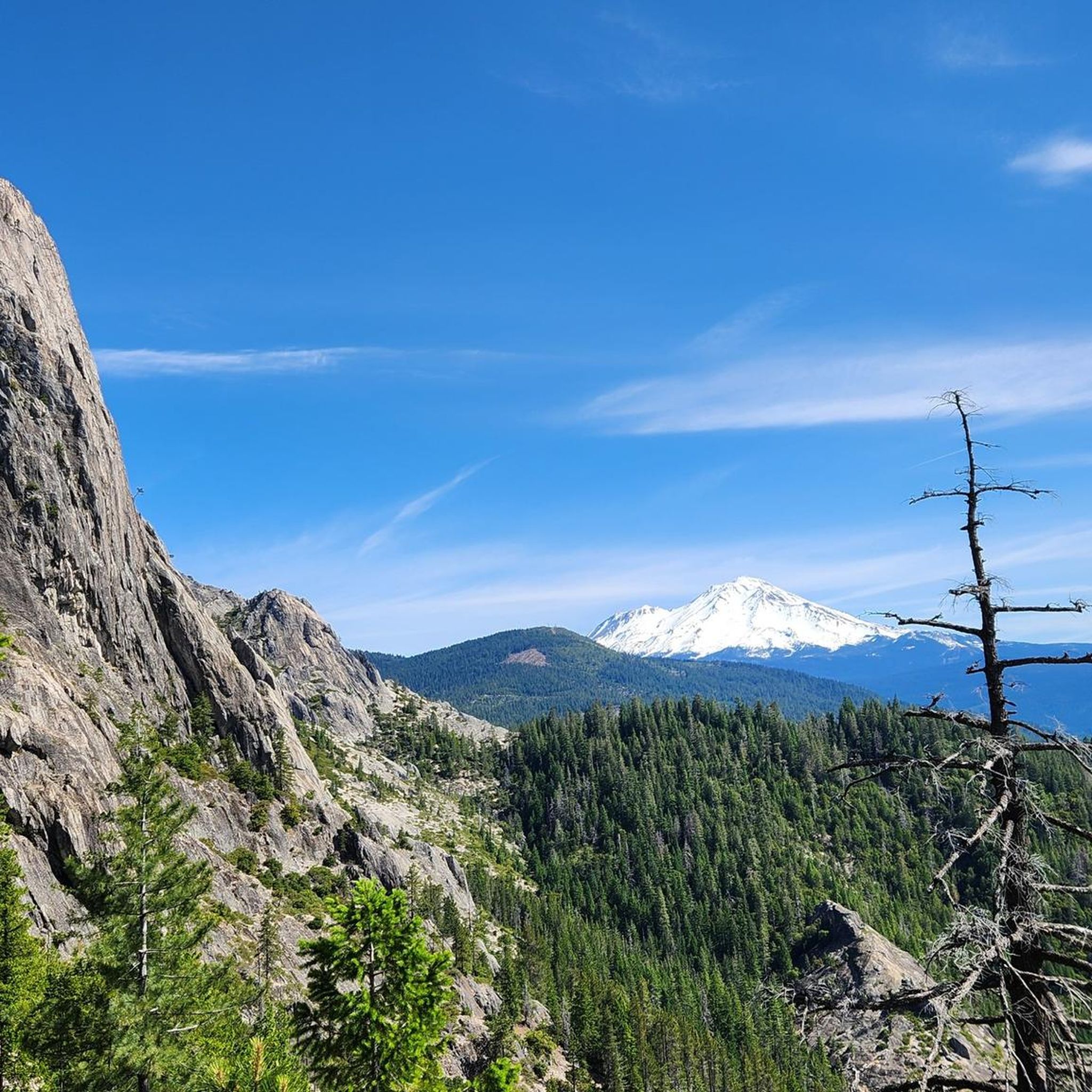
Road Cycling Routes in Shasta-Trinity National Forest
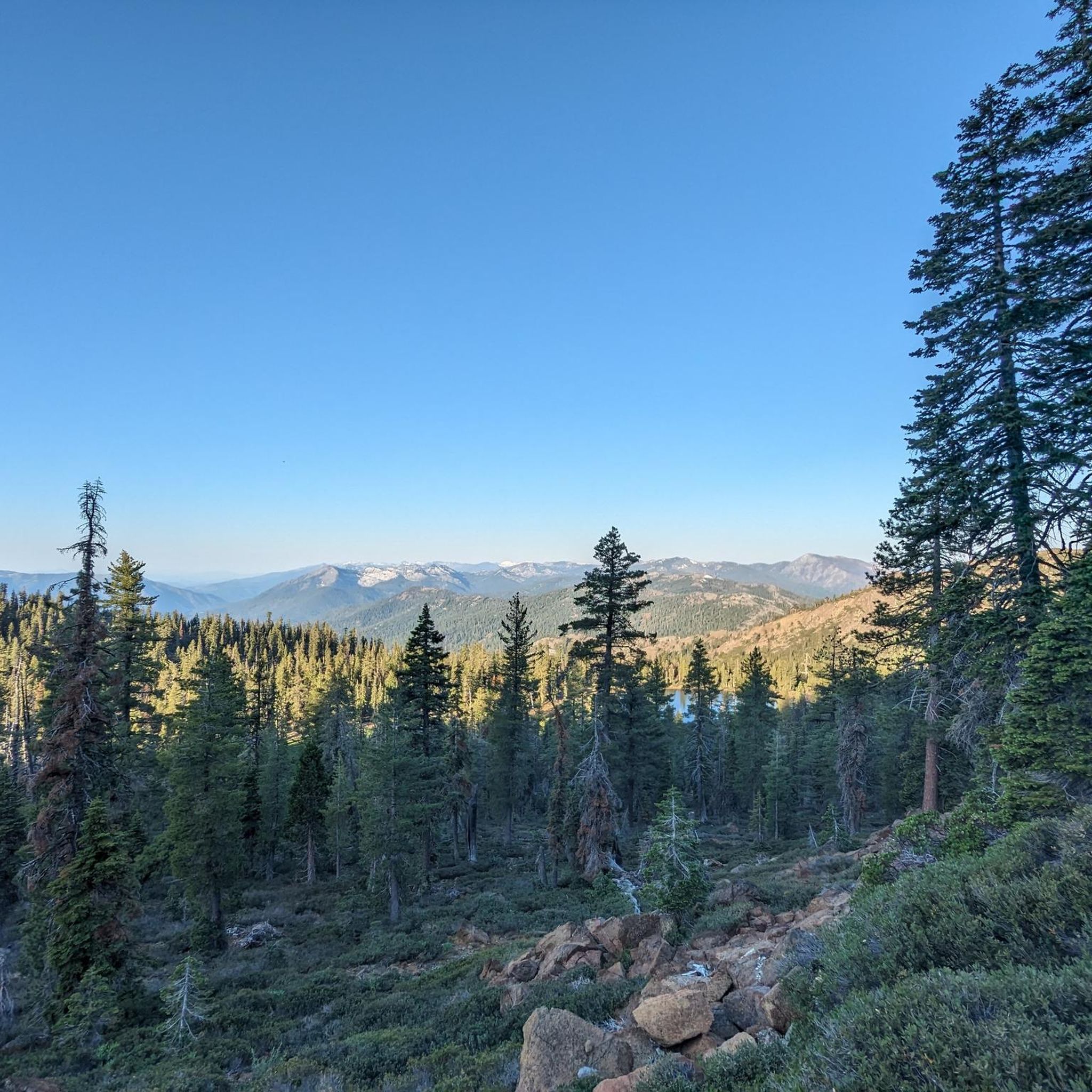
Running Trails in Shasta-Trinity National Forest

MTB Trails in Shasta-Trinity National Forest
Other adventures in Shasta-Trinity National Forest


Tips from the Community

Climbing towards Mount Shasta via the Everett Memorial Highway is a long, steady ascent offering increasingly dramatic, close-up views of this iconic volcano. Prepare for a sustained climb averaging a consistent 5.6-5.8% over approximately 11.5 miles to reach the Bunny Flat Trailhead area near 7,900ft which will see you gaining nearly 4,000ft from near town. The journey to the top of this Fourteener sees you climb through forests opening up to spectacular mountain vistas on generally good surfaces with light traffic.
0
0

Though it might pale in comparison to Mount Shasta's grandeur, Black Butte is still a prominent landmark in southern Siskiyou County and it definitely captivates drivers with its conical shape as they approach it on Interstate 5. Hiking it to the top will allow you to get acquainted with its particular surface formed from viscous lava and it will also unveil the well-kept secret of its lush northern valley.
1
0

This is the complete trail from the Trailhead to the Clear Creek springs. After registering at the trailhead and paying the fee for climbing over 10'000 feet elevation the trail climbs gradually through pine forest along the canyon rim to the source of the creek. The best, and only, source of water along the entire trail. From there several more faint tracks climb steeply to the summit.
0
0
In the fall you can literally hike up to the summit of this tallest free-standing mountain in the lower US via the eastern route without climbing or any snow. The standard Avalanche Gulch route would be too dangerous without snow due to frequent life-threatening rockfall.
2
1
Avalanche Gulch is the standard route to climb Mt Shasta, typically done in spring/early summer as long as snow holds the loose rocks in place that pose a severe rock fall danger (helmets are essential here). Most people camp around 10000 feet at Lake Helen on Day 1 and summit the next morning. For a winter route climbing from Horse Camp via Casaval Ridge and descending via Avalanche Gulch see: https://www.komoot.com/tour/9090975
0
0
Tallest free standing Cascade volcano in California. For a winter snowshoe/crampon ascent route via Casaval Ridge and descent via standard Avalanche Gulch route see: https://www.komoot.com/tour/9090975 For an AT ski ascent and descent via West Face see: https://www.komoot.com/tour/9089213 For the least technical snow-free route via Clear Creek Trail see https://www.komoot.com/tour/277653983
2
0
Mount Shasta (Karuk: Úytaahkoo or "White Mountain") is a potentially active volcano located at the southern end of the Cascade Range in Siskiyou County, California. At an elevation of 14,179 feet (4321.8 m), it is the second highest peak in the Cascades and the fifth highest in California. Mount Shasta has an estimated volume of 85 cubic miles (350 km3), which makes it the most voluminous stratovolcano in the Cascade Volcanic Arc. Shasta dominates the northern California landscape. It rises abruptly and stands nearly 10,000 ft (3,000 m) above the surrounding terrain. On a clear winter day, snowy Mount Shasta can be seen from the floor of the Central Valley 140 miles (230 km) to the south. The mountain consists of four overlapping volcanic cones that have built a complex shape, including the main summit and the prominent satellite cone of 12,330 ft (3,760 m) Shastina, which has a visibly conical form. If Shastina were a separate mountain, it would rank as the fourth-highest peak of the Cascade Range (after Mount Rainier, Rainier's Liberty Cap, and Mount Shasta itself). Mount Shasta's surface is relatively free of deep glacial erosion except, paradoxically, for its south side where Sargents Ridge runs parallel to the U-shaped Avalanche Gulch. This is the largest glacial valley on the volcano, although it does not presently have a glacier in it. There are seven named glaciers on Mount Shasta, with the four largest (Whitney, Bolam, Hotlum, and Wintun) radiating down from high on the main summit cone to below 10,000 ft (3,000 m) primarily on the north and east sides. The Whitney Glacier is the longest, and the Hotlum is the most voluminous glacier in the state of California. Three of the smaller named glaciers occupy cirques near and above 11,000 ft (3,400 m) on the south and southeast sides, including the Watkins, Konwakiton, and Mud Creek glaciers. https://en.wikipedia.org/wiki/Mount_Shasta
1
0
Frequently Asked Questions
What are the most popular mountain peaks in Shasta-Trinity National Forest?
The most popular mountain peak is Mt Shasta summit 🌋 (4321m), a prominent stratovolcano and the second-highest peak in the Cascade Range. Another highly regarded spot is Black Butte Summit, known for its unique surface and views. For climbers, Avalanche Gulch 🌋 Mt Shasta is a challenging and popular route.
What makes Mount Shasta a significant peak to visit?
Mount Shasta is a dominant stratovolcano standing at 14,179 feet, making it the second-highest peak in the Cascade Range. It features seven named glaciers, including the longest, Whitney Glacier, and is often visible from 140 miles away. Beyond its natural grandeur, Mount Shasta holds significant spiritual importance for various indigenous tribes.
What unique features can I find on Mount Eddy?
Mount Eddy, at 9,026 feet, is the highest summit in California's Klamath Mountains. It offers spectacular panoramic views of Mount Shasta, the Trinity Alps, and even Lassen Peak. The peak is also known for its scenic alpine lakes, lush meadows, unique plant life, and distinctive bright multi-hued peridotite rock formations.
Are there challenging climbs available in Shasta-Trinity National Forest?
Yes, the region offers several challenging climbs. The standard route for climbing Mount Shasta is Avalanche Gulch 🌋 Mt Shasta, which is typically undertaken in spring or early summer. Another challenging ascent is the Mt. Shasta Climb via Everett Memorial Highway, gaining nearly 4,000 feet in elevation.
What is the best time to visit the mountain peaks in Shasta-Trinity National Forest?
The summer climbing season for peaks like Mount Shasta generally runs from late April to October. For general hiking and enjoying alpine lakes, mid-summer is ideal for Mount Eddy, when its meadows are lush and butterflies are abundant. Winter ascents are also possible for experienced climbers on Mount Shasta, but require specialized gear.
Are there family-friendly mountain trails or easier peaks to explore?
While many peaks offer challenging ascents, Mount Eddy provides a relatively less crowded and more accessible experience, making it a good option for introducing people to peak bagging or for family hikes. The standard trail for Mount Eddy is a 9.4-mile round trip with a 2,850-foot elevation gain, considered a Class 1 climb. Additionally, easy hiking trails like the Middle Falls of the McCloud River Trail are available in the wider Shasta-Trinity National Forest area.
What kind of natural features can I expect to see around the mountain peaks?
The mountain peaks in Shasta-Trinity National Forest showcase diverse natural features. Mount Shasta boasts seven named glaciers and a prominent satellite cone, Shastina. Mount Eddy is known for its scenic alpine lakes, lush meadows, and unique peridotite rock. The broader region also offers views of Lassen Peak, an active volcano with hydrothermal features like steaming vents and mud pots.
What outdoor activities can I do near these mountain peaks?
Beyond peak climbing, the area offers a wide range of outdoor activities. You can find excellent hiking trails, including portions of the Pacific Crest Trail near Mount Eddy. There are also numerous mountain biking trails and opportunities for camping, world-class fly-fishing, and water sports like swimming, paddleboarding, and kayaking at Lake Siskiyou.
Do I need permits to climb mountain peaks in Shasta-Trinity National Forest?
For certain climbs, such as those on Mount Shasta that ascend over 10,000 feet elevation, a fee and registration are required. For example, the Clear Creek Trail to the summit requires registration and a fee. It's always advisable to check with the Shasta-Trinity National Forest service for the latest permit requirements before your trip.
Where can I find the best panoramic views of the region?
Mount Eddy's summit offers spectacular panoramic views, allowing you to see Mount Shasta, the Trinity Alps, Castle Crags, Mount McLaughlin in Oregon, and Lassen Peak to the south. Black Butte Summit also provides excellent views of its northern valley and the surrounding landscape.
Are there any specific hiking routes recommended for Mount Shasta?
The most common route for climbing Mount Shasta is Avalanche Gulch 🌋 Mt Shasta, typically done in spring or early summer. Another option is the Clear Creek Trail, which offers a gradual climb through pine forest along the canyon rim. For more detailed hiking options, you can explore the Hiking in Shasta-Trinity National Forest guide.
Most popular routes in Shasta-Trinity National Forest
Most popular attractions in Shasta-Trinity National Forest

Get inspired with the komoot mobile app


Explore more
See even more amazing summits in Shasta-Trinity National Forest with these guides:
