Top 6 Huts and Cabins in Great Smoky Mountains National Park
Best huts in Great Smoky Mountains National Park are located within a vast protected area spanning the border of North Carolina and Tennessee. This park is characterized by its ancient mountains, diverse plant and animal life, and remnants of Southern Appalachian mountain culture. It features a dense network of trails, including a significant section of the Appalachian Trail, offering varied terrain and elevations. The park's landscape includes lush forests, numerous waterfalls, and high-elevation peaks.
Best huts in Great Smoky Mountains…
Last updated: October 13, 2026
LeConte Lodge and Appalachian Trail Shelter
Highlight • Mountain Hut
Tip by

Icewater Spring Shelter
Highlight • Mountain Hut
Tip by

Sign up now to discover places like this
Get recommendations on the best single tracks, peaks, & plenty of other exciting outdoor places.
Derrick Knob Shelter
Highlight • Mountain Hut
Translated by Google •
Tip by

Kephart Shelter
Highlight • Mountain Hut
Tip by
Davenport Gap Shelter
Highlight • Mountain Hut
Tip by

Sign up for free to discover even more huts and cabins in Great Smoky Mountains National Park.
Already have an account?
Start today with a free account
Your next adventure awaits.
Popular around Great Smoky Mountains National Park
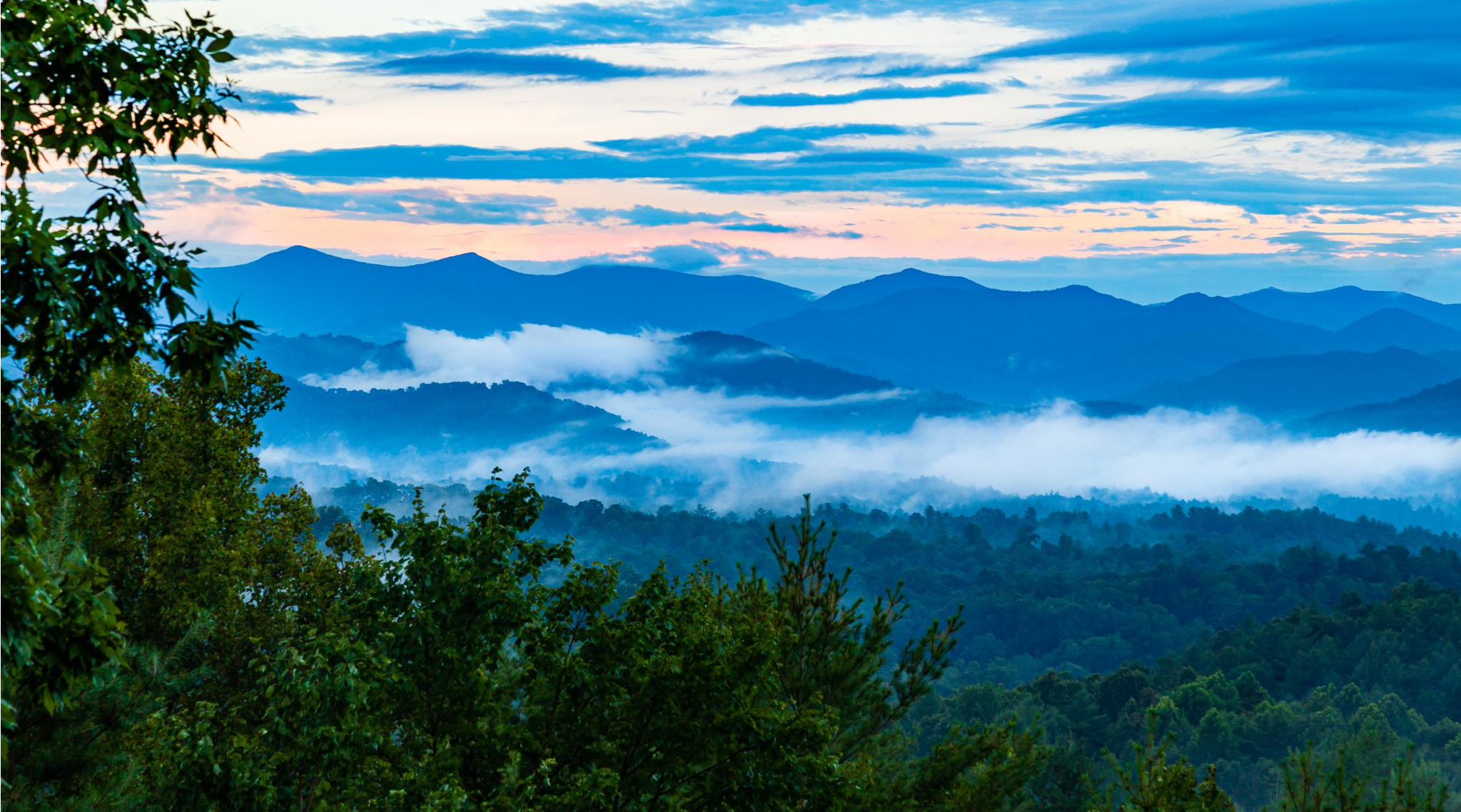
Mountains-to-Sea Trail — An epic adventure from the Smokies to the Atlantic
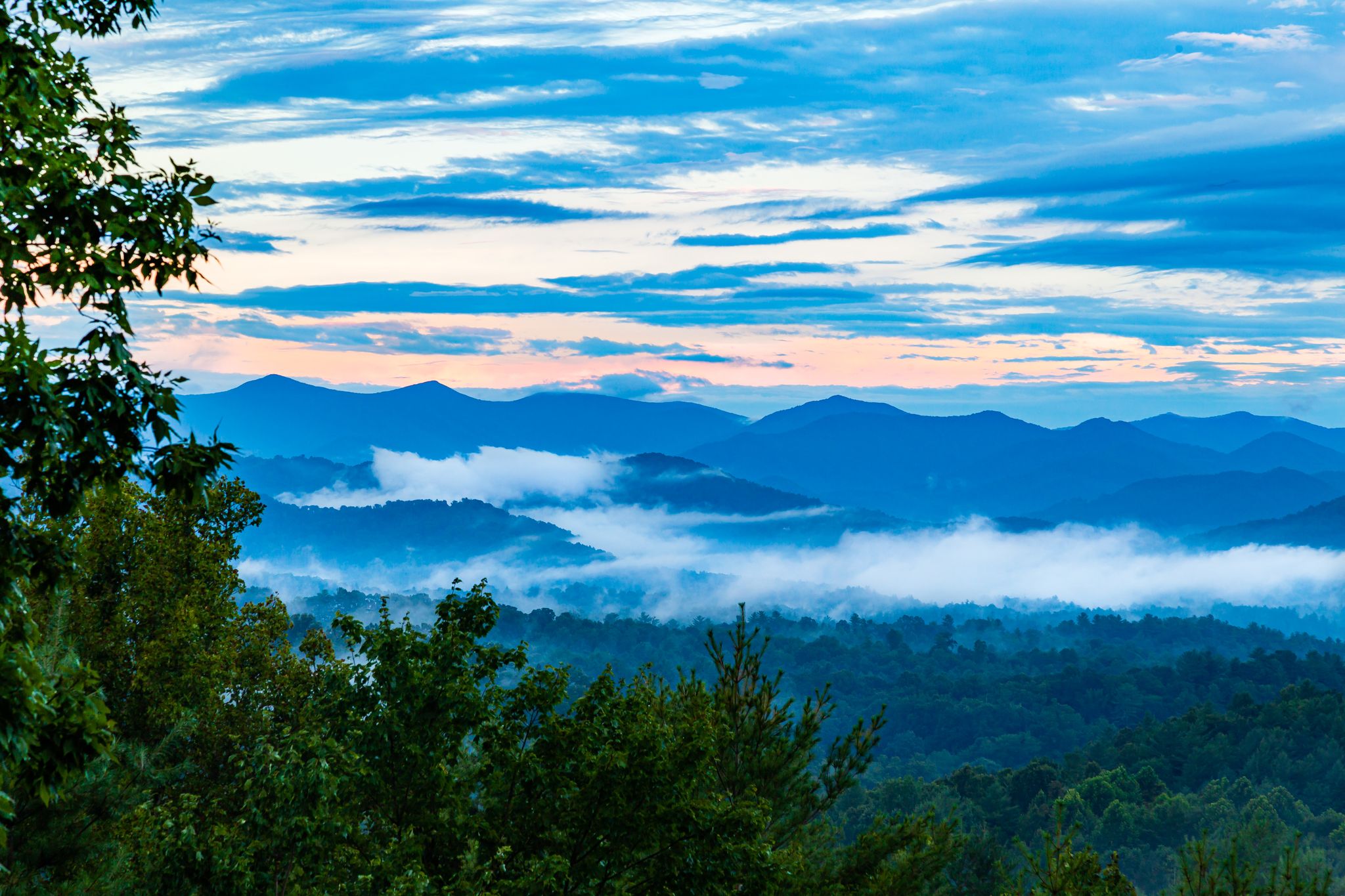
Benton MacKaye Trail — Hiking from Georgia to the Smokies
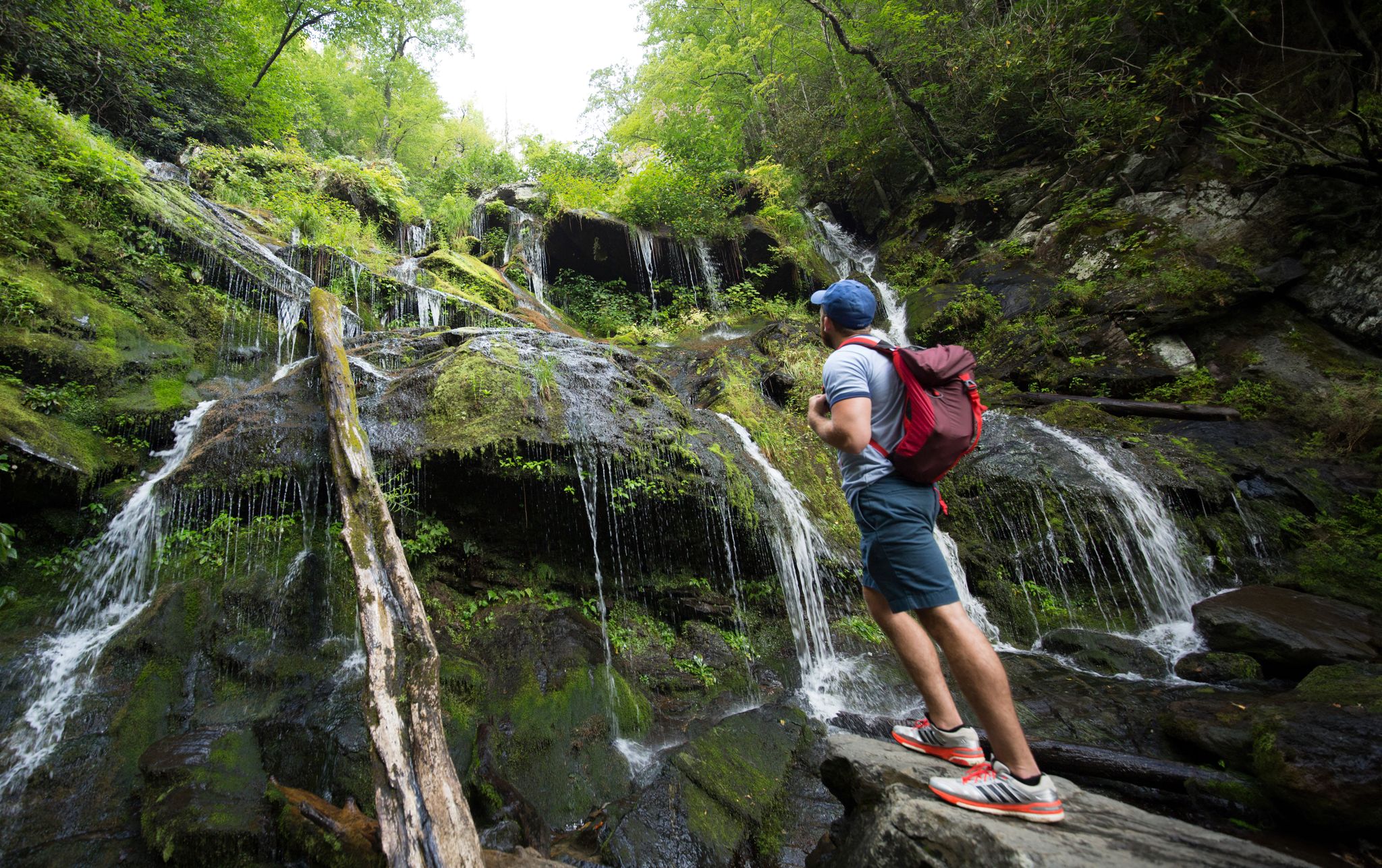
Pure variety on the coast and mountains of the American South
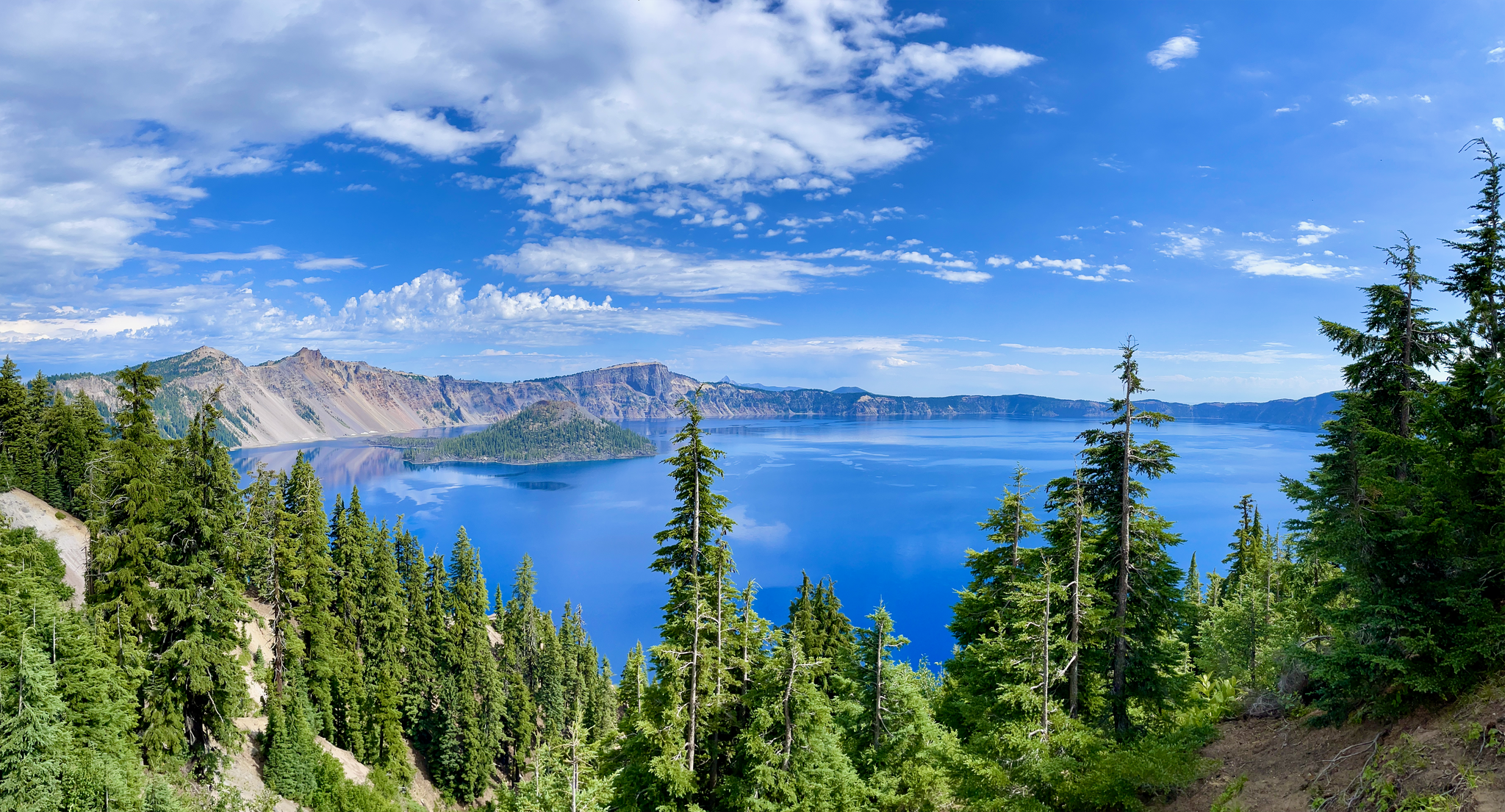
The pristine beauty of the US National Parks
Hiking in Great Smoky Mountains National Park
Cycling in Great Smoky Mountains National Park
Road Cycling Routes in Great Smoky Mountains National Park
Running Trails in Great Smoky Mountains National Park
Other adventures in Great Smoky Mountains National Park


Tips from the Community

A simple but useful shelter on the AT. In comparison to other shelters I've seen this one has a fence to lock out wildlife. Other shelters were more open concept :)
2
0
The Kephart shelter is nothing fancy but does the job like all other shelters in the area. Some of the amenities: Bear cable set up to hang up gear, multiple firepits and a big fireplace in the shelter for the colder nights.
3
0

The hut has room for about 20 people. It is a simple three-wall, single-roof shelter with two sleeping levels made of wood.
4
0

The Icewater Spring Shelter can be reached from the Newfound Gap Road South via the Appalachian Trail (3 miles) and from Kephart Shelter via the Sweat Heifer Creek Trail/Appalachian Trail (5 miles) or via the Dry Sluice Gap Trail and Grassy Branch Trail/Appalachian Trail (5.1 miles).
5
0
In Season 2022, LeConte Lodge is open with modified operations. The dining hall is closed to all day hikers. Sack lunches and snacks are being sold at the gift shop. The 2022 wait list for overnight stay is closed for the season. http://www.lecontelodge.com/
4
0
The Kephart Shelter can be reached from the Newfound Gap Road South via the Kephart Prong Trail (2 miles) and from the Appalachian Trail via the Sweat Heifer Creek Trail (3.8 miles) or via the Dry Sluice Gap Trail and Grassy Branch Trail (3.8 miles).
5
0

Part of a useful network of basic free public shelters in the Smoky Mountains, and onward along the Appalachian Trail long distance hiking route, many without amenities. 189.8 miles from Springer in the South and 2003.2 miles to Katahdin in the North. Next shelter south 6.1 miles. next shelter north 5.7 miles. See the next ones https://tnlandforms.us/at/m.php?wpt=DerrickKn
2
0

The shelter is at almost 1500 m and even in spring the temperatures can drop below -10 ° C at night. Since the Smoky Mountains are unpredictable, you should also pack warm things in spring. Unfortunately, there is no toilet at the shelter as is so often the case in the Smokies.
2
0
Frequently Asked Questions
What types of overnight accommodations are available in Great Smoky Mountains National Park?
Great Smoky Mountains National Park offers a range of backcountry shelters, often referred to as "huts," and one unique lodge. The backcountry shelters are generally rustic, three-sided structures providing basic protection from the elements. The park's only permanent lodging facility is LeConte Lodge, which offers a more comfortable, albeit still remote, experience with cabins and meals.
How do I reserve a backcountry shelter or LeConte Lodge?
Reservations are mandatory for all overnight stays in backcountry shelters and at LeConte Lodge. A per-person, per-night fee is applied for shelters. It is highly recommended to secure reservations through the Backcountry Office at least one month in advance for shelters, and LeConte Lodge often requires booking far in advance due to its popularity. You can find more information about lodging and reservations on the official NPS website: nps.gov.
Are there any unique or particularly comfortable shelters in the park?
Yes, LeConte Lodge is the most unique, offering cabins, meals, and amenities like propane heaters and flush toilets, accessible only by foot. Among the backcountry shelters, Mollies Ridge Shelter is notable for its unexpected comforts, sometimes featuring a solar-powered phone charging station and showers, earning it the nickname "Fontana Hilton" among hikers.
Which shelters are located directly on the Appalachian Trail?
Several shelters are located along the Appalachian Trail (AT) within the park. These include LeConte Lodge and Appalachian Trail Shelter, Icewater Spring Shelter, Derrick Knob Shelter, Silers Bald Shelter, Mollies Ridge Shelter, and Davenport Gap Shelter. These provide strategic stopping points for thru-hikers and backpackers.
What amenities can I expect at the backcountry shelters?
Most backcountry shelters are rustic, featuring three walls, an open side, a roof, and a wooden floor. They are typically located near water sources, and bear cables or poles are usually provided for food storage to protect against wildlife. Some, like Derrick Knob Shelter and Kephart Shelter, also have built-in fireplaces. Amenities like toilets are often lacking, so hikers should be prepared for primitive conditions.
Are there any family-friendly options for overnight stays?
While all backcountry shelters require a certain level of preparedness, Kephart Shelter is relatively accessible via the Kephart Prong Trail, which features remnants of an old Civilian Conservation Corps (CCC) camp and log bridges, making it suitable for introductory or family-friendly overnight backpacking trips. LeConte Lodge, while requiring a strenuous hike, offers a more comfortable and memorable experience for families seeking a unique mountain stay without carrying camping gear.
What is the best time to visit the huts in Great Smoky Mountains National Park?
The operating season for LeConte Lodge is typically from mid-March through mid-November. For backcountry shelters, spring and fall offer pleasant temperatures and vibrant scenery, though temperatures can drop significantly, even in spring, especially at higher elevations like Derrick Knob Shelter. Summer can be warm but also popular. Winter hiking is possible but requires appropriate gear and experience due to snow and colder conditions.
What outdoor activities can I do near these huts?
The huts and shelters are primarily accessed via hiking trails, offering extensive opportunities for backpacking and day hikes. You can explore various trails, including sections of the Appalachian Trail. For other activities, the park offers numerous options. For example, you can find easy hikes, challenging waterfall hikes, and even cycling routes throughout Great Smoky Mountains National Park.
Are there any huts with particularly scenic views?
LeConte Lodge, perched atop Mount LeConte, offers stunning views and incredible sunrises and sunsets from its lofty perch. While many backcountry shelters are nestled in forested areas, the journey to them often provides breathtaking scenery. Silers Bald Shelter, located at 5,460 feet on the Appalachian Trail, is also known for its potential views in the surrounding area.
What should I know about water sources at the shelters?
Most shelters are situated near water sources, such as springs or streams. For instance, Derrick Knob Shelter has a spring 50 yards west, and Silers Bald Shelter has a pipe spring. However, it's crucial to treat all natural water sources before consumption. Always carry a water filter or purification tablets.
What is the elevation of the huts and how does it affect the experience?
Huts and shelters in the park vary significantly in elevation. LeConte Lodge is the highest at 6,593 feet, offering cooler temperatures and expansive views. Derrick Knob Shelter is at almost 1,500 meters (approximately 4,921 feet), where temperatures can drop significantly, even in spring. Lower elevation shelters like Kephart Shelter are generally warmer but still provide a true wilderness experience. Always be prepared for variable weather conditions due to elevation changes.
Most popular routes in Great Smoky Mountains National Park
Most popular attractions in Great Smoky Mountains National Park

Get inspired with the komoot mobile app


