Top 8 Caves around Cangas De Onis
Best caves around Cangas De Onis are found in a region known for its diverse geological formations and rich history in Asturias, Spain. This area features a remarkable array of caves, from ancient prehistoric art sites to natural formations and locations of historical and religious significance. The landscape offers both deep cultural insights and natural beauty, making it a notable destination for explorers. Many caves are easily accessible for day trips from Cangas de Onís.
Best caves around Cangas De Onis
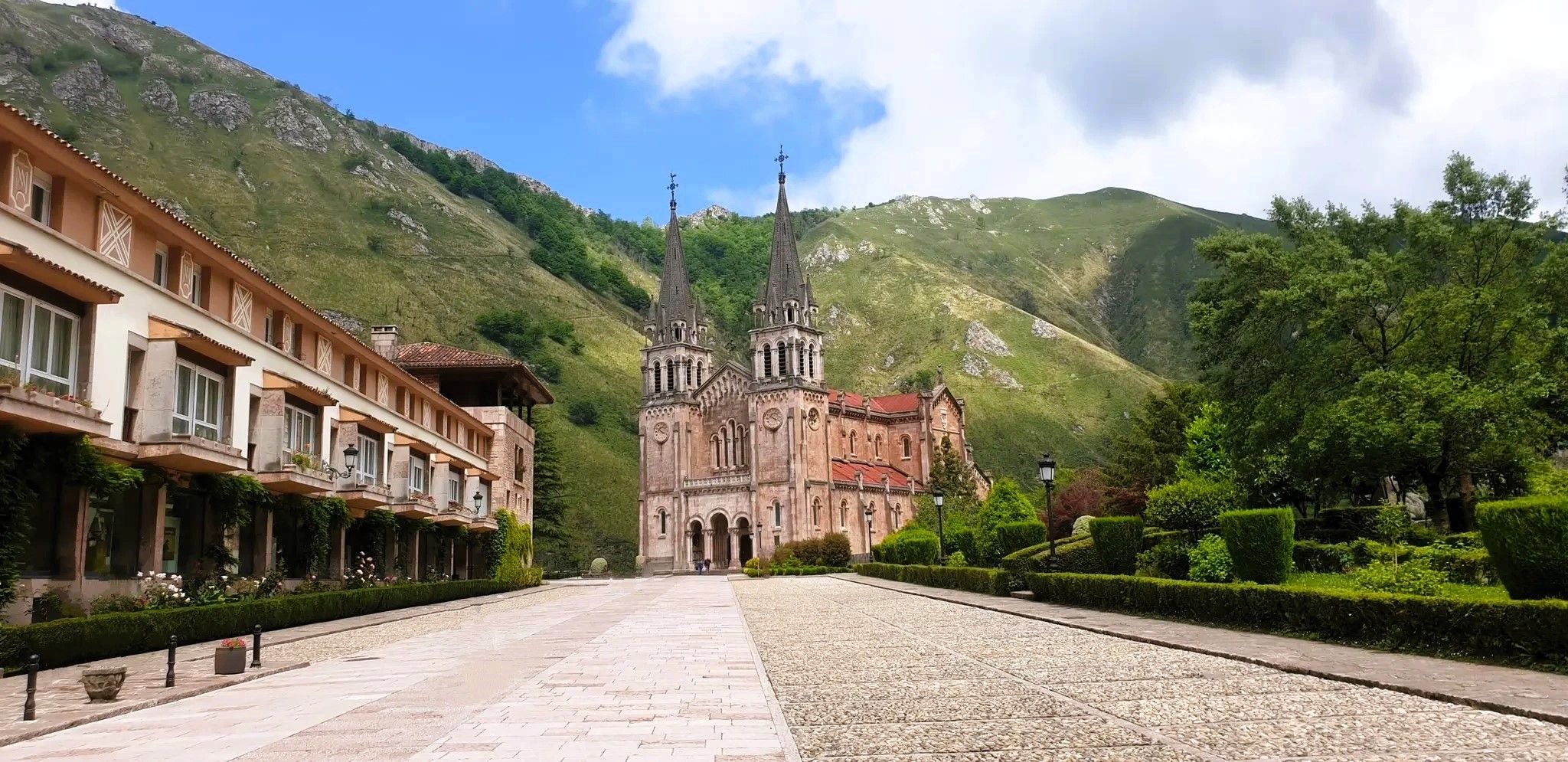
- The most popular caves is Covadonga Sanctuary, a religious building and natural cave that houses the Chapel of Our Lady of Covadonga. It is a significant pilgrimage site and the burial place of King Pelayo.
- Another must-see spot is Buferrera Mine, an old iron and manganese mine. Visitors can see the ruins and a recreation of the mine, including tunnels and tracks.
- Visitors also love Cabrales Cheese Cave Museum, a cave located in rock formations historically used for cheese production. It explains the traditional production of local blue cheese and offers guided tours and tastings.
- Cangas De Onis is known for prehistoric art caves, natural caves, and historical sites. The region offers a variety of caves to see and explore, from ancient art to geological features and cultural landmarks.
- The caves around Cangas De Onis are appreciated by the komoot community, with 91 upvotes and 88 photos shared across 5 highlights.
Last updated: September 29, 2026
Covadonga Sanctuary
Highlight • Religious Site
There is also a smaller church, the Santa Cueva, which is believed to be the site of the miraculous appearance of the Virgin Mary to the Christian army during the Battle of Covadonga in AD 722. The cave is also the burial place of King Pelayo, who led the Christian army to victory in that battle. The complex attracts thousands of visitors each year, who come to admire the impressive views and learn about the history and culture of Asturias.
Translated by Google •
Tip by

Buferrera Mine
Highlight • Structure
Translated by Google •
Tip by

Sign up now to discover places like this
Get recommendations on the best single tracks, peaks, & plenty of other exciting outdoor places.
Cabrales Cheese Cave Museum
Highlight • Cave
Translated by Google •
Tip by

Cave and Mountain Path in the Spanish Hills
Highlight (Segment) • Cave
Translated by Google •
Tip by

Views of the Picos de Europa National Park
Highlight • Cave
Translated by Google •
Tip by

Start today with a free account
Your next adventure awaits.
Popular around Cangas De Onis
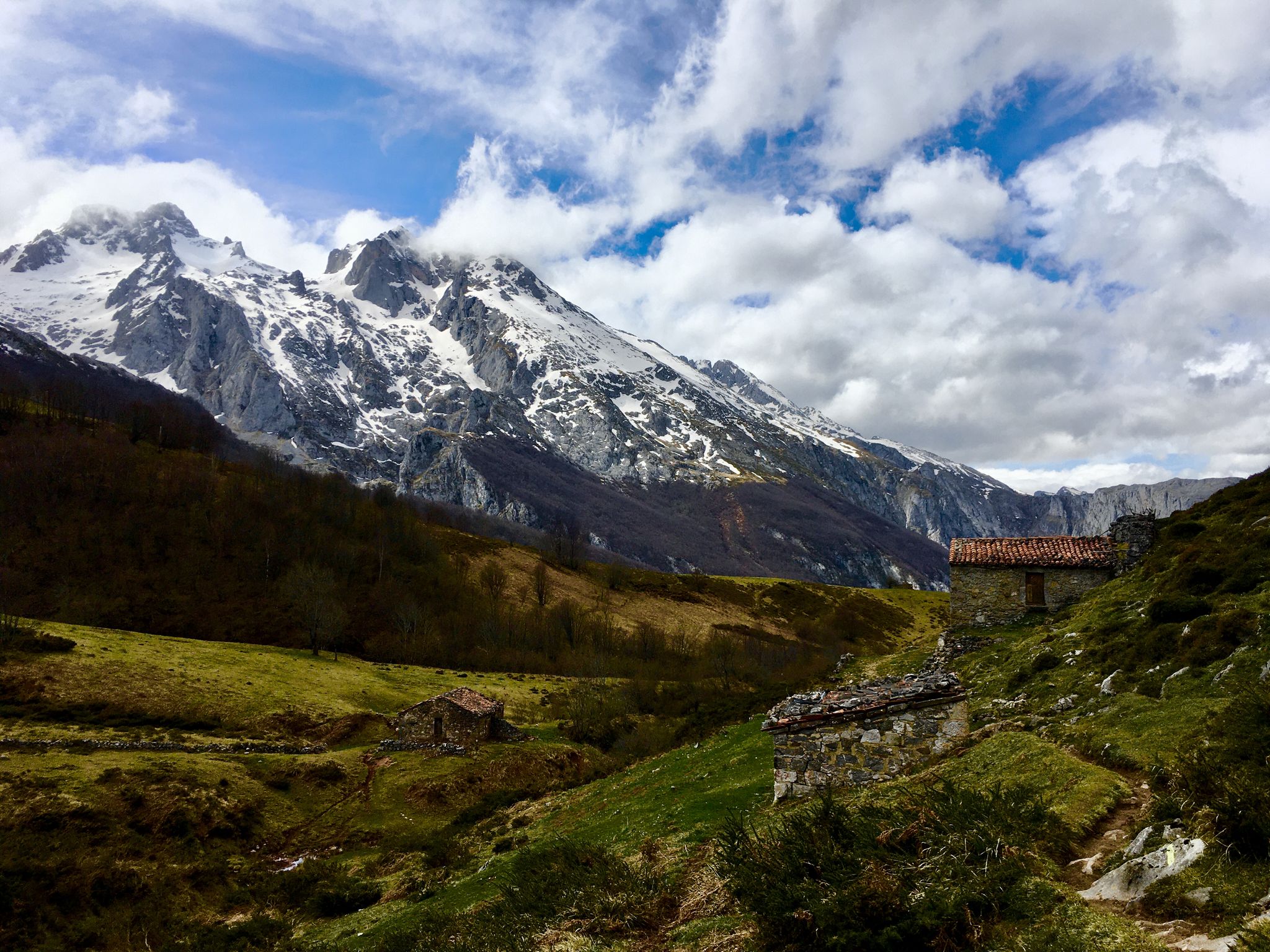
Route of the Reconquest (GR 202) – In the footsteps of an army
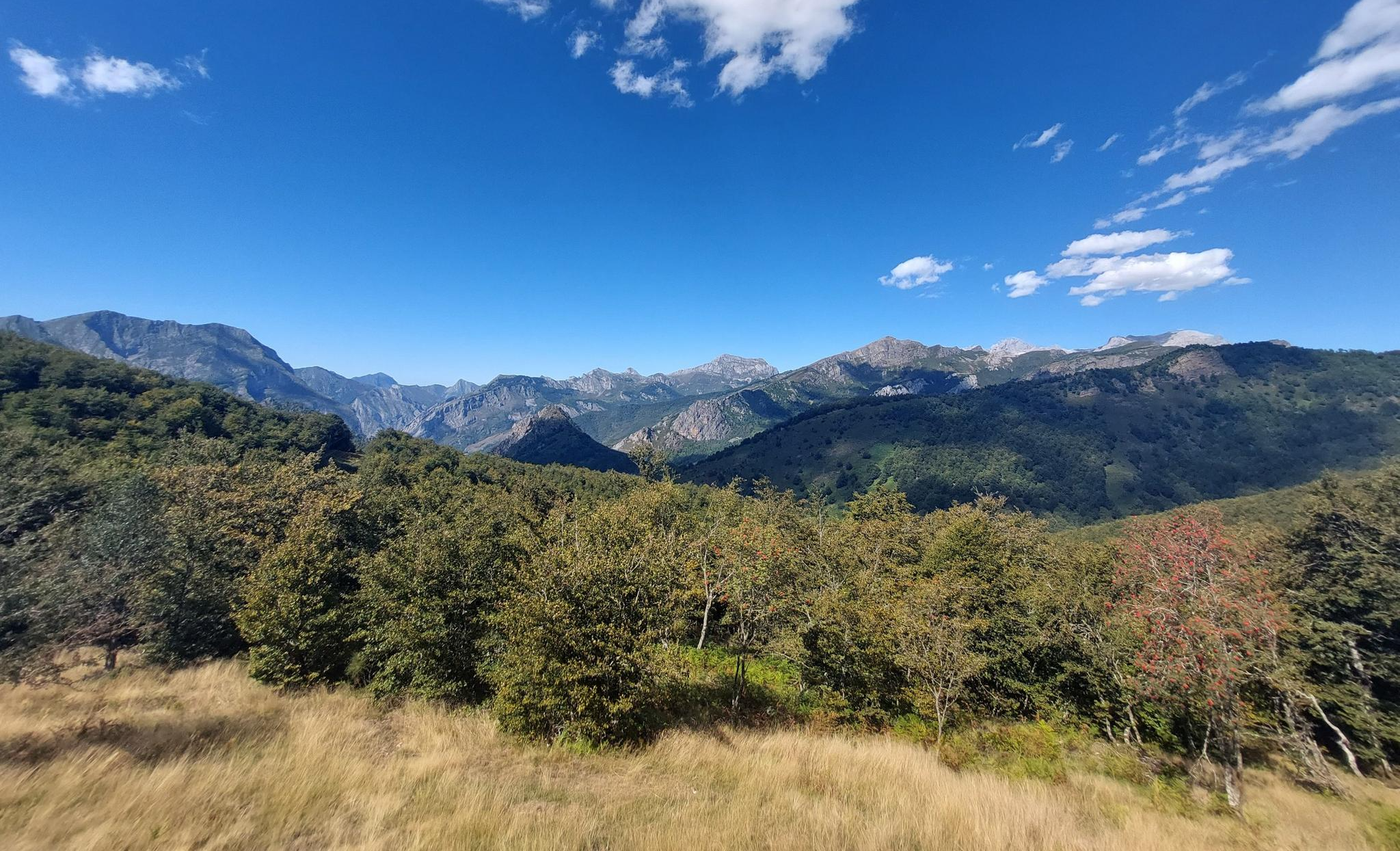
Senda del Arcediano (GR 210) - A historical hike through the Picos del Picos
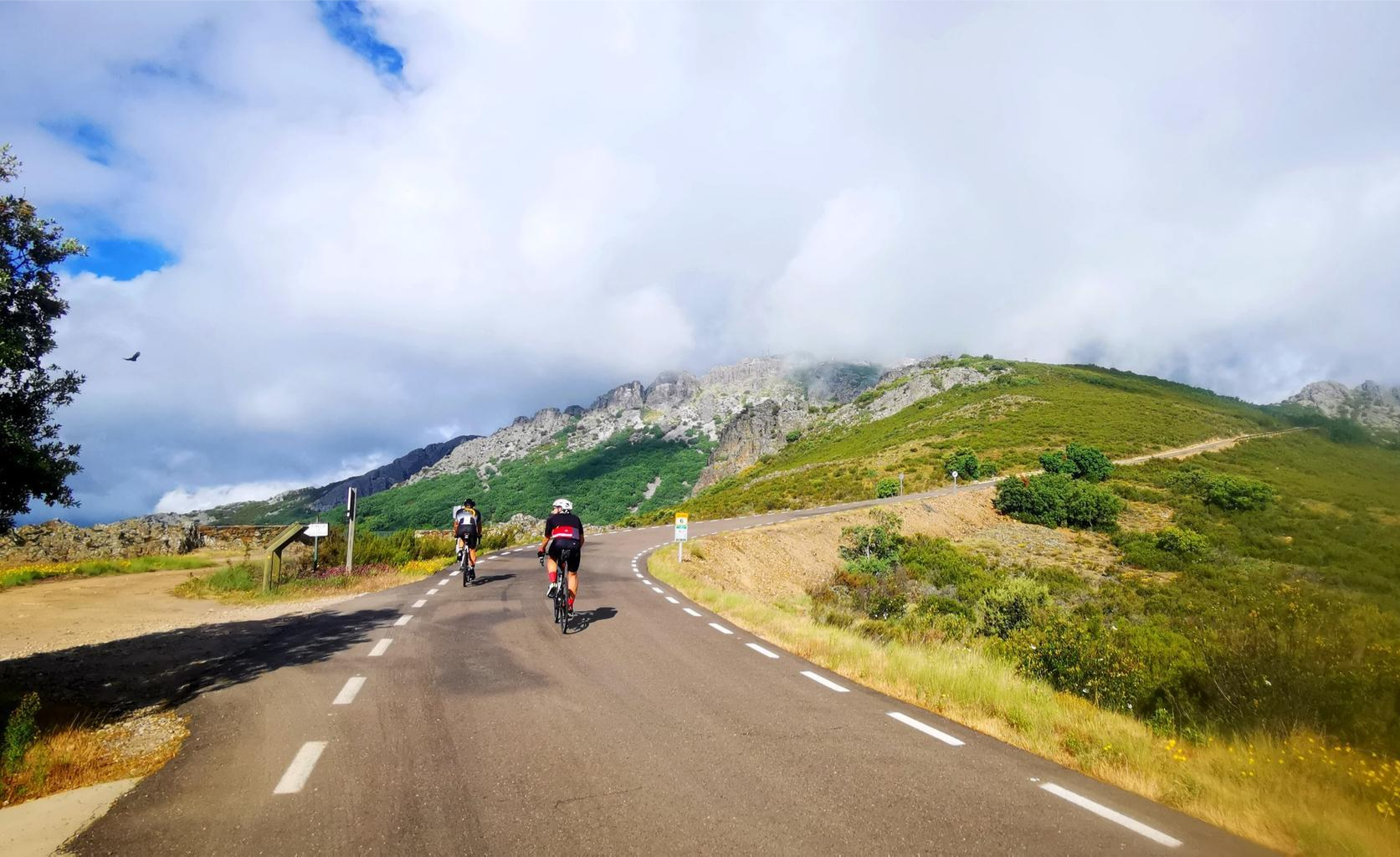
Legendary climbs - Ports of La Vuelta a España
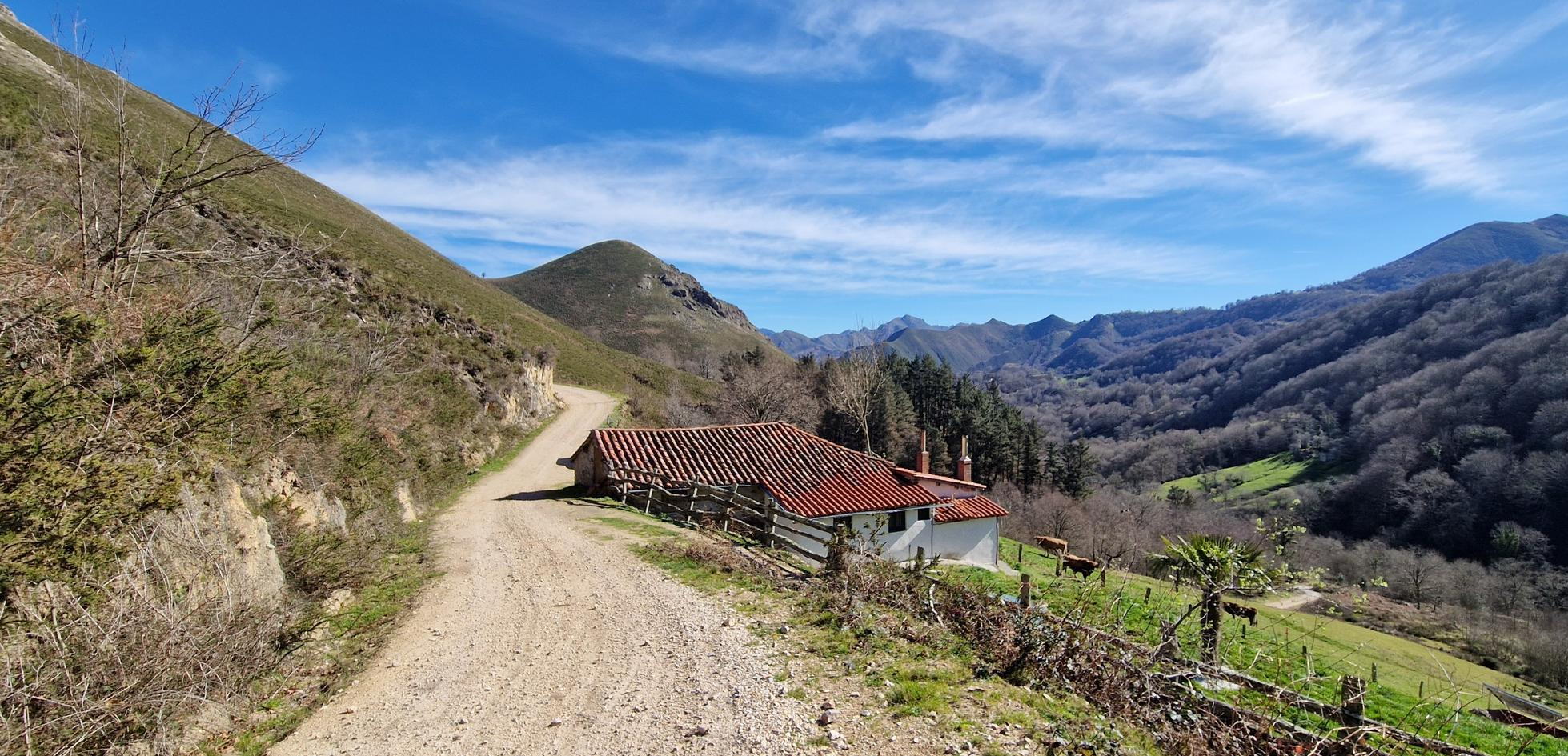
Unknown Paths of Asturias — GR Pilgrimage Route (105)
From statue to statue – Reconquista Challenge
The other side of Asturias in Spain – Travesía Andariega (GR 108)
A pilgrimage to the peaks – Camino de los Santuarios
Four days hiking in Spain’s Picos de Europa – Anillo Vindio
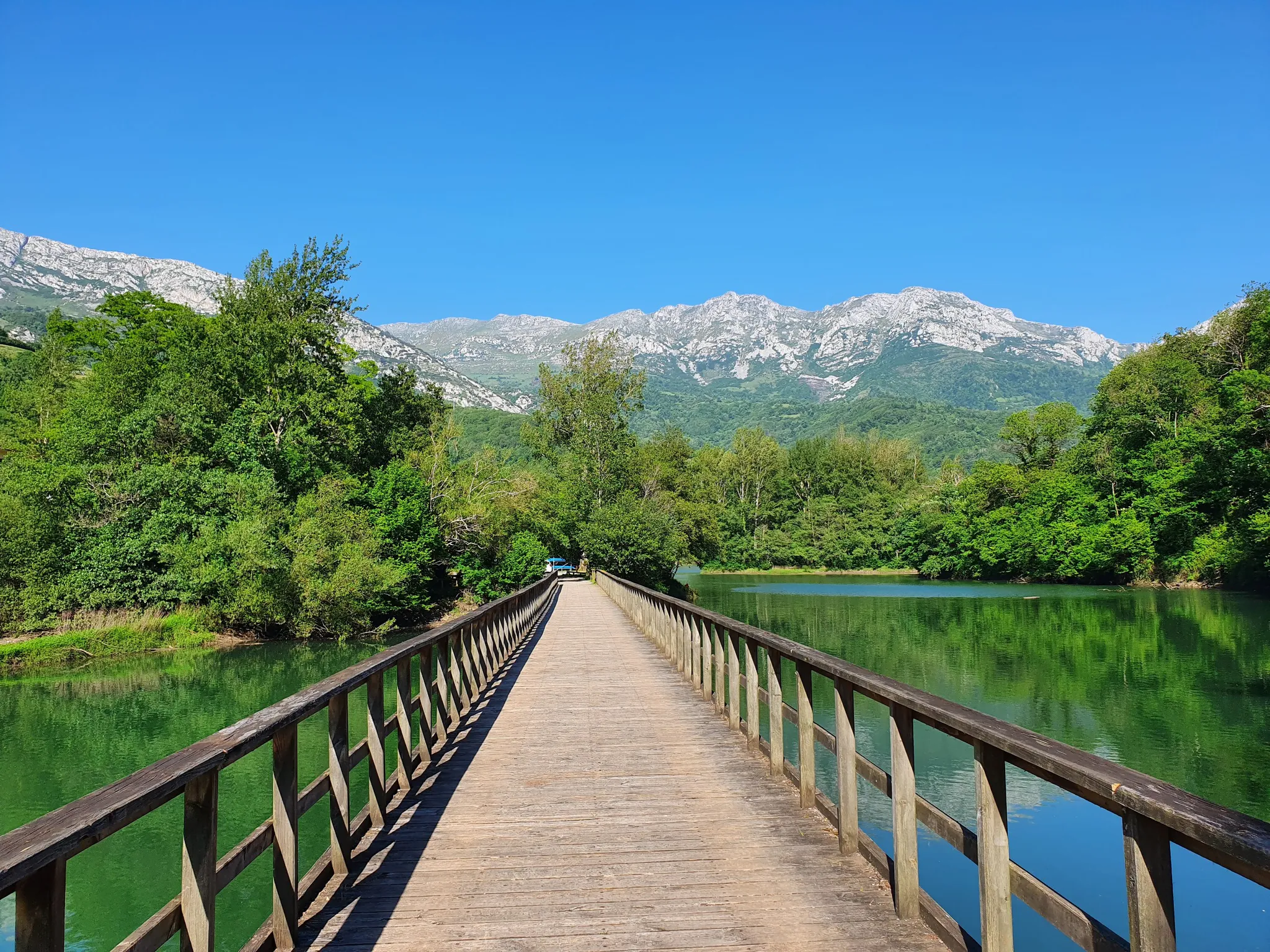
The secrets of the Cantabrian Mountains – GR 109 Asturias Interior
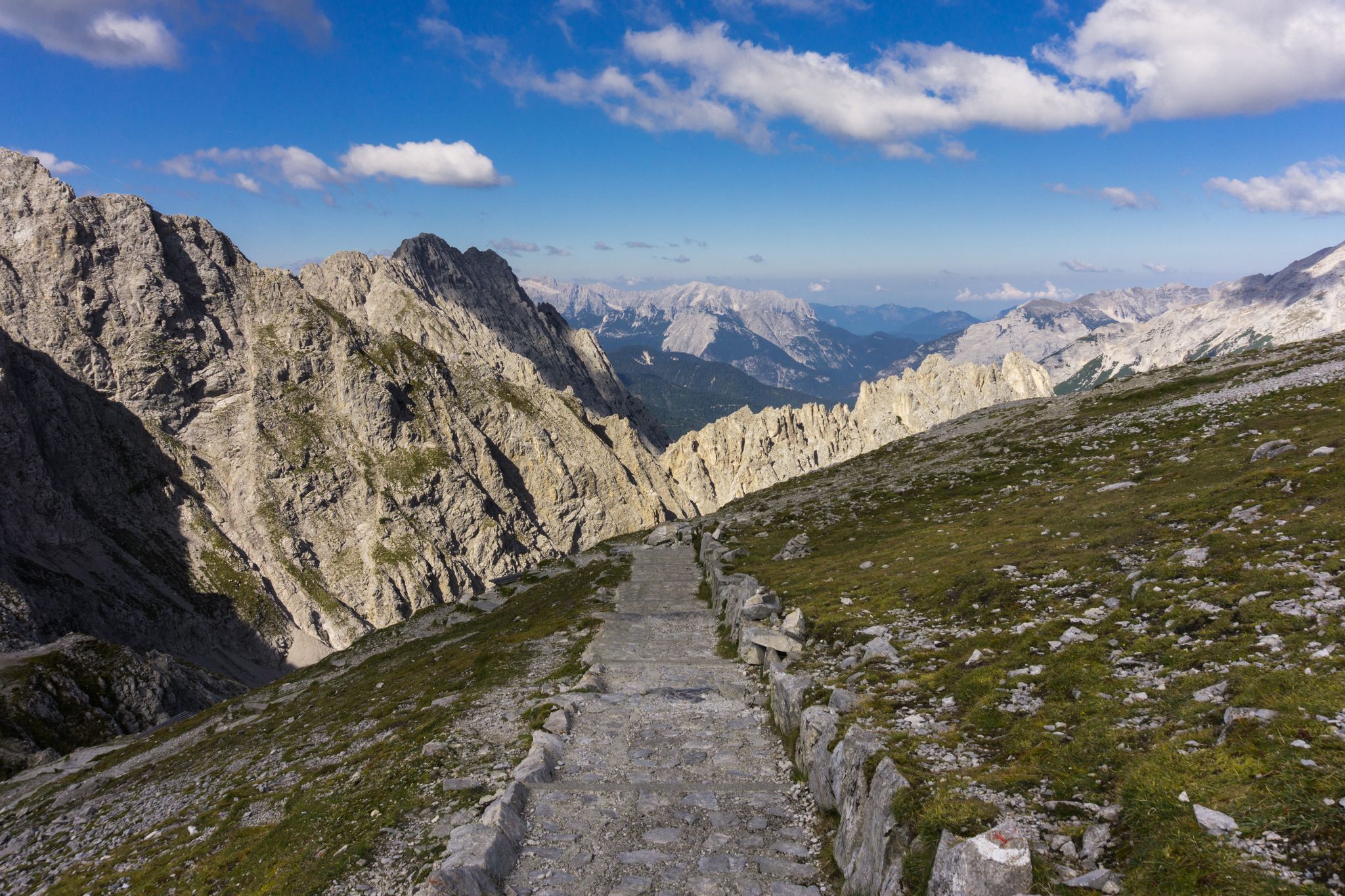
Las Cumbres Reinas de España — Spanish mountain trail races
Other adventures around Cangas De Onis


Tips from the Community


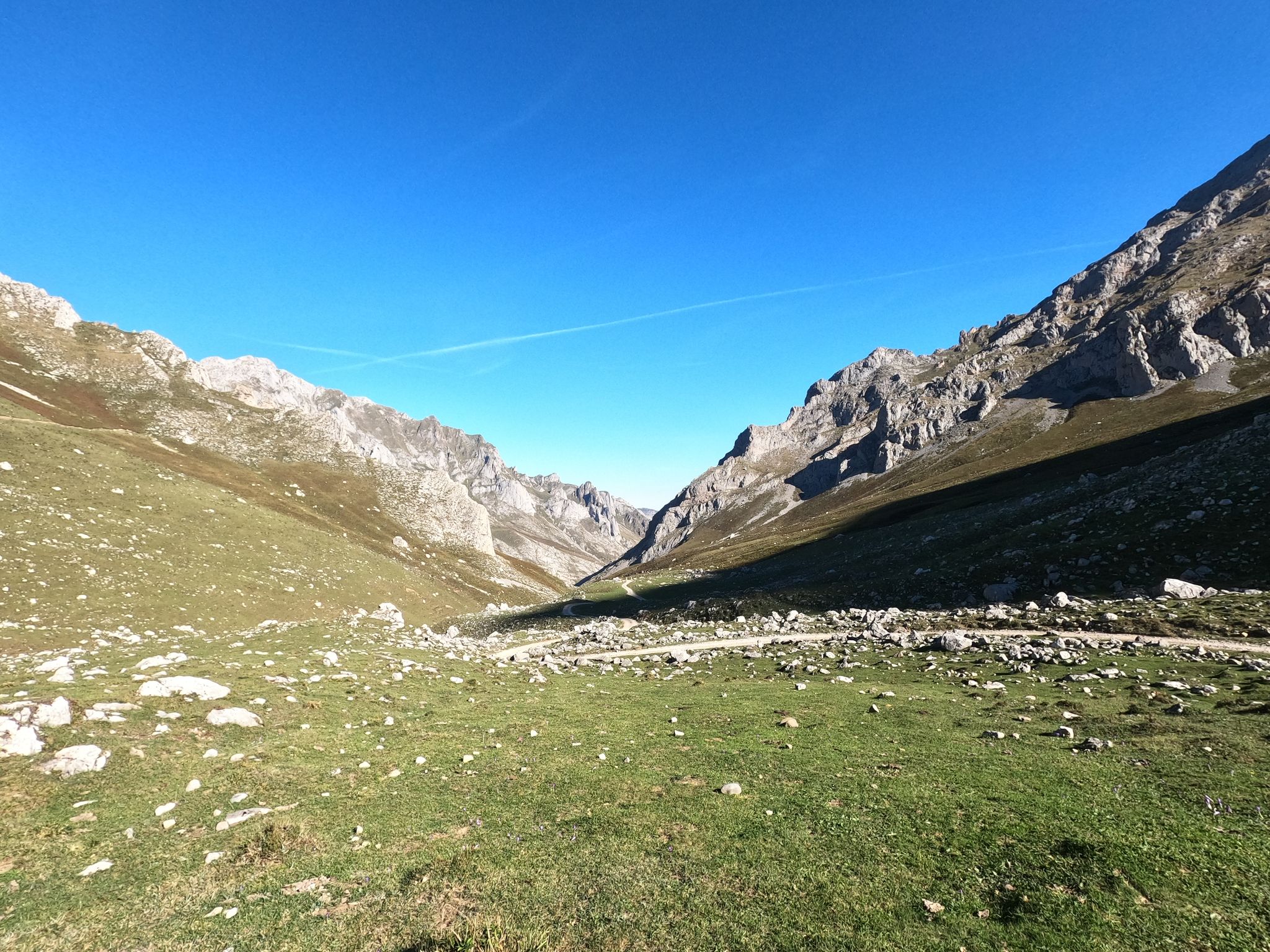
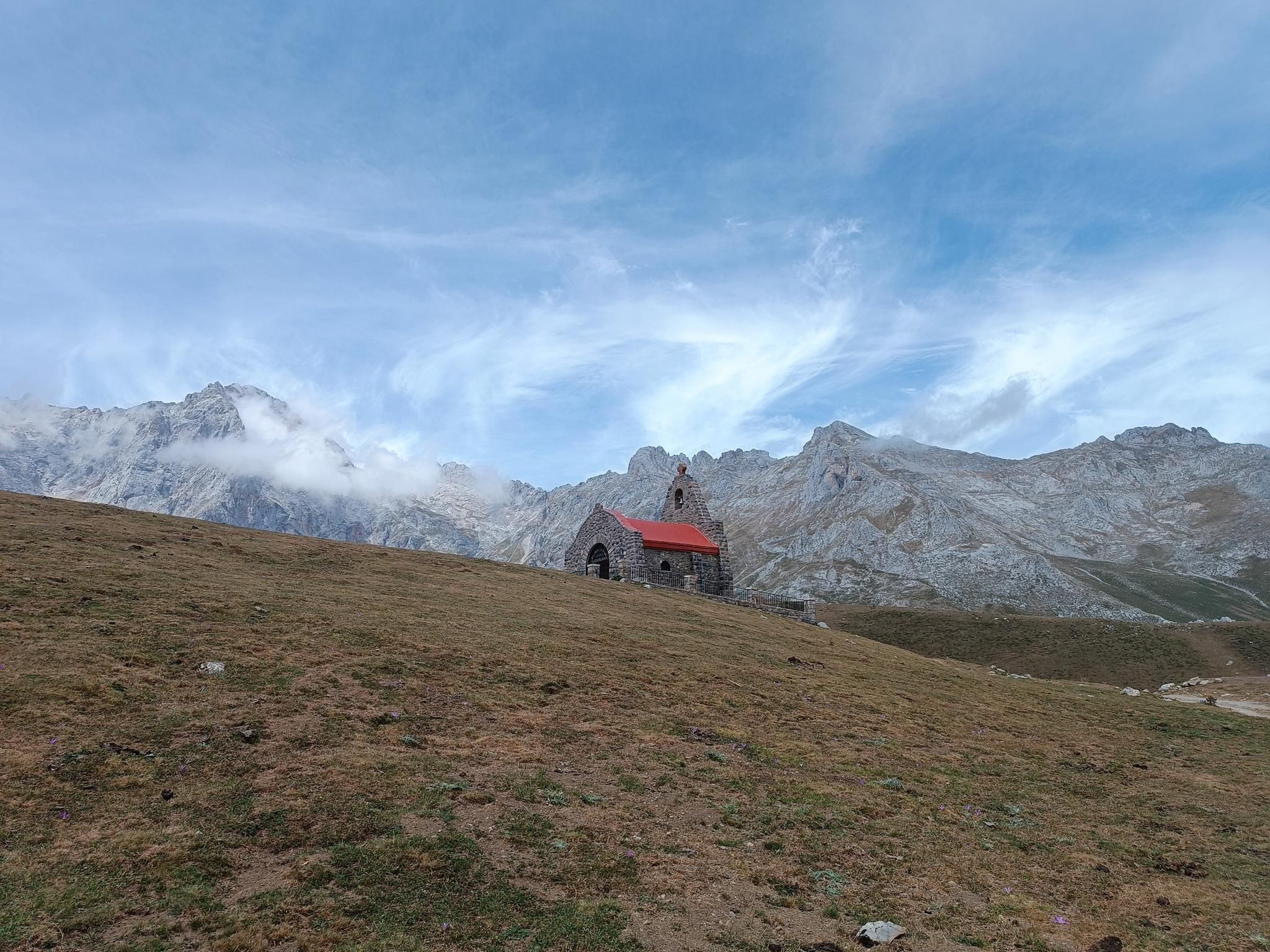
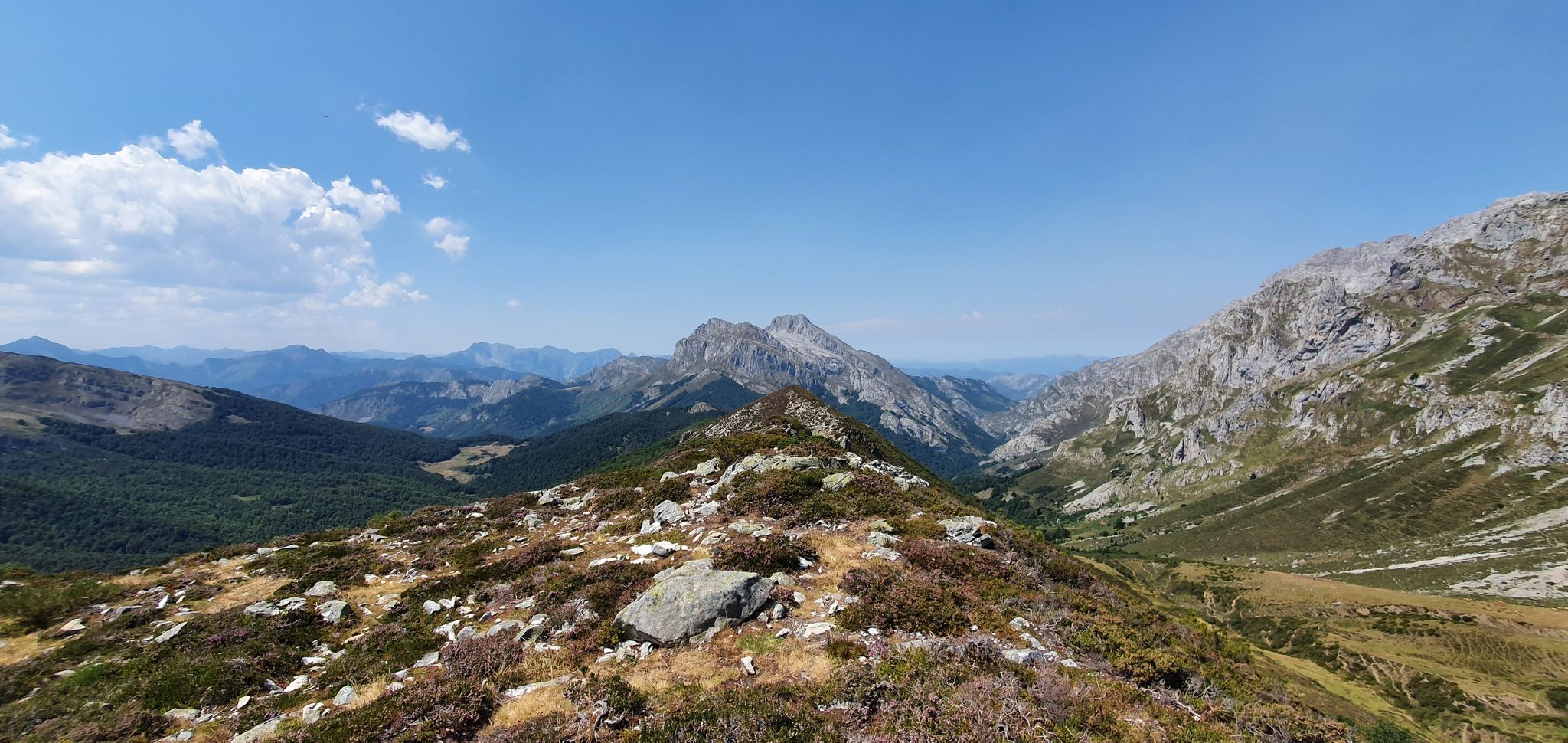
This section of the GR 105, very close to the Covadonga Sanctuary, is within the boundaries of the Picos de Europa National Park. Here you can enjoy the typical Asturian landscape, where spectacular mountain views coexist with livestock huts.
0
0

The Cheese Museum is located in rock caves that have long been used for cheese production. The traditional and typical production of the local blue cheese is explained on illustrated panels. After a guided tour through the rock tunnels, there will be a film screening and a cheese tasting with apple cider in one of the houses.
1
0

In the first part of this section, the trail was occupied by cows with very impressive horns, which required a few detours through the thicket. It was also very muddy, but it had also rained the day before. After that, however, a beautiful mountain hike with spectacular views is required. Surefootedness and sturdy footwear are necessary. The trail is rarely used, so it's densely overgrown, but marked with red arrows, albeit sparsely. Wear long clothing; there are ticks!
0
0


The Covadonga Sanctuary is a Catholic religious complex and an important pilgrimage site. It is dedicated to the Virgin of Covadonga, revered as the patron saint of Asturias. The complex includes several buildings, including the Basilica of Santa María la Real de Covadonga, which was built in the 19th century and houses the statue of the Virgin Mary. There is also a smaller church, the Santa Cueva, which is believed to be the site of the miraculous appearance of the Virgin Mary to the Christian army during the Battle of Covadonga in AD 722. The cave is also the burial place of King Pelayo, who led the Christian army to victory in that battle. The complex attracts thousands of visitors each year, who come to admire the impressive views and learn about the history and culture of Asturias.
4
0

On the way from the bus stop to the Lagos, you pass the remains of an old mine - recognizable by the rails that are still in place and an old lorry. The rock face into which the mine shaft disappears is very photogenic.
3
0

In the idyllic landscape of the mountain of Covadonga, there has been intensive mining of iron and manganese minerals over a period of 130 years until 1979.
6
0
Frequently Asked Questions
What types of caves can I explore around Cangas de Onís?
The region around Cangas de Onís offers a diverse range of caves, including sites with ancient prehistoric art, natural caves with unique geological formations, historical sites, and religious sanctuaries. You can delve into Paleolithic history, admire natural rock formations, or visit places of significant cultural importance.
Are there any caves with prehistoric art near Cangas de Onís?
Yes, the area is renowned for its Paleolithic cave art. Notable sites include Cueva de Tito Bustillo in Ribadesella, known for its extensive collection of paintings and engravings, and Cueva del Buxu directly in Cangas de Onís, featuring various artistic techniques. Due to the fragility of the art, access to original caves is often restricted, with some offering interpretation centers or replicas.
Which caves are suitable for families with children?
For families, the Cabrales Cheese Cave Museum offers an engaging experience explaining traditional cheese production. Another great option is the Cuevona de Avín, which features life-size reproductions of extinct megafauna from the glacial period, providing an immersive educational experience for all ages.
What historical or religious caves can I visit?
The Covadonga Sanctuary is a deeply significant natural cave and religious site. It houses the Chapel of Our Lady of Covadonga and is the burial place of King Pelayo, making it a major pilgrimage destination with rich historical and cultural importance.
Can I see unique geological formations in the caves?
Yes, La Cuevona of Cuevas del Agua is a unique natural cave that serves as the only access point to the village of Cuevas. It's illuminated and traversable by car or on foot, allowing visitors to admire impressive limestone formations, including stalactites and stalagmites, carved by a stream over millennia.
Is there an old mine I can visit near Cangas de Onís?
You can visit the Buferrera Mine, an old iron and manganese mine. Visitors can see the ruins and a recreation of the mine, including tunnels and tracks, offering a glimpse into the region's industrial past.
What is the Cabrales Cheese Cave Museum?
The Cabrales Cheese Cave Museum is located in natural rock formations historically used for cheese production. It explains the traditional process of making local blue cheese and offers guided tours and tastings, providing insight into a significant regional culinary tradition.
What outdoor activities can I do near these caves?
The area around Cangas de Onís is excellent for outdoor activities. You can find numerous hiking trails, including challenging routes like the 'Route of Cares from Poncebos to Caín' or moderate options like the 'Lakes of Covadonga Circular Trail'. There are also many MTB and gravel biking routes available. For more details, explore the hiking, MTB, and gravel biking guides for the region.
What do visitors enjoy most about the caves around Cangas de Onís?
Visitors particularly appreciate the stunning natural beauty and the rich historical and cultural significance of the sites. The impressive views, the well-preserved prehistoric art, and the unique experiences like the cheese cave museum or the historical Covadonga Sanctuary are frequently highlighted.
Are there any less crowded cave options for a more tranquil experience?
While popular sites can attract crowds, some prehistoric art caves like Cueva del Buxu or Cueva del Pindal have highly restricted access, often requiring prior reservation, which naturally limits visitor numbers and can offer a more intimate experience. For natural beauty, exploring the less-traveled sections of the Picos de Europa National Park near cave systems can also provide tranquility.
What is the best time to visit the caves around Cangas de Onís?
The best time to visit generally depends on the type of cave and your preferences. For prehistoric art caves, reservations are often required year-round. For natural caves and those integrated with outdoor activities, spring and autumn offer pleasant weather for exploring both inside and outside. Summer can be busy, while winter might have limited access to some sites due to weather conditions.
Are there any caves that offer views of the Picos de Europa National Park?
While not a cave itself, the area around the Covadonga Sanctuary, which includes a significant natural cave, is within the boundaries of the Picos de Europa National Park. Here, you can enjoy spectacular mountain views alongside the cultural sites, offering a combined experience of natural beauty and historical significance.
Most popular routes around Cangas De Onis
Most popular attractions around Cangas De Onis

Get inspired with the komoot mobile app


Didn’t find what you were looking for?
Discover more caves around Cangas De Onis region by region:
Explore more
Extend your search for the best caves by checking out these guides of the top ones around Cangas De Onis:
