Top 6 Castles around La Vega
Best castles around La Vega offer a glimpse into historical architecture and regional heritage. This area is characterized by its historical significance, with structures reflecting various periods of construction and cultural influence. Exploring these sites provides insight into past eras and the strategic importance of these fortifications. The region's landscape often features these historical landmarks, making them notable points of interest for visitors.
Best castles around La Vega
- The most popular castles is Castle of Saint George, a castle…
Last updated: November 23, 2026
Real Alcázar of Seville
Highlight • Historical Site
Showing Translation
Tip by

Real Alcázar — Puerta de los Leones
Highlight • Historical Site
Showing Translation
Tip by

Sign up now to discover places like this
Get recommendations on the best single tracks, peaks, & plenty of other exciting outdoor places.
San Jacinto Street and San Jorge Castle
Highlight • Historical Site
Translated by Google •
Tip by
Royal Alcázar of Seville
Highlight • Historical Site
Translated by Google •
Tip by
Castle of Saint George
Highlight • Castle
Tip by

Sanctuary of Setefilla and Castle Ruins
Highlight • Religious Site
Translated by Google •
Tip by
Castillo de la Serrezuela
Highlight • Castle
Showing Translation
Tip by

Ruins of the Castle of the Dukes of Alba
Highlight • Castle
Translated by Google •
Tip by

Start today with a free account
Your next adventure awaits.
Popular around La Vega
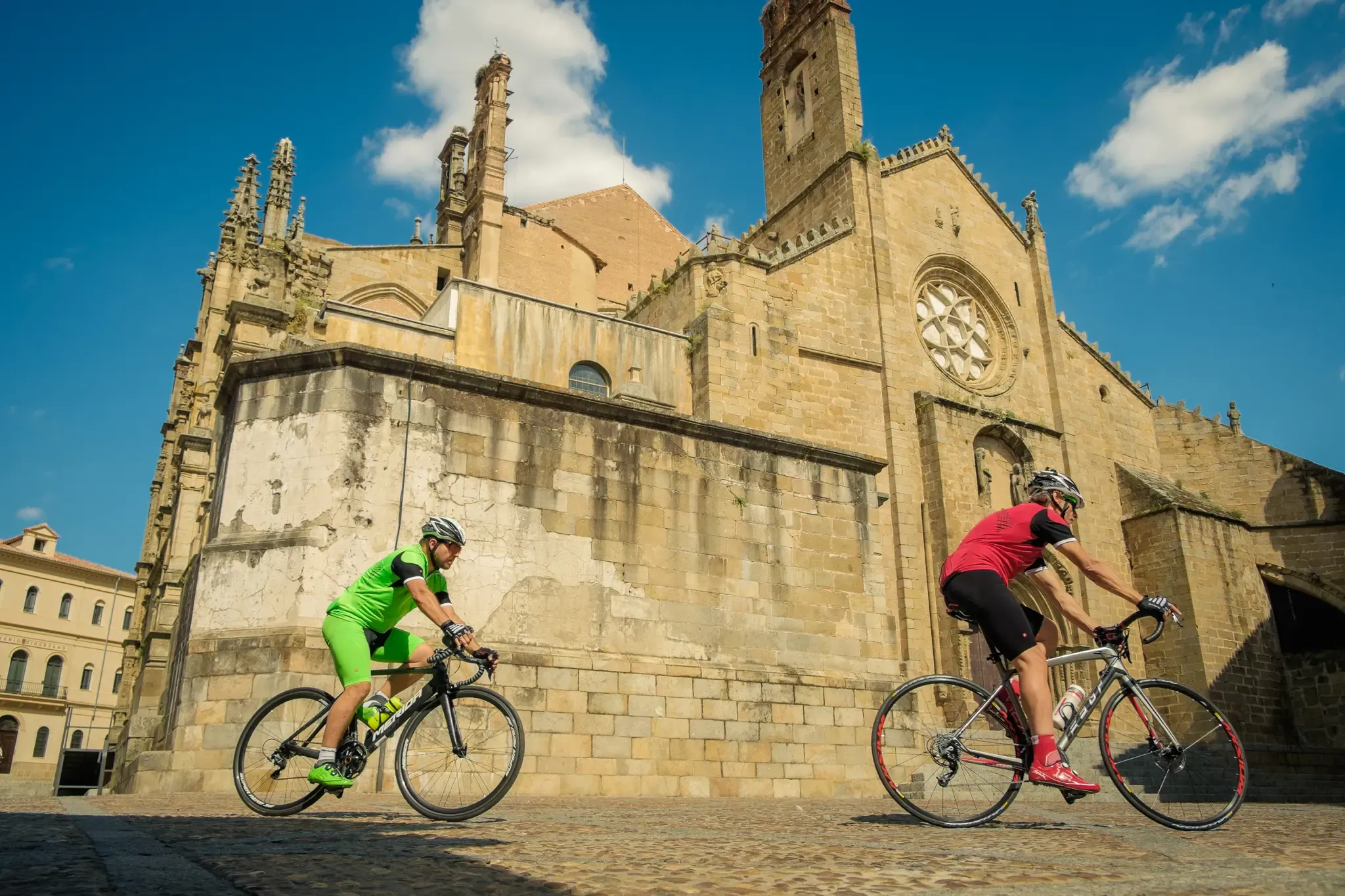
Vía de la Plata – from Seville to Gijón by bike

Triathlon 360 – my journey around the world
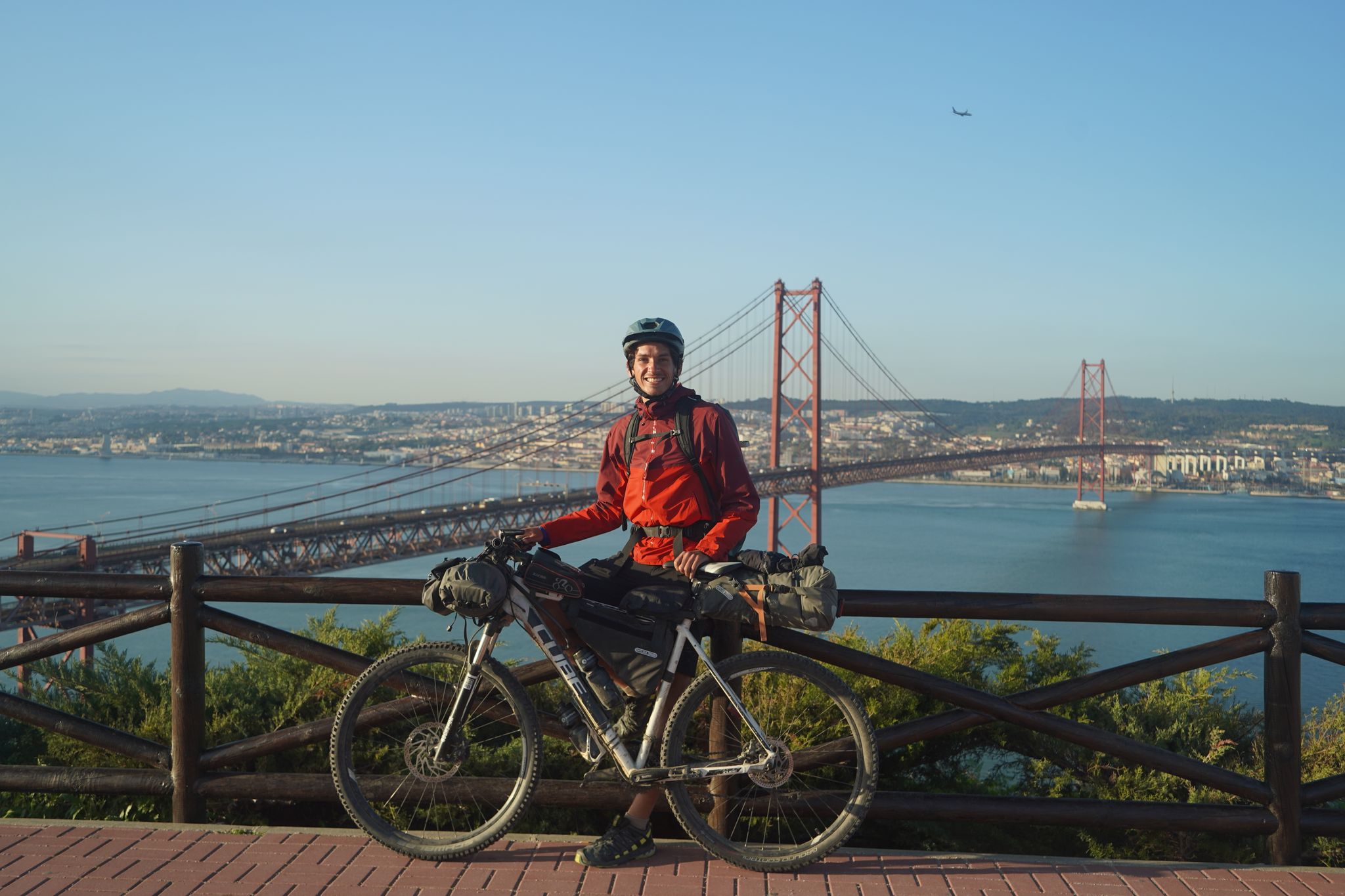
Road to Lisbon – bikepacking the Alps, Pyrenees and Picos de Europa
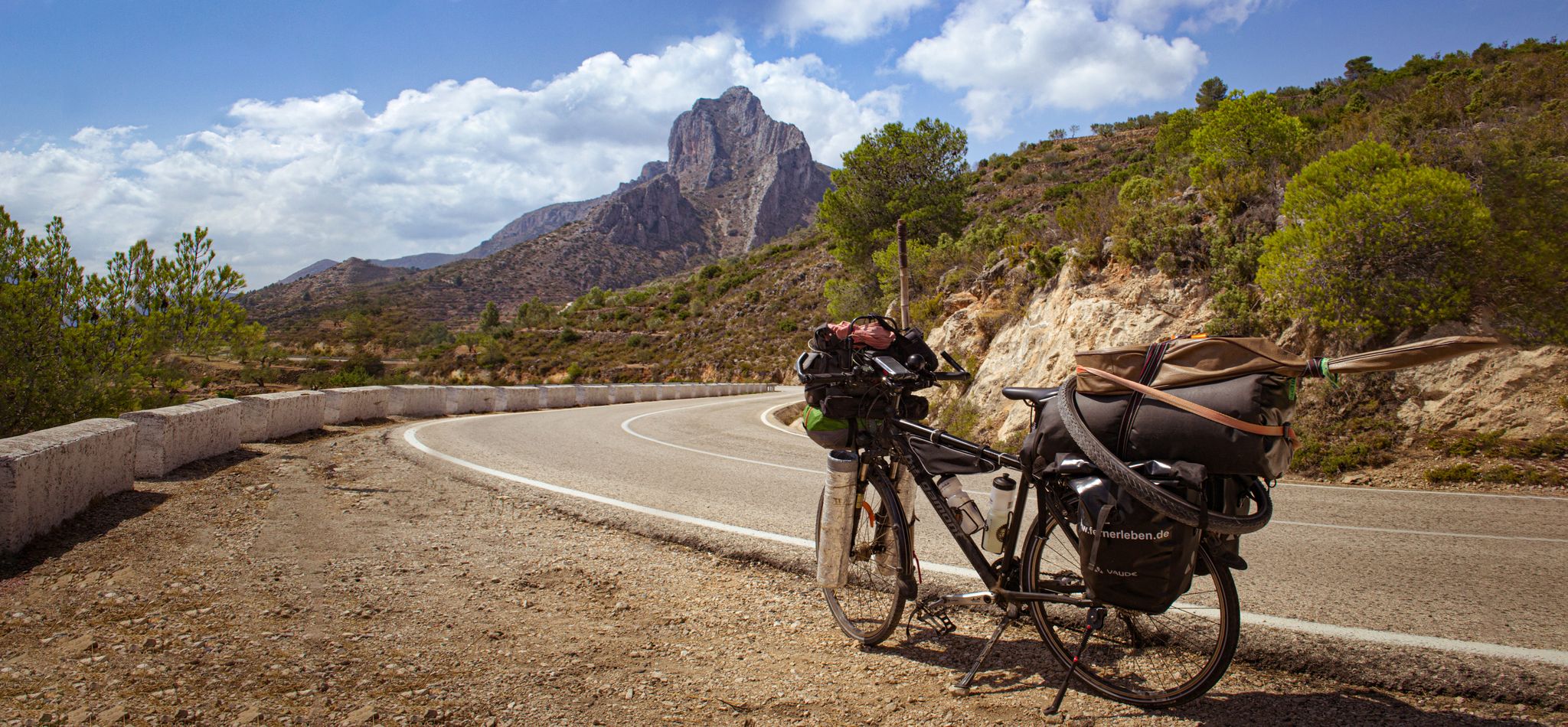
On the road to the sun — bikepacking to southeast Spain
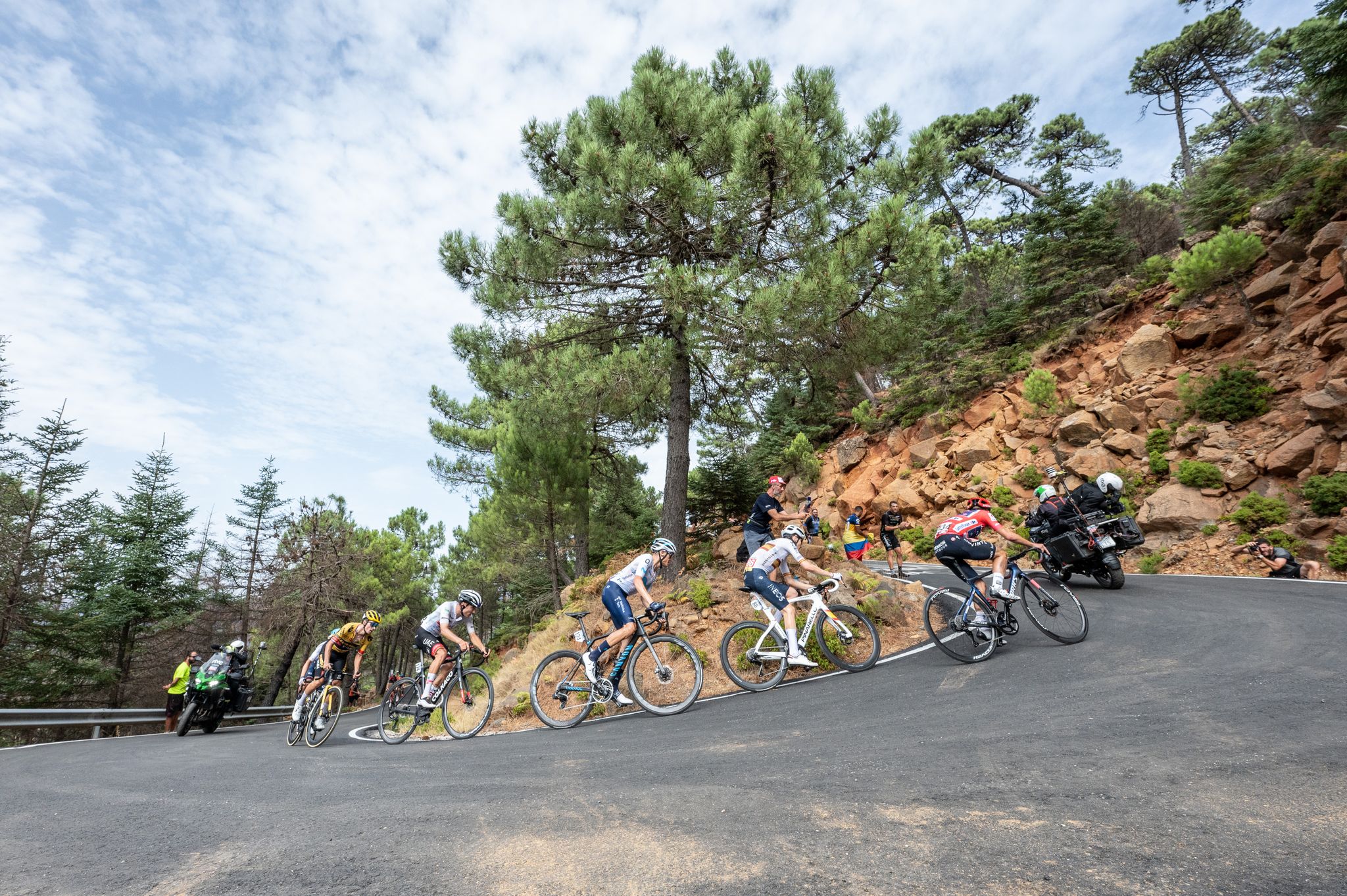
La Vuelta 26 — All Official Stages
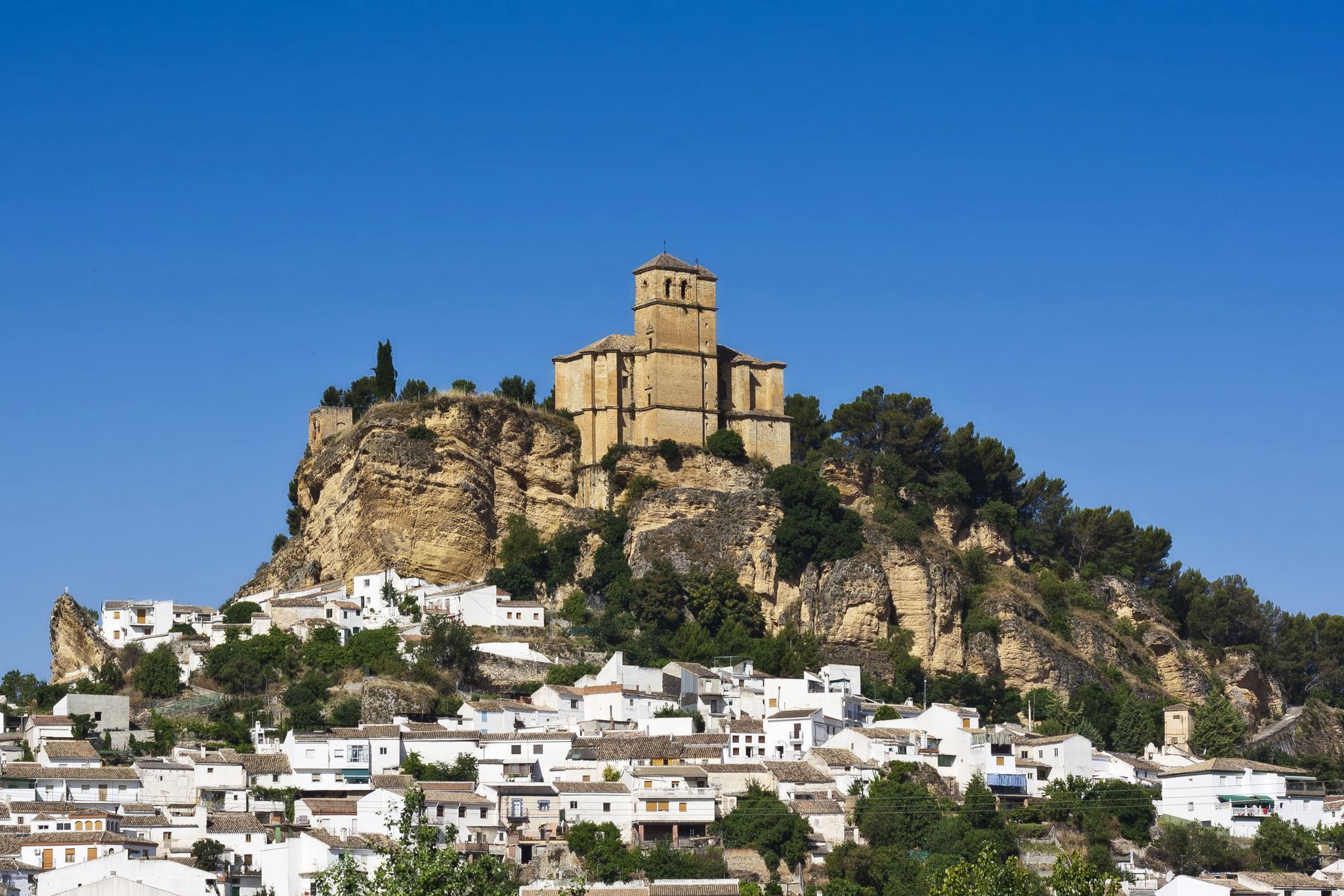
Washington Irving – cycle through the Arab vestiges of Andalusia

A winter getaway along the greenways of Andalusia in Spain
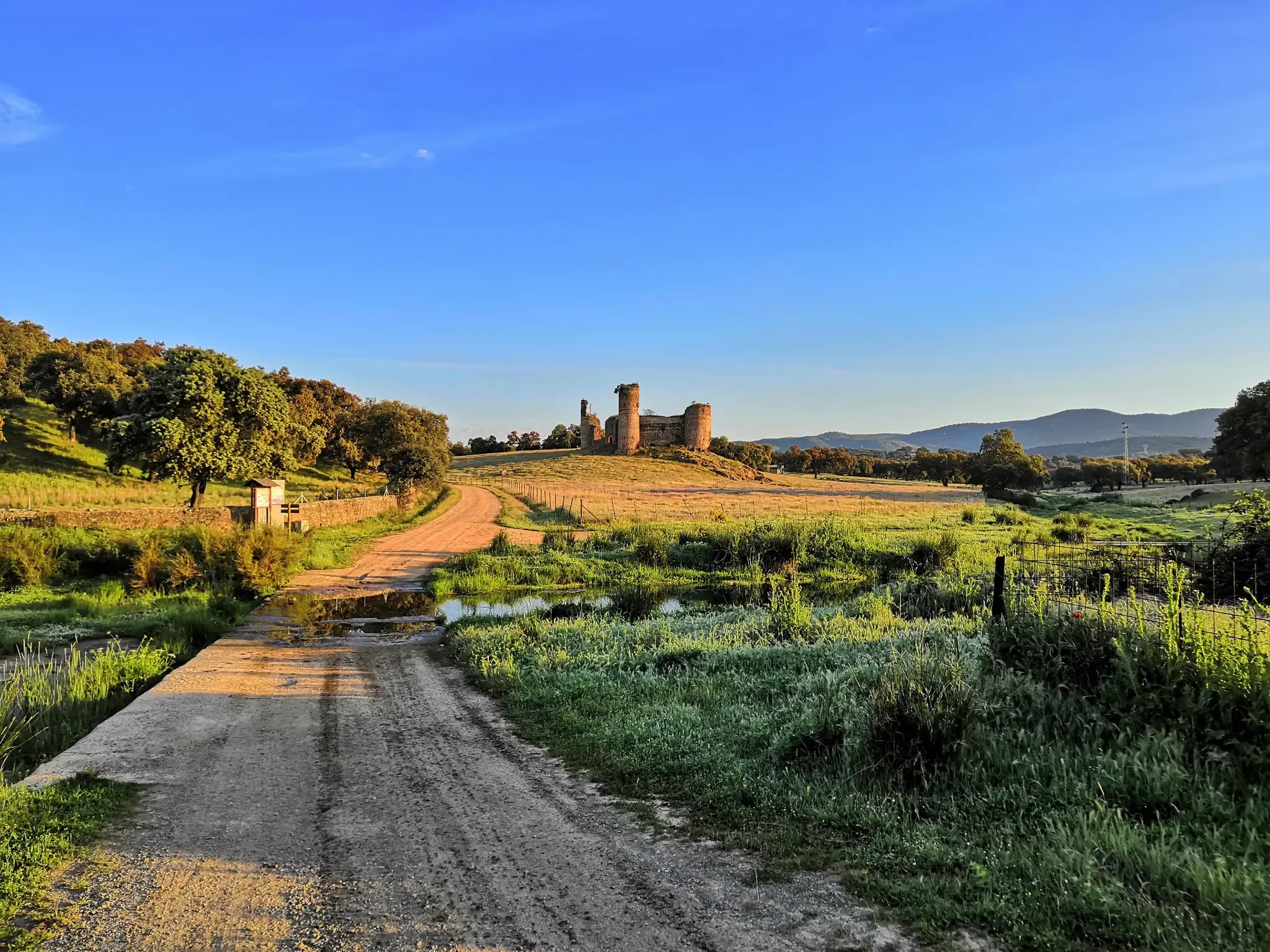
A romantic journey in the footsteps of the Romans – Via de la Plata
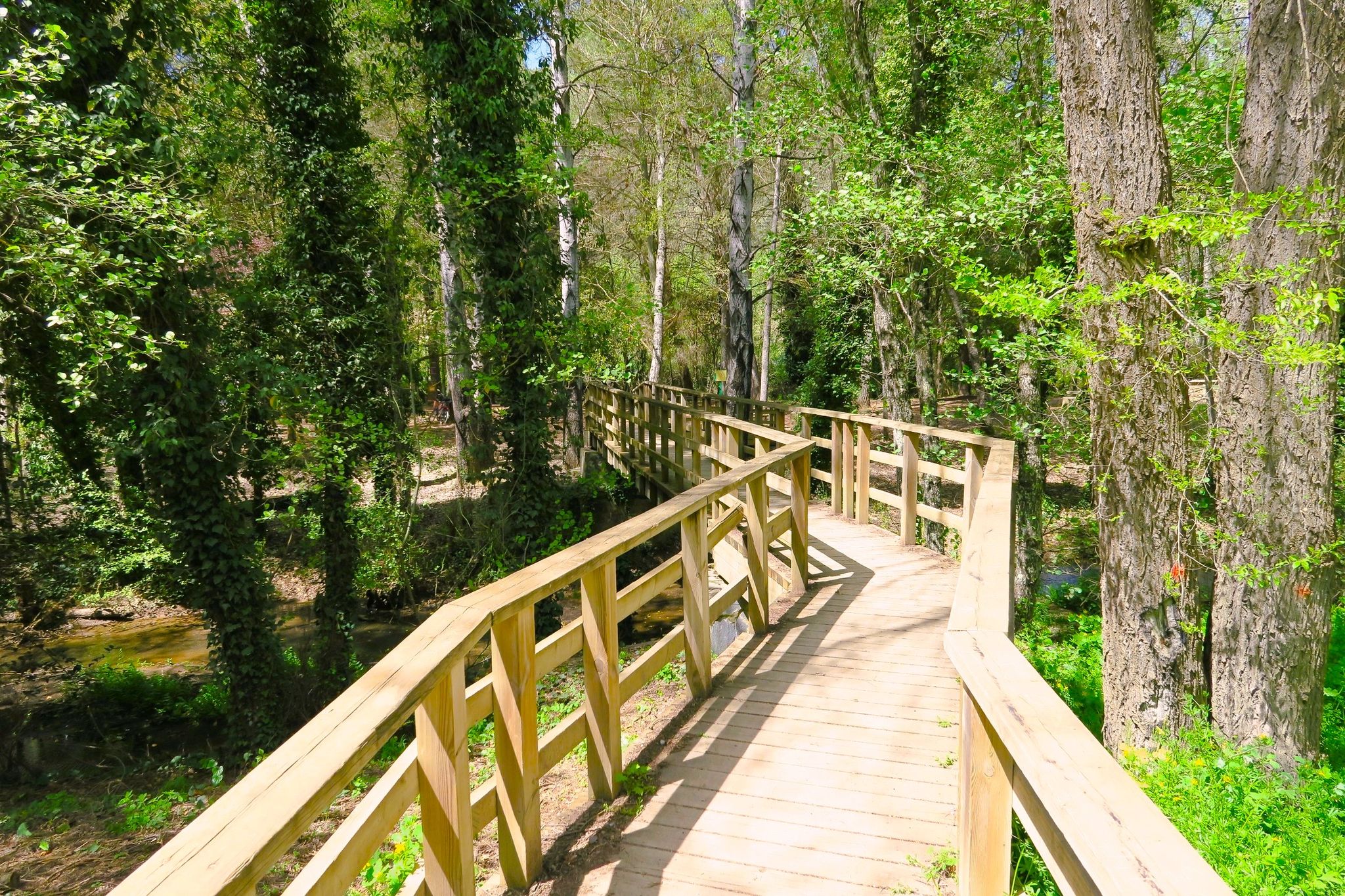
Land, culture, disconnection — Sierra Norte de Sevilla Natural Park
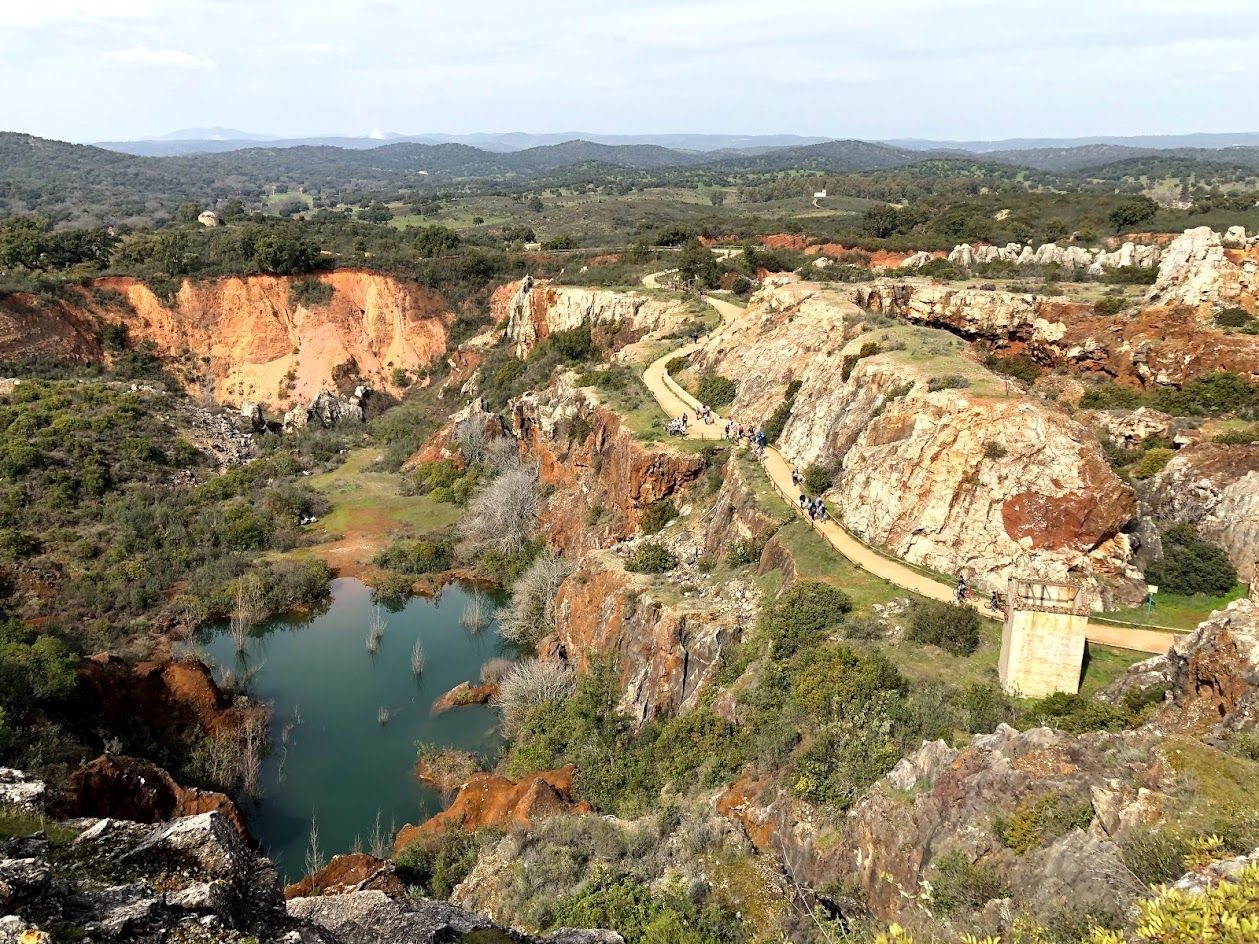
Journey through Spain’s Sierra Morena — Cordoba to Seville by bike
Other adventures around La Vega


Tips from the Community

The Real Alcázar of Seville is one of Spain's most impressive royal palace complexes, with origins dating back to the Moorish era. Particularly worth seeing is the Mudéjar Palace, built in the 14th century under Peter I of Castile, with its filigree stucco decorations, colorful azulejos, ornate wooden ceilings, and magnificent courtyards. Outstanding highlights include the Patio de las Doncellas, the Ambassador's Hall (Salón de Embajadores), the Gothic Palace, and the underground Baños de Doña María de Padilla. Equally impressive are the extensive palace gardens with their water basins, fountains, pavilions, and Mediterranean vegetation. The interplay of Islamic, Gothic, Renaissance, and Baroque architecture makes the complex a unique testament to the eventful history of Andalusia. Since 1987, the Real Alcázar has been a UNESCO World Heritage site and still serves as a residence for the Spanish royal family during their stays in Seville. You should plan several hours for a detailed visit. One of the most beautiful sights in Andalusia and an absolute must when visiting Seville.
5
0
Historic entrance gate (Puerta del León) to the Real Alcázar of Seville, one of the most significant royal palaces in Spain. Particularly characteristic is the striking red wall facade with the colorful ceramic image of a crowned lion above the archway. Through the gate, you enter the Patio del León and from there continue into the magnificent palace complex, which combines Moorish, Gothic, and Christian architectural traditions. An impressive start to visiting the royal palace, which has been a UNESCO World Heritage site since 1987.
5
0
Lively transition from the Triana Bridge into the traditional district of Triana. Calle San Jacinto is one of the central streets of the neighborhood, with its numerous tapas bars, shops, and typical Andalusian facades. Right next to it are the remains of the Castillo de San Jorge, the former seat of the Spanish Inquisition, above which the Mercado de Triana is located today. A place steeped in history, where the historical heritage of Seville and the vibrant everyday life of the district meet.
4
0
Historical remains of the Castle of Saint George (Castillo de San Jorge) in the Triana district, right next to the Triana Bridge on the banks of the Guadalquivir. The medieval fortress served as the seat of the Spanish Inquisition in Seville from 1481 to 1785. Today, the preserved foundations and wall remains are located beneath the Mercado de Triana market hall. A place steeped in history that commemorates one of the darkest chapters in Spanish history.
4
0

However, there is little left of the castle and you cannot get close to it either.
12
0
The La Serrezuela castle is a historic building, although it looks like a medieval fortress, it was built in the 19th century (1871) by Ricardo Martel y Fernández de Córdoba, Count of Torres-Cabrera, and has been declared a cultural heritage site.
13
0

The palace is in the immediate vicinity of the cathedral and is very busy, so the queues in front of the entrance are long. Definitely take enough water with you, as Seville is also known as the "frying pan" of Spain.
1
0

The Sanctuary of Our Lady of Setefilla—also known as the Hermitage of Setefilla—is one of the most important places of devotion in the Lora del Río region. It is located in the mountains, very close to Setefilla Castle, an old Muslim fortress. The sanctuary is situated about 11–12 km from Lora del Río, on the road to La Puebla de los Infantes, next to the site of a former medieval village and under the watchful gaze of the castle that overlooks the entire valley.
3
0
Frequently Asked Questions
What is the historical significance of castles around La Vega?
The castles in the La Vega region, such as the Real Alcázar of Seville and the Castle of Saint George, offer a deep dive into various historical periods. The Real Alcázar, for instance, is one of the oldest royal palaces still in use, with a building history dating back to Moorish times. These structures reflect diverse architectural styles and played crucial roles in the region's past.
Are there family-friendly castles to visit near La Vega?
Yes, several castles around La Vega are considered family-friendly. The Real Alcázar of Seville, the San Jacinto Street and San Jorge Castle, and the Castle of Saint George are all categorized as suitable for families, offering engaging historical experiences for all ages.
What kind of views can I expect from the castles in the La Vega area?
Many castles and historical sites in the La Vega region offer impressive views. For example, the Sanctuary of Setefilla and Castle Ruins provides wonderful views of the surrounding valley from its elevated position. The Castle of Saint George is located on the banks of the Guadalquivir River, offering scenic riverside perspectives.
What outdoor activities can I do near these castles?
The La Vega region offers various outdoor activities near its historical sites. You can find numerous routes for hiking, gravel biking, and road cycling. Some popular hiking routes include walks through the old town of Seville, such as the 'Alcazar of Seville, Cathedral of Santa Maria and Setas de Sevilla' route, or circular tours along the Guadalquivir River.
Are there any castle ruins that are particularly interesting to explore?
Yes, the Ruins of the Castle of the Dukes of Alba are a notable site. This palace burnt down in 1718 and has remained untouched since, allowing visitors to explore its historic remains. Additionally, the Sanctuary of Setefilla and Castle Ruins includes an old Muslim fortress, offering a glimpse into ancient defensive structures.
What do visitors enjoy most about the castles around La Vega?
Visitors frequently praise the rich history and architectural beauty of the castles. The Real Alcázar of Seville is often described as an 'artistic paradise' with its mix of cultures, styles, and beautiful gardens. The authenticity and charm of areas like San Jacinto Street and San Jorge Castle are also highly appreciated.
What is the best time of year to visit castles in the La Vega region?
While specific seasonal advice for all castles isn't provided, generally, spring (March to May) and autumn (September to November) offer pleasant weather for exploring historical sites in this region, avoiding the intense heat of summer. These periods are also ideal for combining castle visits with outdoor activities like hiking or cycling.
How long should I plan for a visit to a castle?
The duration of a visit can vary depending on the size and complexity of the castle. For extensive sites like the Real Alcázar of Seville, you might want to allocate 2-3 hours to fully appreciate its palaces and gardens. Smaller ruins or specific sections, like the Castle of Saint George, might take 1-2 hours.
Are there any circular walks or trails that incorporate castles?
Yes, you can find circular walks that pass by or include historical sites. For example, the 'Alcazar of Seville, Cathedral of Santa Maria and Setas de Sevilla' is an easy circular walk through the old town that includes the Real Alcázar of Seville. You can explore more options for hiking around La Vega to find routes that suit your preferences.
Can I find cafes or restaurants near the castles?
Many castles, especially those located within or near urban centers like Seville, will have cafes, restaurants, and other amenities nearby. For instance, the Castle of Saint George is situated in Triana, a vibrant neighborhood known for its eateries and a thriving market on the site of the historic castle.
What should I wear when visiting castles in the La Vega region?
Comfortable walking shoes are highly recommended, as many castle sites involve walking on uneven surfaces, stairs, or through extensive grounds. Light, breathable clothing is suitable for warmer months, while layers are advisable during cooler seasons. If visiting religious sites within castle complexes, modest attire may be appropriate.
Is parking available at the castles?
Parking availability varies by castle. Castles located in city centers, such as the Real Alcázar of Seville, typically rely on public parking garages or street parking, which may be limited. For more remote sites, dedicated parking lots might be available. It's advisable to check specific castle websites for detailed parking information.
Most popular routes around La Vega
Most popular attractions around La Vega

Get inspired with the komoot mobile app


Didn’t find what you were looking for?
Explore La Vega’s best castles region by region:
Explore more
Looking for the best castles somewhere else? Discover other guides around La Vega:
