Top 7 Caves around Serrania De Ronda
Best caves around Serrania De Ronda are found within a region characterized by its dramatic karst landscapes, deep gorges, and extensive underground systems. This area, part of the Sierra de Grazalema Natural Park, features significant geological formations shaped by rivers flowing through limestone. The Serrania De Ronda is also rich in cultural heritage, with evidence of prehistoric human activity found within its caves. Its natural environment provides diverse opportunities for outdoor exploration.
Best caves around Serrania De Ronda
- The most…
Last updated: August 6, 2026
Cat Cave
Highlight • Cave
Showing Translation
Tip by

Mozarabic Rock-Hewn Hermitage of Virgen de la Cabeza
Highlight • Religious Site
Translated by Google •
Tip by

Sign up now to discover places like this
Get recommendations on the best single tracks, peaks, & plenty of other exciting outdoor places.
Sign up for free
Benaoján
Highlight • Settlement
Translated by Google •
Tip by

Source of the Genal River
Highlight • River
Translated by Google •
Tip by

Cave Church of Our Lady of La Cabeza
Highlight • Religious Site
Translated by Google •
Tip by

Start today with a free account
Your next adventure awaits.
Login or Signup
Popular around Serrania De Ronda

Triathlon 360 – my journey around the world
Road to Lisbon – bikepacking the Alps, Pyrenees and Picos de Europa
The beauty of the Andalusian mountains – Transandalus southern section
Explore the Betic Mountains on two wheels – Altravesur
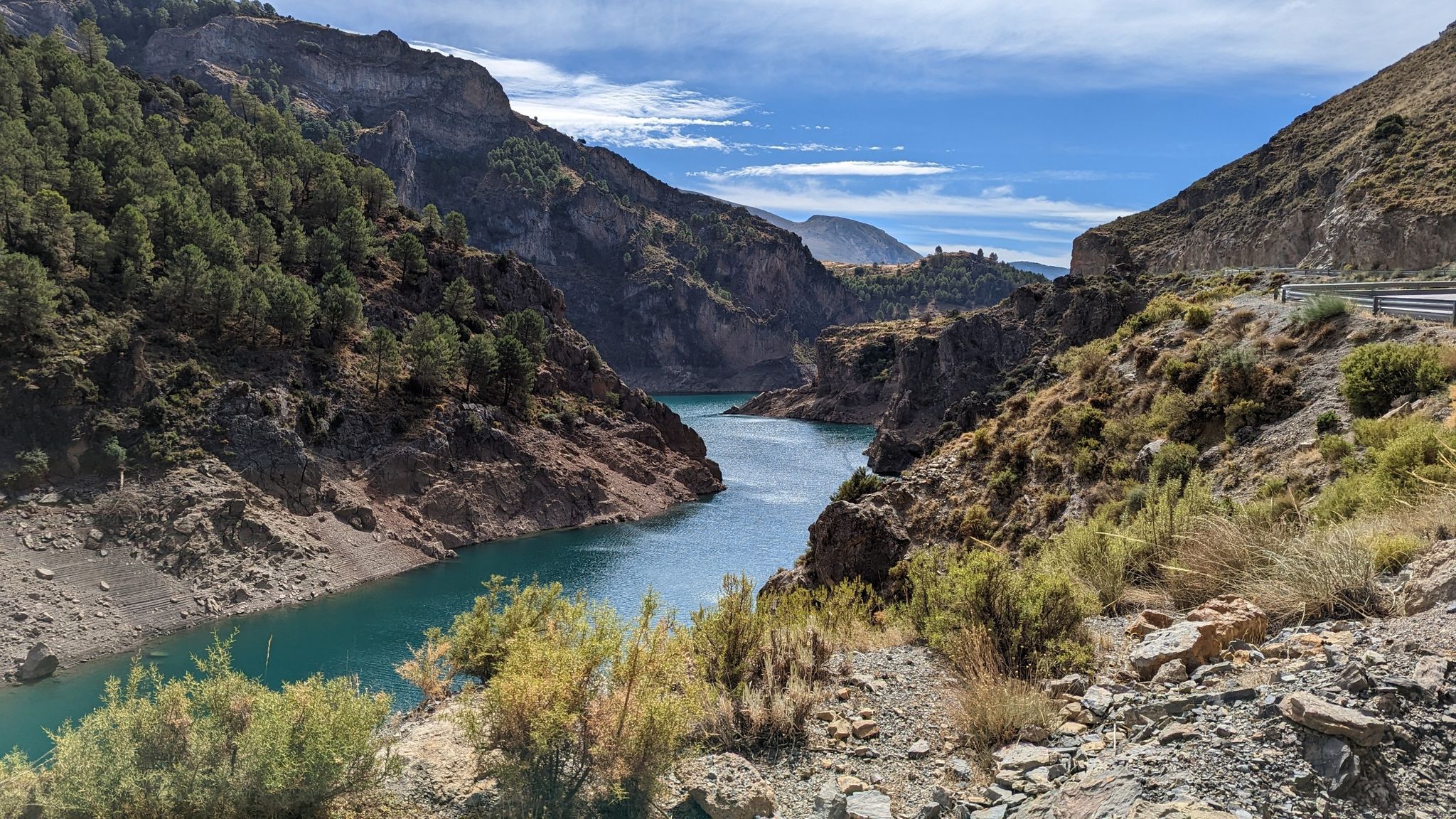
Andalusia without limits – Tarifa to La Puebla de Don Fabrique on the GR 7
A journey through the Spanish hinterland – cycling across Andalusia
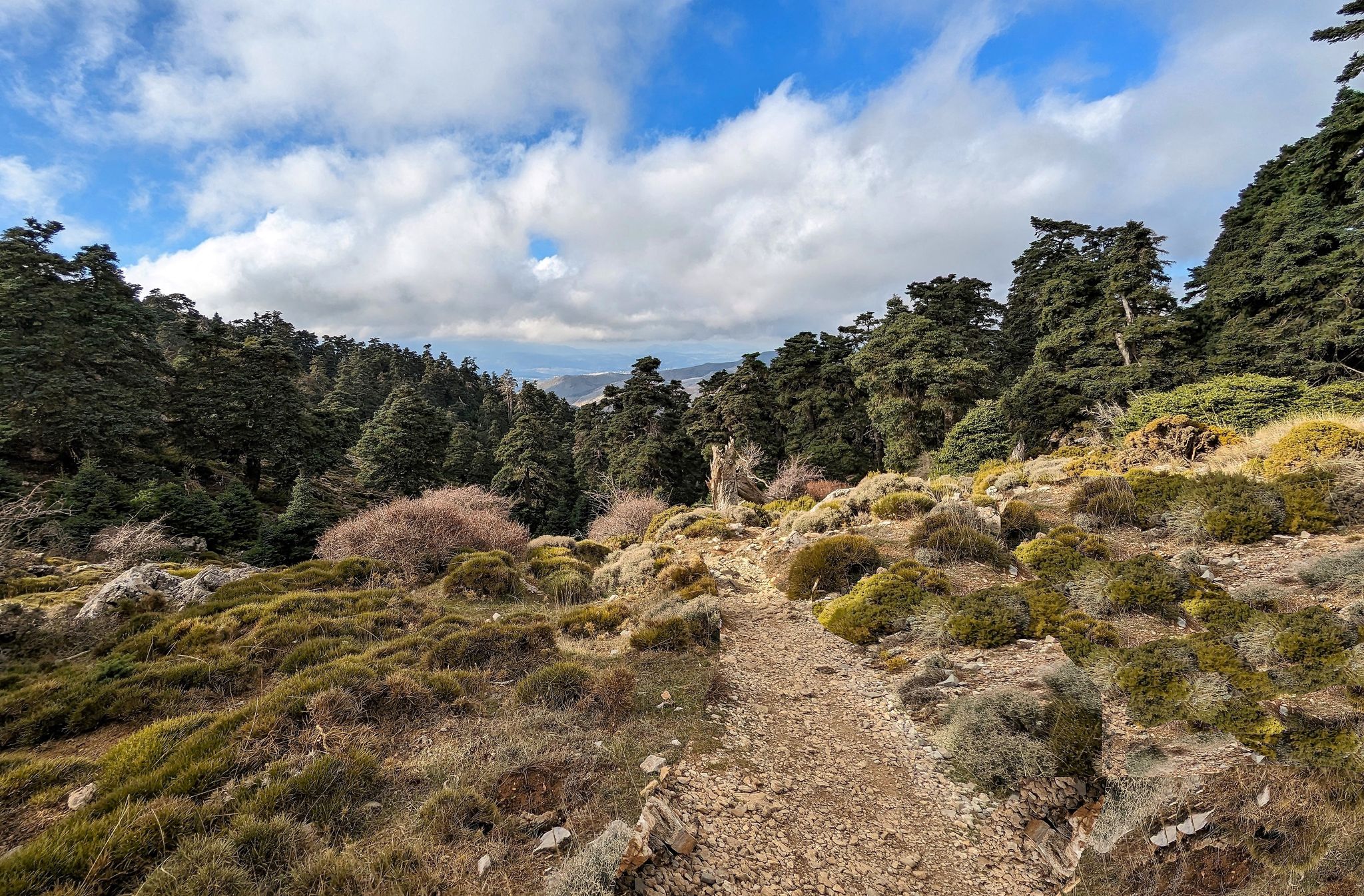
Magic in its purest form – hiking in Spain’s Sierra de las Nieves
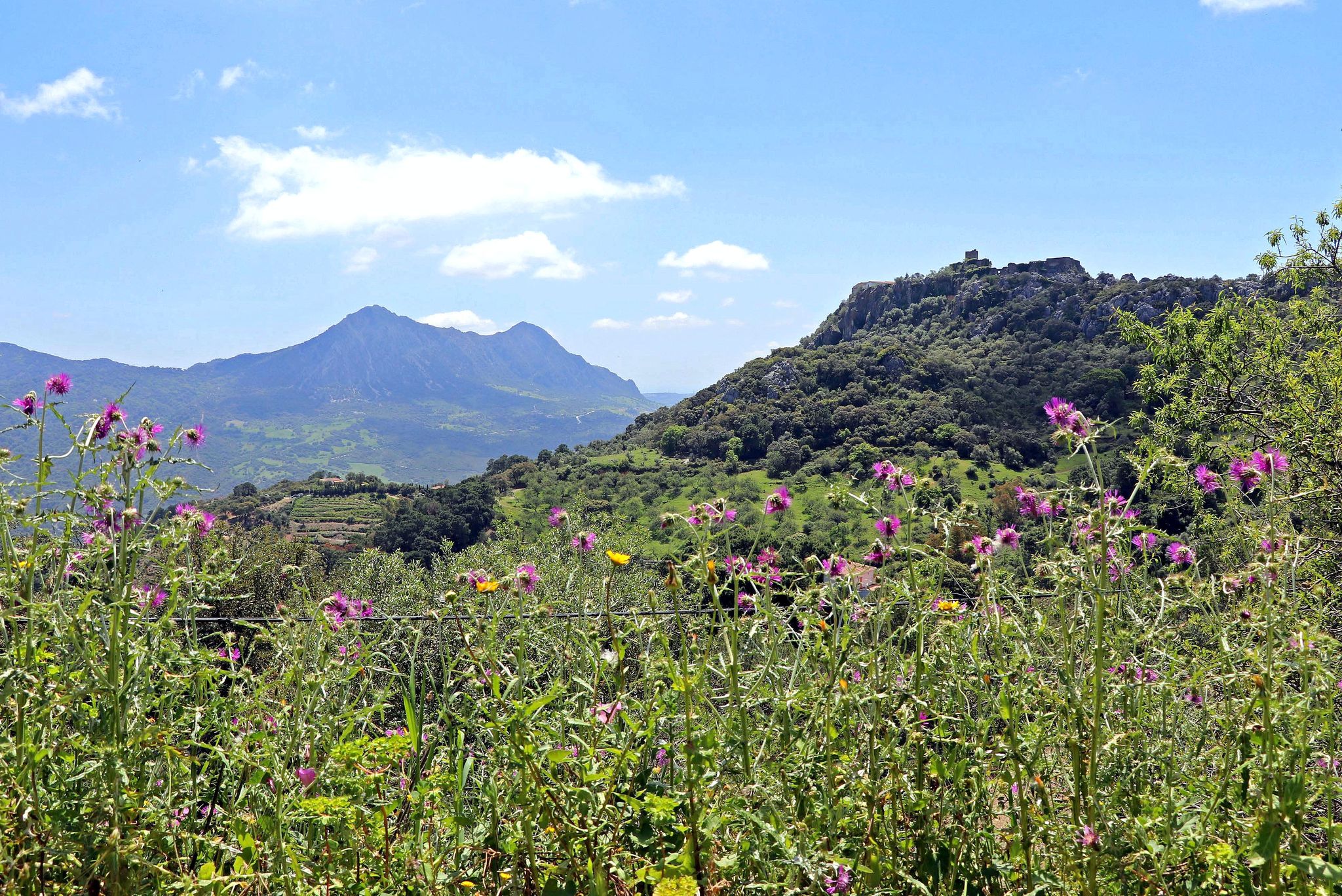
A jewel of Malaga – Gran Senda de la Serranía de Ronda (GR 141)
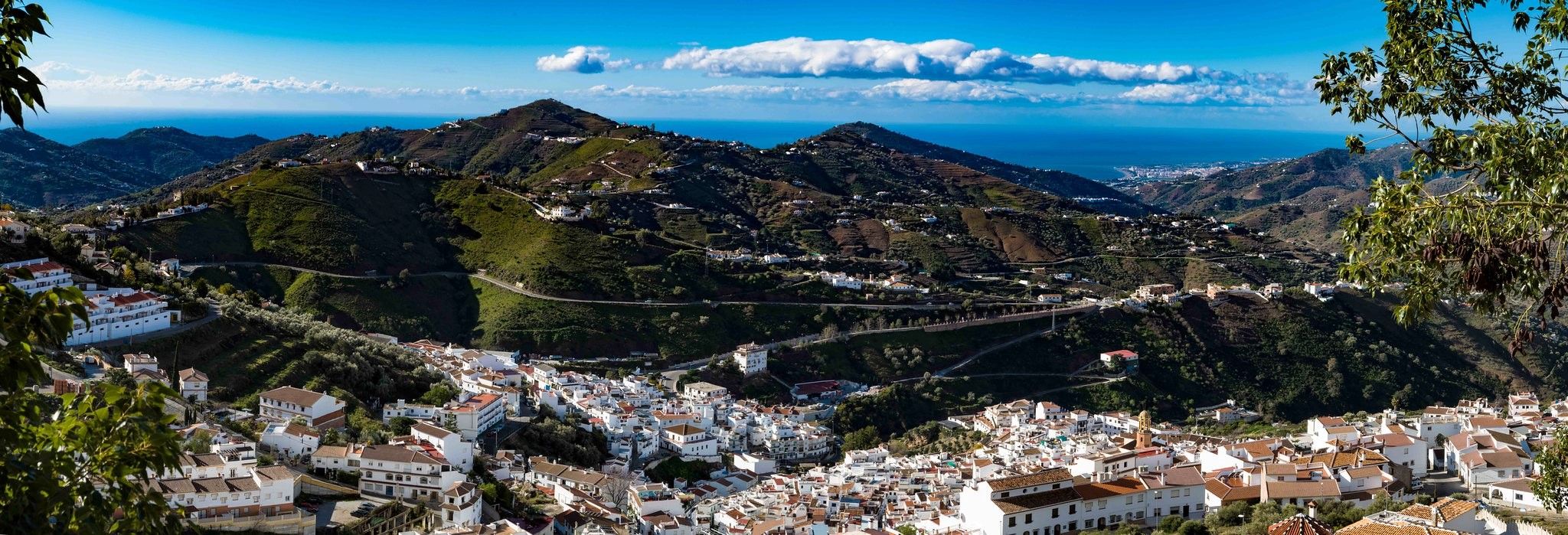
Hike between sea and mountains — Gran Senda de Málaga (GR 249)
Seven days walking along the Gran Senda de Málaga (GR 249)
Other adventures around Serrania De Ronda


Tips from the Community


The rock chapel is only rarely open on certain weekends. Scroll through the images to see the opening hours.
0
0
The rock chapel is on the left. It's also called the Cuevas de San Antonio. You have to be lucky to visit it. Special holidays (e.g., May 1 or August 24, World Tourism Day, or Monuments Day)
0
0

The cave was created out of necessity. The Sierra del Algarrobo blocks the Gaduares river, forcing the river to erode the rocks to find a way out. The resulting cave complex is nothing short of spectacular. The Cueva del Gato, 17 meters wide and 25 meters high, offers a hollowed-out natural space, where the Gaduares river re-emerges and joins the Guadiaro river. The main passage is over 4 km long. During the drier seasons, 25 individual lakes appear in the cave complex. The longest of these is the so-called Storm Cape and is 114 meters long. The lakes can only be crossed by swimming. The cave has a length of just over 8 km, but you are not allowed to enter it.
0
0
The River Genal, called a Natural Monument, is a short river in southern Spain, located in the Serranía de Ronda , west of the province of Málaga. The river rises in Igualeja from a spring in a cave known as " El Nacimiento " and eventually flows into the Guadiaro River.
0
0

Frequently Asked Questions
What are some of the most notable caves to visit in Serrania De Ronda?
The Serranía de Ronda is home to several significant caves. The Cat Cave (Cueva del Gato) is famous for its natural pool and as the outlet of an extensive underground river system. Cueva del Hundidero is the northern entrance to the same system, known for its impressive size. For prehistoric art, Cueva de la Pileta is renowned for its ancient cave paintings.
Are there any family-friendly caves or activities in the region?
Yes, the Sima del Diablo is an excellent choice for families looking for an adventurous outdoor activity like canyoning. It's considered suitable for all levels, including beginners, due to its moderate physical demand and relatively low technical difficulty. The area around the entrance of Cat Cave also features a natural pool, popular for swimming during warmer months.
What historical or cultural significance do the caves in Serrania De Ronda hold?
Many caves in the region have significant historical and cultural value. Cueva de la Pileta is renowned for its ancient cave paintings, dating back 20,000 to 25,000 years, and served as a dwelling and burial place for Paleolithic communities. The Cat Cave system also contains significant cave paintings and cultural material from the Neolithic period, making it a Cultural Heritage site.
What kind of natural features can I expect to see in these caves?
The caves in Serranía de Ronda showcase diverse natural features. The Cat Cave system is carved by the Gaduares River, featuring a labyrinth of galleries, chasms, siphons, and over 25 underground lakes, along with spectacular formations like the Gours Hall and the Great Stalagmite. Cueva de la Pileta also features beautiful stalactites and stalagmites. The Source of the Genal River is another natural monument where the river rises from a cave spring.
Do I need a permit to explore the caves in Serrania De Ronda?
For the more extensive and complex cave systems, such as the inner parts of the Hundidero-Gato system (accessed via Cueva del Hundidero or Cat Cave) or the exceptionally deep Sima GESM, specialized equipment and permits are required. Public entry to these inner systems is largely prohibited due to their complexity and dangers. However, the entrance area of Cat Cave is easily accessible without a permit.
What is the best time of year to visit the caves in Serrania De Ronda?
The best time to visit depends on your planned activity. For enjoying the natural pool at Cat Cave, the warmer months are ideal. For guided tours of Cueva de la Pileta, which are often torchlit, conditions are generally suitable year-round, though it's always wise to check specific opening times and tour availability.
Are there any advanced caving expeditions available in the region?
Yes, for highly experienced cavers, the Sima GESM (Gesm-Sima de la Luz) offers an unparalleled challenge. It is one of the deepest potholes in the world, plunging over 1,000 meters. This requires specialized equipment and expert guidance. The Montejaque Speleology Interpretation Center can provide more information on its geological importance.
What outdoor activities can I do near the caves in Serrania De Ronda?
The region offers a variety of outdoor activities. You can find numerous hiking trails, such as the 'Natural Monument Cueva del Gato via the Guadiaro River' route, which is considered easy. For more adventurous options, the Sima del Diablo is popular for canyoning. Cycling routes are also available, including challenging road cycling tours like 'Ronda and the Blue Village of Júzcar Loop'. You can explore more options on the hiking, cycling, and road cycling guides for Serrania De Ronda.
Are there guided tours available for the caves?
Yes, Cueva de la Pileta offers torchlit guided tours, often led by descendants of its discoverer, providing an immersive experience into its historical and archaeological significance. For the more accessible parts of the Cat Cave, the area is generally self-explorable, but specialized guides are necessary for the deeper, more technical sections of the Hundidero-Gato system.
What amenities are available near the caves?
Near the Cat Cave, you'll find a picnic area and benches. The village of Benaoján, close to the cave, has a charming old town with winding alleys, small shops, and tapas bars. Near the Source of the Genal River, there's a bar where you can replenish water and strength.
What is the 'cat's face' entrance of Cueva del Gato?
The Cat Cave (Cueva del Gato) gets its name from the distinctive shape of its entrance, which locals say resembles a cat's face. This unique geological formation adds to the charm of this natural monument.
Can I find any cave churches in the Serrania De Ronda area?
Yes, the region features unique religious sites like the Cave Church of Our Lady of La Cabeza and the Mozarabic Rock-Hewn Hermitage of Virgen de la Cabeza. These historical sites offer a glimpse into the cultural heritage of the area, combining natural cave formations with religious architecture.
Most popular routes around Serrania De Ronda
Most popular attractions around Serrania De Ronda

Get inspired with the komoot mobile app


Didn’t find what you were looking for?
Discover more caves around Serrania De Ronda region by region:
Explore more
Extend your search for the best caves by checking out these guides of the top ones around Serrania De Ronda:
