Top 6 Castles around La Loma
Castles around La Loma, a region in Jaén, Spain, offer a journey through centuries of history. This area is characterized by vast olive groves and historical towns like Úbeda and Baeza, recognized as UNESCO World Heritage Sites. The landscape features numerous fortifications, Renaissance buildings, and ancient defensive structures. Visitors can explore a rich cultural heritage intertwined with the natural beauty of the region.
Best castles around La Loma
- The most popular castles is Castillo de Sabiote, a castle that…
Last updated: July 23, 2026
Castillo de Sabiote
Highlight • Castle
Translated by Google •
Tip by

Puerta de Úbeda
Highlight • Historical Site
This gate originally had three arches next to …
Translated by Google •
Tip by

Sign up now to discover places like this
Get recommendations on the best single tracks, peaks, & plenty of other exciting outdoor places.
Sign up for free
Views from the Alcázar District
Highlight • Viewpoint
Translated by Google •
Tip by

Castillo De Canena
Highlight • Castle
Translated by Google •
Tip by
Arab Tower
Highlight • Historical Site
Translated by Google •
Tip by
Medieval walls and towers
Highlight • Historical Site
Translated by Google •
Tip by
Start today with a free account
Your next adventure awaits.
Login or Signup
Popular around La Loma

A winter getaway along the greenways of Andalusia in Spain
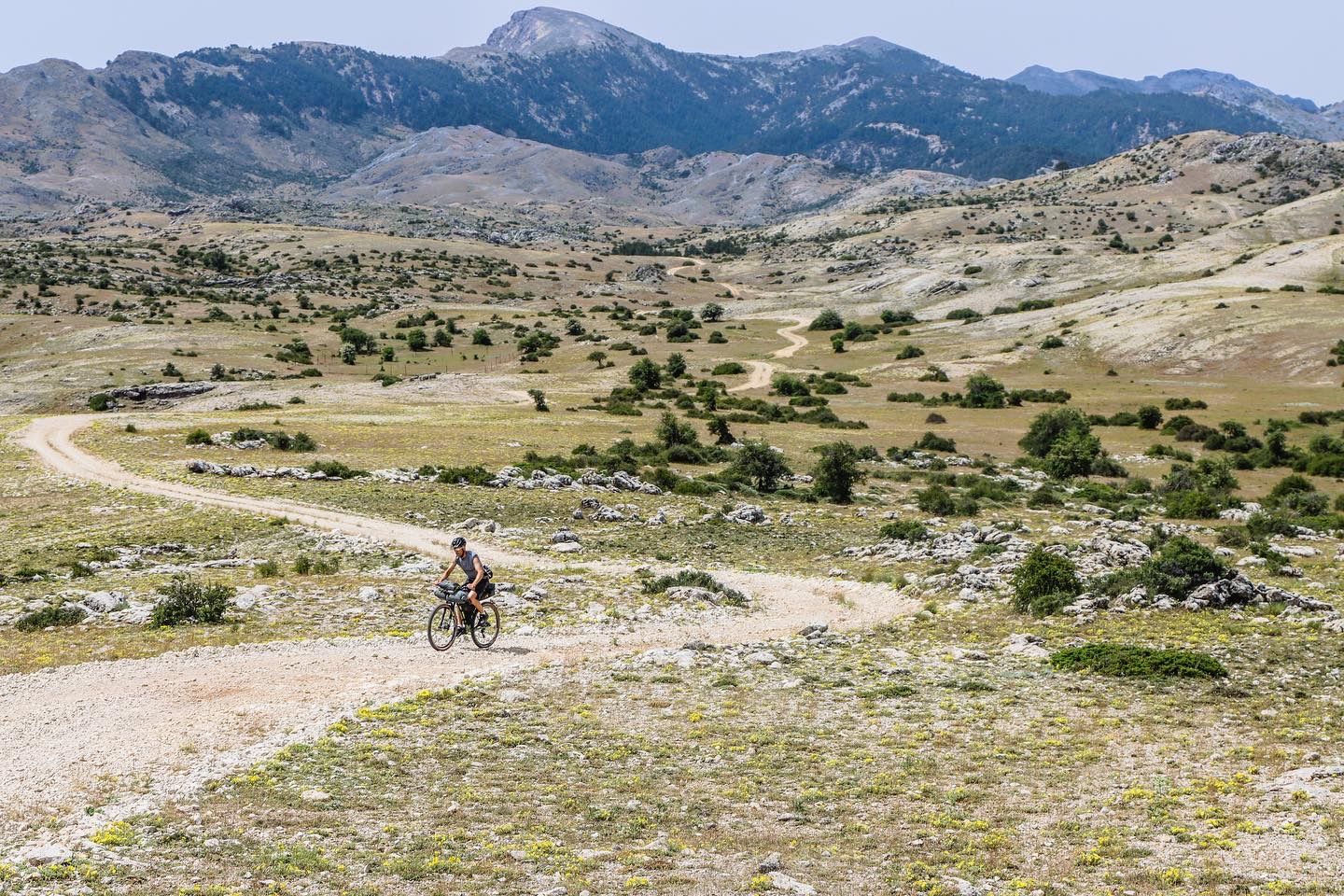
A wild experience – Sierra de Cazorla, Segura y Las Villas (GR 247)
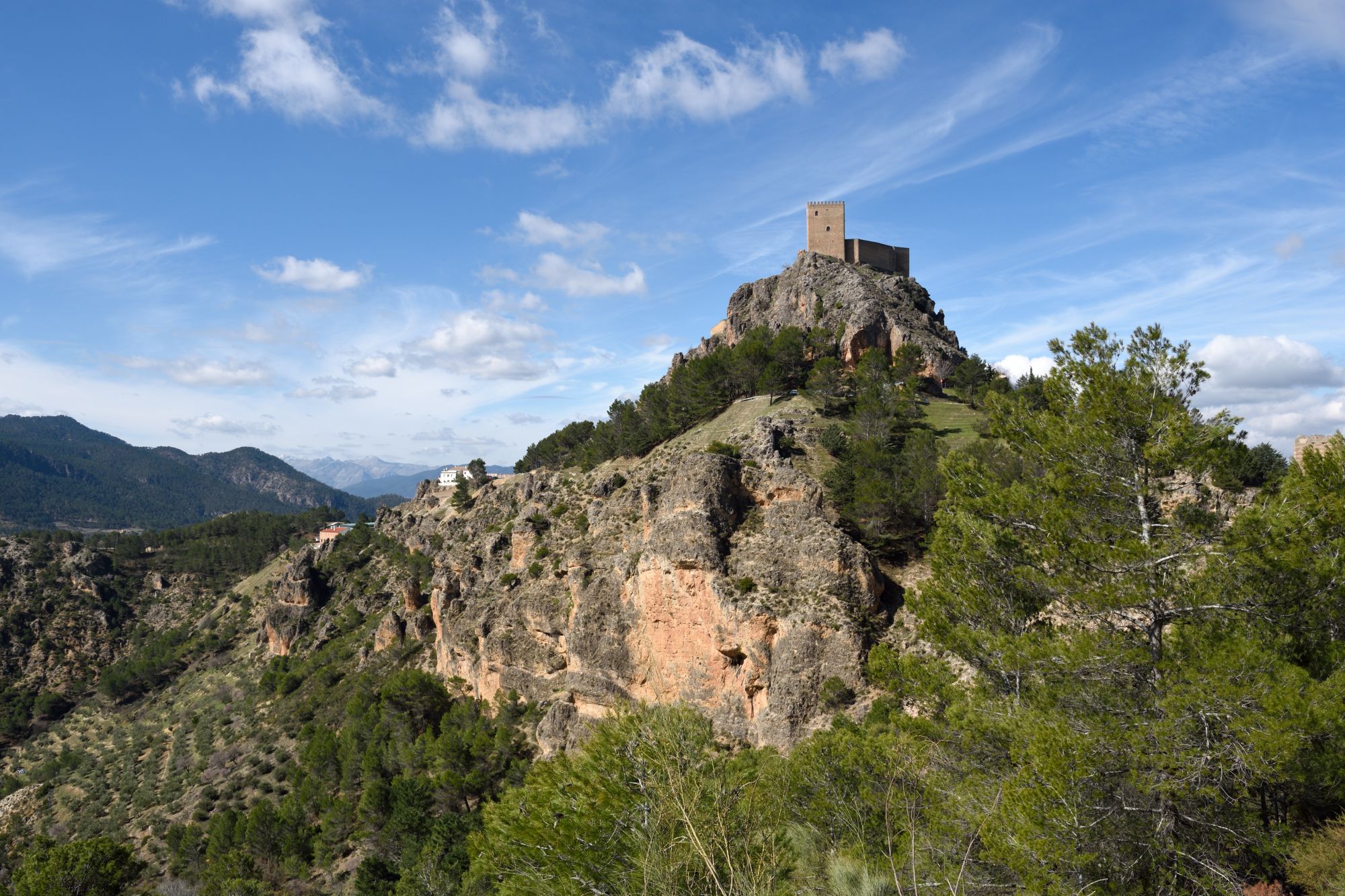
A circular high altitude trail – Bosques del Sur (GR 247)
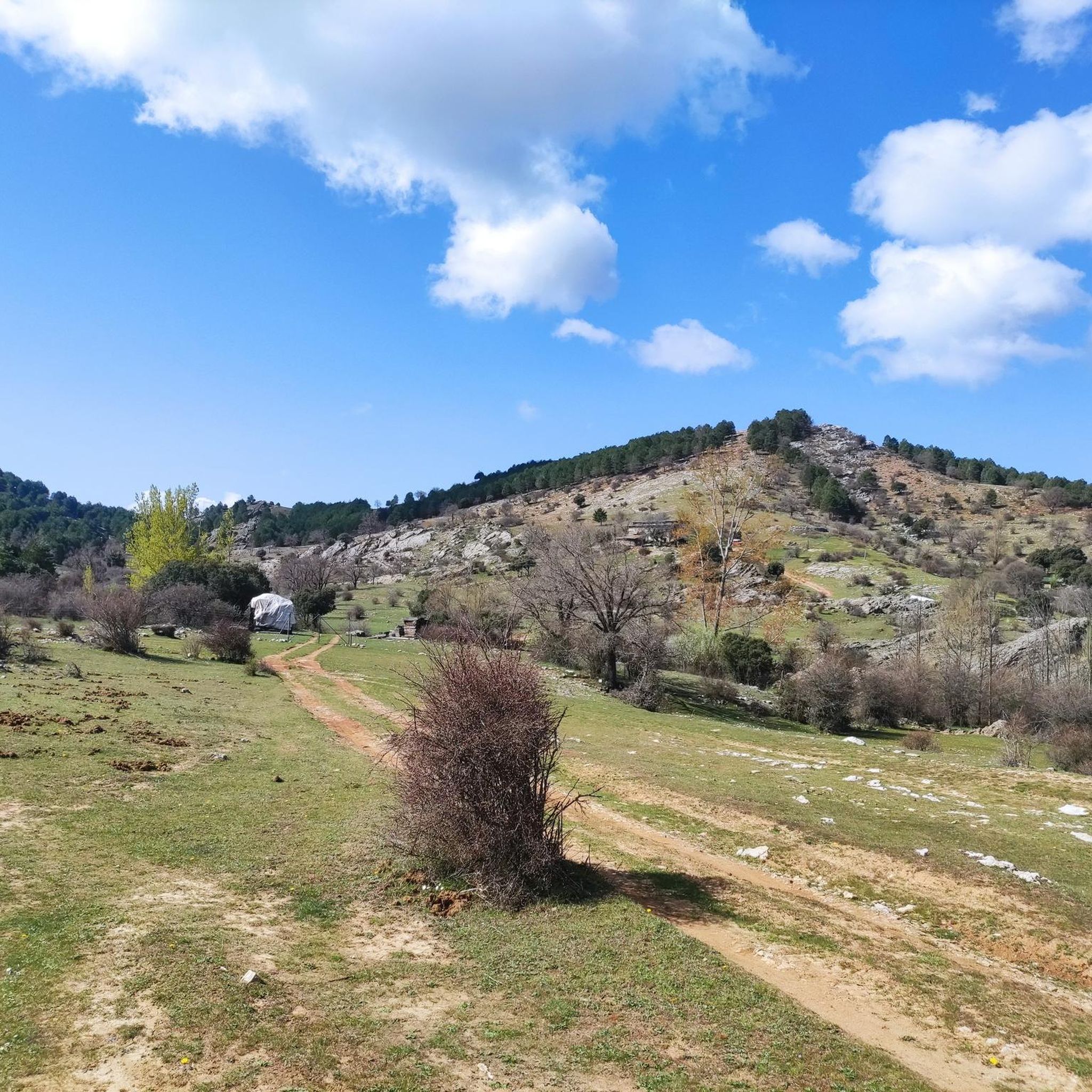
Running Trails around La Loma
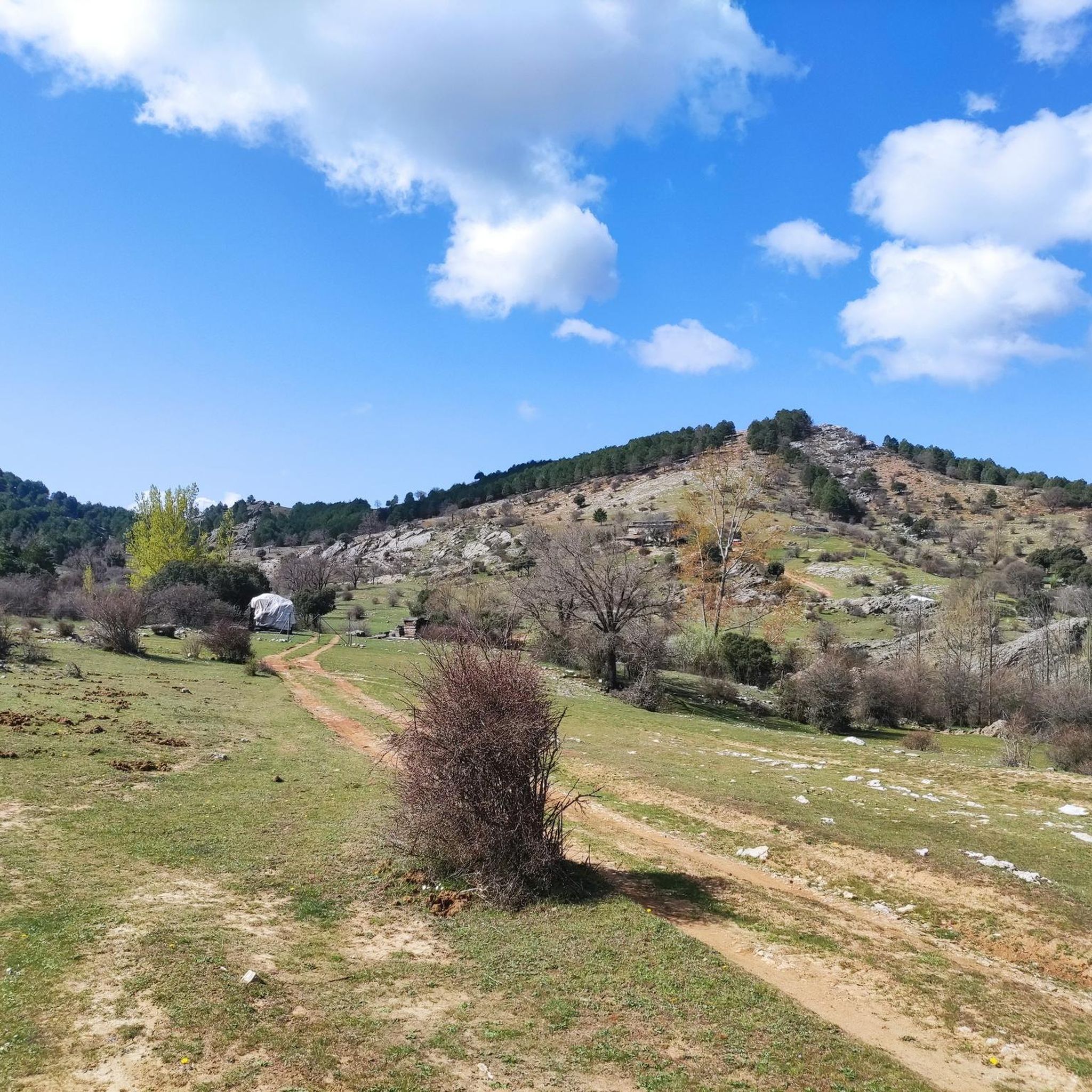
Road Cycling Routes around La Loma
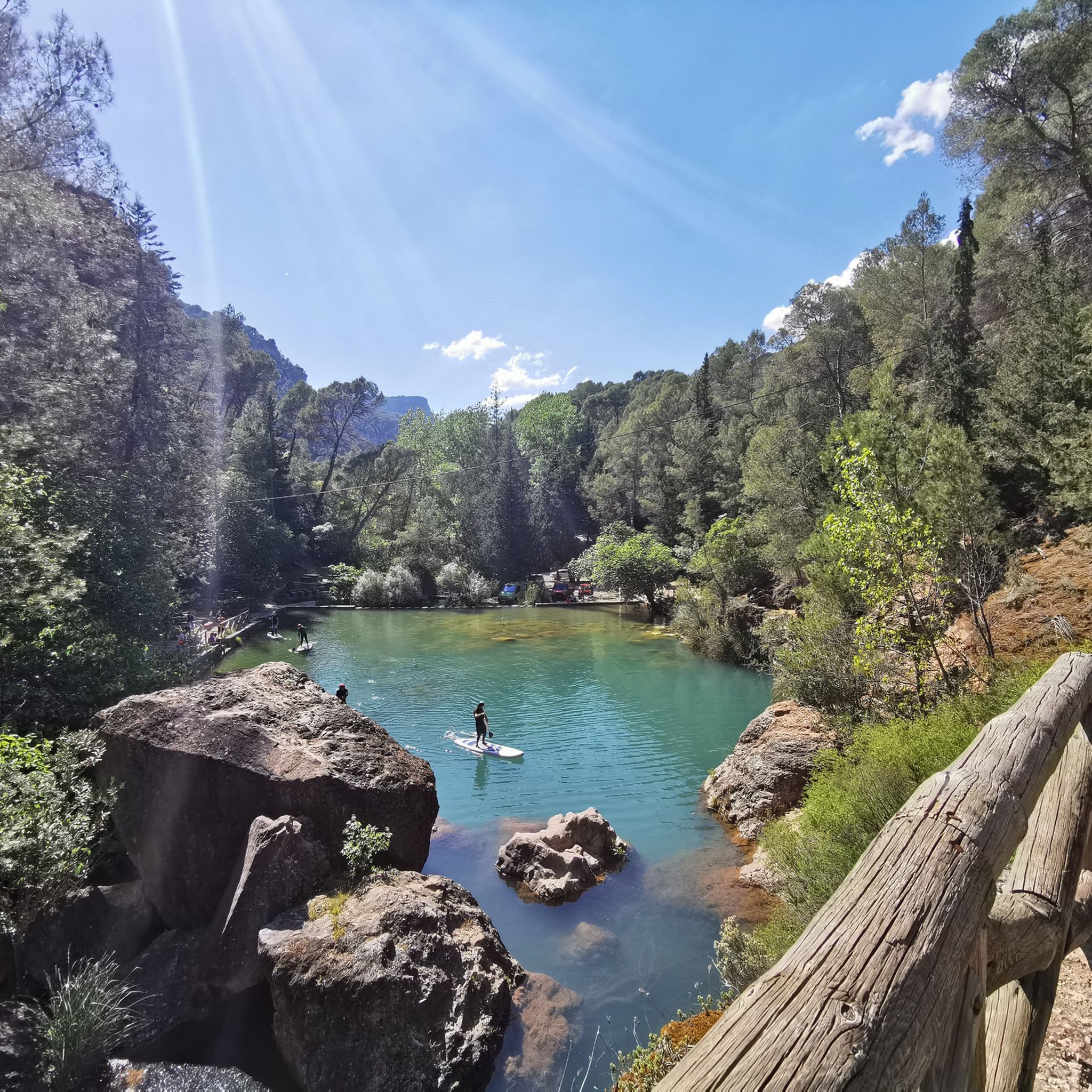
Hiking around La Loma
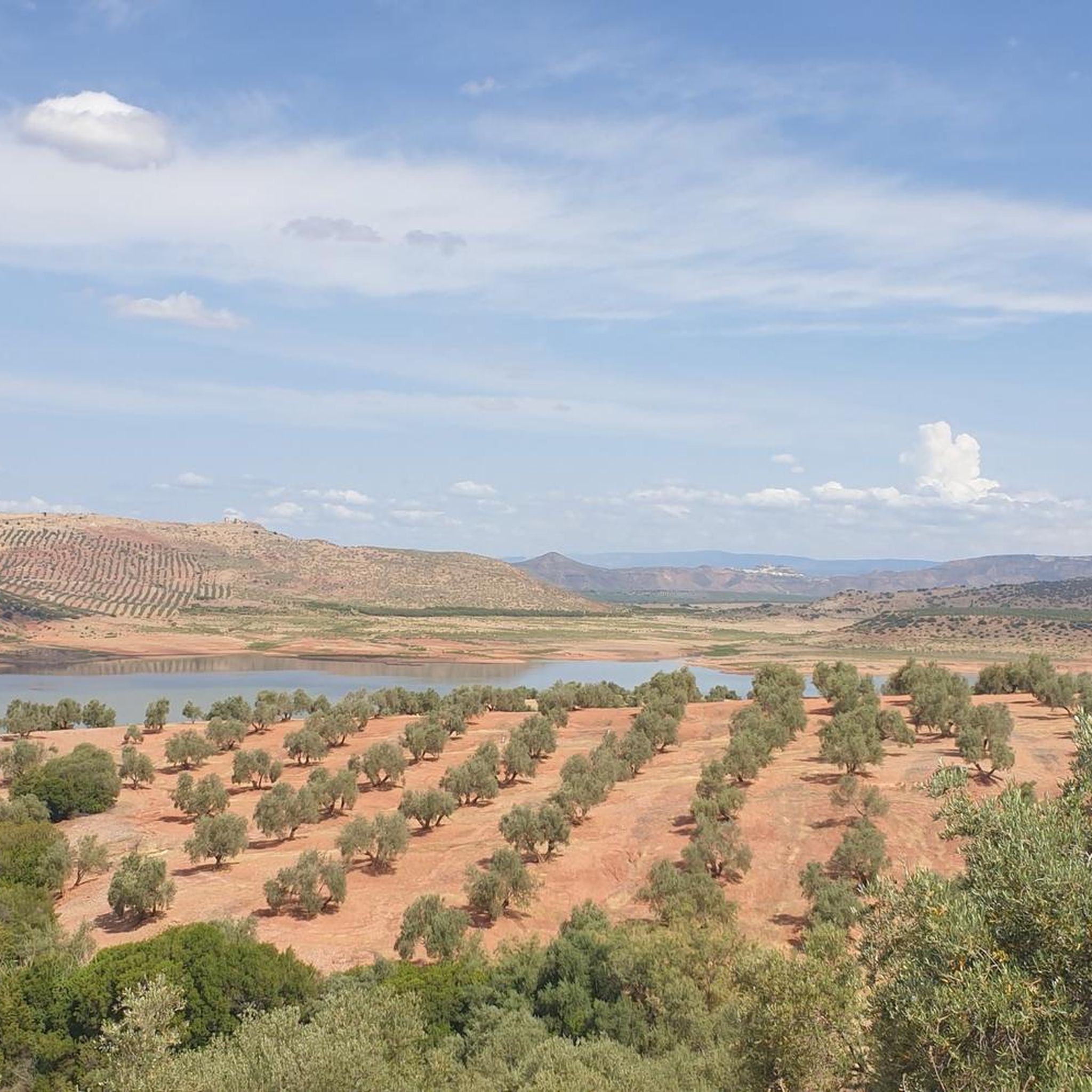
MTB Trails around La Loma
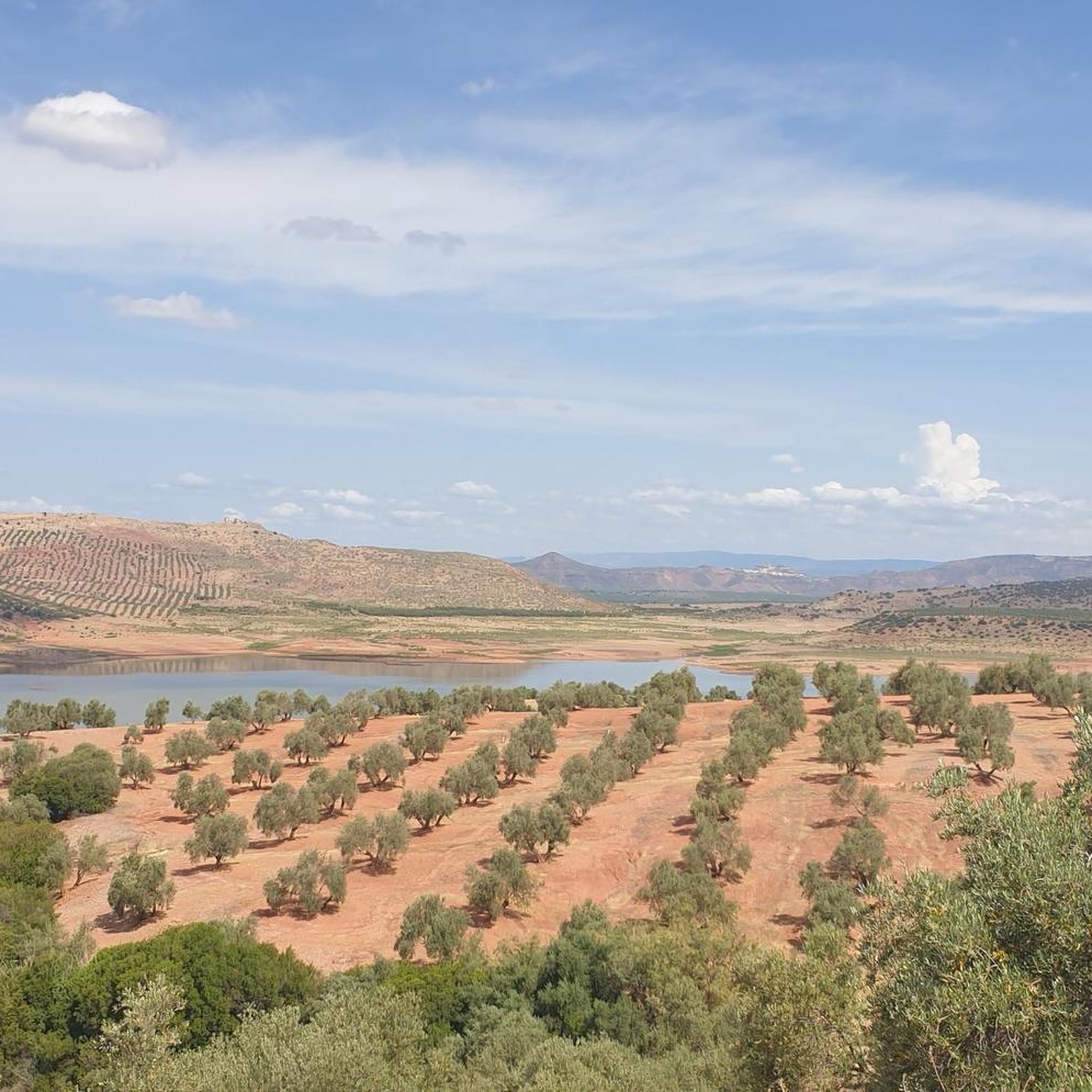
Cycling around La Loma
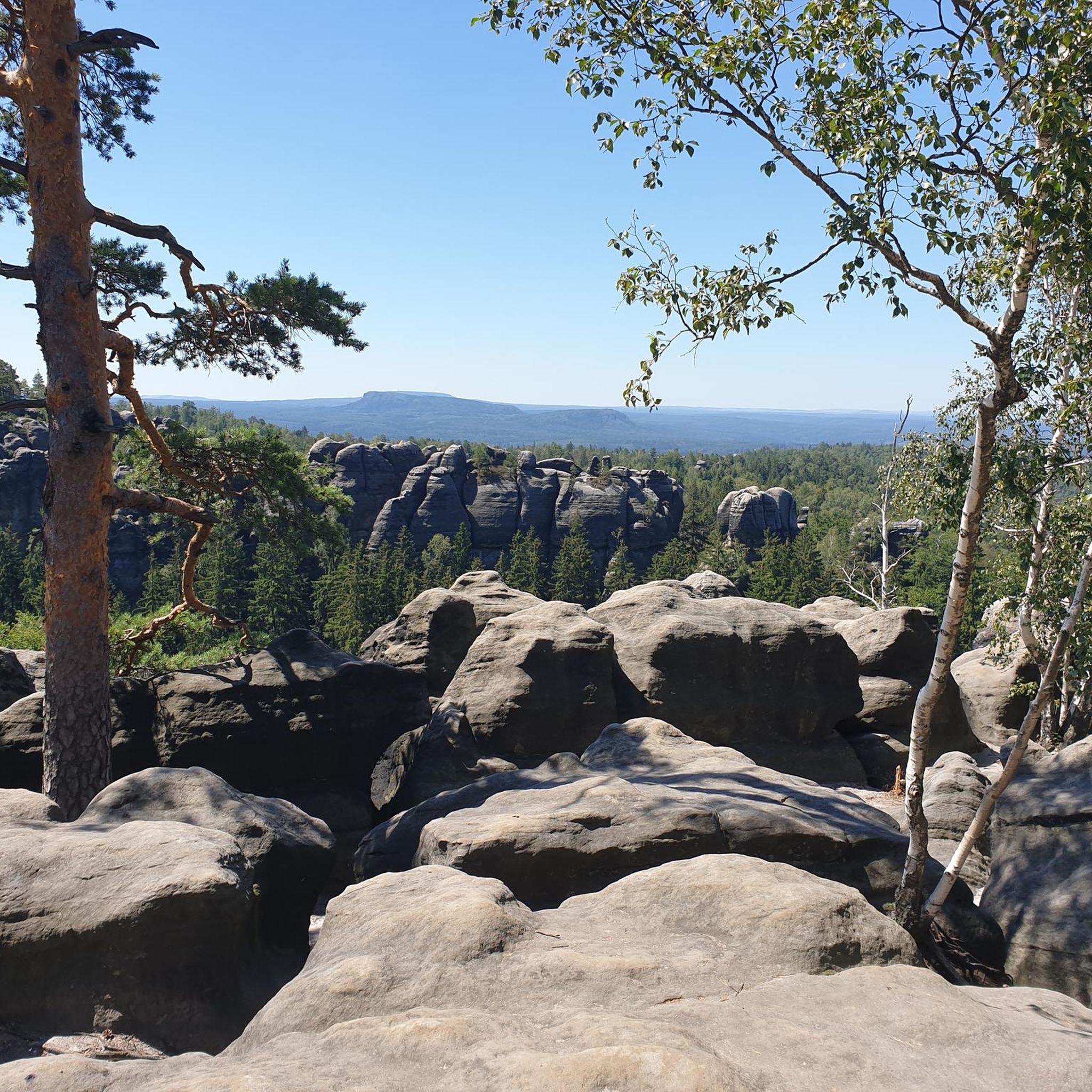
Gravel biking around La Loma
Other adventures around La Loma


Tips from the Community

The wall, preserved in very good condition and still visible for many years to come, offers us the opportunity to walk around its perimeter, with stairs providing easy access to the different levels. In this section, we can appreciate the wall more directly.
19
0
We are looking at the best-preserved gate in the Baeza wall, called the Úbeda Gate because it faces the important neighboring town. This gate originally had three arches next to the well-known Albarrana Tower, where the so-called parade ground once stood.
20
0

Baeza is located in the province of Jaén, home to some of the world's finest olive oil. The town rises from a vast olive grove, and along its cobblestone streets are some of the best-preserved Renaissance buildings in Europe. It's no coincidence that this remarkable ensemble, along with the neighboring town of Úbeda, has been declared a UNESCO World Heritage Site. This journey through time is not to be missed.
0
0
Dating back to the 9th century, this tower was part of the city wall that was built by the Arabs, next to one of the entrance gates. Also known as the Albarrana tower (a type of onion), it underwent some modifications between the 15th and 16th centuries.
12
0
This is the old entrance gate to the walled city whose name is logically "Puerta de Úbeda", as it was the closest gate to that city.
9
0

In the municipality of Canena, the Canena Castle is a Renaissance-style building built in the 16th century: it was declared an Asset of Cultural Interest and is one of the most important in Andalusia.
0
0

From the southernmost end of the beautiful city of Úbeda we find these beautiful views of what is called the Alcázar, the old town of the city itself. The views of the olive fields are worth it!
0
0

Úbeda is an important city, and one of the most glorious and stately in Andalusia. The oldest parts include the Tower and the Cava Walls. It is believed that it settled in Roman times. Its stone walls were built in 852 and continually fought and changed hands over the centuries between Muslim and Christian rulers.
1
0
Frequently Asked Questions
What are some of the most notable castles and historical sites to visit around La Loma?
The region offers several significant historical sites. Don't miss Castillo de Sabiote, a 13th-century fortification with a commanding view. Also, explore Castillo De Canena, a beautiful Renaissance-style castle. In Úbeda, the Views from the Alcázar District offer perspectives of the old town and its ancient walls.
Are there family-friendly castles or historical sites in the La Loma region?
Yes, several sites are suitable for families. The Views from the Alcázar District in Úbeda are family-friendly, offering historical insights and scenic views. The Castillo De Canena is also listed as family-friendly, providing an engaging historical experience for all ages.
What kind of historical architecture can I expect to see in the castles around La Loma?
The castles and fortifications around La Loma showcase a rich blend of architectural styles, reflecting centuries of history. You'll find medieval fortifications like the 13th-century Castillo de Sabiote, as well as Renaissance-style castles such as Castillo De Canena. The region also features ancient defensive structures, including Roman-era walls and Arab towers, like the Arab Tower in Baeza.
Can I combine a visit to the castles with outdoor activities like hiking?
Absolutely. The La Loma region, particularly near the Sierras de Cazorla, offers numerous opportunities for outdoor activities. You can find various hiking trails, including easy walks and more moderate routes. Explore options like the Borosa River Route or the Osera Trail. For more details on routes, check out the easy hikes around La Loma or waterfall hikes around La Loma guides.
What are the best times to visit the castles and historical sites in La Loma?
The best times to visit are generally during the spring (April-May) and autumn (September-October) when the weather is mild and pleasant for exploring. Summers can be very hot, while winters are cooler but still suitable for visits, though some attractions might have reduced hours.
Are there any historical sites related to city walls or defensive structures?
Yes, the region is rich in defensive architecture. In Baeza, you can see the well-preserved Puerta de Úbeda, an old entrance gate to the walled city. The Arab Tower, dating back to the 9th century, was part of the city wall. Úbeda also features ancient Tower and Cava Walls, which were part of its Roman-era defenses.
What do visitors particularly enjoy about the castles and historical sites in La Loma?
Visitors appreciate the deep historical significance and the stunning views. For instance, Castillo de Sabiote is noted for its defensive pre-eminence and historical depth. The Views from the Alcázar District are loved for their panoramic vistas of Úbeda's old town and the surrounding olive groves.
Are there any unique features or tips for visiting specific castles?
When visiting Castillo De Canena, be sure to try the famous Premium and Gourmet Olive Oil brand from Castillo de Canena, as the region is renowned for its olive oil production. For Castillo de Sabiote, appreciate its strategic location overlooking the entire La Loma region, a testament to its 13th-century defensive purpose.
Can I find running trails near the castles in La Loma?
Yes, the area offers several running trails. You can find routes like 'From Baeza to the Montalvas walk' or 'Views from the Barrio del Alcázar, Úbeda'. For more options, consult the running trails around La Loma guide.
What is the historical significance of the castles in La Loma?
The castles and fortifications in La Loma played a crucial role throughout history, particularly during the Reconquista and subsequent periods. They served as strategic defensive points, changing hands between Muslim and Christian rulers over centuries. Sites like Castillo de Sabiote and the walls of Úbeda and Baeza are tangible reminders of these conflicts and the region's rich past.
Are there any UNESCO World Heritage Sites near the castles?
Yes, the towns of Úbeda and Baeza, which are central to the La Loma region's historical landscape, are recognized as UNESCO World Heritage Sites. Their Renaissance buildings and historical ensembles are exceptionally well-preserved and offer a deeper dive into the region's cultural heritage alongside the castles.
Most popular routes around La Loma
Most popular attractions around La Loma

Get inspired with the komoot mobile app


Didn’t find what you were looking for?
Explore La Loma’s best castles region by region:
Explore more
Looking for the best castles somewhere else? Discover other guides around La Loma:
