Top 5 Castles around Sierra De Cadiz
Castles around Sierra De Cadiz are situated in a region known for its historical significance and varied landscapes. These fortresses, often perched atop hills, reflect the area's strategic past, particularly during the Reconquista. The region features a blend of Moorish and Christian heritage, with many castles offering views of the surrounding natural beauty. This area provides insights into historical defense systems and architectural adaptations to rugged terrain.
Best castles around Sierra De Cadiz
- The most popular castles is Zahara de…
Last updated: November 23, 2026
Zahara de la Sierra Castle
Highlight • Castle
Translated by Google •
Tip by

Castillo de Olvera
Highlight • Castle
Translated by Google •
Tip by

Sign up now to discover places like this
Get recommendations on the best single tracks, peaks, & plenty of other exciting outdoor places.
Archpriest Church of Our Lady of the Incarnation and Saint Joseph (Olvera)
Highlight • Religious Site
Translated by Google •
Tip by
Olvera Town Center
Highlight • Settlement
Translated by Google •
Tip by

View of Castillo de Aznalmara
Highlight • Viewpoint
Showing Translation
Tip by

Torre Alháquime and Arco de la Villa
Highlight • Historical Site
The labyrinthine layout of its streets is nestled in its most important monuments: the parish of Nuestra Señora de la …
Translated by Google •
Tip by
Castle of Aznalmara
Highlight • Castle
Showing Translation
Tip by
Start today with a free account
Your next adventure awaits.
Popular around Sierra De Cadiz

Triathlon 360 – my journey around the world
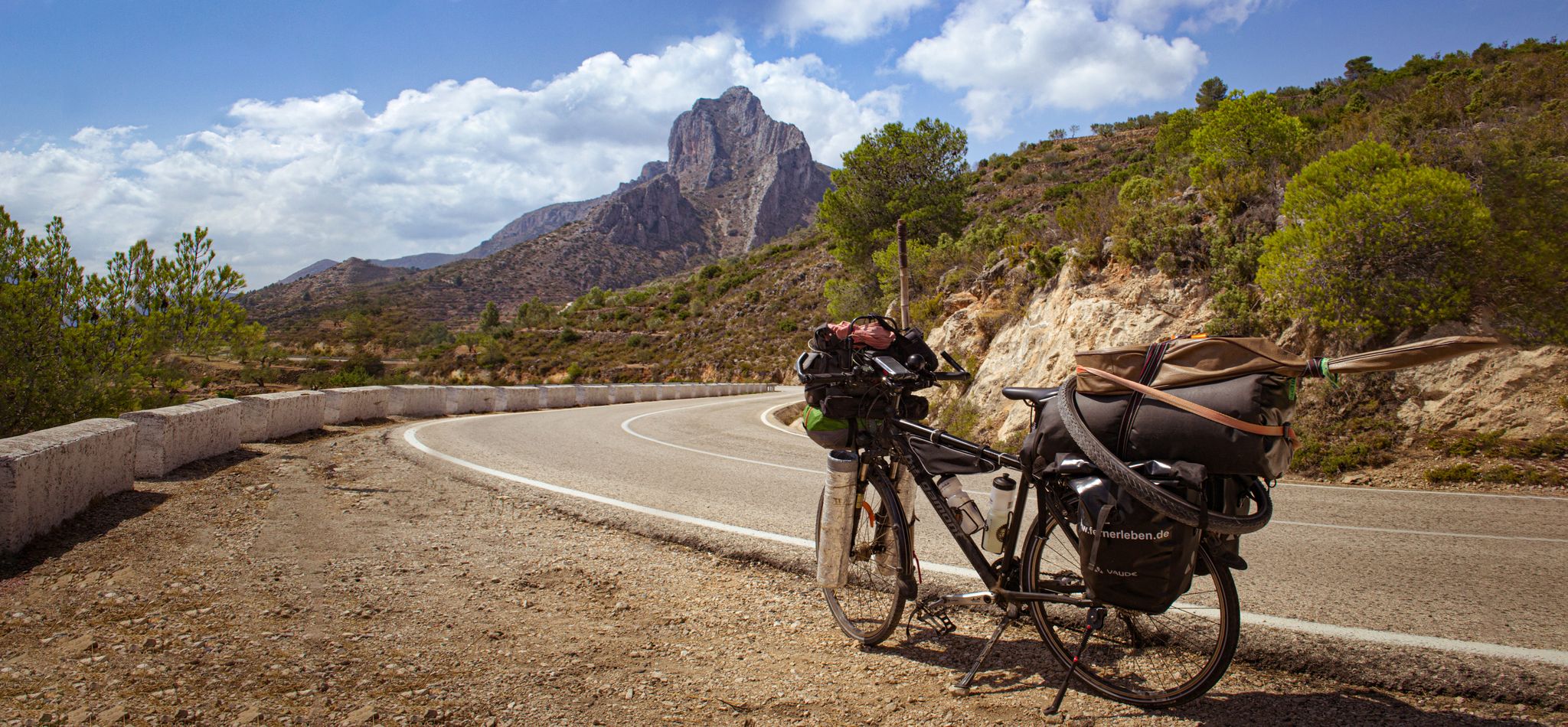
On the road to the sun — bikepacking to southeast Spain
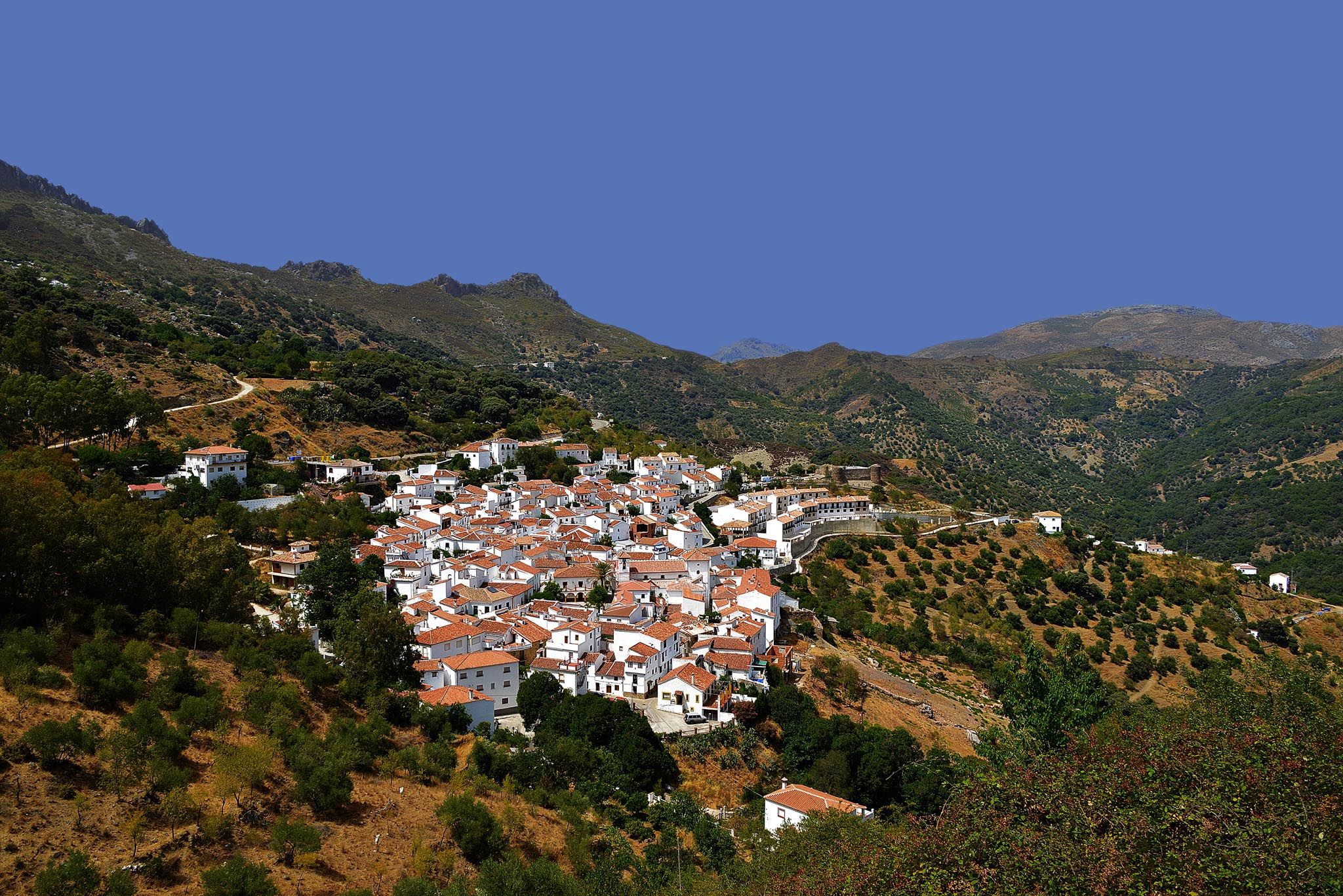
Windows to the past – White Towns of Andalusia
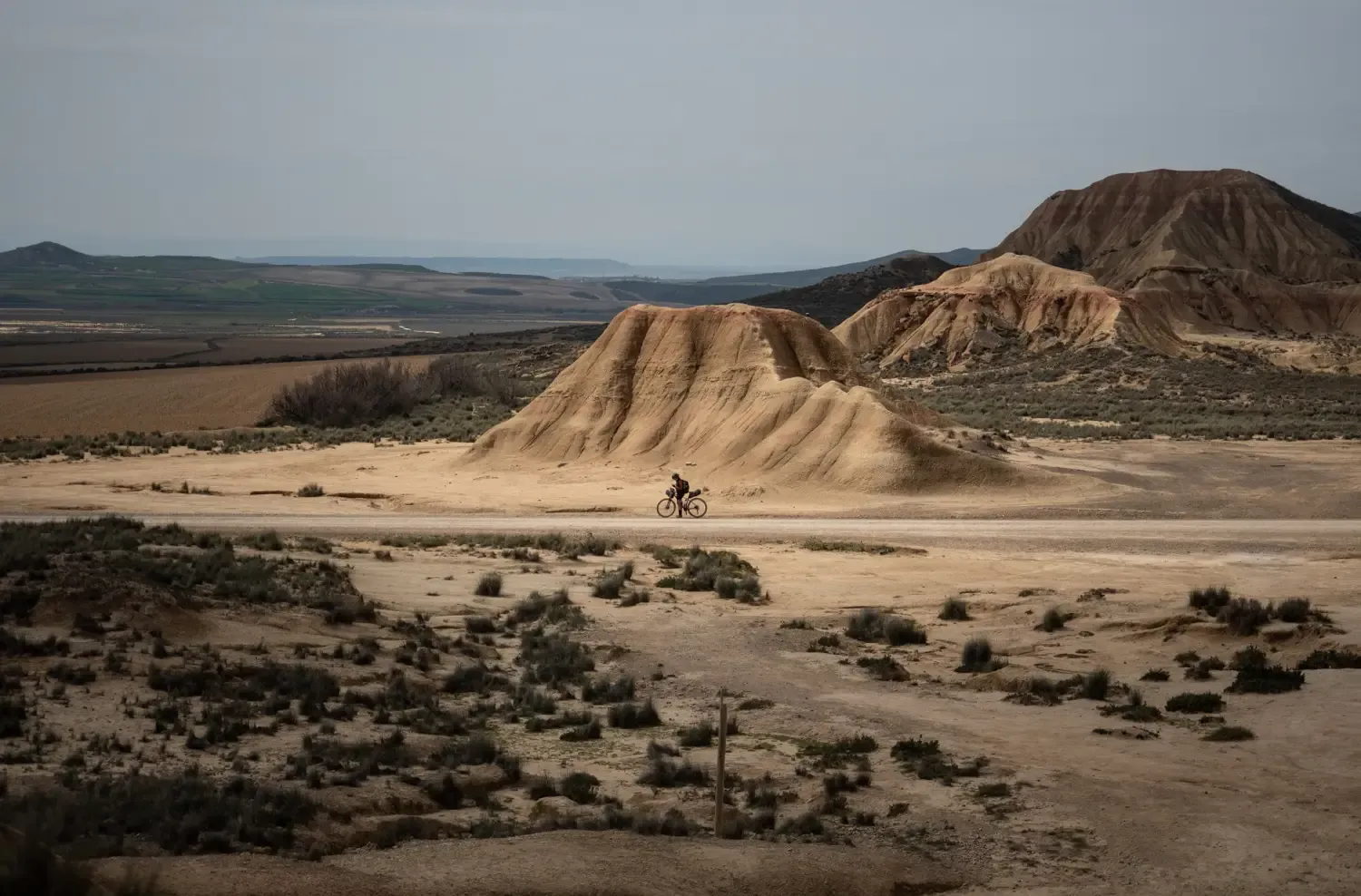
9 mountain biking routes in undiscovered Spain
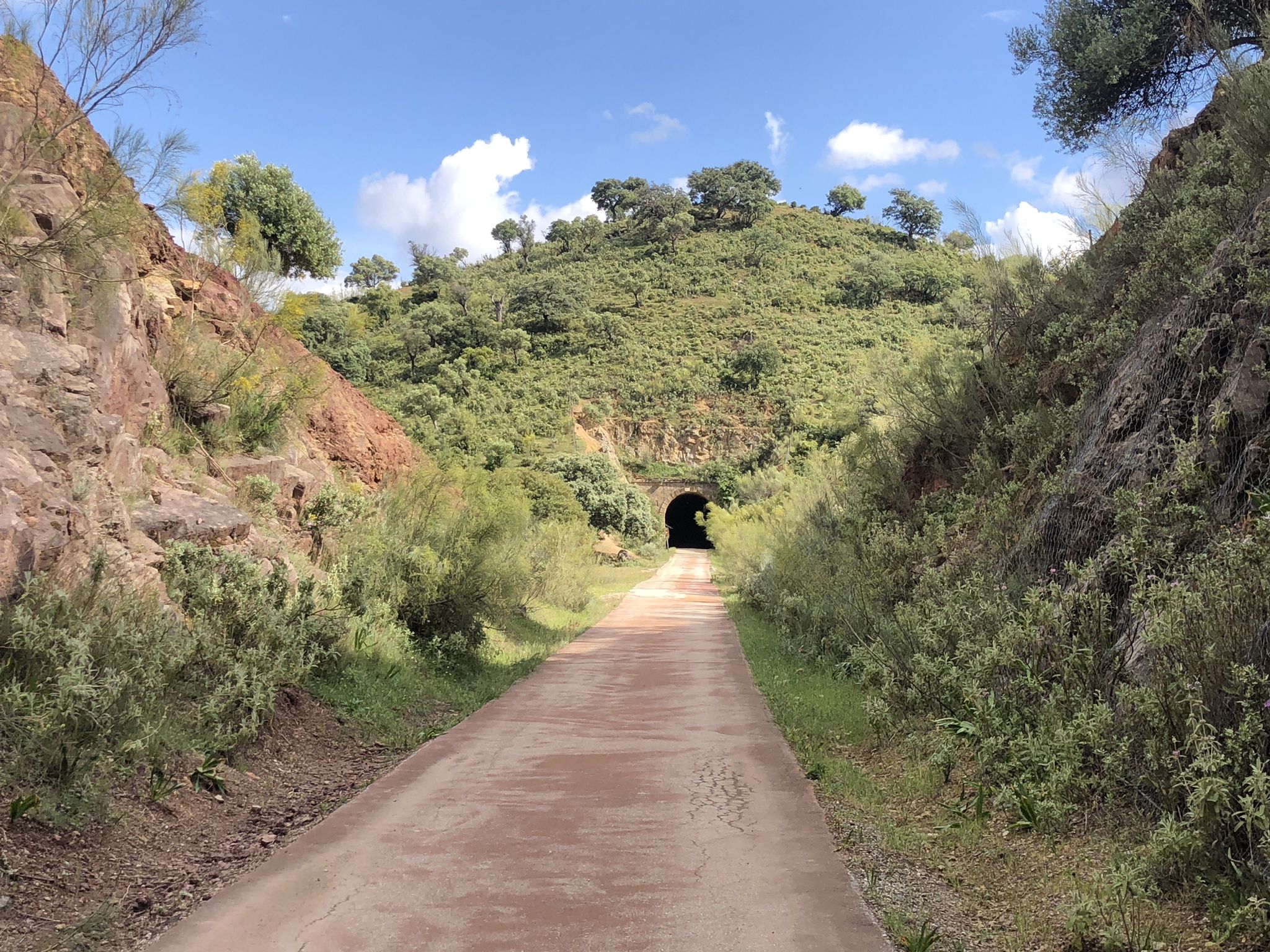
A magical bike Tour in Andalusia – Sierra Greenway in Spain
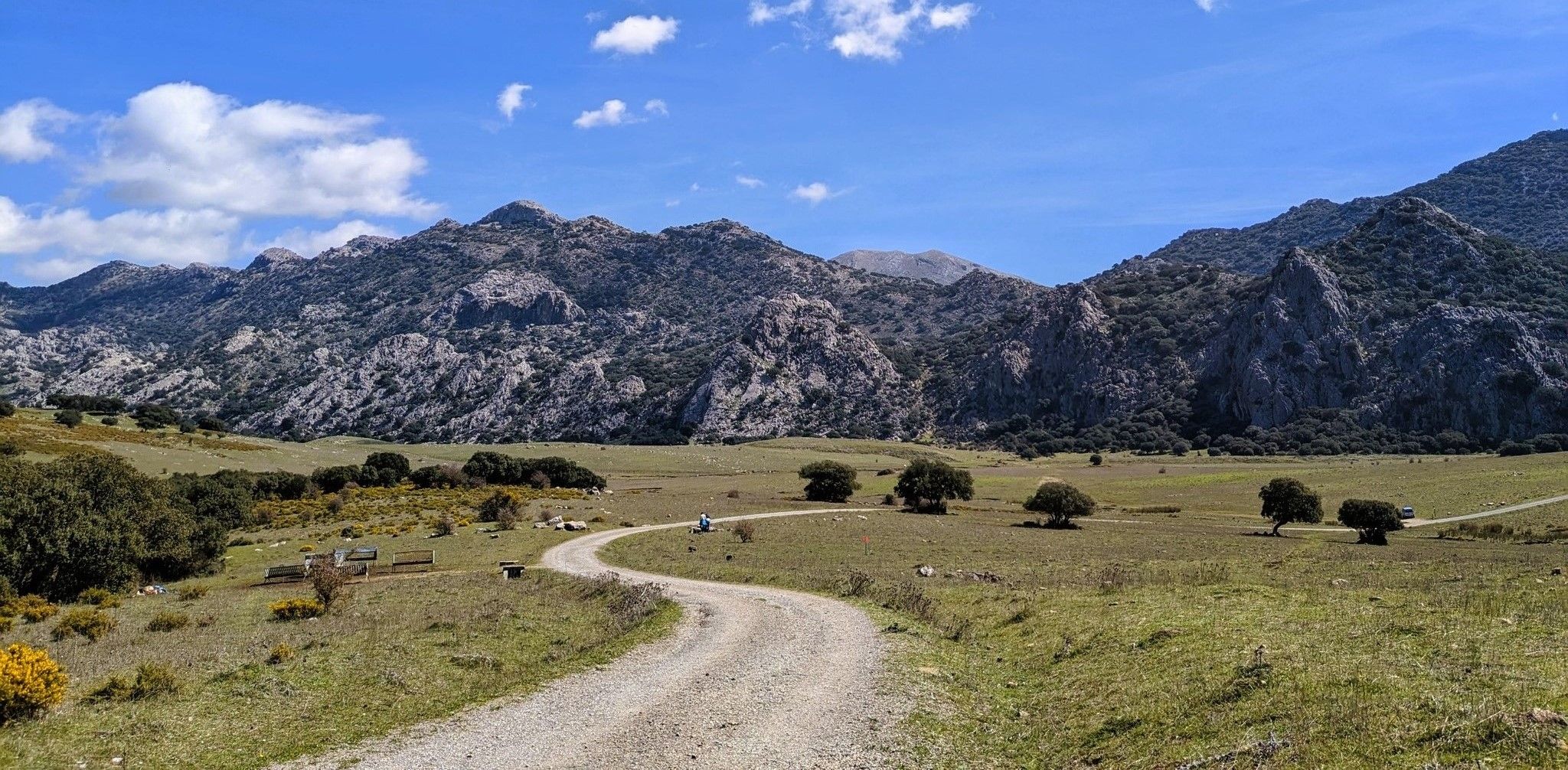
Between the mountains and villages of Cadiz – Sierra de Grazalema
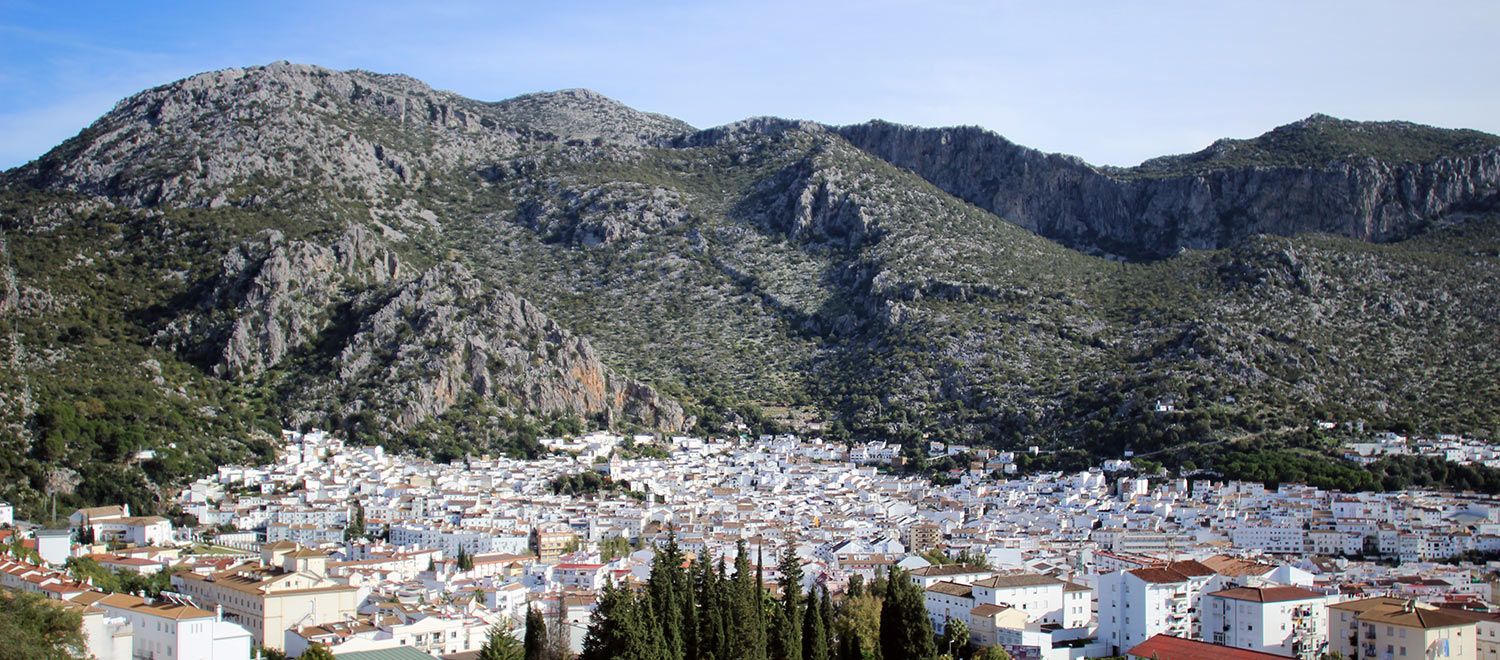
Explore the Betic Mountains on two wheels – Altravesur
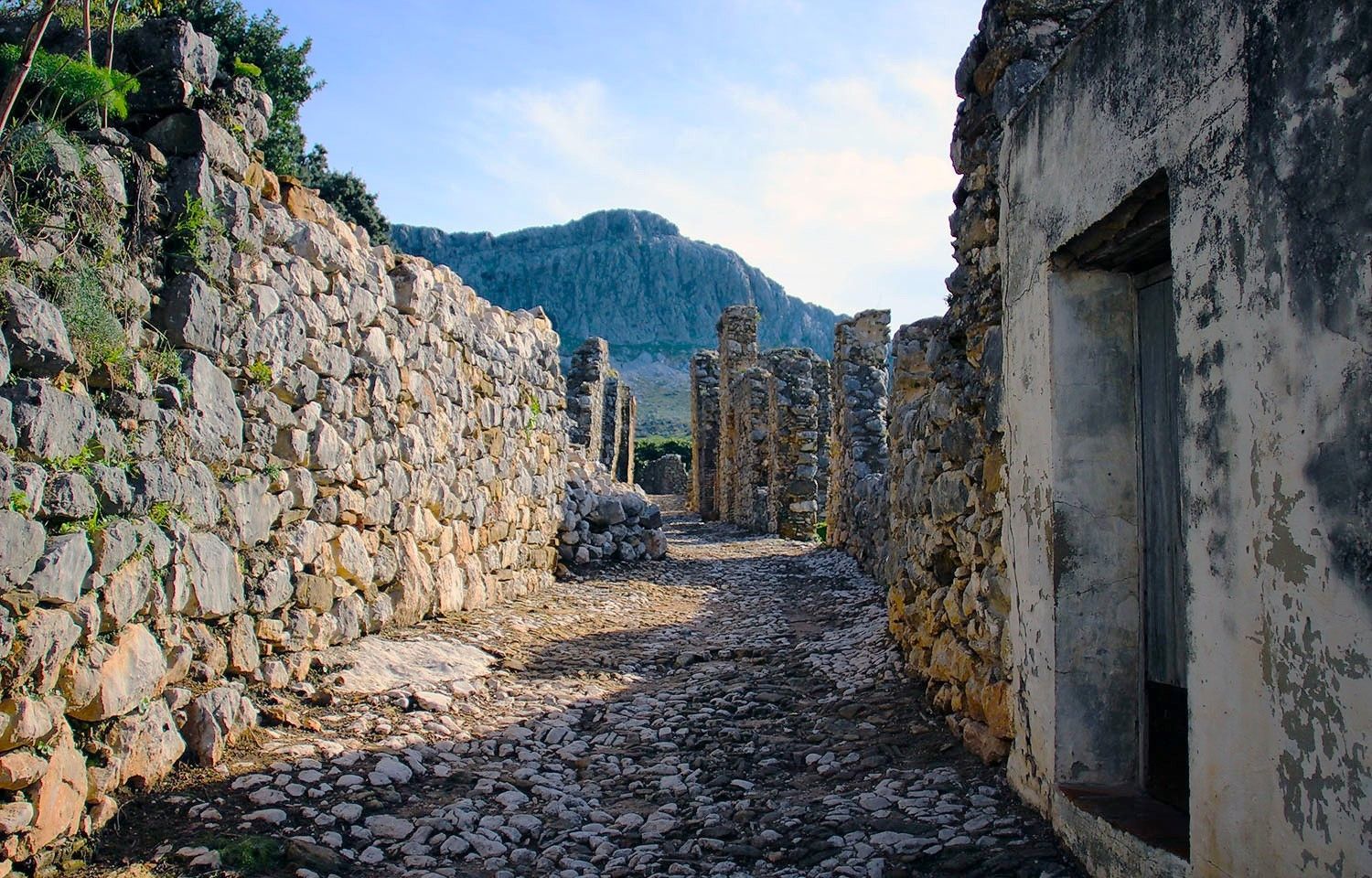
Andalusia without limits – Tarifa to La Puebla de Don Fabrique on the GR 7
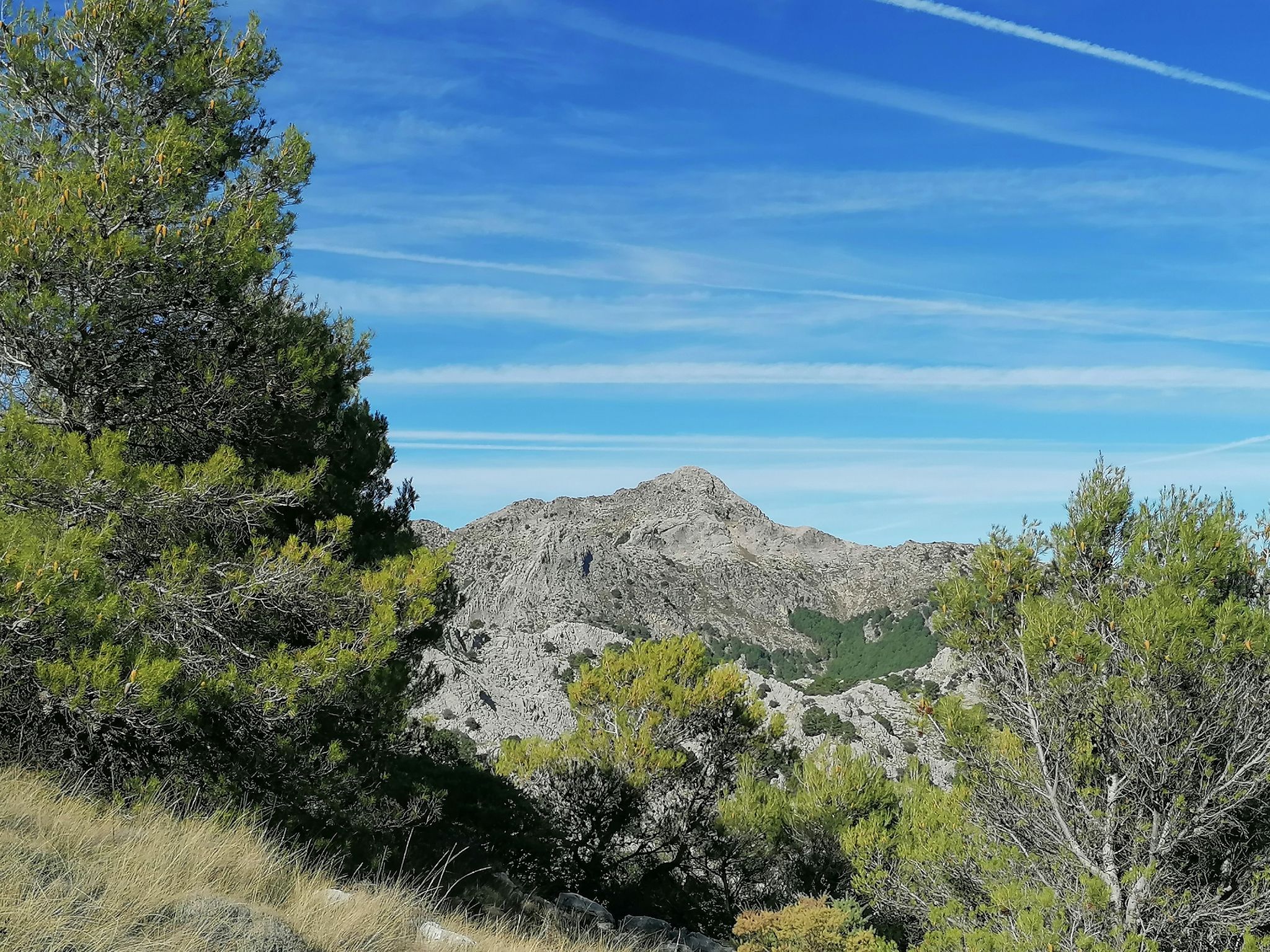
Iconic summits on foot – Sierra de Grazalema Natural Park
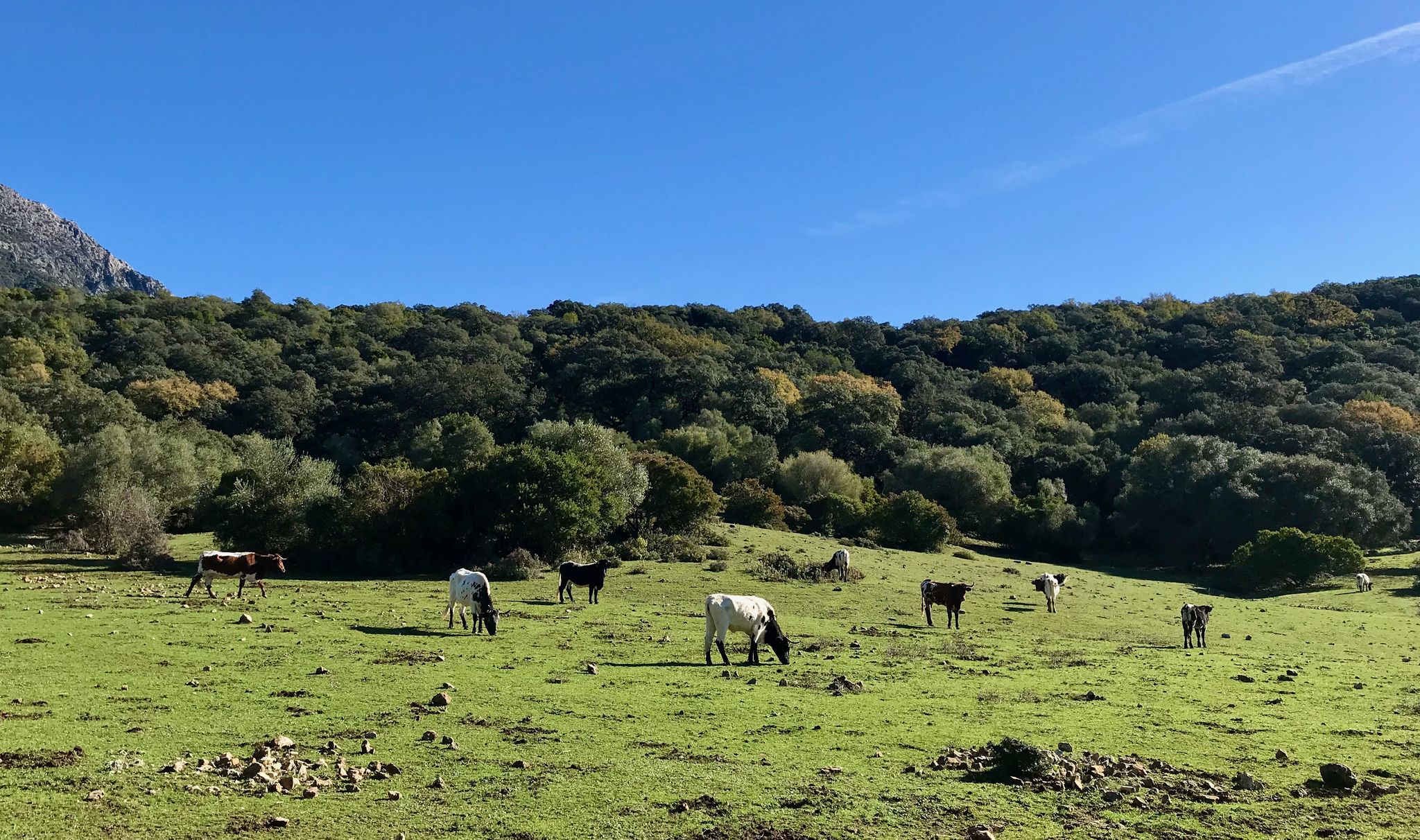
An encounter with nature – Spain’s Sierra de Grazalema Natural Park
Other adventures around Sierra De Cadiz


Tips from the Community

The El Arco de la Villa in Torre Alháquime recalls the medieval past of this white village in Cádiz. Between whitewashed streets and the mountains of the Sierra de Cádiz, the ancient stone gate evokes centuries of border history in one of the most authentic corners of the Andalusian interior. 🏰🌄📸🤍
1
0
The center of Olvera unfolds around its castle and the monumental church of La Encarnación, forming one of the most recognizable silhouettes in Andalusia. The white houses stagger down the hillside between narrow streets and sunny squares, creating a typical scene of the villages in the Sierra de Cádiz. 🏰⛪🌿📸
1
0

🏰 Ruins of a Moorish fortress that rises on a prominent rocky outcrop above the valley of the Río Tavizna. In addition to the historical wall remains, the wide panoramic view of the surrounding mountain landscape of the Sierra de Grazalema is particularly impressive. The ascent is worthwhile both because of the historic site and its spectacular location. However, caution is advised when exploring the unsecured ruins.
4
0
A fantastic view over the impressive mountain landscape of the Sierra de Grazalema with its rugged limestone peaks, green valleys, and vast karst areas. From here, you can get a wonderful overview of the diverse landscape of the nature park, while the striking mountain ranges stretch to the horizon. A magnificent place to pause for a moment, enjoy the tranquility of nature, and take in the great panorama. ⛰️🌄🌿🇪🇸
3
0

We didn't manage to visit the castle... unfortunately. It was constantly closed. We did see people upstairs, but we don't understand how they got there.
0
0
The Parish of Our Lady of the Incarnation is one of Olvera's most iconic monuments, both for its imposing architecture and its historical and religious significance. It was commissioned by the Dukes of Osuna at the end of the 18th century and completed in 1843. It was built on the remains of an old Moorish mosque and a Gothic-Mudejar church, the apse of which is still preserved in the baptismal chapel. It has undergone several restorations, the most recent between 1994 and 1999, and again in 2010 after a fire damaged a processional image.
2
0
Olvera Castle is one of the most iconic monuments in the White Villages of Cádiz, offering a stunning historical and visual experience. It was built in the late 12th century by the Arabs as part of the defensive system of the Nasrid Kingdom of Granada. After the Christian conquest, the castle was renovated several times, incorporating Christian architectural elements. It was declared a Site of Cultural Interest in 1985 and is part of the Olvera Historic-Artistic Complex.
2
0

The Iglesia Parroquial de Nuestra Señora de la Encarnación in Olvera is the town's most striking church building and, together with the neighboring Moorish castle, dominates the town's panorama. It towers high above the historic Barrio de la Villa district and is visible from afar. The church was built in 1822 in the neoclassical style on the foundations of an earlier Renaissance church. This, in turn, stood on the site of a former Muslim mosque, as was common in many Andalusian towns. Construction dragged on for decades and was not completed until the end of the 19th century. The church is characterized by its monumental façade, flanked by two large towers. The building's style was inspired by the great cathedrals of Spain – unusually imposing for a town the size of Olvera.
0
1
Frequently Asked Questions
What are some of the most notable castles to visit in the Sierra de Cádiz?
The Sierra de Cádiz is home to several impressive castles. Among the most notable are Zahara de la Sierra Castle, known for its dramatic hilltop location and breathtaking views, and Castillo de Olvera, which offers panoramic vistas from its position at the highest point of the town. These castles provide a deep dive into the region's Moorish and Christian heritage.
Are there castles in the Sierra de Cádiz that offer panoramic views?
Yes, many castles in the Sierra de Cádiz are strategically perched atop hills, offering spectacular panoramic views. Castillo de Olvera, for instance, stands at 623 meters above sea level, providing phenomenal views of the surrounding landscape. Similarly, Zahara de la Sierra Castle offers stupendous vantage points over the town and reservoir.
Can I visit all the castles in the Sierra de Cádiz, or are some private?
Most castles in the Sierra de Cádiz are accessible to the public. For example, Castillo de Olvera is open to visitors for a modest entrance fee, and you can climb its steep steps to explore. Zahara de la Sierra Castle also allows public access to its reconstructed keep. However, some, like Arcos de la Frontera Castle, are private residences and not open for internal visits, though their impressive exteriors can still be admired.
What is the best time of year to visit the castles in the Sierra de Cádiz?
The best time to visit the castles in the Sierra de Cádiz is typically during the spring (April to June) and autumn (September to October). During these seasons, the weather is generally mild and pleasant for exploring, avoiding the intense heat of summer and the cooler, potentially wetter days of winter. This allows for comfortable walks around the castle grounds and enjoying the outdoor views.
Are there any family-friendly castles in the Sierra de Cádiz region?
Many of the castles, with their historical significance and impressive structures, can be engaging for families. Castillo de Olvera and Zahara de la Sierra Castle offer opportunities for children to explore ancient walls and towers, sparking imagination about knights and history. While some areas might have steep steps, the overall experience of discovering these fortresses can be very rewarding for families.
Are there hiking or walking trails near the castles in the Sierra de Cádiz?
Yes, the Sierra de Cádiz region offers numerous hiking and walking opportunities, often near its historic castles. For example, you can find trails like the 'Puerto de las Palomas y Puerto del Boyar' or 'Zahara Reservoir - circular' which are accessible from towns like Zahara de la Sierra. You can explore more options in the Running Trails around Sierra De Cadiz guide.
What kind of outdoor activities can I do near the castles in the Sierra de Cádiz?
Beyond exploring the castles themselves, the Sierra de Cádiz is excellent for various outdoor activities. You can find extensive road cycling routes, challenging MTB trails, and scenic running trails. Many of these routes pass through the picturesque 'pueblos blancos' (white villages) and offer views of the castles and the stunning natural landscapes of the Sierra de Grazalema Natural Park.
Is there parking available at the castles in the Sierra de Cádiz?
Parking availability varies by castle and village. For Castillo de Olvera, there are often parking options in the town below, with a bike rack available near the entrance. For castles like Zahara de la Sierra Castle, you'll typically find parking in the village, requiring a walk up to the castle itself. It's advisable to check local signage upon arrival.
How long should I plan for a visit to a castle in the Sierra de Cádiz?
For most individual castles like Castillo de Olvera or Zahara de la Sierra Castle, a visit typically takes between 1 to 2 hours. This allows enough time to explore the ruins, climb to the keep, and fully appreciate the panoramic views. If you plan to explore the surrounding village or combine it with a hike, you should allocate more time.
What historical periods do the castles in the Sierra de Cádiz represent?
The castles in the Sierra de Cádiz primarily represent the Moorish (Nasrid) and Christian periods, particularly during the Reconquista. Many, like Castillo de Olvera and Zahara de la Sierra Castle, were built or significantly modified during the 12th to 15th centuries, serving as vital defensive elements on the frontier between the Nasrid kingdom of Granada and Christian territories.
Are the castles in the Sierra de Cádiz accessible for visitors with mobility issues?
Due to their historical nature and strategic hilltop locations, many castles in the Sierra de Cádiz, such as Castillo de Olvera, involve steep climbs, uneven terrain, and numerous steps. This can make them challenging for visitors with mobility issues. It's recommended to check specific accessibility details for each castle before planning your visit.
Can I bring my dog to the castles in the Sierra de Cádiz?
Policies regarding dogs vary by specific castle and local regulations. While some outdoor areas or castle grounds might permit leashed dogs, interior sections or protected historical sites often do not. It's best to check the specific rules for each castle you plan to visit or look for local signage. Many of the surrounding hiking trails, however, are often dog-friendly.
How can I reach the castles in the Sierra de Cádiz using public transport?
Reaching the castles in the Sierra de Cádiz primarily relies on local bus services connecting the 'pueblos blancos.' While direct routes to the castle entrances are rare, you can typically take a bus to the nearest town (e.g., Olvera, Zahara de la Sierra) and then walk to the castle. Public transport schedules can be limited, especially on weekends, so planning ahead is essential.
Most popular routes around Sierra De Cadiz
Most popular attractions around Sierra De Cadiz

Get inspired with the komoot mobile app


Didn’t find what you were looking for?
Explore Sierra De Cadiz’s best castles region by region:
Explore more
Looking for the best castles somewhere else? Discover other guides around Sierra De Cadiz:
