Top 7 Castles around Campiña de Jerez
Best castles around Campiña de Jerez offer a journey through centuries of history in Andalusia, Spain. This region is characterized by its historical significance, with structures reflecting both Islamic and Christian architectural influences. The landscape features a mix of well-preserved fortresses and evocative ruins, providing insights into the area's past. Exploring these sites reveals the strategic importance and cultural evolution of Campiña de Jerez.
Best castles around Campiña de Jerez
- The most popular castles is Alcázar of Jerez de la…
Last updated: July 23, 2026
Old Town of Arcos de la Frontera
Highlight • Settlement
Translated by Google •
Tip by

Alcázar of Jerez de la Frontera
Highlight • Castle
Translated by Google •
Tip by

Sign up now to discover places like this
Get recommendations on the best single tracks, peaks, & plenty of other exciting outdoor places.
Sign up for free
Fatetar Castle in Espera
Highlight • Castle
Translated by Google •
Tip by

Plaza del Cabildo
Highlight • Historical Site
Translated by Google •
Tip by
Castillo de Matrera
Highlight • Castle
Translated by Google •
Tip by

Start today with a free account
Your next adventure awaits.
Login or Signup
Popular around Campiña de Jerez
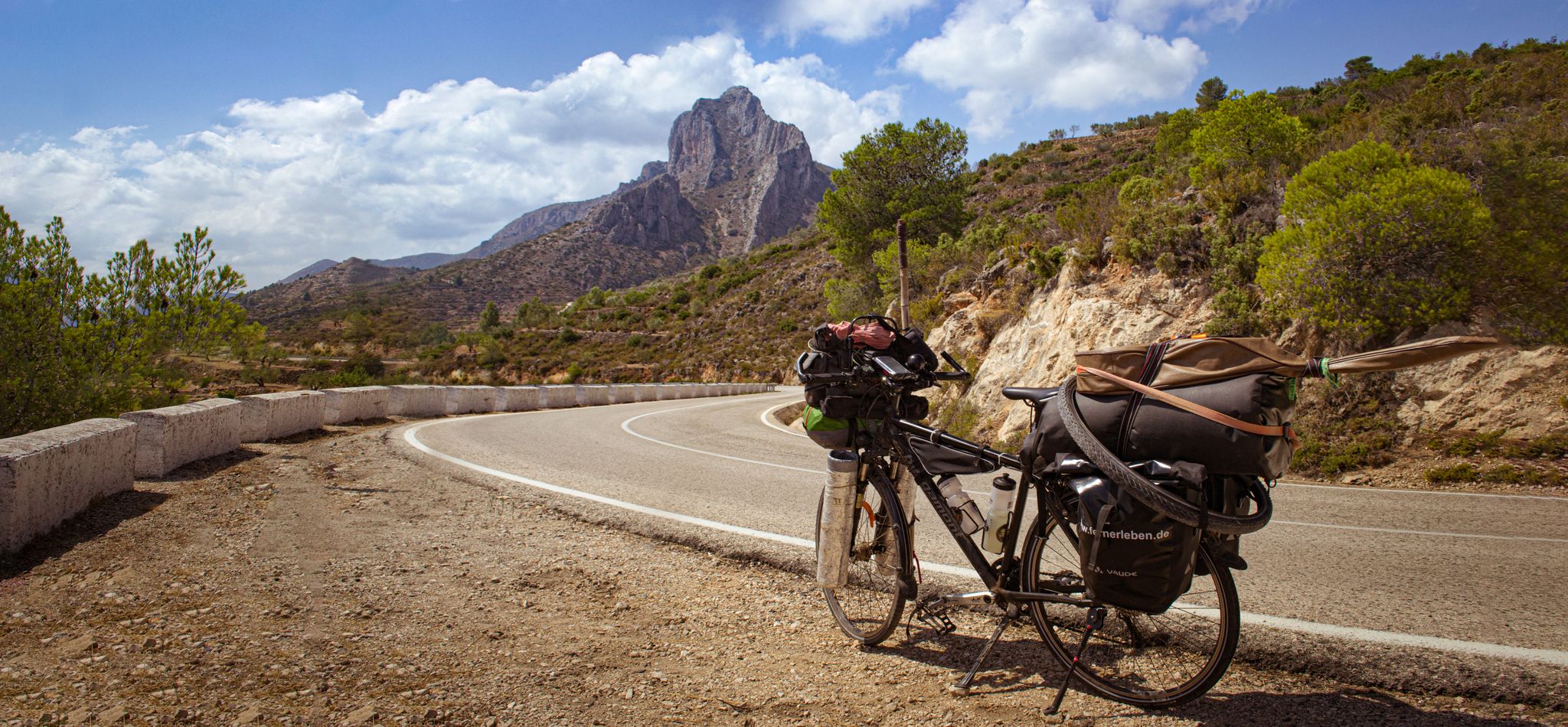
On the road to the sun — bikepacking to southeast Spain
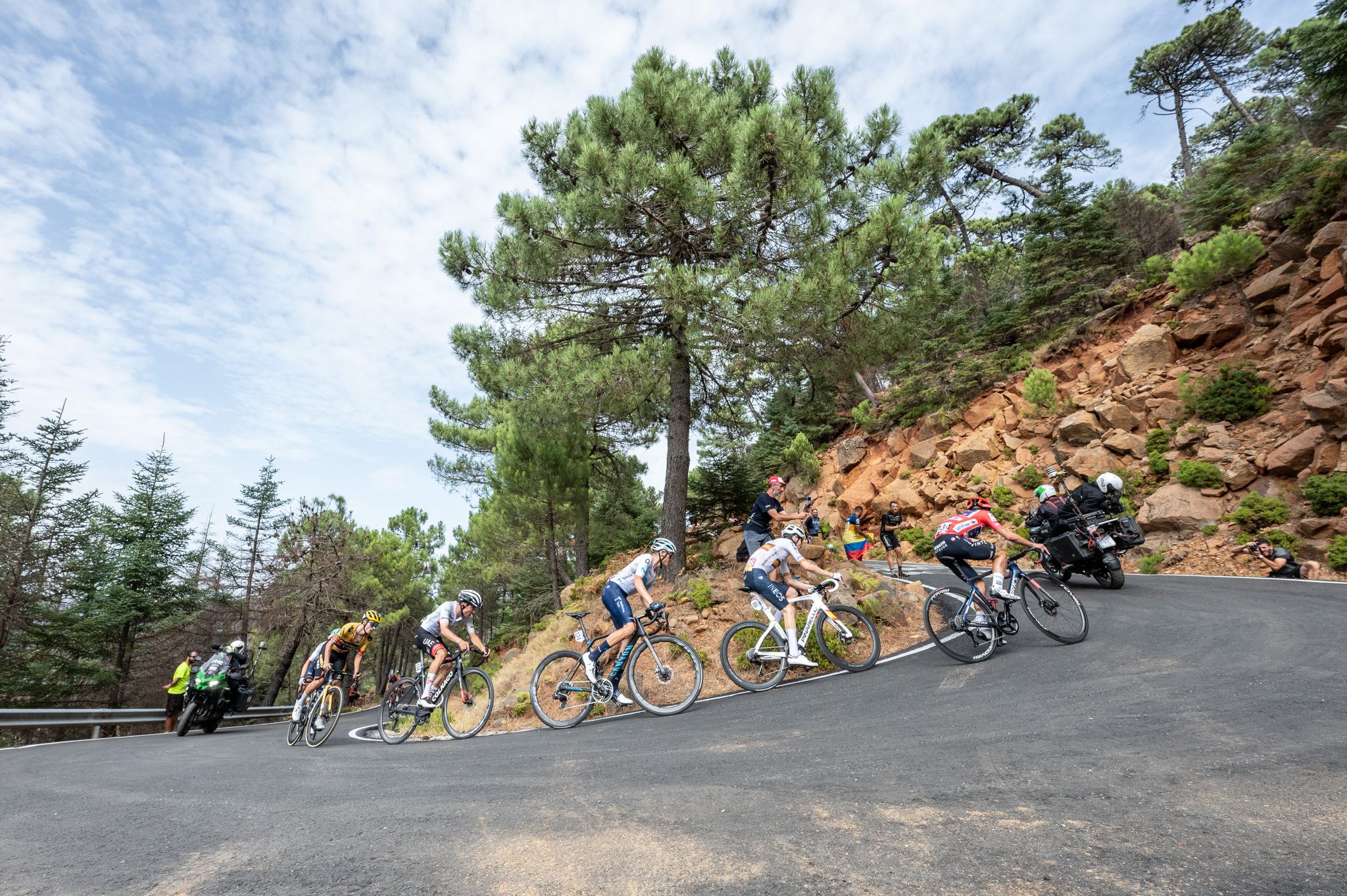
La Vuelta 26 — All Official Stages
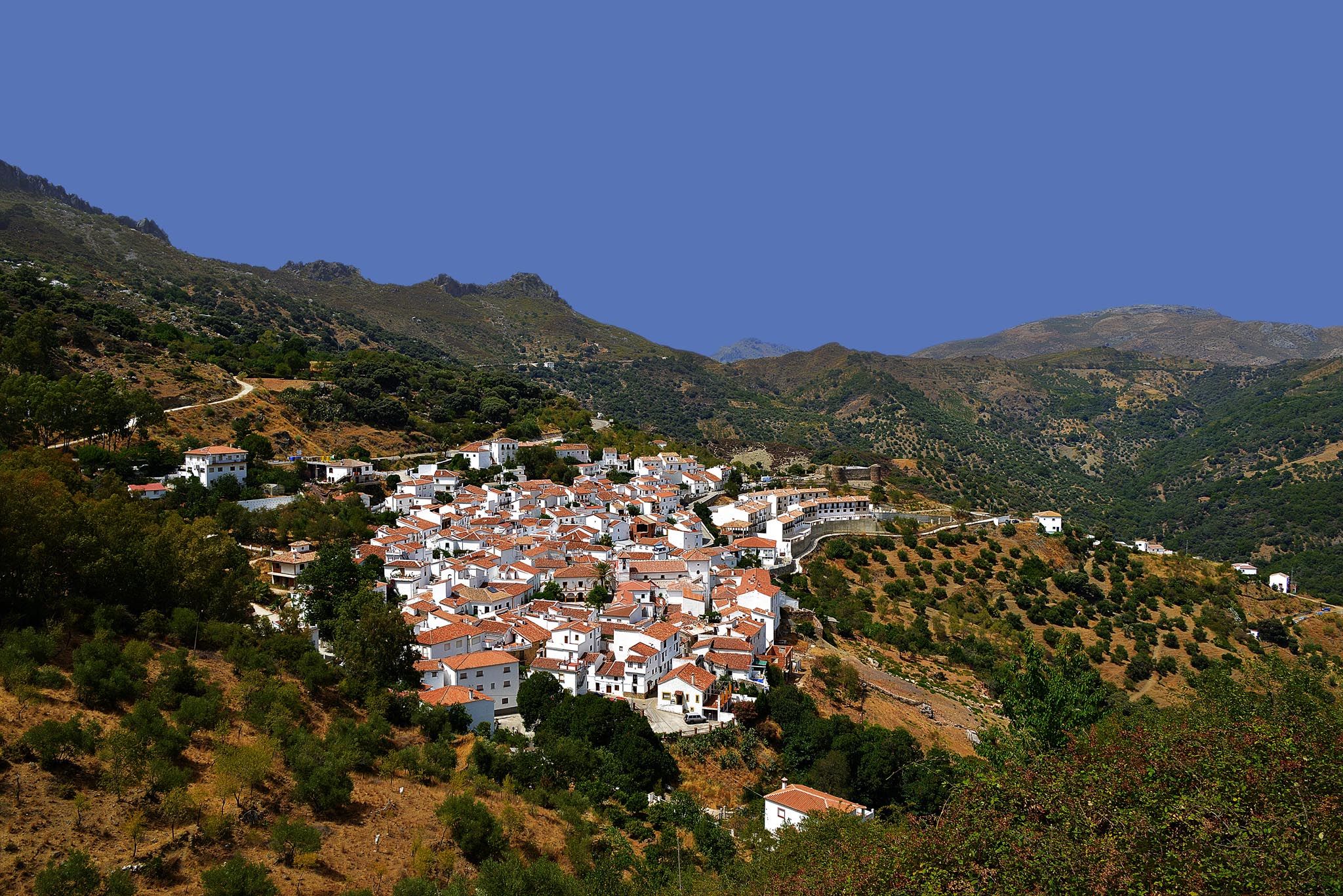
Windows to the past – White Towns of Andalusia
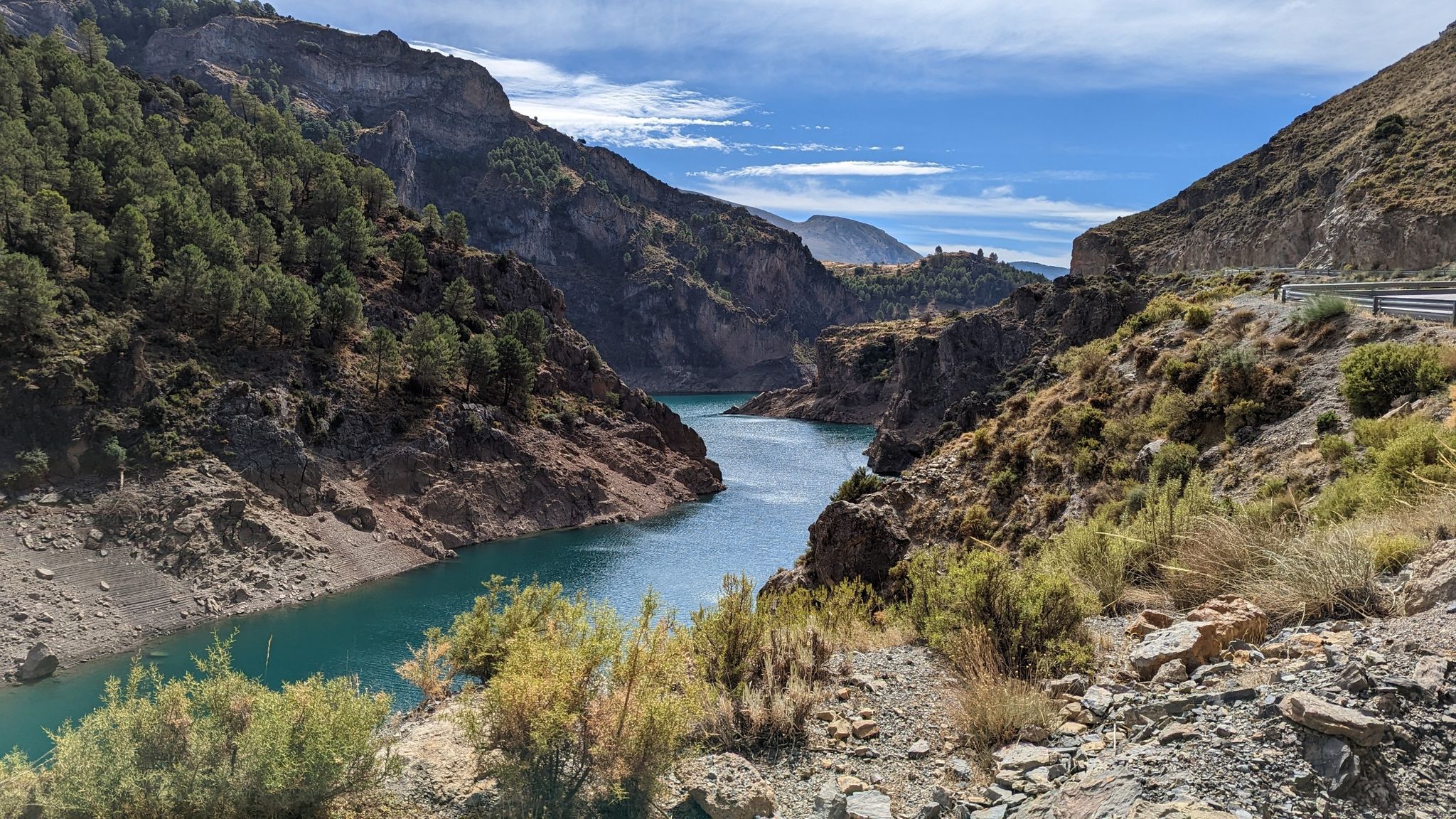
A journey through the Spanish hinterland – cycling across Andalusia
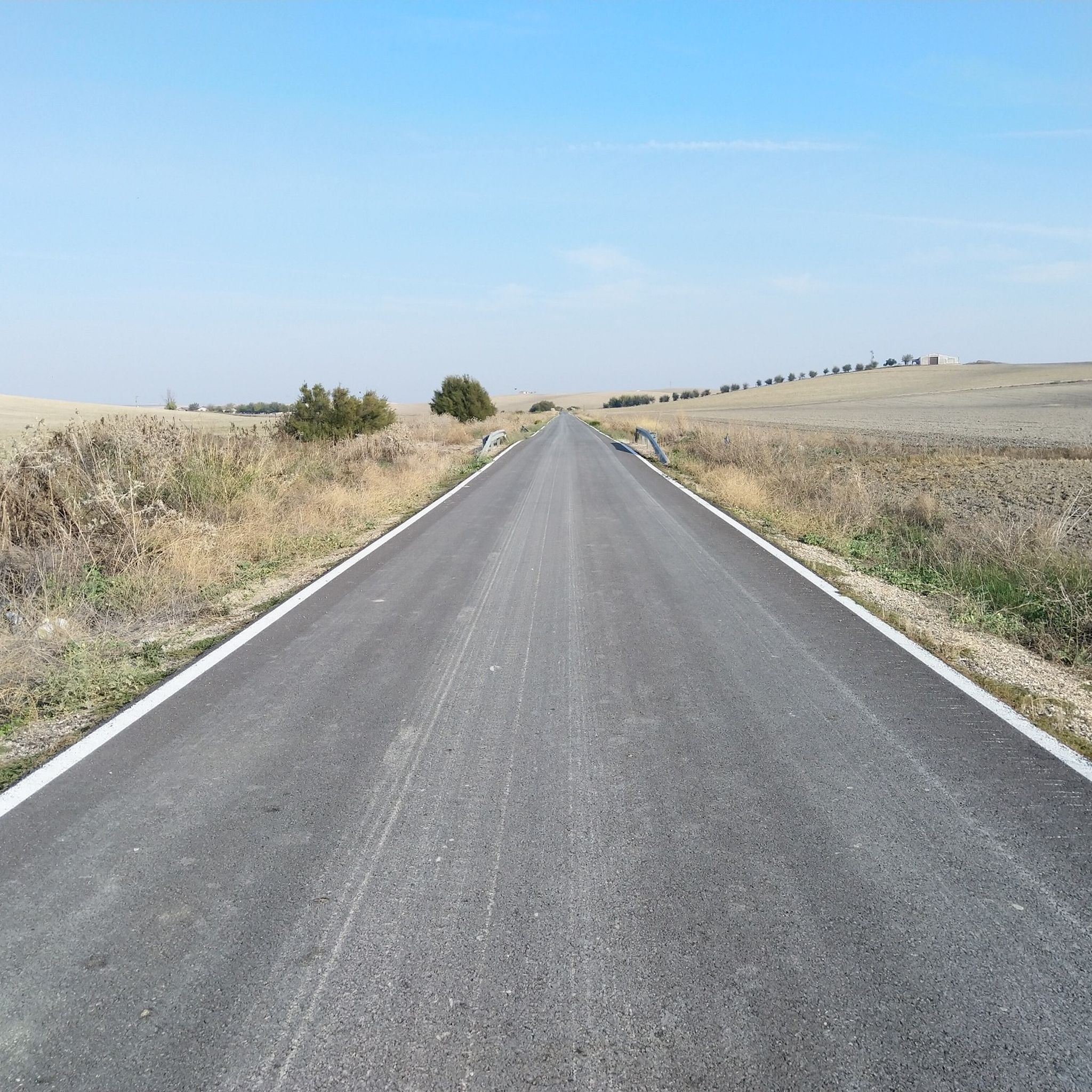
Road Cycling Routes around Campiña de Jerez
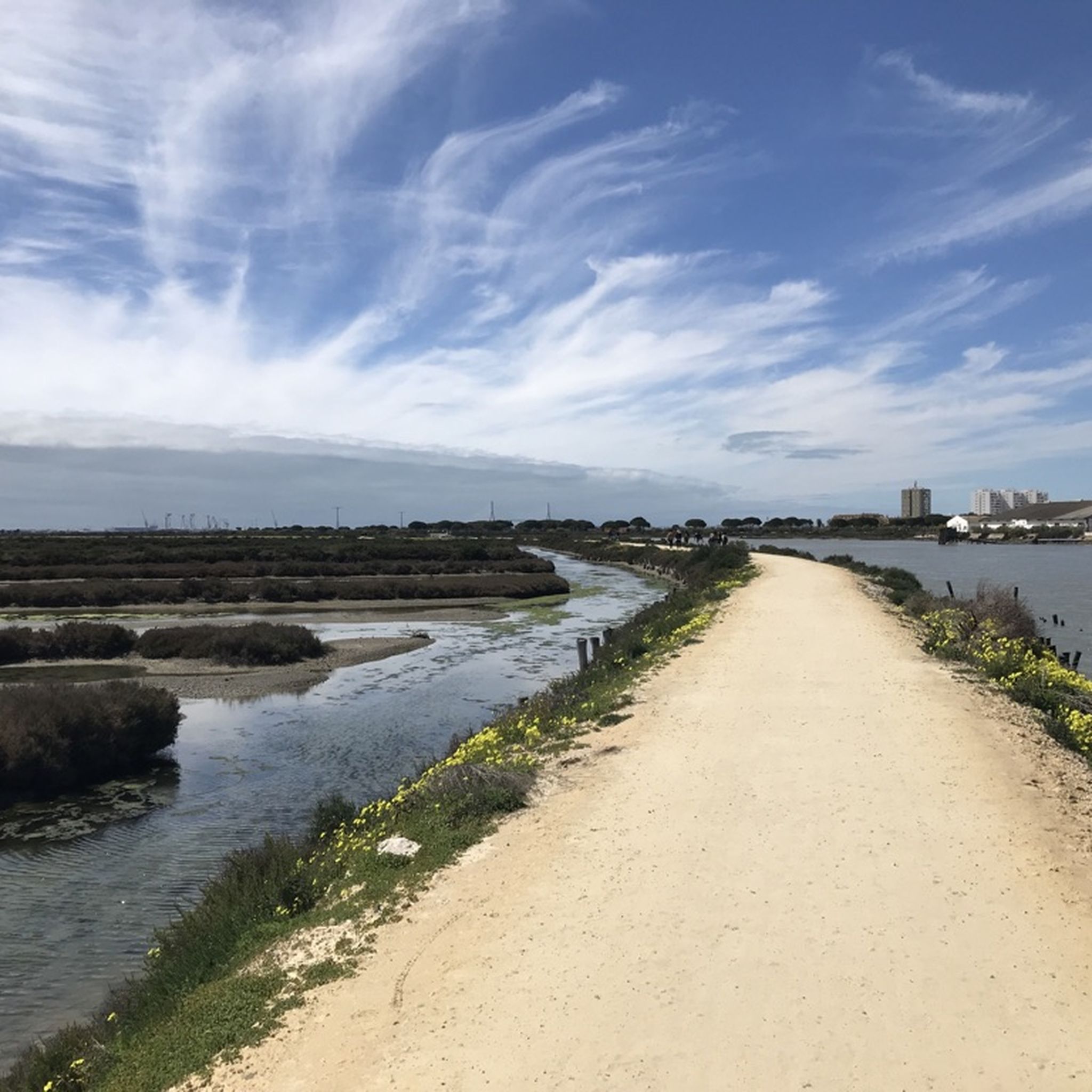
Cycling around Campiña de Jerez
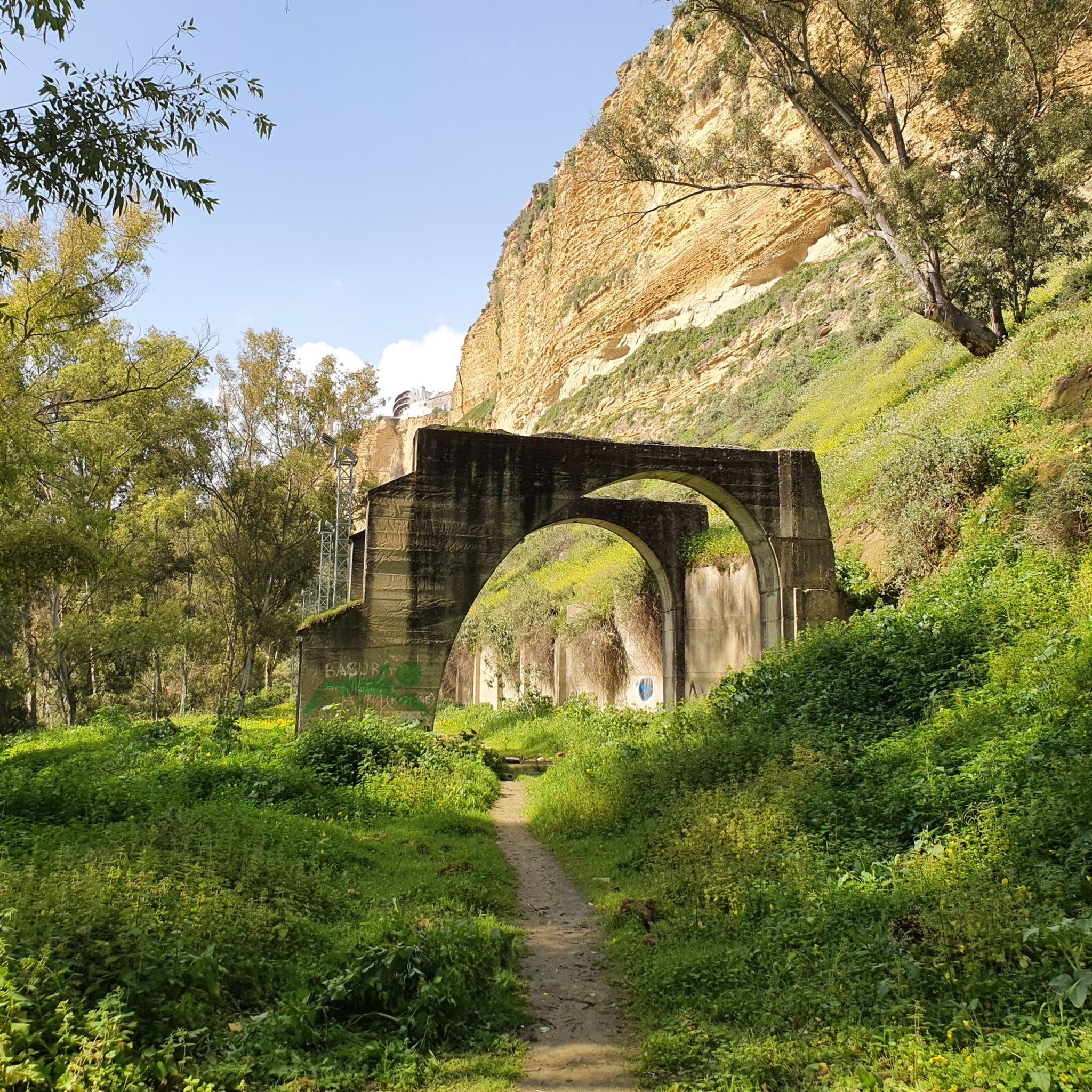
Hiking around Campiña de Jerez
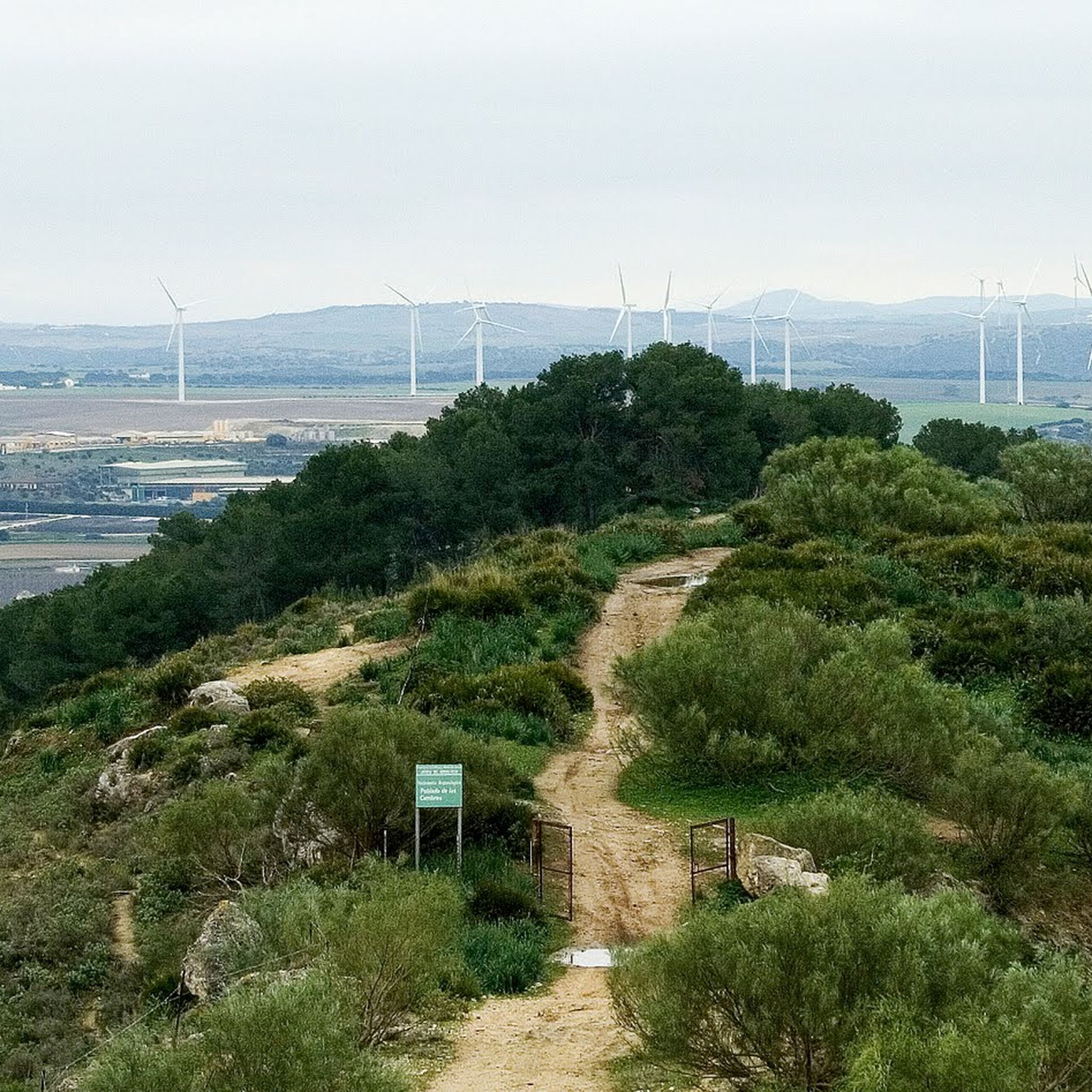
MTB Trails around Campiña de Jerez
Running Trails around Campiña de Jerez
Gravel biking around Campiña de Jerez
Other adventures around Campiña de Jerez


Tips from the Community

A visit to the fortress is worthwhile. Unfortunately, the camera obscura was not available for viewing during our visit.
0
0

The imposing tower of the Iglesia de Santa Maria dominates the central square of the old town. Here are also the town hall, the parador, located in the former home of the public prosecutor (Casa del Crooegidor), and the castle, now private. The terrace on the west side is above the valley and offers a beautiful view of the river gorge and the Iglesia de San Pedro. But when I passed by it was not accessible due to works.
9
0
Here you will of course be rewarded for your efforts. The climb is spectacular.
6
0
The Castillo de Fatetar is a historic castle located in Espera, in the province of Cádiz, Andalusia. The castle was probably built in the 10th century by Abderraman III and has had several inhabitants and owners since then, including the Visigoths and the Moors. The castle has been well preserved thanks to the collaboration of various institutions such as the Diputación de Cádiz and the Junta de Andalucía. The castle offers beautiful views of the surrounding area and is an important historical monument. Inside the castle you will find the Ermita del Santísimo Cristo de la Antigua, a small chapel that served as a parish church for the inhabitants of Espera.
6
0
The town, situated on a rocky plateau, invites you to travel through time. From the 11th century it was the capital of a taifa, a small Berber kingdom. The fortified town was finally reconquered in 1264 by Alfonso X, who also took Seville, Jerez and Cádiz during the Reconquista. For two centuries Arcos was an outpost on the border of the kingdom and in the 15th century the village came into the hands of the Ponce de León family, who played a major role in the victory over the kingdom of Granada. During the 19th century, Arcos acquired its current appearance thanks to the rise of olive and grape cultivation and horse breeding.
12
0

Please keep the area clean ✌🏻
1
0

Alcazar was very worth it. Pharmacy in the palace was also special. In the city itself, nice little squares.
3
0

I am not going here to relate the data that can be found in any internet guide, I am only going to say that Arcos de la Frontera is a very beautiful city, with an old town that is well worth a quiet and detailed walk, with some bars and restaurants that invite you to get to know its rich and varied gastronomy, and if you don't have enough you can go down to the Arcos reservoir filled by the Guadalete River, where you have restaurants and beaches to take a good bath.
4
0
Frequently Asked Questions
Which castles are considered must-visit for history enthusiasts in Campiña de Jerez?
For a deep dive into history, the Alcázar of Jerez de la Frontera is highly recommended. It's an exceptional example of Almohad architecture blended with Christian influences, featuring a mosque, Arab baths, and the Palacio de Villavicencio. Another significant site is the Castillo de Gigonza, recognized as a Bien de Interés Cultural, showcasing layers of Turdetanian, Roman, Visigothic, Bizantine, Arab, and Christian history.
Are there family-friendly castles to visit in Campiña de Jerez?
Yes, the Alcázar of Jerez de la Frontera is considered family-friendly. Its extensive grounds, historical buildings, and the unique Camera Obscura in the Palacio de Villavicencio offer engaging experiences for all ages. While not explicitly listed as family-friendly, the theatrical visits at Castillo de Gigonza could also be an immersive option for older children.
What is the best time of year to visit the castles in Campiña de Jerez?
The best time to visit is typically during the spring (March to May) and autumn (September to November). During these seasons, the weather is milder and more pleasant for exploring the outdoor areas of the castles and their surroundings. Summers can be very hot in Andalusia, which might make extensive outdoor exploration less comfortable.
What kind of views can I expect from the castles in the region?
Many castles offer impressive panoramic views. From the Fatetar Castle in Espera, you can enjoy sweeping vistas of the town and the Sierra Grazalema. The Alcázar of Jerez de la Frontera's Camera Obscura provides a unique live projection of Jerez. Even from the ruins of Torrecera Castle, you can appreciate its strategic position overlooking the Guadalete River plain.
Are there any lesser-known or ruined castles worth exploring for their historical significance?
Absolutely. While mostly in ruins, Torrecera Castle holds significant historical value as a medieval watchtower crucial to border defenses. Castillo de Gibalbín (or Torre de Gibalbín) is another ruined Almohad watchtower with evidence of prehistoric, Turdetanian, Iberian, Roman, and Islamic settlements, offering a dramatic visual of historical layers, though it's on private property and not freely accessible.
Can I find hiking trails near the castles in Campiña de Jerez?
Yes, the region offers various hiking opportunities. For instance, the Hiking around Campiña de Jerez guide includes routes like the 'Jerez de la Frontera Historic Center Tour' which can be combined with a visit to the Alcázar, and the 'St. Peter's Church – Old Town of Arcos de la Frontera loop' near the Old Town of Arcos de la Frontera.
What other outdoor activities are available near the castles?
Beyond hiking, you can find options for road cycling and running. The Road Cycling Routes around Campiña de Jerez guide features routes like 'From Jerez de la Frontera to Espera – circular via Arcos de la Frontera', which passes near several castle locations. For running, the Running Trails around Campiña de Jerez guide offers routes such as the 'Laguna de Torrox loop from Jerez'.
Are there any castles connected to the sherry wine industry?
Yes, Castillo de Macharnudo is located within the renowned Macharnudo vineyard and is now part of Bodegas Fundador, a famous sherry producer. While the current structure was largely built in the late 19th and early 20th centuries, it stands on earlier remains and is an icon in the history of its owners, blending historical interest with wine tourism. Occasional visits may be organized through Bodegas Fundador.
What are the typical opening hours for castles in Campiña de Jerez?
Opening hours vary significantly between individual castles and can change seasonally. For example, the Alcázar of Jerez de la Frontera generally has regular visiting hours, but others like Castillo de Gigonza might offer specific 'theatrical visits' or have limited access. Ruined castles like Torrecera or Gibalbín may be accessible externally at any time, but their interiors are often restricted. It's always best to check the specific castle's official website or local tourism information for the most up-to-date details before your visit.
Is public transport available to reach the castles in Campiña de Jerez?
Public transport options vary depending on the castle's location. Major sites like the Alcázar of Jerez de la Frontera are centrally located in Jerez de la Frontera and easily accessible by local buses or walking from the city center. Castles in smaller towns like Arcos de la Frontera (home to the Old Town of Arcos de la Frontera) are usually reachable by intercity buses. However, more remote castles or ruins, such as Castillo de Gigonza or Torrecera Castle, may require a car or taxi to reach.
What should I wear when visiting the castles in Campiña de Jerez?
Comfortable walking shoes are highly recommended, as many castles involve walking on uneven surfaces, cobblestones, or climbing stairs. During spring and autumn, light layers are advisable. In summer, light, breathable clothing, a hat, sunglasses, and sunscreen are essential due to the strong sun and high temperatures. If visiting in winter, a warm jacket may be needed, especially in the mornings and evenings.
Are there cafes or restaurants near the castles?
Yes, especially near the more prominent and accessible castles. The Alcázar of Jerez de la Frontera is located in the heart of Jerez, which is full of bars and restaurants. Similarly, the Old Town of Arcos de la Frontera offers numerous dining options. For more remote castles, amenities might be limited, so it's wise to plan accordingly or bring your own refreshments.
Most popular routes around Campiña de Jerez
Most popular attractions around Campiña de Jerez

Get inspired with the komoot mobile app


Didn’t find what you were looking for?
Explore Campiña de Jerez’s best castles region by region:
Explore more
Looking for the best castles somewhere else? Discover other guides around Campiña de Jerez:
