Top 6 Castles around Coria
Best castles around Coria offer a glimpse into the region's extensive history, with structures dating back to Roman origins and the 12th century. Coria, a city in Extremadura, features well-preserved Roman City Walls and significant architectural landmarks. The area's castles often stand on defensive hills, providing views of valleys and reservoirs. These historical sites reflect centuries of military engineering and aristocratic dominion.
Best castles around Coria
- The most popular castles is Torre de Almenara, a castle that stands at…
Last updated: May 14, 2026
Torre de Almenara
Highlight • Castle
Translated by Google •
Tip by

Castillo de Portezuelo
Highlight • Castle
The construction of the castle dates back to …
Translated by Google •
Tip by

Sign up now to discover places like this
Get recommendations on the best single tracks, peaks, & plenty of other exciting outdoor places.
Sign up for free
Santibáñez el Alto Castle
Highlight • Castle
Translated by Google •
Tip by

Santibáñez el Alto Castle and View of Embalse de Borbollón
Highlight (Segment) • Castle
Translated by Google •
Tip by
Start today with a free account
Your next adventure awaits.
Login or Signup
Tips from the Community

I don't know whose idea it was to restore the northwest tower so badly, a crime in plain sight... Today they are working on the "restoration" of the barbican. Alfonso II, in 877, failed to conquer the fortress of Portezuelo. In the month of July 997, when Almanzor crossed the Alconeter bridge and through Coria and the castle of Portezuelo he reached Santiago of Compostela. Conquered by Ferdinand II of León in 1166 and lost in 96. In 1219 Diego Sánchez, master of Alcántara, took it again: “he left Çamora with a large army against the Moors who still had much of Estremadura belonging to their conquest and the master with his knights and vassals joined the king in the city of Coria. From there the army left together and laid siege to a castle. called Portillo, which were a Sierra not far from Ceclavin. They beat him for combat and captured more than two hundred Moors in it." According to sources, the castle had an Arab and Christian population until 1386.
0
0

Portezuelo Castle, also known as Marmionda Castle, is an ancient fortress located in the municipality of Portezuelo, in the province of Cáceres. The construction of the castle dates back to the 12th century. During this time, the Almohads invaded al-Andalus (1147), putting an end to the Almoravid empire. In 1167, the Christian king of León, Ferdinand II, conquered the castle and gave it to the Knights Templar. However, in 1196, the Almohads recovered it. Finally, in 1213, Alfonso IX of León definitively reconquered it and handed it over to the Order of San Julián del Pereiro, later known as the Order of Alcántara. Throughout its history, the castle underwent various renovations, the 16th century being the last of some importance. Unfortunately, it was abandoned in the second half of the 17th century.
8
0

Just outside of Portezuelo is the Castillo de Portezuelo. It dates from the 12th century and can be seen from many kilometers away.
1
0
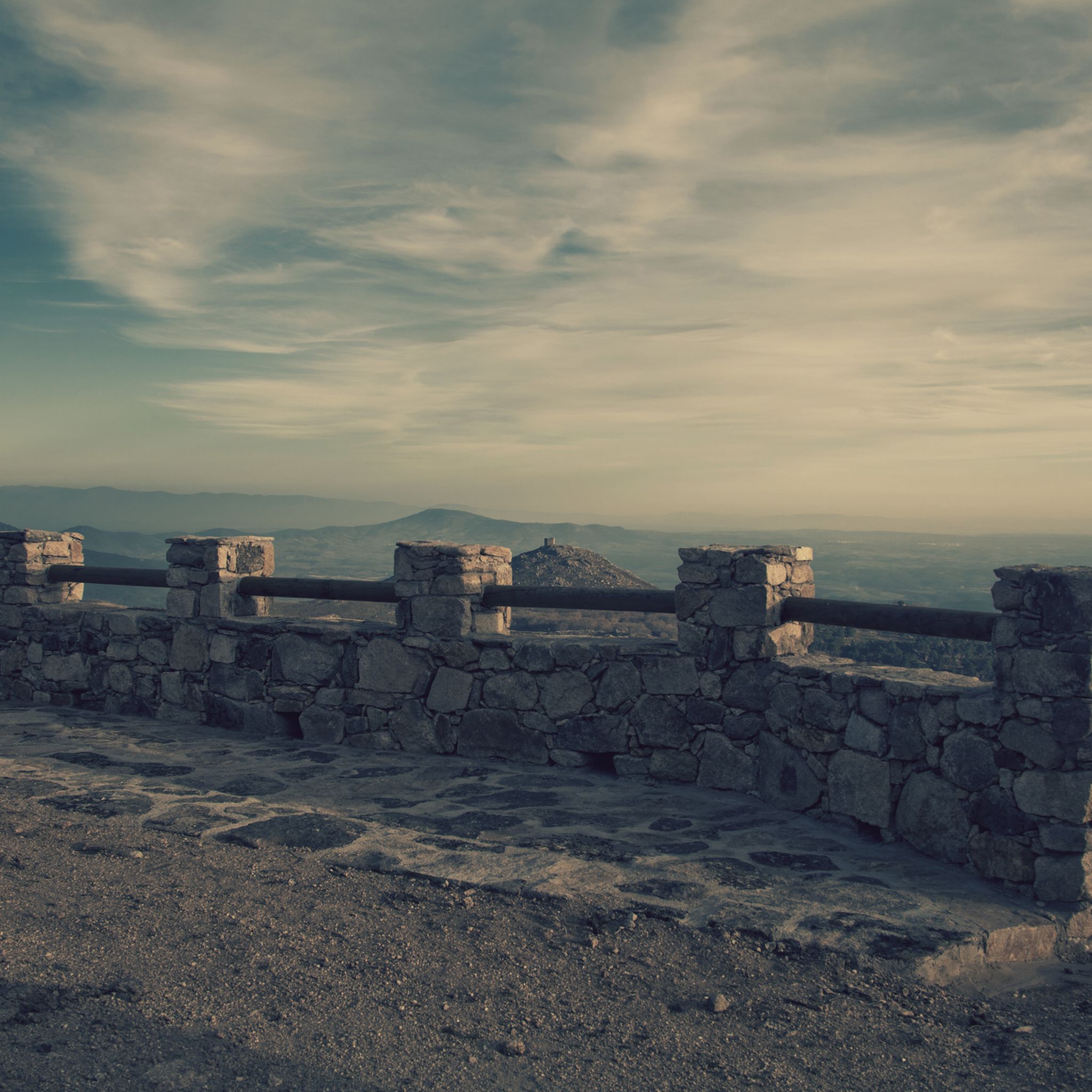
The Torre de Almenara is at the top of a short steep climb. The trail can be a bit tricky at times, but it's easy to see where you're going. This small castle has been conquered and reconquered numerous times and has an interesting history.
3
0

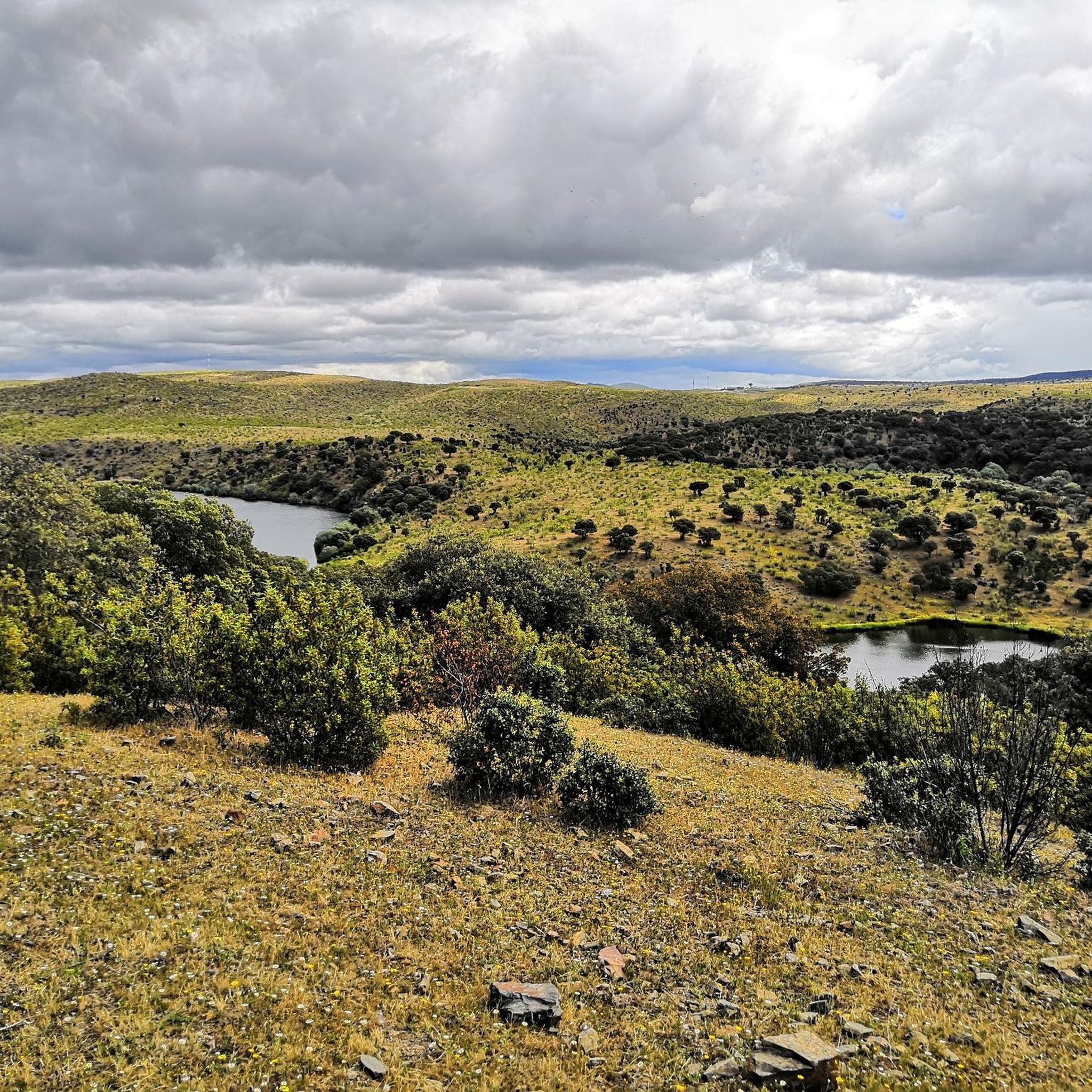
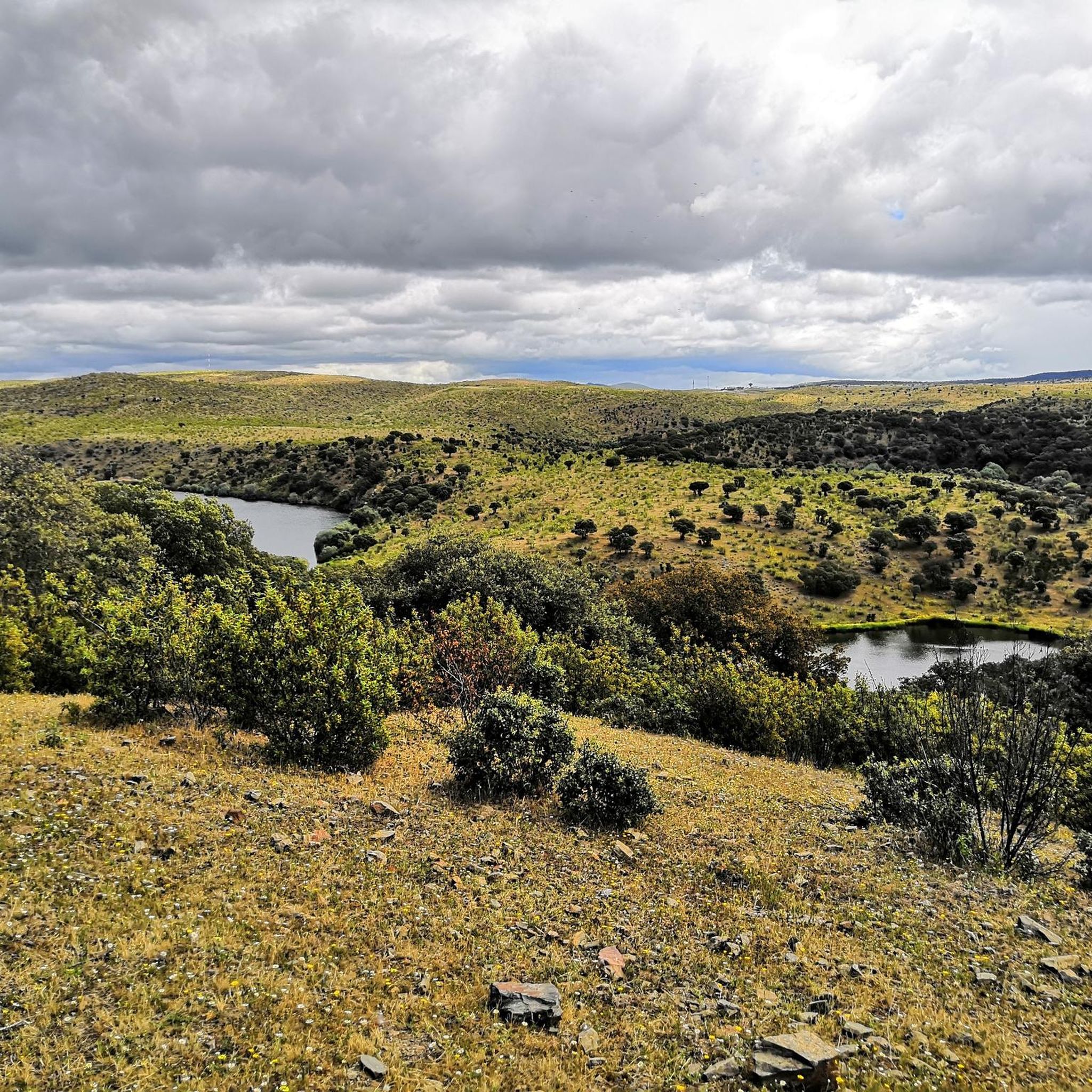
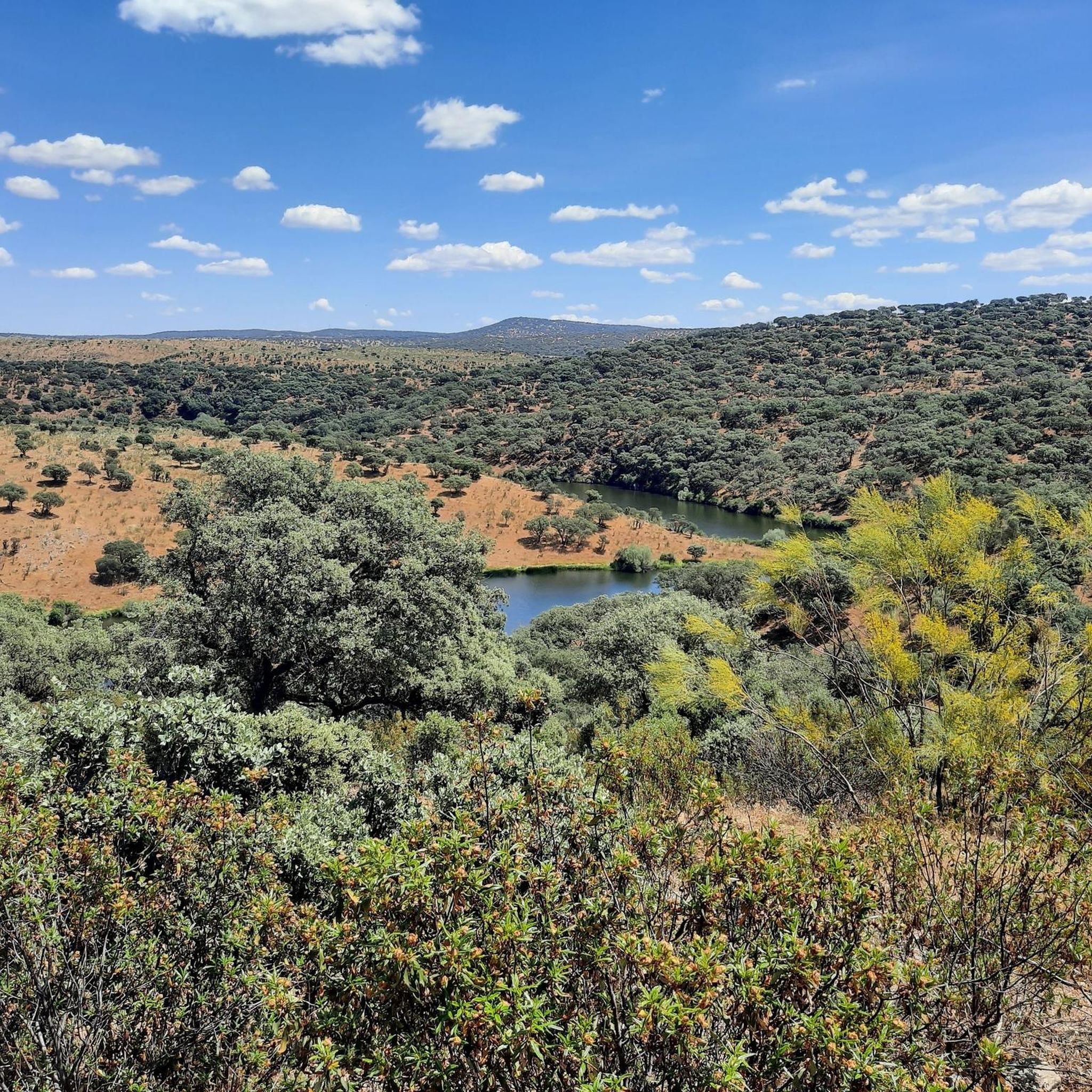
Spectacular views of the valley and the Borbollón Reservoir from the top of the castle. The defensive castle of Santibáñez el Alto dominates the trade route through the Sierra de Gata.
1
1
Dominating the valley and the town of Portezuelo below, the 12th-century castle of Marmionda can be reached via a gravel road for spectacular views of the town.
1
0
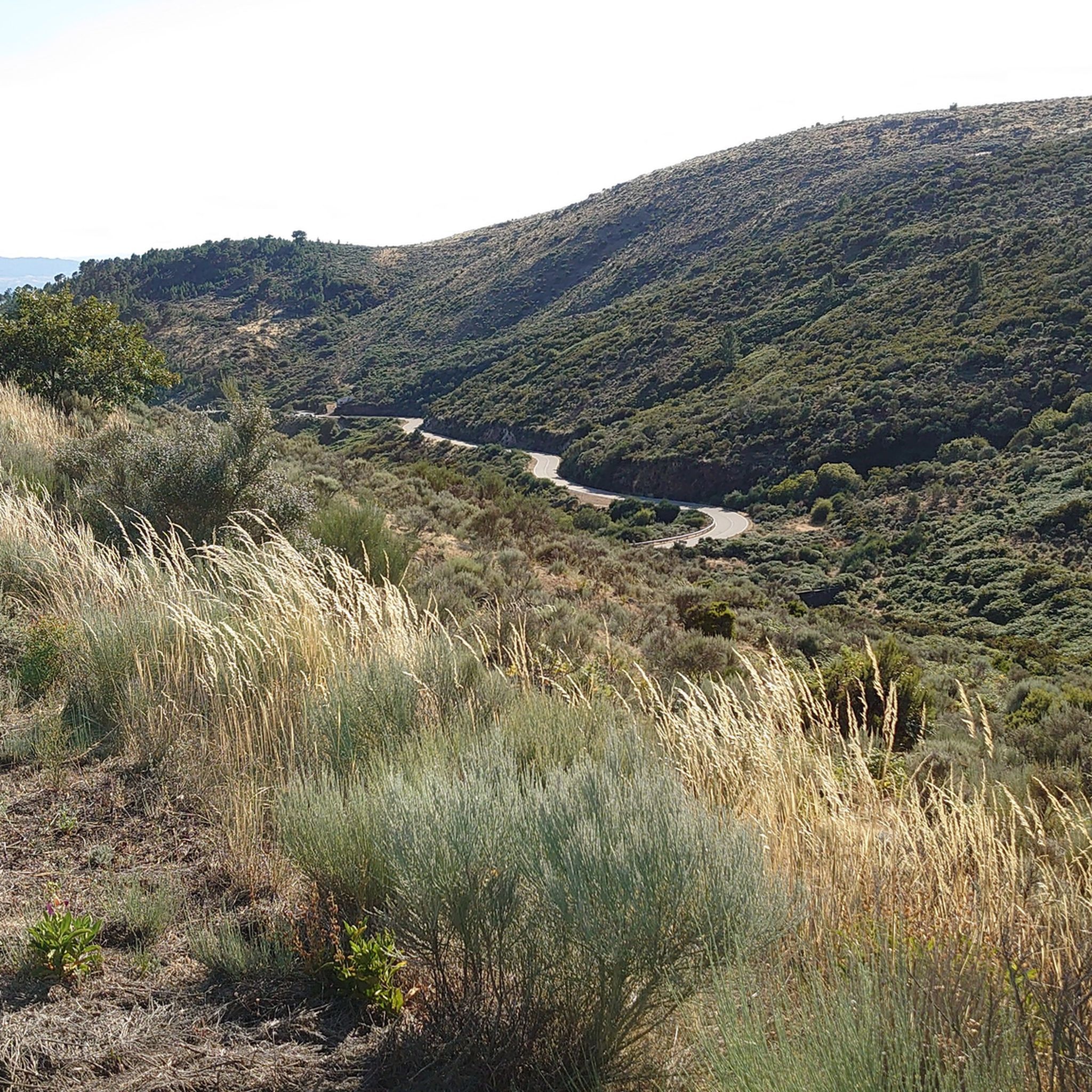
Santibáñez el Alto is a small historic town perched on top of a defensive hill that offers an incredible view of the Borbollón Reservoir below. The castle of Santibáñez el Alto dominates the landscape. The ascent by bike is about 3.51 km smooth with an average slope of 4.4%.
1
1
Frequently Asked Questions
What historical significance do the castles around Coria hold?
The castles in the Coria region are rich in history, often built on sites with Roman or Knights Templar origins. For example, the Castle of the Dukes of Alba in Coria itself was constructed in the late 15th century on earlier fortifications. Castles like Castillo de Portezuelo date back to the 12th century, reflecting periods of conflict and control by various orders like the Knights Templar and the Order of Alcántara. They stand as testaments to centuries of military engineering and aristocratic dominion.
Which castles offer the best views of the surrounding landscape?
Several castles provide spectacular views. From Santibáñez el Alto Castle, you can enjoy incredible vistas of the valley and the Borbollón Reservoir. Similarly, Castillo de Portezuelo offers panoramic views of the town of Portezuelo and the valley below.
Can I visit the interior of the Castle of the Dukes of Alba in Coria?
While the exterior of the Castle of the Dukes of Alba is a significant architectural highlight and well worth exploring, its interior is currently private property and not open to the public. You can still admire its impressive keep, the 'Torre del Homenaje,' and its unique design integrated with the ancient Roman City Walls.
Are there hiking opportunities near the castles around Coria?
Yes, the region offers numerous hiking opportunities. For instance, you can find routes like the 'Torre Almenara from Gata — circular by Camino de la Almenara' which is a difficult 9.7 km hike, or easier options like the 'Ermita del Espéritu Santa from Valverde del Fresno — circular the Camino del Espírita Santo' at 6.6 km. You can explore more options on the Hiking around Coria guide.
What kind of terrain can I expect on trails near Coria's castles?
The terrain around Coria's castles can vary. For example, the path to Torre de Almenara involves a short, steep climb that can be a bit tricky. Many castles are situated on defensive hills, meaning ascents are common, often on gravel roads or natural trails. Some routes, like those around Santibáñez el Alto, may involve smooth ascents with moderate slopes.
What is the best time of year to visit the castles in the Coria region?
Visiting during spring (April-May) or autumn (September-October) is generally recommended. The weather during these seasons is typically milder and more pleasant for exploring outdoor historical sites and enjoying nearby hiking trails, avoiding the intense heat of summer.
Are there any castles that are particularly good for families?
While specific family-friendly amenities might vary, castles like Torre de Almenara offer an engaging historical experience with a manageable climb. Exploring the exteriors of castles like Castillo de Portezuelo and the Castle of the Dukes of Alba, combined with walks along Coria's Roman City Walls, can provide an educational and adventurous outing for families.
Can I find mountain biking trails near the castles?
Yes, the Coria region also offers mountain biking opportunities. You can find trails such as the 'Coria and Torrejoncillo Loop,' a moderate 44.8 km route, or the more challenging 'Sierra de Gata – circular desde Gata.' More details on these and other routes are available in the MTB Trails around Coria guide.
What makes <a href="https://www.komoot.com/highlight/4821468" target="_blank" rel="noopener">Torre de Almenara</a> a notable castle to visit?
Torre de Almenara is notable for its historical significance, having been conquered and reconquered multiple times. It stands at the top of a short, steep climb, offering a rewarding experience for those who make the ascent to explore this small but historically important fortress.
How accessible are the castles around Coria?
Accessibility varies by castle. Many castles, due to their historical nature and defensive locations on hills, may involve uneven terrain, stairs, or gravel paths. The exterior of the Castle of the Dukes of Alba in Coria is within the city and integrated with the Roman walls, making it relatively accessible for viewing from the outside. For specific accessibility details, it's advisable to check individual castle information.
Are there any hidden gem castles or less-known historical sites worth exploring?
While the main castles like Torre de Almenara, Castillo de Portezuelo, and Santibáñez el Alto Castle are well-regarded, the region itself is dotted with historical remnants. Exploring the smaller towns and their surrounding landscapes can often reveal lesser-known fortifications or ruins that offer a quiet glimpse into the area's past, away from more popular spots.
What kind of architectural styles can be observed in Coria's castles?
The castles around Coria showcase a blend of architectural styles reflecting their long history. The Castle of the Dukes of Alba, for instance, features an irregular pentagonal layout with a prominent keep, built with fine granite ashlars, and incorporates Late-Gothic or Elizabethan style elements. Other castles, like Castillo de Portezuelo, dating back to the 12th century, exhibit medieval military architecture with subsequent renovations.
Most popular routes around Coria
Most popular attractions around Coria

Get inspired with the komoot mobile app


Explore more
Looking for the best castles somewhere else? Discover other guides around Coria:
