Top 8 Castles around Tarragones
Castles around Tarragones offers a journey through Catalonia's rich history, set against the backdrop of the Mediterranean Sea and the Gaià river valley. This region, part of the wider province of Tarragona, features a diverse landscape ranging from coastal promontories to inland hills. Visitors can explore a variety of historical sites, including medieval fortifications and Romanesque structures. The area provides a blend of cultural heritage and natural beauty, making it suitable for historical exploration.
Best castles around Tarragones
- The most…
Last updated: July 10, 2026
Tamarit Castle
Highlight • Castle
Translated by Google •
Tip by

La Mora Tower
Highlight • Historical Site
Translated by Google •
Tip by

Sign up now to discover places like this
Get recommendations on the best single tracks, peaks, & plenty of other exciting outdoor places.
Sign up for free
Castell d'Altafulla
Highlight • Castle
Translated by Google •
Tip by

Roman Walls of Tarragona
Highlight • Historical Site
Tip by

Cala Jovera Beach and Tamarit Castle
Highlight • Beach
Translated by Google •
Tip by

Torre del Pretorio of Tarragona
Highlight • Historical Site
Translated by Google •
Tip by

Amphitheatre and Wall of Tarragona
Highlight • Historical Site
Translated by Google •
Tip by

Saint George's Fort
Highlight • Historical Site
Translated by Google •
Tip by
Wooden Bridge Near Vila-seca Castle
Highlight • Bridge
Translated by Google •
Tip by

Vespella de Gaià Viewpoint and Sant Miquel Church
Highlight • Viewpoint
Translated by Google •
Tip by
Sign up for free to discover even more castles around Tarragones.
Sign up for free
Already have an account?
Start today with a free account
Your next adventure awaits.
Login or Signup
Popular around Tarragones
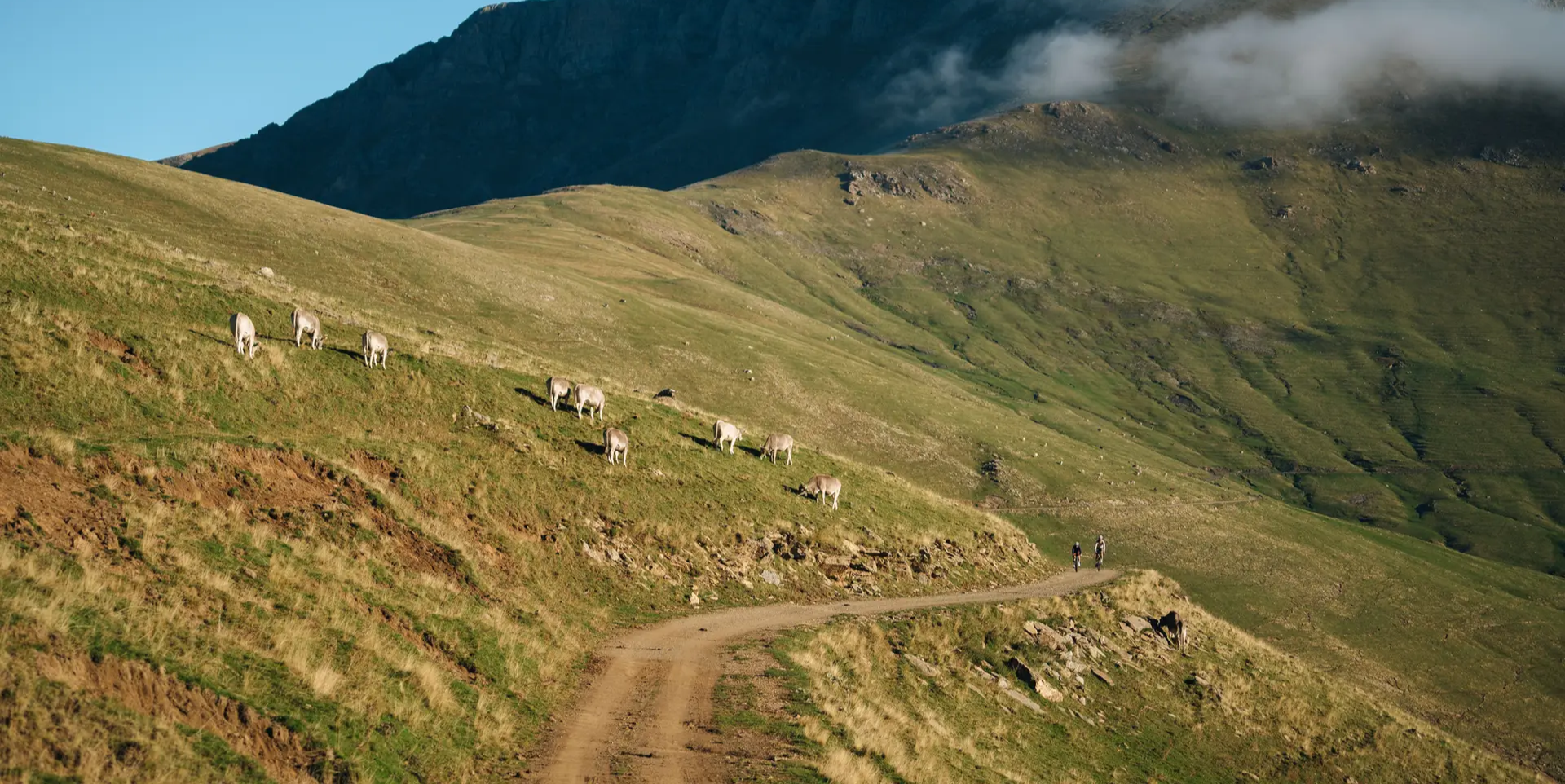
Grand Tour of Catalonia Gravel – your bikepacking adventure
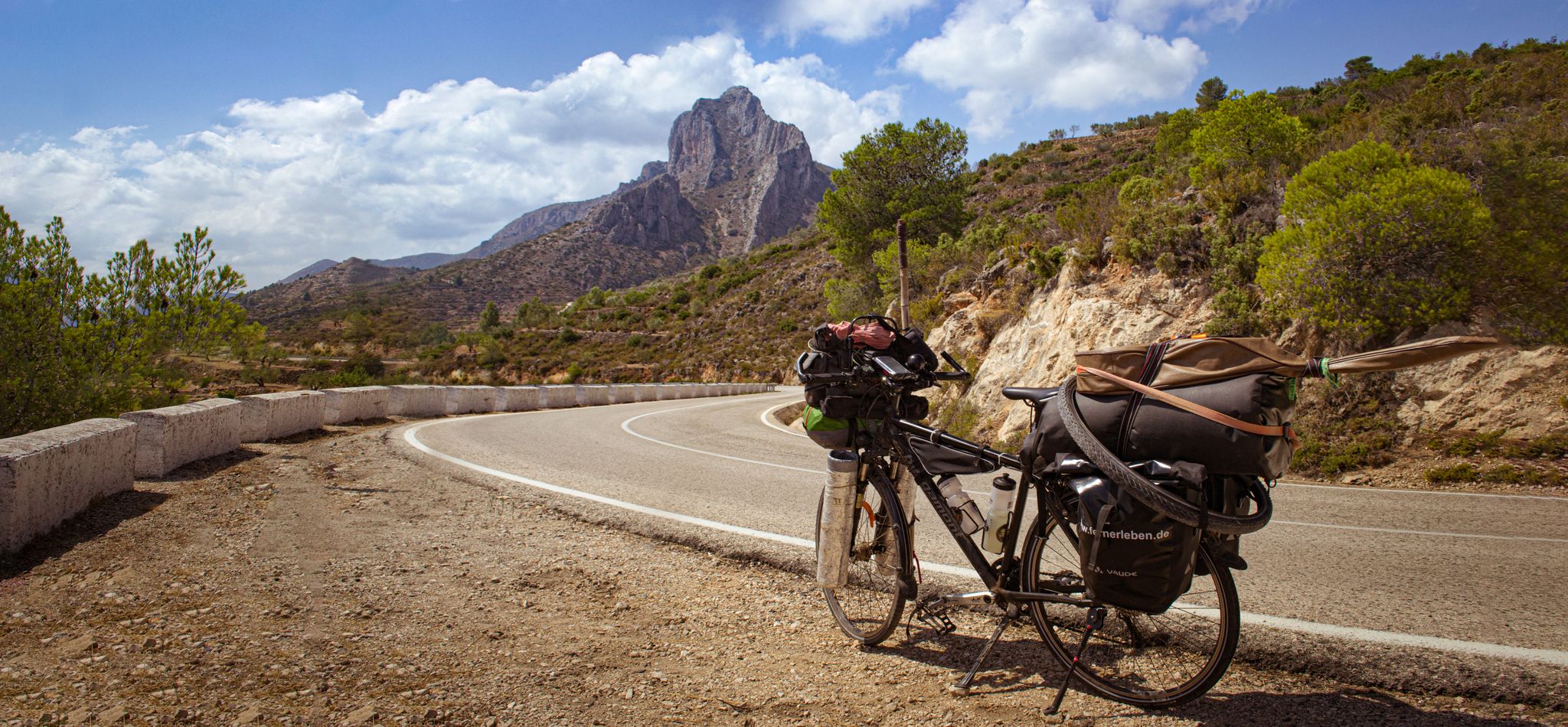
On the road to the sun — bikepacking to southeast Spain
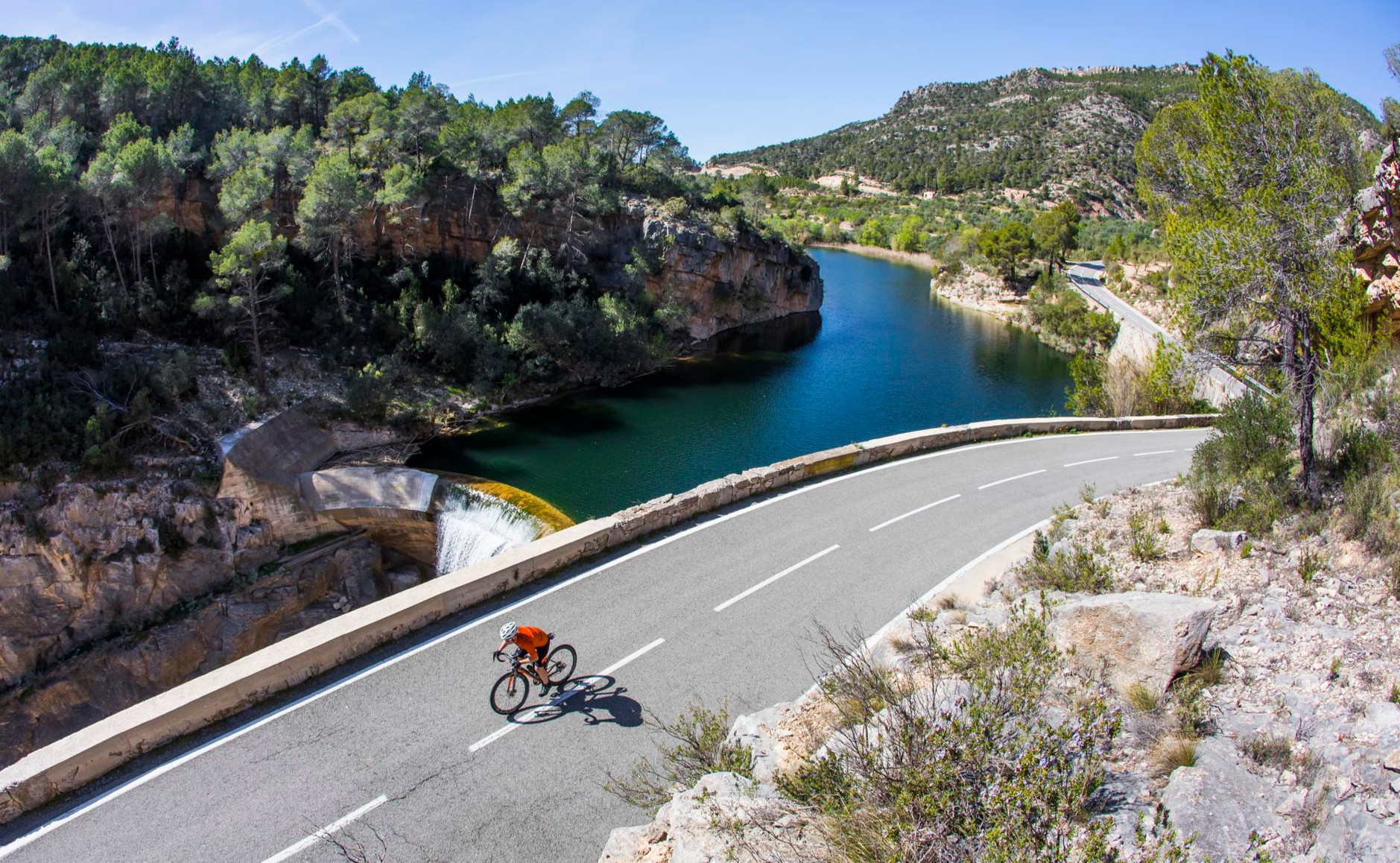
Costa Daurada - Mountains, orchards and monuments by bike
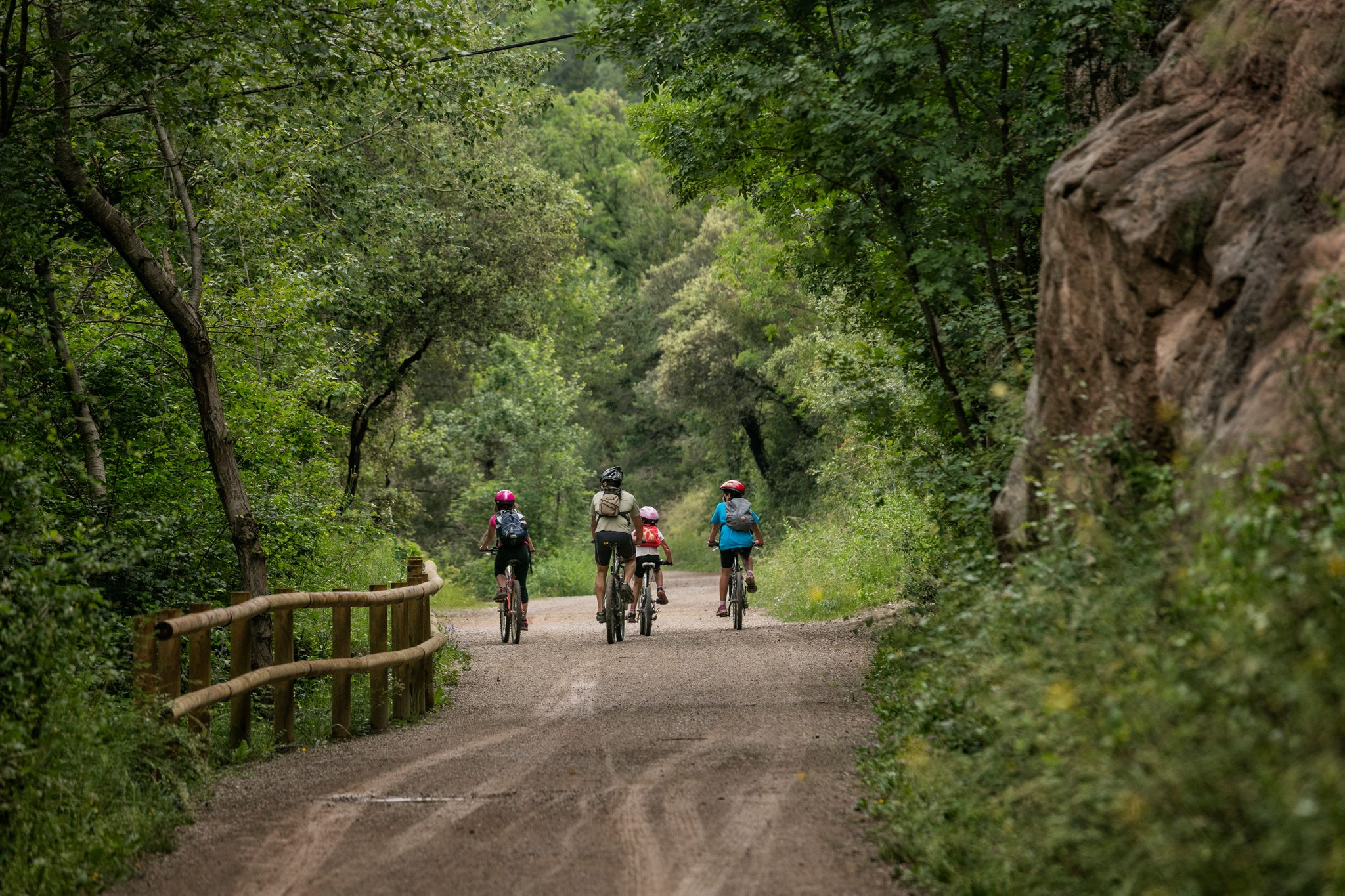
Discover Catalonia on your bike
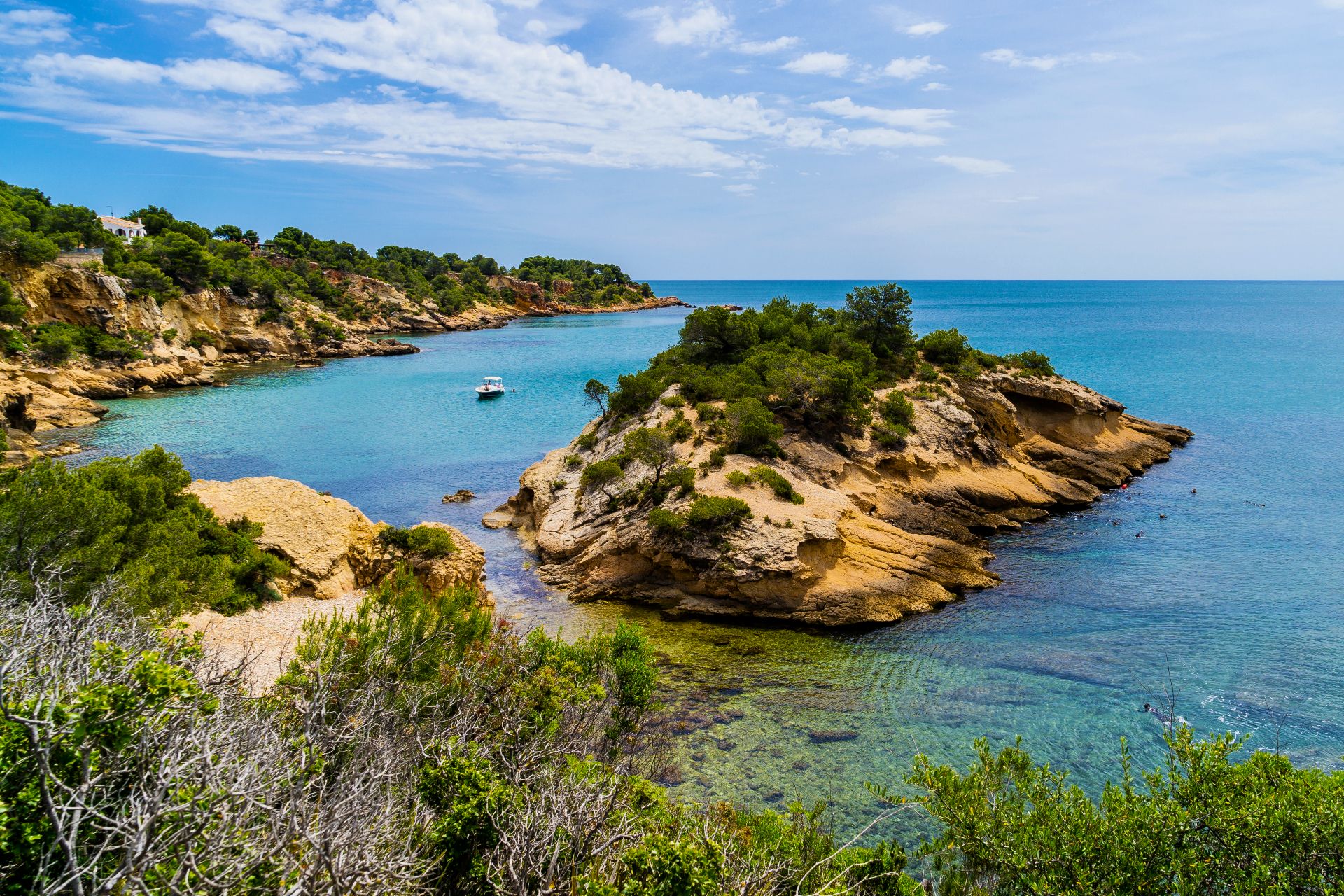
The Catalan coast on foot – Mediterranean Path (GR 92)
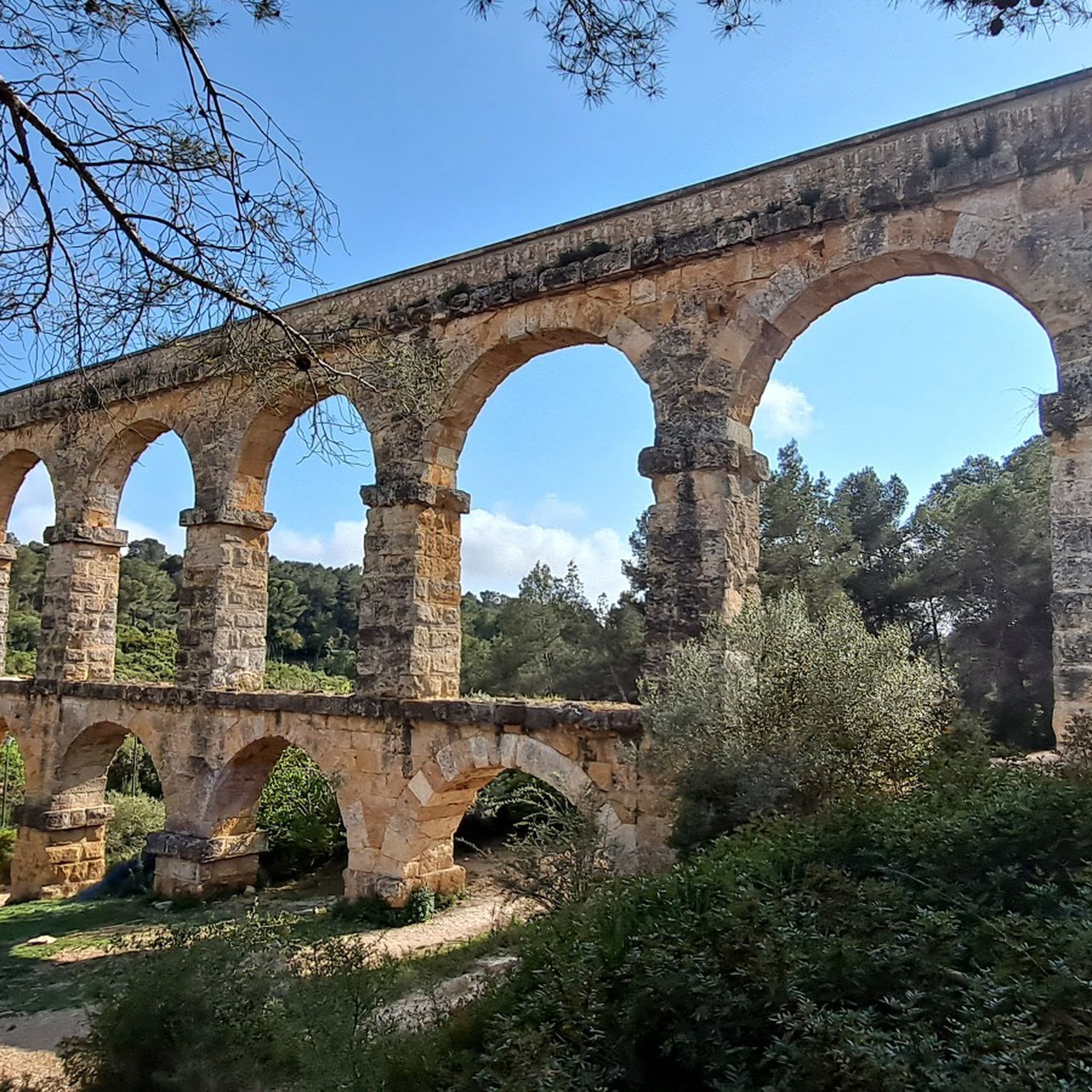
Hiking around Tarragones
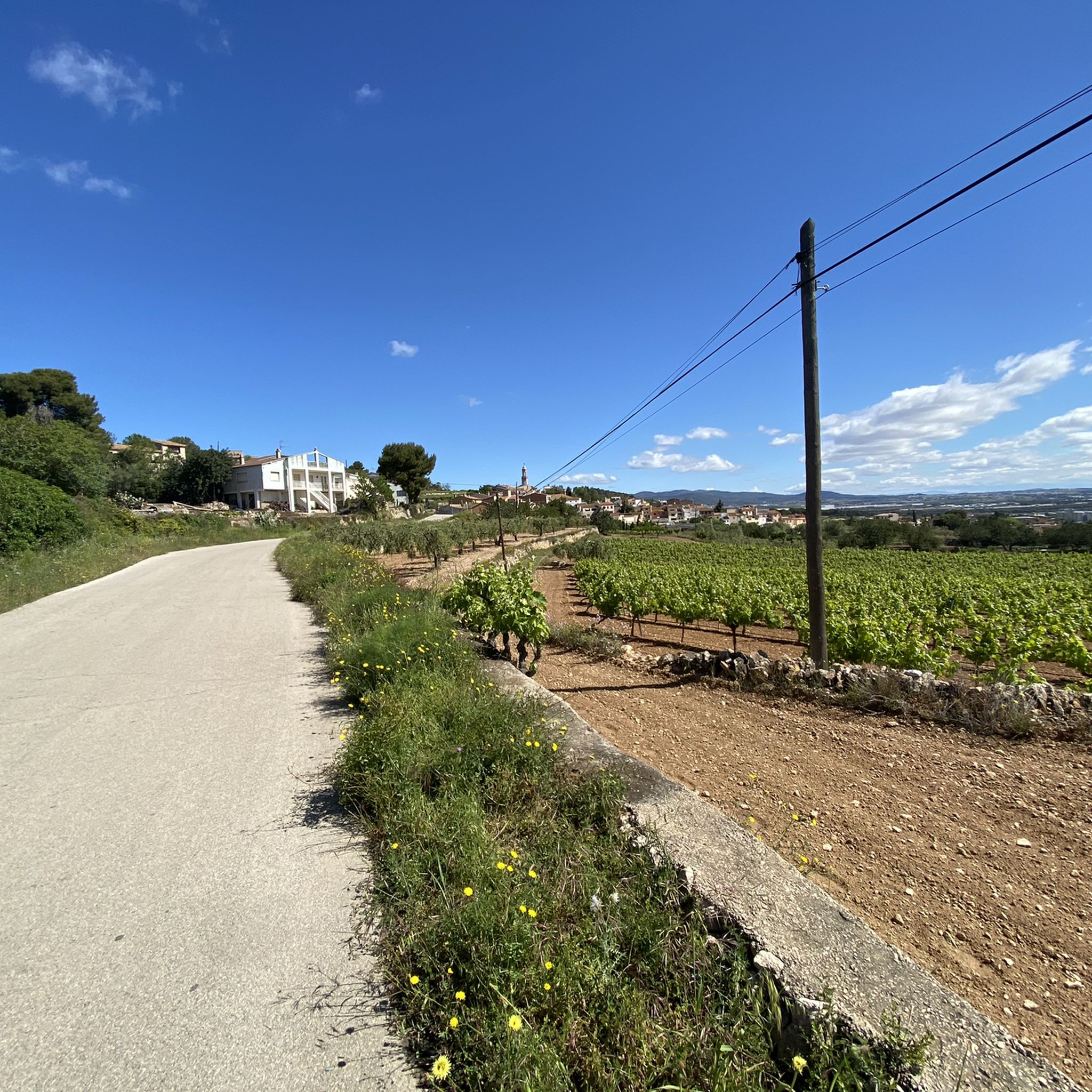
Road Cycling Routes around Tarragones
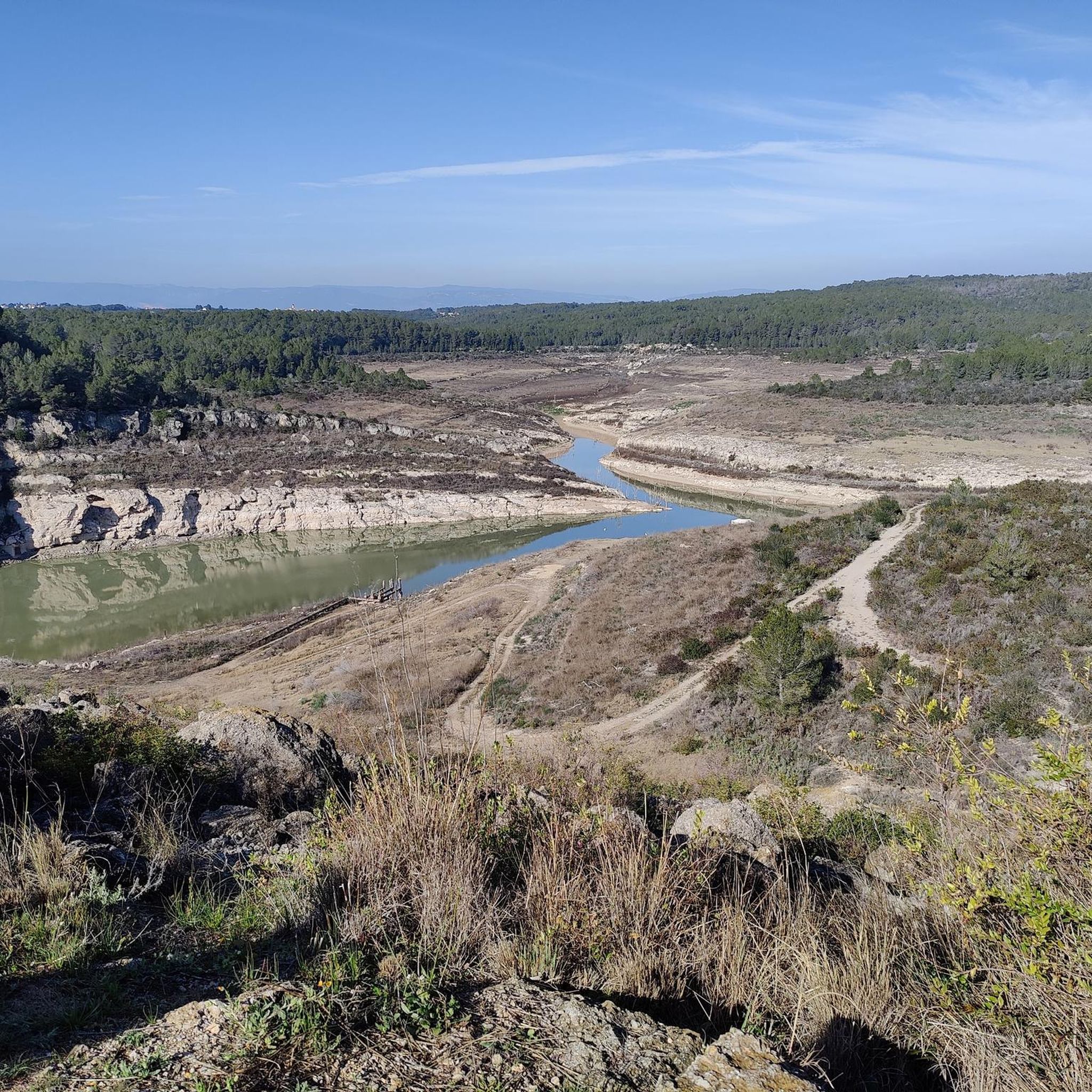
Running Trails around Tarragones
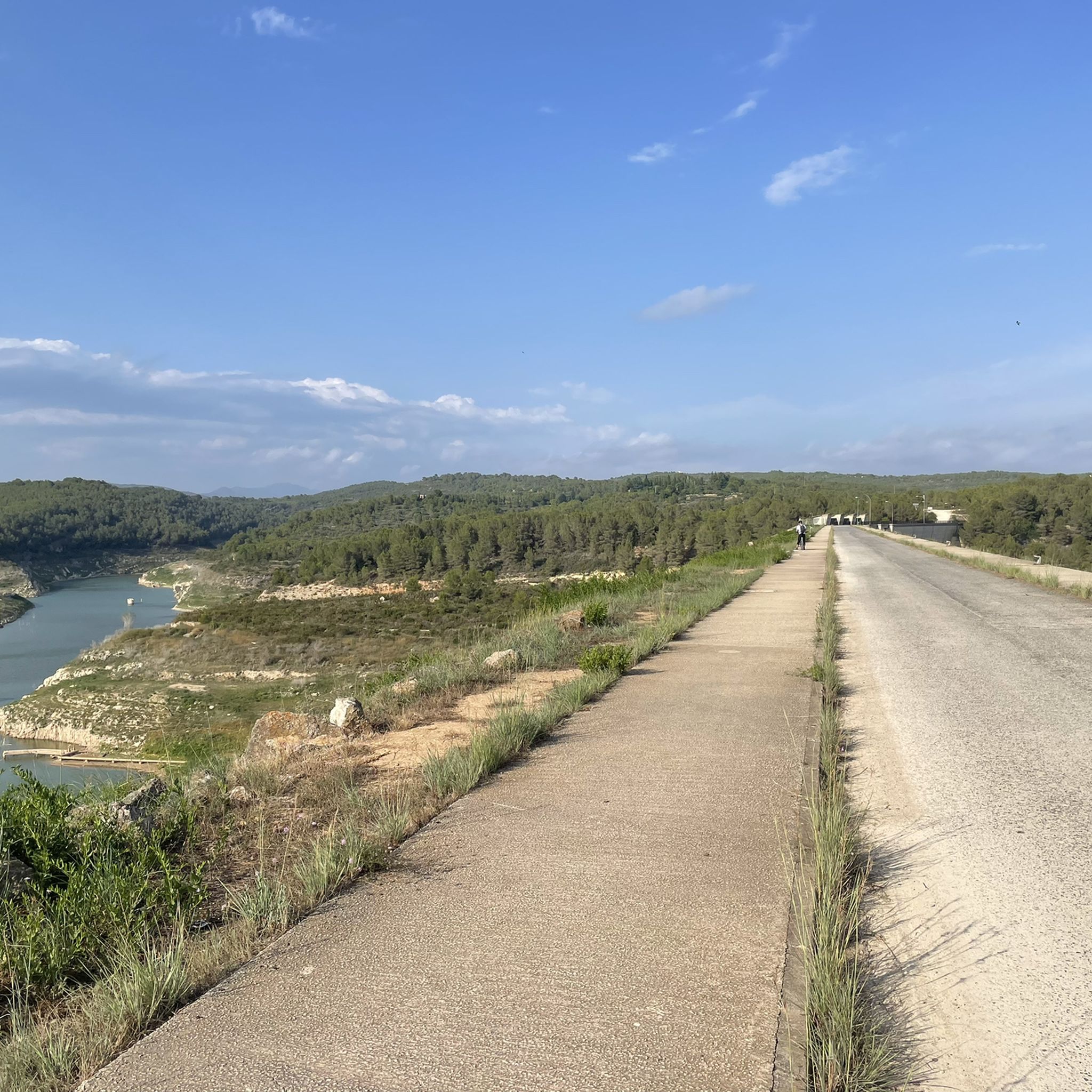
Cycling around Tarragones
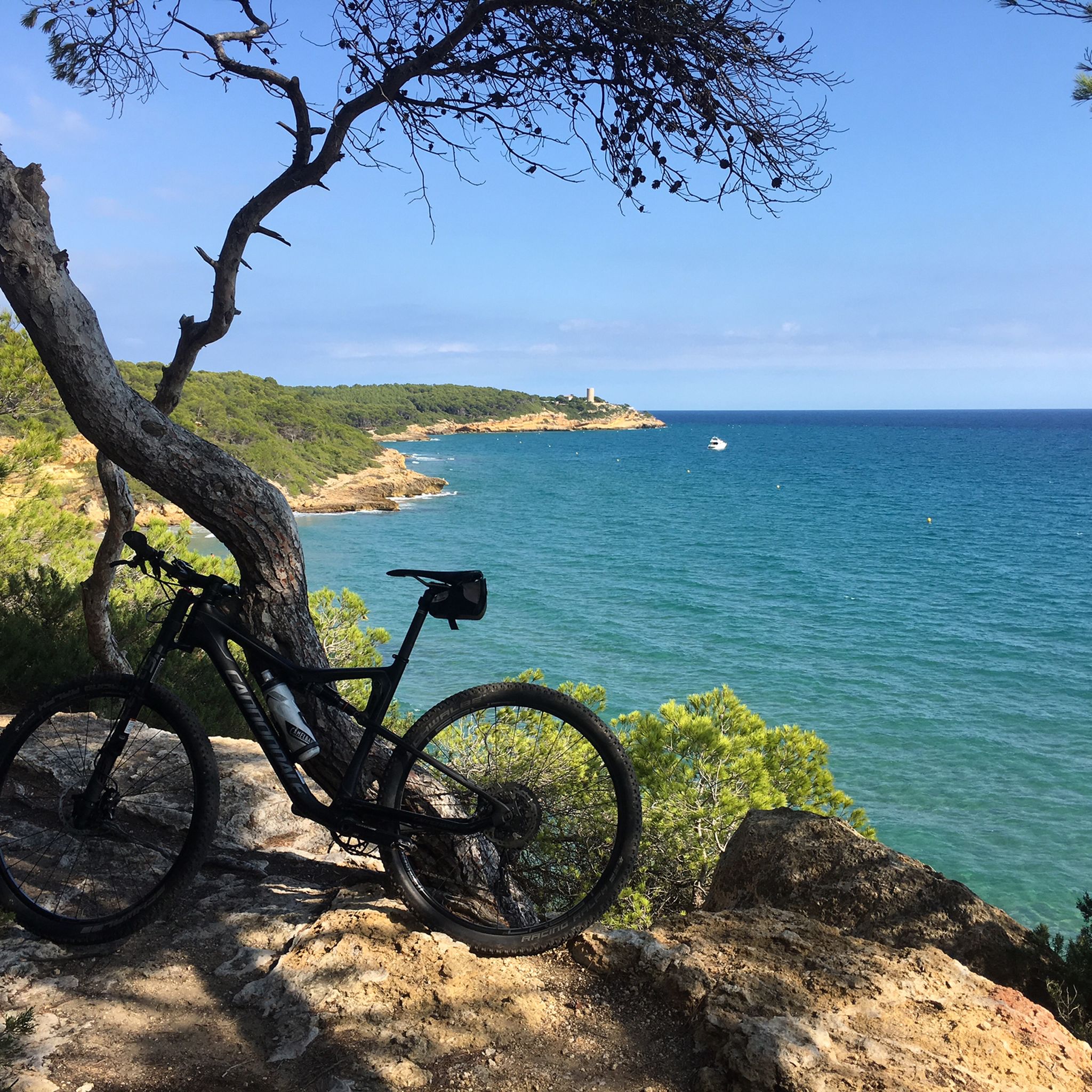
MTB Trails around Tarragones
Other adventures around Tarragones


Tips from the Community

The Fortí de Sant Jordi in Tarragona is a historic defensive fortress dating back to 1709, built by the English army during the War of the Spanish Succession. It is located near the coast but is currently closed to the public. The fort and the adjacent park can be easily reached on foot via a pleasant seaside path.
0
0

Altafulla Castle was first documented in 1059. The current building, dating primarily from the 17th century, adjoins the walls of Vila Closa and has an irregular floor plan. The crenellated parapet gives it the appearance of a fortress. The predominant Renaissance style is clearly evident in the doors and windows. During the First Carlist War, it served as barracks for the Altafulla militia, and during the Civil War (1936–1939), it housed troops and militiamen. It is privately owned and not open to the public.
0
0

The city was founded by the Romans in 218 BC as Tarraco. During the Roman Empire, it was one of the most important centres of the Iberian Peninsula and the capital of one of the largest Roman provinces, Hispania Tarraconensis, which was named after it. Some Roman ruins can still be seen.
0
0

Great campsite with a gigantic view. Very well-stocked supermarket on the campsite. We bought a small picnic here and fortified ourselves for the journey home.
0
0
Uniquely beautiful hiking trail with great views of wonderful bays.
0
0

The Castillo stands directly on the sea between cliffs and the beach. It has a venerable look!
0
0
Very nice view to Tarragona. Right next door is a nice campsite with shopping and catering options.
0
0

It's doable with a mountain bike. With the e-nike you sometimes had to push.
0
0
Frequently Asked Questions
What are some notable castles to visit in the Tarragonès region?
Beyond the well-known Tamarit Castle and Castell d'Altafulla, you can explore the historic La Mora Tower, a cultural asset of national interest. Other significant sites include the medieval Roman Walls of Tarragona and the Amphitheatre and Wall of Tarragona, which showcase the region's Roman heritage. For those interested in ruins, Castell de Montoliu in La Riera de Gaià offers a glimpse into medieval fortifications.
What kind of historical architecture can I expect to see in the castles of Tarragonès?
The castles in Tarragonès display a rich blend of architectural styles. You'll find Romanesque elements, particularly in older structures like parts of Tamarit Castle and the Church of the Assumption within its complex. Gothic and Renaissance styles are also prominent, as seen in the modernized Castell de Ferran and the 17th-century Castell d'Altafulla. Many castles, like Creixell Castle, feature medieval fortifications, battlements, and lookout posts, reflecting their defensive origins.
Are there any castles that offer scenic views?
Yes, several castles in the Tarragonès region boast impressive views. Tamarit Castle, perched on a promontory, offers stunning Mediterranean Sea vistas. Creixell Castle, situated on a hill, provides privileged views of the Costa Dorada and the surrounding countryside. Additionally, La Mora Tower offers nice views towards Tarragona.
What do visitors enjoy most about the castles in Tarragonès?
Visitors appreciate the blend of cultural heritage and natural beauty. The well-preserved medieval structures, like Tamarit Castle, are often highlighted for their picturesque settings and historical significance. The region's castles are also valued for their scenic views, with many offering coastal panoramas or commanding positions over the landscape. The komoot community has shared over 142 photos and given more than 215 upvotes to these historical sites.
Are there family-friendly castles in the Tarragonès area?
Yes, several castles and historical sites in the Tarragonès region are considered family-friendly. Tamarit Castle and the nearby Cala Jovera Beach and Tamarit Castle highlight are popular choices for families. The Amphitheatre and Wall of Tarragona also offers an engaging historical experience for all ages.
Are there any castles that are open to the public for interior visits?
While many castles in the Tarragonès region are private residences or ruins, Tamarit Castle is open to the public with free entry, allowing visitors to explore its grounds and the Romanesque church. Castell d'Altafulla and Castell de Ferran are privately owned and not open for interior visits, though their exteriors are significant landmarks.
What are the best ways to get to the castles in Tarragonès, including parking and public transport?
Access to castles in Tarragonès varies. For castles like Tamarit Castle and Castell d'Altafulla, located in or near towns, parking facilities are generally available in the vicinity. Public transport options, such as local buses or regional trains, can connect you to the larger towns like Altafulla, from where some castles might be reachable by a short walk or taxi. For specific details, it's advisable to check local transport schedules and parking availability for each castle.
What is the best time of year to visit the castles in Tarragonès?
The Tarragonès region enjoys a Mediterranean climate, making spring (April-May) and autumn (September-October) ideal for visiting castles. During these seasons, the weather is pleasantly mild, perfect for exploring historical sites and enjoying coastal walks without the intense heat of summer or the cooler temperatures of winter. Summer can be very warm, but coastal castles benefit from sea breezes.
Are there hiking trails near the castles in Tarragonès?
Yes, the region offers several hiking opportunities near its historical sites. For example, the GR 92: Altafulla and Tamarit Coastal Path is a moderate 11.6 km hike that connects the coastal areas, allowing you to experience the natural beauty around Tamarit Castle. You can find more hiking routes in the region by exploring the Hiking around Tarragonès guide.
Are there cafes or restaurants near the castles?
Many castles in the Tarragonès region are located near or within charming towns, offering convenient access to cafes and restaurants. For instance, Altafulla, home to Castell d'Altafulla, has a delightful historic center with various dining options. Similarly, areas around Tamarit Castle often have facilities catering to visitors, especially near the beach areas.
Can I find circular routes that connect multiple castles in the Tarragonès region?
While there isn't a single official 'Castles of Tarragonès' circular route, you can plan your own by combining visits to nearby castles. For example, Tamarit Castle, Castell d'Altafulla, and Castell de Ferran are relatively close to each other, making it possible to visit them as part of a longer walking or cycling tour. The Road Cycling Routes around Tarragonès guide offers options that pass through historical areas.
Are there any Roman historical sites related to castles in the region?
Yes, the Tarragonès region is rich in Roman history, with several sites that predate or are integrated with later castle structures. The Roman Walls of Tarragona are a prime example, being the oldest Roman construction still conserved outside Italy. The Amphitheatre and Wall of Tarragona and the Torre del Pretorio of Tarragona also highlight the region's significance during the Roman Empire.
Most popular routes around Tarragones
Most popular attractions around Tarragones

Get inspired with the komoot mobile app


Didn’t find what you were looking for?
Explore Tarragones’s best castles region by region:
Explore more
Looking for the best castles somewhere else? Discover other guides around Tarragones:
