Top 8 Caves around Maresme
Best caves around Maresme are primarily coastal coves and natural rock shelters located along the 55-kilometer coastline in the province of Barcelona. The region features numerous small bays and inlets, characterized by clear waters and often secluded environments. While extensive underground cave systems are rare, Maresme offers several natural rock formations and archaeological sites. These locations provide insights into prehistoric human presence and unique geological features.
Best caves around Maresme
- The most popular caves is Rocs de Sant Magí Neolithic…
Last updated: August 6, 2026
Rocs de Sant Magí Neolithic Settlement
Highlight • Historical Site
Translated by Google •
Tip by

Cave of the Frog
Highlight • Cave
Translated by Google •
Tip by

Sign up now to discover places like this
Get recommendations on the best single tracks, peaks, & plenty of other exciting outdoor places.
Sign up for free
l'Aram Cave
Highlight • Cave
Translated by Google •
Tip by

Cova de les Encantades
Highlight • Cave
Translated by Google •
Tip by

Mina 3
Highlight • Cave
Translated by Google •
Tip by

La Mina d'Or
Highlight • Cave
Translated by Google •
Tip by

Costa de Can Martorell Burial Cave
Highlight • Historical Site
Translated by Google •
Tip by
Roca Llobatera de Cabrils
Highlight • Cave
Translated by Google •
Tip by
Start today with a free account
Your next adventure awaits.
Login or Signup
Popular around Maresme
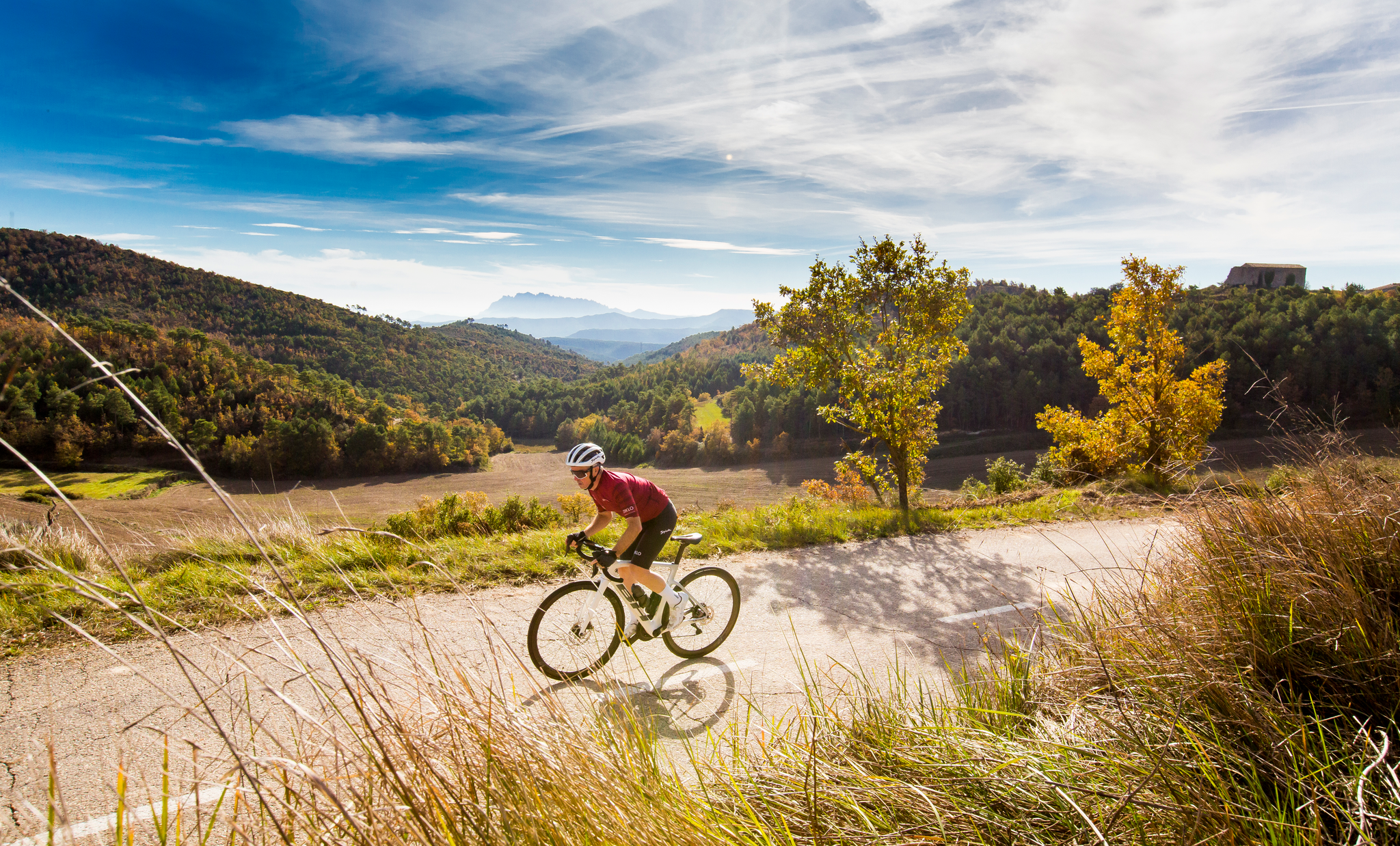
Barcelona: routes near the Tour de France 2026 Grand Départ
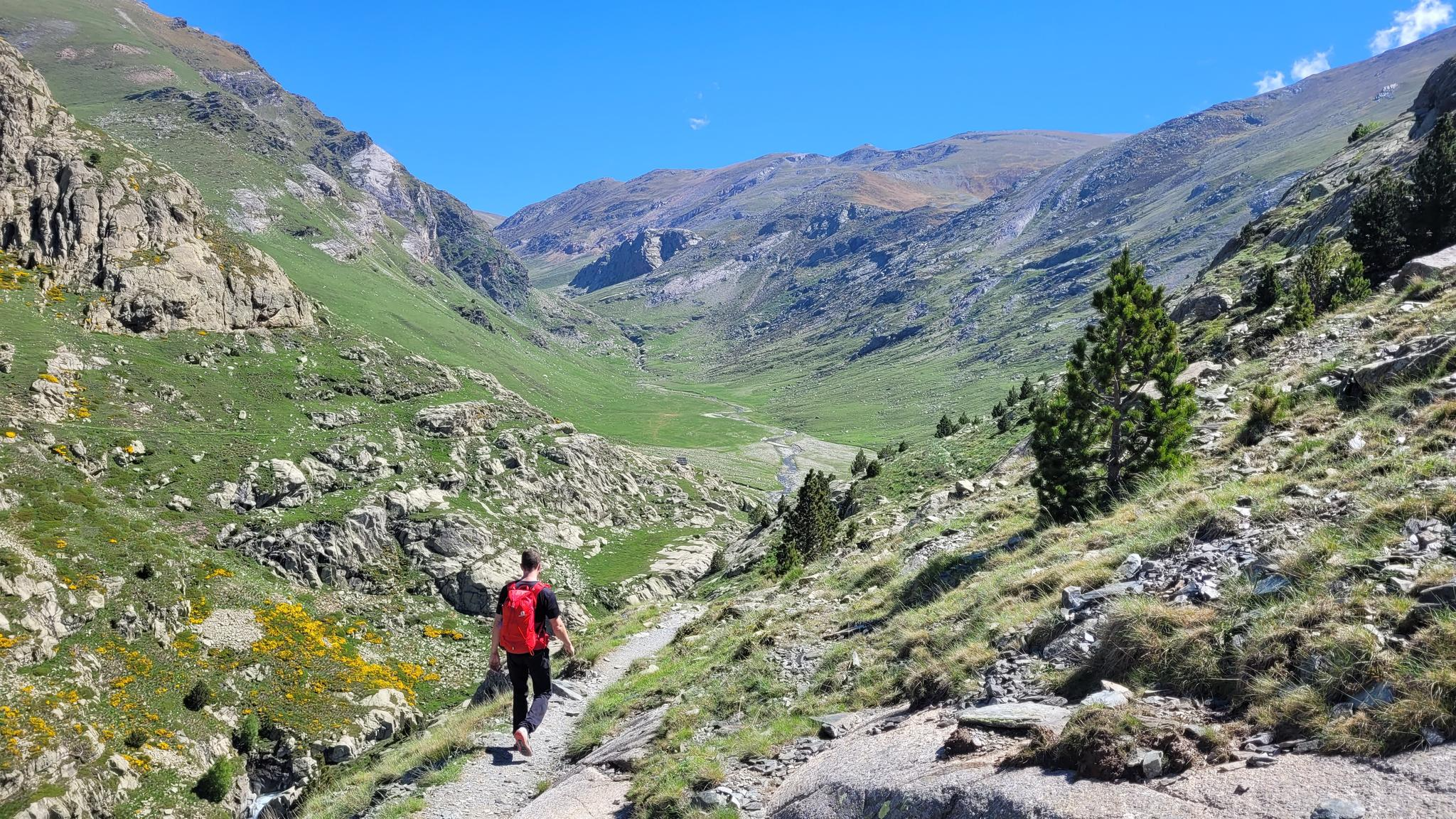
10 hikes with teenagers — Catalan paradises
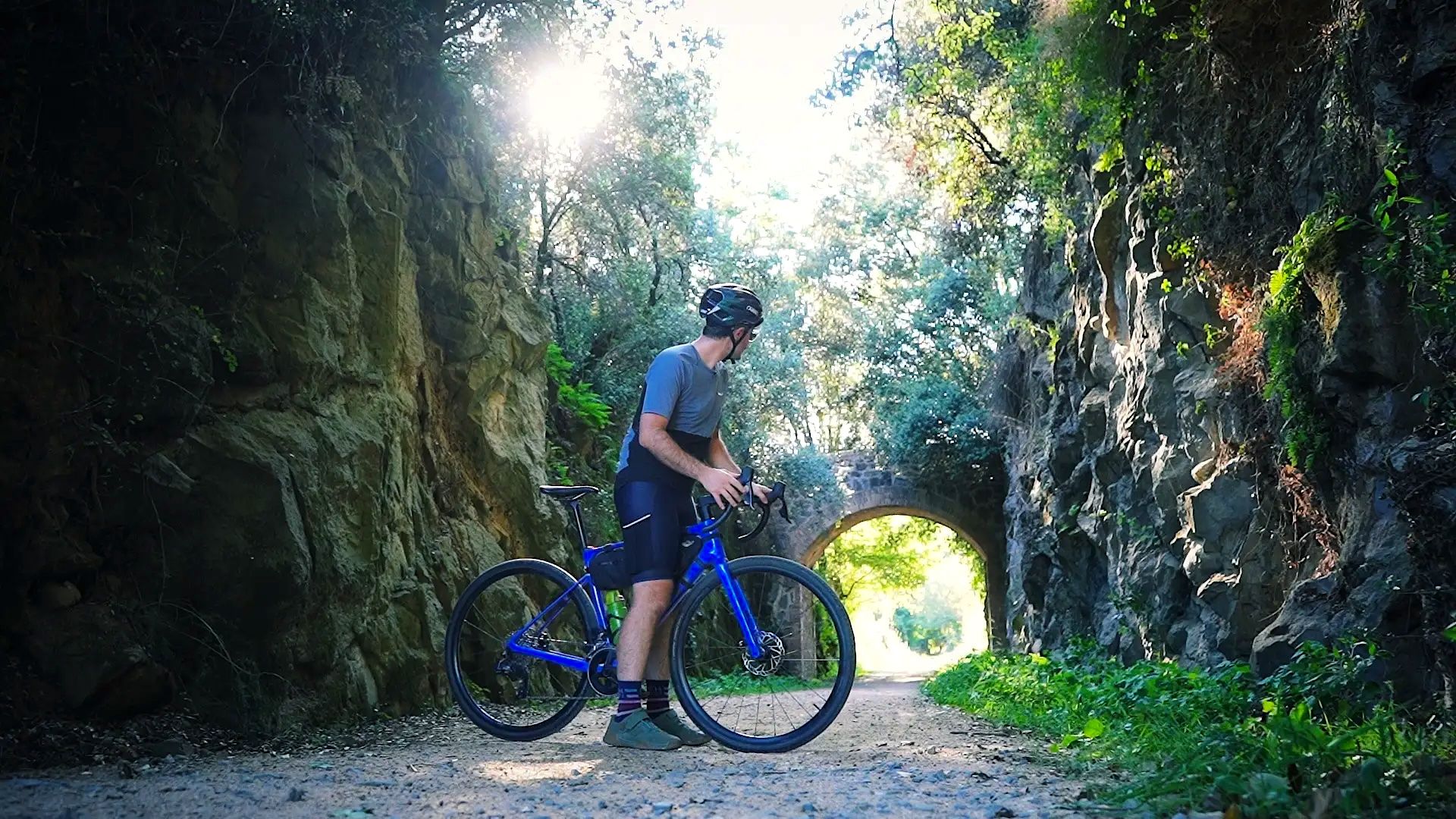
Cycling in Catalonia with Pietro Franzese – four unmissable routes
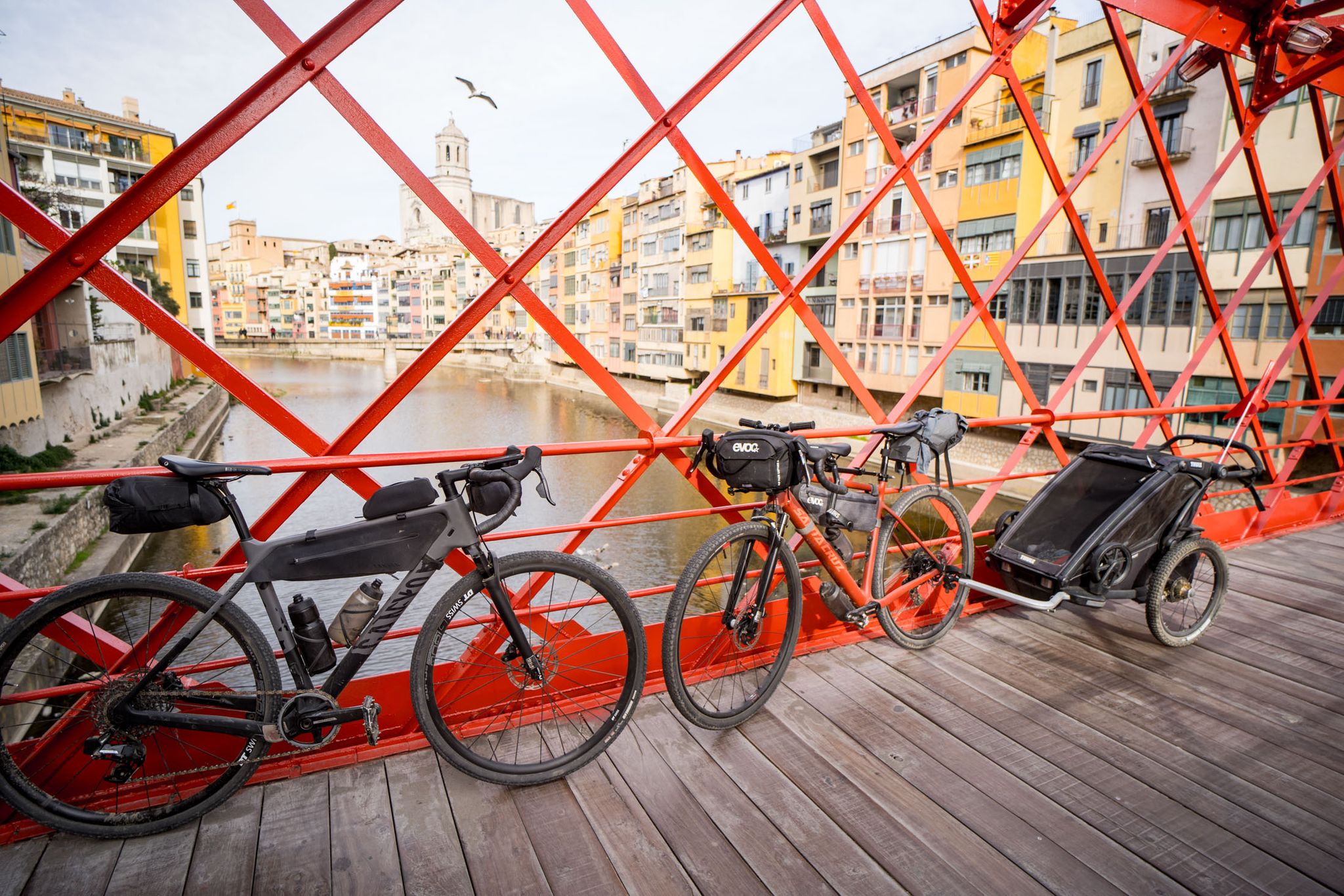
Family Bikepacking / Barcelona-Girona
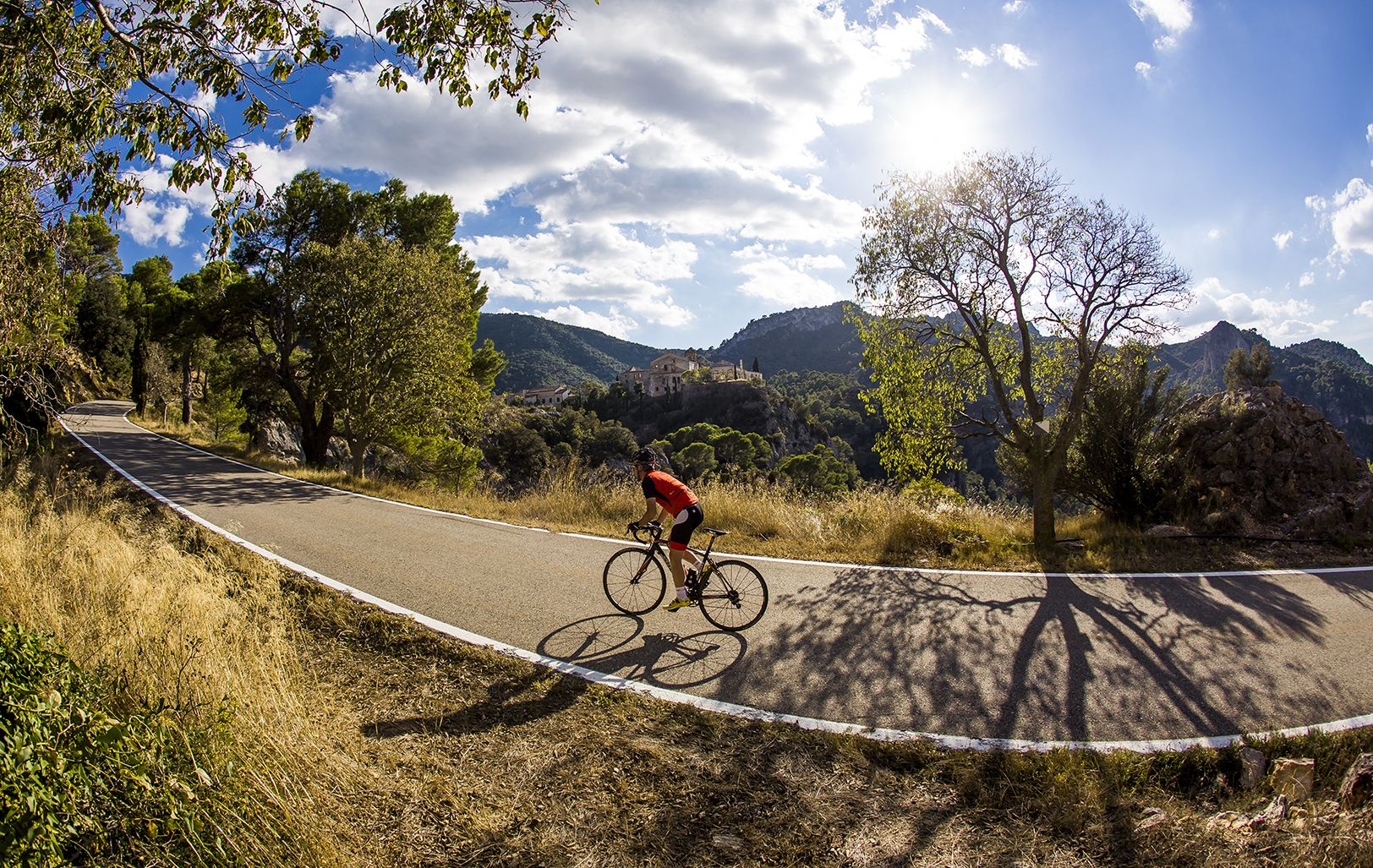
Discover Catalonia by road bike
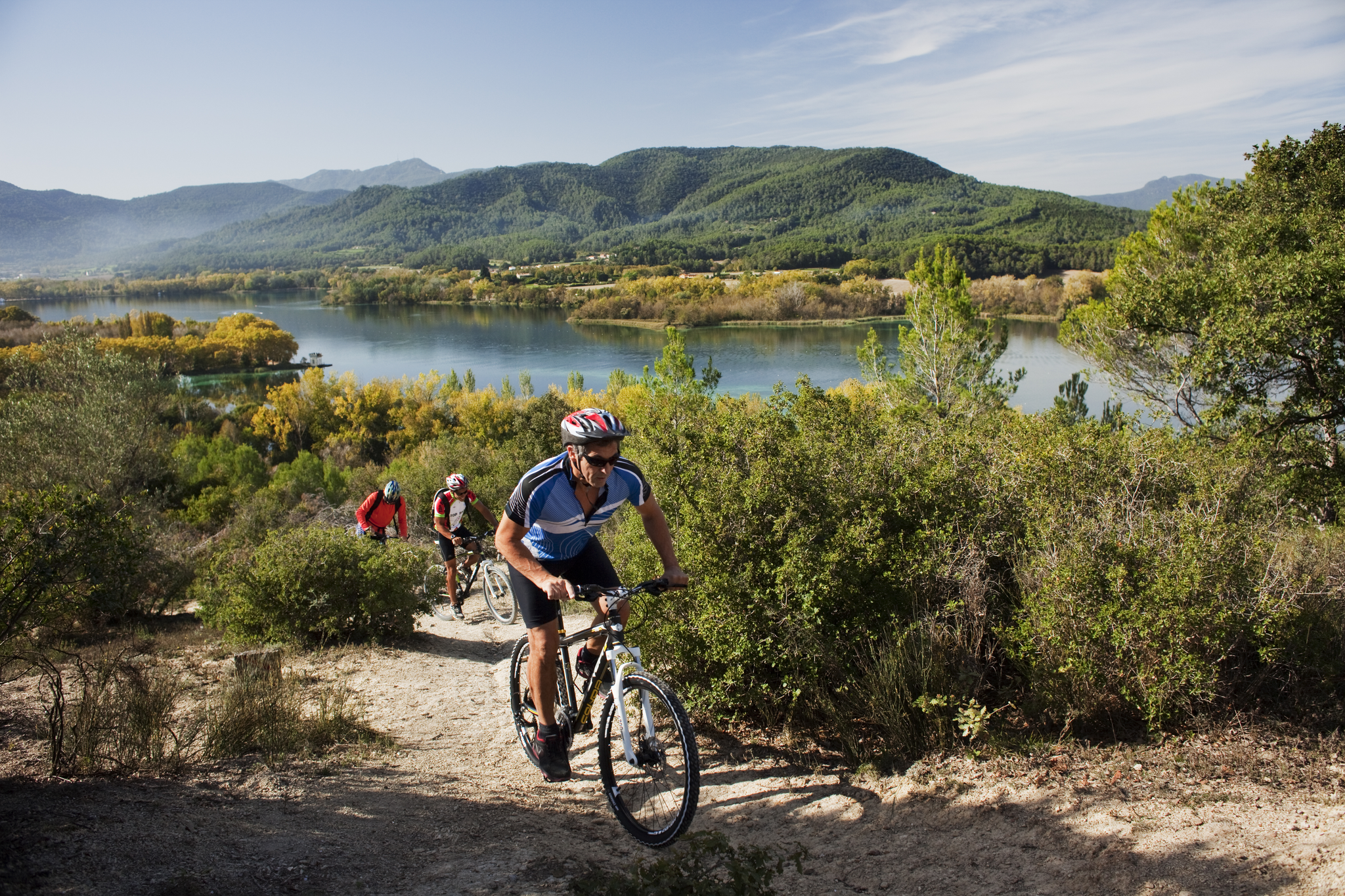
Discover Catalonia on a mountain bike
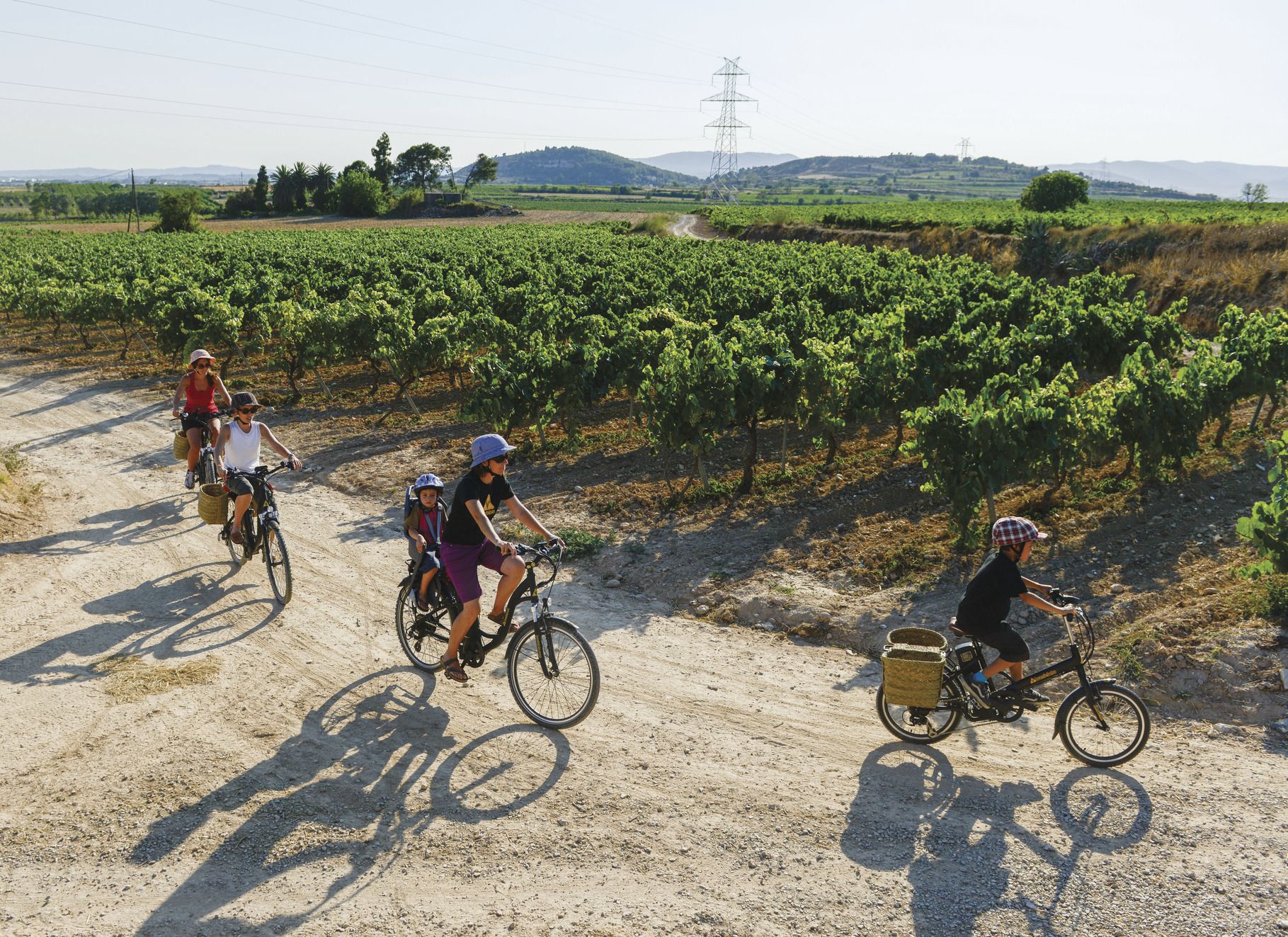
Cycling through Catalonia with your family
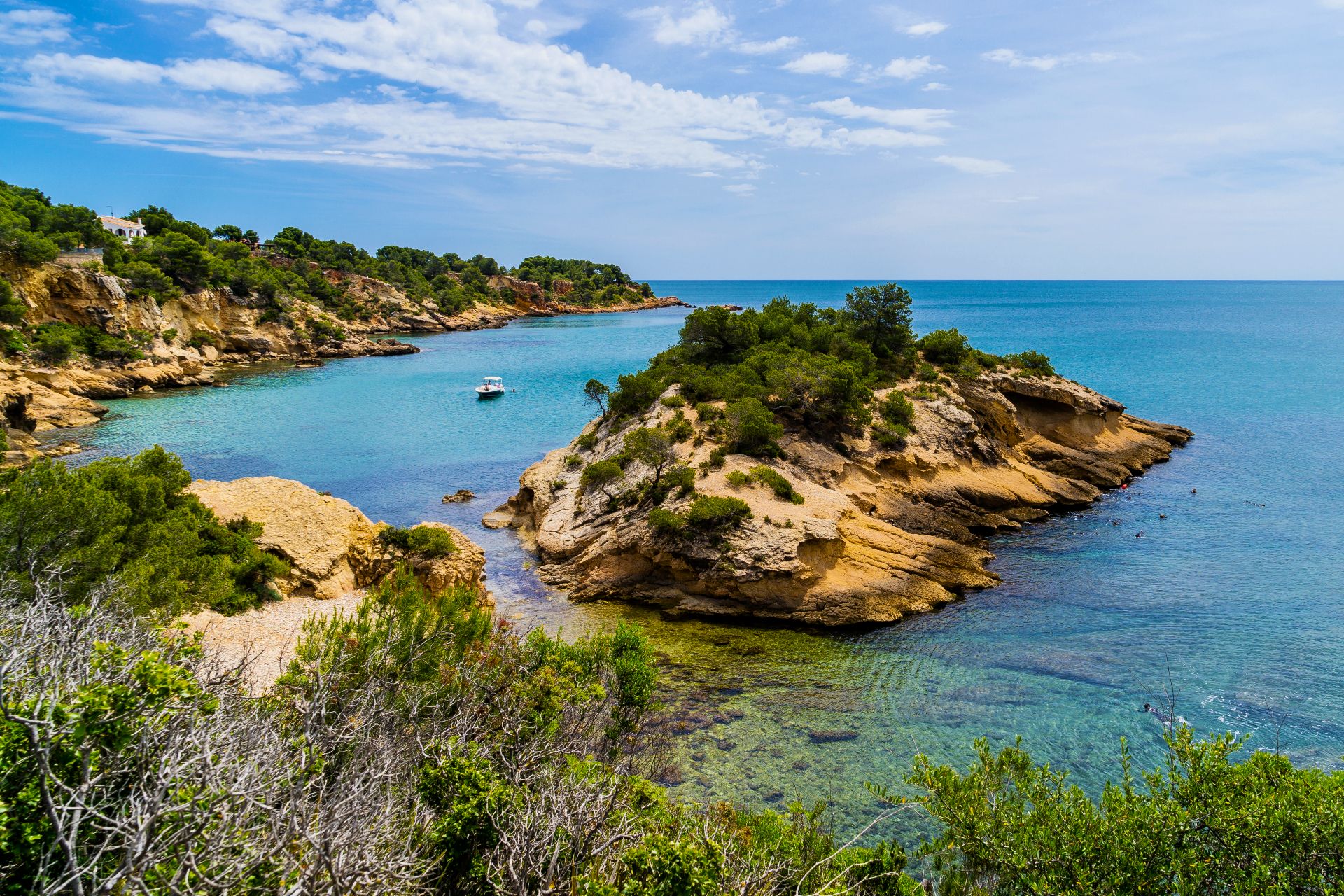
The Catalan coast on foot – Mediterranean Path (GR 92)
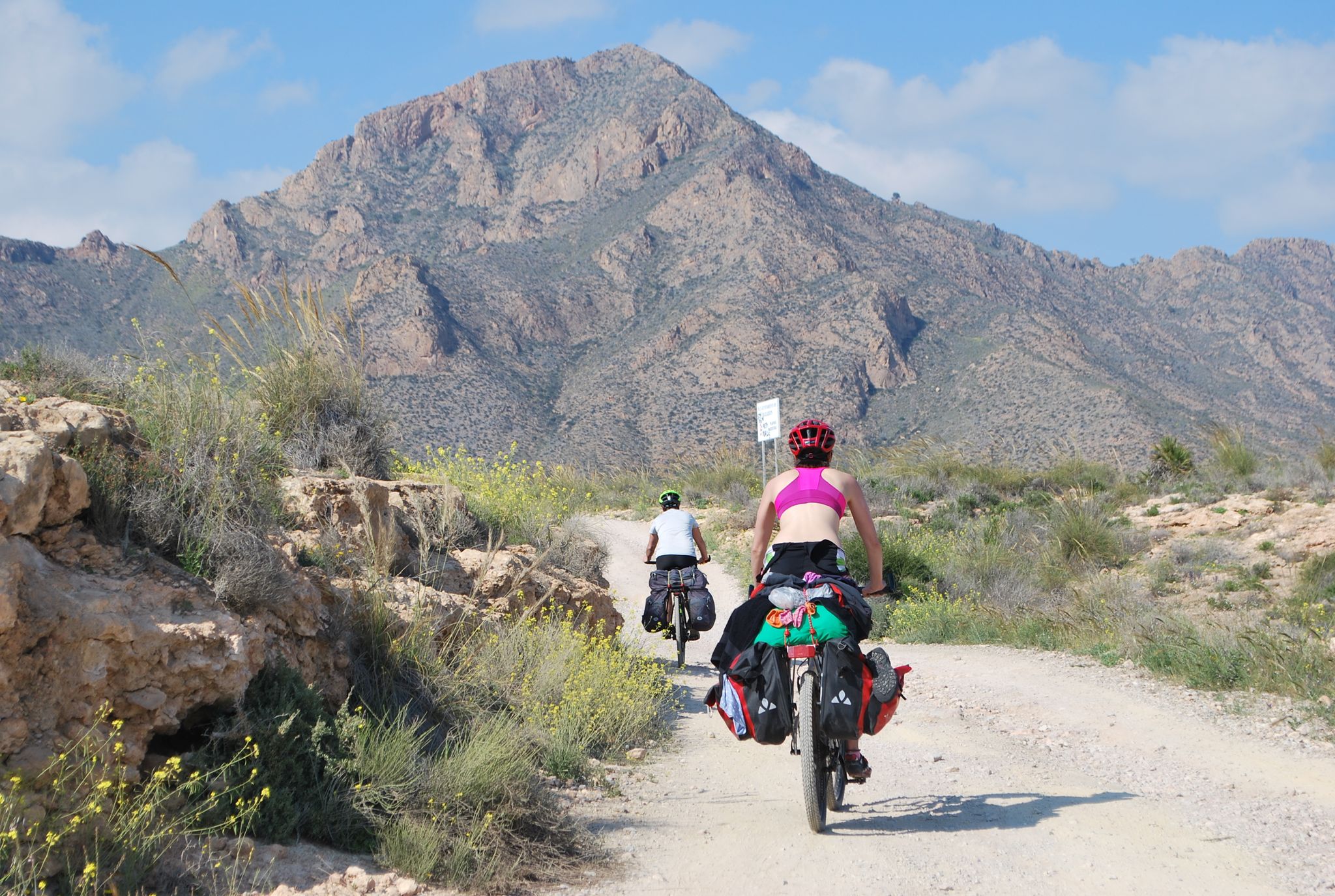
Mediterranean coastal paradise – EuroVelo 8 in Spain
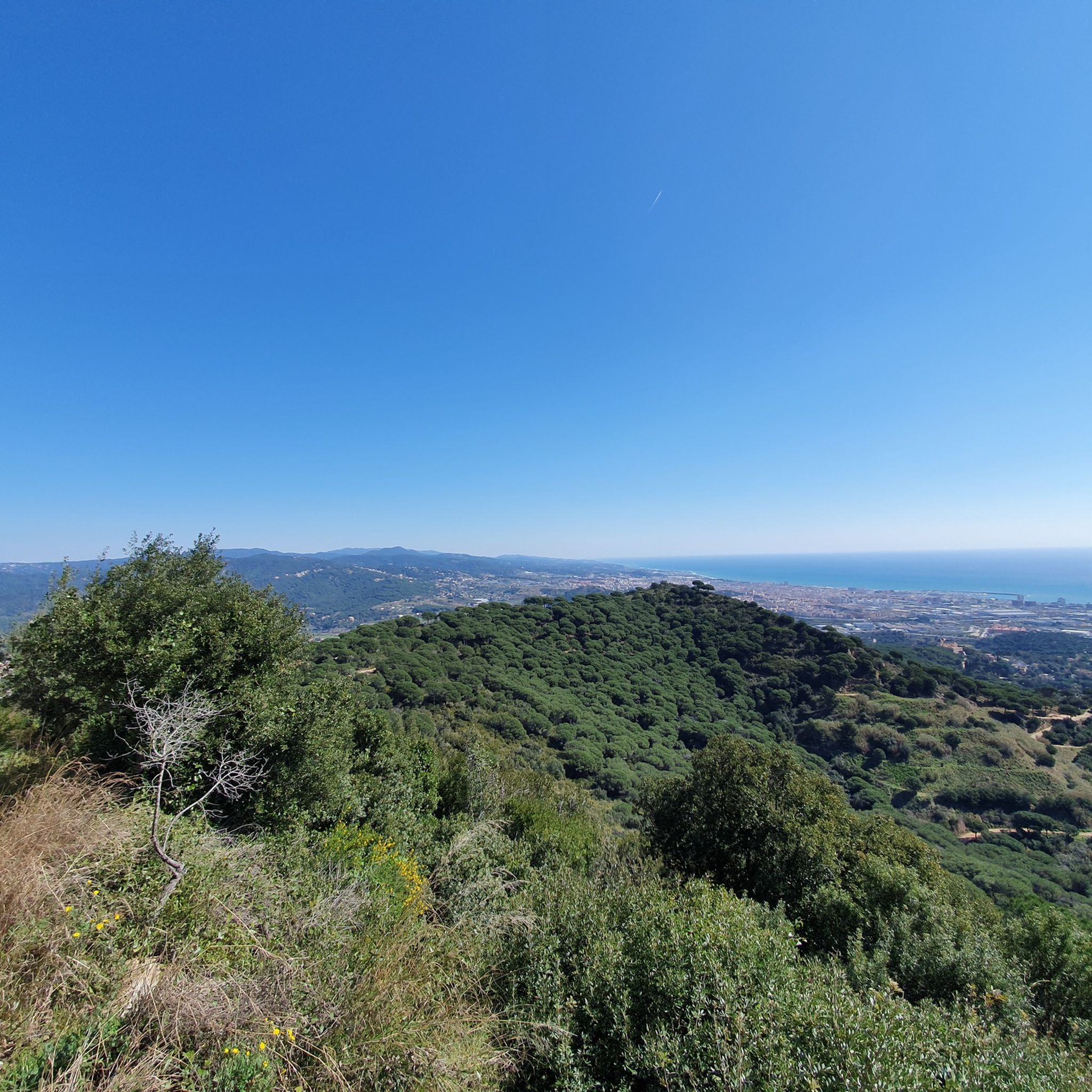
Hiking around Maresme
Other adventures around Maresme


Tips from the Community

Artificial cave, man-made.... L'Aram... which means copper. Old site for the extraction of copper and iron, currently disused, with a depth of about 25 meters. The lower gallery is disabled. It does not represent danger.. Just caution...!!
0
0

More than just a place where people lived, this site stands out because it doesn't quite fit the classic settlement pattern of the area. Its location, nestled between rock and forest, suggests it wasn't a permanent settlement, but rather a site used at very specific times: seasonal migrations, hunting trips, or gatherings of small groups. A unique feature is that the remains of highly fragmented occupations have been documented at this location, suggesting it was a "ritual passage" rather than a long-term encampment. Some scholars even propose that its irregular layout among the rocks could indicate symbolic activities or territorial markers, something uncommon in other sites in the area.
1
0
A small cave hidden in a crevice of Montseny, damp and cool even in the height of summer. Its name comes from the constant croaking of frogs from the nearby stream, which seem to guard the entrance at dusk. Locals say that during storms, forest animals would take refuge inside, and that a hiker once found an old, rusty lantern hanging from the rock, as if someone had left it there to return.
0
0

Former copper mine, the entrance of which is now closed with a barred door.
0
0
Using information that bikers usually give me, I was able to find it, but it was difficult because it is still a disaster area. The mine is very close to Can Montsant and although its name mentions gold, copper was extracted as J. M. indicates. I was inside the mine, which is barely twenty meters deep. There are also remains of tunnels through which they supposedly extracted more mineral. What I was most interested in was finding some mineral samples, but I only found a few small pieces of malachite. As I said, it was very difficult to find it, getting into brambles and ending up covered in cuts everywhere. I tried to go somewhere else and when I passed a mound I found some samples of malachite. As it was already late and the heat was pressing, I left it for another day. A few months have passed and a few days ago I came back with better weather. I found more samples of malachite in quartz, but no trace of azurite. Well, I guess it's malachite, although I'd like some pieces to be turquoise in color, haha, but anyway, to me they're very interesting and pretty. Regards.
1
0

https://www.youtube.com/watch?v=nKgNP2t3_aY You will have to leave the bike and finish the journey on foot, from there the views are spectacular.
2
0
Iberian sanctuary in the municipality of Cabrera de Mar (Maresme). It is located in an area of Montcabrer that is difficult to access. It has a double entrance, in front of which a large number of offerings have been documented (about 50,000 ceramic fragments), consisting essentially of various types of tableware, amphorae, miniature votive amphorae, perfume containers, ceramic replicas of bovine horns, terracotta heads of Demeter and some coins. It was frequented from the 4th century BC until the turn of the century, with a special intensity in the period between 125 BC and 50 BC.
2
0
Frequently Asked Questions
What kind of "caves" can I expect to find in Maresme?
The Maresme region is primarily known for its beautiful coastal coves (small bays or inlets) and natural rock shelters, rather than extensive underground cave systems with typical formations like stalactites. You'll discover stunning inlets perfect for swimming and snorkeling, alongside historical rock shelters and former mining caves that offer a glimpse into the region's past.
Are there any historical or archaeological cave sites in Maresme?
Yes, Maresme features several significant historical and archaeological sites. The Rocs de Sant Magí Neolithic Settlement is a notable example, where large granite blocks form shelters that hosted a Neolithic human settlement. Another is the Cave of the Frog, a collective sepulchral crypt from the Chalcolithic and early Bronze Age, where archaeological findings like ceramics and flint tools have been discovered.
What are some of the natural features to look for when visiting Maresme's coves and rock shelters?
When exploring Maresme's coves, you'll find crystal-clear waters, golden sands, and Mediterranean vegetation often surrounded by cliffs and pine forests. The natural rock shelters, like those at Rocs de Sant Magí and the Cave of the Frog, are characterized by large granite blocks forming unique geological structures.
Are there any former mining caves in the Maresme region?
Yes, the region has a history of mining. For instance, l'Aram Cave is a natural cave that was once a copper mine, though its entrance is now closed with a barred door. Other sites like La Mina d'Or also point to the region's past mining activities, primarily for copper.
What outdoor activities can I do near the caves and coves in Maresme?
Beyond exploring the caves and coves, Maresme offers a variety of outdoor activities. You can find numerous hiking trails, including waterfall hikes and easy walks. The region is also popular for mountain biking, with many MTB trails available.
Are there family-friendly options among the caves or coves in Maresme?
While the historical rock shelters might be more suited for those interested in archaeology, many of Maresme's coastal coves are excellent for families. Their clear, calm waters are ideal for swimming and snorkeling, offering a peaceful environment for children to enjoy the beach and sea.
What is the best time to visit the caves and coves in Maresme?
The coastal coves are best enjoyed during the warmer months, from late spring to early autumn, for swimming and sunbathing. For exploring the historical rock shelters and hiking nearby trails, spring and autumn offer milder temperatures, making outdoor activities more comfortable.
Are there any viewpoints near the cave sites in Maresme?
Many of the cave and rock shelter sites, such as the Cave of the Frog and Roca Llobatera de Cabrils, are located in elevated or scenic areas. These locations often provide natural viewpoints offering panoramic vistas of the surrounding landscape, including the Montalt mountain range and the Mediterranean coast.
What should I know about accessing the more secluded coves in Maresme?
Some of Maresme's more secluded coves, like Moro Cove in Arenys de Mar, are valued for their pristine natural environment and tranquility. Access can sometimes be challenging, contributing to their untouched feel. It's advisable to bring your own supplies as services may not be available nearby.
Are there any traditional underground caves with stalactites and stalagmites in Maresme?
The Maresme region itself does not feature extensive underground cave systems with typical speleothems like stalactites and stalagmites. For such formations, you would generally need to explore other parts of Catalonia, such as the Salnitre Caves of Collbató or the El Toll Caves in Moià.
What do visitors appreciate most about the caves and coves in Maresme?
Visitors highly value the natural beauty and tranquility of Maresme's coastal coves, which offer clear waters for swimming and a secluded escape. The historical rock shelters are appreciated for their archaeological significance and the unique insights they provide into prehistoric human presence in the area.
Most popular routes around Maresme
Most popular attractions around Maresme

Get inspired with the komoot mobile app


Didn’t find what you were looking for?
Discover more caves around Maresme region by region:
Explore more
Extend your search for the best caves by checking out these guides of the top ones around Maresme:
