Top 6 Castles around Talavera
Best castles around Talavera de la Reina include significant historical defensive structures and nearby palaces. Talavera de la Reina features ancient city walls and the remains of an Islamic Alcázar, showcasing centuries of strategic importance. The region's landscape along the Tagus River has influenced the placement and design of these fortifications. Nearby towns also host notable historical buildings, offering a glimpse into the area's rich past.
Best castles around Talavera
- The most popular castles is Count’s Palace of Oropesa and…
Last updated: July 23, 2026
Count’s Palace of Oropesa and Oropesa Castle
Highlight • Castle
The complex formed by the old and new …
Translated by Google •
Tip by

Malpica Castle
Highlight • Castle
Translated by Google •
Tip by

Sign up now to discover places like this
Get recommendations on the best single tracks, peaks, & plenty of other exciting outdoor places.
Sign up for free
Oropesa Castle
Highlight • Castle
Translated by Google •
Tip by
Cebolla Castle Ruins
Highlight • Castle
Translated by Google •
Tip by
Zamora Gate and Jail
Highlight • Historical Site
Translated by Google •
Tip by

Hinojosa de San Vicente
Highlight • Settlement
Translated by Google •
Tip by

Start today with a free account
Your next adventure awaits.
Login or Signup
Popular around Talavera
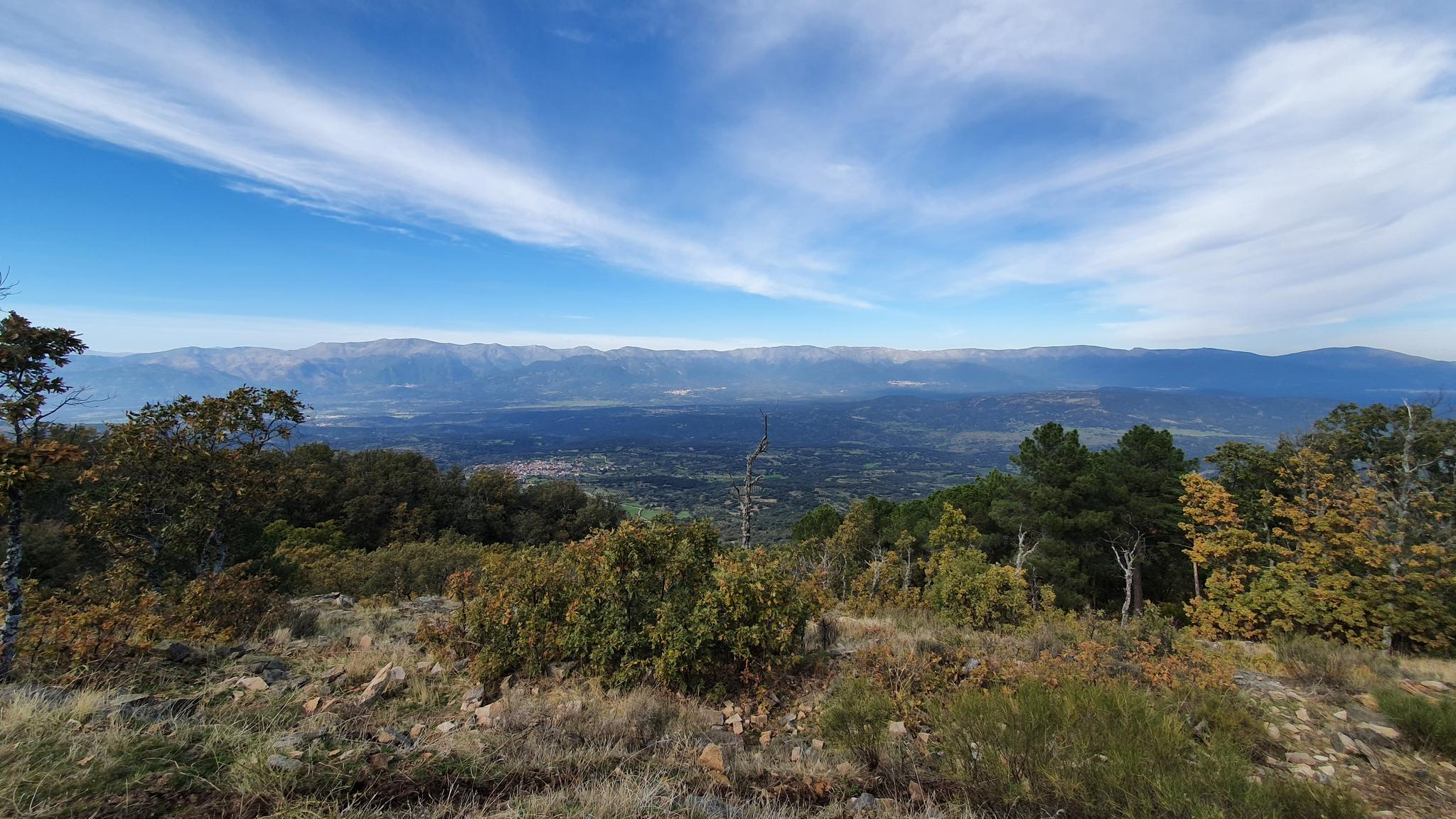
Following in the footsteps of the Lusitanian leader — Viriato Path GR 63
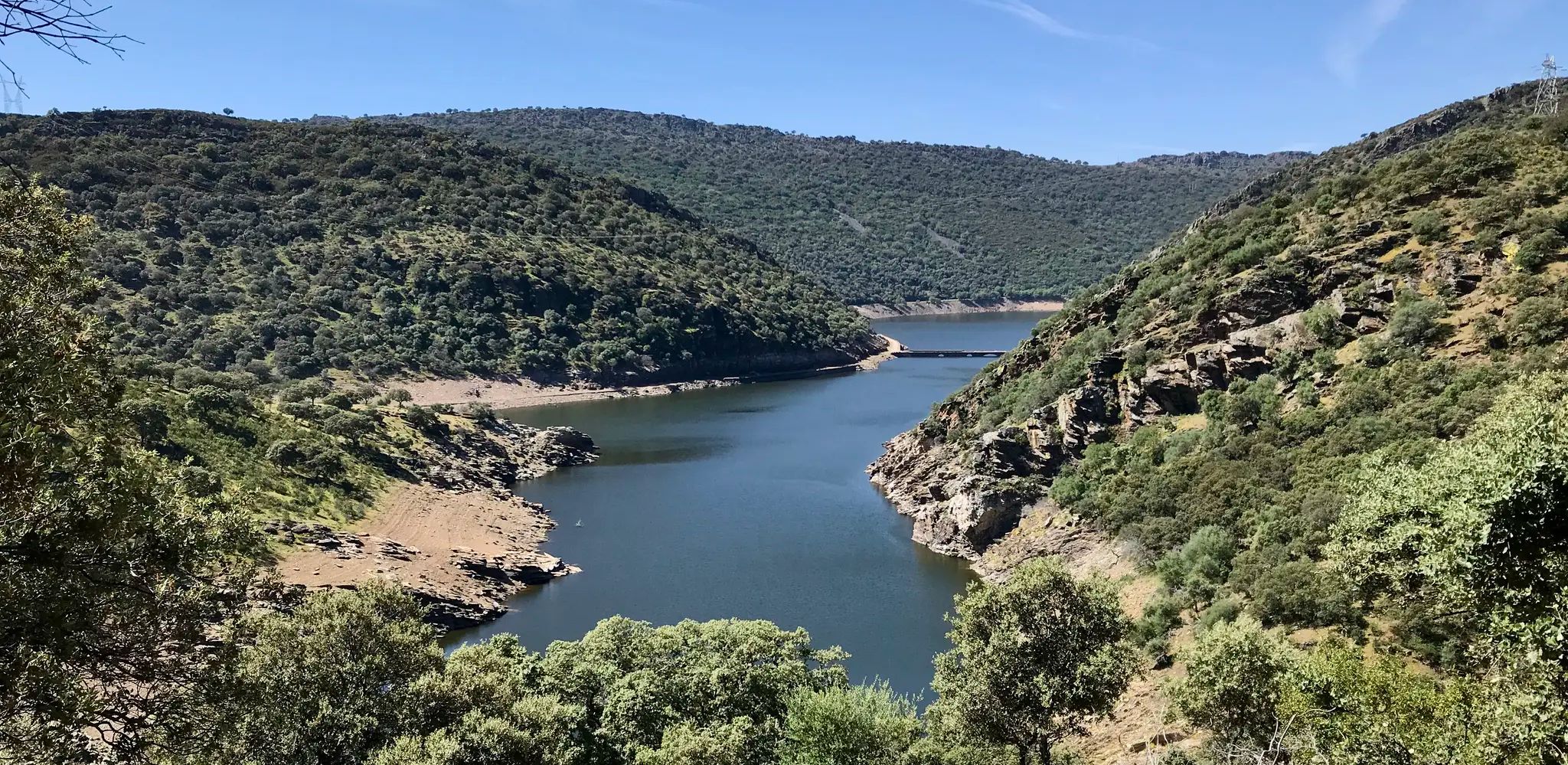
Toledo to Cedillo – Camino Natural del Tajo West
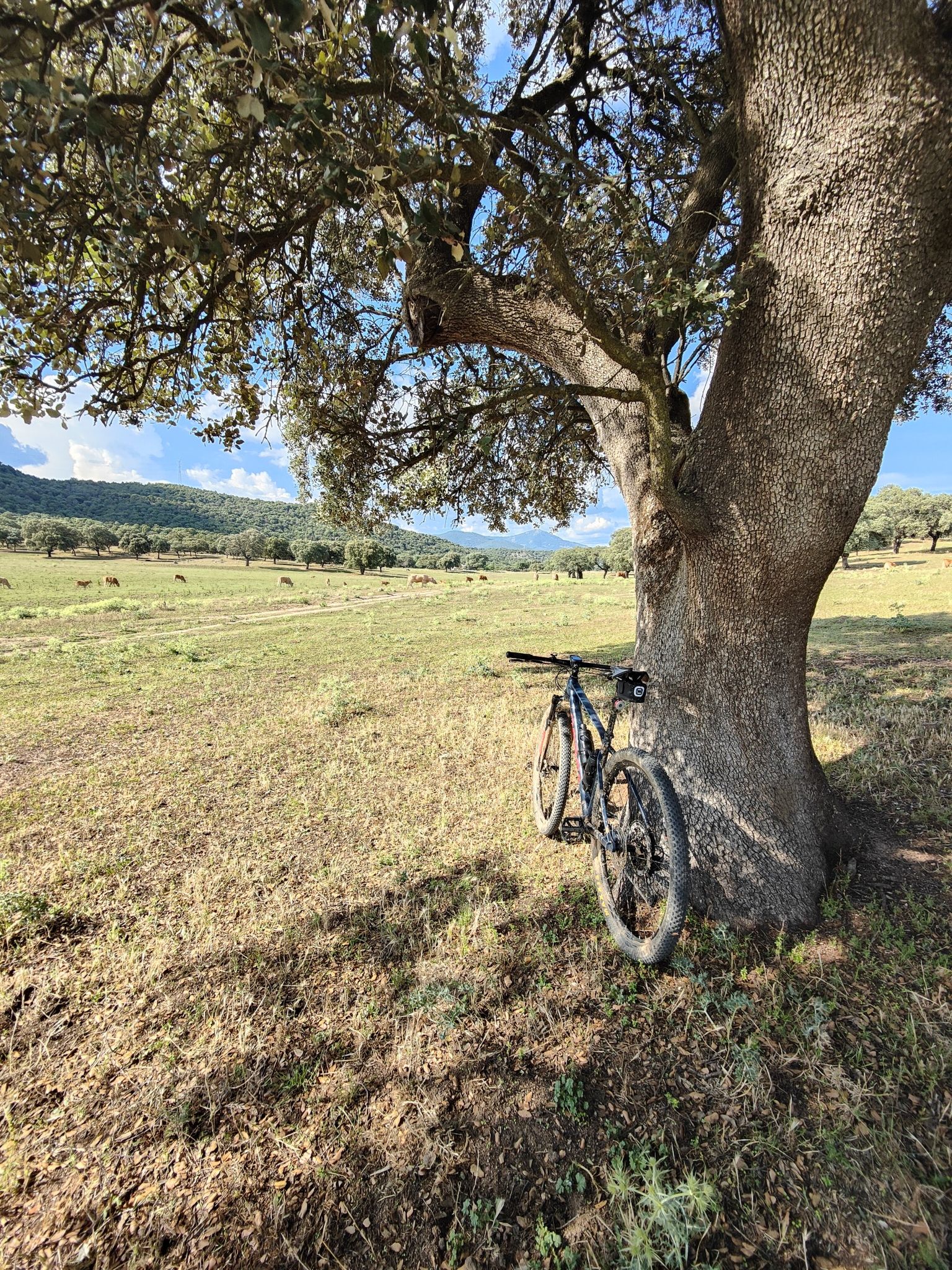
A Stronghold of Lusitania – explore the Viriato Trail on MTB
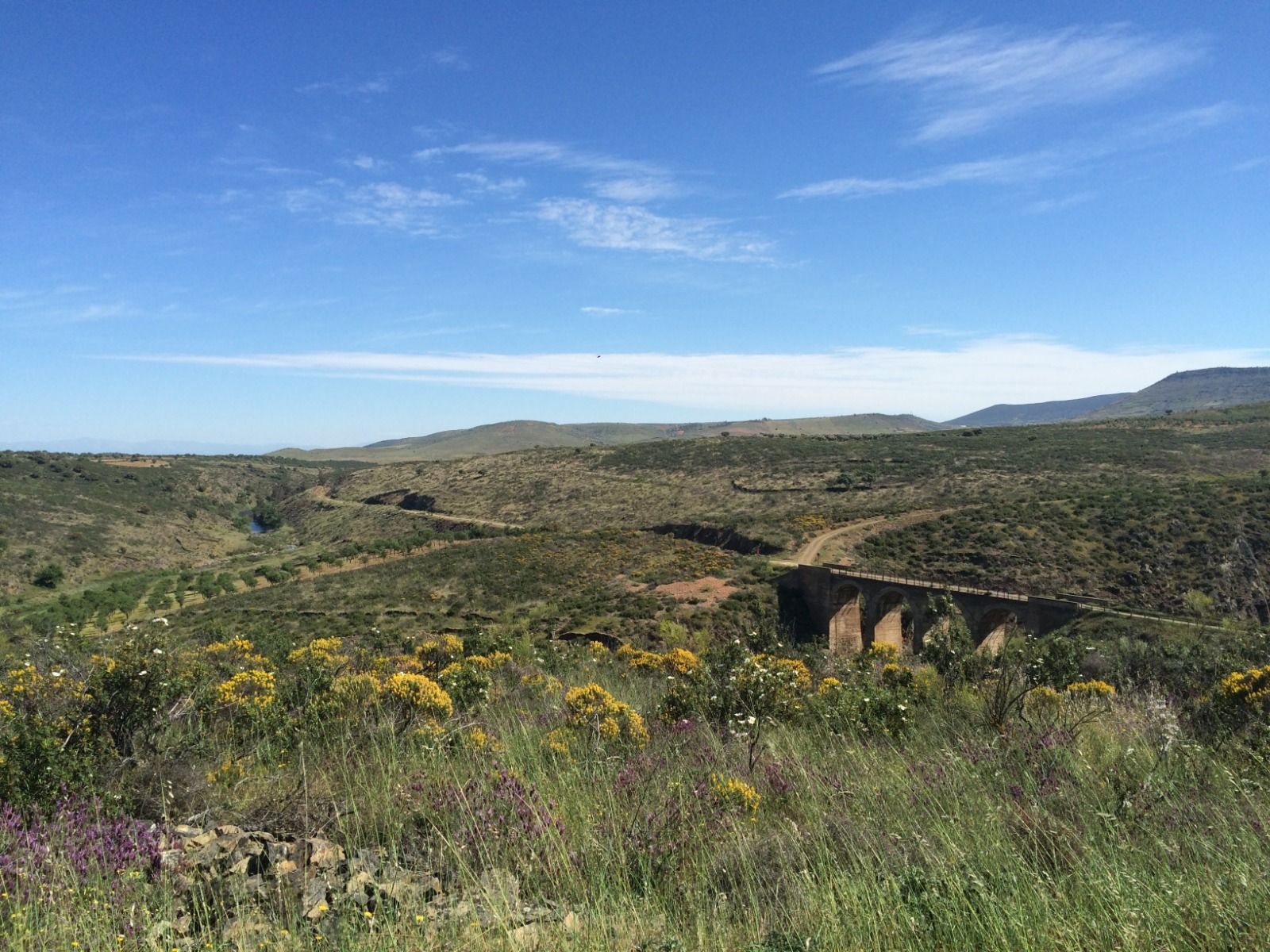
A gravel pilgrimage – Toledo to Guadalupe (GR 166)
A journey on the Iberian Peninsula – Tagus Nature Trail
A Spanish pilgrimage by bicycle — the royal road to Guadalupe
Discover Spain by gravel — a selection of must-see routes
Hiking around Talavera
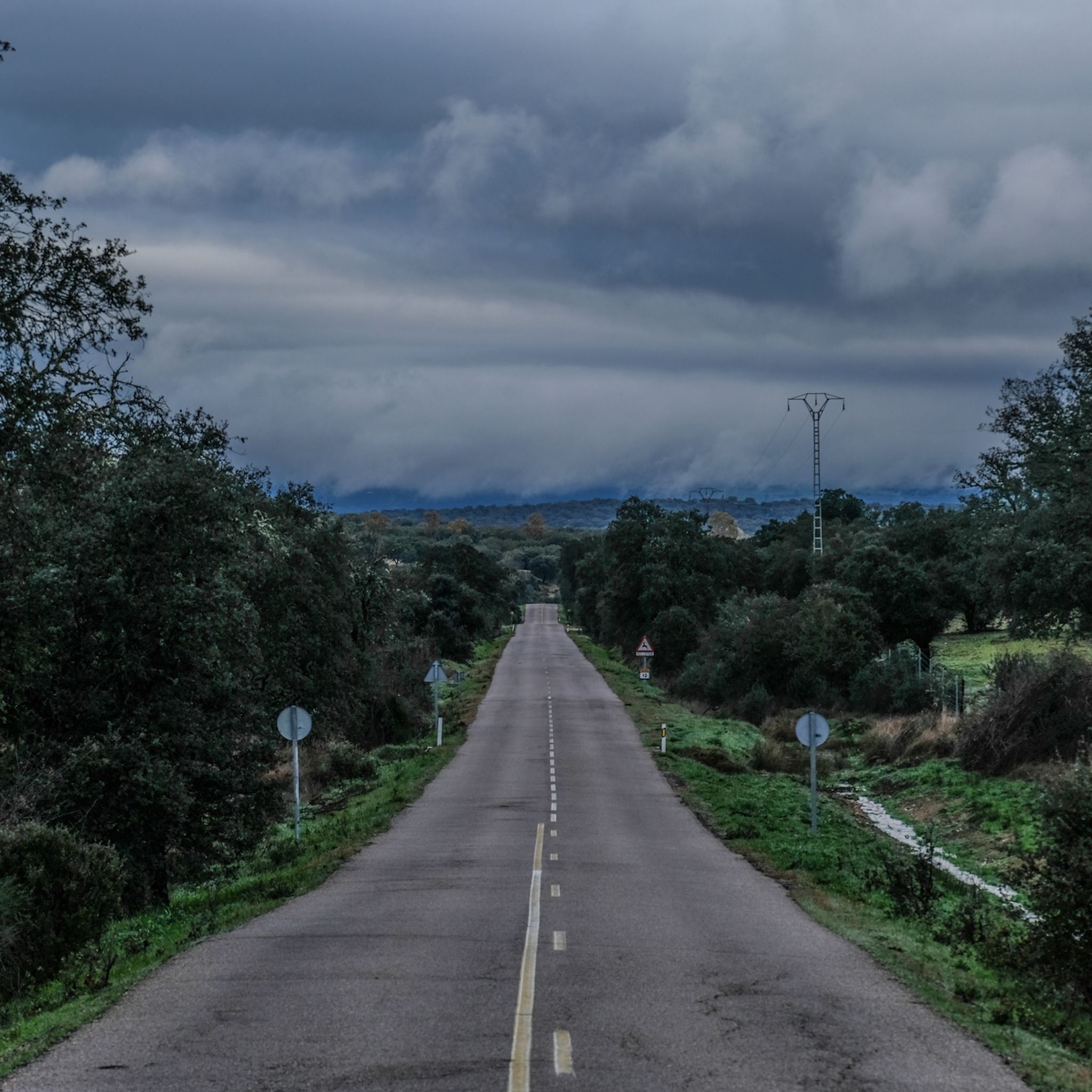
Road Cycling Routes around Talavera
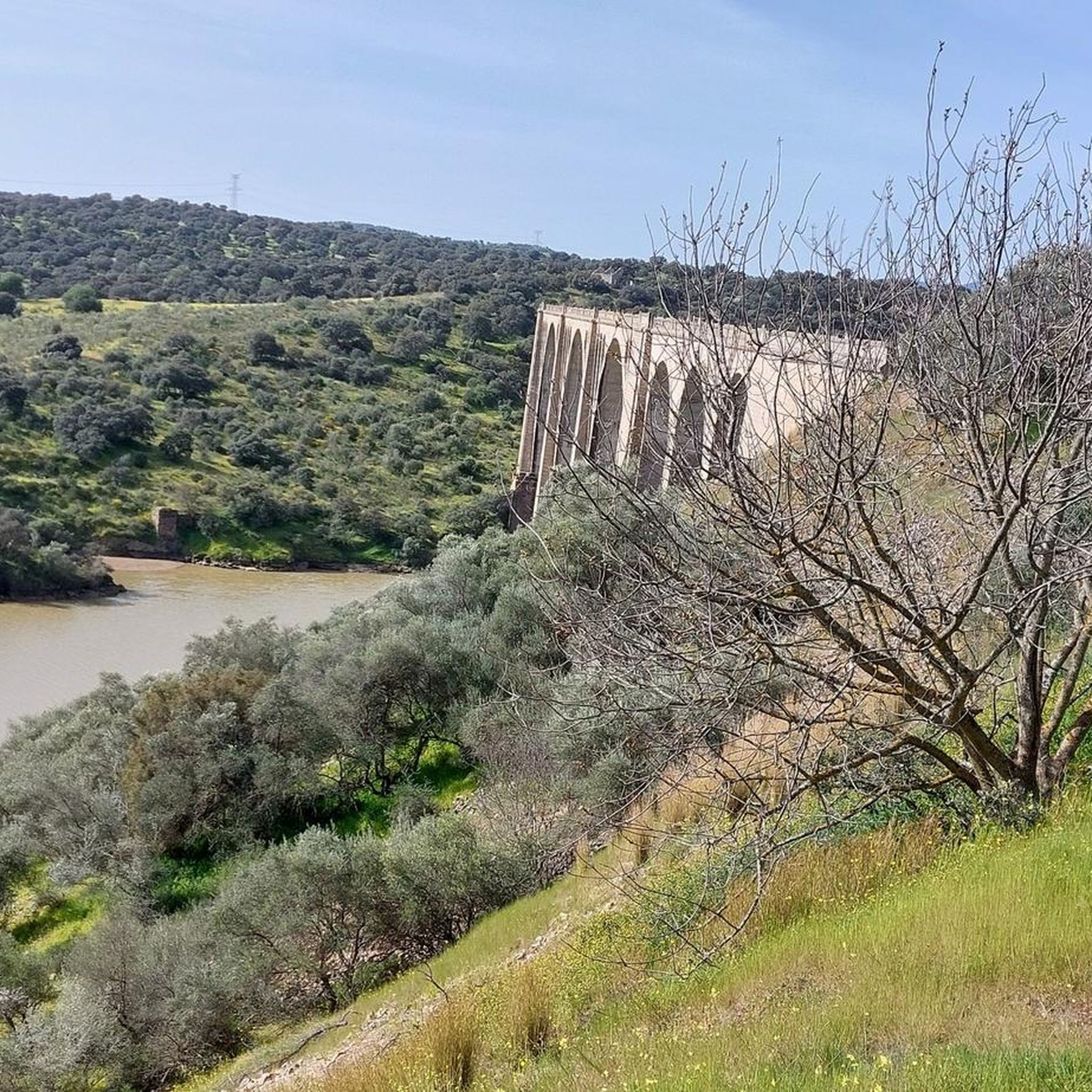
Cycling around Talavera
Other adventures around Talavera


Tips from the Community

The Count's Palace of Oropesa, located in the province of Toledo, is an architectural gem with a rich history and great heritage value. The Old Palace (or Doña Elvira Palace): in the Mudejar Gothic style, built in the 14th century. The New Palace: in the Renaissance style, built in the 15th century. It stands out for its original coffered ceiling, its balconies with the coat of arms of the Counts of Oropesa, and a large interior courtyard that was even used as a bullring. Together with the adjacent castle, it forms a complex declared a Historic-Artistic Monument in 1923. In 1931, it was incorporated into the National Parador Network, becoming the first Parador built on a historic building.
4
0

Its name refers to the aromatic fennel plant, abundant in this area. In addition to the surroundings, the town's urban complex and the Church of La Concepción are worth a visit. Also worth visiting are the remains of the castle, built on top of an Islamic tower. A few meters from the castle, you can visit the cave where, according to tradition, Saints Vincent, Sabina, and Christeta, Martyrs of Talavera, took refuge during the Dacian persecution.
0
0

Malpica Castle is the most emblematic construction of the Toledo town of Malpica de Tajo. It is an impressive fortification of Arab origin built in the 14th century. Made of brick and surrounded by several moats and the waters of the Tagus, it stands out for the solidity and strength of its structure.
1
0

This castle, privately owned by the Duchy of Arion, is not open to the public and cannot be visited inside, although it is probably worth it since it has the peculiarity of having been continuously inhabited for centuries. The most we can do is surround it or observe it from the opposite bank of the river, which gives it an unusual atmosphere in the medieval architecture of the Iberian Peninsula.
2
0

Built by the Arabs in the 10th century as part of a set of defensive fortifications and later converted into a residential palace, the Malpica castle is one of the few in Spain that is located on the banks of a river, and in this case nothing less than the Tagus. Unfortunately it is private property and you cannot enter it, but it is nonetheless an attractive building that stands out when you cross the bridge to enter the town from where you will have the best views of it.
1
1
Although what stands out most to the naked eye in Oropesa is its spectacular castle, it is worth taking a walk through the town and breathing its marked medieval air. So much so that every April the Medieval Days are held and its streets are filled with snake tamers, buffoons, parades, horseback riding tournaments, acrobats... There is even a princess rescue show.
2
1
Undoubtedly the main attraction of the city of Oropesa and its renowned "monumental route". The castle complex is made up of two main buildings, the "old castle" is a 12th century Arab fortress, and the "new castle" also known as the Álvarez de Toledo Count's Palace which dates from the 15th century and is of marked style. Renaissance. The most recent one has the particularity of having been converted into the first National Tourism Parador in 1931. It is worth making a visit to the complex, its schedules and rates can be consulted on the web. http://www.turismocastillalamancha.es/patrimonio/castillo-de-oropesa-2464/descripcion/
1
0
The Puerta de Zamora was part of the second walled enclosure. Next to it and taking advantage of part of the wall of the fence was the old prison of the Santa Hermandad Real y Vieja de Talavera, born in 1300.
35
1
Frequently Asked Questions
What are the most historically significant defensive structures in Talavera de la Reina itself?
Talavera de la Reina is notable for its ancient city walls (Murallas de Talavera de la Reina), which feature three defensive lines. The oldest and most monumental section, the First Enclosure (La Villa), was built by the Arabs in the 9th-10th centuries and includes impressive albarranas towers. Additionally, the ruins of the Islamic Alcázar, located by the Tagus River, offer a glimpse into the city's strategic past.
Are there any well-preserved castles near Talavera de la Reina that I can visit?
Yes, the Count’s Palace of Oropesa and Oropesa Castle is a highly recommended complex. This site, located in Oropesa, combines old and new palaces and was the first historic building to house a national tourist hostel. It stands out for its Gothic-Mudejar and Renaissance styles and is a central feature of the town's medieval atmosphere, celebrated annually with Medieval Days.
What kind of historical sites can I find within Talavera de la Reina's city limits?
Beyond the main walls and Alcázar, you can explore sites like the Zamora Gate and Jail. This historical site was part of the city's second walled enclosure and was adjacent to the old prison of the Royal and Old Holy Brotherhood of Talavera, founded in 1300.
Can I visit Malpica Castle, and what makes it unique?
Malpica Castle is a privately owned fortification by the Duchy of Arion and is generally not open to the public for interior visits. However, it is unique for its location directly on the banks of the Tagus River, surrounded by moats, giving it an unusual atmosphere. You can observe its impressive structure from the opposite bank of the river, especially when crossing the bridge into Malpica de Tajo.
Are there any ruined castles or historical settlements worth exploring for their historical context?
The Cebolla Castle Ruins offer a historical exploration opportunity. While in ruins, they are part of the rich history of Cebolla, a town within the Talavera de la Reina region. Additionally, the settlement of Hinojosa de San Vicente, though a settlement, includes historical elements and castle remnants within its categories, providing a broader historical context.
What is the best time of year to visit the castles and historical sites around Talavera?
The region experiences hot summers, so spring (April-May) and autumn (September-October) are generally the most pleasant times to visit. During these seasons, the weather is milder, making it ideal for exploring outdoor historical sites like the city walls and castle ruins, as well as enjoying any nearby hiking routes.
Are there family-friendly castles or historical sites suitable for children?
Yes, the Count’s Palace of Oropesa and Oropesa Castle is categorized as family-friendly. Its impressive architecture and the medieval atmosphere of Oropesa, especially during events like the Medieval Days, can be engaging for families. The Zamora Gate and Jail is also listed as family-friendly, offering an accessible historical experience within Talavera.
What outdoor activities can I do near these castles?
The area around Talavera offers various outdoor activities. You can find numerous hiking and running trails. For example, the Hiking around Talavera guide features routes like the 'Ruta del Tiétar – circular from Iglesuela del Tiétar' and 'Cabeza del Oso and Pelados Trail'. For runners, the Running Trails around Talavera guide includes routes like the 'Talavera de la Reina – Wall and albarrana towers loop'.
Are there any castles or historical structures that highlight Islamic architecture in the region?
The Murallas de Talavera de la Reina, particularly the First Enclosure, were constructed by the Arabs and feature distinctive albarranas towers, showcasing Islamic defensive architecture. The Alcázar de Talavera de la Reina, though in ruins, was also an Islamic fortress built in the 10th century, providing insight into the region's Islamic past.
Is there a historic palace in the nearby town of Velada?
Yes, the Palacio de Velada is located in the nearby town of Velada. This Protorenaissance style palace, started in the 16th century, has a rich history, having hosted figures like Charles I and Philip II. While currently in a ruinous state, it represents an important piece of the region's aristocratic and cultural heritage.
What do visitors enjoy most about the castles and historical sites in this region?
Visitors appreciate the tangible journey through Talavera's rich past offered by its ancient walls and the blend of Islamic and Christian defensive architecture. The strategic importance and historical evolution of the city are evident. For places like Oropesa Castle, the spectacular nature of the castle and the marked medieval air of the town, especially during its Medieval Days, are highly enjoyed.
Most popular routes around Talavera
Most popular attractions around Talavera

Get inspired with the komoot mobile app


Explore more
Looking for the best castles somewhere else? Discover other guides around Talavera:
