Top 6 Waterfalls around Alcarria Baja
Waterfalls around Alcarria Baja are found in a natural region in Castile, central Spain, primarily located in the southern part of Guadalajara Province. This area is known for its picturesque landscapes where rivers like the Tagus and Cifuentes create cascades. The region offers a blend of natural features and cultural heritage, making it a destination for outdoor exploration. Visitors can discover various waterfalls nestled within its mountains and valleys.
Best waterfalls around Alcarria Baja
- The most popular waterfalls is Salto…
Last updated: May 14, 2026
Salto de Poveda Waterfall
Highlight • Waterfall
Translated by Google •
Tip by

San Pedro Bridge
Highlight • Bridge
Translated by Google •
Tip by

Sign up now to discover places like this
Get recommendations on the best single tracks, peaks, & plenty of other exciting outdoor places.
Sign up for free
Trillo
Highlight • Settlement
The streets of the town are on a staggered slope and the Cifuentes River …
Translated by Google •
Tip by

Cifuentes River Waterfall
Highlight • Waterfall
Translated by Google •
Tip by

Escaleruela Waterfall
Highlight • Waterfall
Translated by Google •
Tip by

Viewpoint of Cascada del Campillo
Highlight • Viewpoint
Translated by Google •
Tip by

Start today with a free account
Your next adventure awaits.
Login or Signup
Popular around Alcarria Baja
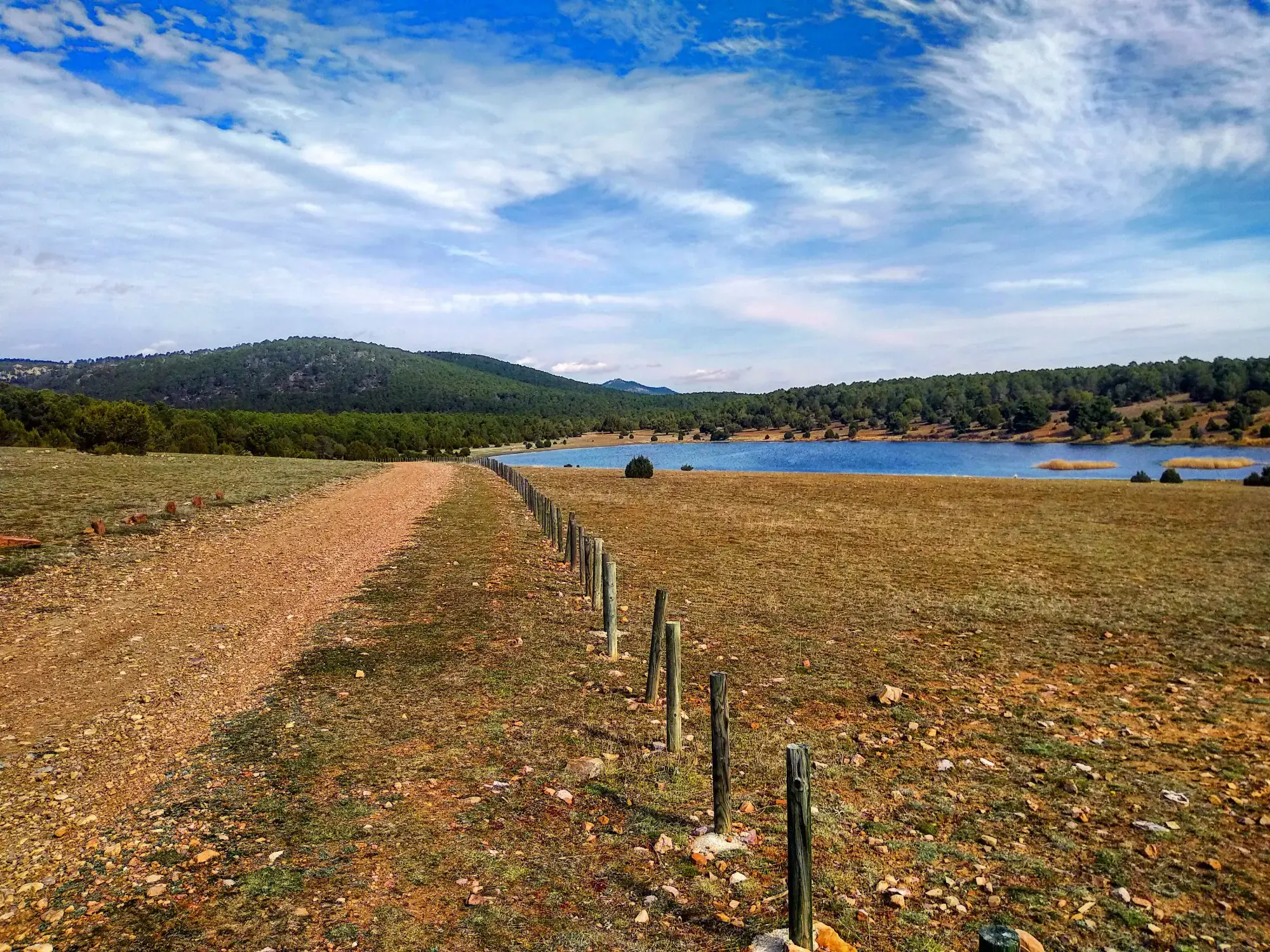
Sendero Español GR 10 — De este a oeste
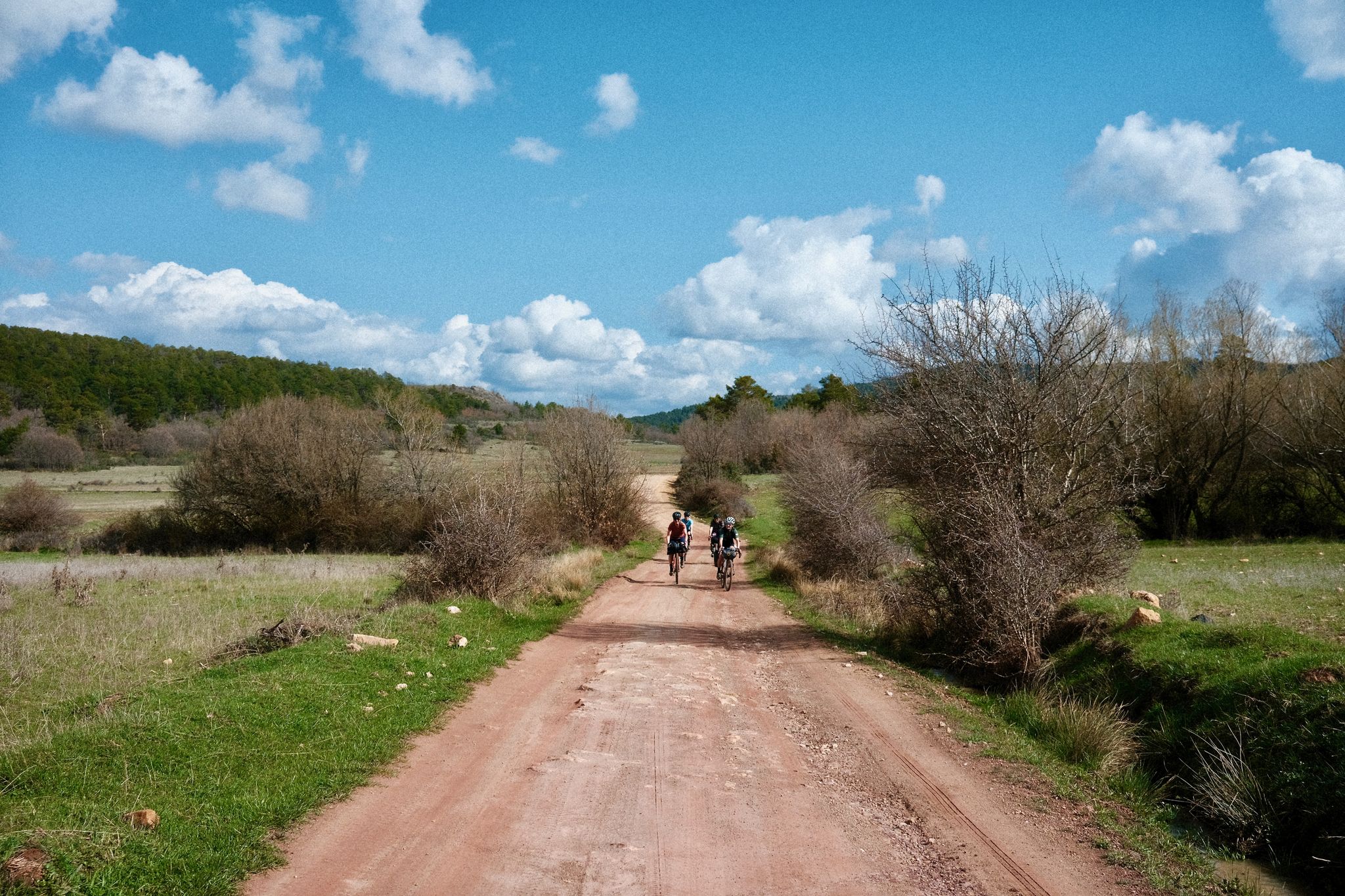
Women's Montañas Vacías 2022 — bikepack in rural Spain
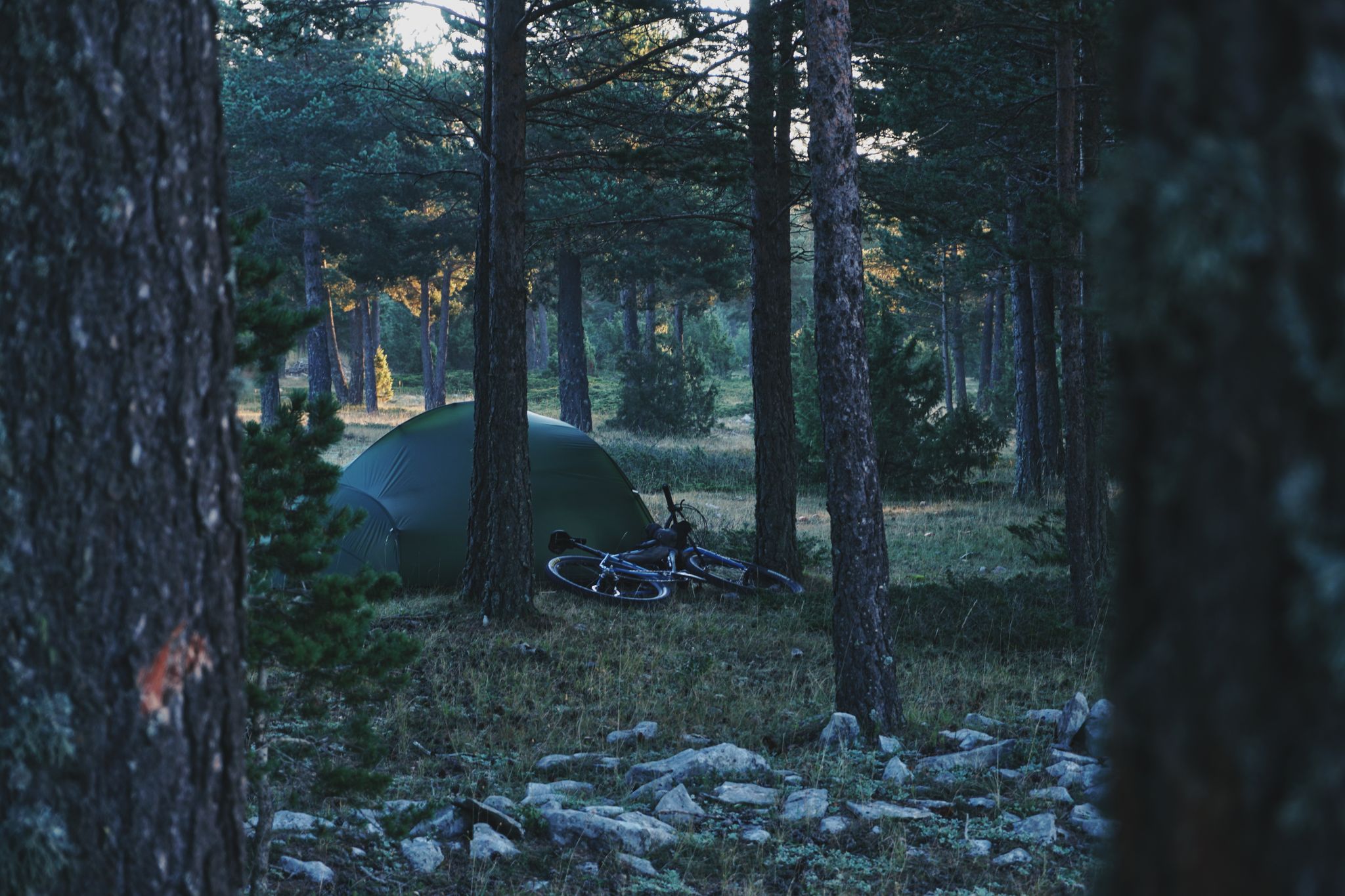
MontañasVacías official — bikepacking across the Spanish Lapland
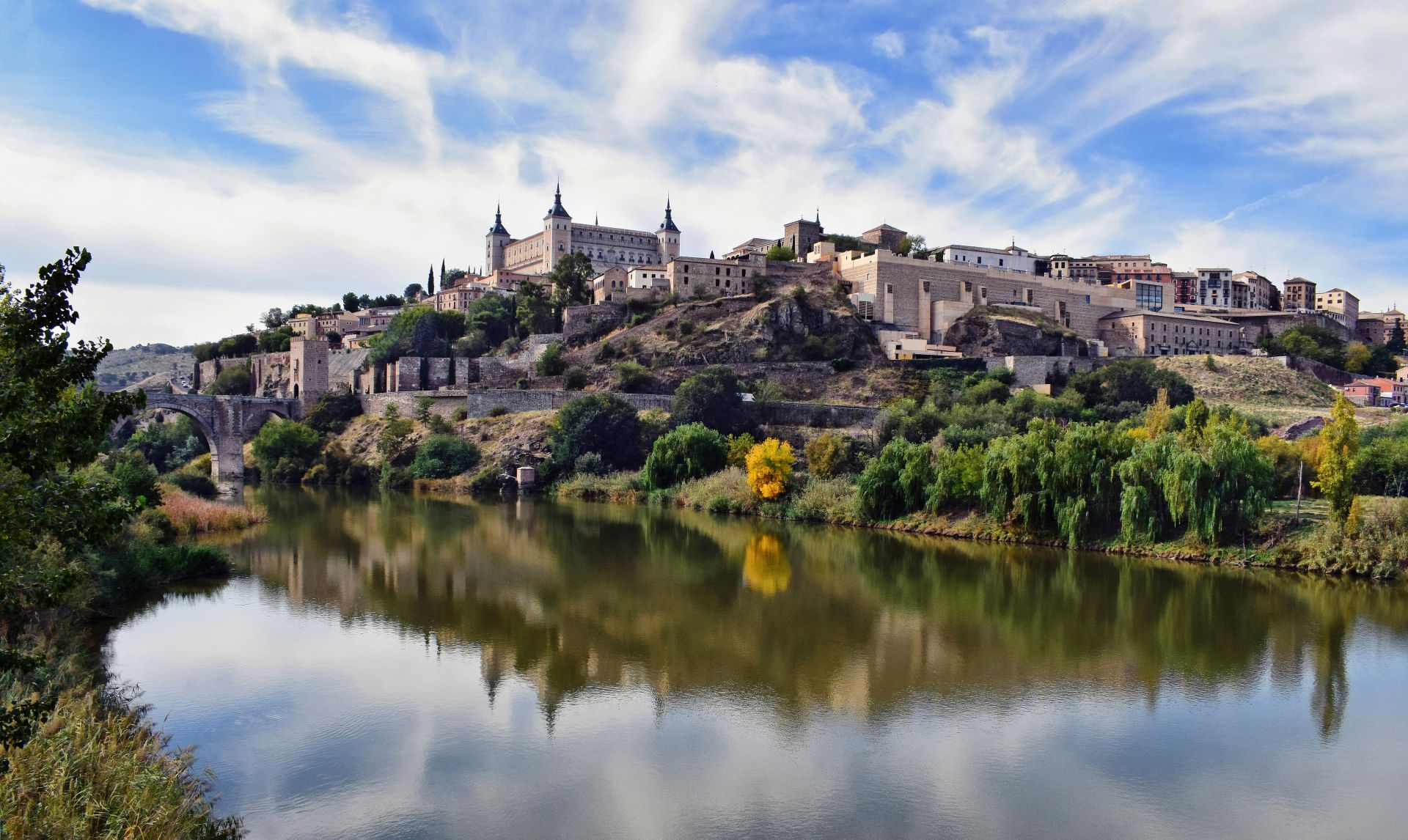
Albarracín to Toledo – Eastern Tagus Nature Trail
Levante to Castile – Ruta de la Lana Gravel Route
A journey on the Iberian Peninsula – Tagus Nature Trail
Hiking around Alcarria Baja
MTB Trails around Alcarria Baja
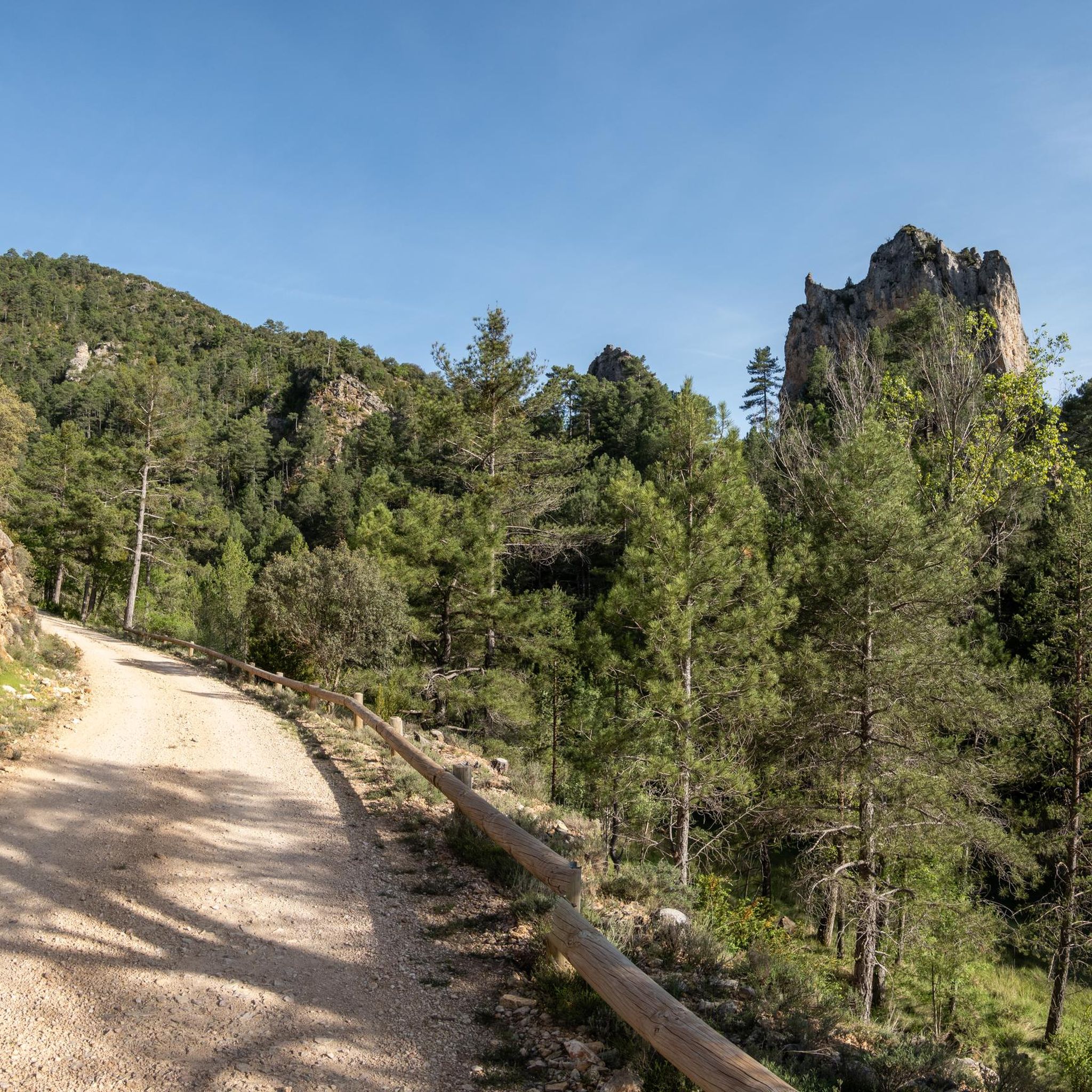
Road Cycling Routes around Alcarria Baja
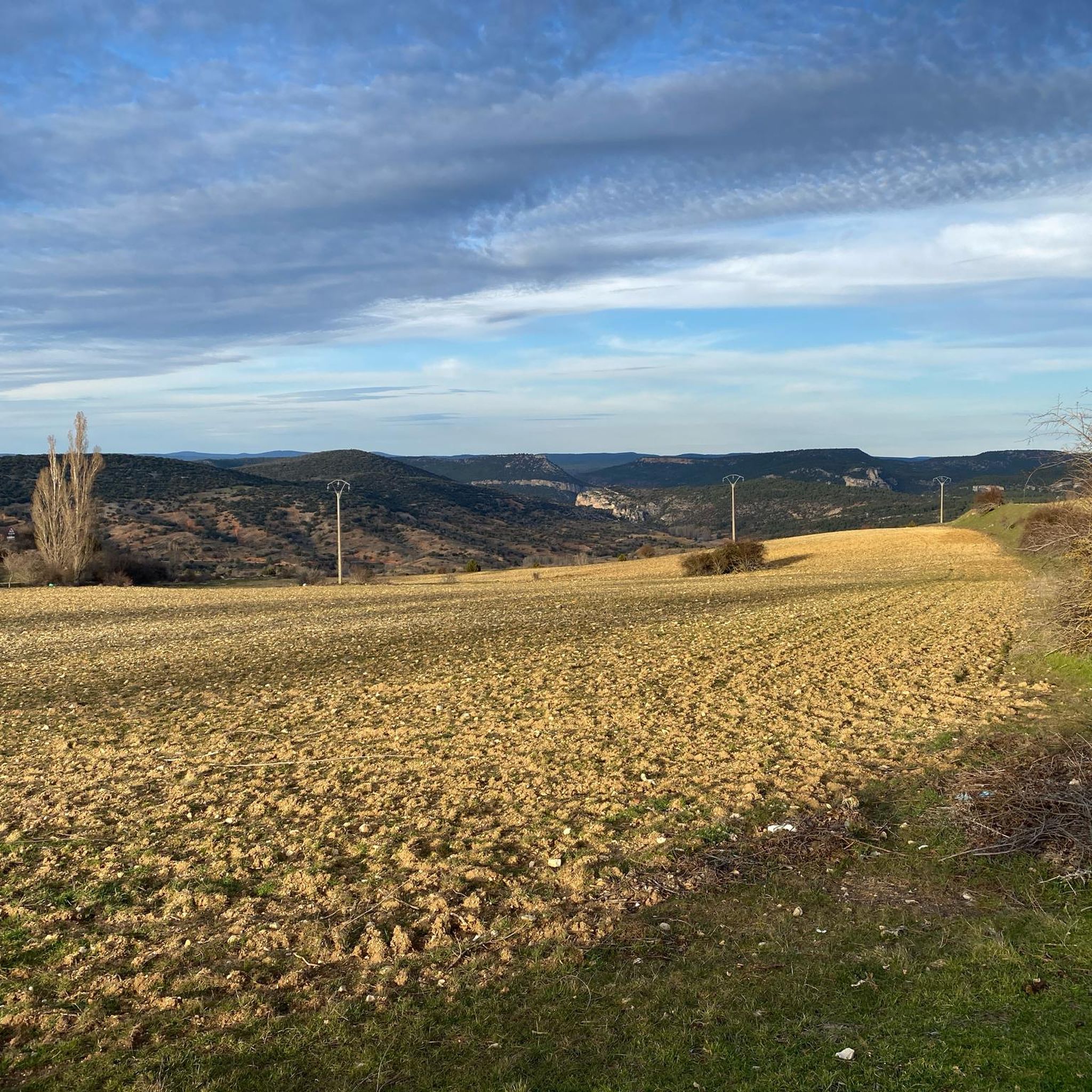
Cycling around Alcarria Baja
Other adventures around Alcarria Baja


Tips from the Community

Quiet place to walk and take a bath.
0
0

Access to the starting point is via the forest track that begins one kilometer before reaching the San Pedro Bridge, descending from the village of Zaorejas. Then, continue another kilometer along the dirt road to the bend where the Escaleruela waterfall is located, right in the environmental area of the Alto Tajo Natural Park. The best time to visit the waterfall is in spring due to the high water level, the streams are full of water, and the humidity keeps the natural ecosystems at their most vibrant. The route climbs to the right of the waterfall, following a trail marked with milestones for a variant of the GR-113 Tajo Natural Path toward the mountain village of Zaorejas through the Ciño Negro ravine. The main route follows the forest track between Poveda de la Sierra and Villar de Cobeta. The path is carved into the tuff edifice that forms the waterfall block; it has passageways and alleys created by rainwater dissolving the calcium carbonate in the rocks. The path is beautiful; at the top of the tuffaceous block, another waterfall appears over the steps of the path and offers spectacular views of the Ciño Negro towers.
0
0

The Salto de Poveda, an impressive waterfall that forms a natural pool, ideal for a refreshing swim in summer.
6
0
An impressive waterfall that forms a natural pool, ideal for a refreshing swim in summer.
6
0

Remember to reserve your parking... QRcode at the entrance
1
0

The waters of the Arroyo de La Fuentecilla fall into the Tajo River from a high area forming La Cascada del Campillo. It is always very beautiful, but especially in Spring when the Arroyo de la Fuentecilla is very swollen. It is a place of Great Beauty. At the same time you can admire this stretch of the Tagus River.
1
0
At Salto de Poveda, go down to the bottom, sit down and enjoy the peace and tranquility of the sound of the water falling into its waterfall.
1
0
Any area of the Tagus is good for swimming, but right under the Poveda Waterfall turns out to be a very special and unforgettable place.
1
0
Frequently Asked Questions
Which waterfalls in Alcarria Baja are suitable for families?
Several waterfalls in Alcarria Baja are family-friendly. The waterfalls in Trillo, particularly the Cifuentes River Waterfall, are located within the urban area, making them easily accessible. The San Pedro Bridge area also offers a small waterfall and a beach on the Gallo River, which can be a pleasant spot for families.
What is the best time of year to visit the waterfalls in Alcarria Baja?
The best time to visit the waterfalls in Alcarria Baja is generally from autumn to spring. During these seasons, rainfall ensures a good water flow, making the cascades more impressive. For example, the Escaleruela Waterfall is particularly vibrant in spring due to high water levels and lush ecosystems. Some seasonal waterfalls, like the Cascada del Gollorío, can dry up in summer, so visiting outside the driest months is recommended.
Are there hiking trails near the waterfalls in Alcarria Baja?
Yes, the region offers numerous hiking trails that lead to or pass by waterfalls. For instance, the Salto de Poveda Waterfall is part of emblematic routes like the "Ruta del Salto de Poveda y la Laguna de Taravilla." You can find various hiking options, including easy and moderate trails, in the Waterfall hikes around Alcarria Baja guide.
What other outdoor activities can I do near the waterfalls?
Beyond hiking, Alcarria Baja provides opportunities for other outdoor activities. You can explore mountain biking trails, with options ranging from moderate to difficult, as detailed in the MTB Trails around Alcarria Baja guide. Road cycling routes are also available, offering scenic rides through the region, which you can find in the Road Cycling Routes around Alcarria Baja guide.
Can I swim in the natural pools formed by the waterfalls?
The Salto de Poveda Waterfall is known for forming a natural pool, which is ideal for a refreshing swim, especially during warmer months. Always exercise caution and check local regulations or conditions before entering the water.
How do I access the Escaleruela Waterfall?
Access to the Escaleruela Waterfall is via a forest track that starts about one kilometer before reaching the San Pedro Bridge, descending from the village of Zaorejas. You then continue another kilometer along a dirt road to the bend where the waterfall is located, within the Alto Tajo Natural Park. The path carved into the tuff edifice offers unique views.
Are there any viewpoints to admire the waterfalls?
Yes, several locations offer excellent viewpoints. In Trillo, you can enjoy the spectacle of the Cifuentes River waterfalls from various points within the urban area, including terraces of local establishments. The Viewpoint of Cascada del Campillo also provides a great perspective of the waterfall.
What kind of natural features can I expect to see in Alcarria Baja?
Alcarria Baja is characterized by picturesque landscapes where rivers like the Tagus and Cifuentes create beautiful cascades. You'll find a variety of natural features, including impressive waterfalls, natural pools, riverine environments, and scenic viewpoints. The region is part of larger natural parks like the Alto Tajo Natural Park, known for its canyons and diverse ecosystems.
Are there any historical or cultural sites near the waterfalls?
The Alcarria Baja region has a rich history and cultural heritage. The town of Trillo, where the Cifuentes River forms waterfalls, is mentioned in Camilo José Cela's "Journey to the Alcarria" and features a monumental Gothic bridge over the Tagus. The region itself, La Alcarria, is known for its traditional villages and rural charm.
What do visitors enjoy most about the waterfalls in Alcarria Baja?
Visitors particularly appreciate the natural beauty and accessibility of many waterfalls. The Salto de Poveda Waterfall is loved for its impressive drop and natural pool. The waterfalls in Trillo are popular for their unique urban setting, allowing visitors to enjoy the cascades from town terraces. The variety, from large drops to smaller, picturesque cascades, also adds to the appeal.
Is it possible to visit the waterfalls using public transport?
While some larger towns in Alcarria Baja might have limited public transport connections, reaching many of the more secluded waterfalls often requires private transportation. It's advisable to check specific routes and schedules for public transport to the main towns like Trillo and then plan for local access, which may involve driving or hiking.
Are there any specific regulations for hiking or visiting natural parks in Alcarria Baja?
When visiting areas within natural parks like the Alto Tajo Natural Park, it's important to respect local regulations. These often include staying on marked trails, not disturbing wildlife, and proper waste disposal. Permits are generally not required for general hiking, but always check for specific areas or activities if you plan something beyond a typical day hike.
Most popular routes around Alcarria Baja
Most popular attractions around Alcarria Baja

Get inspired with the komoot mobile app


Explore more
Happy to travel a little further afield? Then browse these guides for the best waterfalls around Alcarria Baja:
