Top 6 Caves around Campo De Calatrava
Best caves around Campo De Calatrava are found within a region characterized by its volcanic landscape and unique geological formations. This area, often referred to as "Tierra de volcanes," features numerous natural formations that serve as rock shelters, volcanic caves, and sites with historical or religious significance. Exploring these sites offers insights into the region's geology, pastoral history, and cultural heritage. The caves and cave-like features provide a diverse range of natural and historical points of interest.
Best caves around…
Last updated: July 23, 2026
Ascent to the Shepherd's Cave
Highlight • Cave
Translated by Google •
Tip by

Our Lady of the Star (Miguelturra)
Highlight • Religious Site
Translated by Google •
Tip by
Sign up now to discover places like this
Get recommendations on the best single tracks, peaks, & plenty of other exciting outdoor places.
Sign up for free
Fuente del Caño Cave
Highlight • Cave
Translated by Google •
Tip by

Minas El Chorrillo Prospecting Tunnel
Highlight • Cave
In the Jabalón riverbed, a few kilometers from this place, in La Fuente del Chorrillo, there is a mining operation. …
Translated by Google •
Tip by

Cabeza del Rey Volcano-Cave
Highlight • Volcano
Translated by Google •
Tip by
Start today with a free account
Your next adventure awaits.
Login or Signup
Popular around Campo De Calatrava
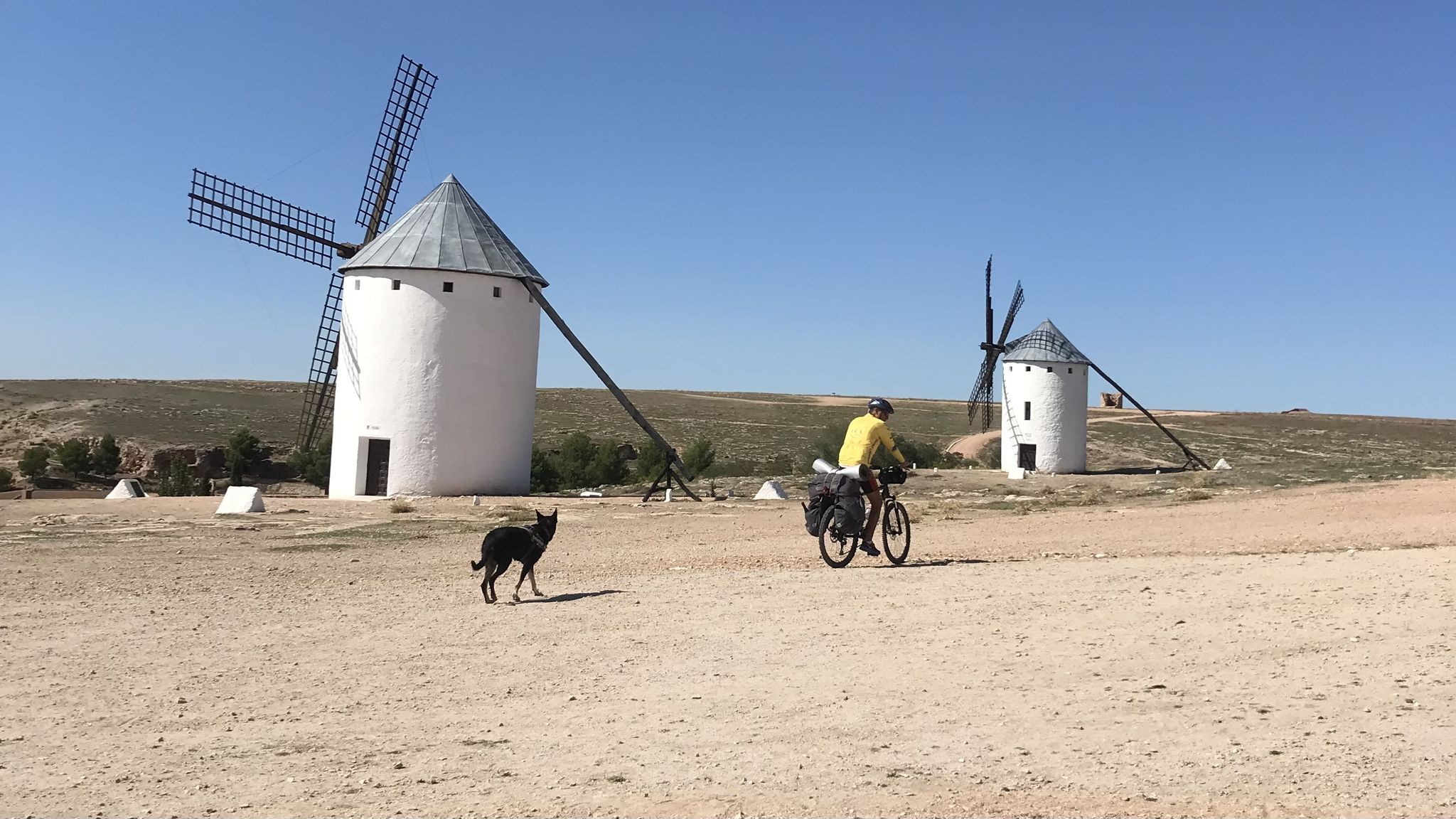
Don Quixote's route – The knight of the sorry face
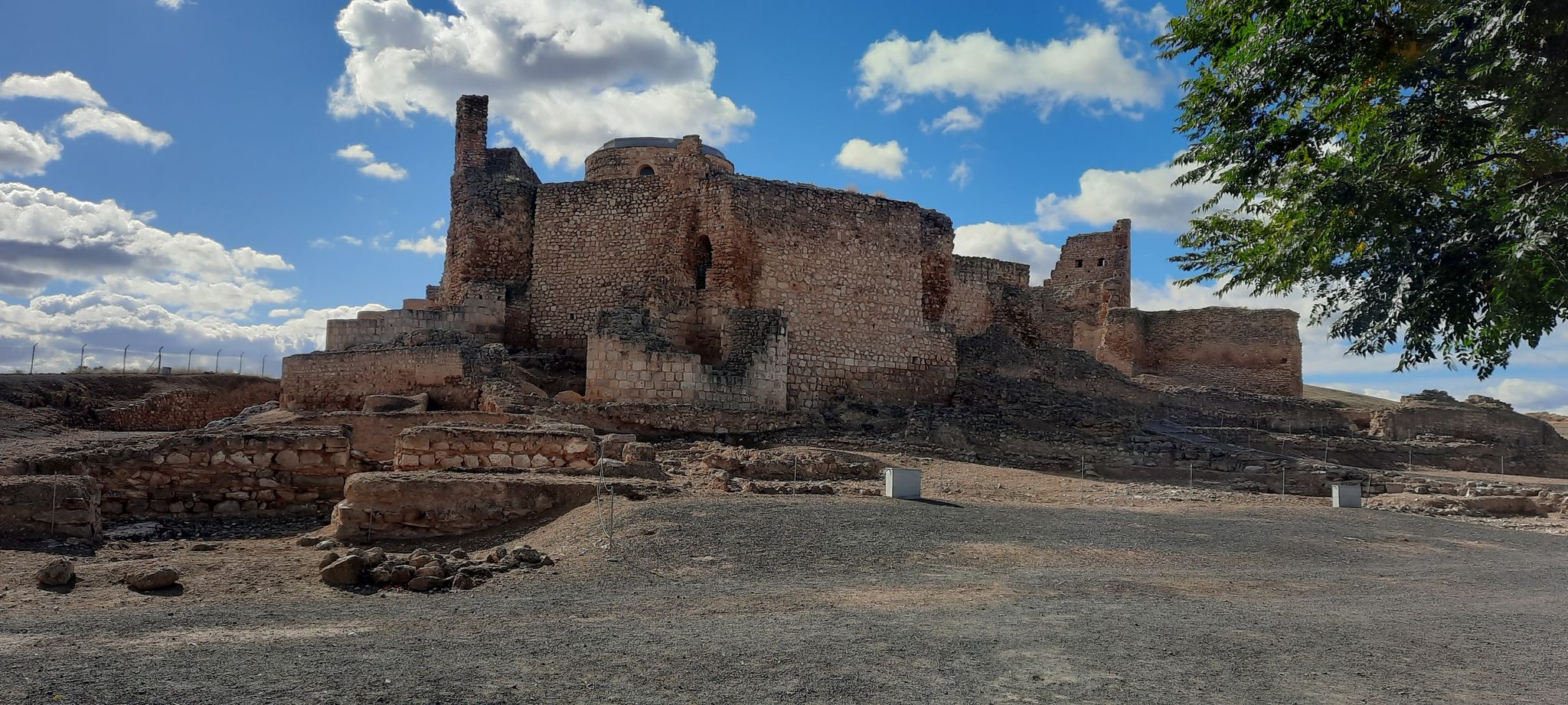
Old volcanoes and castles – bikepacking through Campo de Calatrava
Road Cycling Routes around Campo De Calatrava
MTB Trails around Campo De Calatrava
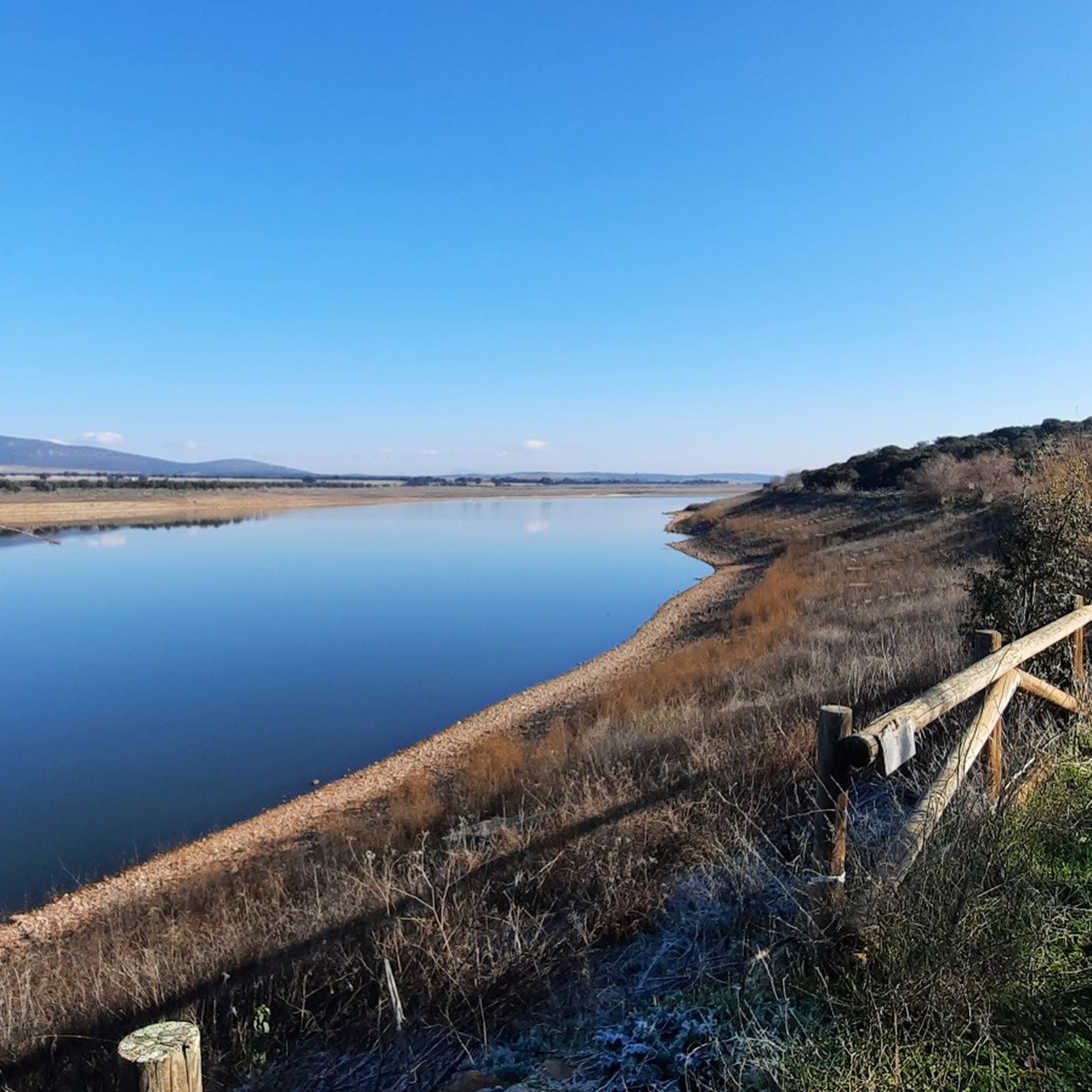
Cycling around Campo De Calatrava
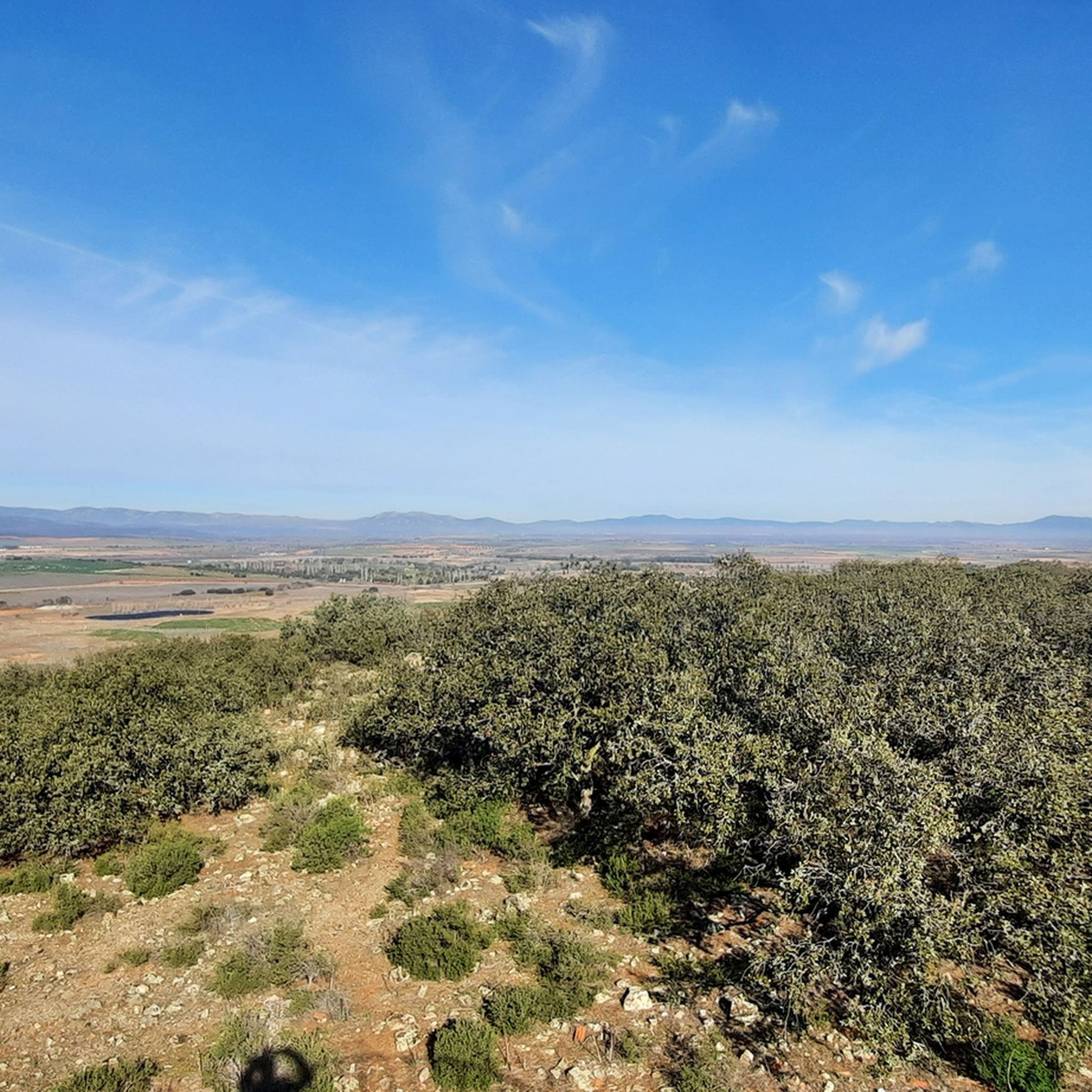
Hiking around Campo De Calatrava
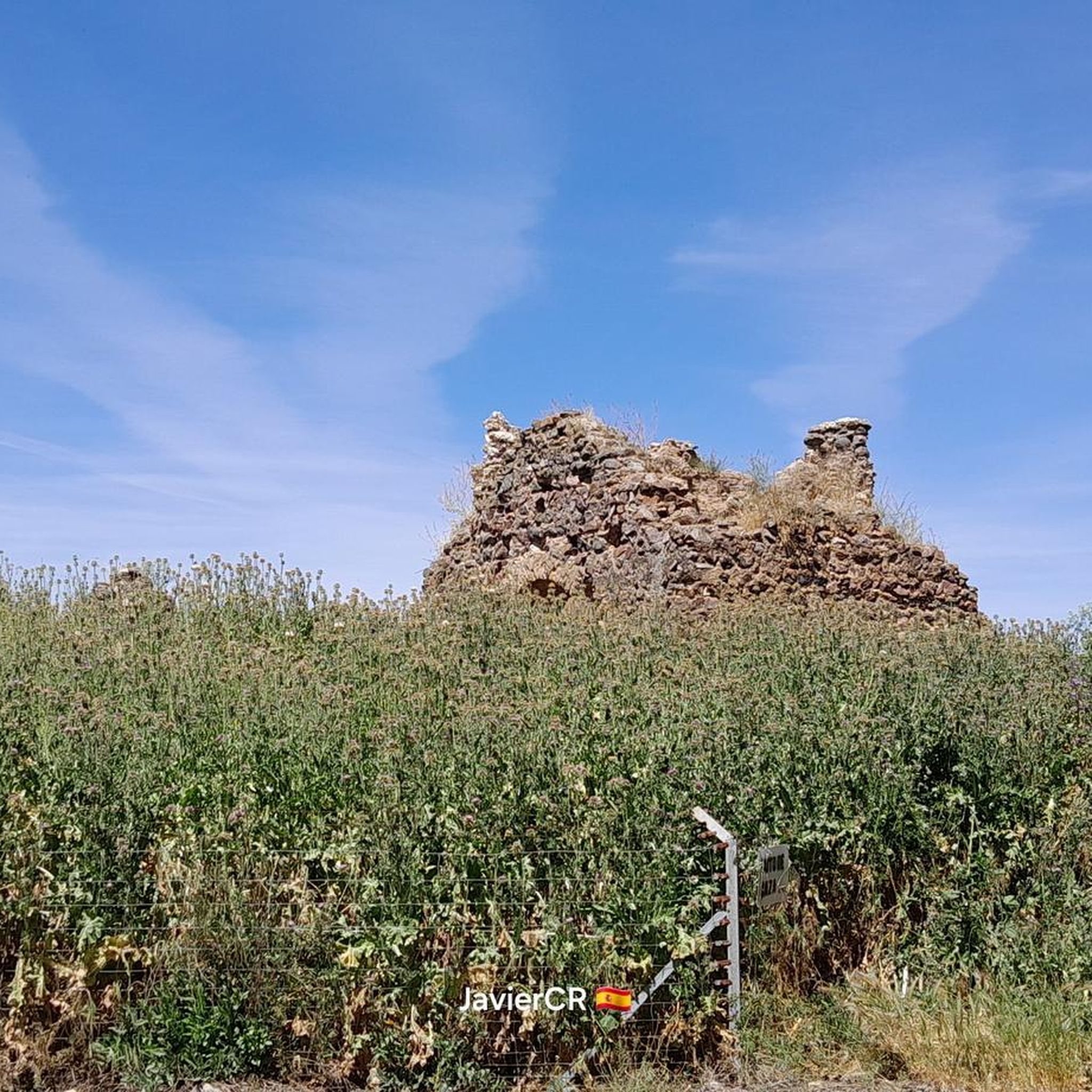
Running Trails around Campo De Calatrava

Gravel biking around Campo De Calatrava


Tips from the Community

The El Chorrillo Mines, located near Valenzuela de Calatrava in Ciudad Real, are known for their manganese mining, which was carried out until 1950. These mines are part of the rich mining history of the volcanic region of Campo de Calatrava, where iron and manganese deposits are found due to volcanic activity.
2
0

Prospecting mine, excavated in the area around the ravine's bathrooms. In the Jabalón riverbed, a few kilometers from this place, in La Fuente del Chorrillo, there is a mining operation. This deposit, called "El Chorrillo Mines", was worked until 1950 and was rich in Manganese.
3
0
It preserves a painting inside the convent where a knight of Calatrava is represented kneeling before the image of Maria de la Estrella and where tradition says that he announced to her that they were going to found a convent attached to the hermitage. At the bottom of the box it reads: "EXVOTO".
29
0
The Cabeza del Rey volcano represents a perfect natural watchtower to contemplate all the multitude of Calatrava volcanoes that surround it.
16
0
The hermitage-convent of Nuestra Señora de la Estrella was founded at the end of the 17th century in Miguelturra, province of Ciudad Real (Spain). It was created around the primitive hermitage of Santa Marina, which has belonged to the Virgin of the Star since the 13th century, after the appearance of the virgin, discovered by some shepherds in the place that a star pointed out to them for several nights. Excavating at the marked point, they found a dark-skinned virgin inside a cave, which can still be visited next to the church. Taking her from that moment on as patron saint of Miguelturra. The convent, attended from its origin by cloistered Mercedarian nuns, was founded by Mrs. Maria Velarde y Treviño due to the reputation that the virgin had for being miraculous. The founder was buried with her husband, Francisco Trevillo y Dávila at the foot of the main altar in 1785.
36
0

It has easy access you can go without any problem you do not need anything special in terms of shoes and clothes unless it rains
6
0
This curious rock shelter is located in the municipality of Poblete, very close to Ciudad Real. From the name it receives, the traditional use of the cave as a refuge for shepherds and their flocks is deduced. Source: Unknown Spot.
53
0

Technical section of ascent to the Cueva de Poblete, enough loose stone and winding and narrow path.
5
0
Frequently Asked Questions
What types of natural formations are referred to as 'caves' in Campo de Calatrava?
In Campo de Calatrava, the term 'caves' encompasses a variety of natural formations, including distinctive rock shelters, volcanic features, and sites with significant historical or religious elements. The region's volcanic landscape means many are volcanic caves or formations, offering insights into its unique geology.
Are there any caves with historical significance in the Campo de Calatrava region?
Yes, several sites hold historical importance. For instance, Ascent to the Shepherd's Cave is a rock shelter traditionally used by shepherds, reflecting the area's pastoral history. Another is Minas El Chorrillo Prospecting Tunnel, which highlights the region's manganese mining history up until the 1950s.
Which caves in Campo de Calatrava have religious or cultural importance?
The hermitage-convent of Our Lady of the Star (Miguelturra) is a significant religious and historical site. It was established around an older hermitage where a dark-skinned image of the Virgin was discovered inside a cave, which visitors can still see today.
Can I explore volcanic caves in Campo de Calatrava?
Absolutely. The Campo de Calatrava is known as 'Tierra de volcanes' due to its extensive volcanic origin. Sites like Cabeza del Rey Volcano-Cave offer geological interest, showcasing features from Strombolian eruptions, picón quarries, and lava outcrops.
Are there family-friendly cave experiences in Campo de Calatrava?
Yes, some cave-like features are suitable for families. Ascent to the Shepherd's Cave is noted as family-friendly, offering easy access. Additionally, Cabeza del Rey Volcano-Cave is also categorized as family-friendly, providing an accessible way to experience the region's volcanic geology.
What kind of outdoor activities can I do near the caves in Campo de Calatrava?
The region offers various outdoor activities. You can find numerous running trails, such as the 'Ascent to La Atalaya from Parque Forestal La Atalaya' or the 'Vía Verde de Poblete'. For cycling enthusiasts, there are road cycling routes like 'Carrión de Calatrava from Ciudad Real' and general cycling tours like 'Pantano del Vicario from Ciudad Real'. You can find more details on these activities in the running, road cycling, and cycling guides for Campo de Calatrava.
Are there hiking trails that lead to or near these cave formations?
Yes, several hiking opportunities exist. For example, an official hiking route starts from Bolaños de Calatrava and leads towards the Fuente del Caño Cave. The 'Cuevas Negras' (Black Caves) are also part of a hiking route connecting Valenzuela de Calatrava and Granátula de Calatrava, showcasing the region's volcanic terrain.
What do visitors appreciate most about the caves and cave-like sites in Campo de Calatrava?
Visitors often highlight the unique blend of natural beauty and historical significance. The geological interest of the volcanic formations, the historical context of sites like the Shepherd's Cave, and the cultural importance of places like Our Lady of the Star are frequently mentioned. The komoot community has contributed 24 photos and 12 upvotes, reflecting the appeal of these diverse sites.
What should I know about accessibility when visiting the caves in Campo de Calatrava?
Accessibility varies by site. For instance, Ascent to the Shepherd's Cave is described as having easy access, not requiring special footwear or clothing unless it rains. Other sites, particularly those involving hiking routes to reach them, might present more challenging terrain, such as narrow, stony, and steep paths, as noted for the Fuente del Caño Cave.
When is the best time to visit the caves and volcanic features in Campo de Calatrava?
While specific seasonal recommendations for all sites are not detailed, visiting during milder weather conditions would generally be more comfortable for exploring the outdoor volcanic features and hiking trails. For sites like Fuente del Caño Cave, it's noted that in summer there's only a puddle of water, suggesting spring might offer a more impressive view of the water emanations.
Are there any viewpoints associated with the caves or volcanic sites?
Yes, some sites offer excellent viewpoints. Cabeza del Rey Volcano-Cave is described as a perfect natural watchtower to observe the surrounding Calatrava volcanoes. From the mouth of the Fuente del Caño Cave, you can also see Bolaños and Almagro.
Most popular routes around Campo De Calatrava
Most popular attractions around Campo De Calatrava

Get inspired with the komoot mobile app


Didn’t find what you were looking for?
Discover more caves around Campo De Calatrava region by region:
