Top 6 Castles around Sluis
Best castles around Sluis provide insights into the region's history as a fortified city and vital trading hub. While traditional standing castles are rare, the area features significant historical sites and well-preserved fortifications. These include remnants of medieval fortresses and extensive city walls, offering a blend of cultural heritage and natural landscapes, particularly along the Zwin.
Best castles around Sluis
- The most popular castles is Oostkerke Castle, a castle that is privately owned but offers beautiful gardens during events.…
Last updated: August 6, 2026
Oostkerke Castle
Highlight • Castle
Translated by Google •
Tip by

Fort Rammekens
Highlight • Historical Site
Only to be seen on Saturdays and Sundays from 12 a.m. to 5 p.m.
Translated by Google •
Tip by

Sign up now to discover places like this
Get recommendations on the best single tracks, peaks, & plenty of other exciting outdoor places.
Sign up for free
Elderschans Castle
Highlight • Castle
Translated by Google •
Tip by

Moerkerke Castle
Highlight • Castle
Translated by Google •
Tip by

Ter Leyen Castle
Highlight • Castle
Translated by Google •
Tip by

Sign up for free to discover even more castles around Sluis.
Sign up for free
Already have an account?
Start today with a free account
Your next adventure awaits.
Login or Signup
Popular around Sluis
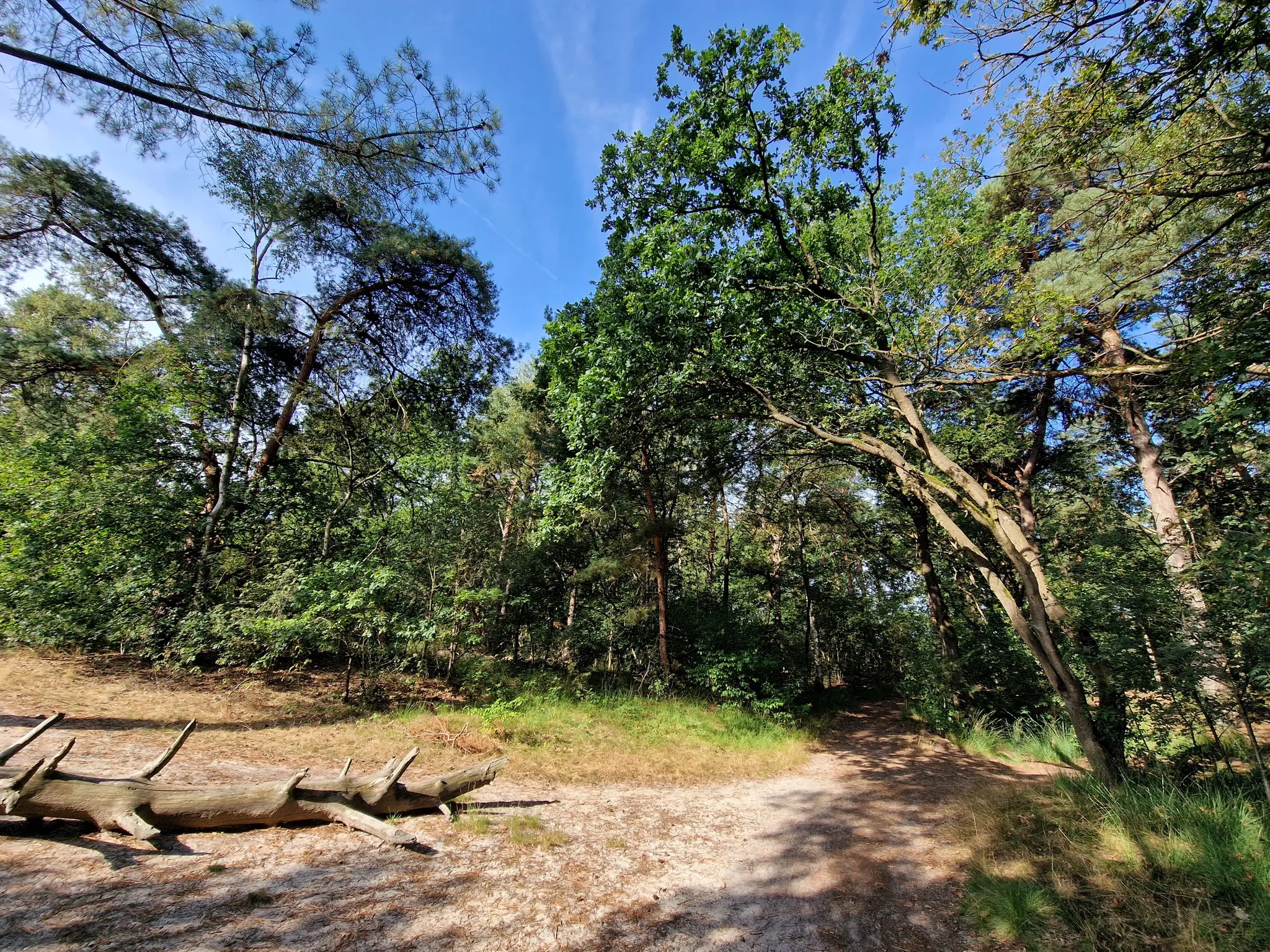
Five routes in Zeeland — the dunes, the woods and the sea
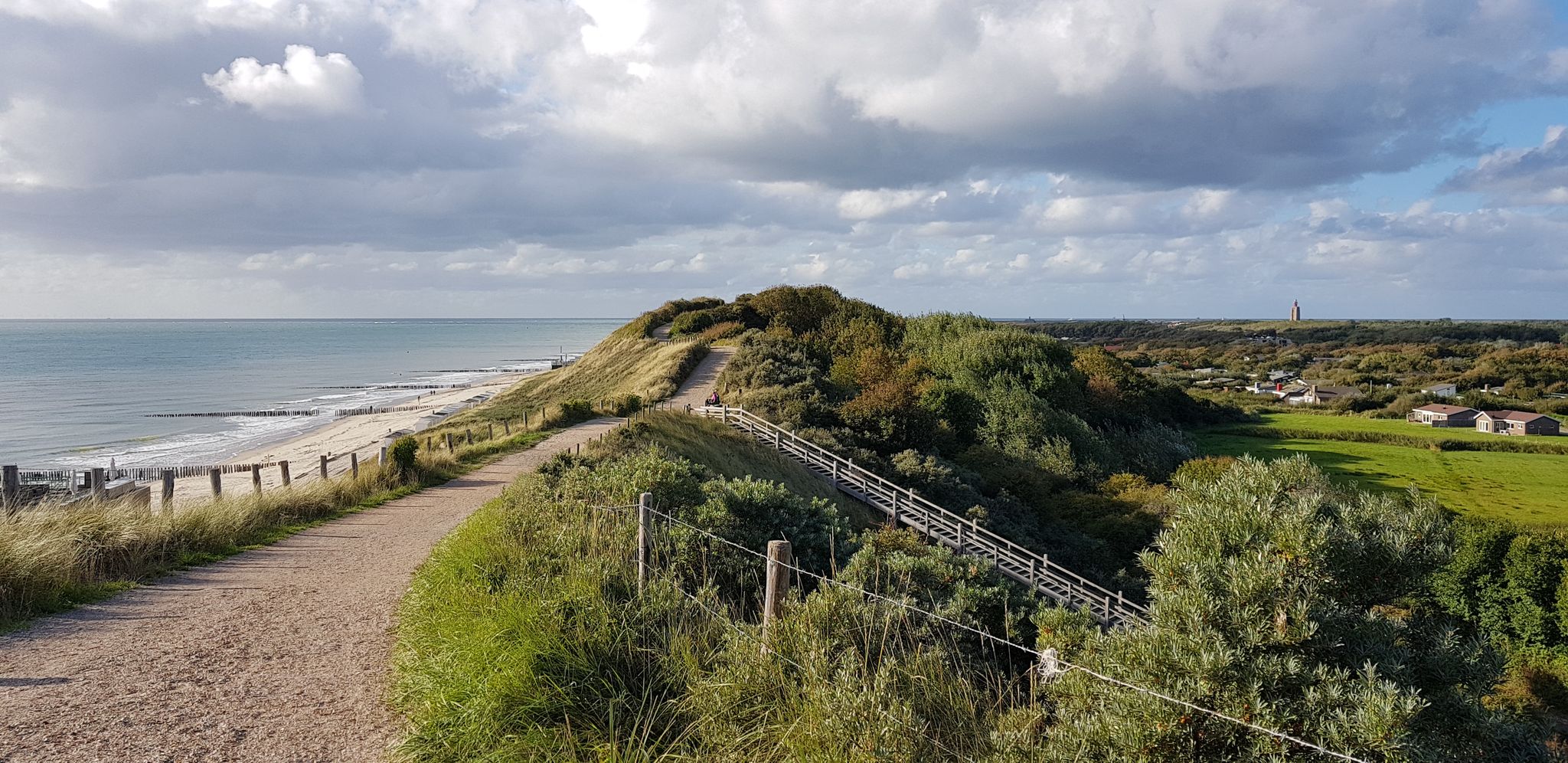
Sea, sand, and saddle – Coastal Route
By West, East and Zeeuws-Vlaanderen — GR Uilenspiegel
Coast and canals – travelling in Flanders and Zeeland Flanders
Along the border between the Netherlands and Belgium – the Grenslandpad
Along the Zeeland Coast — part 1: Dutch Coastal Path (formerly Deltapad)
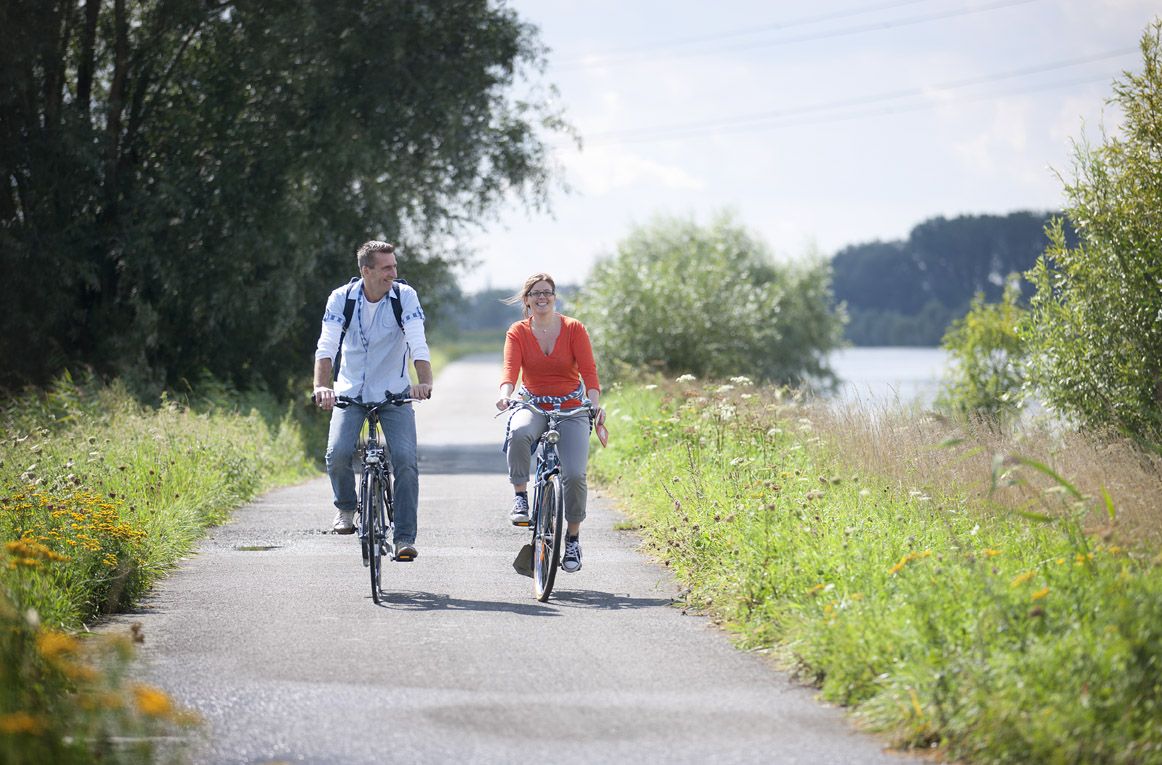
Flanders by bike: cycling along the water
LF-routes
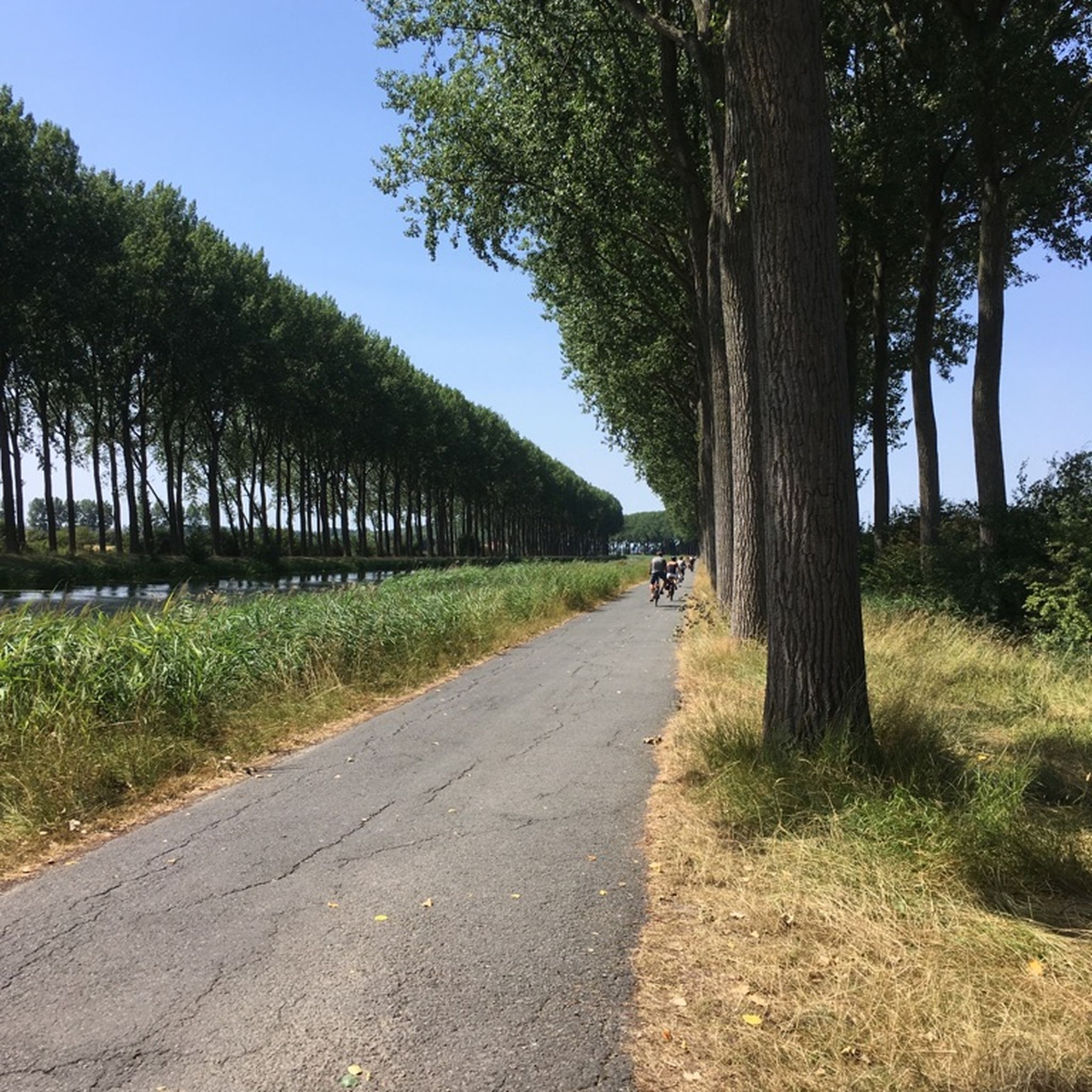
Cycling around Sluis
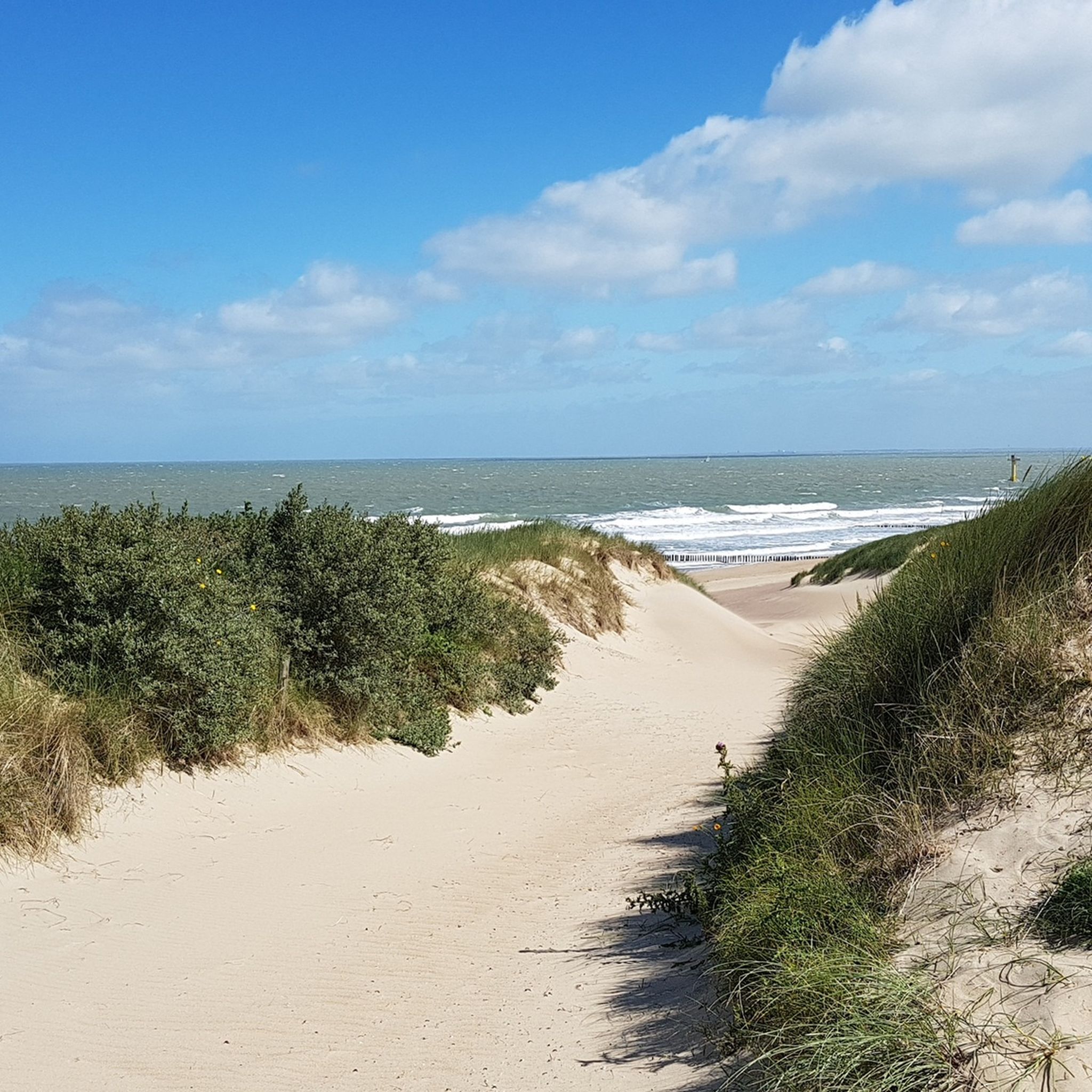
Hiking around Sluis
Other adventures around Sluis


Tips from the Community

Around 1300, a fortified brick residential tower was built in Oostkerke. At the end of the 14th century there was a “Nederhof” and an “Opperhof”, both surrounded by moats. Baron van der Elst had a dilapidated castle renovated in 1938. The ramparts were re-excavated, the stone access bridge restored and the west wing converted into an elegant building in Renaissance style. The former foundations of the ring wall and keeps were also raised and serve as a decoration and walkway in the garden, laid out by the Dutch landscape architect Mien Ruys, which can sometimes be visited during the open garden days in June.
15
0

The Elderschans or Eederschans (originally: Heilleschans, later corrupted to the current name) was an isolated fortification west of Aardenburg, which was part of the State-Spanish Lines. The Elderschans was built in 1604, together with the Olieschans, to defend Aardenburg. She was located on the estuary of the Platvliet. In 1673 the fort was demolished. In 1728 the redoubt was owned by Hendrik de Beaufort (1686-1740), who was lord of Duivendijke, and by Justina Geertruida van Welderen. They sold it in 1729 to Petrus Adrianus van Affelen, who was mayor of the Vrije van Sluis and founded a country estate here. After his death, this property belonged to his widow, Catharina van Uffelen, who changed the name to Rustenburg. In 1770 the estate was sold to Daniel Veijs, who was married to Maria Zonnevylle. The name became Elderschans again. After Daniel had also died, his heirs sold the Elderschans in 1800 to four dignitaries from Aardenburg, who each became the owner for a quarter. In 1841 there were even five owners. One of them was Pieter Christiaan Jacobus Hennequin, and in 1885 he managed to acquire full ownership of the Elderschans. He then had a country house built that was designed by Jan Adriaan Frederiks in an eclectic style. It was built at the point where two avenues, which had already been laid out in the 18th century, intersected. The park was redesigned. After he died, his wife, Wilhelmina Johanna van Oostenwijk Stern, lived there for a while. In 1915 she left for Hilversum and in 1919 she sold the estate. This has known many owners since then. The country house was damaged by shellfire in 1944, and in 1945 the then municipality of Aardenburg bought it, only to sell it to a private individual in 1986. However, the park remained municipal property. The inner and outer moat of the fort are still largely present and the course of the ramparts is recognizable. The area is wooded and you can walk there. It is one of the few forests in this area and one of the few estates in Zeeuws-Vlaanderen. Source Wikipedia
1
0

Kasteel Elderschans is a historic castle. The castle has a rich history dating back to the 17th century. It was originally built as a defensive fortress and later served as a strategic point during several wars and conflicts. The castle is best known for its impressive architecture and beautiful surroundings. It is surrounded by a vast forest area. Today, Kasteel Elderschans functions as a hotel and resort, where guests can enjoy a relaxing stay in historic surroundings. It also offers various facilities such as restaurants, wellness centers and leisure activities. In short, a nice stop during your walk!
2
0

Fort Rammekens is the oldest sea fortress in Western Europe. It dates back to 1547 and once played an important role in Zeeland's rich seafaring history.
1
0

Idd definitely pass if you are near Oostkerke
2
0
We were unlucky as it is only open on weekends.
1
0


Originally it consisted of a square keep on a motte, as well as a forecourt from around 1100.[1] Especially in the basement there are still old parts such as a crypt covered with a barrel vault. The castle is still partly surrounded by a moat. A bridge with four round arches from the 17th and 18th centuries provides access. In the castle hang mourning boards from the 19th century, which used to hang in the church, as well as the mourning board of Pierre de la Villette from 1716. In the left wing of the castle there is an ice cellar.[2] The castle is surrounded by a beautiful garden with a pond. Parts of the forecourt were found here. From the 1960s the castle was used for receptions and parties. Source: Wikipedia
2
0
Frequently Asked Questions
What kind of historical sites can I explore in the Sluis region?
While traditional standing castles are rare, the Sluis region offers a rich history of fortifications. You can explore the remnants of Sluis Castle and the Tower of Burgundy, which were once formidable fortresses. The town of Sluis itself is a well-preserved fortified city with impressive city walls and old city gates like the Oostpoort, offering a tangible connection to its past as a crucial trading post.
Are there any family-friendly historical sites or castles to visit near Sluis?
Yes, several sites are suitable for families. Oostkerke Castle, though privately owned, occasionally opens its beautiful gardens for events. Fort Rammekens is located in a walking area and is open on weekends during specific hours, making it a good option for an outing. The fortified city walls of Sluis also provide a great family-friendly walk with historical context.
What outdoor activities can I do near the historical sites in Sluis?
The Sluis region is excellent for outdoor activities. You can enjoy walking and cycling along the well-preserved city walls of Sluis, which offer picturesque views. The area around Fort Rammekens is also a beautiful walking area. For more extensive cycling, consider routes like the 'Loop from Cadzand to Bruges along the canal' or the 'Zwinroute - Zeeland'. Running enthusiasts can explore trails such as 'The Drowned Zwarte Polder' or 'Viewpoint Het Zwin loop from Cadzand'. Find more routes on the Cycling around Sluis, Running Trails around Sluis, and Road Cycling Routes around Sluis guide pages.
What natural features can I observe around the Sluis fortifications?
The fortifications of Sluis are not just historical but also blend with nature. The city walls, canals, and adjacent grasslands have become a beautiful nature area. It's one of the few places where the rare European tree frog can be found. The nearby Zwin, an old sea arm, is also a significant natural feature, offering opportunities for nature observation.
Can I visit the site of the original Sluis Castle?
While the original Sluis Castle no longer stands, you can visit the site where it once was. Today, only a small grassy elevation known as the 'castle hill' marks the former courtyard. You can walk through this area and imagine the imposing fortress that once stood there, playing a crucial role in medieval trade and warfare. Visible ground foundations provide a sense of its original layout and scale.
Are there any castles near Sluis that function as hotels or resorts?
Yes, Elderschans Castle, a historic site with a rich history dating back to the 17th century, now functions as a hotel and resort. It is surrounded by a beautiful forest area, offering a relaxing stay in historic surroundings.
What is the best time to visit the Sluis region for exploring its historical sites and nature?
The Sluis region is enjoyable throughout much of the year. Spring and summer offer pleasant weather for walking and cycling along the ramparts and exploring the natural areas like the Zwin. The gardens of Oostkerke Castle are sometimes open during events in June. Autumn can also be beautiful with changing foliage, especially in wooded areas like those surrounding Elderschans Castle.
What do visitors enjoy most about the castles and historical sites around Sluis?
Visitors appreciate the blend of history and nature. They enjoy walking along the well-preserved city walls of Sluis, imagining the past, and taking in the scenic views. The historical significance of sites like the former Sluis Castle and the unique architecture of places like Oostkerke Castle are also highly valued. The opportunity to combine historical exploration with outdoor activities like cycling and running is a major draw.
Are there any hidden gems or lesser-known historical sites worth visiting near Sluis?
While not a 'hidden gem' in the traditional sense, the site of the Tower of Burgundy, though no longer standing, offers unique historical insight. Archeological research revealed its distinct blueprint, showcasing medieval Dutch castle construction. Understanding its role alongside Sluis Castle in controlling the Zwin adds depth to the region's strategic importance. Additionally, Moerkerke Castle, with its 11th-century origins and partially preserved moat, offers a glimpse into older castle structures, though it's often used for events.
Can I bring my dog to the historical sites and trails around Sluis?
The fortified city walls of Sluis are generally dog-friendly for walks, allowing you to explore the historical ramparts with your pet. Many outdoor trails in the region, including those around the Zwin Nature Park, are also suitable for dogs, though specific rules may apply in certain protected areas. Always keep dogs on a leash and clean up after them.
What is the significance of the fortified city of Sluis itself?
The town of Sluis is a remarkably well-preserved fortified city, or 'vestingstad'. Its impressive and largely intact city walls and several old city gates date back to the 14th century, with significant reinforcements during the Eighty Years' War. These fortifications highlight Sluis's past as a crucial trading post and military stronghold, strategically located on the Zwin.
Is <a href="https://www.komoot.com/highlight/4788368" target="_blank" rel="noopener">Ter Leyen Castle</a> accessible to the public?
Ter Leyen Castle, an early Renaissance castle with a fairytale-like white facade, is located in the village center of Boekhoute. While its domain is a green oasis, it is not generally open to the public for casual visits. It can sometimes be rented for meetings and parties, but you can enjoy its exterior from the street side.
Most popular attractions around Sluis

Get inspired with the komoot mobile app


Explore more
Looking for the best castles somewhere else? Discover other guides around Sluis:
