Top 4 Castles around Steenwijkerland
Best castles around Steenwijkerland include historical sites and estates within the Dutch province of Overijssel. The municipality features a landscape shaped by waterways and historic towns. While not primarily known for numerous medieval castles, the region offers insights into past defensive structures and grand residences. Visitors can explore various historical periods through its preserved sites.
Best castles around Steenwijkerland
- The most popular castles is Den Oldenhof Estate, a historical site that features a country house surrounded by a canal…
Last updated: August 6, 2026
Rear of Havezathe Havixhorst
Highlight • Historical Site
Translated by Google •
Tip by

Burcht van Kuinre
Highlight • Castle
Showing Translation
Tip by

Sign up now to discover places like this
Get recommendations on the best single tracks, peaks, & plenty of other exciting outdoor places.
Sign up for free
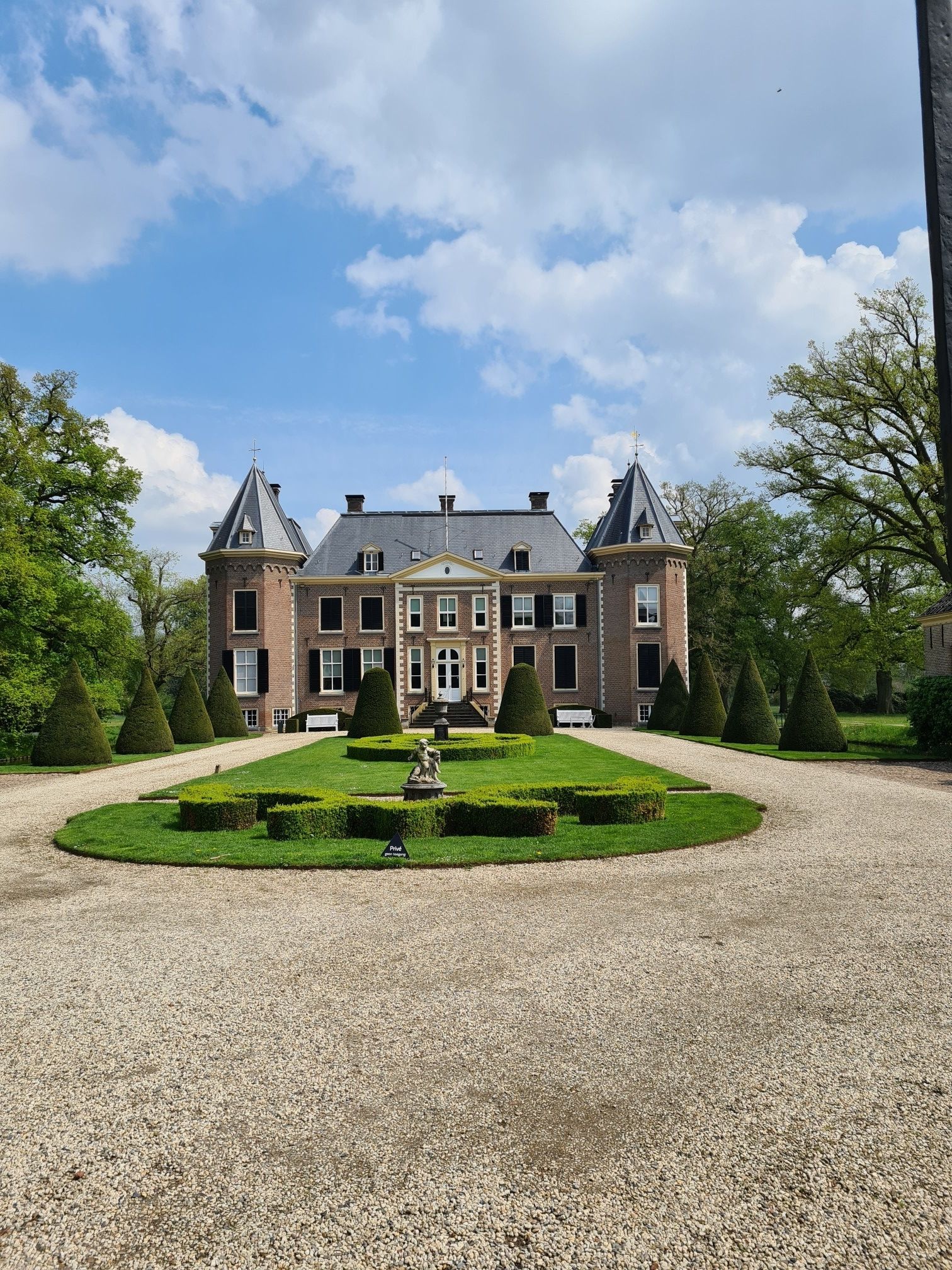
Den Oldenhof Estate
Highlight • Historical Site
Translated by Google •
Tip by

Toutenburg Castle ruins
Highlight • Castle
Translated by Google •
Tip by

Ruins of Toutenburg Castle, Vollenhove
Highlight • Castle
Translated by Google •
Tip by

Sign up for free to discover even more castles around Steenwijkerland.
Sign up for free
Already have an account?
Start today with a free account
Your next adventure awaits.
Login or Signup
Popular around Steenwijkerland
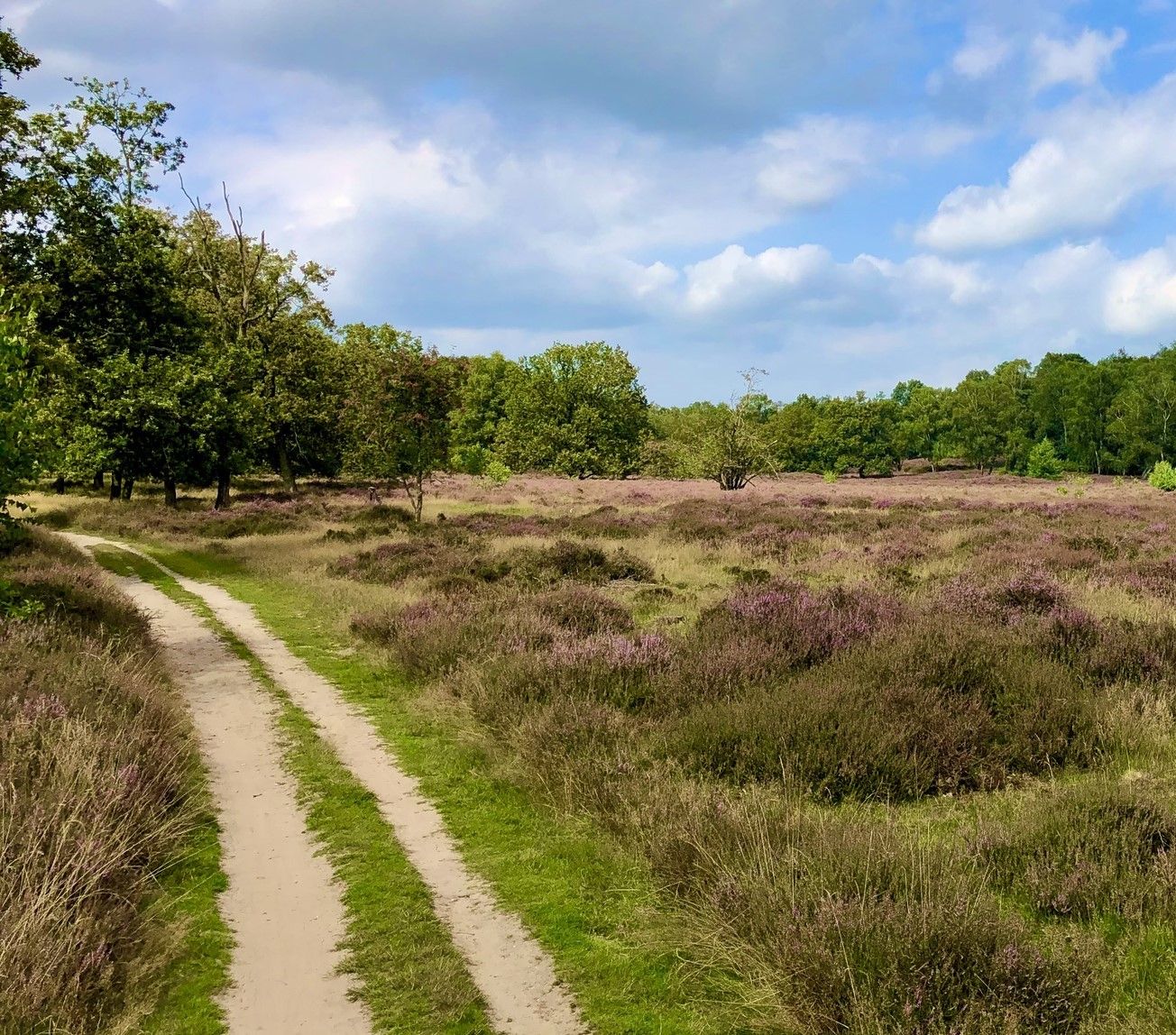
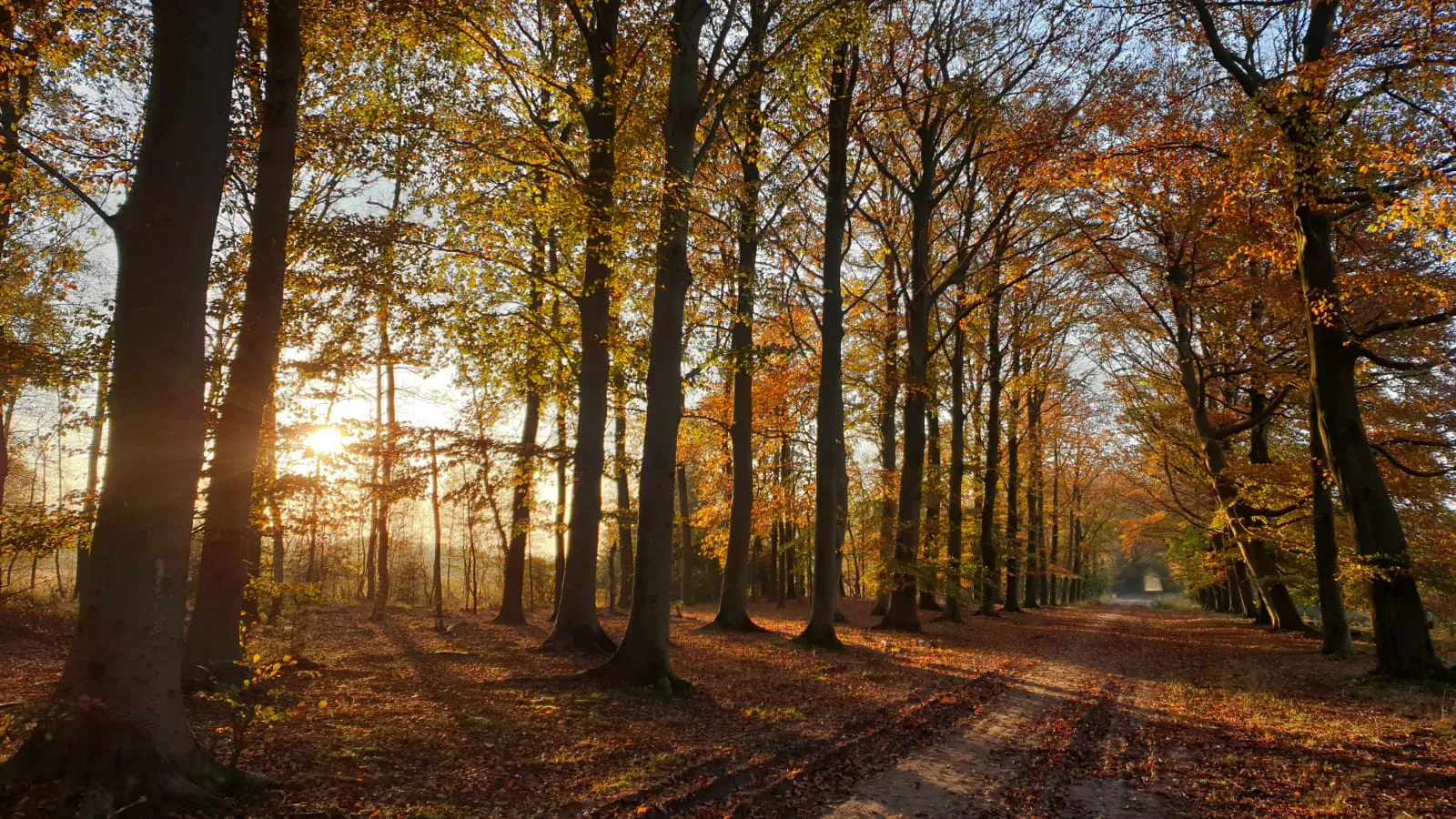
Explore the idyllic Dutch province of Overijssel – Havezatenpad
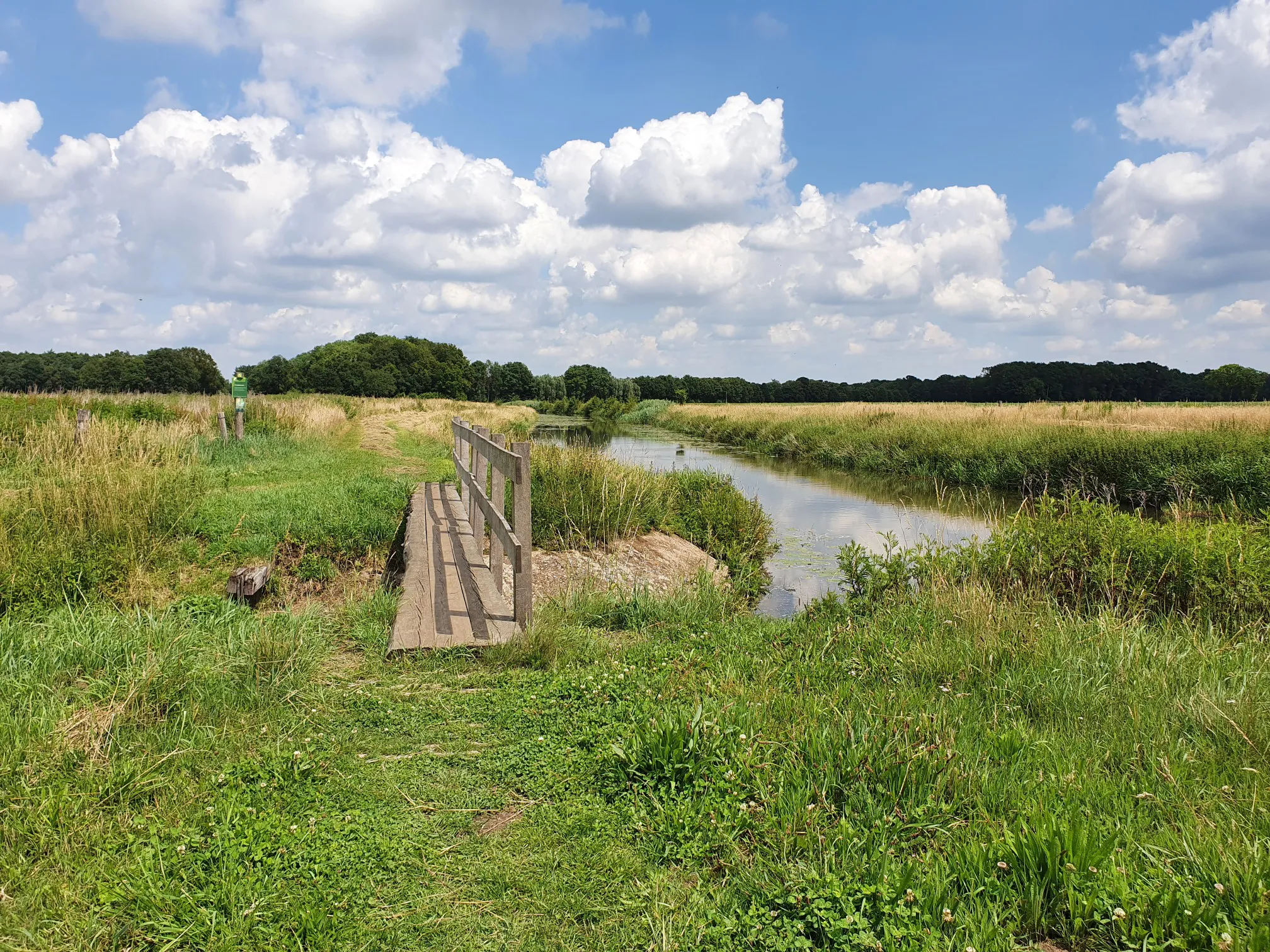
In the middle of nature - 20 accessible routes in and around Overijssel
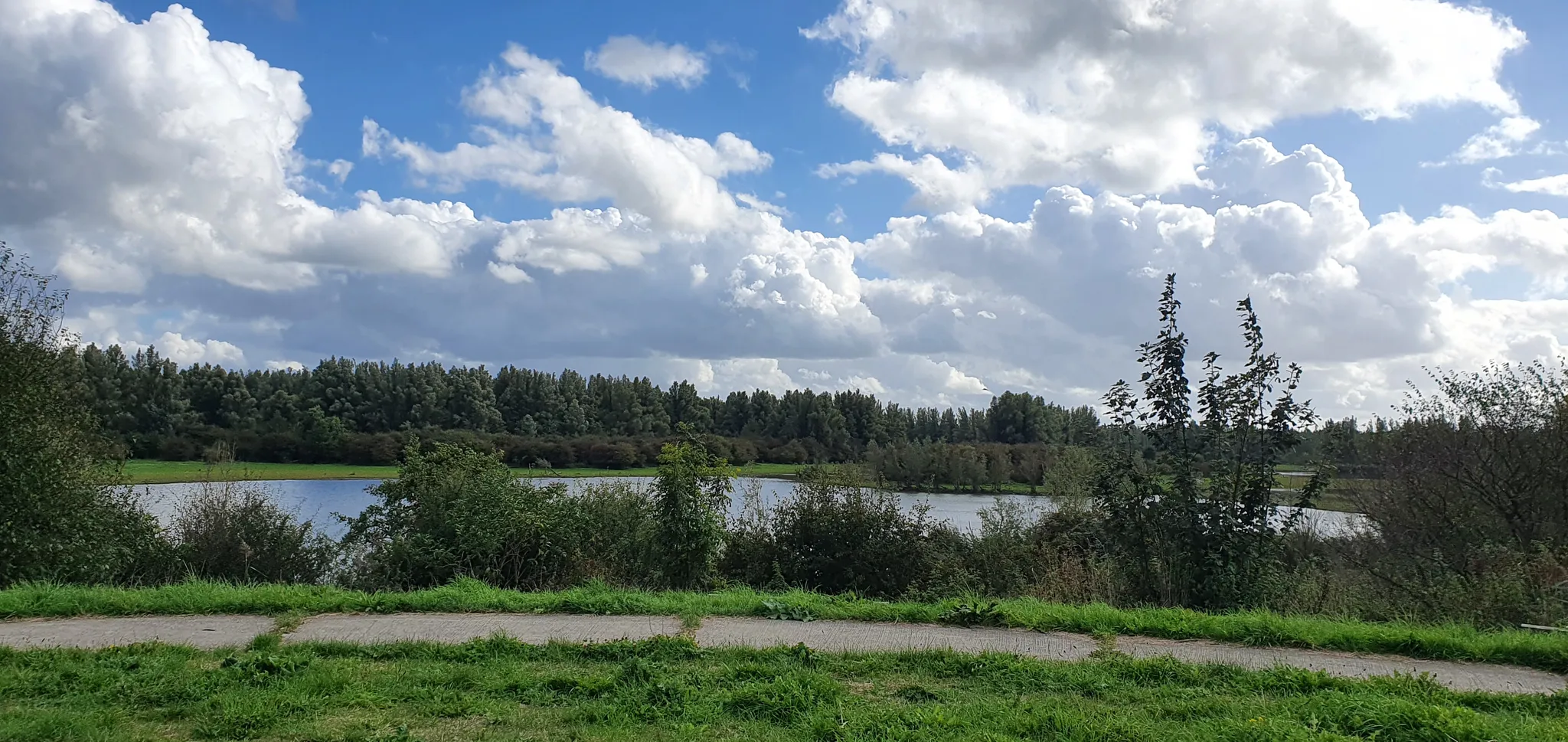
Peat houses and canals – 5 hikes in the Netherlands
Pioneer Trail in 11 days – walk across the Zuiderzee
Experience the 2023 Hiking Route of the Year – Stellingenpad Trail
Zuiderzeepad – hike around the IJsselmeer in 28 stages
Hidden spots and pure idyll – cycling through Overijssel province
Cycling where there once was sea – water country in the Netherlands
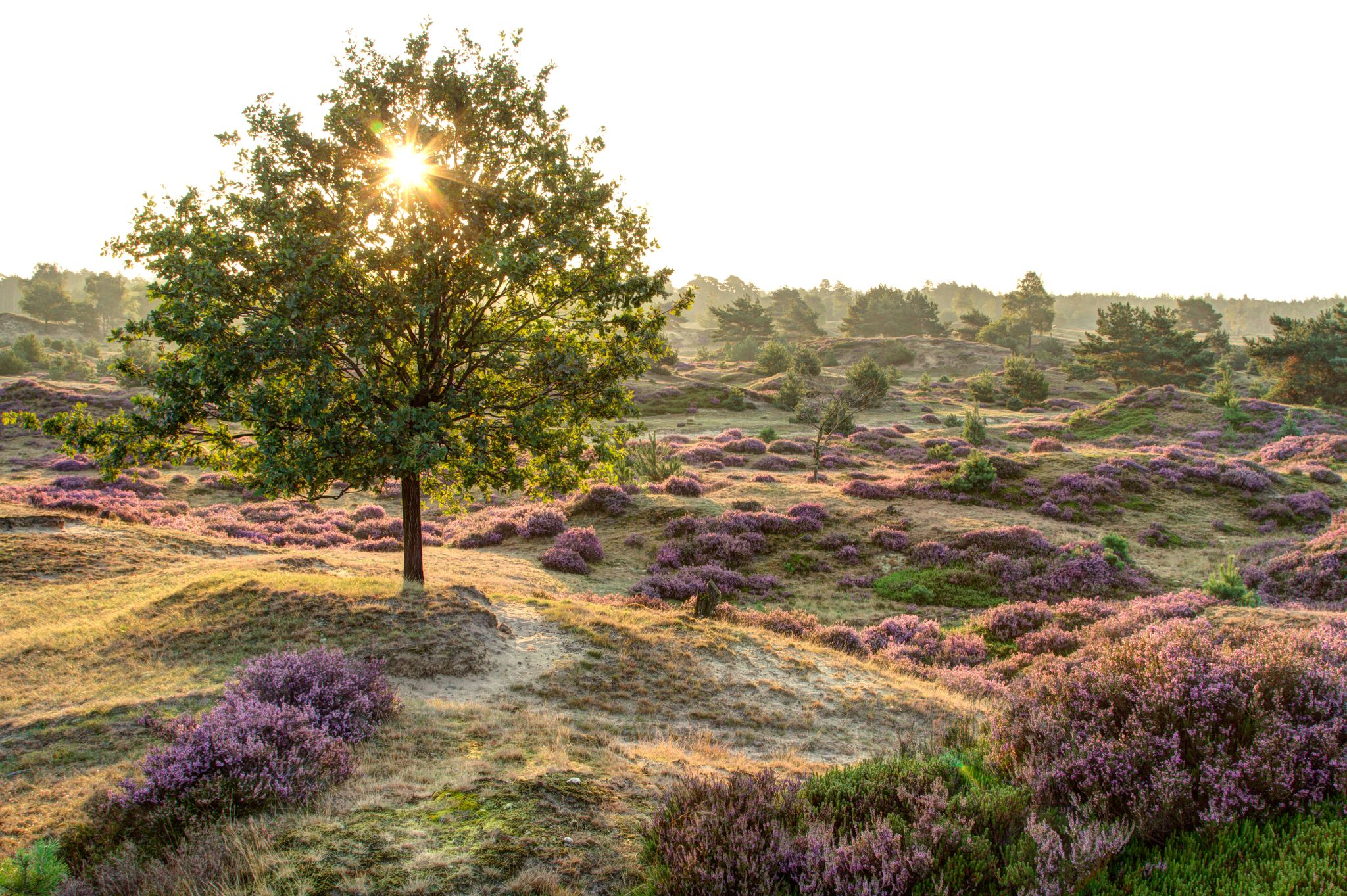
A complete hiking bucket list through every Dutch National Park
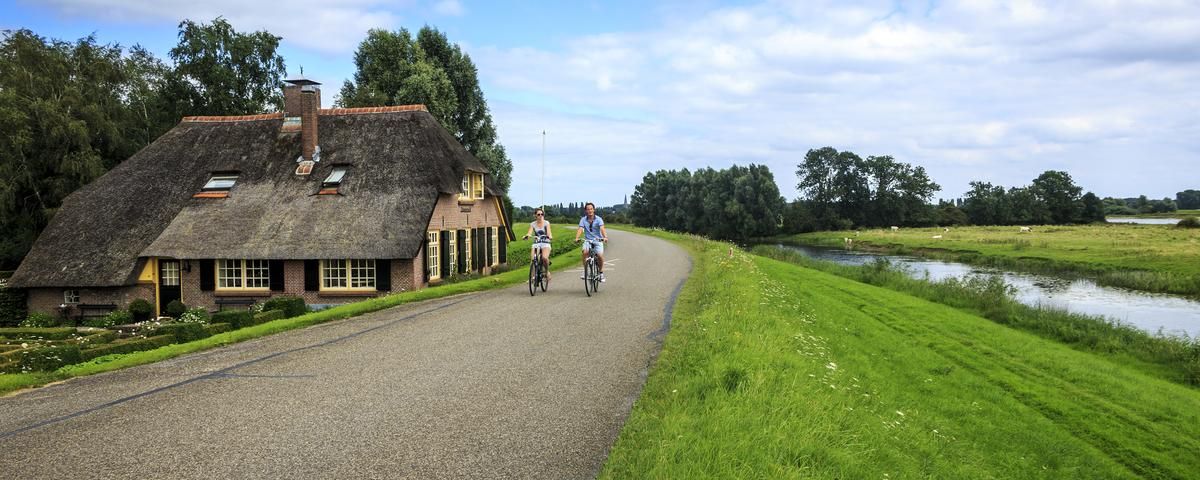
The other Holland — cycling in Gelderland and Overijssel
Other adventures around Steenwijkerland


Tips from the Community

Burcht van Kuinre, or also Kuinderburcht, is the name of two consecutive castles near Kuinre. The Lords of Kuinre resided here in Flevoland. Have you discovered the remains yet? From the castle, ships on the Zuiderzee were attacked and shipping to the Hanseatic cities was controlled. In the Kuinderbos you can see for yourself how big it was. The Kuinderberg offers a view of the island with the remnants of the castle. During the walk, there is still something surprising to discover. In the 12th century, the glory of Kuinre arose on the border between Friesland and the Upper Monastery of Utrecht. Castle no. 1 The first castle of Kuinre was probably built between 1165 and 1197. At the end of the 12th century, it was in the hands of the lord of Kuinre, Heynric die Crane, who, as a minister of the bishop of Utrecht, was responsible for overseeing the local settlements. Frisians. In 1204, a new castle was built on the same spot. Castle no. 2 In 1378, the castle was abandoned to build a new castle on the other bank of the Kuinder. During the Geldrian disputes between 1510 and 1527, it was conquered several times by Gelre and recaptured by Utrecht. From 1531 to 1536, the castle was definitively demolished. The remains were gradually submerged. Drainage After the Noordoostpolder was drained in 1942, the area was archaeologically investigated. The foundation of the first castle has been partially restored, the second castle is covered with earth. `Bron: https://www.visitnoordoostpolder.nl/nl/locaties/4007775335/kuinderburcht
0
0

beautiful monument
0
0

Walk back centuries and breathe in the atmosphere of 1635, when the noble Sloet family had this stately country estate built. Time seems to stand still in the surrounding forest and gardens. Enjoy a real night's sleep at the campsite. Taste special flavors in the tea house. www.landgoedoldenhof.nl
0
0

The Havixhorst consists in the core of the manor house with outbuildings, garden, canal and surrounding forest. The estate is approximately 100 hectares in total. The estate is beautifully situated in the stream valley of the Reest, between Meppel and De Wijk. The existence of De Havixhorst is first mentioned in 1409, in the archives of Dickninge Abbey. The current shape and appearance mainly dates from 1753. The manor has been inhabited for three centuries by the De Vos van Steenwijk family. https://www.drentslandschap.nl/objecten/havixhorst
0
0

Havixhorst is first mentioned in 1371. Until the 17th century, Havixhorst was owned by members of the Van den Clooster family. From the 15th century, the lords of Havixhorst owned the collation right in the church of IJhorst. The Van den Clooster family also owned the manors of Rheebruggen and Vledderinge. In 1580, the manor Batinge was also conquered by them, but had to be relinquished. In the 17th century, the Havixhorst passed to the Van Munster family. Due to financial problems, Reinold van Munster had to give up the Havixhorst in 1658 and exchanged his property with the Ibinge heir in Echten owned by Johan de Vos van Steenwijk. The De Vos van Steenwijk family owned the manor house for almost three hundred years, from 1658 to 1956. In 1956, Havixhorst passed on to two grandnieces, the ladies Van Mourik, who sold the Havixhorst in 1963, after which major repairs took place over the years and, for example, the coach house was completely rebuilt. During that period it was used alternately as a retirement home, a holiday resort for young people, a reception center for Vietnamese refugees, and was eventually used as a hotel. In 1982, the Havixhorst was purchased by Het Drentse Landschap and its renovations and restoration continued.
0
0

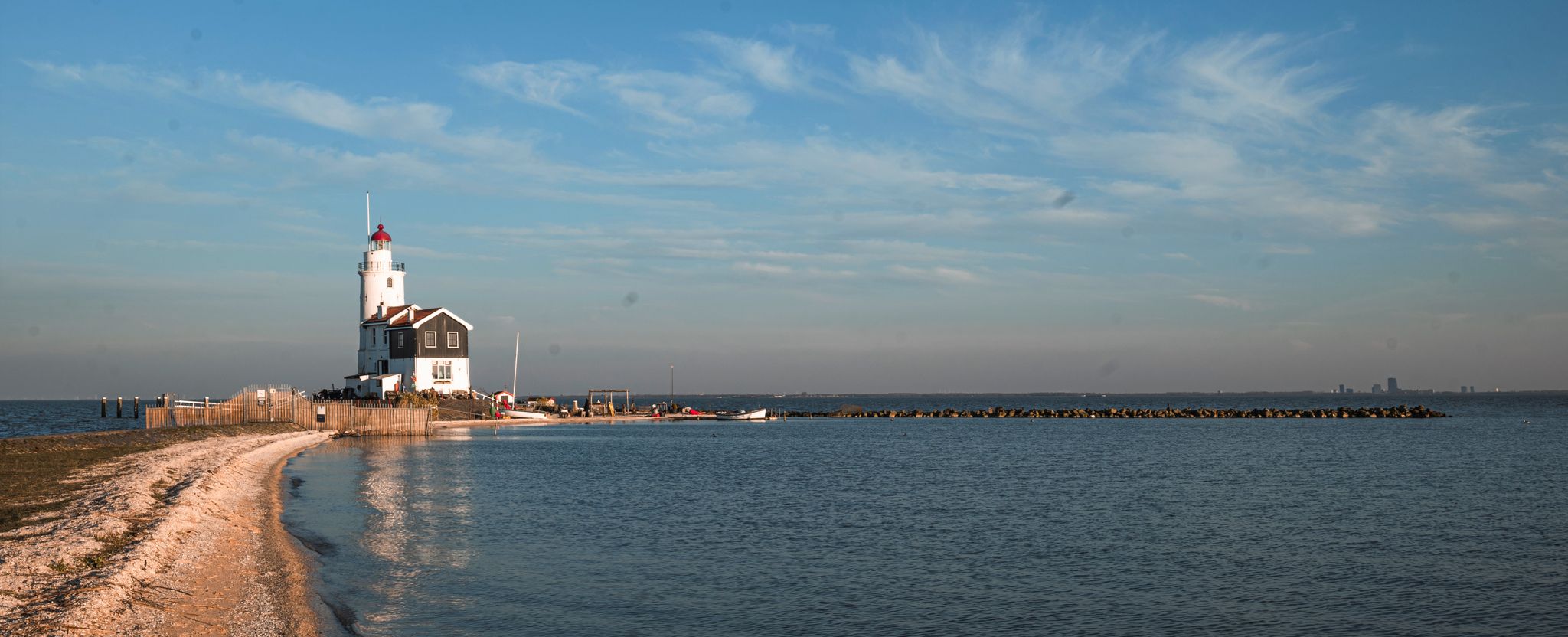
Beautiful little harbor in the center of the town with a few cafes that invite you to linger.
0
0
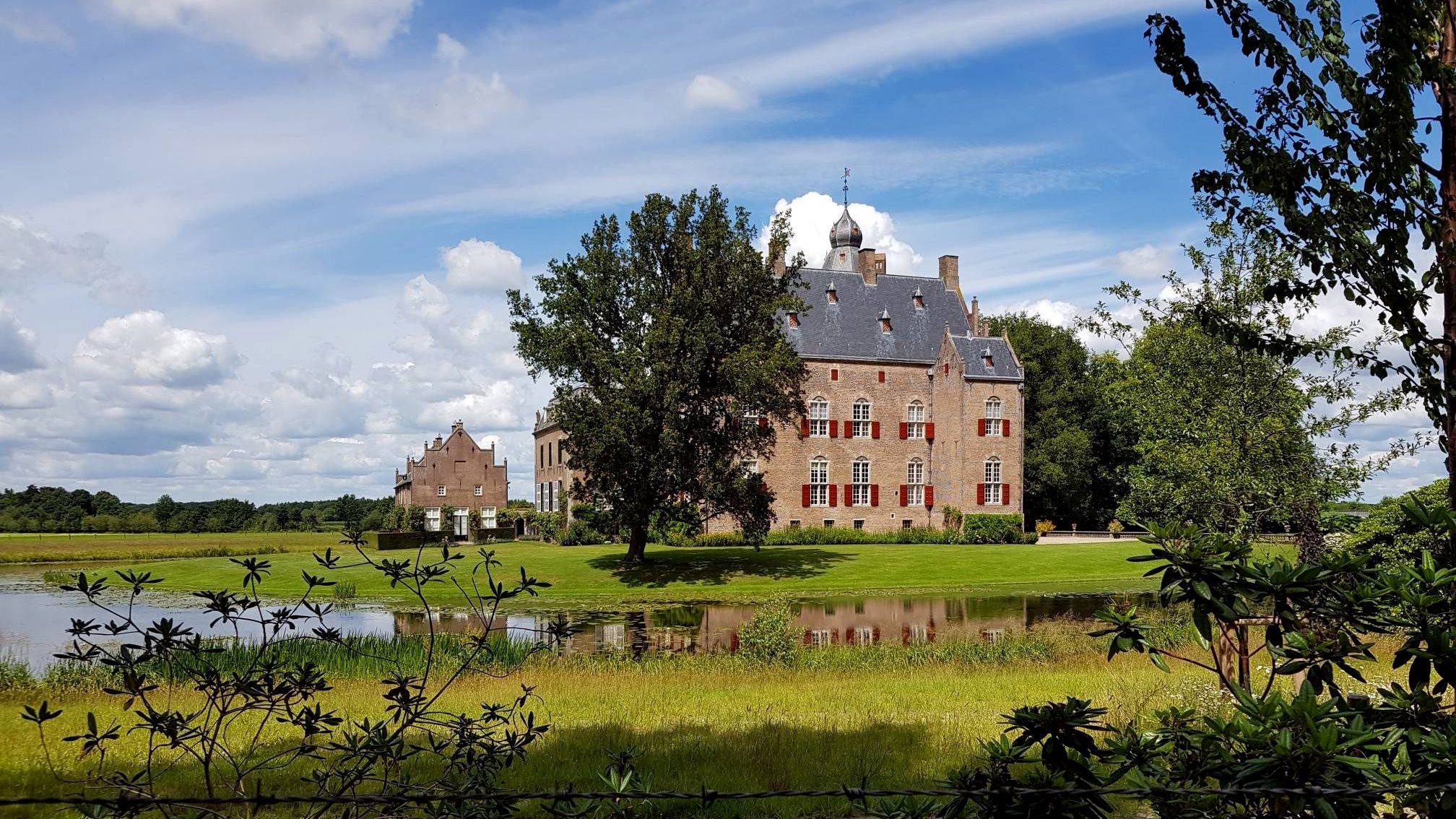
Beautiful country house surrounded by a canal and avenues. The estate is largely open to the public.
1
0

These ponds used to form the moat of Castle Toutenburg. That was a medieval castle in Vollenhove. It was built around 1500. In the 18th century the building fell into disrepair, all that remains is a ruin.
3
0
Frequently Asked Questions
What types of historical sites can I expect to find in Steenwijkerland?
Steenwijkerland offers a mix of historical sites, including medieval castle ruins and impressive 19th-century estates. While traditional standing castles are rare, you can explore the remnants of ancient fortifications and grand manor houses that reflect the region's rich past.
Are there any medieval castle ruins to explore in Steenwijkerland?
Yes, you can visit the Toutenburg Castle ruins in Vollenhove, which date back to around 1500. Another significant site is the Burcht van Kuinre, where you can see the partially restored foundations of two consecutive castles once inhabited by the Lords of Kuinre.
Can I visit historical estates or manor houses in the region?
Absolutely. The Rear of Havezathe Havixhorst is a beautiful manor house with a 100-hectare estate, and Den Oldenhof Estate, built in 1635, offers a stately country house surrounded by a canal and gardens. Additionally, the impressive neo-Renaissance Rams Woerthe Estate in Steenwijk, built in 1899, functions as a museum and is open to the public with a beautiful park.
Are the castles and estates around Steenwijkerland family-friendly?
Many sites are suitable for families. Den Oldenhof Estate is specifically noted as family-friendly, offering a chance to explore its forest and gardens. The Toutenburg Castle ruins are also considered family-friendly, providing an interesting historical outing.
What kind of natural surroundings can I expect around these historical sites?
The historical sites are often nestled within beautiful natural landscapes. For instance, the Havixhorst estate is situated in the stream valley of the Reest, surrounded by forests. Den Oldenhof Estate features surrounding forests and gardens, while the Burcht van Kuinre is located in the Kuinderbos, offering views of the island with the castle remnants.
Are there walking or cycling routes near the castles and estates?
Yes, Steenwijkerland is excellent for outdoor activities. You can find numerous walking and cycling routes that pass by or are close to these historical sites. For hiking, explore options like the 'WaterReijk: Kalenberg-Ossenzijl Yellow Trail' or 'From Steenwijkerland to Kiersche Wiede' in the nearby Weerribben-Wieden National Park. For cycling, consider routes such as the 'Tour of De Wieden' or the 'Weerribben-Wieden National Park Loop'. You can find more details on these routes in the hiking guide and cycling guide for Steenwijkerland.
What is the best time of year to visit the historical sites in Steenwijkerland?
The spring and summer months (April to September) generally offer the most pleasant weather for exploring the outdoor ruins and estates, with lush greenery and comfortable temperatures. However, the historical sites and their surrounding parks can also be beautiful in autumn with changing foliage.
Are there options for dining or refreshments near these historical sites?
Yes, several sites offer refreshment options. Den Oldenhof Estate has a tea house. The historic town of Vollenhove, home to the Toutenburg Castle ruins, has cafes and a small harbor that invites lingering. The larger town of Steenwijk, where Rams Woerthe Estate is located, also provides various dining establishments.
Can I bring my dog to the castle sites or nearby trails?
While specific rules for each historical site may vary, many of the surrounding natural areas and trails in Steenwijkerland are dog-friendly. For example, the Weerribben-Wieden National Park, which is close to several sites, offers dog-friendly walking trails. It's always advisable to check local signage for specific regulations at each location.
How long should I plan for a visit to these historical sites?
For individual sites like the Toutenburg Castle ruins or Burcht van Kuinre, you might spend 1-2 hours exploring the ruins and immediate surroundings. Larger estates like Havixhorst or Den Oldenhof, with their extensive parks and gardens, could easily fill a half-day, especially if combined with a walk or a visit to their tea house.
What is the historical significance of the castles and estates in Steenwijkerland?
The historical sites in Steenwijkerland offer a glimpse into different eras. The medieval castle ruins, like Toutenburg and Kuinre, highlight the region's strategic importance and defensive structures from centuries past. Estates such as Havixhorst and Den Oldenhof showcase the grandeur and lifestyle of noble families from the 17th to 19th centuries, reflecting periods of prosperity and architectural evolution in the Dutch countryside.
Most popular routes around Steenwijkerland
Most popular attractions around Steenwijkerland

Get inspired with the komoot mobile app


Explore more
Looking for the best castles somewhere else? Discover other guides around Steenwijkerland:
