Top 7 Castles around Schermer
Castles around Schermer are situated within a unique polder landscape in North Holland, a region historically shaped by Dutch water management. This area, reclaimed from water between 1633 and 1635, is characterized by its geometric layout, canals, and iconic windmills. While not known for traditional medieval fortresses, the region offers historical sites that reflect its rich past and engineering ingenuity. The vast, open scenery of the Schermer polder provides an ideal setting for exploring these historical points of interest.
Best…
Last updated: August 6, 2026
Ruins of Egmond Castle
Highlight • Castle
Translated by Google •
Tip by

Egmond Castle Ruins (Slot op den Hoef)
Highlight • Castle
Source: Wikipedia
Translated by Google •
Tip by

Sign up now to discover places like this
Get recommendations on the best single tracks, peaks, & plenty of other exciting outdoor places.
Sign up for free
Slot Chapel Egmond aan den Hoef
Highlight • Historical Site
Translated by Google •
Tip by

Assumburg Castle
Highlight • Castle
de.m.wikipedia.org/wiki/Schloss_Assumburg
Translated by Google •
Tip by

Marquette Estate
Highlight • Historical Site
Translated by Google •
Tip by

Sign up for free to discover even more castles around Schermer.
Sign up for free
Already have an account?
Start today with a free account
Your next adventure awaits.
Login or Signup
Popular around Schermer
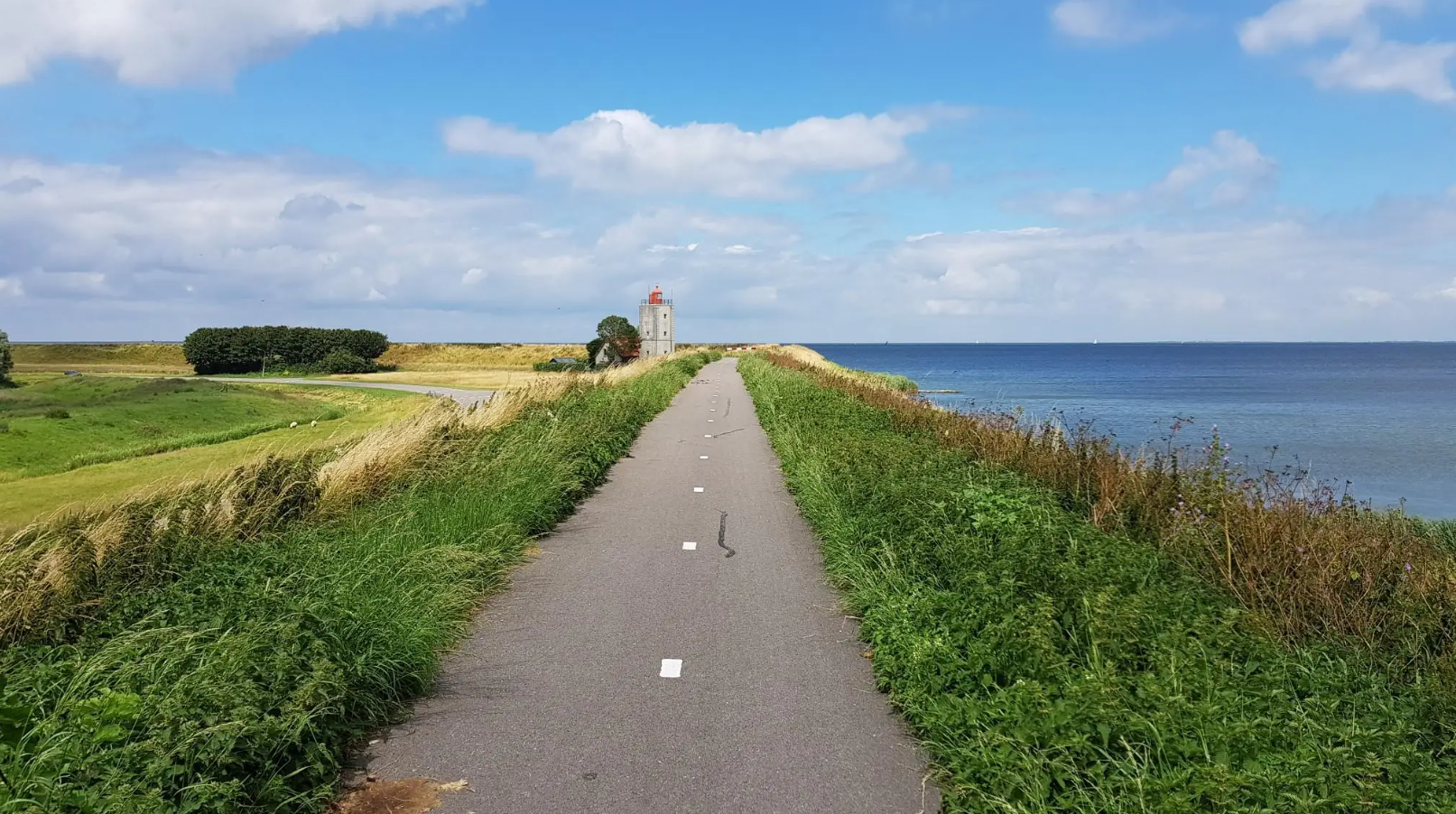
Hiking around West-Friesland – Westfriese Omringdijk (SP 09)
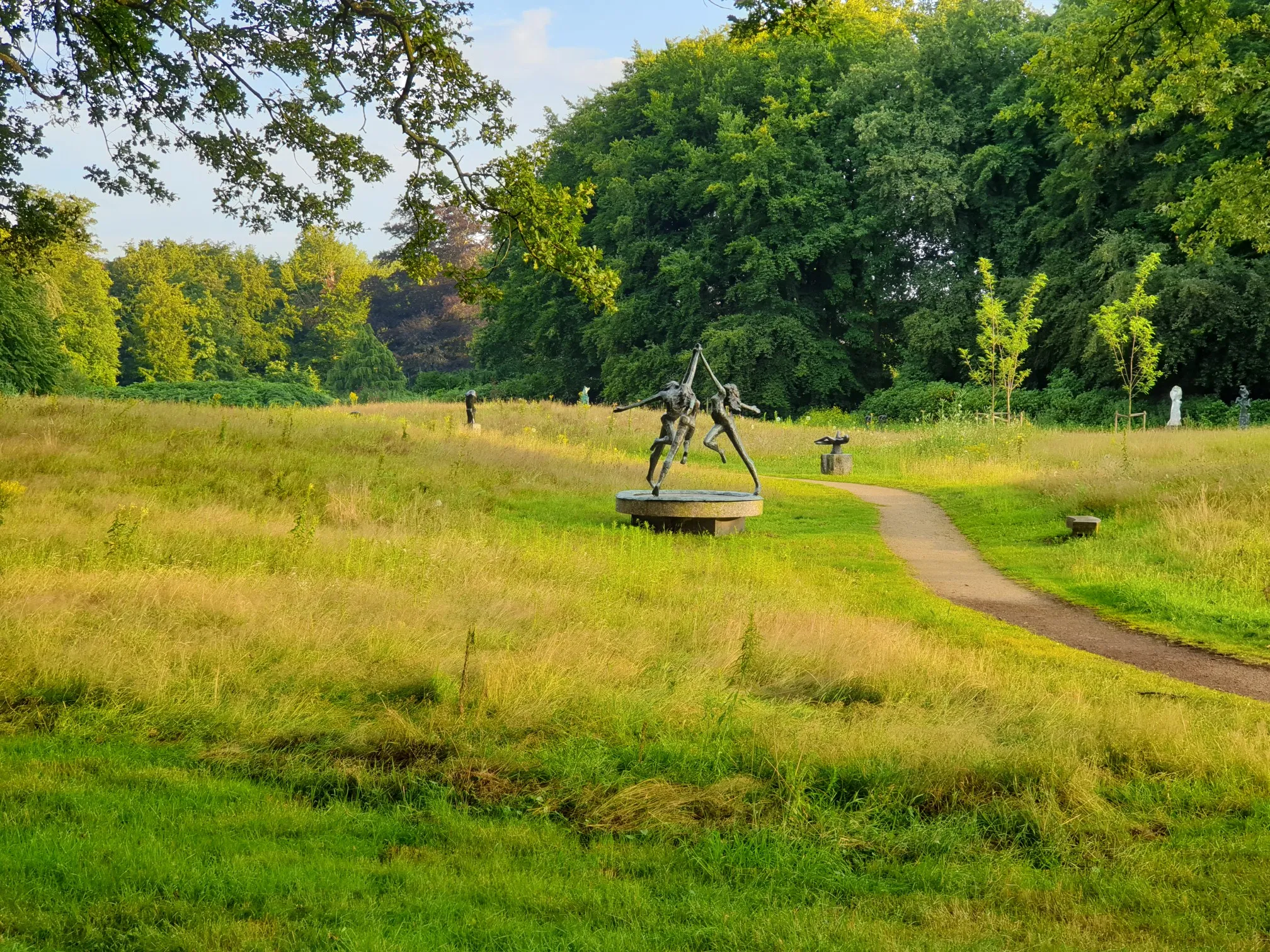
Nature & Culture – 15 Hikes along art in the wild
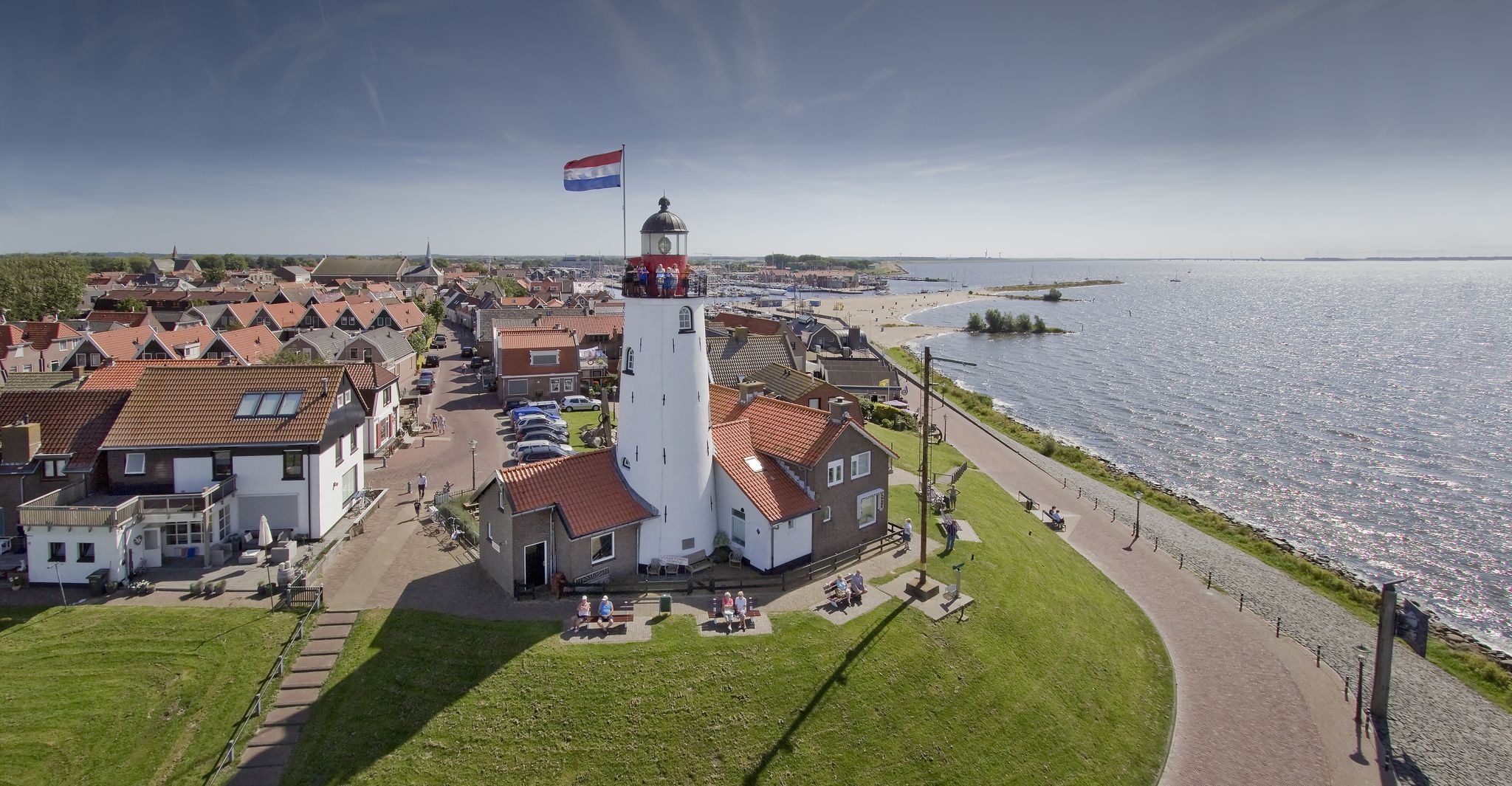
Cycling where there once was sea – water country in the Netherlands
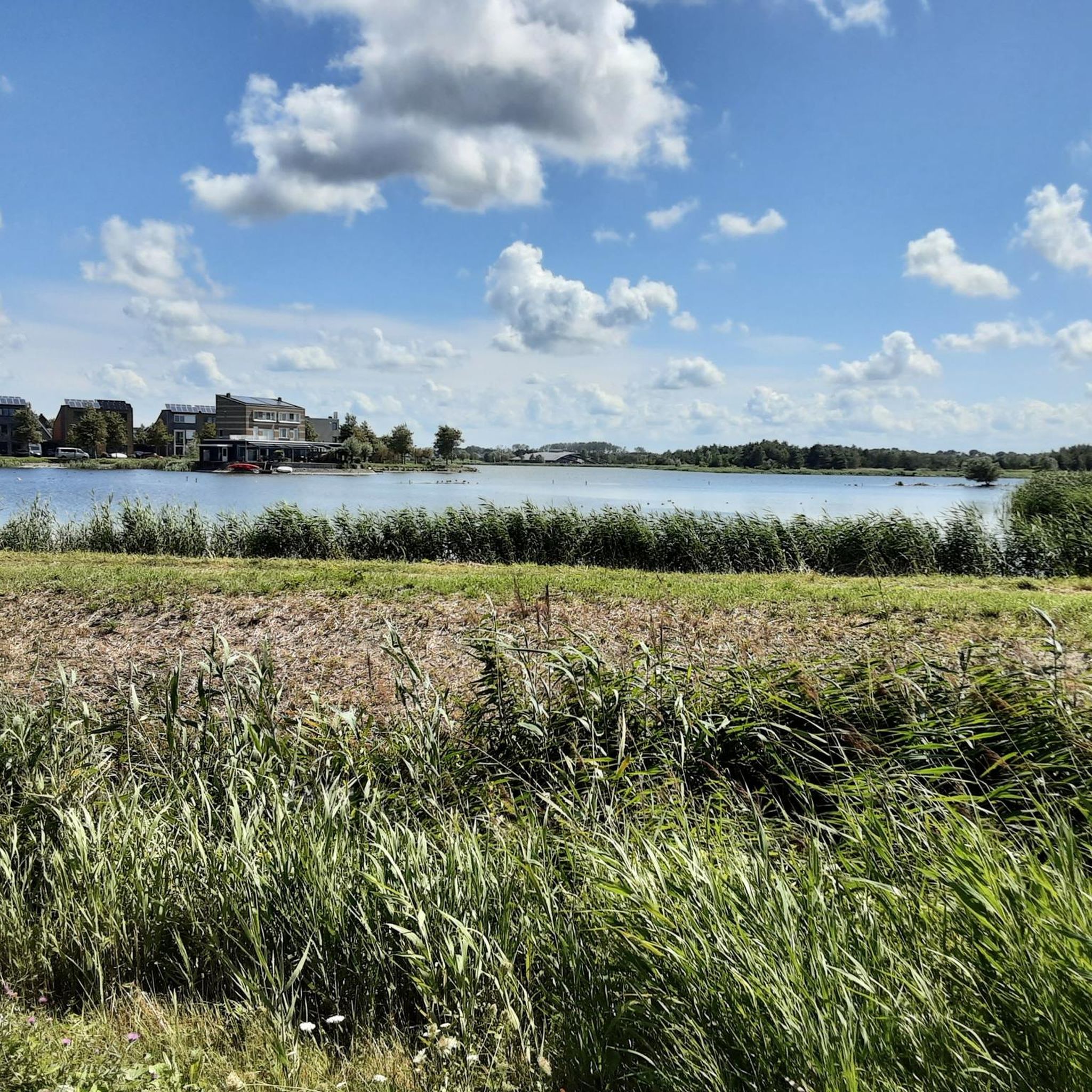
Hiking around Schermer
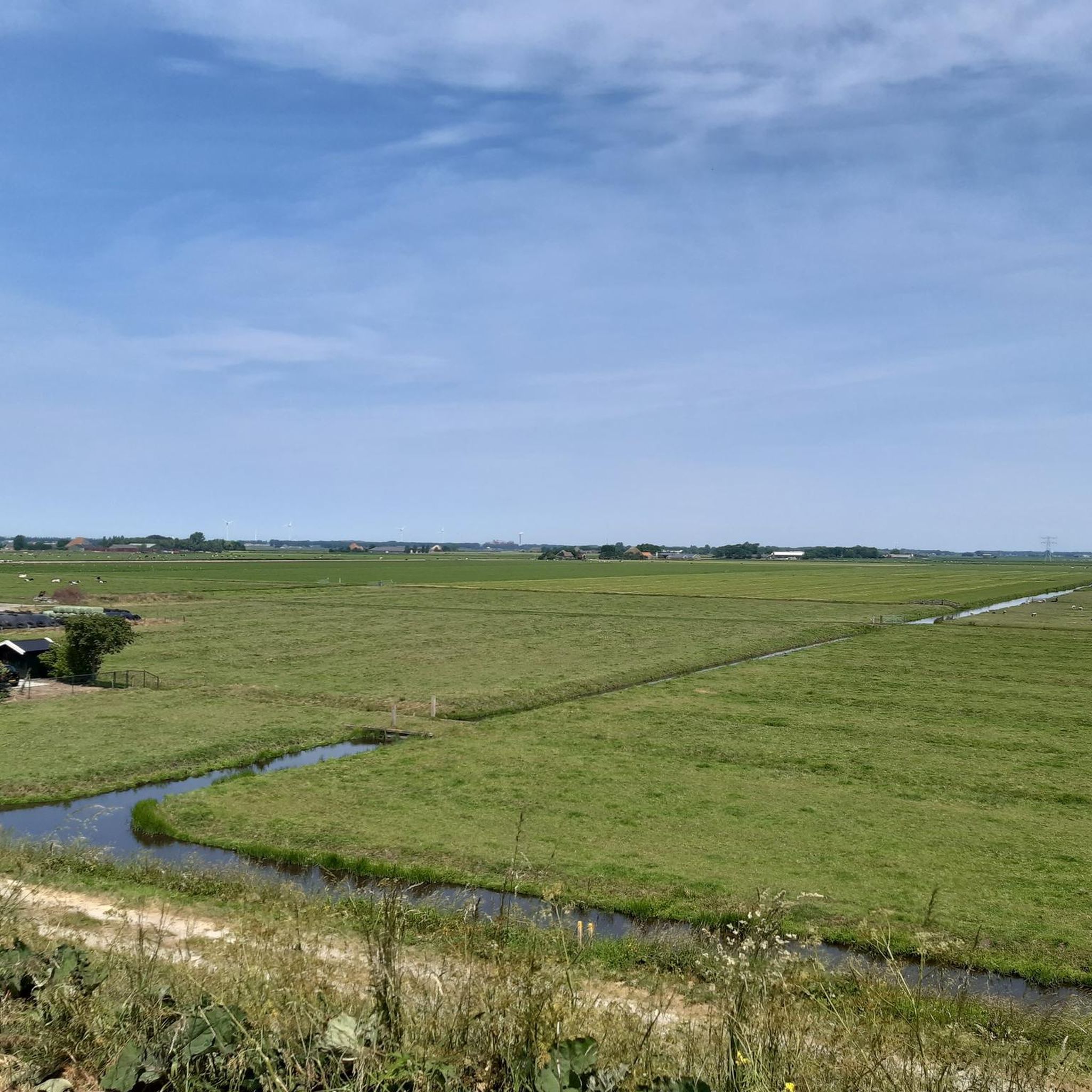
Road Cycling Routes around Schermer
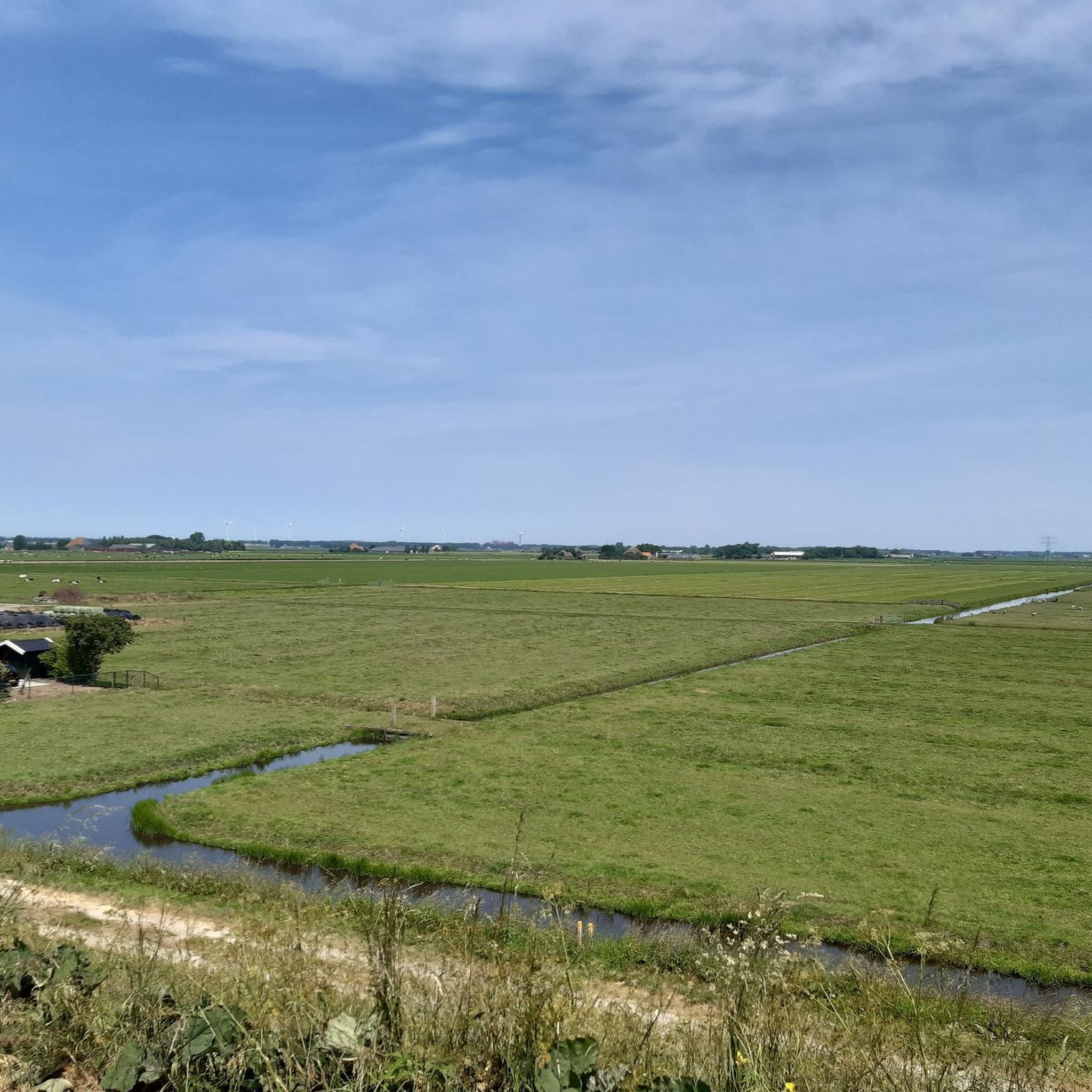
Cycling around Schermer

Gravel biking around Schermer
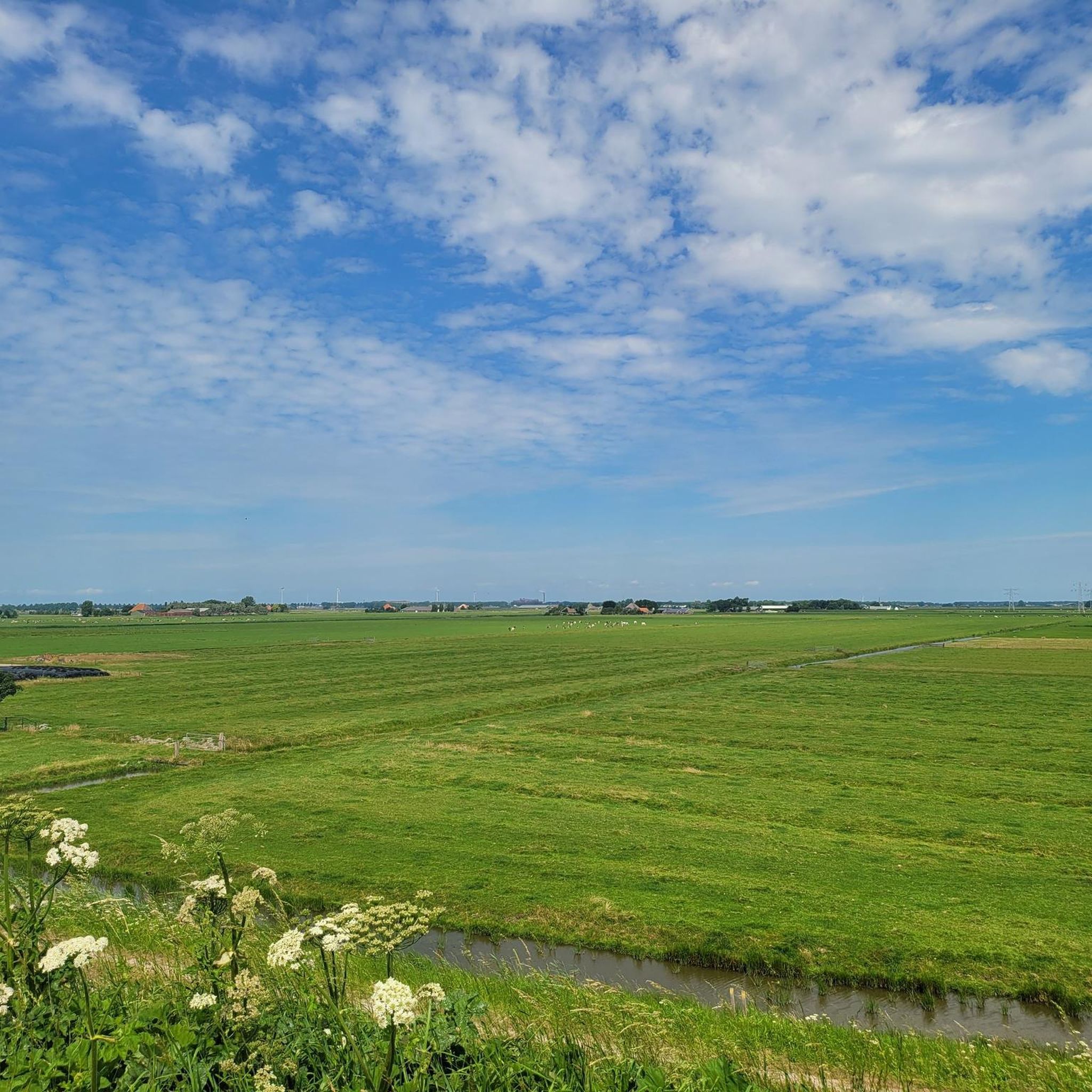
Running Trails around Schermer
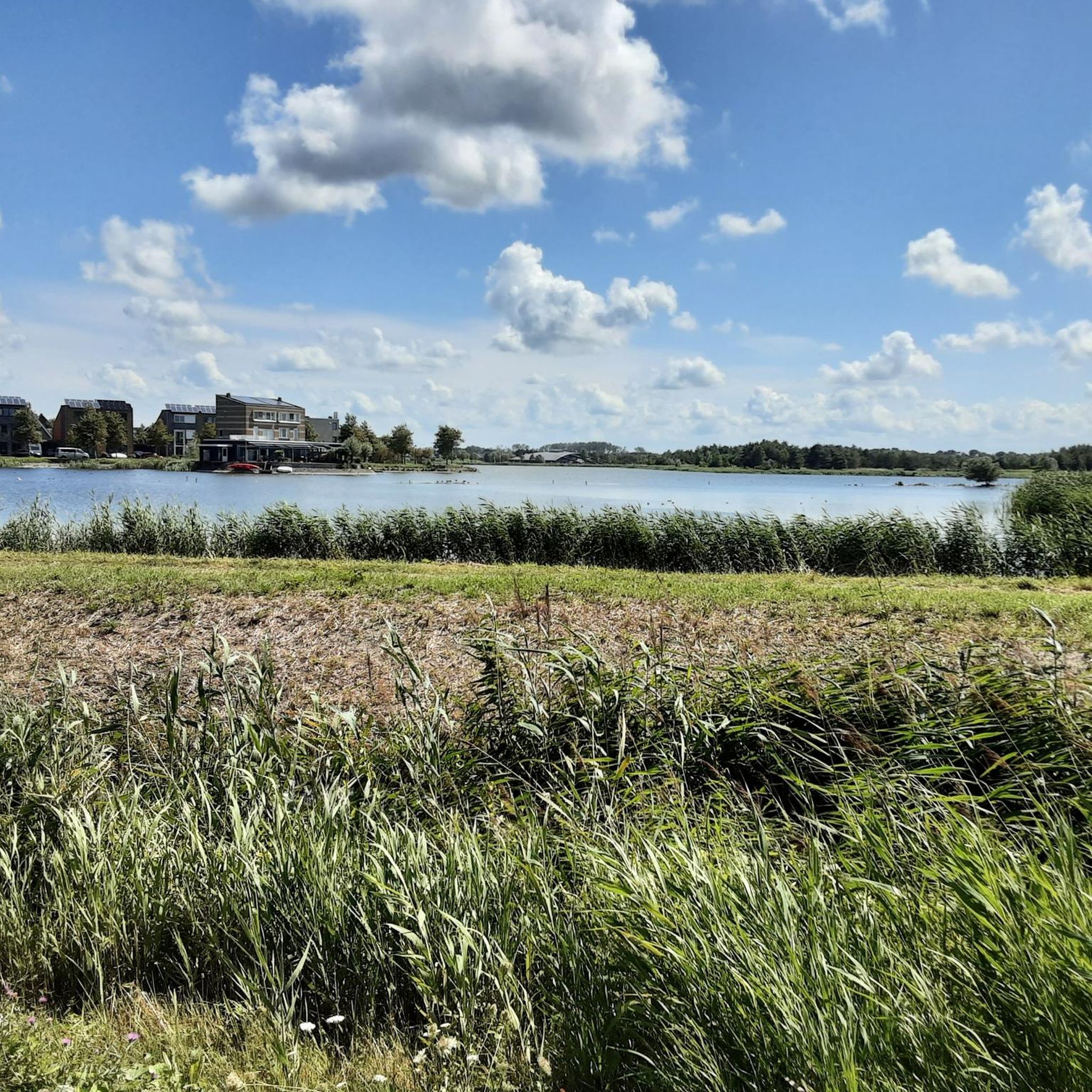
MTB Trails around Schermer
Other adventures around Schermer


Tips from the Community

We stole this tour from Ria. Thanks a lot! It's definitely worth a visit, and the hike along the polders and flower fields is a dream! 🤩👍
0
0

Demolished castle complex
0
0

Beautiful old chapel, very beautiful 🤩
1
1


The castle cannot be visited, but the park is worth a visit. A good ten years ago, the facility was laid out based on historical models. Coffee and cake will be served in the visitor center.
0
0

When Beerwout I of Egmont was appointed deputy to the Count of Holland in 1129, he strengthened his farm. A battle then broke out between the ruler of the abbey of Egmond and the lord of Egmond. Allard van Egmond was born here in 1130. During the Loons War, this house was destroyed in 1203, and Wouter van Egmont built a ring castle on the site with a heavy tower and shield wall on the south side. Around 1285, William II of Egmont must have expanded the house with an outer bailey and rampart towers. In 1573, troops of Diederik Sonoy set fire to the castle and chapel on behalf of William of Orange, because the castle was not allowed to fall into Spanish hands. In the 18th century, the Lords of Egmond bought the property back, and Jan van Egmond van Nijenburg had two towers restored. In 1798 the property was sold to scrappers. In the 1930s the remains were found in the swamp and can still be viewed. Source: Wikipedia
4
0
Egmond Castle or Slot op den Hoef is a former castle (and ancestral castle of the House of Egmont) located in the heart of Egmond aan den Hoef in the municipality of Bergen, North Holland. Source: Wikipedia
4
0

The ruins of the moated castle are worth a stop to find out about the history of the place. And the chapel next door is also very beautiful.
2
1
Frequently Asked Questions
What kind of historical sites are referred to as 'castles' in the Schermer region?
The Schermer region, known for its unique polder landscape and water management history, features historical sites that are often referred to as castles, but are typically ruins, estates, or fortified structures rather than traditional medieval fortresses. These sites reflect the region's rich past and engineering ingenuity, such as the remains of Egmond Castle Ruins (Slot op den Hoef) or the historically laid-out park of Assumburg Castle.
Are there any actual castle ruins to explore in the Schermer area?
Yes, you can explore the remains of Egmond Castle Ruins (Slot op den Hoef). This former ancestral castle of the House of Egmont was destroyed in 1573, but its foundations and some structures can still be viewed in Egmond aan den Hoef.
Can I enter all the castles or historical sites around Schermer?
Not all sites are fully accessible. For example, while Assumburg Castle has a beautiful, historically laid-out park that is open to visitors, the castle building itself cannot be entered. Similarly, the castle building at Marquette Estate is not open to the public, though the estate grounds can be explored via hiking and cycling trails.
What historical significance do these sites hold for the Schermer region?
These sites offer insights into the region's past, from noble residences to defensive lines. The Schermer polder itself is a testament to 17th-century Dutch engineering, with its geometric layout and canals. Sites like Fort Resort Beemster are part of the larger Defense Line of Amsterdam, showcasing the area's strategic importance in water management and defense.
Are there family-friendly historical sites or 'castles' near Schermer?
Many of the historical sites are family-friendly. For instance, the Egmond Castle Ruins and Slot Chapel Egmond aan den Hoef are located in picturesque settings suitable for families. The park around Assumburg Castle also offers a pleasant experience for all ages.
What outdoor activities can I do near these historical sites?
The unique polder landscape around Schermer is ideal for outdoor activities. You can find numerous hiking, cycling, and mountain biking routes. For example, explore the trails around Marquette Estate or enjoy the vast, open scenery. You can find detailed routes in guides like Hiking around Schermer or MTB Trails around Schermer.
Are there specific hiking routes that incorporate these historical sites?
Yes, the Marquette Estate, for instance, offers lovely walks through its old estate. The surrounding polder landscape, with its canals and land divisions, provides many opportunities for walking and cycling, allowing you to appreciate the historical context. Check out the Hiking around Schermer guide for routes that pass by various points of interest.
What is the best time of year to visit the historical sites around Schermer?
The Schermer region is beautiful year-round, but spring (April-May) is particularly scenic when the bulb fields are in bloom, especially around Egmond aan den Hoef. Summer offers pleasant weather for outdoor activities, while autumn provides a different charm with changing colors. Winter visits can be peaceful, though some facilities might have reduced hours.
What kind of natural features can I expect to see when visiting these sites?
The historical sites around Schermer are set within the distinctive polder landscape, characterized by vast, open scenery, geometric land divisions, canals, and iconic windmills. Near Slot Chapel Egmond aan den Hoef, you'll find meadows, dunes, and polder landscapes, offering a blend of cultural and natural beauty.
Are there any amenities like cafes or restaurants near these historical sites?
While specific amenities vary by location, many villages within the Schermer polder, such as Schermerhorn or Egmond aan den Hoef, offer local cafes and restaurants. For example, the visitor center at Assumburg Castle serves coffee and cake.
What do visitors enjoy most about the historical sites in the Schermer region?
Visitors appreciate the unique blend of history and nature. The opportunity to explore the remains of sites like Egmond Castle Ruins, walk through the historically laid-out park of Assumburg Castle, and experience the vast polder landscape with its iconic windmills is highly valued. The peaceful atmosphere and the insight into Dutch water management history are also frequently mentioned.
Is it possible to visit these historical sites using public transport?
Public transport options vary depending on the specific site. Many villages in the Schermer region are accessible by bus, though some sites might require a short walk or cycle from the nearest stop. Planning your route in advance using local transport information is recommended.
Most popular routes around Schermer
Most popular attractions around Schermer

Get inspired with the komoot mobile app


Explore more
Looking for the best castles somewhere else? Discover other guides around Schermer:
