Top 7 Castles around Lagos
Best castles around Lagos are found in a region known for its historical significance and strategic coastal location in Portugal. This area features a rich past, with fortifications dating back centuries, reflecting its role in maritime defense and trade. The landscape combines Atlantic coastline with historical town centers, offering a blend of natural beauty and cultural heritage. The presence of ancient walls and forts highlights the region's historical importance as a fortified town.
Best castles around Lagos
- The most popular…
Last updated: July 9, 2026
Ponta da Bandeira Fort
Highlight • Historical Site
Tuesday to Sunday
10:00 am - 12:30 pm
14:00 - 17:30
Closed on Mondays
Translated by Google •
Tip by

Almádena Fort
Highlight • Historical Site
Translated by Google •
Tip by

Sign up now to discover places like this
Get recommendations on the best single tracks, peaks, & plenty of other exciting outdoor places.
Sign up for free
São João do Arade Castle
Highlight • Castle
Translated by Google •
Tip by

Castle of S. João de Arade 🏰 Angrinha Beach
Highlight • Castle
Translated by Google •
Tip by

Angrinha Beach
Highlight • Beach
Translated by Google •
Tip by

Sign up for free to discover even more castles around Lagos.
Sign up for free
Already have an account?
Start today with a free account
Your next adventure awaits.
Login or Signup
Popular around Lagos
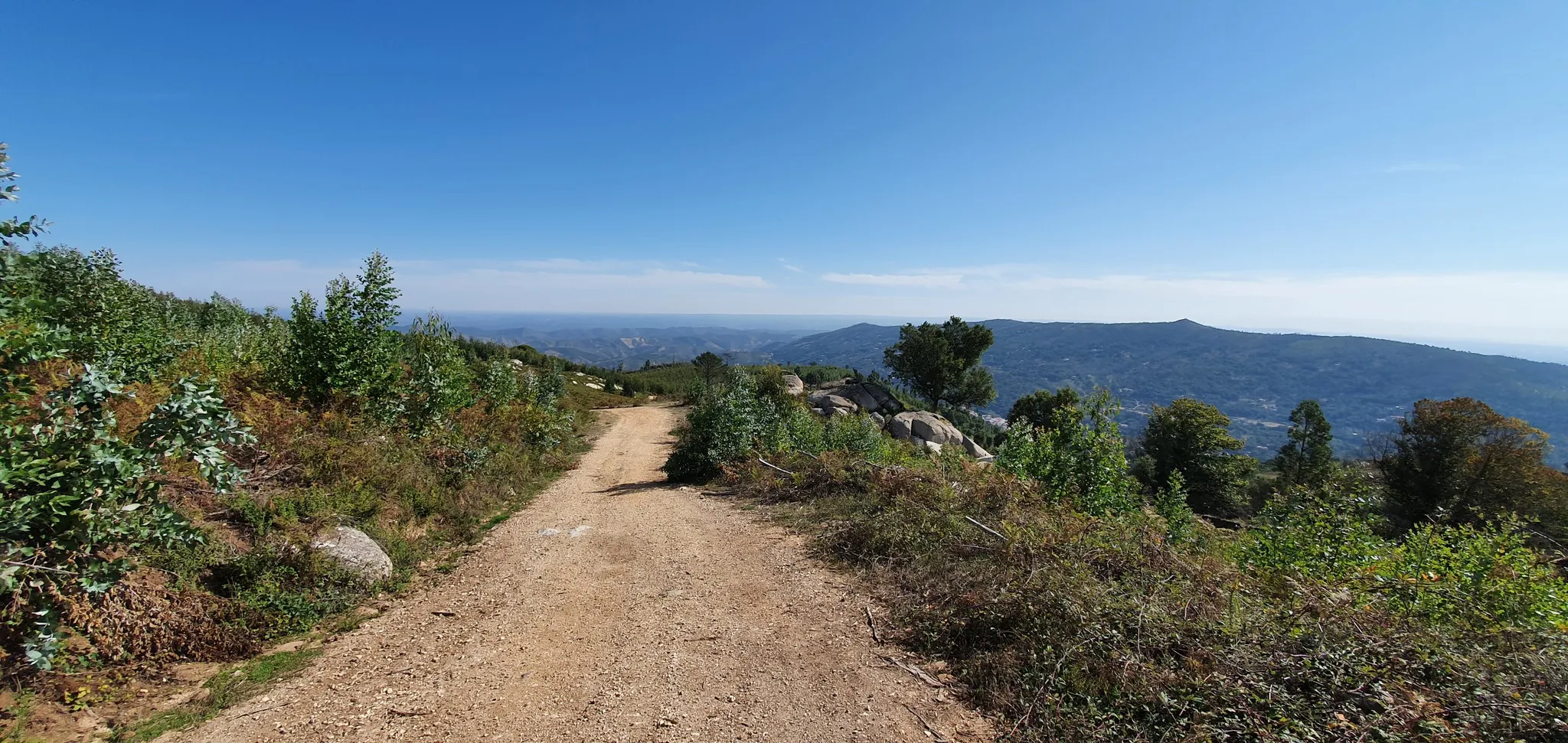
Via Algarviana (GR 13) - hidden corners of the south
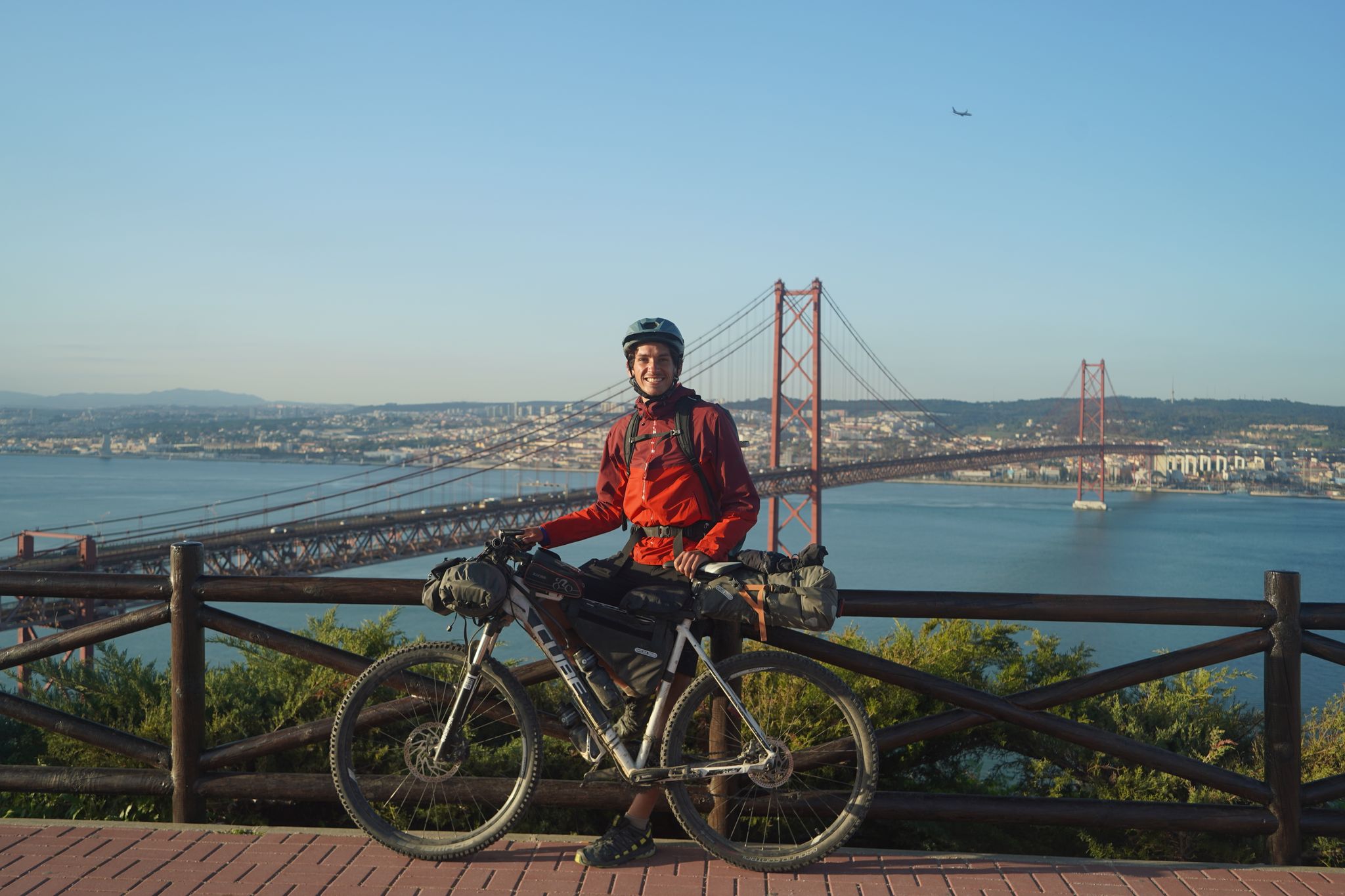
Road to Lisbon – bikepacking the Alps, Pyrenees and Picos de Europa
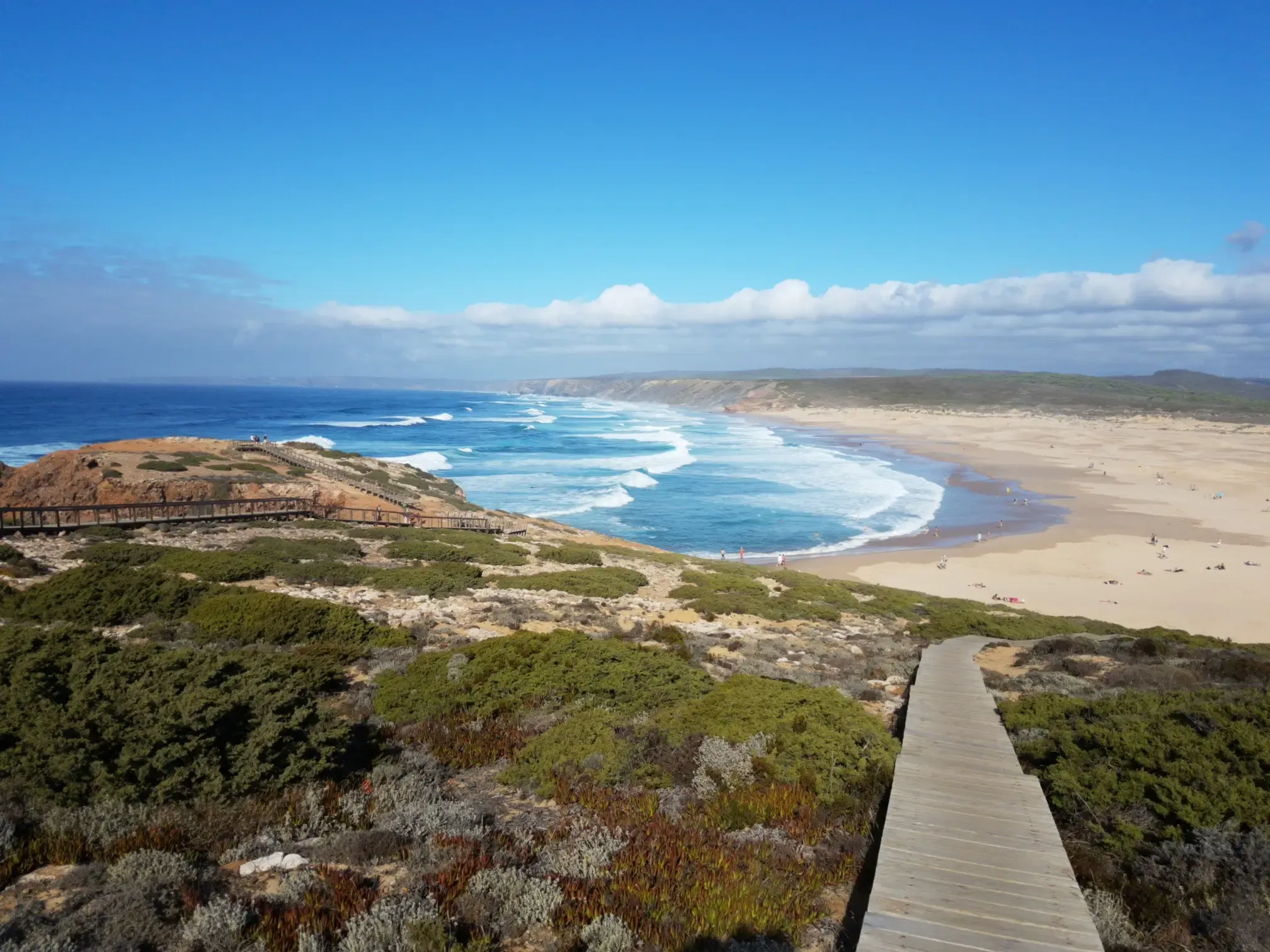
Lisbon to Santo António – The Atlantic Coast of Portugal (south)
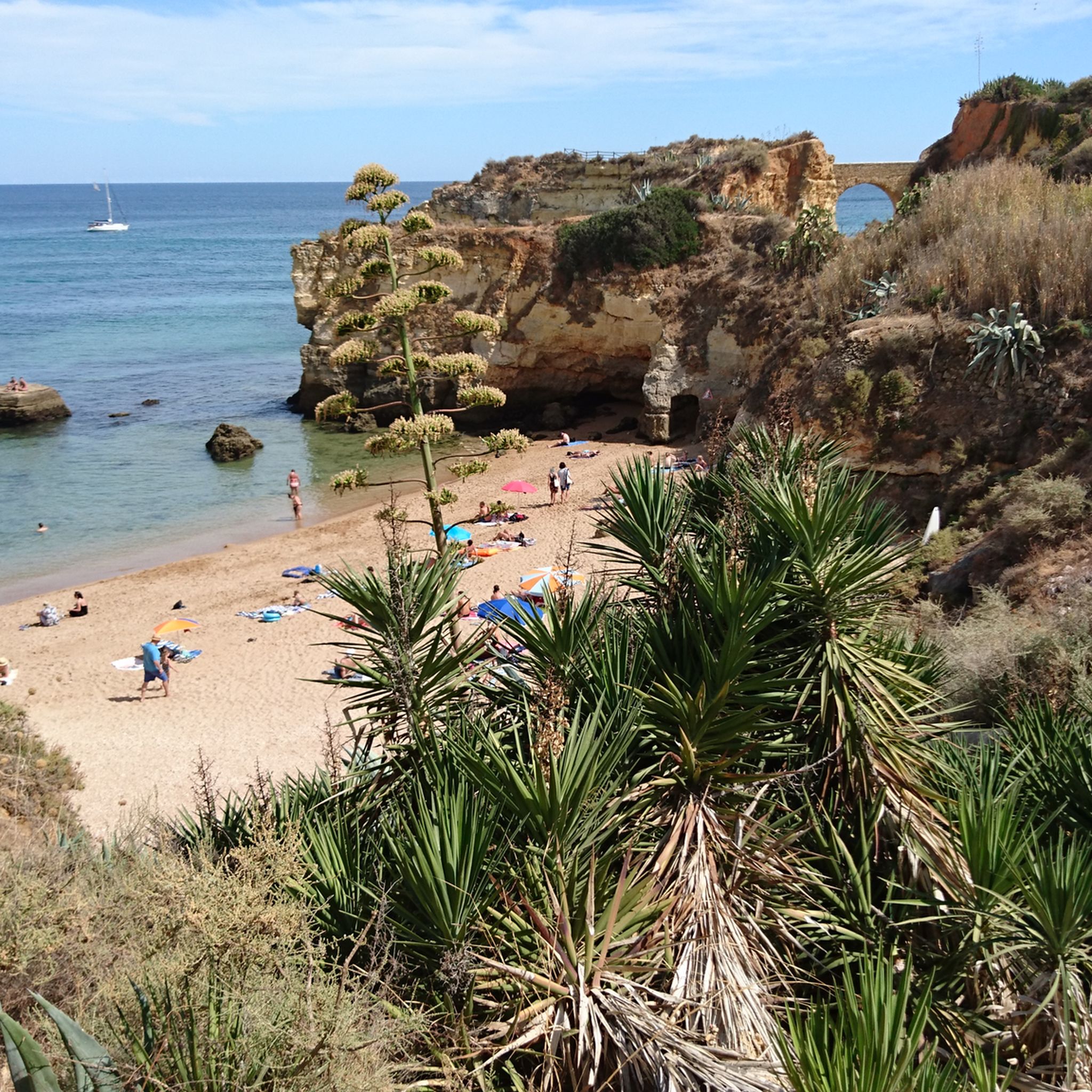
Hiking around Lagos
Running Trails around Lagos
Cycling around Lagos
Road Cycling Routes around Lagos
MTB Trails around Lagos

Gravel biking around Lagos
Other adventures around Lagos


Tips from the Community

Castelo de São João do Arade is an old fort in Ferragudo, built to defend the mouth of the Rio Arade River from pirates and invasions. It is situated on a rocky outcrop between Praia da Angrinha and Praia Grande. The fort is now privately owned and not open to the public, but it is a striking and photogenic part of Ferragudo's coastal landscape.
3
0
The Forte da Ponta da Bandeira is a 17th-century coastal fort in Lagos, Portugal, originally built between 1680 and 1690 to defend the city from maritime threats. The fort is designed with a square plan, thick walls facing the sea, and a surrounding moat, accessible via a drawbridge. It contains a small chapel dedicated to Santa Bárbara, the patron saint of artillery, completely clad in 17th-century azulejos.
2
0

The fortress withstood the earthquake of 1755, but was abandoned when piracy ceased to threaten the coast.
0
0

The area where the castle stands has been inhabited since at least Roman times, due to the presence of salting tanks nearby. In the 15th century, a watchtower was built. In the early 17th century, under Philippine rule, the government began a programme to build several fortresses along the coast to defend it from attacks by pirates and corsairs. A fortress was planned to be built at the mouth of the Arade River, although initially no agreement was reached on which side of the mouth it should be built. The Italian military engineer Alexandre Massai argued in favour of the left bank, where Vila Nova de Portimão could be better defended, and so the fortress was built on this side. It was only after the restoration of independence in 1640 that plans began to be made to build the castle on the right bank, as a way of protecting the coast from Spanish attacks. The works took place between 1643 and 1644, on the site of the old watchtower, known as Ferragudo Castle, which was no longer considered strategically effective. In fact, it served not only to protect but also to control the mouth of the Arade, and was a customs registration point for ships sailing along the river to the city of Silves. In 1654, the castle underwent a process of refurbishment. The building was gradually abandoned and was already in ruins by 1669. However, the castle was still subject to extension works in the 18th century, and was only slightly damaged by the 1755 earthquake, due to the solid rock on which it was built. In 1821, two batteries were still in operation on the highest part of the castle, both with gun ports. By 1861 it was once again in ruins, and in 1892 it was leased to the writer and diplomat Joaquim José Coelho de Carvalho, whose family had bought the building in 1896. Joaquim de Carvalho carried out renovations at the beginning of the 20th century, which gave it the appearance of a romantic castle. Some time later, it became the property of the politician Francisco Vieira Machado. The monument did not undergo any major renovations in the 20th century. The changes that were made to its interior were mainly used to transform it into a holiday home, although much of the building remained in a state of disrepair. In 1976, the Ferragudo Parish Council asked for the fort to be ceded to it, so that a cultural centre could be set up inside.
3
0

The fort has a chapel dedicated to St. Barbara and an azulejo group from the end of the 18th century. The building, which was restored in the 1960s, is the bookplate among the sea fortresses of the Lagos fortifications. See: https://www.visitportugal.com/de/NR/exeres/C411AAEA-06C3-48DE-AF94-F497E49D39D5
5
0
Outside the old walled city stands the Fortaleza de Nossa Senhora da Penha de França, commonly known as Forte da Ponta da Bandeira. The fortress was built at the end of the 17th century to defend Lagos. Access is via a drawbridge that spans a moat. As it was one of the last defensive points built in Lagos, it is now one of the most beautiful and best preserved. See: https://www.visitportugal.com/de/NR/exeres/C411AAEA-06C3-48DE-AF94-F497E49D39D5
3
0
The Fort of São João do Arade, sometimes referred to as the Castle of Arade, is a medieval fortress in the parish of Ferragudo in the Portuguese Algarve municipality of Lagoa. It is privately owned.
1
0
Praia da Angrinha is located at the wide mouth of the Arade River, south of Ferragudo, in the municipality of Lagoa, Portugal.
0
0
Frequently Asked Questions
Which castles are located directly in or very near Lagos, Portugal?
The Ponta da Bandeira Fort is situated right at the entrance to Lagos harbor. Additionally, remnants of the historic Governor's Castle and the ancient city walls are integral parts of Lagos's old town, offering easy access and views of the town and ocean.
Are there any family-friendly castles to visit around Lagos?
Yes, the Ponta da Bandeira Fort is categorized as family-friendly. Its well-preserved structure, small museum, and chapel with *azulejos* offer an engaging experience for all ages. The fort's strategic location also provides stunning views of the coastline.
What kind of historical insights can I gain from visiting the castles in Lagos?
Visiting the castles and fortifications in Lagos offers a deep dive into the region's strategic importance. Structures like the Governor's Castle and the ancient city walls showcase Lagos's evolution as a fortified town, its role in Portugal's Age of Discoveries, and its resilience through events like the 1755 earthquake. The Ponta da Bandeira Fort, for example, provides insight into 17th-century defensive strategies against pirates and invaders.
What outdoor activities can I do near the castles around Lagos?
The region around Lagos offers numerous outdoor activities. You can find various hiking routes, including coastal trails that pass by historical sites. There are also road cycling routes and running trails that allow you to explore the natural beauty and historical landmarks of the area.
What is the best time of year to visit the castles in Lagos?
The best time to visit the castles and explore the region around Lagos is generally during the spring (April to June) and autumn (September to October). During these months, the weather is pleasant for walking and exploring, avoiding the peak summer heat and crowds, while still offering good conditions for outdoor activities.
Are there any castles that offer panoramic views of the coast or town?
Yes, several castles and fortifications offer excellent views. The remnants of the Governor's Castle provide expansive views of Lagos town and the Atlantic Ocean. The Ponta da Bandeira Fort offers stunning views of the coastline and the ocean. Additionally, the Almádena Fort, though a ruin, provides lovely views of the coast.
What are the accessibility options for visiting the castles in Lagos?
Accessibility can vary. The Ponta da Bandeira Fort is generally accessible, being a well-preserved structure at the harbor entrance. For the ancient city walls and Governor's Castle remnants, access involves navigating the historic town center, which may have uneven surfaces. It's advisable to check specific site conditions for detailed accessibility information.
Can I visit the São João do Arade Castle?
The São João do Arade Castle is a striking and photogenic part of the coastal landscape, situated on a rocky outcrop between Praia da Angrinha and Praia Grande. However, it is privately owned and not open to the public for interior visits. You can admire it from the outside and walk around it along the shoreline.
Are there any cafes or amenities near the castles in Lagos?
Given that the Governor's Castle remnants and ancient city walls are within the historic center of Lagos, you'll find numerous cafes, restaurants, and other amenities nearby. The Ponta da Bandeira Fort is also conveniently located near the harbor, offering easy access to nearby establishments.
What should I wear when visiting the castles in Lagos?
Comfortable walking shoes are highly recommended, as you'll likely be exploring historical sites with uneven terrain, cobblestones, and potentially stairs. Light, breathable clothing is suitable for warmer months, while a light jacket or sweater might be useful during cooler seasons or evenings, especially along the coast where it can be breezy.
How long does it typically take to visit the castles around Lagos?
The time required can vary. Visiting the Ponta da Bandeira Fort might take 30 minutes to an hour, including its small museum. Exploring the ancient city walls and the remnants of the Governor's Castle within the old town could take a couple of hours, depending on how much you wish to wander. The Almádena Fort, being a ruin, might be a shorter stop for views.
Is there an entrance fee for the castles in Lagos?
Entrance fees vary by site. For example, the Ponta da Bandeira Fort, which houses a museum, typically has an entrance fee. However, exploring the ancient city walls or the exterior remnants of the Governor's Castle in Lagos's old town is generally free. It's always best to check the latest information for specific sites before your visit.
Most popular attractions around Lagos

Get inspired with the komoot mobile app


Explore more
Looking for the best castles somewhere else? Discover other guides around Lagos:
