Top 7 Lakes around Faro
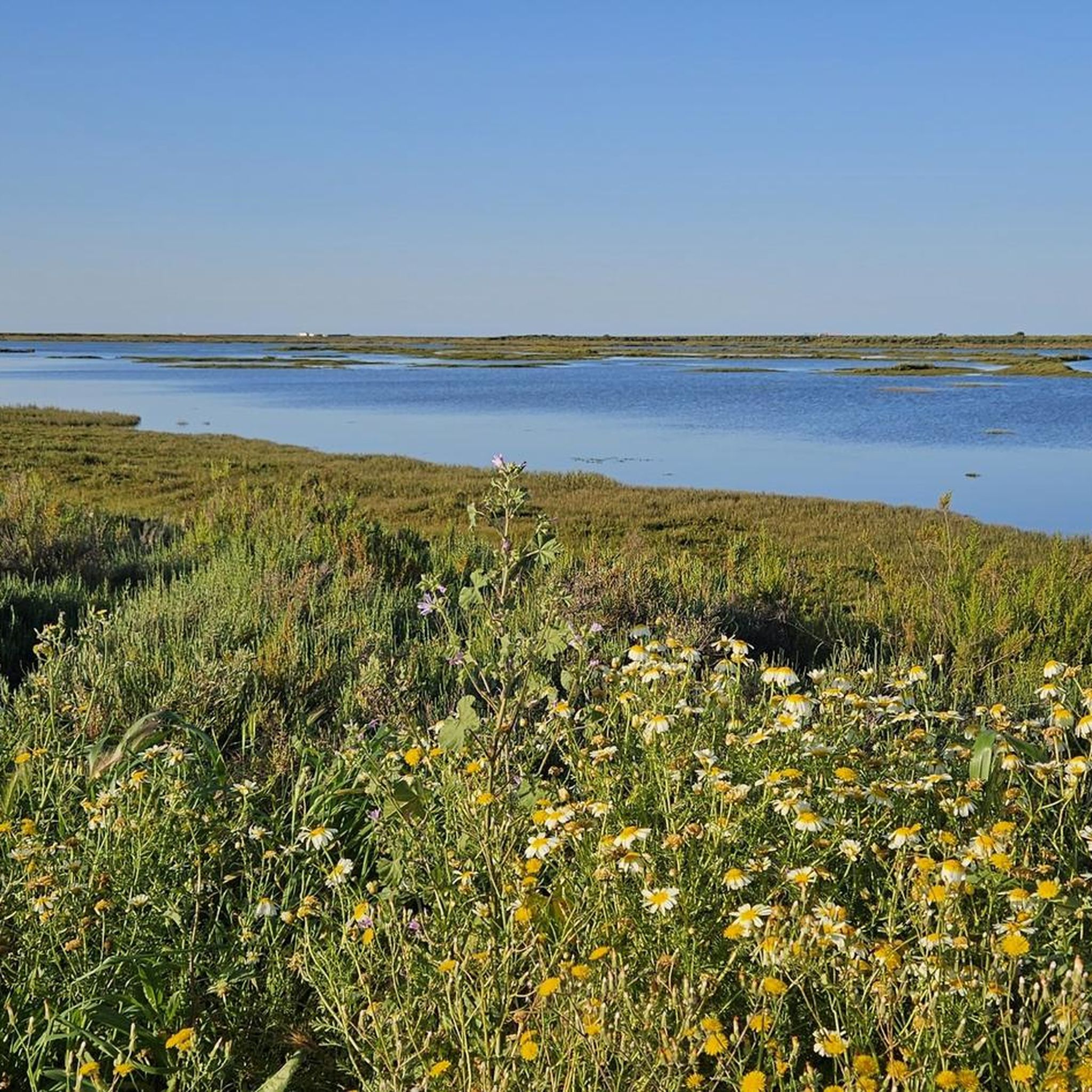
Best lakes around Faro are primarily found within the Ria Formosa Natural Park, an expansive coastal lagoon system. This internationally important wetland stretches for approximately 60 kilometers along the Algarve coastline, featuring a dynamic environment of barrier islands, salt marshes, and a complex labyrinth of waterways. It serves as a vital ecosystem for diverse wildlife, including numerous bird species. The region offers unique natural beauty and recreational opportunities within these lagoon-like areas.
Best lakes around Faro
- The most popular lakes…
Last updated: July 23, 2026
Birdwatching 🐦 Ancão Estuary, Natural Park
Highlight • Viewpoint
Tip by

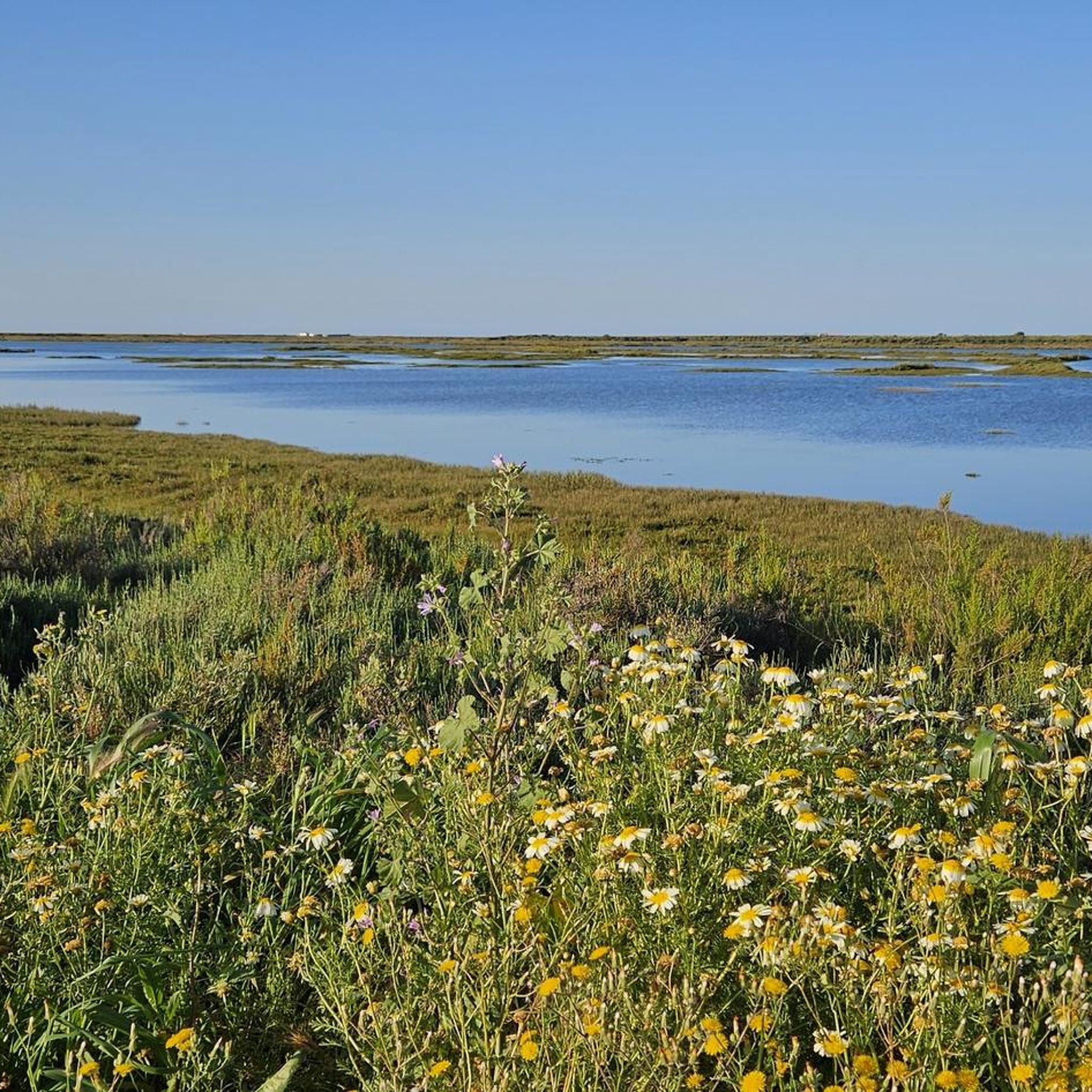
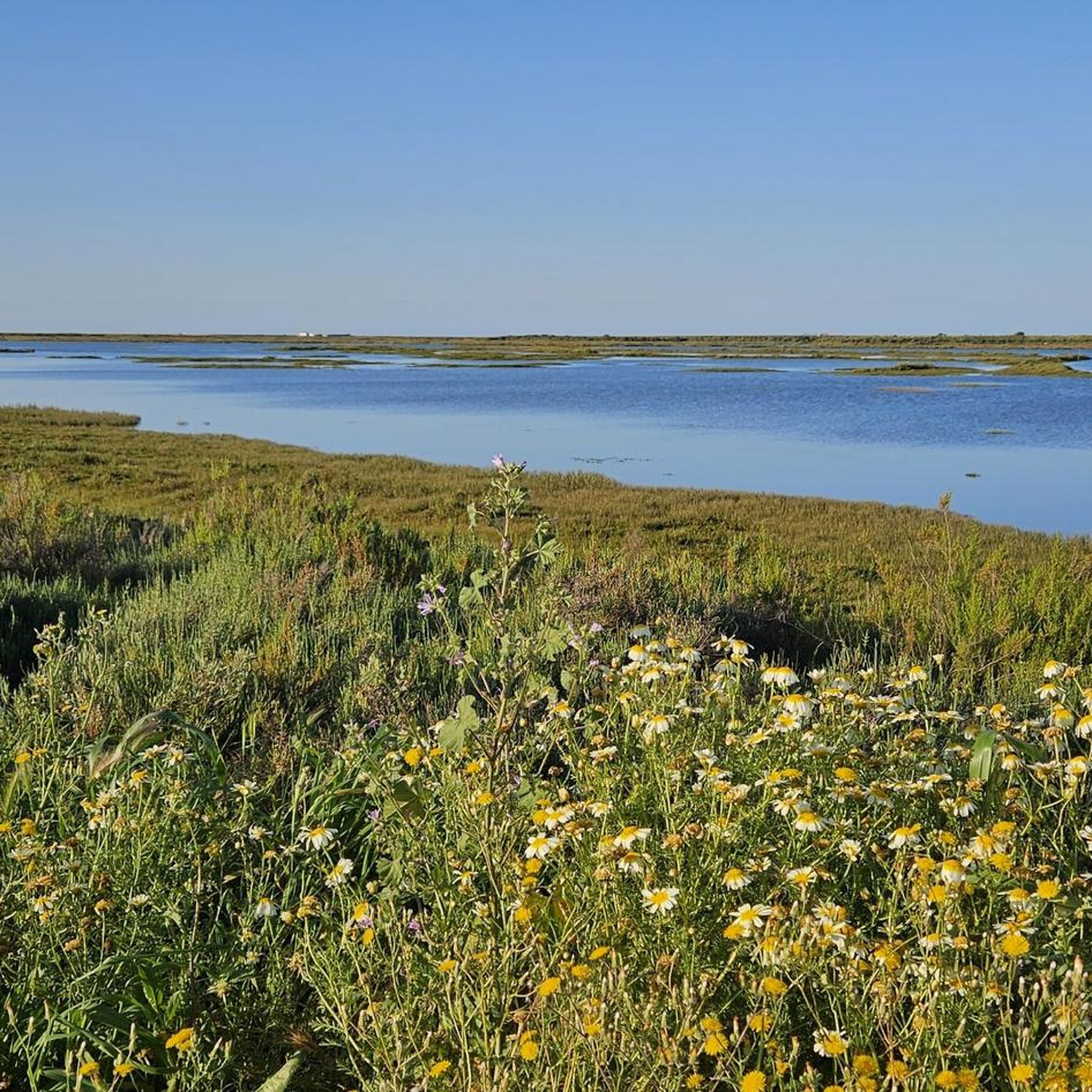
Ria Formosa Marshlands
Highlight • Natural
Translated by Google •
Tip by

Sign up now to discover places like this
Get recommendations on the best single tracks, peaks, & plenty of other exciting outdoor places.
Sign up for free
Ria Formosa Natural Park
Highlight • Natural Monument
Translated by Google •
Tip by

Flamingos in Ria Formosa
Highlight • Natural
Translated by Google •
Tip by

Ria Formosa Natural Park
Highlight • Natural Monument
Translated by Google •
Tip by

Sign up for free to discover even more lakes around Faro.
Sign up for free
Already have an account?
Start today with a free account
Your next adventure awaits.
Login or Signup
Other adventures around Faro

Tips from the Community

Great vantage point for bird watching.
2
0

In addition to flamingos, which can be seen in several places, there are many other bird species worth seeing in the protected natural landscape of the Ria Formosa. The flamingos are shy and you can only approach them with caution because they immediately move on if people come too close.
4
0
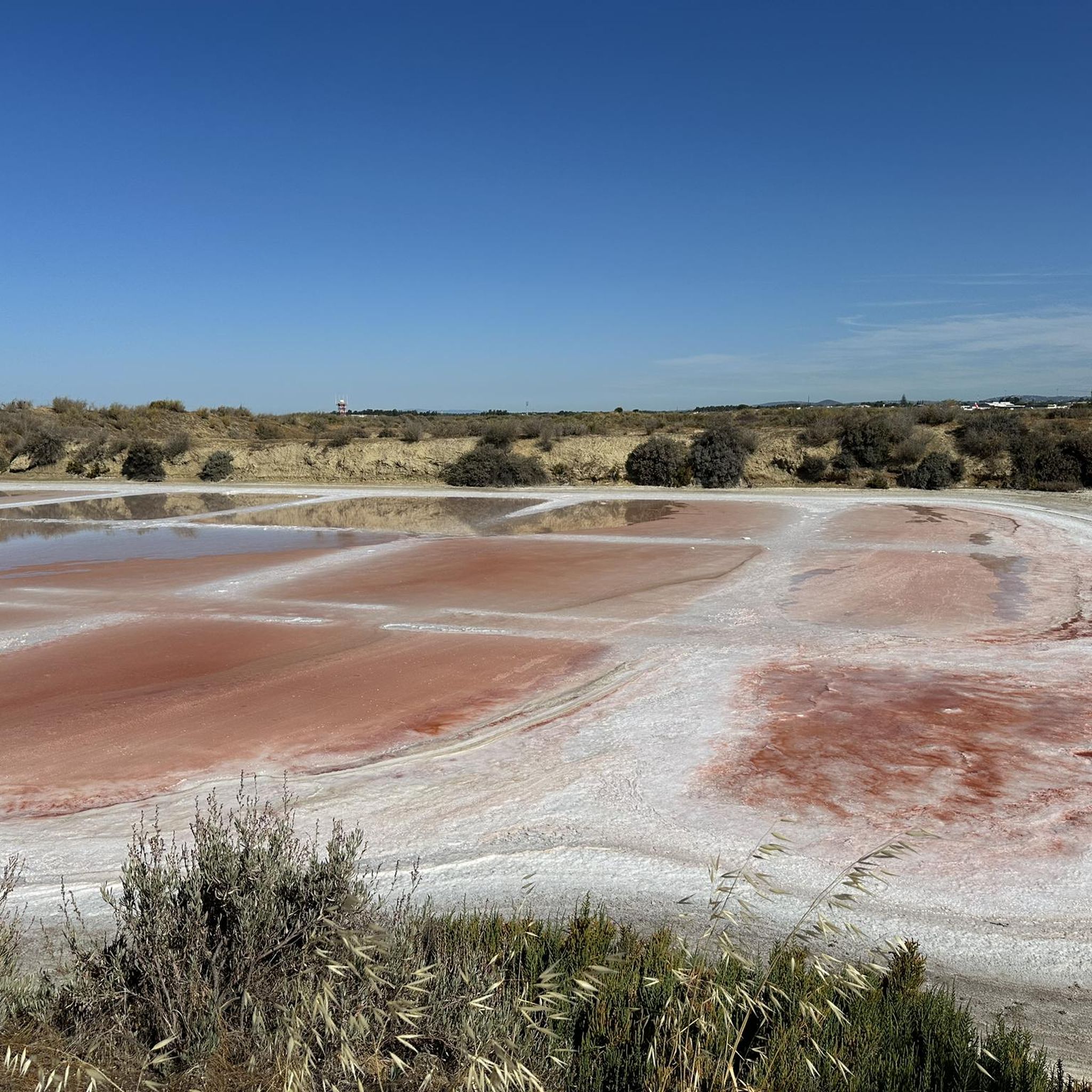
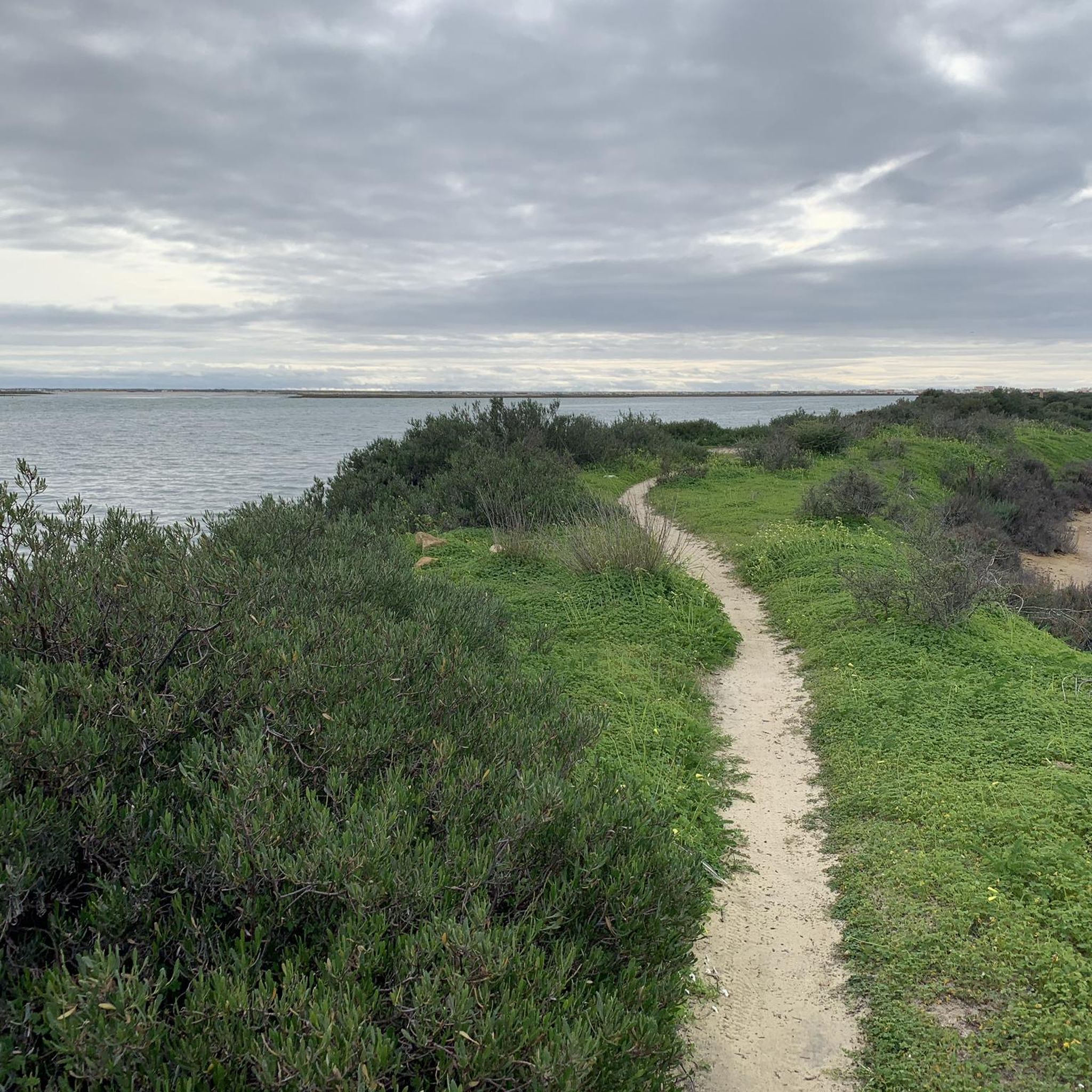
The Ria Formosa is a protected natural park, which has a barrier of offshore islands and fills and empties with the tides. This is where mussel hunters go, salt is extracted and you can observe the wildlife. Crabs, storks, flamingos and many other bird species. From the entrance to the Praia de Faro strip of land there is the Ludo Trail. A dream route for hikers and cyclists. This nature trail is beautifully laid out on paved paths and wooden bole paths and you can make detours to the beach at several points.
2
0

A trip to Loule is a worthwhile destination. A visit to the town's market hall is highly recommended, it's a hustle and bustle and you can find everything from fish to cheese, as well as fruit and ham!
2
0

Great path, much of it on wooden footbridges that are in very good shape. Storks, flamingos and other bird species can be observed here
4
0
Here you can watch 🦩
4
0

Great overlook tower for the coastal migratory and local bird life
1
0

The point at this point is completely wrong! That's why I didn't go back the beautiful wooden path that really goes over the salt marshes. There is only a gravel path between the houses and the dogs bark at you.
0
0
Frequently Asked Questions
What kind of 'lakes' can I expect to find around Faro?
Faro is renowned for its stunning coastal lagoon system, the Ria Formosa Natural Park, rather than traditional inland freshwater lakes. This expansive wetland features an intricate network of channels, islands, marshes, and sandbanks, offering unique natural beauty and recreational opportunities. These lagoon-like areas are dynamic and constantly shaped by tidal currents.
What wildlife can I observe in the Ria Formosa Natural Park?
The Ria Formosa Natural Park is a vital ecosystem, particularly attracting numerous bird species. You can often spot flamingos, storks, and the purple swamphen (the park's official symbol). The park's diverse environments, including the Ria Formosa Marshlands and the Ancão Estuary, are excellent for birdwatching. You might also encounter crabs and other marine life.
Are there opportunities for hiking or walking around the lagoons near Faro?
Yes, the Ria Formosa Natural Park offers various trails and boardwalks for walking and hiking. A popular option is the Ludo Trail, which is beautifully laid out on paved paths and wooden boardwalks, allowing for detours to the beach. The Birdwatching 🐦 Ancão Estuary also features well-maintained wooden footbridges, ideal for leisurely strolls and nature observation.
What other outdoor activities are available near the lagoons?
Beyond walking and birdwatching, you can enjoy boat tours, kayaking, and stand-up paddleboarding in the calmer lagoon waters, especially around areas like Ilha de Faro. Cycling is also popular, with routes like the 'Saltworks trail' and 'Ria Formosa Natural Park Loop' available. You can find more cycling routes in the MTB Trails around Faro and Road Cycling Routes around Faro guides.
Can I go swimming in the lagoon areas around Faro?
Yes, many of the barrier islands within the Ria Formosa system, such as Ilha de Faro, Ilha Deserta, and Ilha da Culatra, offer lagoon-facing sides with calmer, often warmer waters suitable for swimming. The Ribeira da Carrapateira Lagoon is also known for its shallow and warm waters at high tide, providing a unique swimming experience.
What is the best time of year to visit the Ria Formosa Natural Park?
The Ria Formosa Natural Park is beautiful year-round. However, for birdwatching, winter and migration seasons are particularly rewarding due to the influx of various species, including flamingos. Spring and autumn offer pleasant temperatures for outdoor activities, while summer is ideal for enjoying the beaches and warmer lagoon waters, though it can be busy.
Are the lagoon areas around Faro suitable for families?
Absolutely. Many areas within the Ria Formosa Natural Park are family-friendly. The calm, shallow waters on the lagoon side of the barrier islands are safe for children to swim. Highlights like Ria Formosa Natural Park and Birdwatching 🐦 Ancão Estuary are listed as family-friendly, offering accessible paths and opportunities for nature observation.
How can I reach the Ria Formosa Natural Park and its islands?
The Ria Formosa Natural Park is easily accessible from Faro. You can reach parts of the park by car, and public transport options are available to certain entry points. To explore the barrier islands like Ilha Deserta, Ilha da Culatra, or Ilha do Farol, regular ferry services and boat tours depart from Faro and Olhão. Ilha de Faro is the most accessible beach from the city.
Are there accessible trails for all visitors in the lagoon areas?
Yes, several areas feature accessible trails. The Birdwatching 🐦 Ancão Estuary, for instance, has much of its path on well-maintained wooden footbridges, making it suitable for a wider range of visitors. The Salgados Lagoon Boardwalk also offers accessible views of the lagoon's ecosystem.
Can I bring my dog to the trails around the lagoons?
While specific regulations can vary, many natural areas in Portugal are generally dog-friendly, especially on trails, provided dogs are kept on a leash and waste is picked up. It's always best to check local signage or specific park guidelines for the most up-to-date information regarding pet access in the Ria Formosa Natural Park.
What are some unique natural features of the Ria Formosa Natural Park?
The Ria Formosa is a dynamic environment constantly shaped by tidal currents, featuring a unique combination of barrier islands, salt marshes, and a complex labyrinth of waterways. It's one of Portugal's seven natural wonders and an internationally important wetland. The park is also known for traditional activities like mussel hunting and salt extraction, which have shaped its landscape and culture.
Where can I observe flamingos in the Faro region?
Flamingos are a common sight in the Ria Formosa Natural Park, particularly in the salt pans and marshland areas. Highlights such as Flamingos in the Parque Natural da Ria Formosa and Flamingos in the Parque Natural da Ria Formosa are specifically noted for flamingo sightings. The Ancão Estuary is also an excellent spot for observing these and other bird species.
Most popular attractions around Faro

Get inspired with the komoot mobile app


Explore more
Still not found your perfect lake around Faro? Check out the guides of these regions to see even more beautiful places.
