Top 5 Castles around Gotland
Best castles around Gotland are found on this Swedish island in the Baltic Sea, known for its medieval past and impressive fortifications. Gotland is Sweden's largest island, featuring sandy beaches, limestone cliffs, and unique rock formations. Its capital, Visby, is a UNESCO World Heritage Site recognized for its historic city center and well-preserved medieval structures. The island offers a glimpse into its strategic history through its various defensive ruins and structures.
Best castles around Gotland
- The most popular castles is…
Last updated: May 13, 2026
Visby City Wall — South Gate
Highlight • Historical Site
These smaller gates were created in 1947 because of increasing vehicle traffic especially for pedestrians.
Translated by Google •
Tip by

Destination Gotland
Highlight • Settlement
Translated by Google •
Tip by

Sign up now to discover places like this
Get recommendations on the best single tracks, peaks, & plenty of other exciting outdoor places.
Sign up for free
The Maiden's Tower (Jungfrutornet)
Highlight • Historical Site
Translated by Google •
Tip by
Kruttornet (Gunpowder Tower), Visby
Highlight • Historical Site
Translated by Google •
Tip by

North Gate, Visby City Wall
Highlight • Historical Site
Translated by Google •
Tip by
Sign up for free to discover even more castles around Gotland.
Sign up for free
Already have an account?
Start today with a free account
Your next adventure awaits.
Login or Signup

Other adventures around Gotland

Tips from the Community

Destination Gotland operates the popular ferry crossing from the Swedish mainland to the island of Gotland on behalf of the Swedish government. The fleet is one of the most modern in Europe and consists of four high-speed ferries. More than 1.6 million passengers and around 500,000 vehicles are transported to Gotland annually. The ferries depart from Nynashamn and Oskarshamn on the Swedish mainland and arrive in Visby on the west side of Gotland. The crossing takes approximately three hours and is offered up to nine times daily during the summer. Source: https://www.directferries.de/destination_gotland.htm?gclsrc=aw.ds&&utm_source=google&utm_medium=cpc&gad_source=1&gad_cam paignid=192812179&gbraid=0AAAAAD_Lt7tgSpKZjpqcbfavmQQf-GyK6&gclid=EAIaIQobChMIxrOv1ZjOjgMVNoX9BR2HsTsIEAAYASAAEgL1RvD_BwE
1
0
The city wall encloses Visby's old town for approximately 3.4–3.6 km and was considered one of the most important fortifications in Northern Europe during the Middle Ages. The complex has been a UNESCO World Heritage Site since 1995. It represents one of the best-preserved examples of a Hanseatic city wall.
3
0


Within the city walls of Visby
1
0

Gotland with the city of Visby is always worth a visit -
1
0
The entire city wall, with its many towers, is an absolute eye-catcher and offers great photo opportunities.
1
0
The city’s many preserved towers are simply stunning.
2
0

Visby looks back on a history that goes back thousands of years and is one of the most interesting cities in Sweden. Today, around 24,000 people live in the capital, almost half of the total population of Gotland. However, the area was used by the Vikings many years ago and developed into an important trading center between the 12th and 14th centuries. The extensive city wall was built during this time and is still well preserved today. The good connection to the Baltic Sea played an important role in the development of Visby and Gotland and the port is still of enormous economic importance for the region today.
0
0
Frequently Asked Questions
What types of fortifications can I explore on Gotland?
Gotland is renowned for its medieval past, offering a variety of defensive structures. You'll find impressive city walls, such as the Visby City Wall, as well as significant castle ruins like Visborg Castle and fortified estates like Lojsta Castle. The island also features unique medieval defense towers known as 'kastals', which are characteristic of Gotland's historical landscape.
Which historical sites are a must-see for history enthusiasts?
For history buffs, the entire Visby City Wall is a highlight, being one of Europe's best-preserved medieval fortifications. Don't miss the Kruttornet (Gunpowder Tower), the oldest tower of the city wall, dating back to the 12th century. Exploring the ruins of Visborg Castle near Visby harbor offers insight into Gotland's strategic past and its role as a pirate haven, while Lojsta Castle provides a unique perspective on medieval defensive architecture.
Are there family-friendly castles or historical sites on Gotland?
Yes, many of Gotland's historical sites are suitable for families. The Visby City Wall, including its Maiden's Tower and Gunpowder Tower, offers an engaging experience for all ages, allowing visitors to walk along or beside the wall and imagine medieval life. Exploring the ruins of Visborg Castle also provides an educational and imaginative outing for families.
What is the best time of year to visit Gotland's castles and ruins?
The best time to visit Gotland's castles and ruins is generally during the warmer months, from late spring to early autumn (May to September). During this period, the weather is milder, making it ideal for exploring outdoor sites like the Visby City Wall and castle ruins. Many facilities and attractions are also fully operational.
Can I find any hidden gem fortifications on Gotland?
Beyond the well-known Visby City Wall, consider exploring Lojsta Castle. Located on an island in the Lojsta Lakes, its ruins offer a unique glimpse into a fortified estate once used by pirates. Additionally, seeking out some of Gotland's numerous 'kastals' (medieval defense towers) scattered across the island can provide a look at localized defensive strategies from the medieval period.
What outdoor activities can I do near Gotland's historical sites?
Gotland offers a variety of outdoor activities near its historical sites. You can enjoy hiking on trails like the easy Visby Health Trail or the scenic Östergarnsberget Nature Loop. For runners, there are routes such as the Gotland coastal trail run or the Visby City Wall loop. Cyclists can explore routes like the Högklint Viewpoint loop from Visby. Find more details on these activities in our guides for hiking, running, and cycling around Gotland.
How long should I allocate to visit the main fortifications?
To fully appreciate the main fortifications, such as walking a significant portion of the Visby City Wall and exploring its key towers, you might need half a day. Visiting other sites like Visborg Castle ruins or Lojsta Castle could each take 1-2 hours, depending on your interest level and travel time between locations. Plan for at least a full day to cover a few major sites comfortably.
Are there public transport options to reach castles outside Visby?
While Visby's main fortifications are easily accessible on foot, reaching some of the more remote castle ruins or kastals outside the city often requires a car. Public bus services operate across Gotland, but routes and frequencies to specific historical sites can be limited. Checking local bus schedules in advance is recommended for independent travel.
What natural features can I see near Gotland's castles?
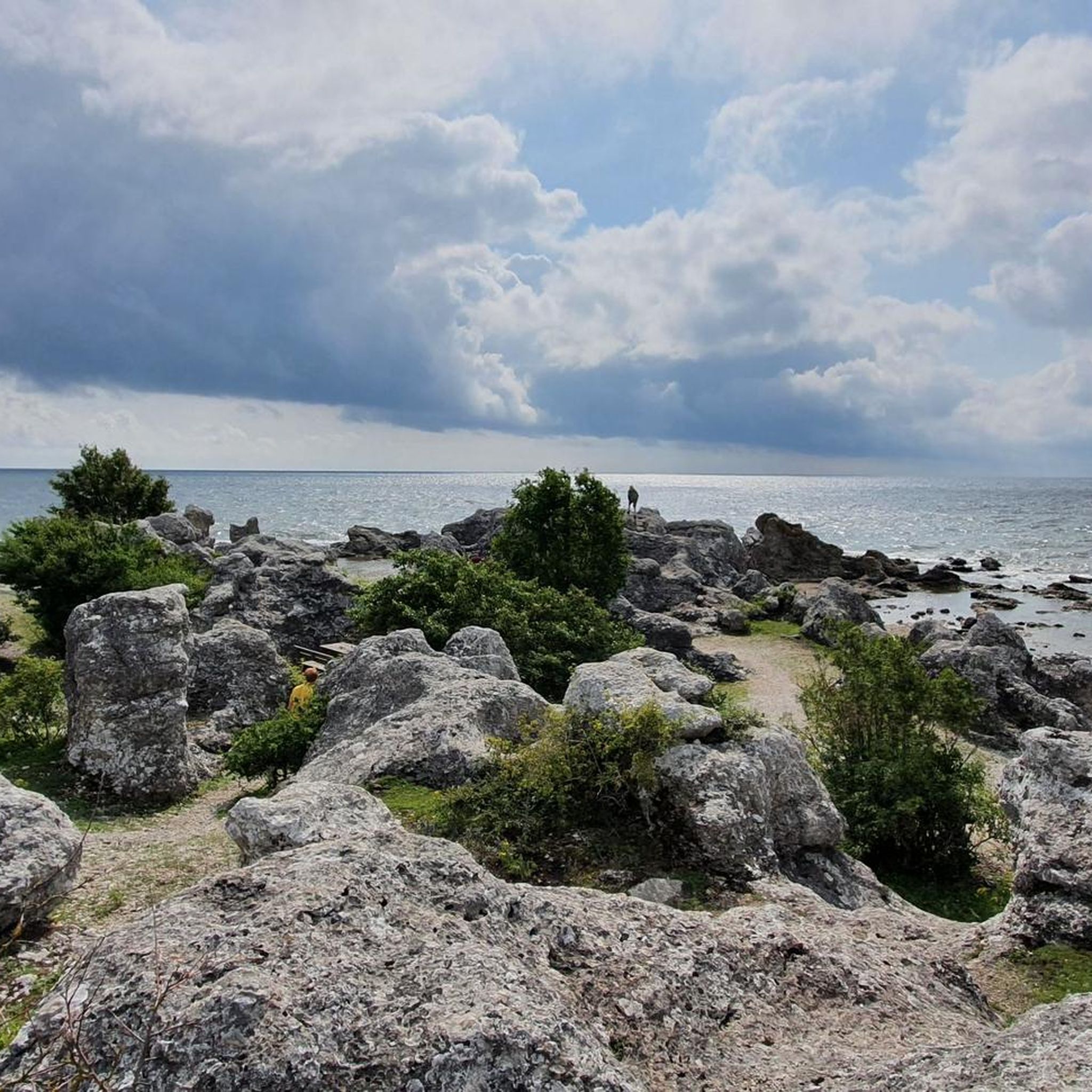
Gotland itself is an island known for its diverse natural beauty. Near the fortifications, especially outside Visby, you can encounter sandy beaches, dramatic limestone cliffs, and unique rock formations. Lojsta Castle, for instance, is situated amidst the picturesque Lojsta Lakes, offering a beautiful natural backdrop to its historical ruins.
What do visitors enjoy most about Gotland's historical sites?
Visitors frequently praise the well-preserved nature of the Visby City Wall, often describing it as an 'absolute eye-catcher' that offers 'great photo opportunities'. The immersive historical experience of walking through a UNESCO World Heritage site and imagining the medieval past is a major draw. The unique blend of history and natural landscapes also contributes to a memorable visit.
Is it possible to visit Gotland's castles during winter?
Yes, Gotland's castles and ruins can be visited during winter, though conditions will be colder and some services might be reduced. The historical sites themselves remain accessible, offering a different, often more serene, experience with fewer crowds. Be prepared for potentially icy conditions and shorter daylight hours.
Most popular routes around Gotland
Most popular attractions around Gotland

Get inspired with the komoot mobile app


