Top 3 Caves around Potelières
Best caves around Potelières are found in the surrounding Gard region and the Cévennes, as Potelières itself does not host major cave systems. This area is characterized by diverse geological formations, offering a range of underground experiences. The region provides opportunities to explore natural caves and historical mining sites. These sites are notable for their unique geological features and historical significance.
Best caves around Potelières
- The most popular caves is Grotte de la Cocalière, a cave system over 35 million years old. It is known for its sparkling calcite crystals and diverse formations, earning it the nickname "Diamond Cave."
- Another must-see spot is Balmes Iron Mines near Saint-Jean, a historical site featuring medieval mines. Visitors can explore tunnels that followed iron-rich pyrite veins, showcasing the region's past mining activities.
- Visitors also love Aven des Oublis, a challenging cave with a 30-meter direct shaft. It features two large halls with numerous stalactites in its lower parts.
- Potelières is known for natural caves, historical mines, and geological formations. The region offers a variety of underground sites to explore, from ancient cave systems to historical mining tunnels.
- The caves around Potelières are appreciated by the komoot community, with 26 upvotes and 40 photos shared by visitors.
Last updated: July 23, 2026
The Three Arches of the Cèze Gorges
Highlight • Natural Monument
Translated by Google •
Tip by

Terrace at the entrance to the Salamander cave
Highlight • Rest Area
Translated by Google •
Tip by

Sign up now to discover places like this
Get recommendations on the best single tracks, peaks, & plenty of other exciting outdoor places.
Sign up for free
Grotte de la Cocalière
Highlight • Cave
Translated by Google •
Tip by

Balmes Iron Mines near Saint-Jean
Highlight • Structure
The medieval mines were simple and dangerous. Without ventilation and with shallow tunnels, they followed the iron-rich pyrite veins – often no more than 100 meters long. As early as 1512, a prospector's license cost a whopping 32 florins. The mined ore was further processed locally: From the Middle Ages to the 19th century, the valley was known for its nailsmiths – in 1676 alone, up to 45 masters worked here.
Nature also tells its story: The strawberry tree (Arbutus unedo), typical of the garrigue, bears flowers and ripe fruit simultaneously. The rare Jason butterfly (Charaxes jasius), Europe's largest butterfly, lives in its environment and is clearly visible from June to September.
Translated by Google •
Tip by

Aven des Oublis
Highlight • Cave
In the lower part of the underworld there are 2 large halls with many large stalactites.
Translated by Google •
Tip by

Start today with a free account
Your next adventure awaits.
Login or Signup
Tips from the Community

A beautiful cave, a good idea for a family outing. Not very satisfied with the guided tour, though. It's worth seeing nonetheless.
0
0

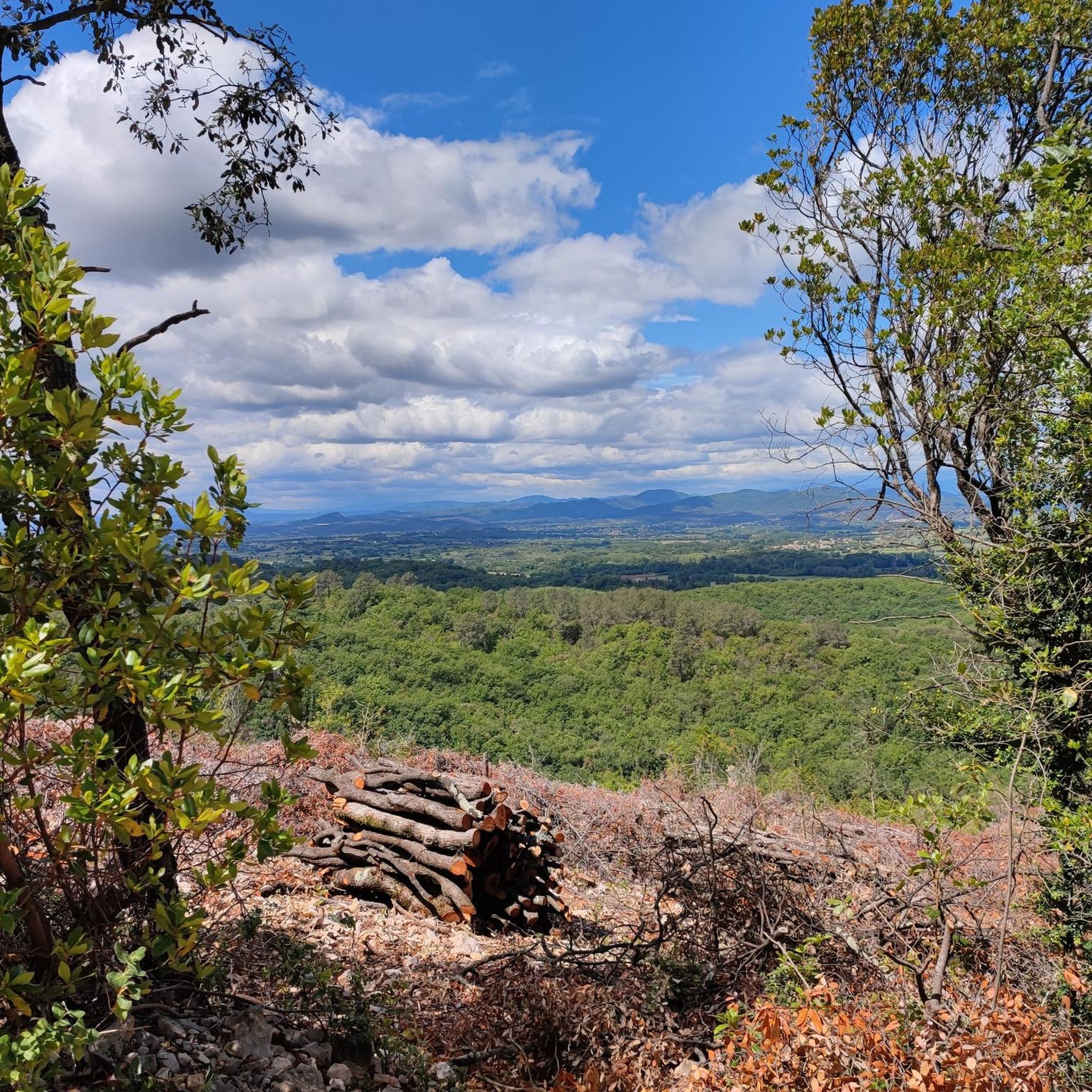
Anyone hiking through the hilly landscape around Saint-Jean and Saint-Florent today encounters silent traces of a rich past. Even before coal was mined here, iron was the most important commodity – since ancient times and especially in the Middle Ages. The medieval mines were simple and dangerous. Without ventilation and with shallow tunnels, they followed the iron-rich pyrite veins – often no more than 100 meters long. As early as 1512, a prospector's license cost a whopping 32 florins. The mined ore was further processed locally: From the Middle Ages to the 19th century, the valley was known for its nailsmiths – in 1676 alone, up to 45 masters worked here. Nature also tells its story: The strawberry tree (Arbutus unedo), typical of the garrigue, bears flowers and ripe fruit simultaneously. The rare Jason butterfly (Charaxes jasius), Europe's largest butterfly, lives in its environment and is clearly visible from June to September.
1
0

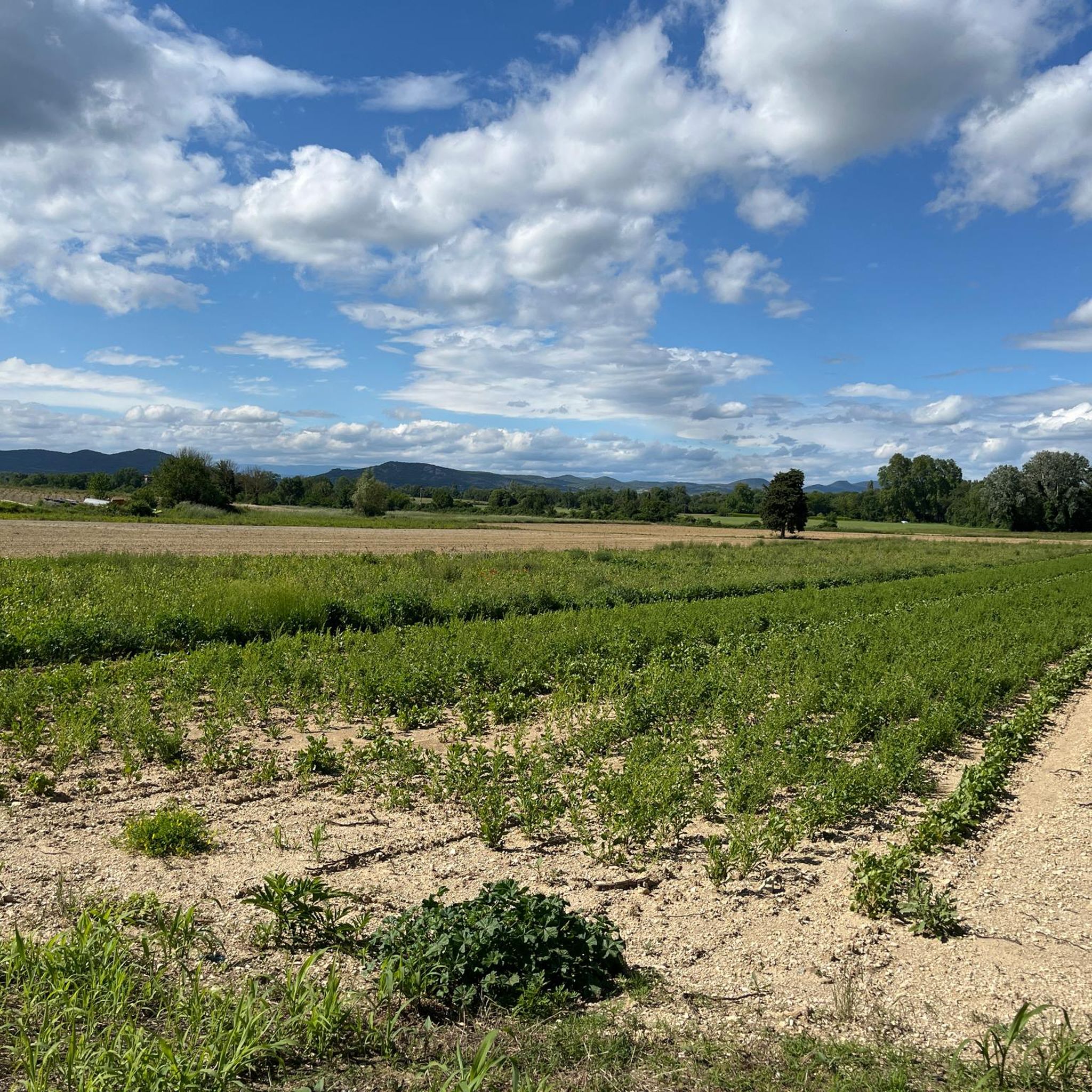
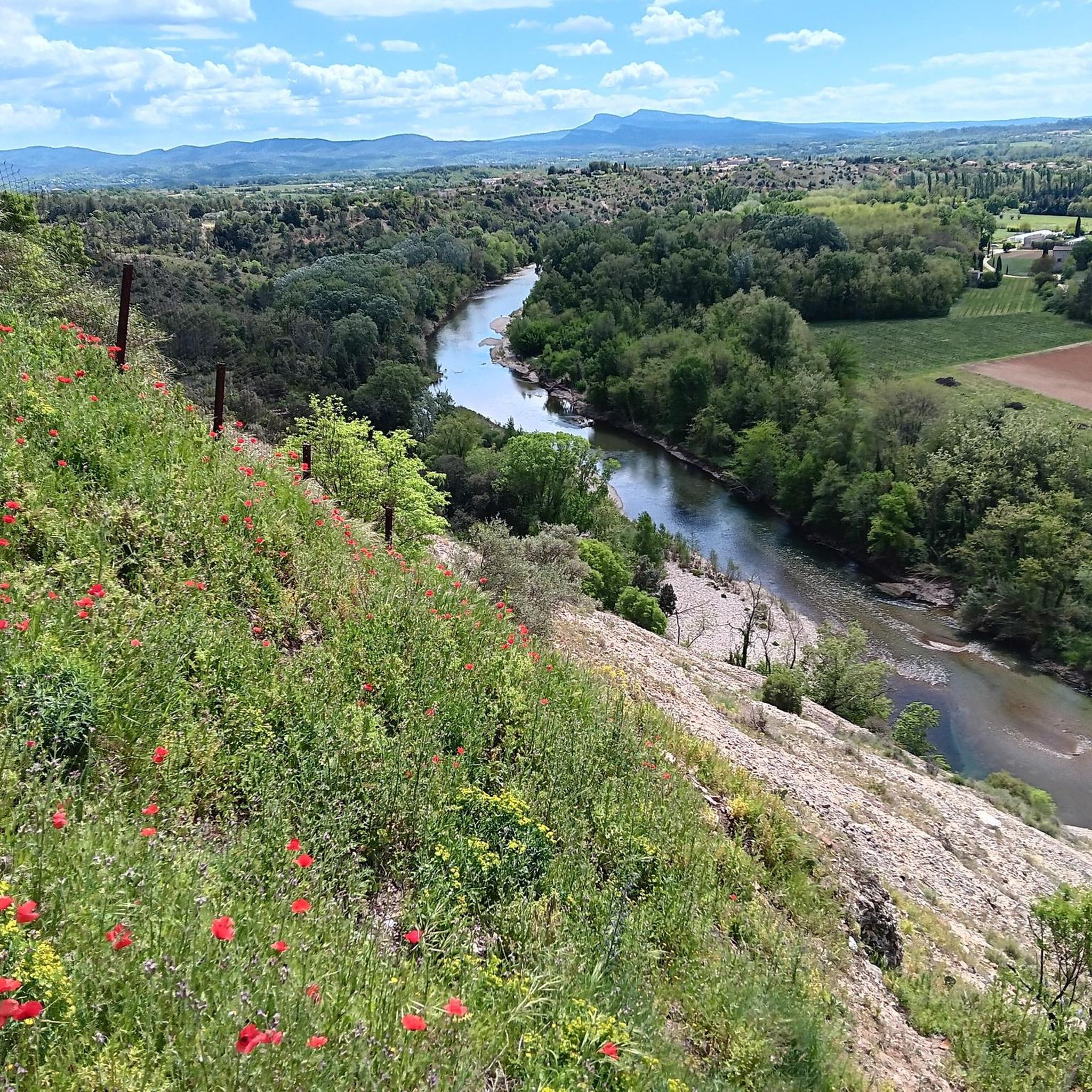
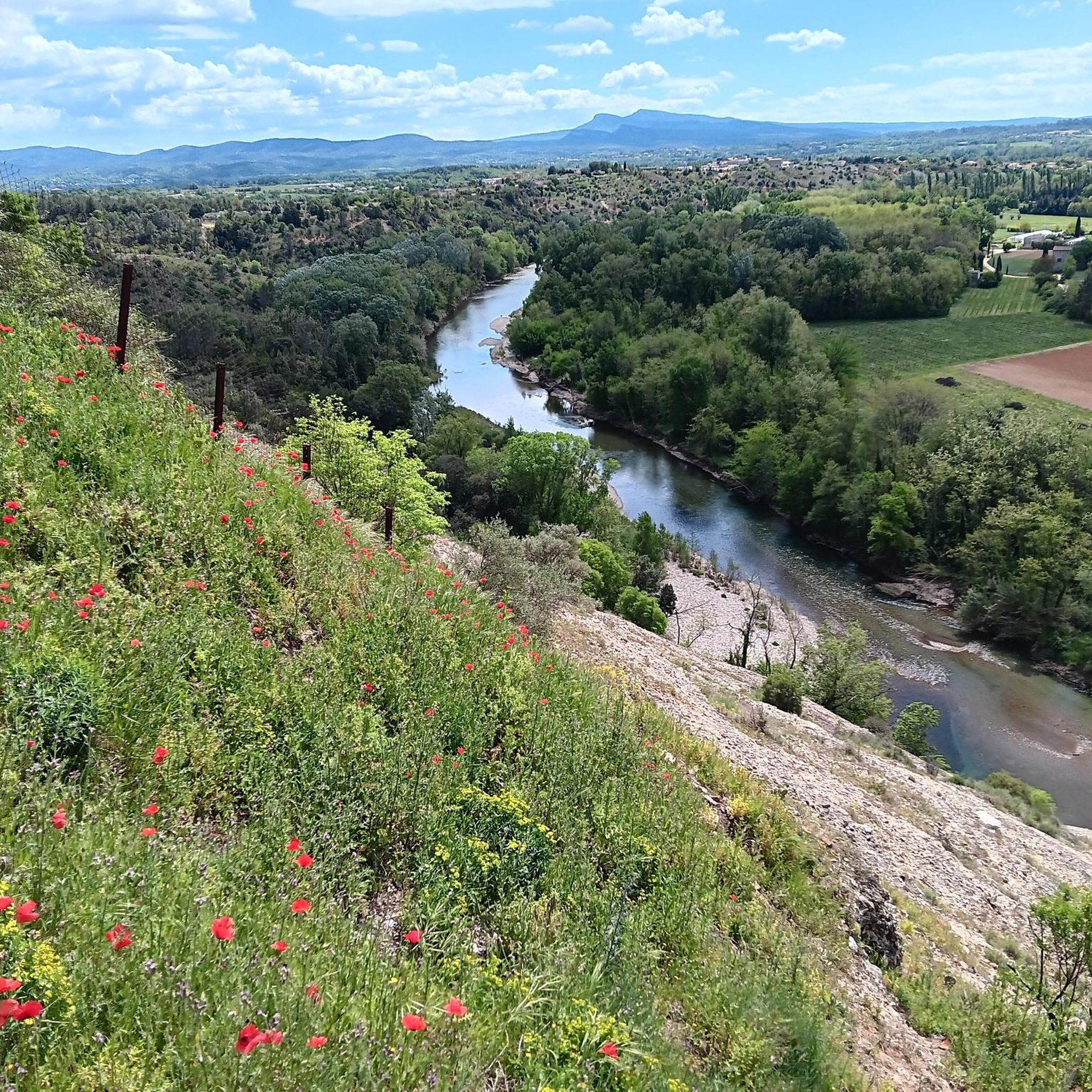
a remarkable natural ensemble made up of three rock arches sculpted by erosion. Located in the Cèze gorges, these formations offer a picturesque spectacle and are often visited by hiking enthusiasts and geology enthusiasts. These arches are the result of millions of years of geological evolution, testifying to the power and beauty of nature.
1
0

Magnificent wooden terrace with a beautiful view of the Cèze valley. Climbing cage for children, souvenir shop, snack bar and toilet facilities complete the offer.
1
0

A cave system over 35 million years old, which was discovered in 1952 and of which only a tiny part is open to the public. You can also stay overnight in the cave for €600/night 😉. Temperature constant 14 degrees. Opening times and admission prices can be viewed on the website. In the off-season there are far fewer visitors on weekdays, so you get more of them.
1
0

This beautiful canyon is only for the speleologist who starts with a 30 meters direct shaft. In the lower part of the underworld there are 2 large halls with many large stalactites.
4
0
Frequently Asked Questions
What are the most notable caves to visit in the region around Potelières?
While Potelières itself doesn't have major caves, the surrounding Gard region and Cévennes offer impressive options. These include the Grotte de la Cocalière, known as the "Diamond Cave" for its sparkling crystals, the Grotte de Trabuc with its unique "100,000 Soldiers" formations, and the immense Aven d'Orgnac, a Grand Site de France.
Are there any historical mining sites to explore near Potelières?
Yes, you can visit the Balmes Iron Mines near Saint-Jean. This historical site features medieval tunnels that followed iron-rich pyrite veins, showcasing the region's past mining activities and the challenging conditions faced by miners.
Which caves are suitable for families with children?
The Grotte de la Cocalière is a great choice for families, offering an accessible guided tour and a small train ride back to the reception. The Aven d'Orgnac also provides an educational experience with its adjacent Cité de la Préhistoire museum, making it engaging for all ages.
What unique geological formations can I expect to see in the caves of this region?
The caves boast a variety of formations. The Grotte de Trabuc is famous for its mysterious "100,000 Soldiers" concretions and the stunning Lac de Minuit. The Aven d'Orgnac features gigantic chambers with impressive stalagmites up to 11 meters high, while the Grotte de la Cocalière is known for its sparkling calcite crystals, discs, and cave pearls.
Are there any challenging caving experiences for experienced speleologists?
For experienced speleologists, the Aven des Oublis offers a challenging experience, starting with a 30-meter direct shaft and leading to two large halls with numerous stalactites. The Grotte de Trabuc also offers an "underground safari" for a 4-hour guided hike into its deeper, less accessible parts.
What outdoor activities can I combine with a cave visit near Potelières?
The region offers various outdoor activities. You can find numerous hiking trails, such as those detailed in the Hiking around Potelières guide. There are also MTB Trails around Potelières and Running Trails around Potelières for those looking for more active pursuits.
Is there a good viewpoint or facility near any of the caves?
Yes, near the Salamander cave, there is a Terrace at the entrance to the Salamander cave. It offers a magnificent wooden terrace with a beautiful view of the Cèze valley, along with a souvenir shop, snack bar, and toilet facilities.
What is the best time of year to visit the caves in the Gard region?
Caves generally maintain a constant cool temperature year-round (around 14°C), making them a good option regardless of the season. However, visiting during the off-season or on weekdays can mean fewer visitors, allowing for a more intimate experience, especially at popular sites like the Grotte de la Cocalière.
Are there any natural rock formations above ground that are worth seeing?
Yes, the Three Arches of the Cèze Gorges are a remarkable natural ensemble. These three rock arches, sculpted by erosion, offer a picturesque spectacle in the Cèze gorges and are popular with hiking and geology enthusiasts.
Do I need to book tickets in advance for cave tours?
While not explicitly stated for all, it is generally advisable to check the official websites for each cave (e.g., Grotte de Trabuc, Aven d'Orgnac, Grotte de la Cocalière) for current opening times, admission prices, and booking requirements, especially during peak season, to ensure availability and a smooth visit.
What is the historical significance of the Grotte de Trabuc?
The Grotte de Trabuc has a rich history, serving as a refuge for people in prehistoric times. Later, it provided shelter for the Camisards during the Wars of Religion, adding a layer of historical intrigue to its natural beauty.
Is there a museum related to prehistory near any of the caves?
Yes, adjacent to the Aven d'Orgnac, you'll find the Cité de la Préhistoire (City of Prehistory). This museum offers insights into the daily life of prehistoric ancestors, covering 350,000 years of human history and complementing the geological journey of the cave.
Most popular routes around Potelières
Most popular attractions around Potelières

Get inspired with the komoot mobile app


Explore more
Extend your search for the best caves by checking out these guides of the top ones around Potelières:
