The 10 Most Amazing Peaks around Rümlang
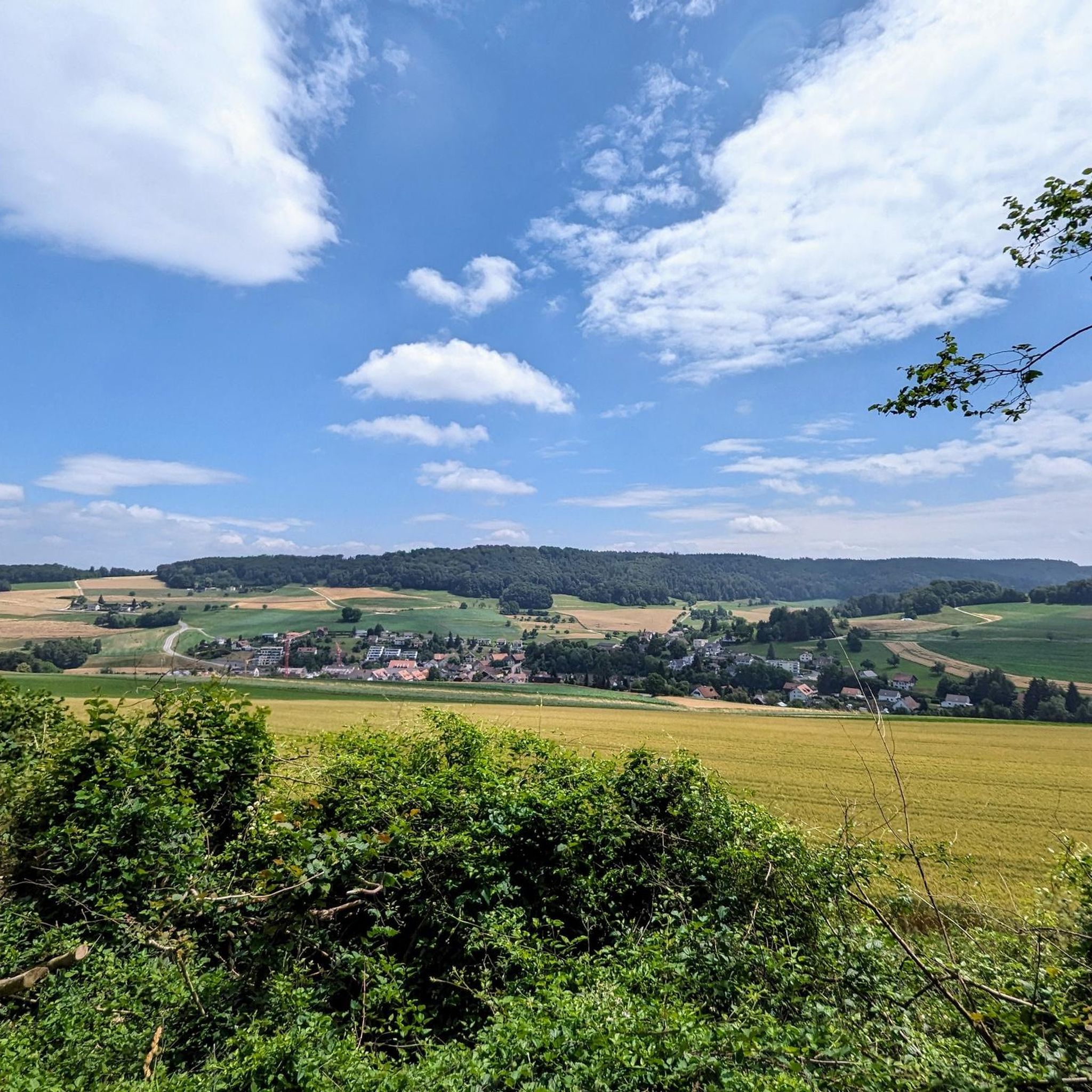
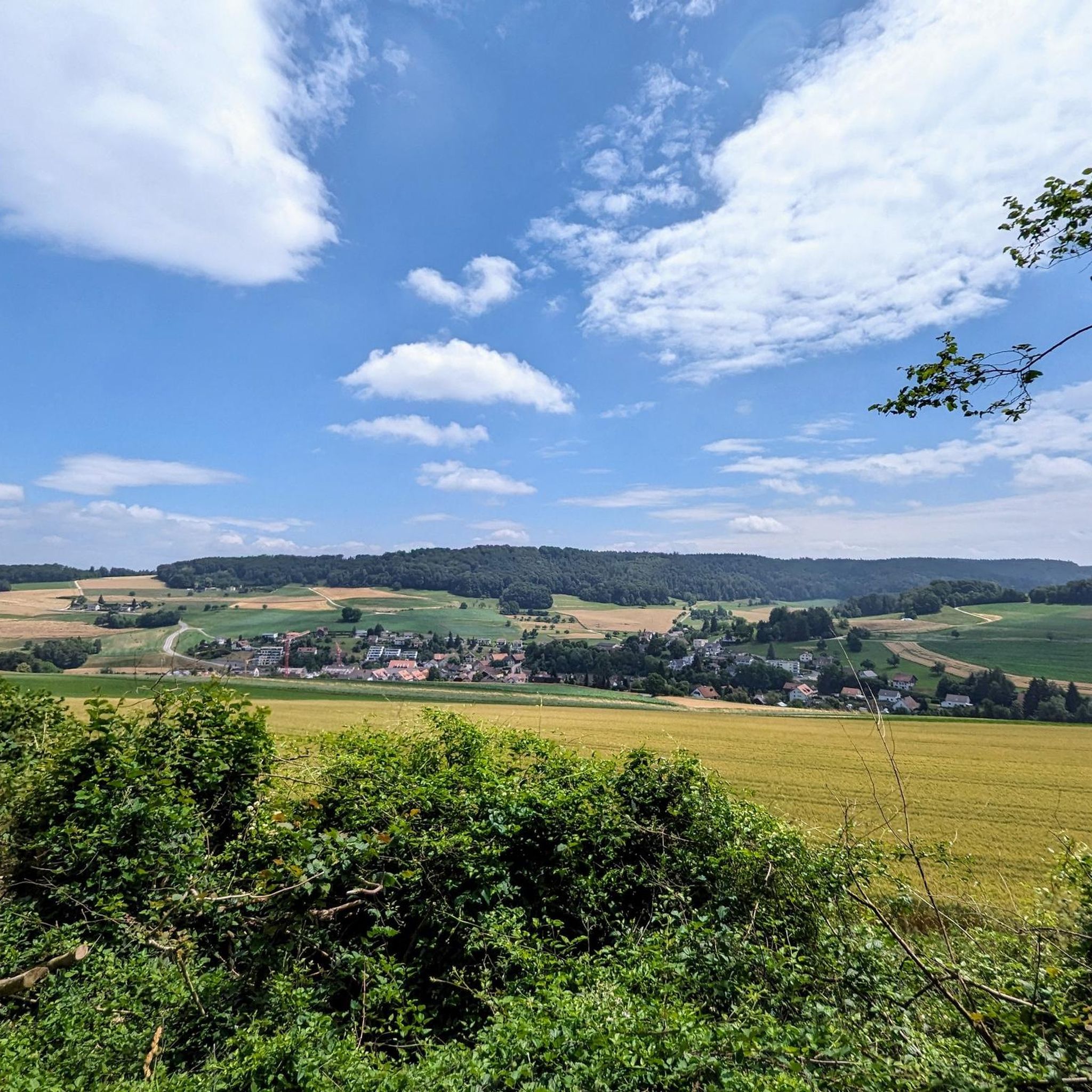
Mountain peaks near Rümlang Switzerland are not found directly within the municipality, which is situated in the Glatt Valley at an elevation of approximately 443 to 451 meters. Its geography consists primarily of agricultural land, forests, and settled areas. However, the region around Rümlang provides access to several elevated points that offer views of the surrounding landscape and distant Alpine peaks. These locations are popular for recreational activities such as hiking and provide scenic vistas.
Best mountain peaks around Rümlang
…Last updated: November 20, 2026
Uetliberg Summit Viewpoint
Highlight • Viewpoint
Translated by Google •
Tip by

Loorenkopf Tower
Highlight • Viewpoint
Translated by Google •
Tip by

Sign up now to discover places like this
Get recommendations on the best single tracks, peaks, & plenty of other exciting outdoor places.
Stadelhofen Station
Highlight • Rest Area
Zurich Stadelhofen Station is one of thirteen SBB stations in the Swiss city of Zurich. Along with Zurich Main Station and Oerlikon Station, Stadelhofen is a key …
Translated by Google •
Tip by

The Gates of Hell at Kunsthaus Zürich
Highlight • Monument
Translated by Google •
Tip by
Escherhöhe
Highlight • Summit
Its highest point, the Escherhöhe, is around 270 meters above Lake Zurich.
Right next to it, a …
Translated by Google •
Tip by
Sign up for free to discover even more peaks around Rümlang.
Already have an account?
Start today with a free account
Your next adventure awaits.
Tips from the Community

Rodin was probably inspired by Lorenzo Ghiberti's Gates of Paradise at the Baptistery in Florence, which was created between 1425 and 1452 and which he studied in detail during his trip to Italy in 1875. For over three years, Rodin cautiously approached the sculptural realization of Dante's work through sketches. Until his death in 1917, during which countless plaster casts were made, he continuously revised his figures. The first two bronze gates were not created until between 1926 and 1928, after Rodin's death. The work was therefore a long and arduous process; its completion, which the artist did not live to see, could only reward him for his efforts posthumously.
1
0

The Gate of Hell 1880–1917 The monumental Gate of Hell by Auguste Rodin, inspired by Dante's visions, testifies to the artist's experimental spirit and a new freedom in design. Rodin managed to imbue the human figure with a new immediacy, a pathos stirred by deeper psychic energies. This version of Rodin's "Gate of Hell" was realized as the fourth cast of the work between 1942 and at the latest 1947 by the Parisian foundry Rudier. The cast had been commissioned in 1942 by the German sculptor Arno Breker for the National Socialist "Führermuseum" in Linz. Although payments were made, delivery did not occur before the end of the war in 1945; the sculpture remained in Paris and in Rudier's ownership. After the war, in 1947, the work came to the Kunsthaus for an exhibition of metal casts from the Rudier foundry. Together with three other bronzes from Rudier's stock, two by Rodin and one by Bourdelle, the Gate of Hell was then acquired for the Kunsthaus in 1949. While the other works mentioned were acquired with a contribution from the city of Zurich, the Gate of Hell entered the collection via the so-called "Baufonds" and thus with funds from Emil Bührle. This "Baufonds" had been established in connection with the planning of the large exhibition hall paid for by Emil Bührle. Source: https://visitorguide.kunsthaus.ch/122022402/-30/122022402/false/0/-/-/61568569/122022382
0
0

Interesting door great building
0
0

This is the highest point on the Zürichberg. But hidden and without a view.
0
0

very busy train station in the heart of Zurich
0
0

Just the right place to escape the hectic everyday life of the city and enjoy the world from above. The lake, the Alps and the city: everything is at your feet!
2
0

The late classicist Stadelhofen train station from 1894 was expanded in the 1990s as a result of the expansion of regional rail traffic. The Spanish architect Santiago Calatrava was commissioned with the project. Calatrava created an open, partly transparent roof made of concrete and steel for the platforms, which is modeled on the ribs of a bull.
1
0

History / Zurich Stadelhofen Station In 1894, the right-bank Zurich Lake Railway opened its railway line from Rapperswil via Meilen to Tiefenbrunnen and through the Riesbach Tunnel to Stadelhofen. The line ran through the Letten Tunnel to Letten Station and from there in a wide arc over the Limmat River to the main station. Since the introduction of the Zurich S-Bahn in 1990, the Letten Tunnel has been closed, and trains travel directly from the main station through the double-track Hirschengraben Tunnel to Stadelhofen. Two railway lines diverge at the three-track station. The single-track line runs through the old Riesbach Tunnel to Tiefenbrunnen and continues to Rapperswil. Since 1990, the double-track line has been in operation through the Zürichberg Tunnel to Stettbach and further towards Winterthur and Uster. Text / Source: Wikipedia https://de.wikipedia.org/wiki/Bahnhof_Z%C3%BCrich_Stadelhofen
13
1
Frequently Asked Questions
What are the most popular elevated viewpoints near Rümlang?
While Rümlang itself is in a valley, the surrounding region offers several popular elevated viewpoints. The most popular is Uetliberg Summit Viewpoint, offering panoramic views over Zurich, Lake Zurich, and the distant Alps. Another highly-rated spot is Loorenkopf Tower, which provides extensive views over parts of Lake Zurich and Lake Greifen, along with a mountain panorama.
Are there family-friendly elevated points to visit near Rümlang?
Yes, both Uetliberg Summit Viewpoint and Loorenkopf Tower are considered family-friendly. Uetliberg is easily accessible by train from Zurich and offers various activities, while Loorenkopf Tower involves a shorter hike with a rewarding view and a forest tavern nearby, making it suitable for families.
What kind of views can I expect from Uetliberg?
From Uetliberg Summit Viewpoint, you can expect breathtaking panoramic views over the city of Zurich, Lake Zurich, and a stunning vista of the Alps, including prominent peaks like the Eiger, Mönch, and Jungfrau. The Uetliberg Observation Tower further enhances these views.
What facilities are available at Uetliberg?
At Uetliberg, you'll find the Uto Kulm Restaurant, offering dining with a view. There's also an observation tower for enhanced panoramas. The area is well-equipped for visitors, providing a comfortable experience for sightseeing and relaxation.
What activities can I do at Loorenkopf Tower?
At Loorenkopf Tower, you can climb the 147 steps to the observation deck for extensive views over Lake Zurich and Lake Greifen, with a distant mountain panorama. Next to the tower, there's a 'Waldschänke' (forest tavern) where you can enjoy refreshments, making it ideal for a shorter hike with a rewarding stop.
Are there hiking trails near these elevated viewpoints?
Yes, the areas around these viewpoints offer various hiking opportunities. For instance, Uetliberg features numerous hiking trails. For more detailed routes, you can explore the Hiking around Rümlang guide, which includes routes like the 'Glatt River Trail – Oberglatt Pond loop from Rümlang' and 'View of Zurich Airport – Rümlang Observatory loop from Rümlang'.
Can I go cycling near the elevated points around Rümlang?
Absolutely. The region provides several cycling routes. The Cycling around Rümlang guide lists options such as the 'Lake Katzensen loop' and the 'Glatt River Cycle Path – Glatt Riverside Path loop from Rümlang'. For road cycling, check the Road Cycling Routes around Rümlang guide.
What do visitors particularly enjoy about the viewpoints near Rümlang?
Visitors frequently praise the stunning panoramic views, especially from Uetliberg, which offers clear vistas of Zurich, Lake Zurich, and the Alps. The accessibility of these locations, combined with the availability of restaurants and taverns like the Uto Kulm Restaurant and the Waldschänke near Loorenkopf Tower, also contributes to a highly enjoyable experience.
Is the Altberg Observation Tower different from Loorenkopf Tower?
The Altberg Observation Tower is another name for the Loorenkopf Tower, located on the Altberg at 630 meters. It offers similar views over the region, including Zurich and the Alps, and also has a 'Waldschänke' nearby for refreshments.
Are dogs allowed on the trails leading to these viewpoints?
Yes, the Loorenkopf Tower area is noted as dog-friendly, making it a good option for walks with your canine companion.
What natural features characterize the area around Rümlang?
The area around Rümlang is characterized by agricultural land, forests, and settled areas within the Glatt Valley. While not mountainous itself, it offers elevated points like Uetliberg and Loorenkopf Tower that provide scenic views of distant Alpine peaks, Lake Zurich, and Lake Greifen, blending urban and natural landscapes.
Most popular routes around Rümlang
Most popular attractions around Rümlang

Get inspired with the komoot mobile app


Explore more
See even more amazing summits around Rümlang with these guides:
