Top 4 Castles around Roquefort-Des-Corbières
Best castles around Roquefort-Des-Corbières offer a journey through history in the Corbières region of France. This area is characterized by its rugged landscapes and historical significance, particularly concerning its fortified structures. The local terrain features hills and valleys, providing strategic locations for ancient strongholds. Visitors can explore various types of castles, from coastal redoubts to inland ruins, reflecting different periods of regional history.
Best castles around Roquefort-Des-Corbières
- The most popular castles is La Franqui Redoubt, a castle that served…
Last updated: August 4, 2026
Redoute de la Franqui
Highlight • Castle
Showing Translation
Tip by

Perillos
Highlight • Castle
Translated by Google •
Tip by

Sign up now to discover places like this
Get recommendations on the best single tracks, peaks, & plenty of other exciting outdoor places.
Sign up for free
Durban Castle
Highlight • Castle
Showing Translation
Tip by

Château du Lac
Highlight • Castle
Château du lac is in renovation, and has a interesting history. The …
Tip by

Start today with a free account
Your next adventure awaits.
Login or Signup
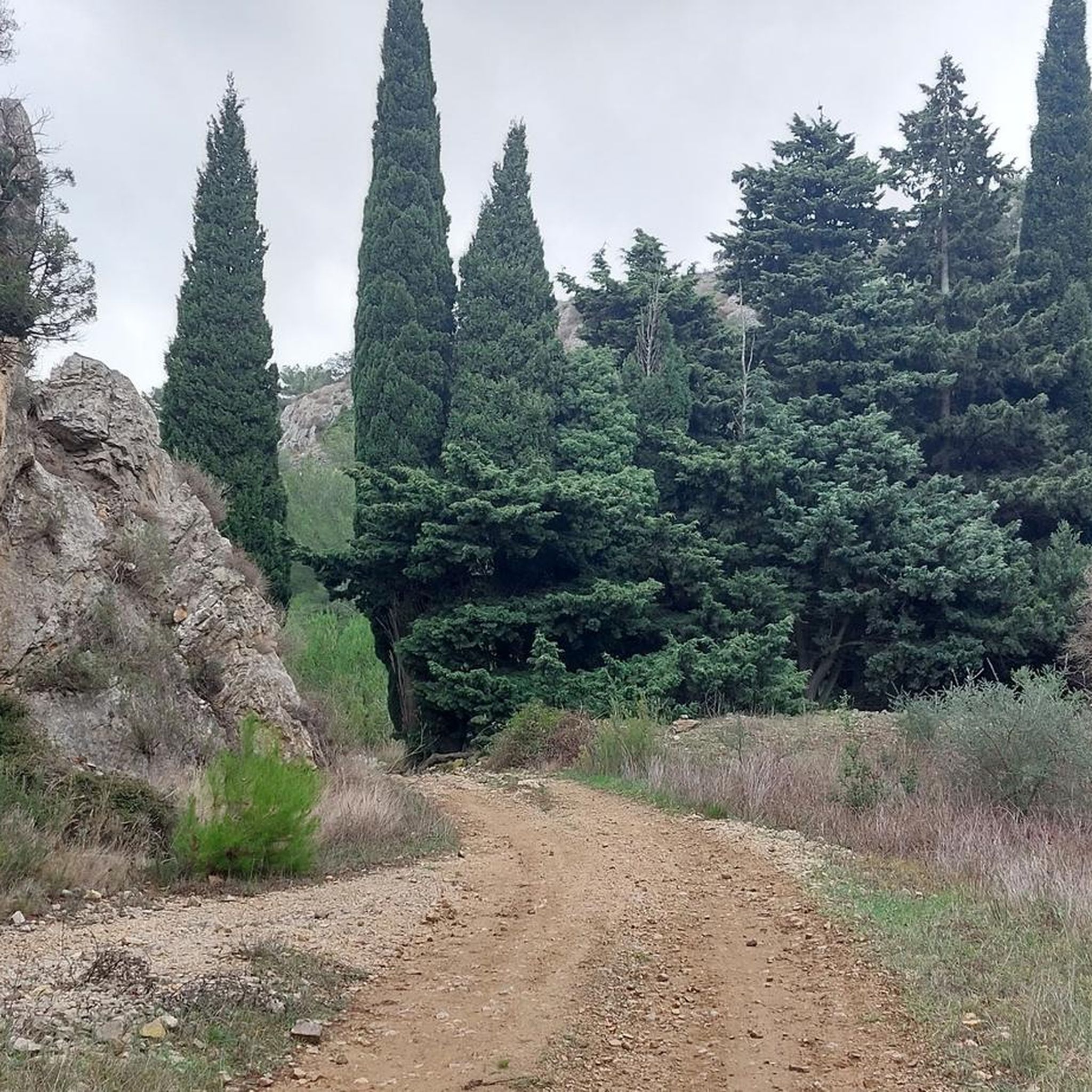
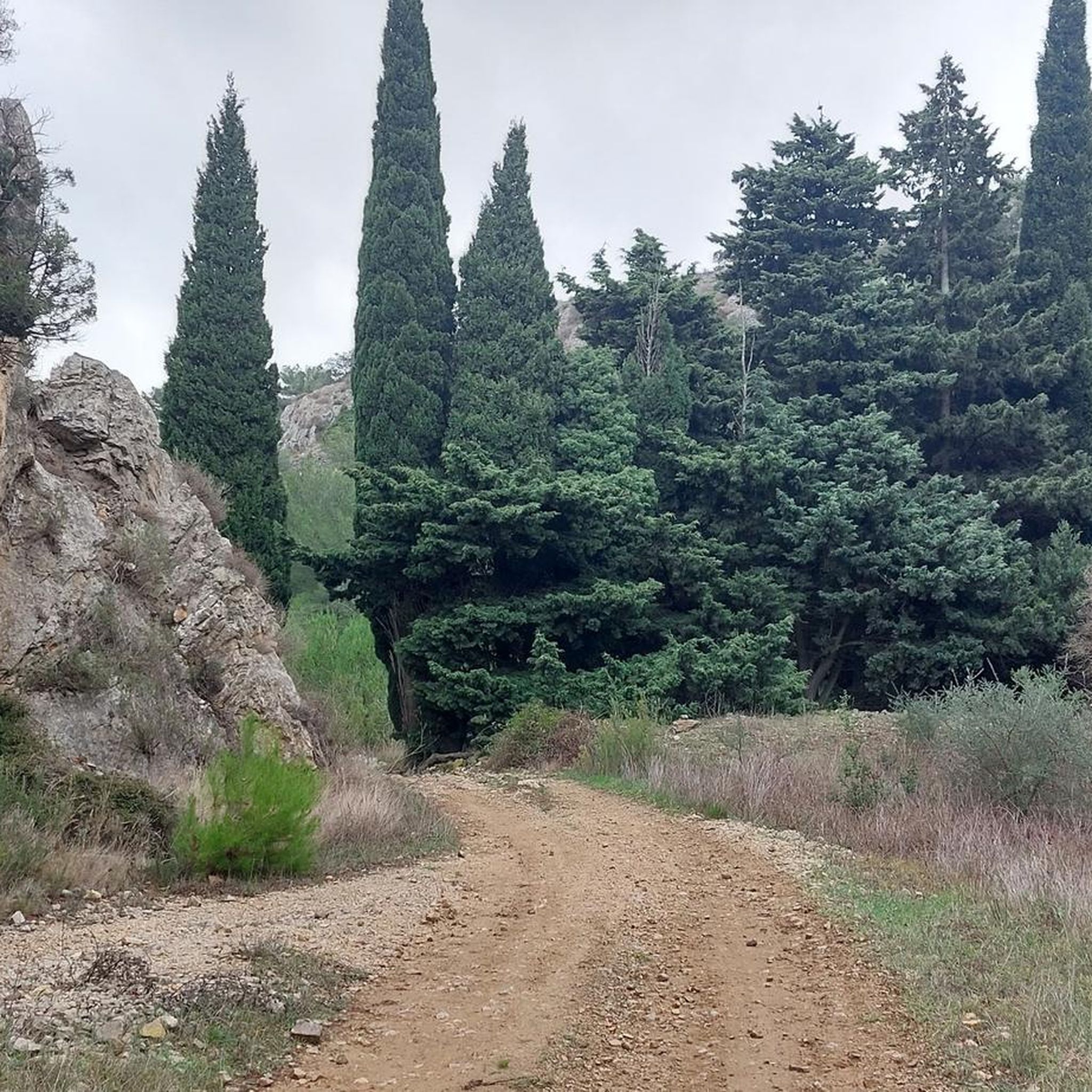
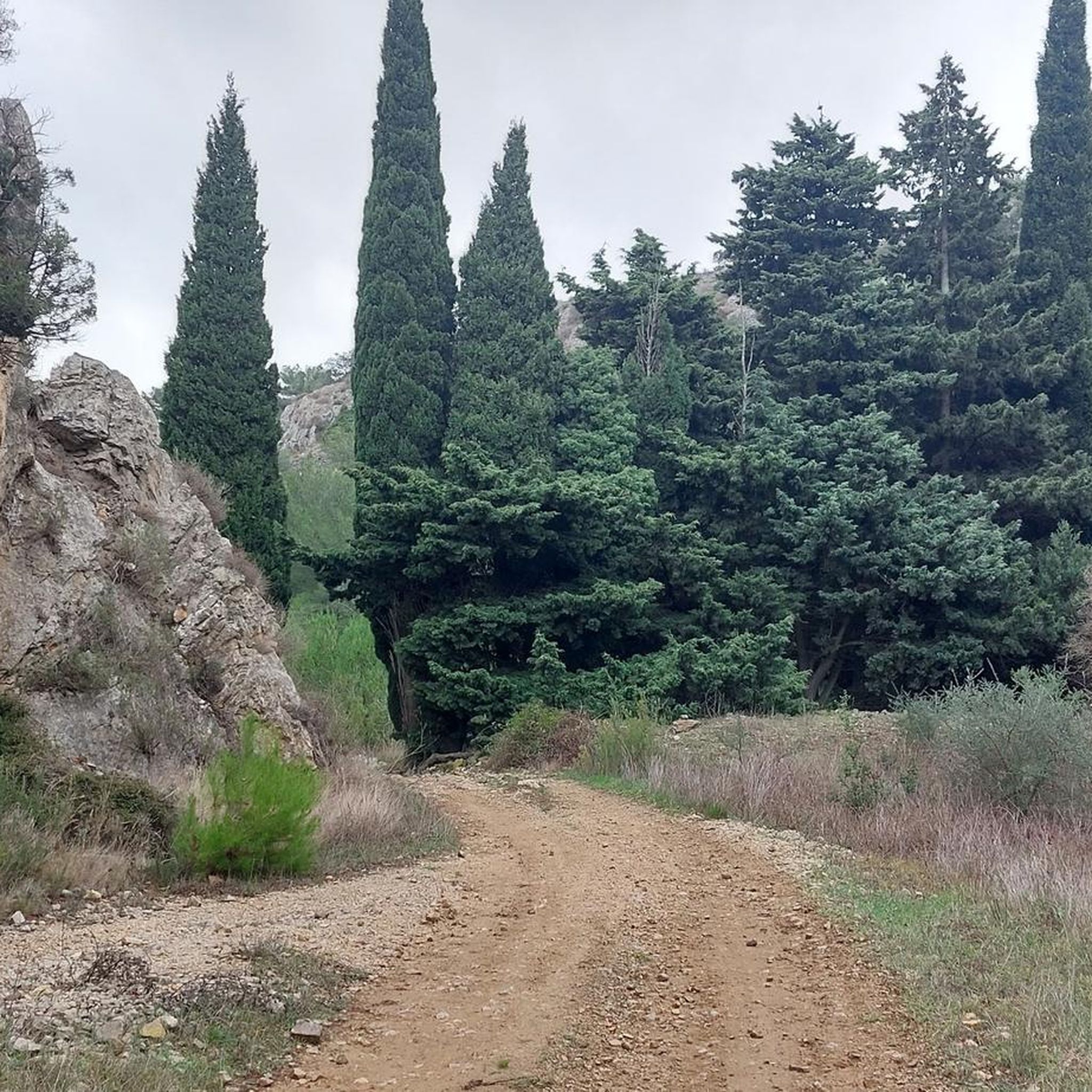
Tips from the Community

The castle of Durban stands in ruins on a rocky outcrop overlooking the village of Durban-Corbières, in the Aude. Built in the 11th century on Roman remains for the lords of Durban, vassals of the viscounts of Narbonne, it is mentioned as early as 1018 and long reigned over the surrounding valleys. Sold in 1873 to recover its stones, then dismantled, it was only saved in 1989 when the commune acquired what remained of it.
0
0

This small 18th-century coastal fort watched over the French Mediterranean coast for decades. Today it is a magnificent viewpoint over the Gulf of Lion and the beaches of La Franqui, a perfect place to take a break and enjoy the landscape.
1
0

Interesting remains of an ancient fortification, recently completely restored
1
2

To taste wine 18.00 - 19.00. And buy a good wine of the wine yard nearby the Château. Château du lac is in renovation, and has a interesting history. The friendly owners can tell you al about this. There is also a nice walk to the lake.
1
1

Old 17th-century fort used for surveillance of the Mediterranean. The building also served as a fanal (a type of lighthouse).
3
2
Former 17th century fort used for surveillance of the Mediterranean. The building also served as a beacon (kind of beacon).
0
1

great ride with the wind to match
3
1

Magnificent castle, perched in the heart of the village
1
1
Frequently Asked Questions
What are the most significant castles to visit in the Corbières region?
Beyond the local ruins of Château de Roquefort-des-Corbières, the wider Corbières region is renowned for its impressive Cathar castles. Key sites include Quéribus Castle, known for its exceptional views of the Pyrenees and Mediterranean, and Peyrepertuse Castle, often called the 'celestial citadel' due to its extensive ramparts and stunning location. Other notable Cathar castles are Termes Castle and Aguilar Castle.
What is the historical significance of the castles in the Corbières region?
The castles in the Corbières region, particularly the Cathar castles, hold significant historical importance. They were central to the Cathar challenges against the Pope in the 13th century and served as strategic strongholds. Many, like Quéribus and Peyrepertuse, are part of the 'five sons of Carcassonne,' royal fortresses that defended the French border. Their architecture and locations tell a powerful story of medieval defense and religious conflict.
Are there hiking trails near the castles around Roquefort-des-Corbières?
Yes, the area offers various hiking opportunities. For example, you can find routes like the 'Beautiful view – Terminal blocks loop' or the 'Terminal blocks – Beautiful view loop' starting from Roquefort-des-Corbières. These trails often provide views of the rugged landscapes surrounding the castles. You can explore more options on the Hiking around Roquefort-Des-Corbières guide.
What kind of outdoor activities can I do near these castles?
Besides exploring the castles, the region around Roquefort-des-Corbières is excellent for outdoor activities. You can find numerous trails for hiking, running, and mountain biking. Many routes offer scenic views of the Corbières landscape and the Mediterranean coast.
What is the best time of year to visit the castles in the Corbières region?
The best time to visit the castles in the Corbières region is typically during spring (April to June) and autumn (September to October). During these seasons, the weather is generally mild and pleasant for exploring, hiking, and enjoying the views without the intense heat of summer or the chill of winter. The landscapes are also particularly beautiful during these times.
Are there family-friendly castles to visit in the area?
Many of the castles, while historical ruins, can be engaging for families, especially those with an interest in history and outdoor exploration. The dramatic settings of castles like Peyrepertuse and Quéribus can spark imagination. However, due to their hilltop locations and rugged terrain, some may require a good level of fitness. Always check specific accessibility for younger children or those with mobility issues.
What kind of views can I expect from these castles?
The castles in the Corbières region, particularly the Cathar castles, are often perched on rocky peaks, offering breathtaking panoramic views. From sites like Quéribus and Peyrepertuse, you can expect sweeping vistas of the Pyrenees mountains, the Mediterranean Sea, and the rugged, vine-covered landscapes of the Corbières. Even the ruins of Perillos offer beautiful views of the surrounding nature.
How much time should I allocate to visit the castles?
For the major Cathar castles like Quéribus or Peyrepertuse, you should plan at least 2-3 hours per castle to explore the ruins, read the interpretive signs, and enjoy the views. If you intend to visit multiple castles in a day, factor in travel time between sites, which can be significant due to the winding roads in the Corbières. A full day or even several days would allow for a more relaxed exploration of the region's rich history.
Are there guided tours available for castles in the Corbières region?
Yes, guided tours are often available for the more prominent Cathar castles like Quéribus and Peyrepertuse, especially during peak season. These tours can provide deeper insights into their history and architecture. It's advisable to check the official websites of individual castles or local tourist information centers, such as Visit Occitanie or Tourisme Corbières Minervois, for current information on tour availability and booking.
What do visitors enjoy most about the castles around Roquefort-des-Corbières?
Visitors frequently appreciate the historical atmosphere and the stunning natural surroundings. For instance, La Franqui Redoubt is valued for its 17th-century fort history and coastal views. The ruins of Perillos are loved for their natural setting and photographic opportunities. The dramatic hilltop locations of the Cathar castles, offering panoramic vistas, are also a major draw.
Can I visit the castles with my dog?
Policies regarding dogs vary by castle. While many outdoor areas and hiking trails around the castles are dog-friendly, some castle interiors or protected sites may not allow dogs, or may require them to be on a leash. It's best to check the specific rules for each castle you plan to visit beforehand to ensure a smooth experience.
Are the castles around Roquefort-des-Corbières accessible for everyone?
Due to their historical nature and often remote, hilltop locations, many castles in the Corbières region, especially the Cathar castles, involve uneven terrain, stairs, and steep paths. This can make them challenging for visitors with limited mobility or those using wheelchairs. Some sites may have partial accessibility, but full access to all areas is rare. It's recommended to check individual castle websites for specific accessibility information.
Most popular routes around Roquefort-Des-Corbières
Most popular attractions around Roquefort-Des-Corbières

Get inspired with the komoot mobile app


Explore more
Looking for the best castles somewhere else? Discover other guides around Roquefort-Des-Corbières:
