Top 11 Gorges around Cazeaux-De-Larboust
Canyons around Cazeaux-De-Larboust are situated within the Pyrénées, offering a selection of gorges and valleys. This area is characterized by its natural beauty and diverse terrain. The landscape includes river-carved valleys, high peaks, and features like glacial lakes and permanent snows. The region is part of a natural park, indicating its ecological significance.
Best canyons around Cazeaux-De-Larboust
- The most popular canyons is Remuñe Valley, a gorge characterized by a stony path, rocks, a stream, and diverse vegetation. This valley…
Last updated: May 11, 2026
Estós Valley
Highlight • Gorge
Translated by Google •
Tip by

Pletta des Capellas
Highlight • Gorge
Translated by Google •
Tip by
Sign up now to discover places like this
Get recommendations on the best single tracks, peaks, & plenty of other exciting outdoor places.
Sign up for free
Remuñe Valley
Highlight • Gorge
Translated by Google •
Tip by
Valle de Estós
Highlight • Gorge
Translated by Google •
Tip by
Pleta de Remuñe
Highlight • Gorge
Translated by Google •
Tip by
Sign up for free to discover even more gorges around Cazeaux-De-Larboust.
Sign up for free
Already have an account?
Start today with a free account
Your next adventure awaits.
Login or Signup
Popular around Cazeaux-De-Larboust
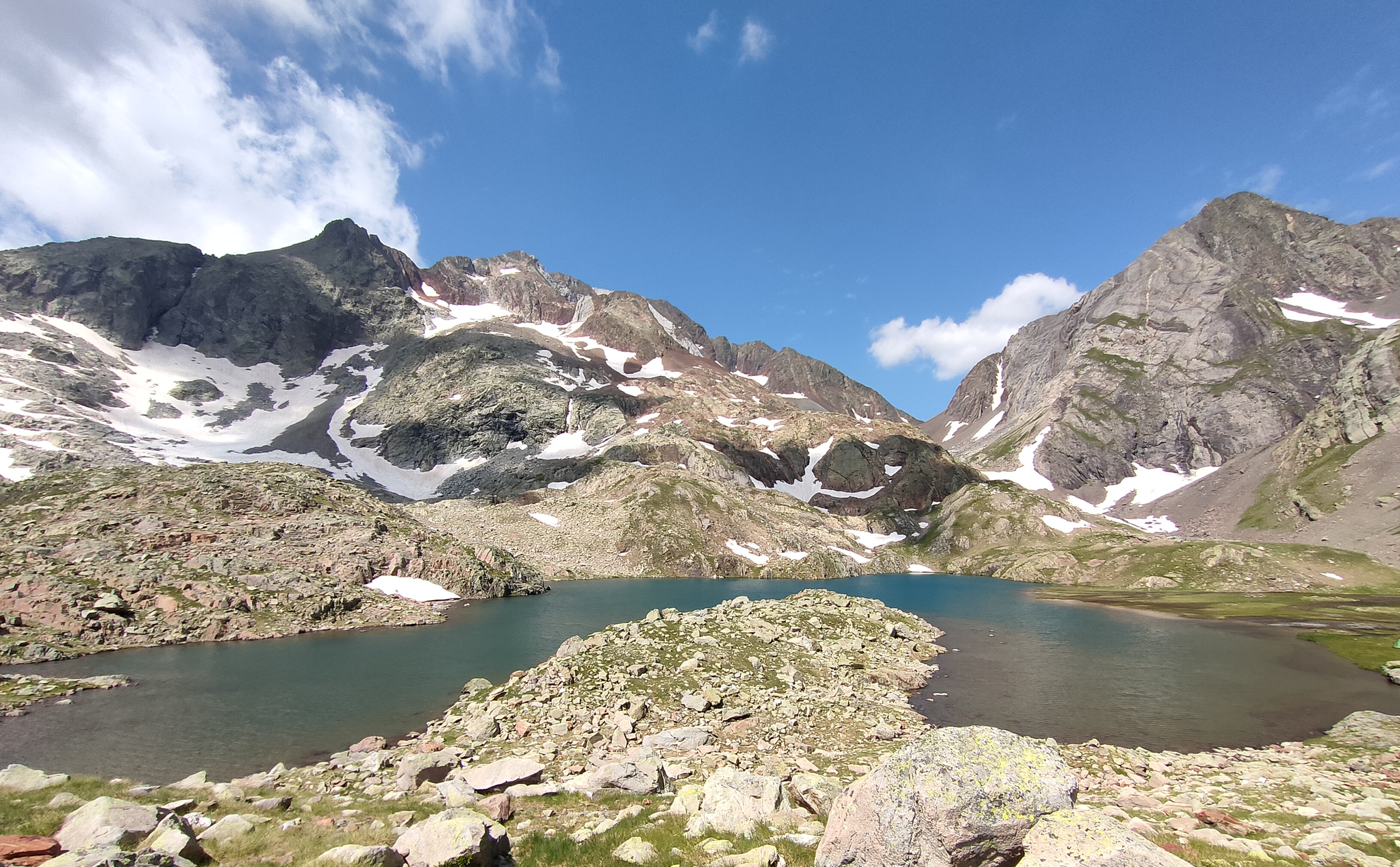
Panoramic Pyrenees – 15 hikers' peaks of over 3,000 metres
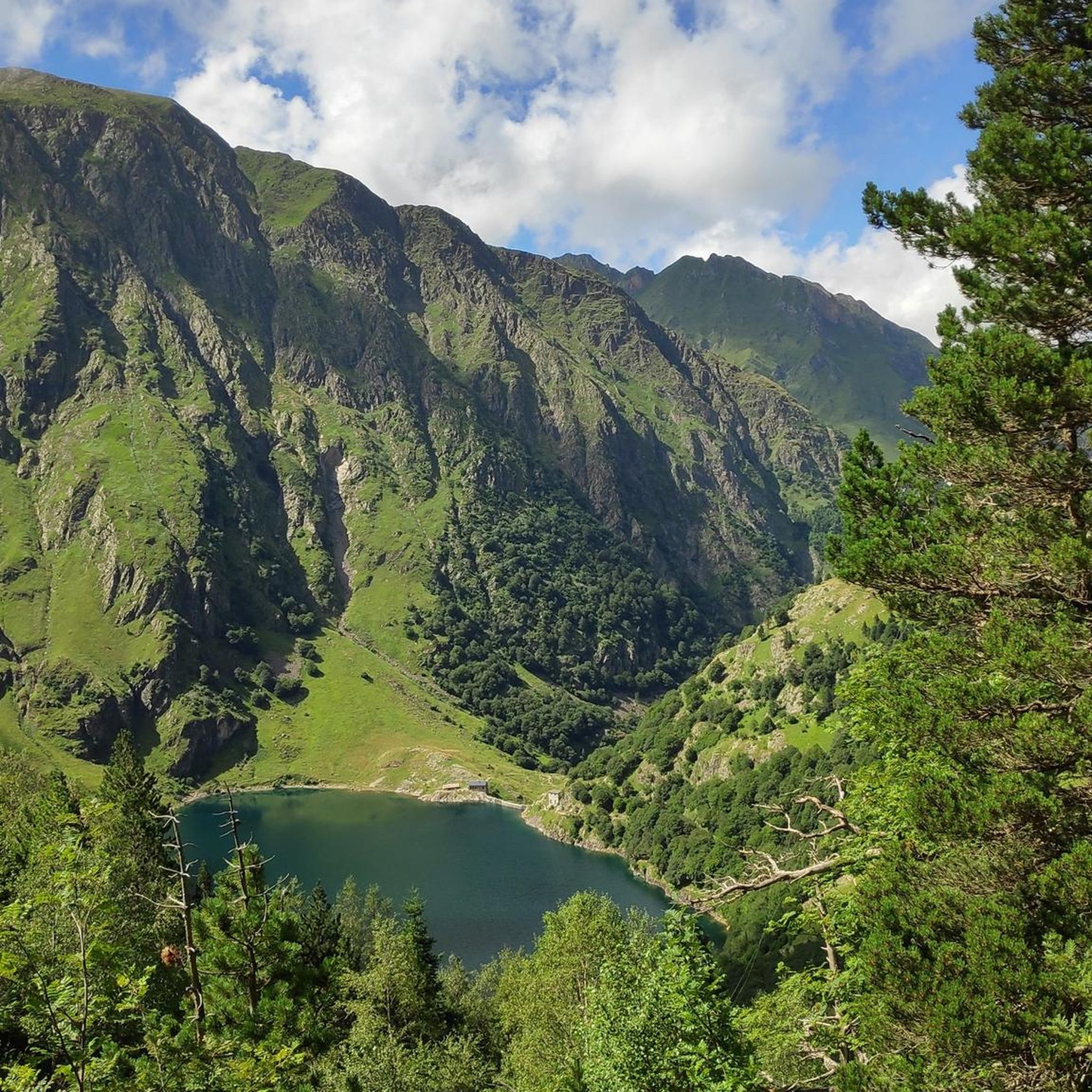
Hiking around Cazeaux-De-Larboust
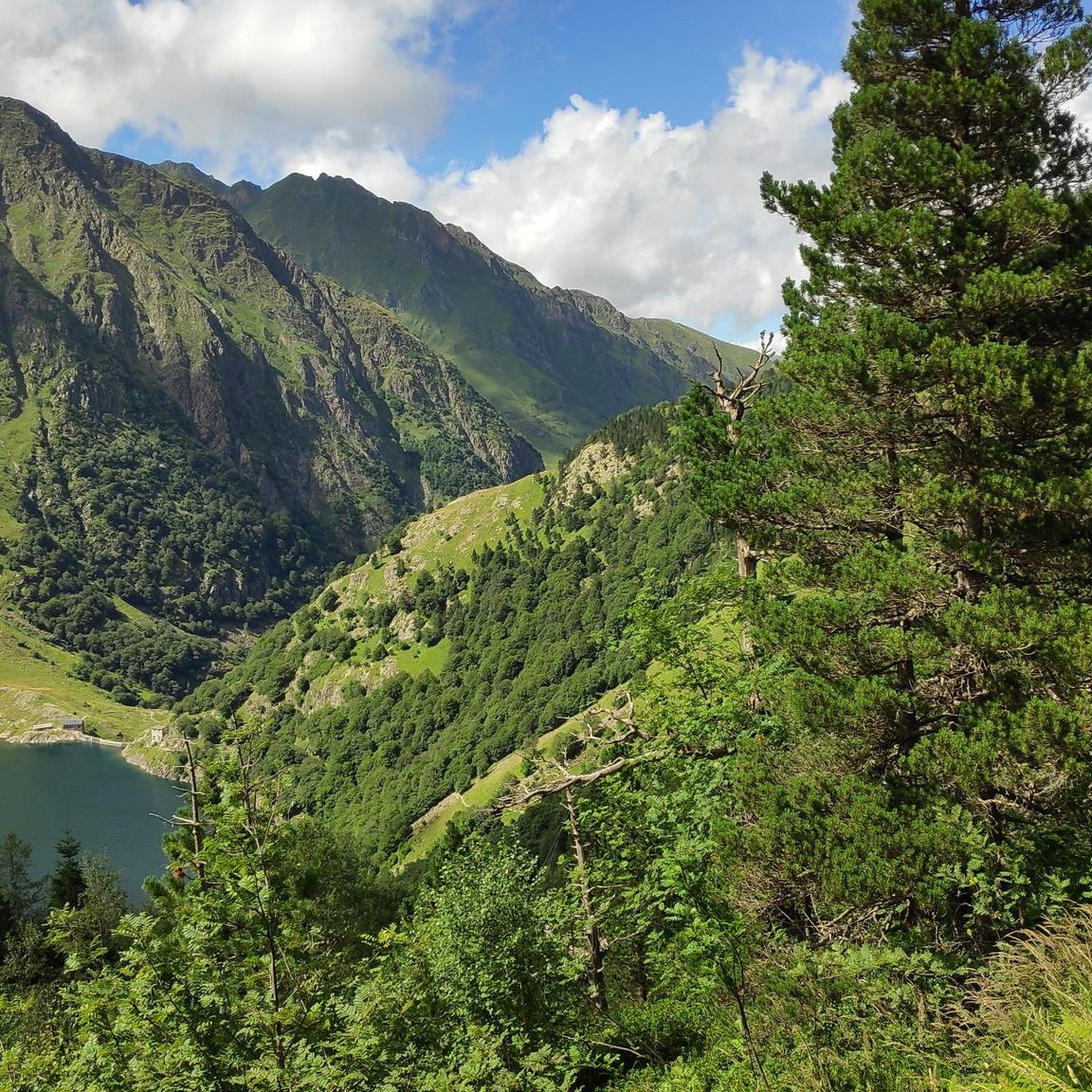
Road Cycling Routes around Cazeaux-De-Larboust
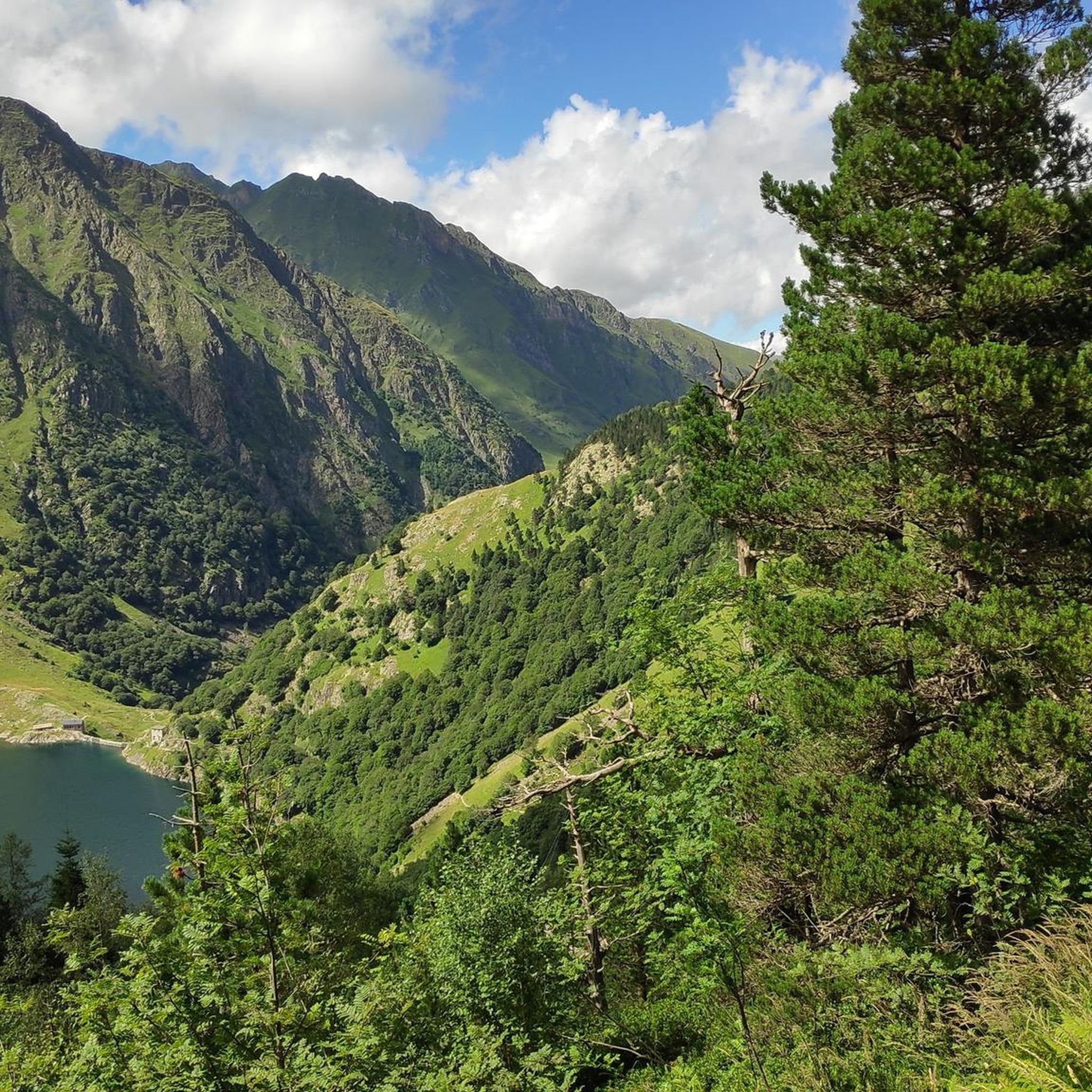
MTB Trails around Cazeaux-De-Larboust
Cycling around Cazeaux-De-Larboust
Running Trails around Cazeaux-De-Larboust

Mountain Hikes around Cazeaux-De-Larboust

Gravel biking around Cazeaux-De-Larboust
Other adventures around Cazeaux-De-Larboust

Tips from the Community

One of the main tributary valleys of the Benasque Valley, which connects with the Chistau Valley to the west and is the starting point for numerous lakes and peaks.
1
0

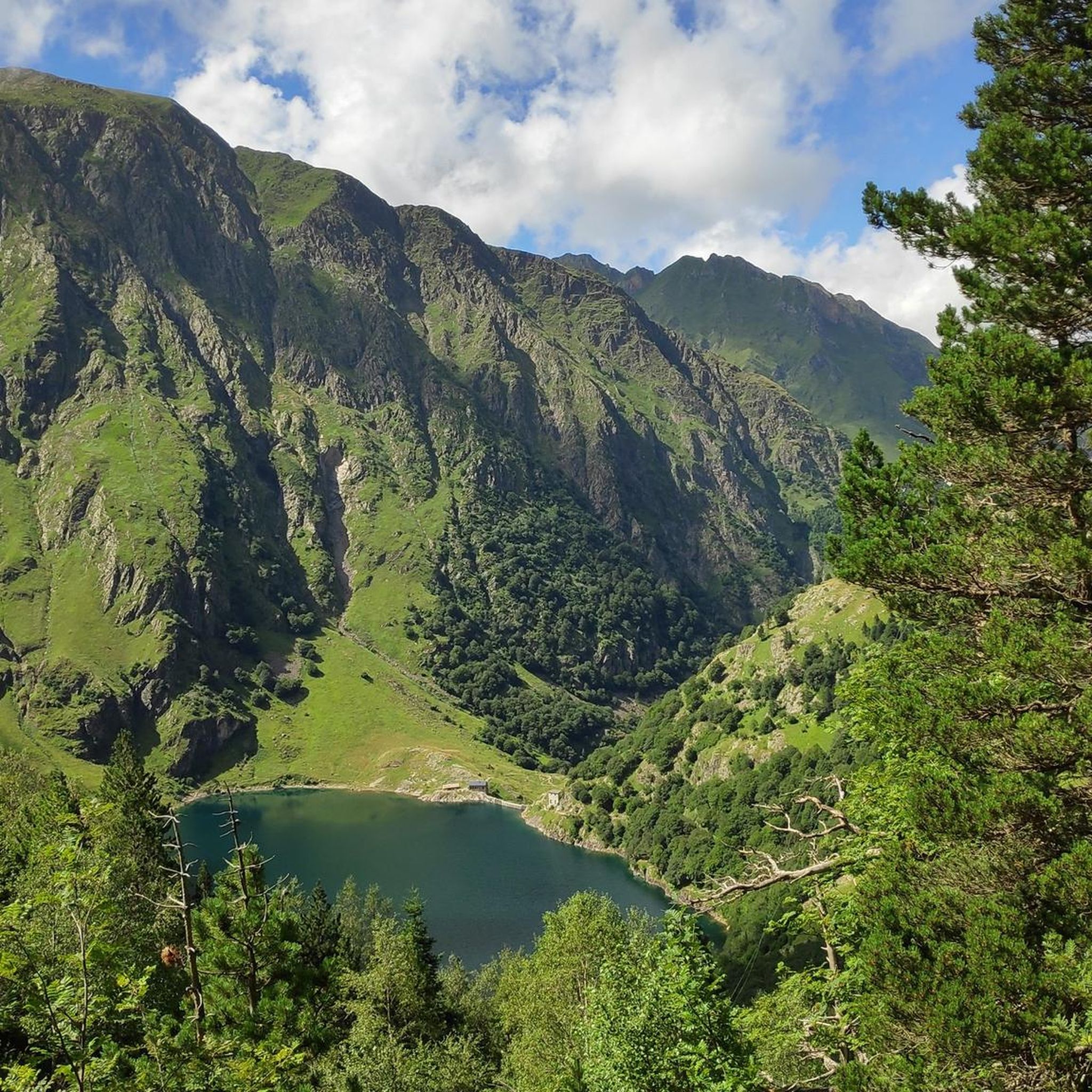
The valley is about 12 km long. The river Estós flows through the valley, surrounded by the peaks, which are also over 3,000 m high and border on France. The altitude of the valley is between 1,400 m and 3,375 m. Since 1994 the valley has been part of the Posets-Maladeta Natural Park. Several plant and animal species occur here. Running along the valley floor is the Estós River, which is the source of numerous gorges and streams from the numerous ibones (glacial lakes), perennial snow and some of Europe's southernmost glaciers.
1
0
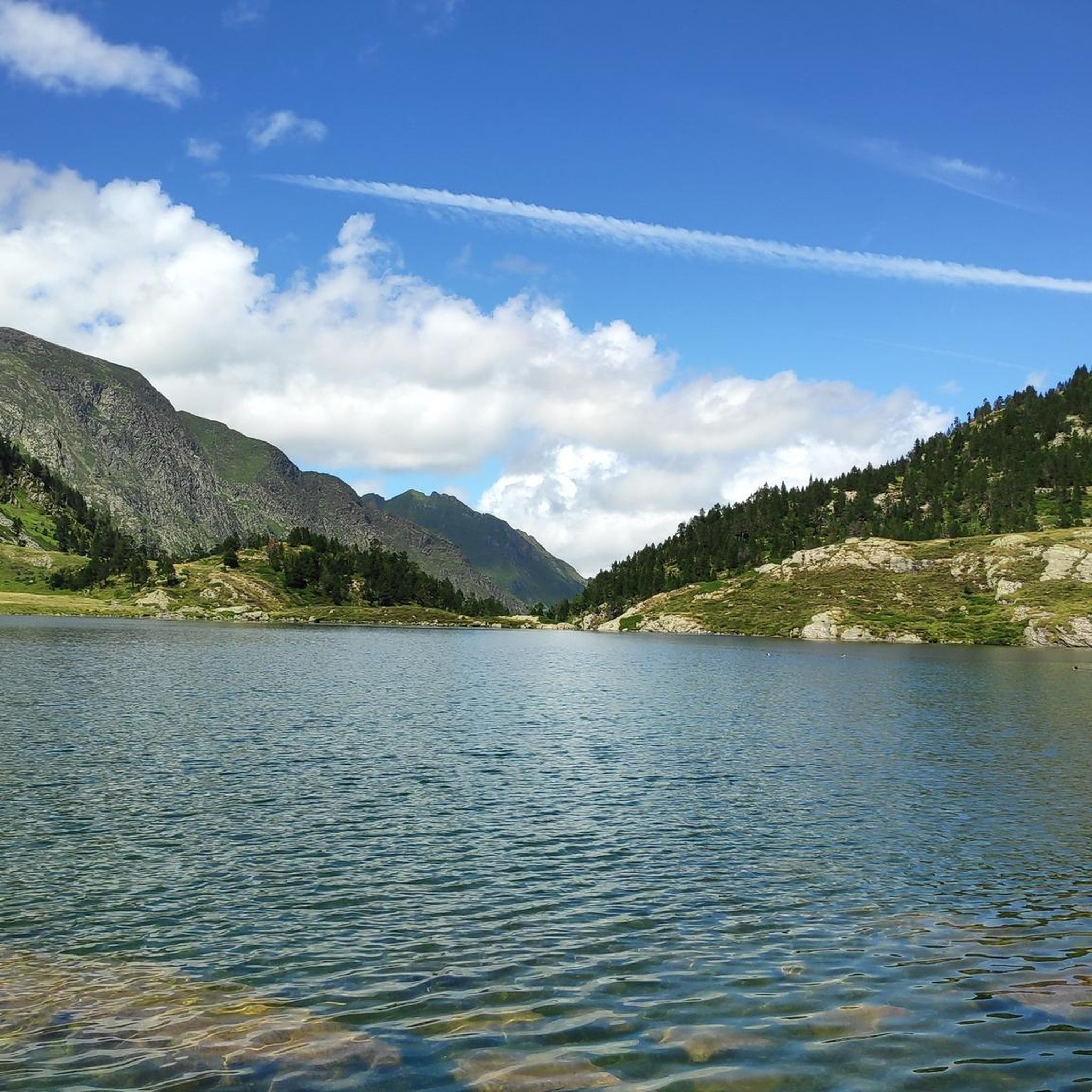
A stony path, rocks, the stream, the vegetation and the lakes with their unique hustle and bustle characterize this valley. There are other tours to join to France or in neighboring valleys.
2
0
Valle de Estos gives access to many well-known peaks, which are climbed from Refugio de Estos. A high alpine landscape forms a wonderful backdrop for an easy hike.
2
0
The whole way is covered with rock blocks, as if the stones rolled off the slopes after a big earthquake and want to prevent the hikers from continuing to walk the way.
2
0
Hopping cautiously over the large stone rubble and falling with hiking sticks, we slowly went up the steep slope.
2
0
Frequently Asked Questions
What are some of the most popular canyons to explore around Cazeaux-De-Larboust?
Two highly regarded canyons in the area are the Remuñe Valley, known for its stony paths, streams, and diverse vegetation, and the Estós Valley, a 12 km long gorge within the Posets-Maladeta Natural Park, surrounded by peaks over 3,000 meters high.
What kind of natural features can I expect to see in the canyons around Cazeaux-De-Larboust?
The canyons are characterized by river-carved valleys, high alpine landscapes, and diverse vegetation. You'll find features like glacial lakes (ibones), permanent snows, and pristine rivers. For example, the Estós Valley is home to numerous streams fed by glacial lakes and is part of a natural park, indicating its ecological importance.
Are there challenging canyoning routes for experienced adventurers near Cazeaux-De-Larboust?
Yes, for those seeking a challenge, areas like Pletta des Capellas offer steep paths over scree and block heaps. The Pleta de Remuñe also features paths covered with rock blocks, making for a demanding ascent towards the Ibones de Remune.
What outdoor activities can I do near the canyons of Cazeaux-De-Larboust?
Beyond exploring the canyons themselves, the region offers various outdoor activities. You can find numerous running trails, gravel biking routes, and mountain biking trails in the surrounding area, catering to different difficulty levels.
What is the best time to visit the canyons around Cazeaux-De-Larboust?
While specific seasonal recommendations for canyoning can vary, the Pyrénées region generally offers excellent conditions for outdoor activities during the warmer months, typically from late spring to early autumn. This period ensures more favorable weather for exploring the valleys and engaging in water-based activities.
Can I find wild swimming spots in the canyons near Cazeaux-De-Larboust?
The canyons are carved by rivers and fed by glacial lakes, creating numerous streams and natural pools. While specific designated swimming spots are not detailed, the presence of the Estós River and various ibones (glacial lakes) suggests opportunities for refreshing dips in pristine natural waters, especially during warmer periods.
What kind of wildlife might I encounter in the canyons of Cazeaux-De-Larboust?
The canyons are part of a preserved natural environment, such as the Posets-Maladeta Natural Park, which supports a rich biodiversity. While specific species are not listed, you can expect to find various plant and animal species typical of the Pyrenean alpine and subalpine ecosystems, including birds of prey, marmots, and chamois.
Are there any canyons that provide access to high mountain peaks?
Yes, the Valle de Estós is a notable example, providing access to many well-known peaks that can be climbed from Refugio de Estos. This high alpine landscape serves as a stunning backdrop for both challenging ascents and easier hikes.
What should I wear for canyoning or hiking in the canyons during summer?
For canyoning, appropriate gear typically includes a wetsuit, helmet, and sturdy shoes with good grip. For hiking, wear layers suitable for mountain weather, including waterproof outer shells, and robust hiking boots. Always check local weather conditions before heading out, as temperatures can vary significantly between valley floors and higher altitudes.
What do visitors enjoy most about the canyons around Cazeaux-De-Larboust?
Visitors appreciate the immersive experience within the breathtaking Pyrenean landscape. The combination of stunning views, varied topography, and the chance to engage in exhilarating activities like hiking and canyoning makes these natural sites highly appealing. The pristine natural environment and ecological importance, as seen in areas like the Estós Valley, are also highly valued.
Are there any canyons that are particularly scenic or offer great viewpoints?
Many canyons in the region offer spectacular views. The Remuñe Valley is known for its picturesque lakes and diverse vegetation, while Pletta des Capellas provides views flanked by Tucas de Literola and a glacier cut, with Aigüeta de Remune visible in front.
Most popular routes around Cazeaux-De-Larboust
Most popular attractions around Cazeaux-De-Larboust

Get inspired with the komoot mobile app


Explore more
Already discovered everything in this region? See additional gorges around Cazeaux-De-Larboust for your next adventure:
