Top 4 Castles around Le Translay
Best castles around Le Translay include historical sites and well-preserved fortifications. Le Translay is home to a significant feudal mound, representing the remains of a former fortified castle documented since 1378. This site features a large, high square motte measuring 90 meters on each side with visible deep moats. The region offers a mix of medieval and later period castle structures for exploration.
Best castles around Le Translay
- The most popular castles is Rambures Castle, a castle that is…
Last updated: May 11, 2026
Rambures Castle
Highlight • Castle
Translated by Google •
Tip by

Château de Bouillancourt-en-Sery
Highlight • Castle
Translated by Google •
Tip by

Sign up now to discover places like this
Get recommendations on the best single tracks, peaks, & plenty of other exciting outdoor places.
Sign up for free
Château de Yonville
Highlight • Castle
chateau-fort-manoir-chateau.eu/chateaux-somme-chateau-a-citerne-chateau-de-yonville.html
Translated by Google •
Tip by
Château d'Harcelaines
Highlight • Castle
chateaudharcelaines.com
Translated by Google •
Tip by
Château de Martainneville
Highlight • Castle
Translated by Google •
Tip by
Start today with a free account
Your next adventure awaits.
Login or Signup


Tips from the Community

A beautiful castle - but you have to pay attention to the opening times - there is a lunch break
0
0


The large castle in this small village dates from the late 17th century. Information on this at https://fr.wikipedia.org/wiki/Martainneville
1
0
The 18th-century castle is attached to two towers of an earlier 13th-century castle. More recently it gradually fell into disrepair until 2020 when it found new owners who have been committed to the restoration ever since. Many volunteers also help with this. During our visit we were lucky enough to meet two of them who showed us around the castle and the vegetable garden where very sustainable gardening can be admired. More information can be found on the castle's website https://chateaudebouillancourt.com/
2
0
The castle from the 19th century has a beautiful, well-kept garden and the old outbuildings have been converted into apartments, some of which are used as holiday homes. More information on the castle's website https://www.chateaudharcelaines.com/
1
0
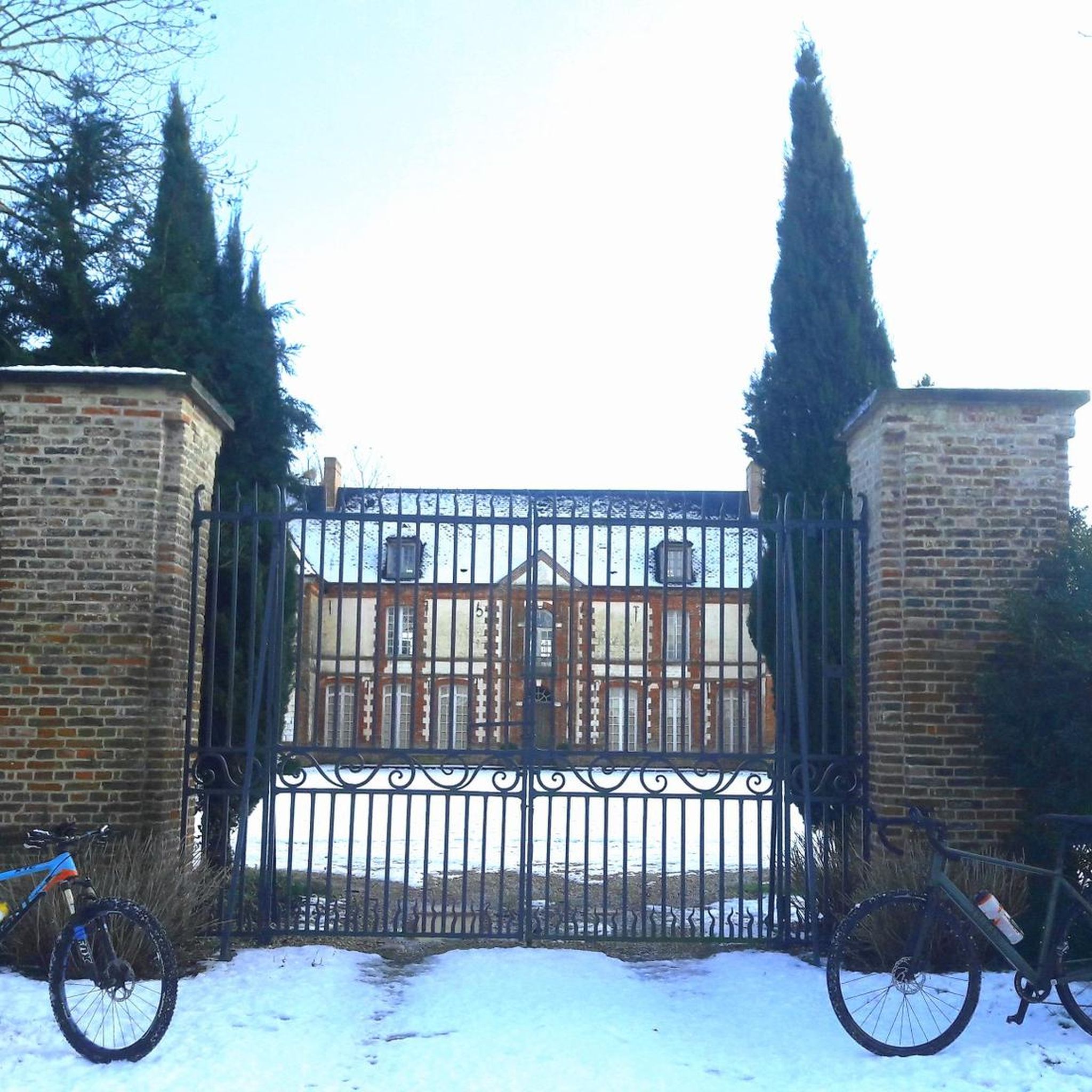
The castle with its pretty outbuildings is somewhat hidden behind trees. From the unpaved access road you could see it reasonably well. You can find some information at http://www.chateau-fort-manoir-chateau.eu/chateaux-somme-chateau-a-citerne-chateau-de-yonville.html
2
0

Brick fortress from the 15th century as a successful example of fortress architecture. The castle was never taken. You can visit them: in addition to the architecture, many facilities and fashions from past centuries can be admired. The castle park is also attractive with its unusual planting and various games, especially for families with children.
0
0

An inescapable photo of the sector
0
0
Frequently Asked Questions
What types of castles can I explore around Le Translay?
The region around Le Translay offers a diverse range of historical fortifications. You can find medieval feudal mounds, such as the significant one in Le Translay itself, 15th-century brick fortresses like Rambures Castle, and 18th and 19th-century châteaux like Château de Bouillancourt-en-Sery and Château d'Harcelaines.
What is the historical significance of Le Translay's feudal mound?
Le Translay is home to an extraordinary and well-preserved feudal mound, or 'motte féodale'. This site represents the remains of a former fortified castle documented as early as 1378. It was a significant English military camp during the Hundred Years' War and, though destroyed by 1574, its impressive earthworks, including a large, high square motte and deep moats, offer significant archaeological insight into medieval fortifications.
Are there family-friendly castles to visit near Le Translay?
Yes, several castles in the area are considered family-friendly. Rambures Castle is known for its attractive park with unusual planting and various games, especially for families with children. Château de Bouillancourt-en-Sery and Château d'Harcelaines also welcome families.
Can I visit the feudal mound in Le Translay?
While the feudal mound in Le Translay is a historically significant site, it is currently privately owned and used as pasture land. It is not generally accessible to the public for direct exploration, though its impressive dimensions are visible on maps.
What outdoor activities can I do near the castles around Le Translay?
The area around Le Translay offers various outdoor activities. You can find numerous hiking trails, with options ranging from easy to difficult, such as the 'Wooden walkway – Rambures Castle loop from Neslette' which is a more challenging 19 km hike. For cyclists, there are road cycling and touring bicycle routes, including the 'Norman Loop between Sea and Historic Sites' and routes that pass by local châteaux. You can find more details on these routes in the hiking guide, road cycling guide, and cycling guide for Le Translay.
Which castle is known for its successful fortress architecture?
Rambures Castle, a 15th-century brick fortress, is renowned for its successful fortress architecture. It has a unique history of never having been taken by force, making it an exceptional example of medieval military design.
Is there a castle near Le Translay that is currently undergoing restoration?
Yes, Château de Bouillancourt-en-Sery, an 18th-century castle attached to two 13th-century towers, is actively undergoing restoration. New owners and many volunteers are committed to preserving its history, and during visits, you might even encounter volunteers who can share insights into their work.
Are there any hidden gem castles or less obvious historical sites to discover?
While not a standing castle, the feudal mound in Le Translay is a significant 'hidden gem' for those interested in medieval history and archaeology, due to its exceptional preservation and rare quadrangular form. For a more secluded château, Château de Yonville is somewhat hidden behind trees and can be viewed from an unpaved access road, offering a glimpse of its outbuildings.
What is the best time of year to visit the castles around Le Translay?
The best time to visit the castles around Le Translay generally aligns with pleasant weather for exploring. Spring and autumn offer comfortable temperatures for walking and enjoying the castle grounds. Some castles may have specific opening hours or events during different seasons, so it's advisable to check their individual websites before planning a visit.
Are there any castles with gardens or parks to explore?
Yes, Rambures Castle features an attractive castle park known for its unusual planting. Additionally, Château d'Harcelaines from the 19th century boasts a beautiful, well-kept garden.
Can I find information about the architecture of these castles?
Yes, the castles around Le Translay showcase various architectural styles. Rambures Castle is a prime example of 15th-century brick fortress architecture. Château de Bouillancourt-en-Sery combines an 18th-century structure with earlier 13th-century towers. The feudal mound in Le Translay, while not a standing structure, is notable for its rare quadrangular 'Edwardian' form.
Most popular routes around Le Translay
Most popular attractions around Le Translay

Get inspired with the komoot mobile app


Explore more
Looking for the best castles somewhere else? Discover other guides around Le Translay:
