Top 3 Castles around Bricqueville-Sur-Mer
Best castles around Bricqueville-Sur-Mer are found in the surrounding Normandy region, which offers a variety of historical fortifications. While Bricqueville-sur-Mer itself is a coastal area, the nearby landscape features significant medieval castles. These sites provide insights into Norman history, military architecture, and local heritage. The region's castles are often situated in strategic locations, reflecting their past importance for defense and trade.
Best castles around Bricqueville-Sur-Mer
- The most popular castles is Regnéville Castle, a castle that was built in the…
Last updated: November 21, 2026
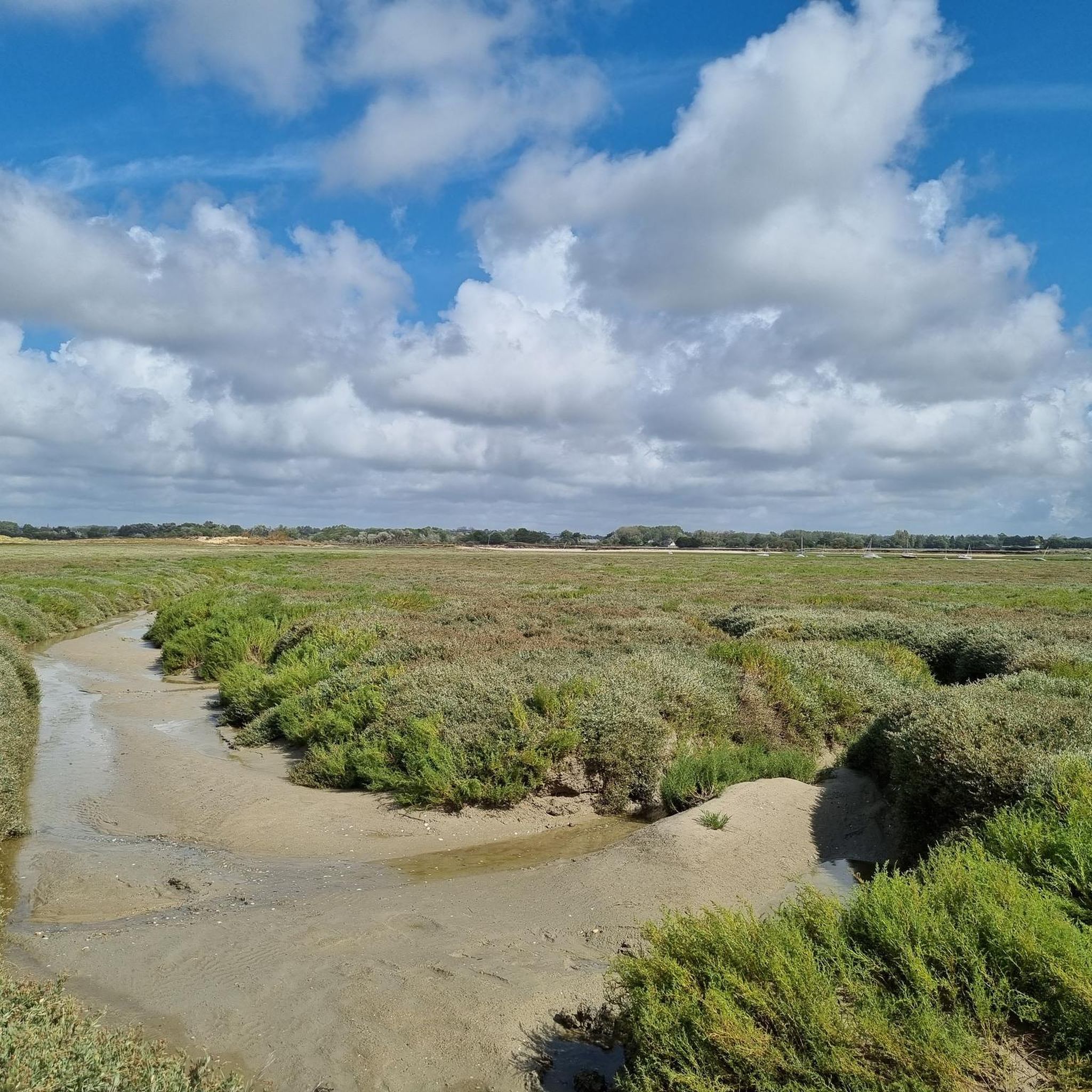
Regnéville-sur-Mer
Highlight • Settlement
Translated by Google •
Tip by

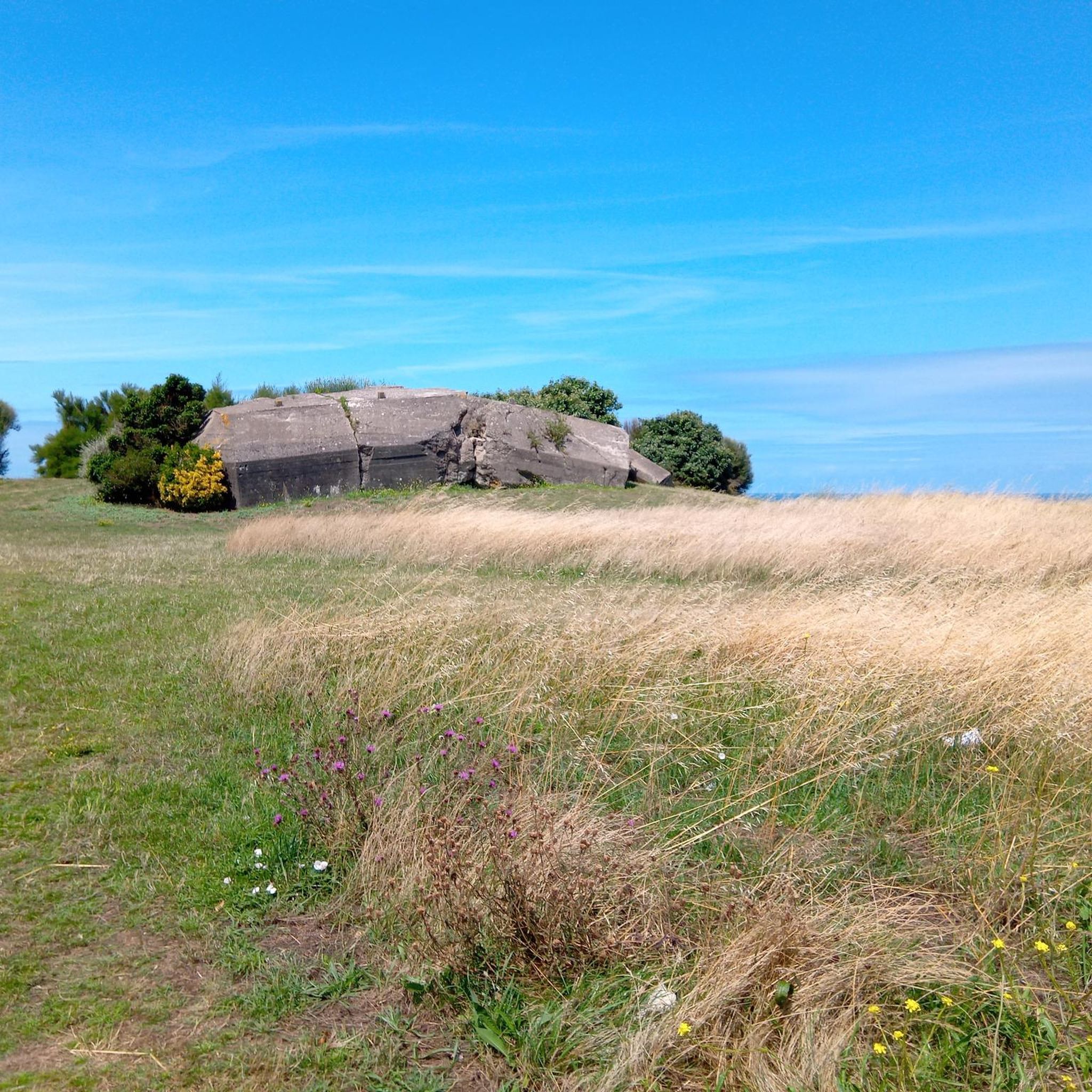
Regnéville Castle
Highlight • Castle
Translated by Google •
Tip by

Sign up now to discover places like this
Get recommendations on the best single tracks, peaks, & plenty of other exciting outdoor places.
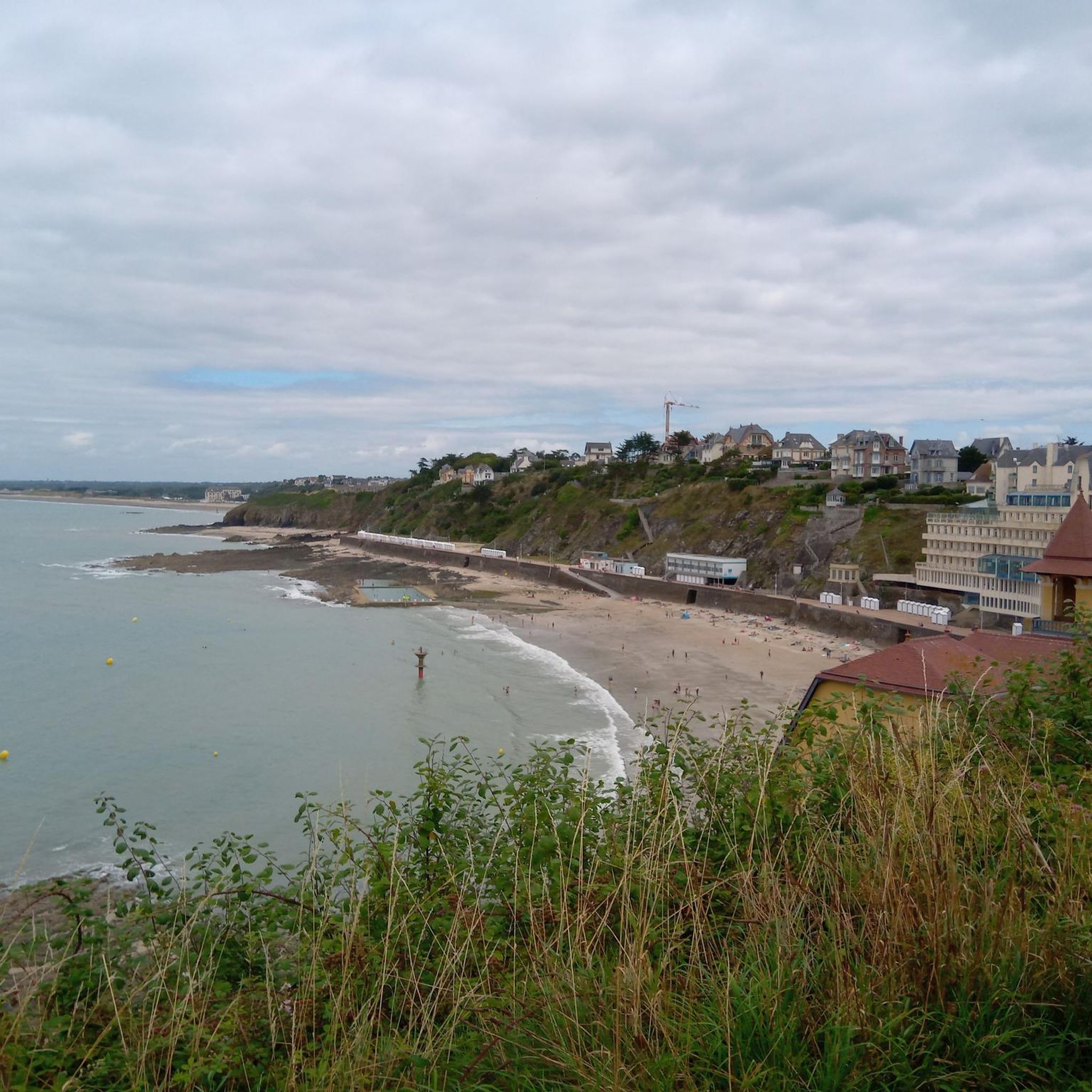
Bréville-sur-Mer
Highlight • Settlement
Translated by Google •
Tip by

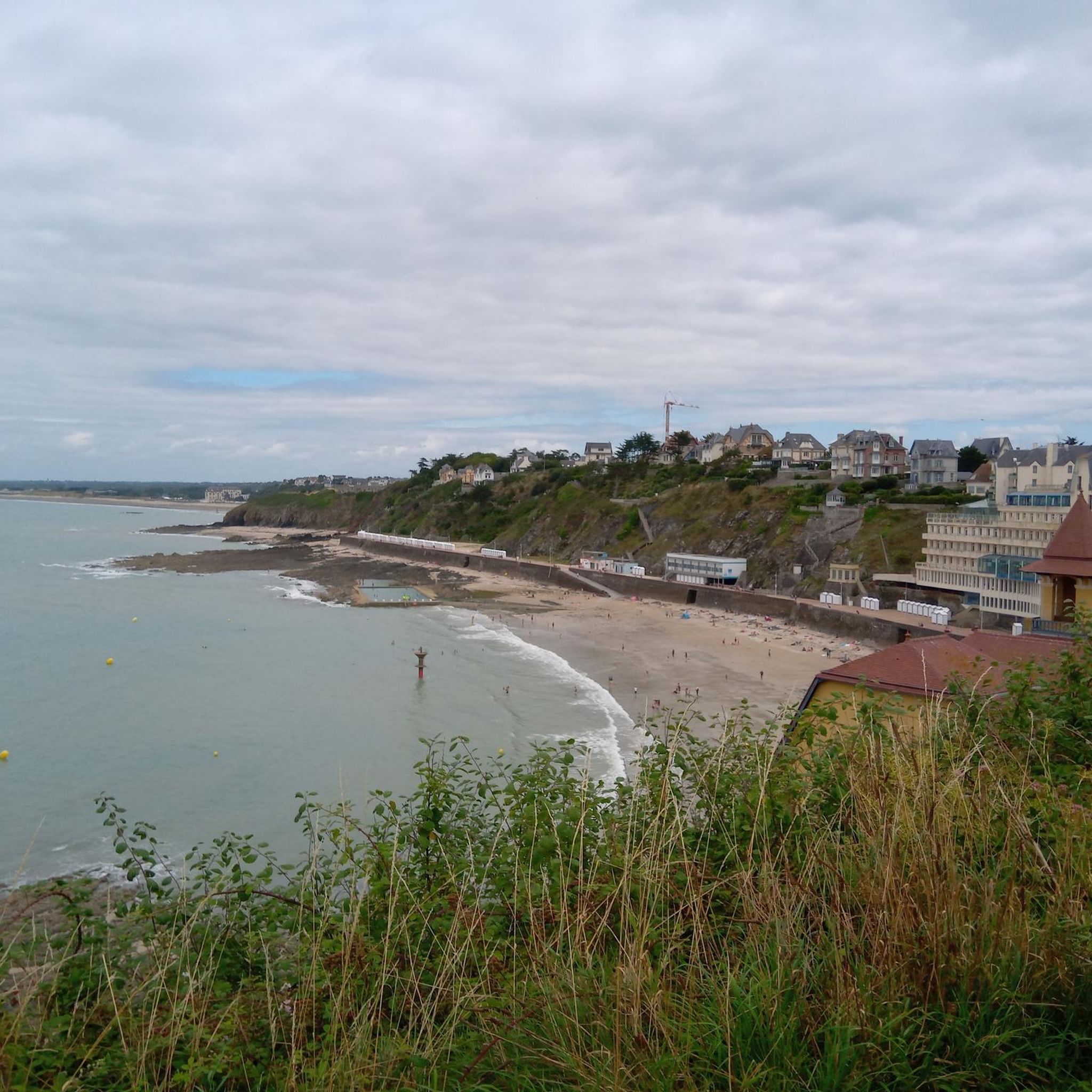
Ruined Tower of the Château de la Vanlée
Highlight • Castle
Translated by Google •
Tip by
Start today with a free account
Your next adventure awaits.

Tips from the Community

Beautiful old town with an old castle. The houses here are still the typical stone houses.
0
0

beautiful ruin with exhibition
0
0

Small, only partially preserved castle.
0
0
Small, only partially preserved castle.
0
0
Small castle, not much preserved, but worth seeing.
0
0

Very early in his activity, he participated in the flourishing economic life of the region. Coastal and offshore fishing (armament for Newfoundland), navigation school, commercial exchanges thanks to the Montmartin fair, protection provided by the castle: it seems to have all the assets. In 1871, the commercial movement of the port again resulted in the entry of 960 boats representing 21,000 tonnes of goods, mainly the transport of limestone and slaked lime to Brittany and the importation of coal for the lime kilns. But its activity will drop suddenly at the end of the 19th century, following the increase in the tonnage of ships incompatible with the low water levels: the appearance of the iron and steam navy will be fatal to it. At the beginning of the 20th century, it suffered several storms. Currently, its activity is solely focused on pleasure boating (90 anchorages). NB: 1 foot = 324mm; 1 barrel = 2.83 m3 (measure used to measure boats).
0
0

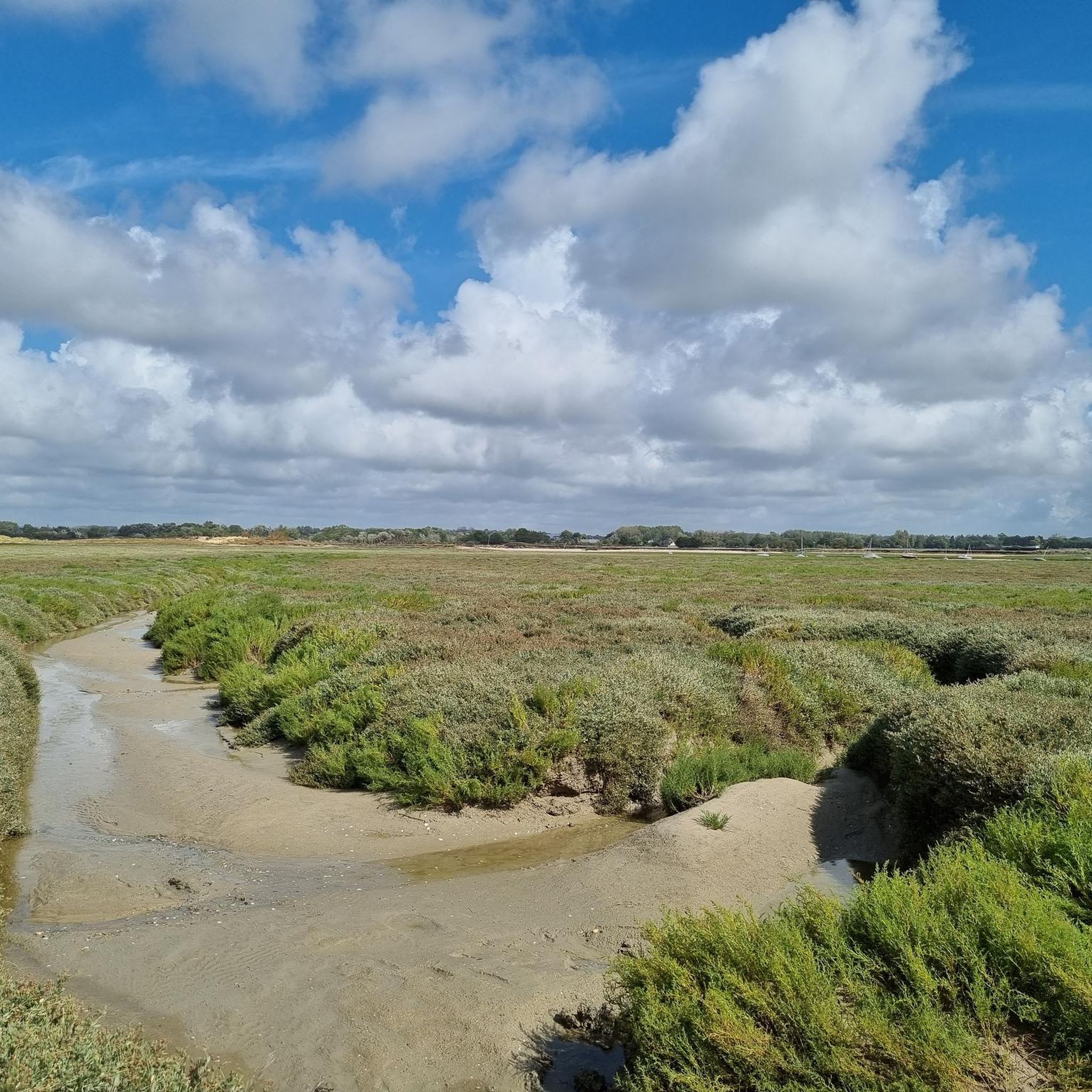
It is a ruined tower dating from the Middle Ages and part of a fortified castle. The tower offers a panoramic view of the coast and the Havre de la Vanlée, a salt marsh where sheep graze.
2
0

Bréville-sur-Mer is a village known for its fishing and agriculture. It was also in the 1950s a maneuvering area for troops stationed at the tip of the Roc de Granville. The Église Notre-Dame de Bréville-sur-Mer is an edifice catholique, from the 2nd half of the XIIth century. It is of Romanesque style and houses, among other things, a Vierge à l'Enfant from the XIVth century and a statue of Saint Hélier from the XVth century. L'église est inscrite aux monuments historiques. There are plenty of places to visit around Bréville-sur-Mer.
1
0
Frequently Asked Questions
Which castles near Bricqueville-sur-Mer offer a deep dive into medieval history and architecture?
For a comprehensive medieval experience, consider the Château de Bricquebec. It features a unique 11-sided polygonal keep, ramparts, and defensive towers. The site also houses the "Musée du Vieux Château," offering insights into local history and archaeology. Another excellent choice is the Château de Pirou, one of Normandy's oldest fortified castles, dating back to the 12th century. It's well-preserved with an outer bailey, chapel, bakery, and the notable Pirou Tapestry depicting the Norman conquest of Sicily.
Are there any ruined castles near Bricqueville-sur-Mer with scenic views?
Yes, the Château de Regnéville offers picturesque ruins with a strong sense of history, strategically located at the edge of the Sienne river estuary. Its impressive keep stands about 20 meters high. You can also visit the Ruined Tower of the Château de la Vanlée, which provides panoramic views of the coast and the Havre de la Vanlée, a salt marsh where sheep graze.
Are there family-friendly castles to visit near Bricqueville-sur-Mer?
Many castles in the region are suitable for families. The Château de Pirou is particularly engaging with its well-preserved medieval setting, including a chapel and bakery, and the legend of the Pirou geese. The Regnéville Castle ruins also frequently host cultural events and summer markets, making it an interesting visit for all ages. Exploring the grounds and imagining medieval life can be a fun activity for children.
When is the best time of year to visit the castles around Bricqueville-sur-Mer?
The best time to visit castles in Normandy is generally from late spring to early autumn (May to September). During these months, the weather is milder, gardens are in bloom, and most sites offer extended opening hours and special events. Summer (July and August) can be busy, so visiting in May, June, or September might offer a more relaxed experience with pleasant weather.
Are castles near Bricqueville-sur-Mer open during winter?
Some castles may have reduced opening hours or be closed during the winter months (November to March). It's always advisable to check the specific opening times for each castle you plan to visit before your trip. For example, while the exteriors might be accessible, museums or interior tours could be limited. Websites like Normandie Tourisme can provide general information, but direct checks with individual castle websites are recommended.
What outdoor activities can I do near these castles?
The region around Bricqueville-sur-Mer offers various outdoor activities. You can find numerous hiking trails, such as "Le havre de la Vanlée — loop from Bricqueville-sur-Mer," which is a moderate 12 km hike. For cycling enthusiasts, there are road cycling routes like the "Havre de la Vanlée – Bréville-sur-Mer loop" (37.8 km, easy) or traffic-free options like the "Manoir du Mesnil de Bas loop from Bréville-sur-Mer" (34.1 km, moderate). You can explore more options in the Hiking around Bricqueville-Sur-Mer, Road Cycling Routes around Bricqueville-Sur-Mer, and Traffic-free bike rides around Bricqueville-Sur-Mer guides.
Are there any lesser-known or 'hidden gem' castles worth exploring near Bricqueville-sur-Mer?
The Château de Gratot, just a few miles from Coutances, is often considered a hidden gem. It presents centuries of history with remains from the 13th to the 18th centuries, including four towers and vaulted cellars. It's also known for the legend of the Fairy Andaine, adding a mythical element to your visit. This castle offers a blend of architectural history and local folklore, often hosting temporary art exhibitions in summer.
How much time should I allocate for visiting castles near Bricqueville-sur-Mer?
For a single castle visit, plan to spend anywhere from 1.5 to 3 hours, depending on its size, whether it has a museum, and if you opt for a guided tour. For example, exploring the Château de Bricquebec with its museum might take longer than a visit to the ruins of Regnéville Castle. If you plan to visit multiple castles in a day, factor in travel time between locations, which can range from 20 minutes to an hour for the castles mentioned.
Are there dining options or cafes near the castles, especially Château de Gratot?
While some castles might have small snack bars or picnic areas, dedicated cafes or restaurants are typically found in nearby towns or villages. For Château de Gratot, you would find dining options in the nearby town of Coutances, which offers a wider selection of restaurants and cafes. Similarly, for other castles like Château de Pirou or Château de Bricquebec, local village establishments would be your best bet for a meal or coffee.
What is the typical walking difficulty when visiting castles in this region?
Visiting castles generally involves moderate walking. You can expect uneven terrain, cobblestones, stairs (sometimes steep, especially in keeps or towers), and walking across grounds that may not always be paved. For example, exploring the ruins of Regnéville Castle involves walking around the site, and the Ruined Tower of the Château de la Vanlée might require walking on natural paths. Comfortable walking shoes are highly recommended.
Can I visit castles near Bricqueville-sur-Mer with my dog?
Dog policies vary significantly from one castle to another. Generally, dogs are often allowed in outdoor areas, such as castle grounds or courtyards, especially if kept on a leash. However, they are usually not permitted inside buildings, museums, or chapels for conservation and hygiene reasons. It's best to check the specific rules of each castle directly before your visit to avoid disappointment.
Most popular routes around Bricqueville-Sur-Mer
Most popular attractions around Bricqueville-Sur-Mer

Get inspired with the komoot mobile app


Explore more
Looking for the best castles somewhere else? Discover other guides around Bricqueville-Sur-Mer:
